Press Brake Bending Accuracy Explained: Key Factors That Affect Precision


Technical Overview of Press Brake Bending Accuracy
In the realm of modern metal fabrication, precision is not merely a goal; it is a fundamental requirement. Press brake bending accuracy refers to the machine’s ability to consistently produce parts that meet specific dimensional and angular tolerances. This accuracy is the result of a complex interplay between mechanical engineering, hydraulic control, software intelligence, and material science. When we discuss Press Brake Bending Accuracy Explained: Key Factors That Affect Precision, we are looking at how a machine manages the variables of force, position, and material resistance to achieve a perfect bend.
The evolution of the press brake has seen a transition from manual mechanical systems to highly sophisticated CNC (Computer Numerical Control) hydraulic and electric systems. In older mechanical brakes, accuracy was largely dependent on the operator’s skill and the physical stops of the machine. Today, HARSLE CNC press brakes utilize synchronized Y1 and Y2 axes, controlled by high-resolution linear encoders, to ensure the ram remains perfectly level or intentionally tilted to compensate for specific part geometries. This synchronization is critical because even a deviation of a few microns can result in an angular error that renders a part unusable in high-precision industries like aerospace or medical device manufacturing.
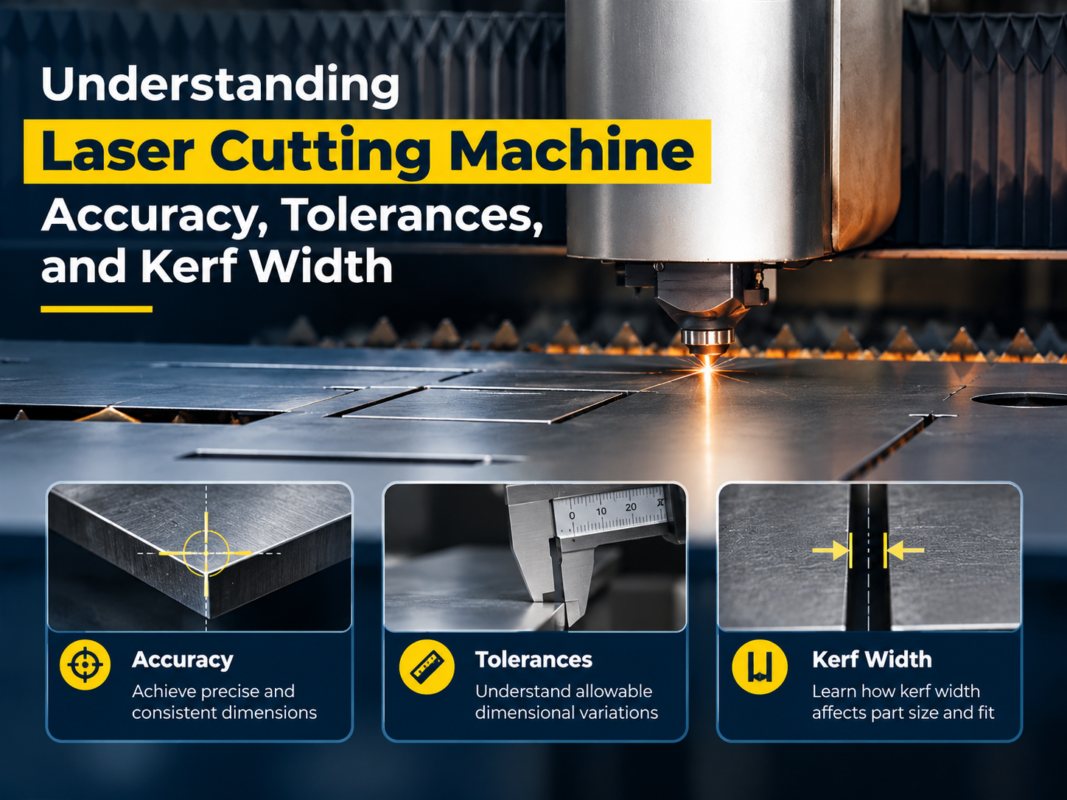
Accuracy is typically measured in two ways: repeatability and positioning accuracy. Repeatability is the machine’s ability to return to the same position time after time, while positioning accuracy is the ability to reach a specific commanded coordinate. For a high-quality press brake, these tolerances are often within ±0.01mm. However, the machine’s internal precision is only half the story. The interaction between the tooling and the material introduces a new set of variables that must be managed through advanced compensation systems and expert operator knowledge.
The Role of the Frame and Hydraulics
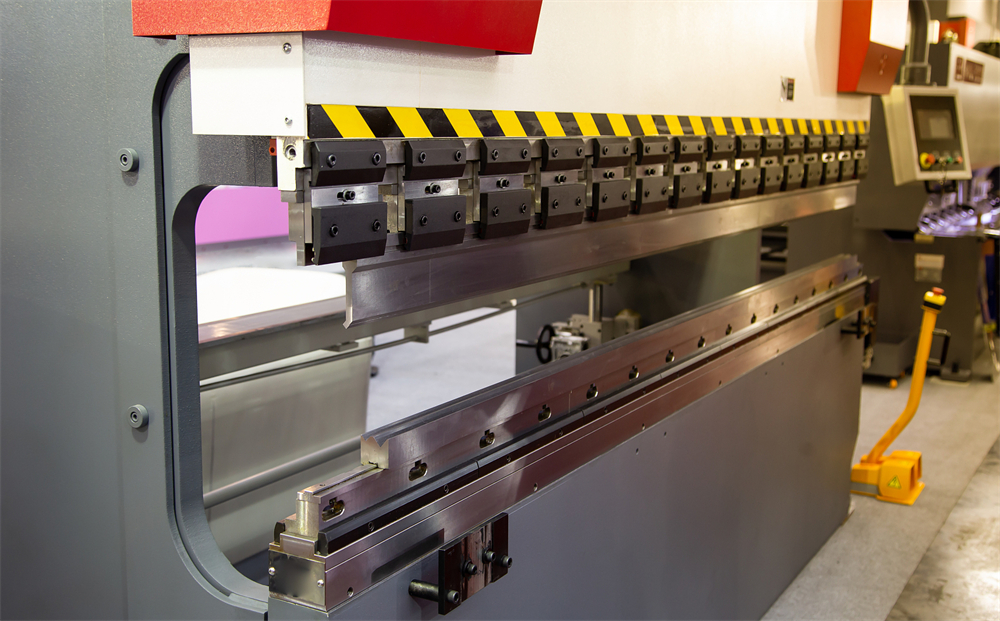
The structural integrity of the press brake frame is the foundation of all precision. Under high pressure, every press brake frame will experience some degree of deflection. If the frame is not rigid enough, or if the deflection is not properly compensated for, the resulting bend will be inconsistent across the length of the workpiece—a phenomenon known as the ‘canoe effect,’ where the center of the bend is less acute than the ends. High-end machines use heavy-duty, stress-relieved steel frames to minimize this movement.
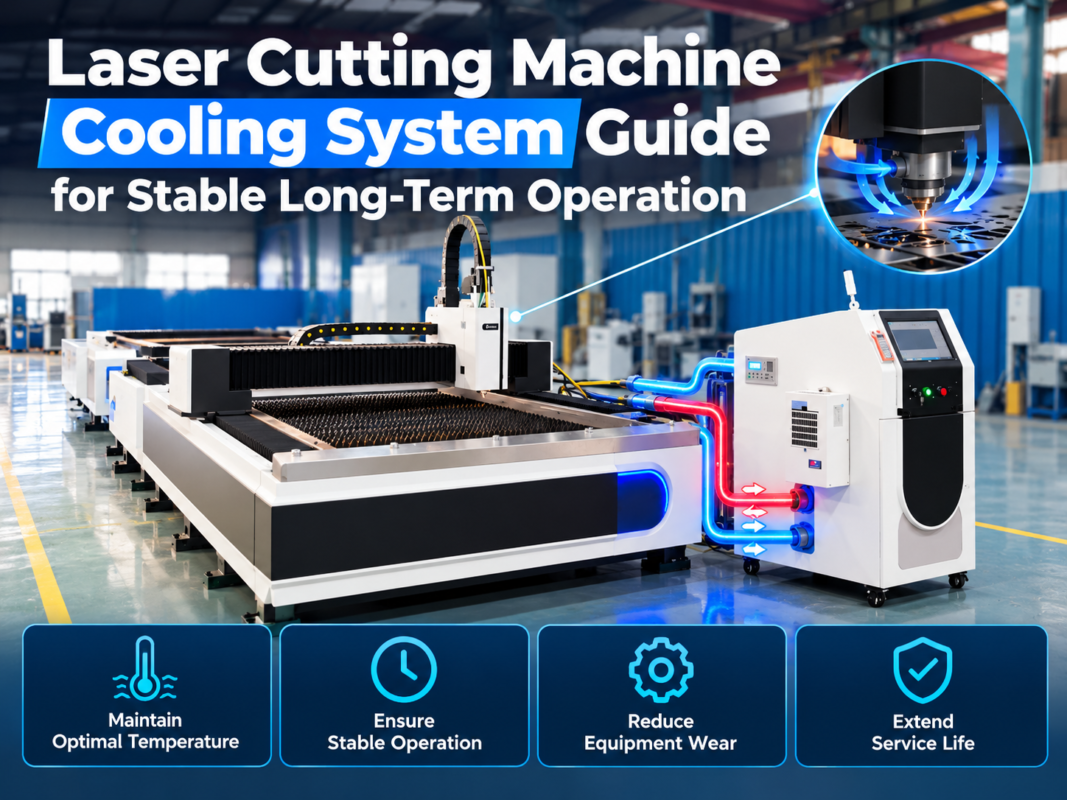
Furthermore, the hydraulic system must provide smooth, consistent pressure. Variations in oil temperature can affect the viscosity of the fluid, which in turn affects the response time of the valves and the positioning of the cylinders. Advanced HARSLE machines often include temperature compensation systems and high-frequency response valves to mitigate these effects, ensuring that the ‘Press Brake Bending Accuracy Explained: Key Factors That Affect Precision’ remains consistent from the first part of the morning to the last part of the shift.
Core Parameters Affecting Bending Precision
Material Properties and Thickness Consistency
Perhaps the most significant external factor in bending accuracy is the material itself. Sheet metal is not a perfectly uniform product. Variations in thickness, yield strength, and grain direction can all lead to inconsistent results. For example, if a batch of 2mm mild steel actually varies between 1.9mm and 2.1mm, the air bending angle will change significantly because the material sits differently in the V-die. Yield strength also plays a role; higher strength materials exhibit more springback, requiring the machine to over-bend the part further to achieve the desired final angle.
Tooling Selection and Wear
The quality and condition of the punches and dies are paramount. Precision-ground tooling is manufactured to extremely tight tolerances. However, as tools wear down over thousands of cycles, their radii change, and their ability to produce sharp, accurate bends diminishes. Additionally, the choice of the V-die opening (V-width) directly influences the bending radius and the force required. A general rule of thumb is that the V-opening should be 8 times the material thickness for mild steel, but deviations from this rule are often necessary for specific precision requirements.
The Backgauge System
While the ram controls the angle, the backgauge controls the dimensions of the flanges. A high-precision backgauge system (often featuring 4, 5, or 6 axes) allows for the complex positioning of parts. If the backgauge fingers are not perfectly calibrated or if there is ‘play’ in the lead screws, the flange lengths will vary. Modern CNC systems allow for independent movement of the backgauge fingers (R-axis, Z1, Z2 axes), which is essential for bending asymmetrical parts or parts with multiple steps.
Crowning and Deflection Compensation
As mentioned earlier, the bed and ram of a press brake deflect under load. To counter this, manufacturers use ‘crowning’ systems. This can be hydraulic (cylinders in the lower bed that push upward) or mechanical (a series of wedges that create a curve in the bed). The goal is to ensure that the punch and die remain parallel under full load. Without an effective crowning system, achieving a consistent angle across a long workpiece is virtually impossible.
Calculation Method for Bending Accuracy
To achieve precision, engineers must calculate the required bending force and the expected springback. The standard formula for calculating the bending force (P) for mild steel is:
P = (650 x S² x L) / V
- P: Bending force (kN)
- S: Material thickness (mm)
- L: Bending length (m)
- V: V-die opening width (mm)
Beyond force, calculating the Bend Allowance and Bend Deduction is critical for flat pattern development. This involves the K-factor, which is the ratio of the neutral axis position to the material thickness. The formula for Bend Allowance (BA) is:
BA = Δ × (π/180) × (R + K × S)
Where Δ is the bend angle, R is the inside bend radius, K is the K-factor, and S is the thickness. Accurate calculation of these values ensures that the final part dimensions match the CAD design after the metal has been stretched and compressed during the bending process.
Parameter Table: V-Die Selection and Minimum Flange Length
| Material Thickness (mm) | Recommended V-Opening (mm) | Inside Radius (mm) | Min. Flange Length (mm) | Bending Force (Tons/Meter) |
|---|---|---|---|---|
| 1.0 | 8 | 1.3 | 5.5 | 7 |
| 1.5 | 12 | 2.0 | 8.5 | 11 |
| 2.0 | 16 | 2.6 | 11.0 | 15 |
| 3.0 | 24 | 4.0 | 16.5 | 23 |
| 4.0 | 32 | 5.3 | 22.0 | 31 |
| 6.0 | 48 | 8.0 | 33.0 | 46 |
Note: These values are based on mild steel with a tensile strength of approximately 450 MPa. For stainless steel, the required force is typically 50% higher.
Common Engineering Mistakes in Press Brake Operations
One of the most frequent mistakes in metal fabrication is ignoring the grain direction of the sheet metal. Metal is rolled at the mill, creating a grain structure. Bending with the grain (parallel) is easier but more prone to cracking and offers less consistent springback. Bending across the grain (perpendicular) provides more strength and better angular consistency. Failing to account for this in the nesting process can lead to a batch of parts with varying angles despite identical machine settings.
Another common error is the incorrect selection of the V-die. Using a V-die that is too small increases the bending force exponentially, leading to excessive tool wear and potential machine damage. Conversely, a V-die that is too large makes it difficult to achieve small internal radii and can lead to inaccuracies in the bend location. Operators must also be wary of ‘bottoming’ when the machine is set for ‘air bending.’ If the punch descends too far into the die, it can cause unexpected deformation and strain the machine’s hydraulic system.
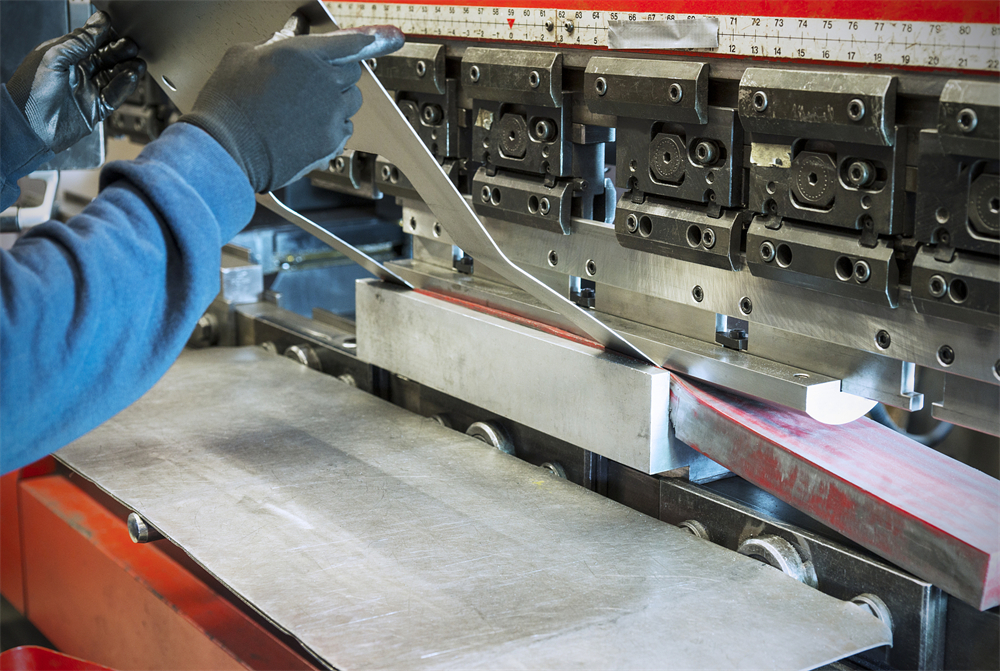
Maintenance neglect is a silent killer of precision. Over time, hydraulic oil can become contaminated, and linear scales can accumulate dust. If the Y-axis sensors are not clean, the CNC controller receives inaccurate feedback, leading to positioning errors. Similarly, if the backgauge is not regularly lubricated and checked for squareness, the flange dimensions will slowly drift out of tolerance. A rigorous maintenance schedule is essential for any shop prioritizing ‘Press Brake Bending Accuracy Explained: Key Factors That Affect Precision’.
Selection Checklist for High-Precision Press Brakes
When investing in a new press brake, especially from a manufacturer like HARSLE, consider the following checklist to ensure you are getting a machine capable of high-precision work:
- Frame Construction: Is the frame O-frame or C-frame? Is it stress-relieved and heavy enough to handle the rated tonnage with minimal deflection?
- CNC Controller: Does it support 3D visualization and automatic bend sequencing? Controllers like Delem DA66T or DA69T offer superior algorithms for springback compensation.
- Crowning System: Is there an automatic CNC-controlled crowning system? Mechanical crowning is often preferred for its precision and lack of reliance on hydraulic seals.
- Backgauge Axes: How many axes are included? For complex parts, a 4-axis (X, R, Z1, Z2) or 6-axis (X1, X2, R1, R2, Z1, Z2) backgauge is necessary.
- Angle Measurement Systems: Does the machine offer real-time laser angle measurement? This technology measures the angle during the bend and adjusts the ram depth instantly to compensate for material variations.
- Tooling Compatibility: Does the machine use standard European or New Standard (Wila) tooling? Precision-ground, hardened tooling is a must for accuracy.
- Hydraulic Components: Are the valves and pumps from reputable brands like Bosch-Rexroth or Hoerbiger? High-quality hydraulics ensure consistent ram movement.
Frequently Asked Questions (FAQ)
What is the difference between air bending and bottoming?
Air bending is a technique where the workpiece only touches the two edges of the V-die and the tip of the punch. The angle is determined by how deep the punch descends. Bottoming involves pressing the sheet metal all the way to the bottom of the die. Air bending is more versatile and requires less force, but bottoming can offer higher angular accuracy if the tooling is perfectly matched to the desired angle.
How does temperature affect bending accuracy?
Temperature affects the viscosity of hydraulic oil. Cold oil moves more slowly and can cause the ram to lag, while very hot oil can become too thin, leading to internal leakage in valves. Both scenarios result in inconsistent ram positioning. High-quality press brakes use oil heaters/coolers and software compensation to maintain accuracy across different operating temperatures.
Why is my press brake bending different angles at the ends compared to the middle?
This is usually caused by frame deflection. When the ram applies force, the center of the bed and ram bow away from each other. To fix this, you need a crowning system that applies a counter-curve to the bed, ensuring the punch and die remain parallel throughout the stroke.
How often should I calibrate my press brake?
For high-precision shops, a basic calibration check should be performed weekly, with a comprehensive professional calibration once or twice a year. However, if the machine is moved, undergoes major repairs, or if you notice a trend in dimensional errors, immediate recalibration is required.
Can I achieve high precision with an old mechanical press brake?
While a skilled operator can produce good parts on a mechanical brake, it is extremely difficult to achieve the consistency and repeatability of a modern CNC hydraulic brake. Mechanical brakes lack the fine-tuned control over ram depth and the automated compensation features that define modern ‘Press Brake Bending Accuracy Explained: Key Factors That Affect Precision’.