Press Brake Hydraulic System Maintenance Tips to Prevent Downtime


The Critical Role of Maintenance in Press Brake Longevity
In the world of metal fabrication, the press brake is often the centerpiece of the production line. Its ability to bend sheet metal with precision and repeatability is what allows manufacturers to deliver high-quality components. However, the heart of this machine—the hydraulic system—is also its most vulnerable component if neglected. Implementing effective Press Brake Hydraulic System Maintenance Tips Prevent Downtime is not just a recommendation; it is a necessity for any facility looking to maintain a competitive edge and ensure operational continuity.
Hydraulic systems operate under immense pressure, often exceeding 3,000 PSI. This high-pressure environment means that even minor issues, such as a small leak or a slightly contaminated batch of oil, can quickly escalate into catastrophic failures. When a press brake goes down, the entire production chain often grinds to a halt. Lead times are missed, labor costs rise as operators sit idle, and the cost of emergency repairs can be astronomical compared to the cost of routine maintenance. By prioritizing a proactive maintenance strategy, companies can extend the lifespan of their HARSLE machinery by years, if not decades.
Furthermore, consistent maintenance ensures that the machine operates within its designed tolerances. A well-maintained hydraulic system provides smooth, consistent ram movement, which is essential for achieving accurate bend angles. Over time, wear and tear on valves and seals can lead to pressure fluctuations, resulting in inconsistent parts and increased scrap rates. Therefore, maintenance is as much about quality control as it is about machine uptime. In the following sections, we will delve into the specific steps required to keep your press brake running at peak performance.
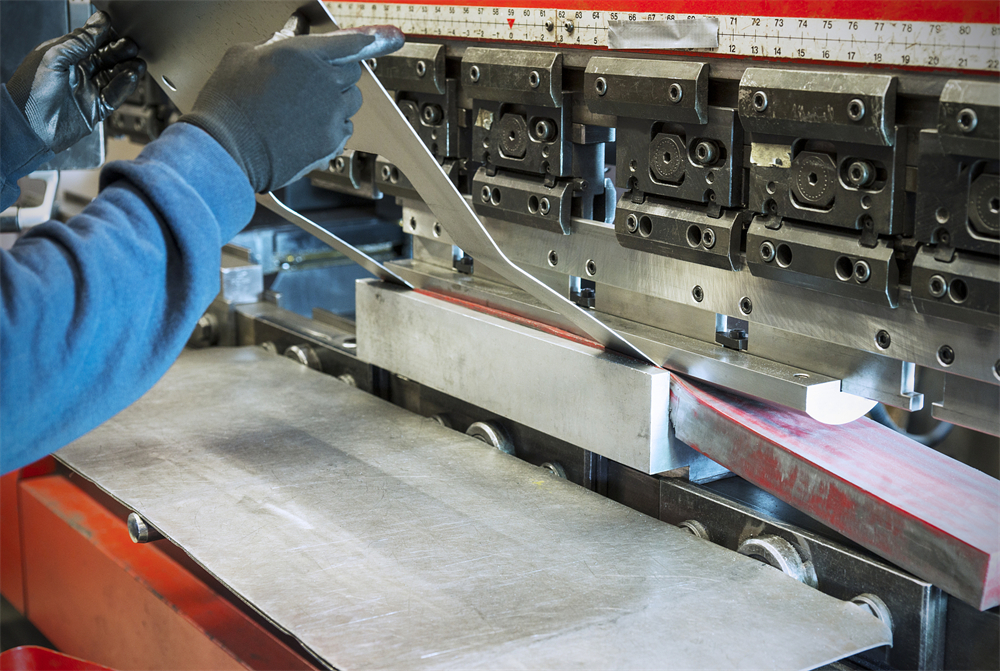
Daily Inspection: The First Line of Defense
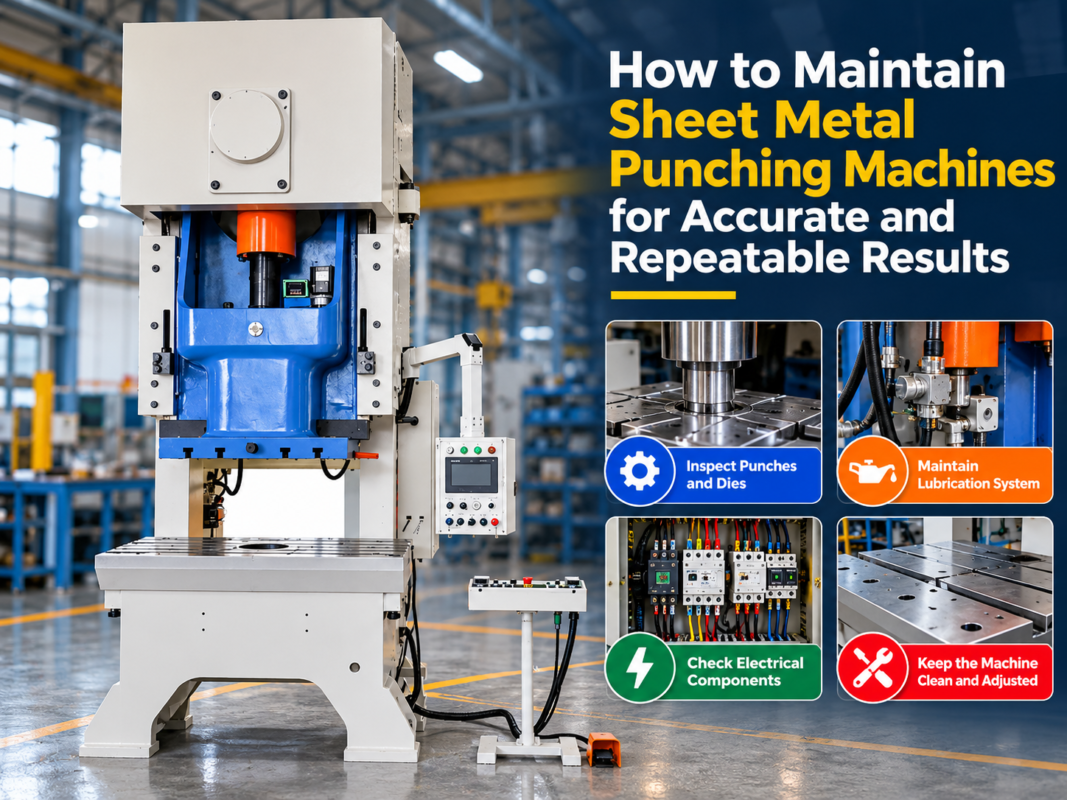
The most effective way to prevent major breakdowns is through a rigorous daily inspection routine. This should be the first task performed by the operator at the start of every shift. A daily walk-around allows for the detection of early warning signs that might otherwise go unnoticed until a failure occurs. The goal is to identify “abnormalities”—anything that looks, sounds, or smells different than usual.
Start by checking the hydraulic oil level. Most HARSLE press brakes are equipped with a clear sight glass on the side of the oil reservoir. The oil should be at the recommended level when the ram is in the up position. If the oil is low, it can lead to pump cavitation, where air bubbles are sucked into the system, causing internal damage and erratic movement. While checking the level, also observe the color and clarity of the oil. It should be clear and amber-colored. If it appears milky, it indicates water contamination; if it is dark or smells burnt, it has likely oxidized due to overheating.
Next, inspect the machine for visible leaks. Check around the cylinder seals, hose connections, and valve blocks. Even a small “weep” or damp spot can indicate a seal that is beginning to fail. Hydraulic fluid is not only expensive but also poses a significant slip hazard and fire risk in an industrial environment. Additionally, check the pressure gauges during a test cycle. Ensure that the pressure builds up smoothly and reaches the programmed tonnage without excessive vibration or noise. Any “chattering” sound from the pump or valves is a clear signal that something is wrong within the hydraulic circuit.
Comprehensive Hydraulic System Checks
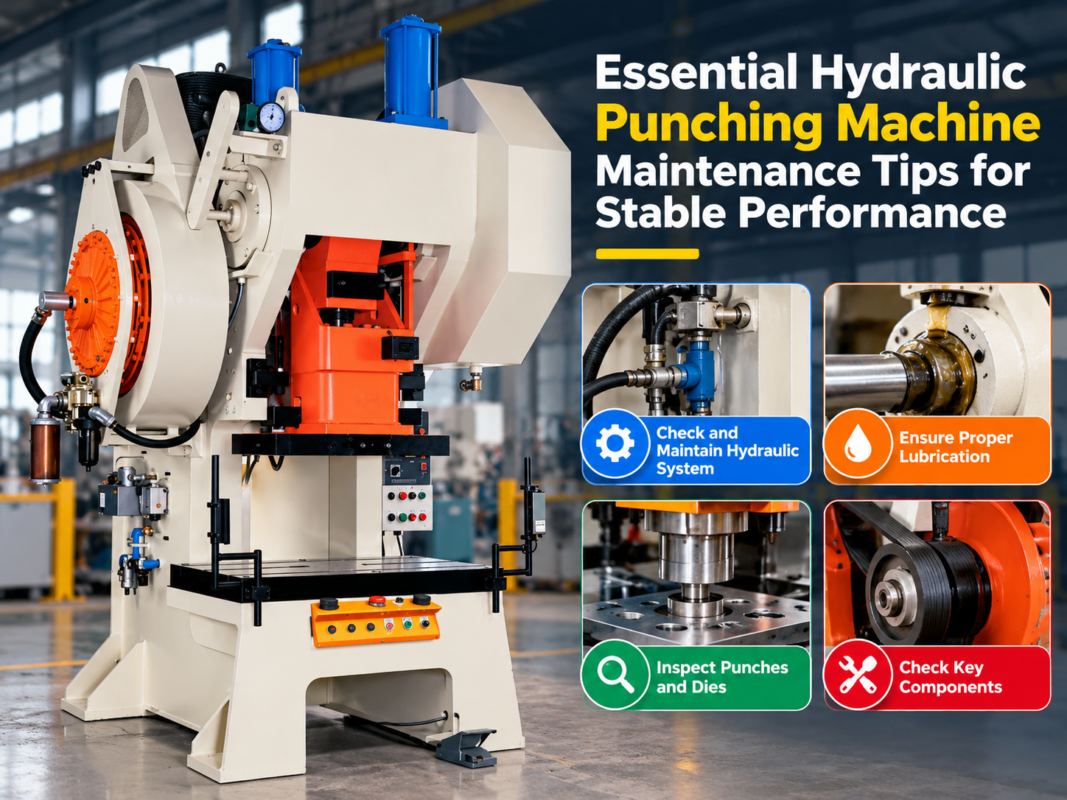
Beyond the daily walk-around, a deeper dive into the hydraulic system is required on a monthly or quarterly basis. This involves checking the components that are not immediately visible but are critical to the system’s health. One of the most important components is the hydraulic filter. Most modern press brakes utilize high-efficiency filters to remove microscopic contaminants that can score valve spools and damage pump internals. These filters often have a bypass indicator; if the indicator is in the red zone, the filter is clogged and must be replaced immediately.
Oil temperature management is another critical factor. The ideal operating temperature for hydraulic oil is typically between 35°C and 55°C (95°F to 131°F). If the oil exceeds 60°C, its viscosity drops, leading to increased internal leakage and accelerated wear of seals and components. Check the cooling system, whether it is an air-cooled heat exchanger or a water-cooled system, to ensure it is functioning correctly. Clean the cooling fins of air coolers regularly, as dust and oil mist can quickly coat them, reducing their efficiency.
Finally, inspect the hydraulic hoses and hard lines. Hoses have a finite lifespan and can degrade over time due to pressure pulses and environmental factors. Look for signs of cracking, bulging, or abrasion. A hose failure under full pressure is extremely dangerous and can cause significant damage to the machine’s surroundings. Ensure that all clamps and supports are tight to prevent vibration-induced fatigue in the hard piping. By systematically checking these components, you are following the best Press Brake Hydraulic System Maintenance Tips Prevent Downtime.
Electrical and Mechanical Integration Checks
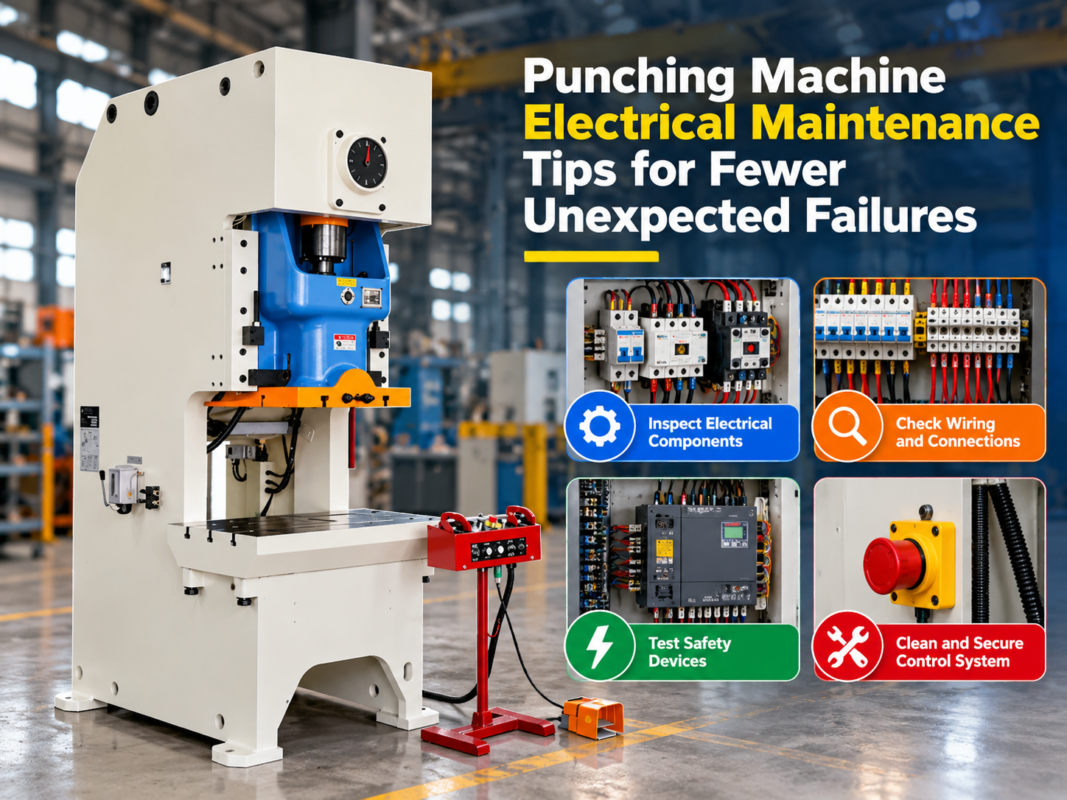
A press brake is a complex integration of hydraulics, electronics, and mechanics. Problems in the electrical system can often manifest as hydraulic issues. For instance, a faulty solenoid valve might not open fully, leading to slow ram movement or an inability to reach full pressure. Periodically inspect the electrical cabinet for loose connections, which can be caused by the machine’s natural vibrations. Ensure that the cooling fans for the electrical cabinet are working, as heat is the primary enemy of PLCs and motor drives.
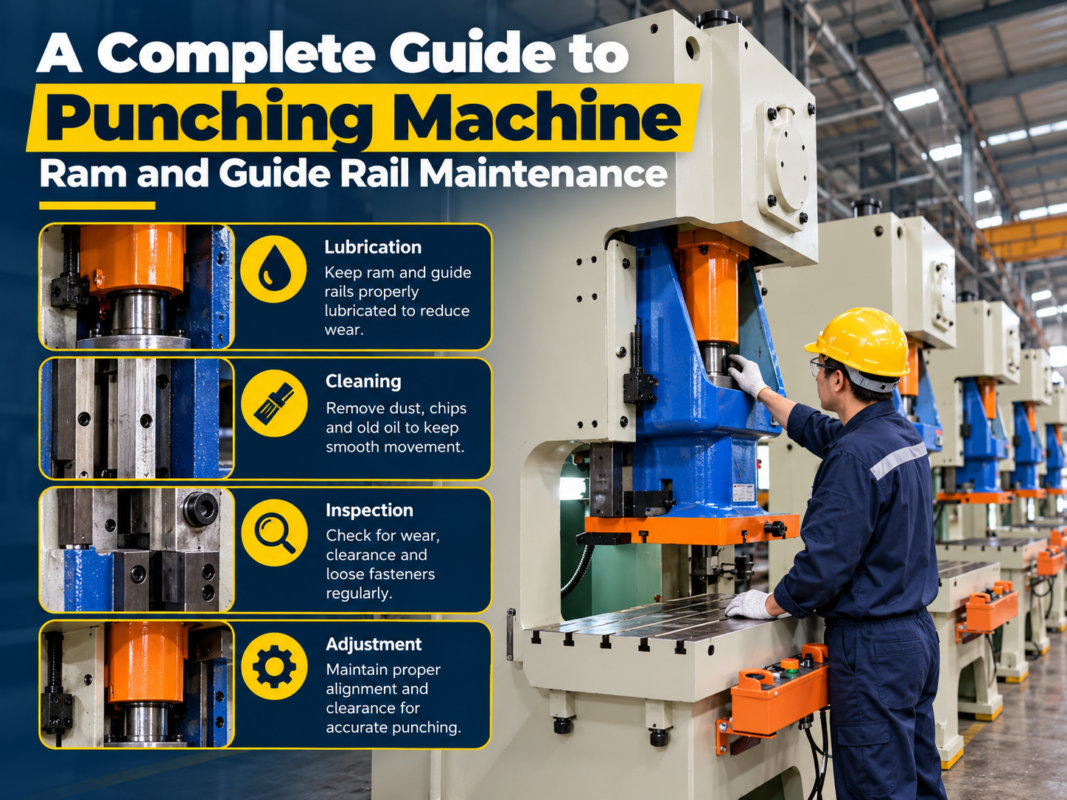
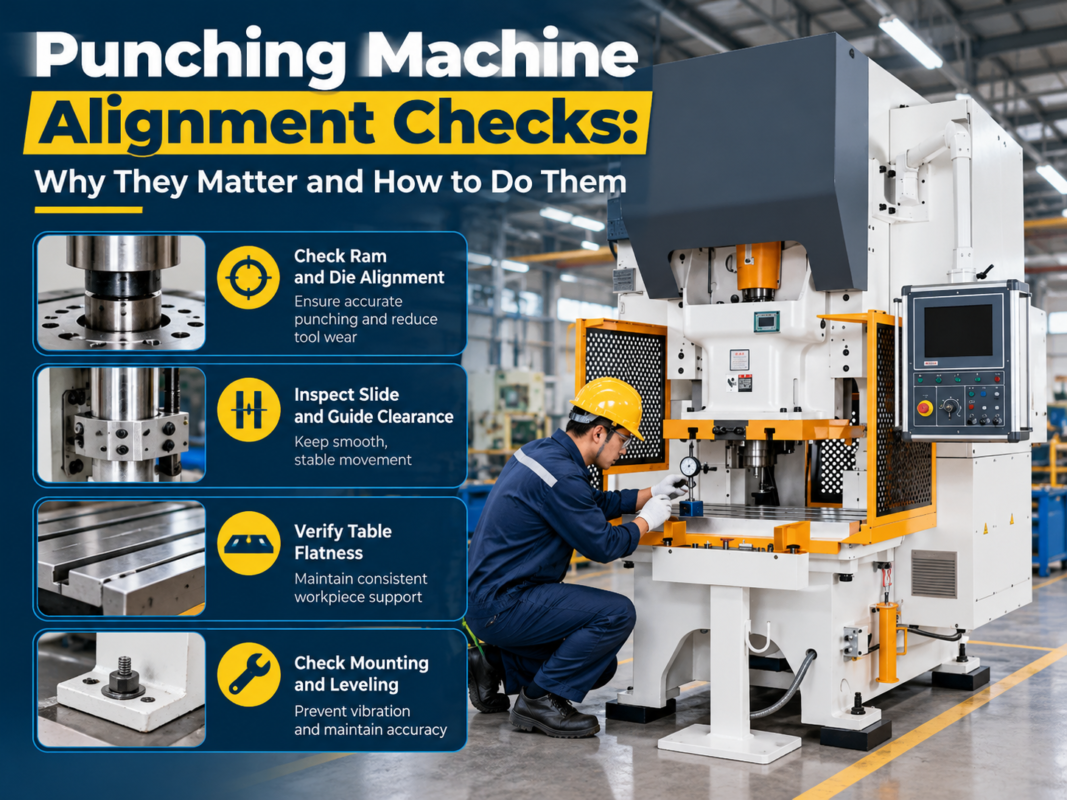
Mechanical alignment is equally important. The hydraulic cylinders must work in perfect synchronization to keep the ram level. If the mechanical guides (ways) are worn or out of alignment, the hydraulic system will have to work harder to overcome the friction, leading to increased heat and wear. Check the parallelism of the ram to the bed. If the ram is tilting, it puts uneven side-loads on the hydraulic cylinder seals, which will eventually lead to leaks.
The backgauge system, while often driven by electric servo motors, must also be maintained to ensure the overall accuracy of the machine. Lubricate the ball screws and linear guides of the backgauge according to the manufacturer’s specifications. A sticking backgauge can cause the operator to stop the machine frequently for adjustments, which is a form of “micro-downtime” that adds up over the course of a year. Ensuring that the mechanical and electrical systems are in harmony with the hydraulics is a holistic approach to maintenance.
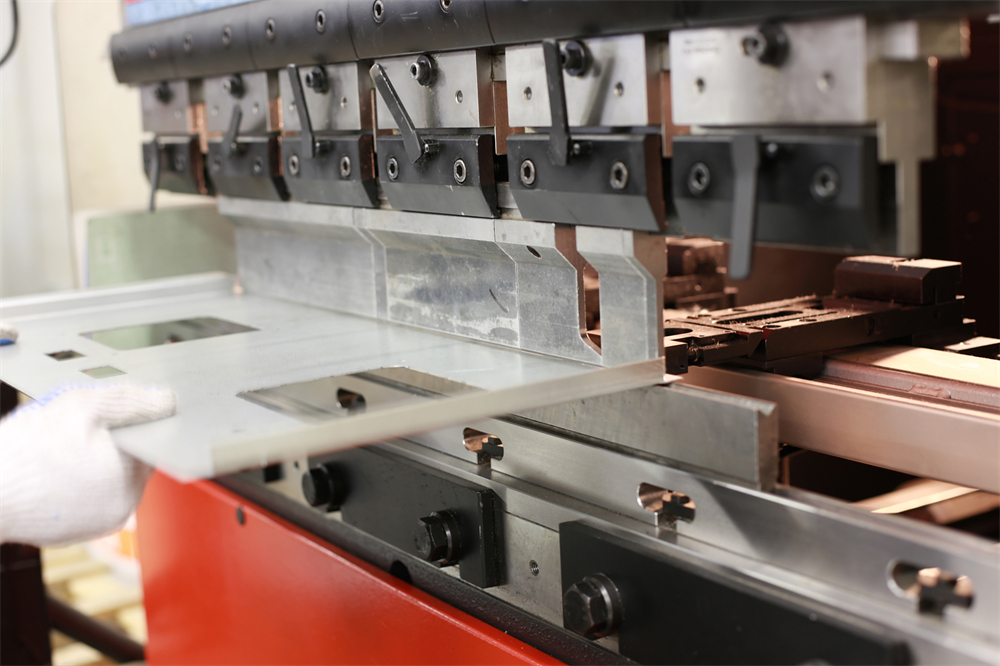
Developing a Robust Lubrication Plan
Lubrication is the simplest yet most frequently overlooked aspect of press brake maintenance. While the hydraulic oil lubricates the internal components of the pump and valves, the external moving parts require specialized grease or oil. The main guideways, where the ram slides against the frame, are under high pressure and require a consistent film of lubricant to prevent metal-on-metal contact.
A proper lubrication plan should specify the type of lubricant, the location of the grease points, and the frequency of application. Many HARSLE press brakes feature centralized lubrication systems that automatically deliver grease to the critical points. However, these systems still need to be monitored. Ensure the reservoir is full and check that the grease is actually reaching the intended locations. If a line becomes blocked, one side of the machine may run dry, leading to rapid wear and expensive repairs.
For machines without automated systems, manual lubrication must be scheduled. Use a high-quality lithium-based grease or the specific lubricant recommended in your HARSLE manual. Don’t forget the pivot points on the backgauge fingers and the adjustment screws. Over-lubrication can also be a problem, as excess grease can attract dust and metal shavings, creating an abrasive paste. Wipe away old, dirty grease before applying fresh lubricant to ensure the system remains clean.
Troubleshooting Signals: Listening to Your Machine
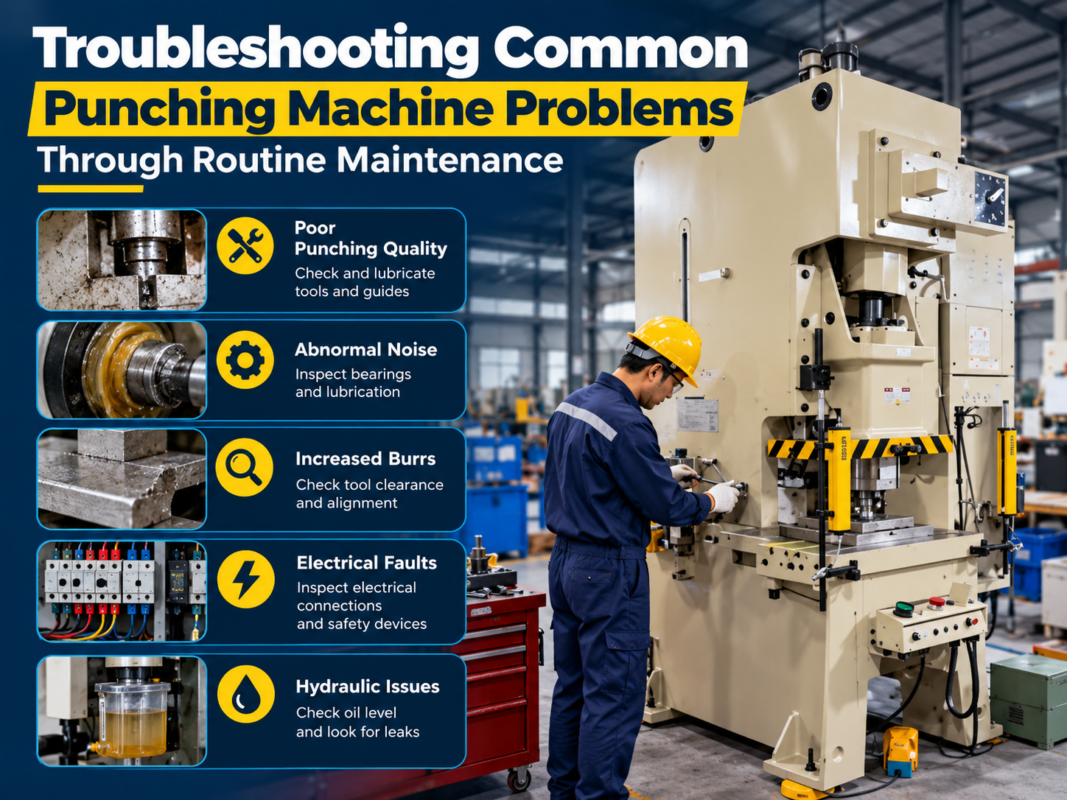
Experienced operators often “feel” when a machine is not performing correctly. Training your staff to recognize troubleshooting signals is a key part of Press Brake Hydraulic System Maintenance Tips Prevent Downtime. One of the most common signals is an unusual noise. A high-pitched whine often indicates pump cavitation or a restricted suction line. A banging or knocking sound might suggest air in the cylinders or a loose mechanical component. If the machine starts making a new sound, it should be investigated immediately.
Erratic or “jerky” movement of the ram is another red flag. This is often caused by air trapped in the hydraulic circuit or a sticking proportional valve. If the ram drifts down when the machine is stopped, it indicates internal leakage in the cylinders or a failure in the holding valves. Monitoring the cycle time is also a good diagnostic tool. If the machine is taking longer to complete a bend than it did a month ago, the hydraulic system is likely losing efficiency, possibly due to pump wear or internal leaks.
Temperature spikes are also a major warning sign. If the hydraulic tank feels excessively hot to the touch, or if the temperature gauge is consistently in the high range, the system is working too hard. This could be due to a relief valve being set too low, causing oil to constantly dump back to the tank at high pressure, or a cooling system failure. Addressing these signals early can prevent a minor adjustment from turning into a full system overhaul.
Comprehensive Maintenance Schedule Table
To ensure no task is missed, use the following table as a template for your press brake maintenance program. Adjust the frequencies based on your specific shift patterns and workload.
| Frequency | Component | Action Required |
|---|---|---|
| Daily | Oil Level | Check sight glass; top up if necessary with recommended hydraulic fluid. |
| Daily | Leaks | Inspect hoses, fittings, and cylinders for any signs of oil leakage. |
| Daily | Safety Systems | Test light curtains, emergency stops, and foot pedals for proper function. |
| Weekly | Guideways | Clean and lubricate the ram guides; check for debris buildup. |
| Weekly | Cooling System | Clean air filters on the electrical cabinet and heat exchanger fins. |
| Monthly | Hydraulic Filters | Check bypass indicators; replace filter elements if necessary. |
| Monthly | Backgauge | Lubricate ball screws and linear rails; check for play in the fingers. |
| Quarterly | Oil Analysis | Send a sample of hydraulic oil to a lab for contamination and viscosity testing. |
| Semi-Annually | Electrical Cabinet | Tighten all terminal connections; vacuum out dust and debris. |
| Annually | Hydraulic Oil | Drain and replace hydraulic oil (or based on lab results); clean the reservoir. |
| Annually | Leveling | Check the machine’s level and re-shim if necessary to ensure accuracy. |
Frequently Asked Questions (FAQ)
How often should I change the hydraulic oil in my press brake?
Generally, hydraulic oil should be changed every 2,000 to 4,000 hours of operation, or at least once a year. However, the best practice is to perform annual oil analysis. If the analysis shows the oil is still within specification for viscosity and cleanliness, you may be able to extend the interval. Conversely, if the machine operates in a very dusty or hot environment, you may need to change it more frequently.
What type of hydraulic oil is best for HARSLE press brakes?
Most HARSLE press brakes require a high-quality anti-wear (AW) hydraulic oil, typically ISO VG 46 or ISO VG 32, depending on your ambient operating temperature. Always refer to your specific machine manual for the manufacturer’s recommendation. Using the wrong grade of oil can lead to sluggish performance or excessive wear on the pump.
Why is my press brake losing pressure during the bend?
Pressure loss can be caused by several factors: a leaking cylinder seal (internal or external), a faulty relief valve that is opening too early, or a worn-out hydraulic pump that can no longer maintain the required flow. It can also be caused by air in the system. Start by checking for external leaks and then move to testing the valves.
Can I use any grease for the guideways?
No, you should use a grease specifically designed for high-pressure sliding applications, usually a lithium-based grease with EP (Extreme Pressure) additives. Standard automotive grease may not provide the necessary film strength to protect the guideways under the heavy loads of a press brake.
How do I bleed air out of the hydraulic system?
Most modern hydraulic systems are self-bleeding to some extent. By cycling the ram through its full stroke several times without a load, air is usually pushed back to the reservoir where it can escape. However, if air is trapped in a specific line, you may need to carefully loosen a fitting at the highest point of the circuit while the pump is running at low pressure—this should only be done by trained maintenance personnel.
Conclusion: The ROI of Preventative Maintenance
In conclusion, following these Press Brake Hydraulic System Maintenance Tips Prevent Downtime is the most cost-effective way to manage your fabrication shop. A well-maintained machine is a safe machine, a precise machine, and a profitable machine. By investing a small amount of time each day and following a structured weekly and monthly schedule, you protect your investment in HARSLE technology and ensure that your production remains on track. Remember, the goal of maintenance is not just to fix things when they break, but to ensure they never break in the first place. A proactive approach will always yield a higher return on investment than a reactive one.