
How to Maintain a Press Brake for Accurate Bending Results: A Comprehensive Guide


The Critical Importance of Press Brake Maintenance
In the world of precision metal fabrication, the press brake stands as a cornerstone of production. Whether you are working with a high-speed CNC model or a heavy-duty hydraulic unit, the ability to achieve consistent, repeatable angles is what defines a successful operation. However, many fabricators overlook the fundamental reality that precision is not just a feature of the machine—it is a result of meticulous upkeep. To maintain a press brake for accurate bending results, one must view maintenance not as a chore, but as a strategic investment in quality control and machine longevity.
When a press brake is neglected, the consequences manifest quickly. Inaccuracies in bending angles, uneven flange lengths, and premature wear on expensive tooling are just the beginning. Over time, poor maintenance leads to hydraulic leaks, electrical failures, and mechanical misalignments that can halt production for days. By implementing a rigorous maintenance protocol, you ensure that every component—from the hydraulic valves to the backgauge sensors—operates within its tightest tolerances. This guide explores the multi-faceted approach required to keep your HARSLE equipment performing at its peak.
Beyond the immediate benefit of accuracy, regular maintenance significantly extends the lifespan of the machine. Industrial machinery like press brakes represents a significant capital expenditure. Protecting that investment requires a proactive stance. A well-maintained machine retains its resale value and provides a safer working environment for operators. Safety and accuracy go hand-in-hand; a machine that responds predictably to commands is a machine that is less likely to cause accidents or material waste.
Finally, the competitive landscape of modern manufacturing demands efficiency. In an era of tight margins and fast turnaround times, you cannot afford the downtime associated with preventable mechanical failures. Learning how to maintain a press brake for accurate bending results allows your facility to maintain a high OEE (Overall Equipment Effectiveness) rating, ensuring that your production schedule remains on track and your customers remain satisfied with the precision of their parts.
Daily Inspection: The First Line of Defense
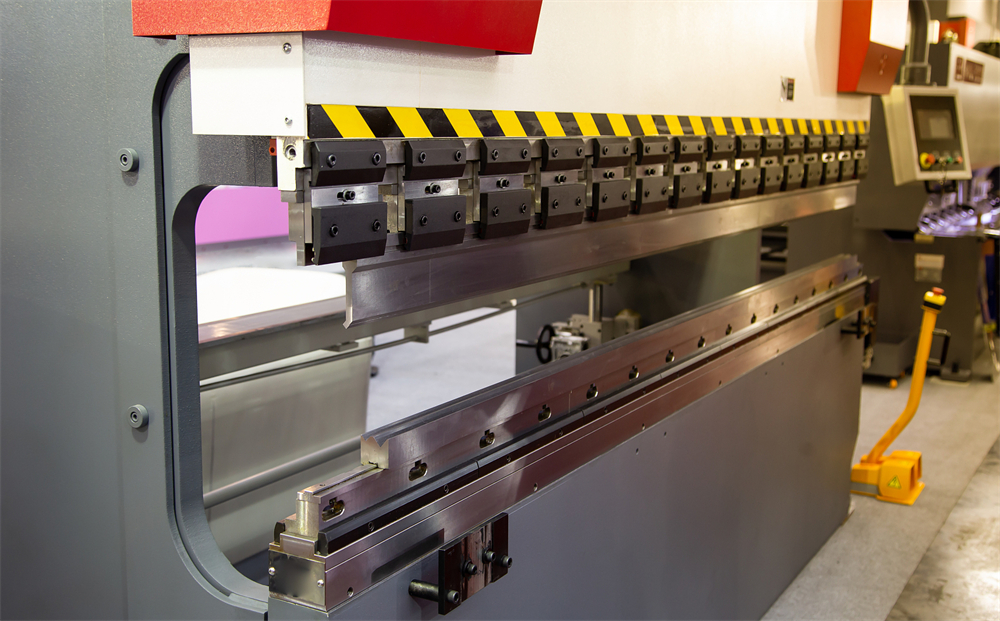
The foundation of any maintenance program is the daily inspection. This routine should be performed at the start of every shift before the machine is powered up for production. The goal is to identify potential issues before they escalate into major problems. Start with a visual sweep of the machine. Look for any signs of oil leaks around the cylinders, hoses, and manifold blocks. Even a small drop of oil can indicate a seal that is beginning to fail, which could eventually lead to pressure loss and inaccurate bends.
Cleaning is the next vital step in the daily routine. Dust, metal shavings, and scale from raw materials can accumulate on the bed, the ram, and the tooling. If debris gets trapped between the die and the workpiece, it will alter the bend angle and potentially mar the surface of the metal. Use a clean cloth and appropriate cleaning agents to wipe down the working surfaces. Pay special attention to the backgauge fingers and the guide rails. Any obstruction here will directly impact the positioning of the sheet, leading to dimensional errors.
Safety devices must also be verified daily. Check the operation of the light curtains, laser guards, and emergency stop buttons. A press brake with malfunctioning safety features is not only a hazard but can also indicate underlying electrical issues. Ensure that the foot pedal and dual-hand controls are responsive and free of debris. If the machine utilizes a laser guarding system, ensure the lenses are clean and the alignment is correct, as vibration during operation can sometimes shift these sensitive components.
Lastly, check the tooling. Inspect the punches and dies for chips, cracks, or excessive wear. Even a slight deformation in the radius of a punch can result in a significant deviation in the final bend angle. If you are using sectionalized tooling, ensure that all pieces are properly seated and aligned. Consistency in the tooling setup is paramount to achieving accurate bending results across the entire length of the machine bed.
Hydraulic System Maintenance: The Heart of the Machine
The hydraulic system is the lifeblood of a press brake, providing the force necessary to deform heavy gauge metal. To maintain a press brake for accurate bending results, the hydraulic oil must be kept clean, cool, and at the correct level. Start by checking the oil level gauge on the reservoir. Low oil levels can lead to aeration, where air bubbles get trapped in the fluid, causing the ram to move erratically or lose pressure during the bending cycle.
Oil quality is equally important. Over time, hydraulic oil breaks down due to heat and shear forces, and it can become contaminated with microscopic particles. It is recommended to perform an oil analysis annually or every 2,000 hours of operation. This analysis can detect the presence of water, metal shavings, and chemical degradation. If the oil appears cloudy or smells burnt, it is time for a change. Always use the specific grade of hydraulic oil recommended by HARSLE, typically ISO VG 46 or 68, depending on your climate and machine specifications.
Filters play a crucial role in protecting the sensitive valves and pumps within the system. Most modern press brakes feature a suction filter and a return-line filter. These should be replaced according to the manufacturer’s schedule, or sooner if the filter clogging indicator is triggered. A clogged filter restricts flow, forcing the pump to work harder and increasing the operating temperature of the oil. Excessive heat is the enemy of hydraulic components, as it thins the oil and accelerates the wear of seals and O-rings.
Finally, inspect the hydraulic hoses and connections for signs of wear or “sweating.” Hoses have a finite lifespan and can become brittle over time. A burst hose under high pressure is a major safety risk and causes a significant environmental mess. Ensure that all fittings are tight, but avoid over-tightening, which can damage the threads or the seals. Keeping the hydraulic system in top shape ensures that the ram delivers consistent tonnage, which is essential for maintaining angle accuracy in every stroke.
Electrical and Mechanical System Checks
The electrical system of a CNC press brake is its brain, coordinating the complex movements of the ram and backgauge. Dust is the primary enemy of electrical components. Once a month, the electrical cabinet should be opened and inspected. Use a vacuum or low-pressure compressed air to remove dust from the cooling fans, heat sinks, and circuit boards. Ensure that all wire connections are tight, as vibrations from the machine can loosen terminal screws over time, leading to intermittent faults or “ghost” errors in the CNC controller.
The mechanical components, particularly the backgauge system, require precise calibration to ensure accurate bending results. The backgauge moves in multiple axes (X, R, Z1, Z2), and any play in the ball screws or linear guides will result in inconsistent flange lengths. Check the tightness of the mounting bolts on the backgauge assembly. Periodically verify the parallelism of the backgauge to the center of the die. If the backgauge is not perfectly parallel, the bend line will be crooked, regardless of how accurate the ram depth is.
The ram and bed parallelism is another critical mechanical factor. Over years of use, a press brake may develop “ram drift” or lose its level. Use a precision dial indicator to check the parallelism between the ram and the bed at both ends of the machine. Most modern CNC press brakes have electronic or mechanical compensation (crowning) systems to account for the natural deflection of the machine frame under load. Ensure the crowning system is functioning correctly and that the settings in the CNC controller match the physical reality of the machine.
Don’t forget the guide systems. The ram slides on specialized gibs or linear ways. These must be adjusted correctly to prevent side-play while allowing smooth vertical movement. If the gibs are too loose, the ram can tilt under off-center loads; if they are too tight, they will cause excessive friction and heat. Regularly inspect these guides for scoring or signs of inadequate lubrication, as they are fundamental to the machine’s structural integrity and precision.
The Lubrication Plan: Reducing Friction and Wear
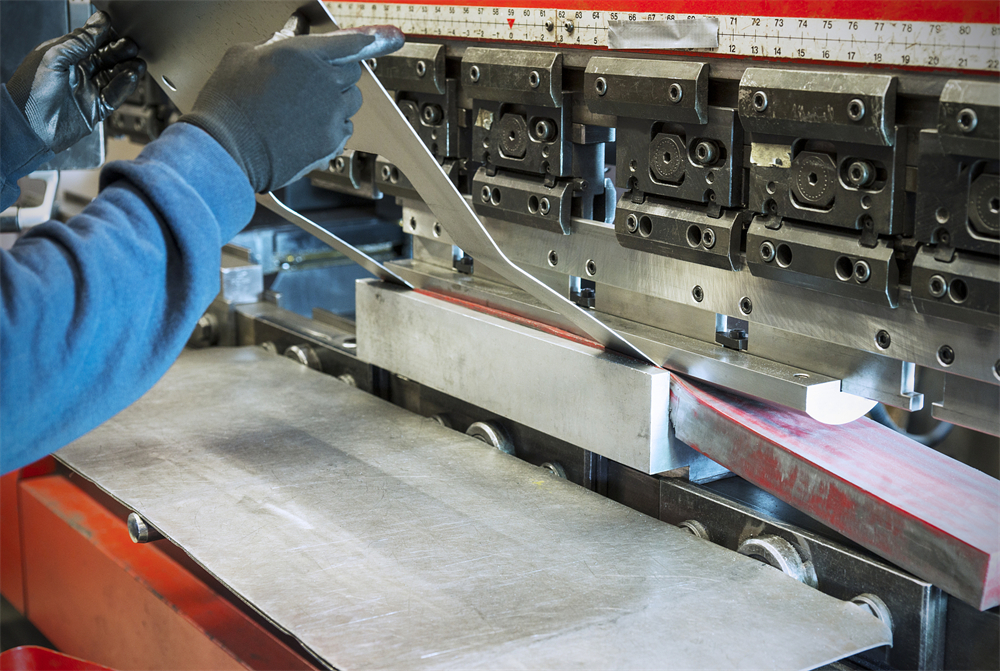
A comprehensive lubrication plan is vital to maintain a press brake for accurate bending results. Friction is the enemy of precision; it causes heat, leads to jerky movements, and accelerates the wear of critical components. Most press brakes have several lubrication points that require different types of lubricants and varying frequencies of application. The primary areas of concern are the backgauge ball screws, the linear guides, and the ram gibs.
For machines equipped with an automatic lubrication system, the task is simplified, but not eliminated. You must regularly check the lubricant reservoir to ensure it is full and verify that the pump is functioning. Inspect the delivery lines to ensure that grease is actually reaching the intended points. It is common for a line to become pinched or clogged, leaving a critical bearing dry while the pump continues to cycle. If your machine requires manual lubrication, establish a strict schedule—typically weekly for high-use components.
The choice of lubricant is specific. High-quality lithium-based grease is often used for ball screws and linear bearings because of its ability to stay in place under pressure. For the ram guides, a specialized way-lube oil might be required to ensure a consistent film of protection. Never mix different types of grease, as chemical incompatibilities can cause the lubricant to harden or lose its lubricating properties, leading to catastrophic component failure.
In addition to the moving parts, the tooling itself benefits from light lubrication. Applying a thin layer of rust-preventative oil to punches and dies when they are not in use prevents corrosion. When in use, some fabricators use a specialized bending lubricant or film to reduce friction between the workpiece and the die. This not only protects the surface finish of the material but also ensures that the metal slides smoothly into the die, contributing to a more consistent and accurate bending result.
Troubleshooting Signals: When to Take Action
Even with the best maintenance, components will eventually wear out. The key is to recognize the signals of trouble before they result in scrapped parts. One of the most common signals is unusual noise. A high-pitched whine from the hydraulic pump may indicate cavitation or a failing bearing. A clunking sound during the ram stroke could suggest loose gibs or a mechanical obstruction. Operators should be trained to listen to the machine and report any changes in its acoustic profile immediately.
Heat is another major indicator. If the hydraulic tank or the motor housing feels excessively hot to the touch, the system is working too hard. This could be due to a clogged filter, a failing valve, or an internal leak in a cylinder. High temperatures cause the hydraulic oil to lose viscosity, which directly impacts the precision of the ram’s movement. If you notice that your bend angles are drifting as the day progresses and the machine warms up, heat management is likely the culprit.
Inaccuracy in the finished parts is the most direct signal that maintenance is required. If the bend angle is inconsistent from one end of the part to the other, check the machine’s leveling and the crowning system. If the flange lengths are varying, the issue likely lies in the backgauge calibration or the tightness of the ball screws. When these issues arise, stop production and perform a thorough diagnostic check. Continuing to run a machine that is “out of spec” only leads to wasted material and potential damage to the machine’s frame.
Finally, pay attention to the CNC controller’s error logs. Modern HARSLE press brakes provide detailed diagnostics. Don’t just clear an error code and continue; investigate the root cause. Whether it’s a “following error” on an axis or a “pressure timeout,” these messages are the machine’s way of communicating that a component is operating outside of its optimal parameters. Addressing these signals early is the best way to maintain a press brake for accurate bending results.
Comprehensive Maintenance Schedule Table
To help you stay organized, use the following table as a baseline for your press brake maintenance program. Adjust the frequency based on your specific shift patterns and material types.
| Frequency | Task Description | Component Focus |
|---|---|---|
| Daily | Visual inspection for leaks and debris; clean tooling and bed. | Hydraulics, Tooling, Safety Sensors |
| Daily | Verify safety device operation (Light curtains, E-stops). | Safety Systems |
| Weekly | Lubricate backgauge ball screws and linear guides. | Mechanical Drive System |
| Monthly | Clean electrical cabinet and check for loose connections. | Electrical/CNC System |
| Monthly | Inspect ram gibs and adjust if necessary. | Ram Guidance System |
| Quarterly | Check oil filter indicators and replace filters if needed. | Hydraulic Filtration |
| Annually | Perform hydraulic oil analysis and full system calibration. | Complete Machine Accuracy |
Frequently Asked Questions (FAQ)
1. How often should I change the hydraulic oil in my press brake?
Generally, hydraulic oil should be changed every 2,000 to 4,000 hours of operation, or once every two years. However, it is best to perform an oil analysis annually. If the analysis shows contamination or chemical breakdown, change it immediately regardless of the hours. Using clean oil is the most effective way to maintain a press brake for accurate bending results.
2. Why is my press brake losing its bending accuracy over the course of a shift?
This is often related to thermal expansion. As the hydraulic oil heats up, its viscosity changes, which can affect the valve response and ram positioning. Ensure your cooling system is working and that your filters are clean. Also, check for mechanical wear in the gibs that might become more pronounced as the metal expands with heat.
3. Can I use any type of grease for the backgauge?
No. You should use the specific lubricant recommended by the manufacturer, usually a high-quality lithium-based grease with EP (Extreme Pressure) additives. Using the wrong grease can lead to gumming, which increases friction and causes the backgauge to lose position, ruining your accuracy.
4. What is the best way to clean press brake tooling?
Use a soft cloth and a mild degreaser to remove oil and debris. For stubborn scale, a fine abrasive pad can be used, but be careful not to alter the geometry of the tool. Always apply a light coat of rust-preventative oil after cleaning to protect the precision-ground surfaces.
5. How do I know if my crowning system needs maintenance?
If you notice that your bends are accurate at the ends of the machine but “flat” or under-bent in the middle, your crowning system is likely not compensating correctly. Check the hydraulic pressure in the crowning cylinders or the mechanical wedges for debris and proper lubrication.
6. Does the floor level affect bending accuracy?
Absolutely. A press brake must be installed on a reinforced concrete foundation and perfectly leveled. If the machine frame is twisted due to an uneven floor, the ram and bed will never be parallel, making it impossible to achieve accurate bending results across the full length of the machine.












