Troubleshooting Punching Machine Problems Through Regular Maintenance: A Comprehensive Guide


The Critical Importance of Maintenance in Metal Fabrication
In the high-stakes world of metal fabrication, the punching machine serves as the backbone of production efficiency. Whether you are operating a high-speed CNC turret punch or a robust hydraulic ironworker, the reliability of your output depends entirely on the health of your machinery. Troubleshooting punching machine problems through regular maintenance is not merely a reactive measure; it is a proactive strategy designed to safeguard your capital investment and ensure consistent product quality.
When maintenance is neglected, minor mechanical deviations can quickly escalate into catastrophic failures. A loose bolt, a clogged filter, or a slightly misaligned punch can lead to burrs on finished parts, excessive noise, and eventually, total system downtime. By establishing a rigorous maintenance culture, shop managers can identify wear patterns before they manifest as costly production bottlenecks, effectively turning maintenance into a competitive advantage.
Furthermore, regular maintenance directly impacts the safety of the shop floor. Punching machines exert immense force, and when components are not maintained to manufacturer specifications, the risk of unpredictable machine behavior increases significantly. A well-maintained machine operates smoothly, reduces operator fatigue, and minimizes the likelihood of workplace accidents, making it a cornerstone of a safe and productive industrial environment.
At HARSLE, we emphasize that the longevity of your equipment is directly proportional to the discipline of your maintenance schedule. Understanding the nuances of your machine—from the hydraulic pressure settings to the electrical control logic—allows your team to troubleshoot issues in real-time. This guide provides the technical framework necessary to keep your punching operations running at peak performance.
Daily Inspection Protocols for Punching Machines
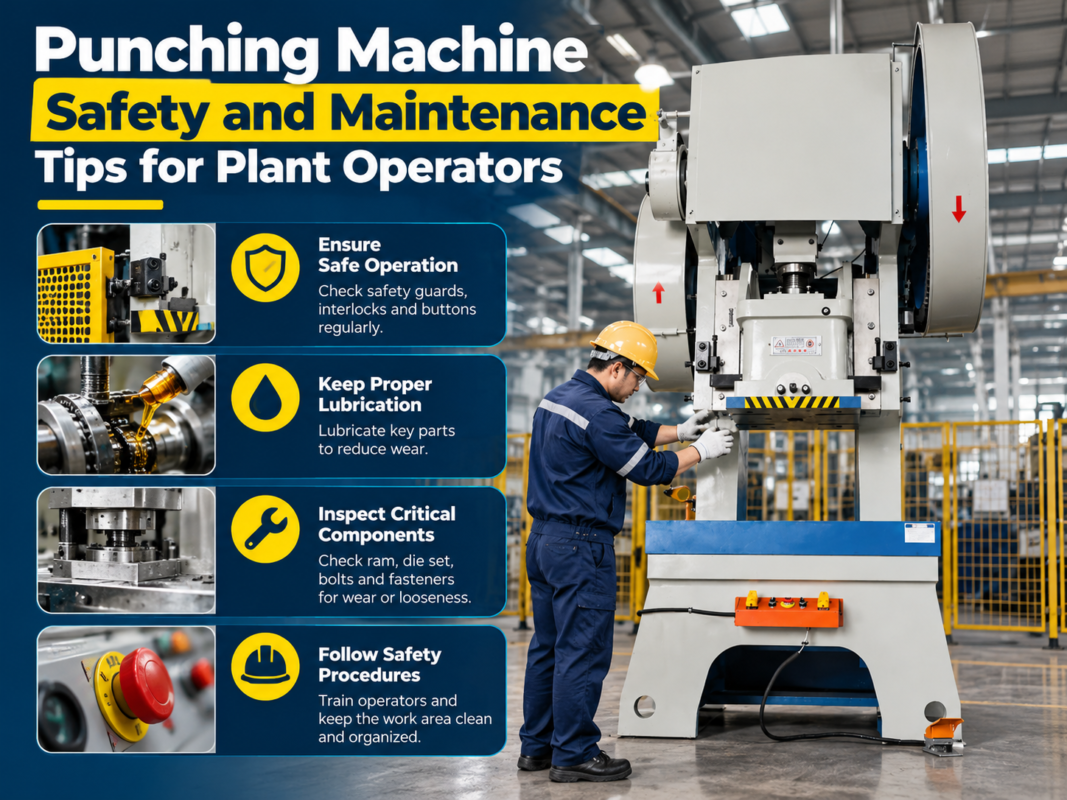
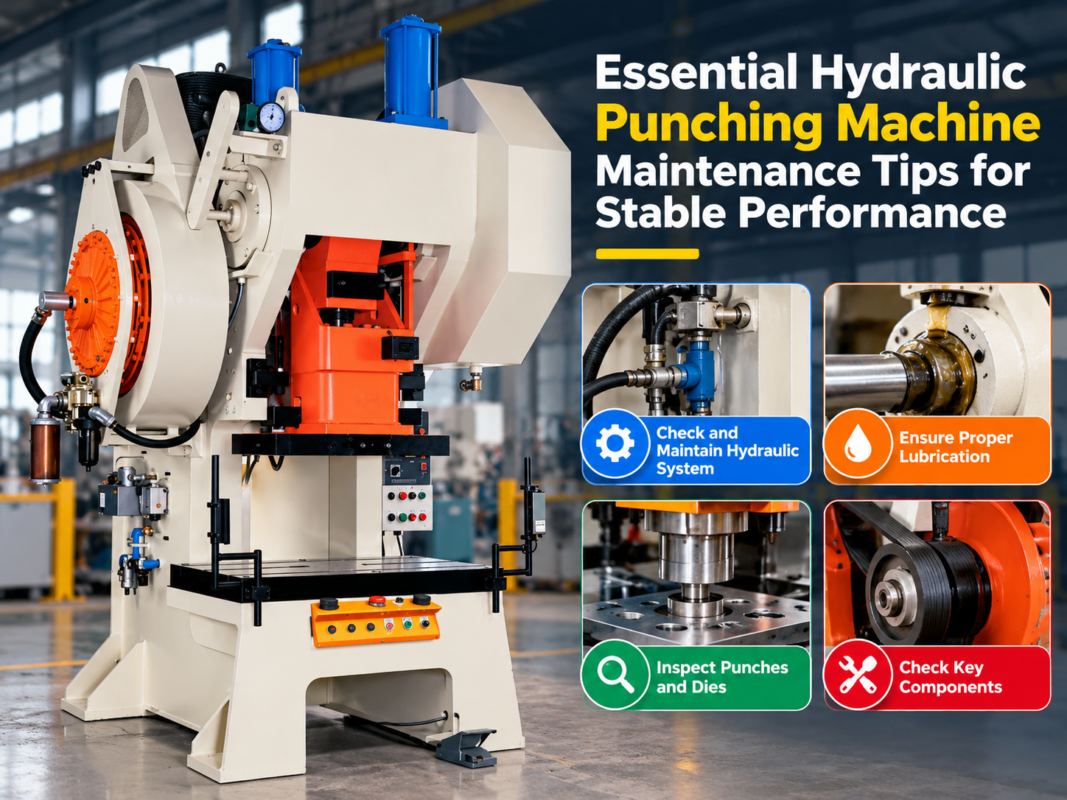
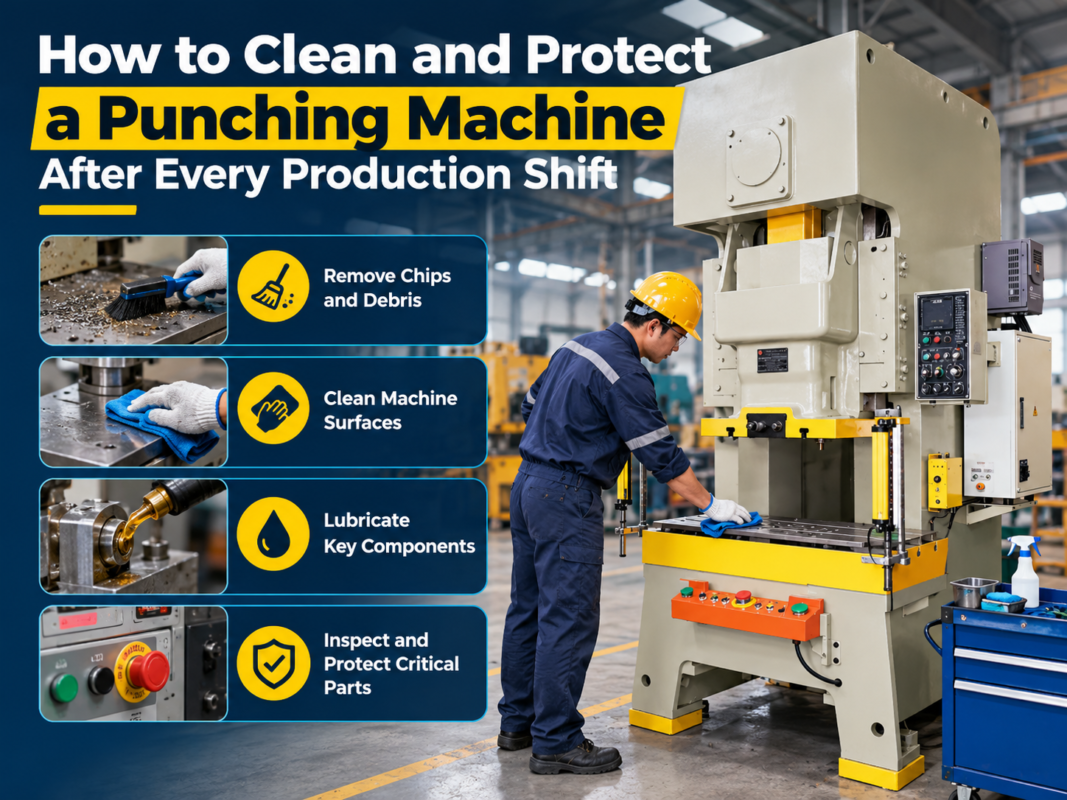
The first line of defense in troubleshooting punching machine problems through regular maintenance is the daily inspection routine. Before the start of every shift, operators should perform a visual and auditory check of the machine. This includes verifying that all safety guards are in place, checking for any visible leaks around hydraulic hoses, and ensuring that the work area is free of debris that could interfere with the ram or tool turret.
Operators should listen for unusual sounds during the initial dry cycle. A healthy punching machine should produce a consistent, rhythmic mechanical sound. Any high-pitched whining, grinding, or irregular thumping is an immediate signal that something is amiss. By documenting these daily checks in a logbook, maintenance teams can track the evolution of minor issues, allowing for scheduled repairs rather than emergency interventions.
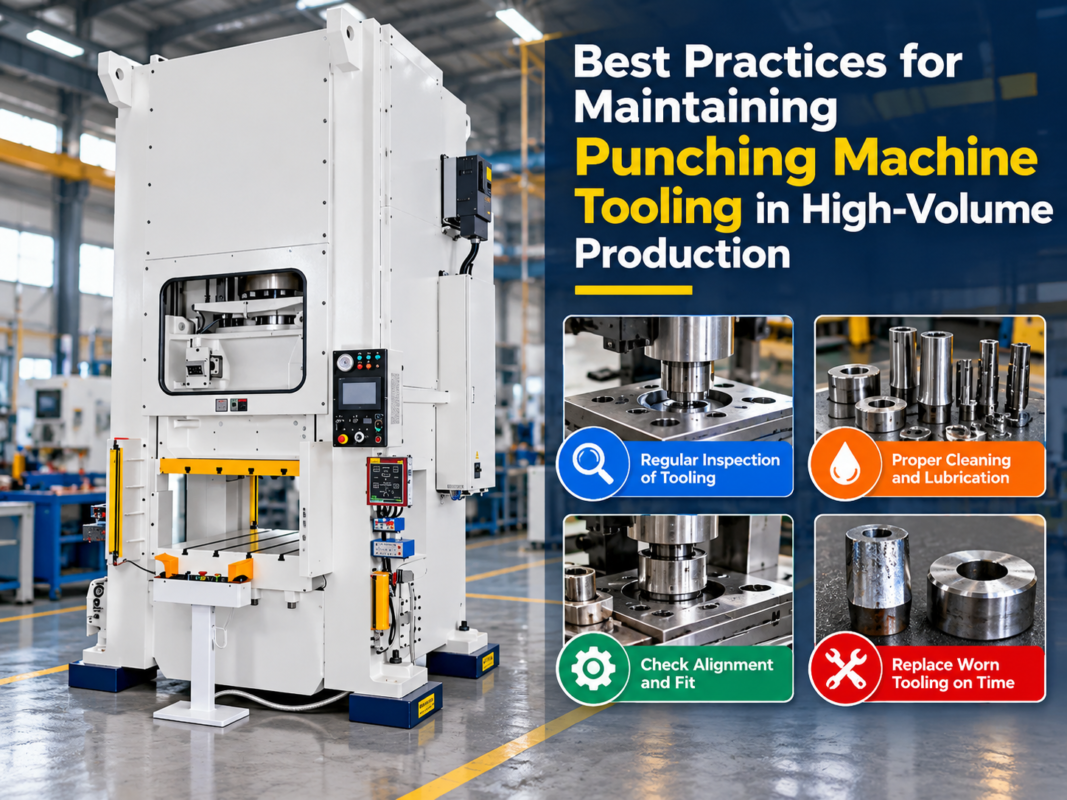
The condition of the punch and die set must also be evaluated daily. Even if the machine is running, dull tooling creates excessive stress on the ram and the frame. Inspect the edges of the punch for signs of chipping or rounding. If the punch shows signs of wear, it should be sharpened or replaced immediately. Using dull tooling is one of the most common causes of machine overload and premature wear on the hydraulic system.
Finally, verify the fluid levels and pressure gauges. A quick glance at the hydraulic oil level and the pressure readout can prevent major failures. If the pressure is fluctuating during idle states, it may indicate a failing pump or a leak in the hydraulic circuit. Addressing these small discrepancies daily prevents the accumulation of damage that leads to long-term machine degradation.
Hydraulic, Electrical, and Mechanical System Checks
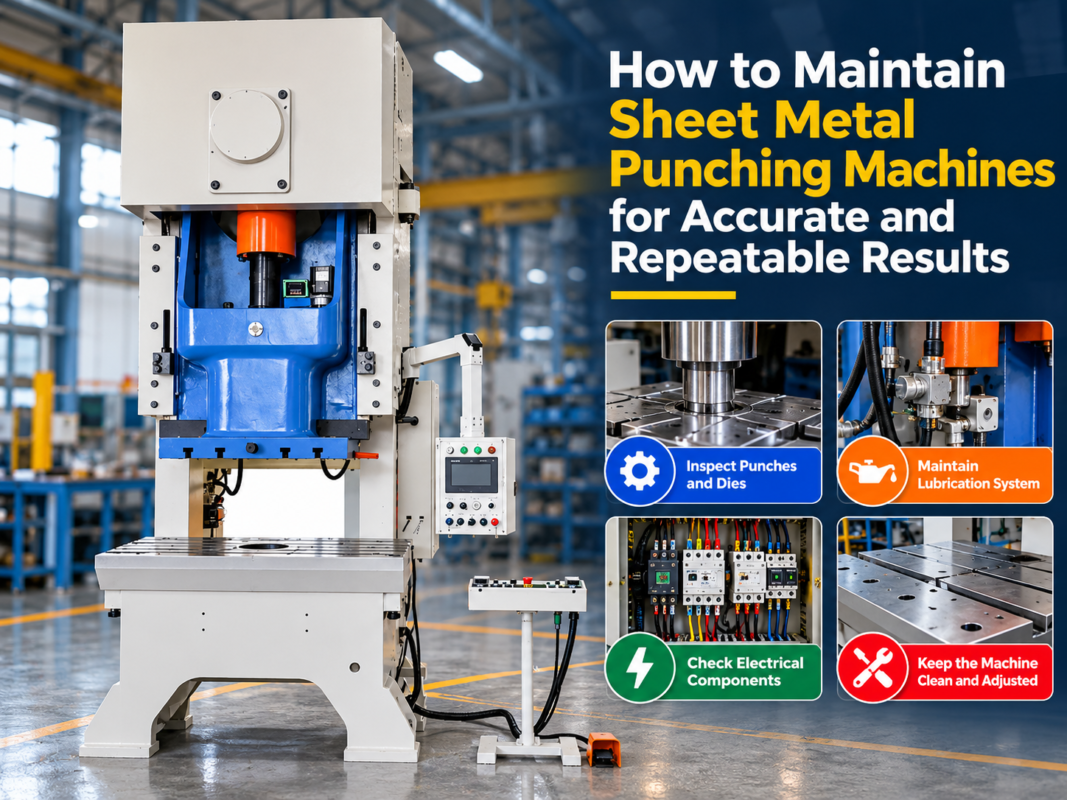
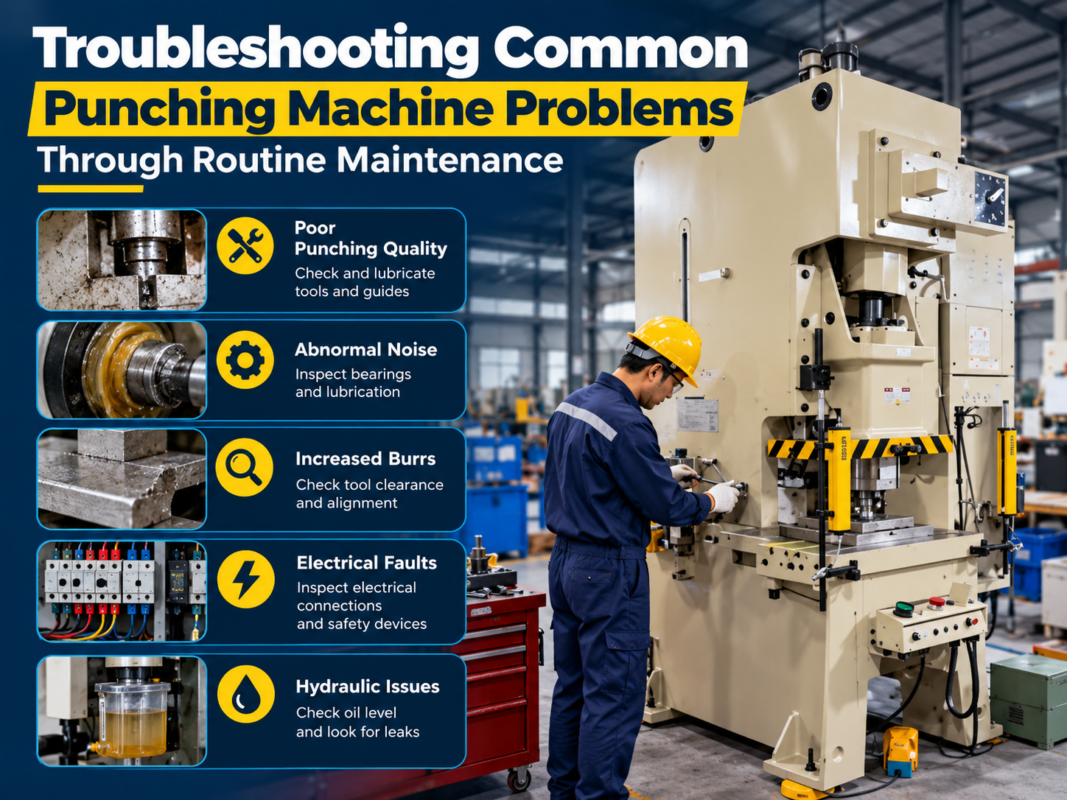
The hydraulic system is the heart of most modern punching machines. Troubleshooting punching machine problems through regular maintenance requires a deep understanding of hydraulic integrity. Regularly inspect all hoses and fittings for signs of weeping or cracking. Hydraulic fluid should be clean and free of contaminants; if the oil appears cloudy or dark, it is time for a filter change or a full system flush to prevent internal valve damage.
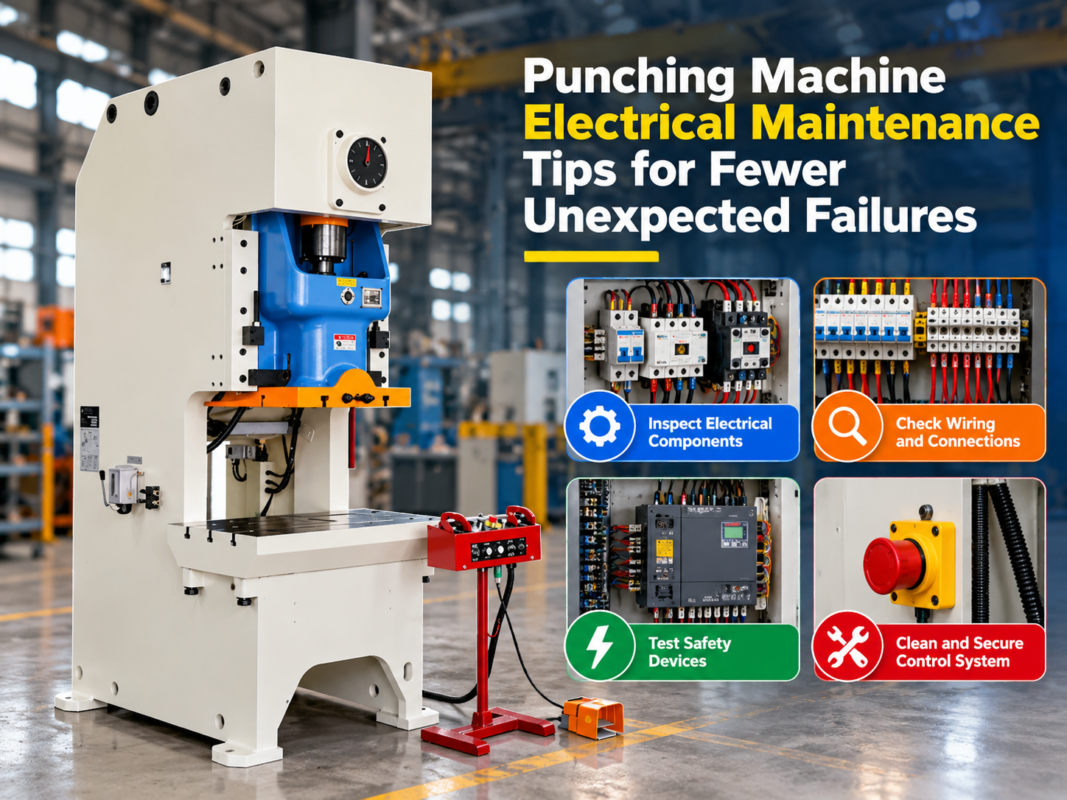
Electrical systems require a different approach. Over time, vibration can cause terminal connections to loosen, leading to intermittent signal errors or sensor failures. Periodically open the electrical cabinet to inspect for loose wires, signs of overheating, or dust accumulation. Dust is a major enemy of electronic components, as it can cause short circuits or prevent proper cooling of the PLC and drive units. Use compressed air (at low pressure) to clean the cabinet regularly.
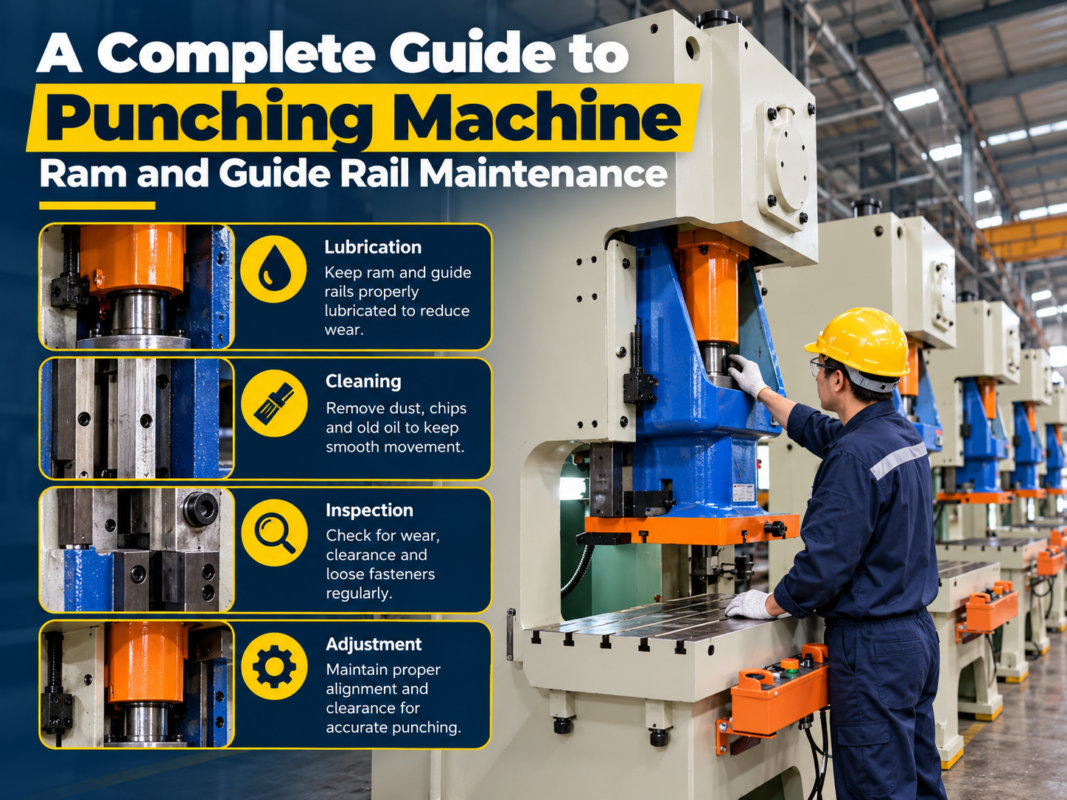
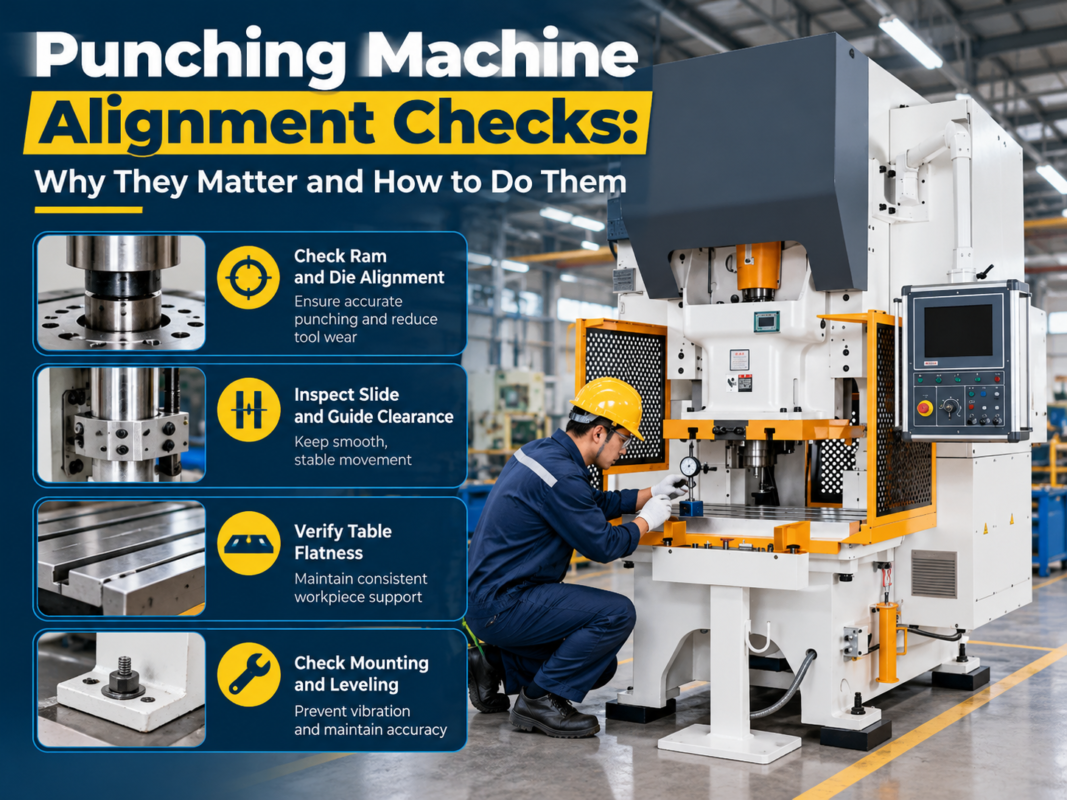
Mechanical components, such as the ram guides and the turret rotation mechanism, must be checked for backlash and alignment. If the ram shows signs of side-to-side play, the gibs may need adjustment. Proper gib adjustment is critical for maintaining the punch-to-die clearance, which is essential for clean, burr-free holes. If the machine uses a turret, ensure that the index pins are seating correctly and that the turret rotation is smooth and free of binding.
For CNC-controlled machines, software and sensor calibration are equally important. Periodically verify the accuracy of the X and Y axis positioning. If the machine is consistently missing its target coordinates, it may be a sign of encoder drift or mechanical wear in the ball screws. Troubleshooting these issues early ensures that your parts remain within tolerance throughout the production run.
The Essential Lubrication Plan
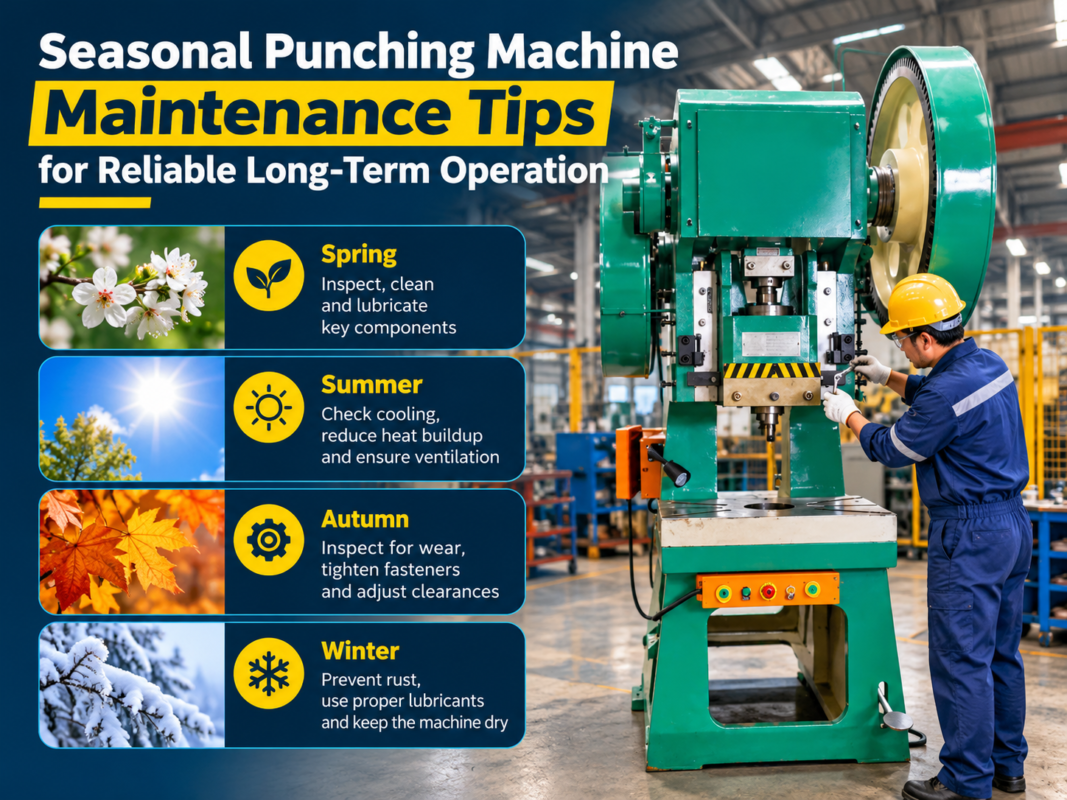
Lubrication is the lifeblood of any industrial punching machine. Without a consistent and correct lubrication plan, metal-on-metal friction will destroy critical components in a matter of months. Your maintenance manual will specify the types of lubricants required for different parts of the machine, such as the ram guides, the turret bearings, and the hydraulic pump.
Establish a lubrication schedule that accounts for the machine’s duty cycle. Machines running multiple shifts per day require more frequent lubrication than those used intermittently. Use an automated lubrication system if available, but do not rely on it blindly. Manually verify that grease is reaching all intended points and that there are no blockages in the distribution lines.
When selecting lubricants, always adhere to the manufacturer’s specifications. Using a generic grease might seem cost-effective in the short term, but it can lead to chemical incompatibility with existing lubricants or fail to provide the necessary film strength under high-pressure punching conditions. Keep a detailed log of when each component was last lubricated to ensure no point is overlooked.
Pay special attention to the ram guides and the ball screws. These components are subject to high loads and constant movement. If they run dry, they will quickly develop heat, leading to expansion and binding. A well-lubricated machine will run cooler, quieter, and with significantly less energy consumption, directly contributing to the overall efficiency of your fabrication shop.
Troubleshooting Signals: When to Act
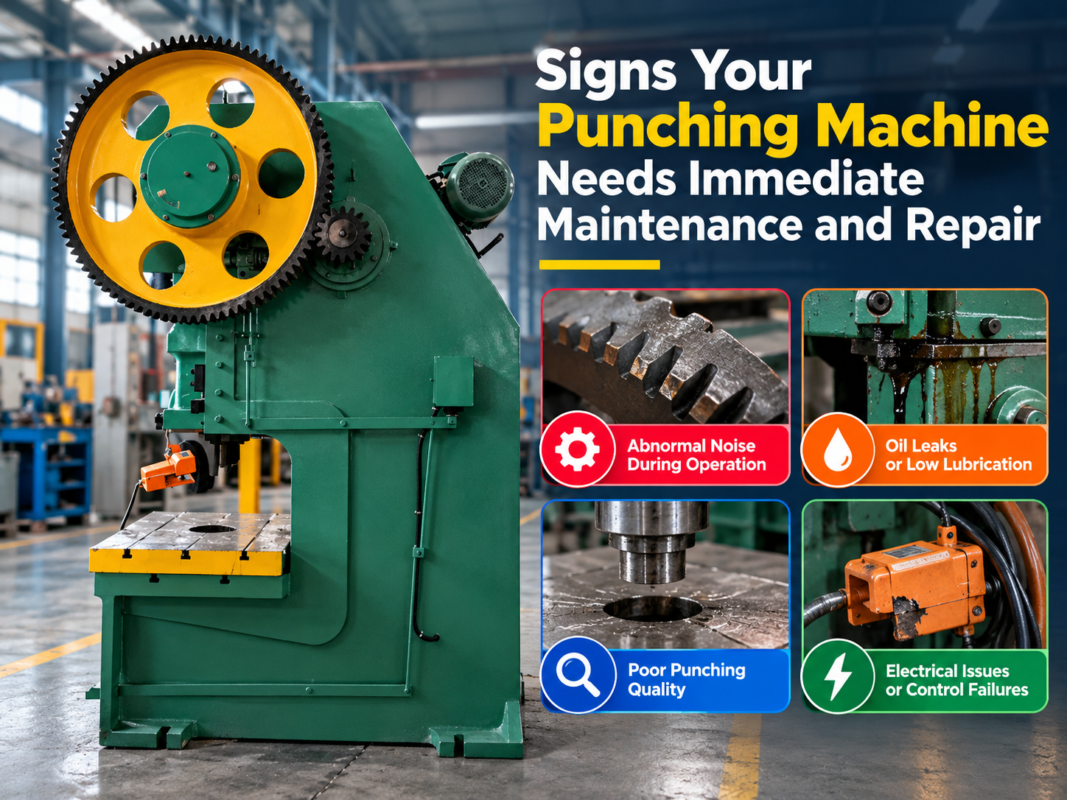
Troubleshooting punching machine problems through regular maintenance involves recognizing the “symptoms” of a machine in distress. One of the most common signals is a change in the quality of the punched hole. If you notice excessive burrs, it is often a sign of incorrect clearance between the punch and die, or that the tooling has become dull. If the hole shape is distorted, check the alignment of the ram and the turret.
Another critical signal is an increase in machine noise. If the machine sounds different than it did when it was new, investigate the source immediately. A rhythmic clicking could indicate a loose bearing, while a heavy, labored sound during the punching stroke might suggest that the hydraulic system is struggling to reach the required pressure. Ignoring these auditory cues is a recipe for a major breakdown.
Vibration is another major indicator. If the machine frame vibrates excessively during operation, check the foundation bolts. Punching machines generate significant impact forces, and if the machine is not properly anchored, these forces can cause structural fatigue over time. Additionally, check for any loose covers or panels that might be rattling, as these can mask more serious mechanical issues.
Finally, pay attention to the control panel error codes. Modern CNC punching machines are equipped with sophisticated diagnostic software. Never ignore an error code, even if the machine seems to be running fine after a reset. These codes are often early warnings of component failure. Keep a record of all error codes to help your maintenance team or the manufacturer’s support staff diagnose the root cause of the problem.
Maintenance Schedule Table
| Frequency | Task | Description |
|---|---|---|
| Daily | Visual Inspection | Check for leaks, loose bolts, and debris. |
| Daily | Tooling Check | Inspect punch/die for wear and sharpness. |
| Weekly | Lubrication | Grease ram guides and turret bearings. |
| Weekly | Fluid Levels | Check hydraulic oil and coolant levels. |
| Monthly | Electrical Check | Clean cabinet and inspect terminal connections. |
| Quarterly | System Calibration | Verify X/Y axis accuracy and ram alignment. |
| Annually | Full Service | Replace hydraulic filters, oil, and worn seals. |
Frequently Asked Questions (FAQ)
How often should I change the hydraulic oil in my punching machine?
Typically, hydraulic oil should be changed every 2,000 to 4,000 operating hours, or once a year, depending on the intensity of use and the environment. Always check the oil quality for signs of oxidation or contamination.
Why does my punching machine produce burrs on the underside of the sheet?
Burrs are usually caused by excessive clearance between the punch and the die. Check your tooling clearance settings and ensure the punch and die are not worn or chipped.
Can I use any grease for my punching machine?
No. Always use the specific lubricant grade recommended by the manufacturer. Using the wrong grease can lead to premature wear or failure of the bearings and guide systems.
What should I do if the machine makes a loud banging noise?
Stop the machine immediately. A loud banging noise often indicates a mechanical failure, such as a broken spring, a loose component, or a severe misalignment. Inspect the ram and turret assembly before attempting to restart.
How do I improve the lifespan of my punching tools?
Regular sharpening, proper lubrication, and ensuring the correct clearance for the material thickness are the best ways to extend tool life. Avoid punching materials that exceed the machine’s rated capacity.
Is it necessary to keep a maintenance log?
Yes. A maintenance log is essential for tracking the history of your machine, identifying recurring issues, and ensuring that all preventive tasks are completed on schedule. It is also valuable for warranty claims and resale value.