Best Practices for Punching Machine Cleaning and Debris Removal: A Comprehensive Maintenance Guide


The Critical Importance of Punching Machine Maintenance
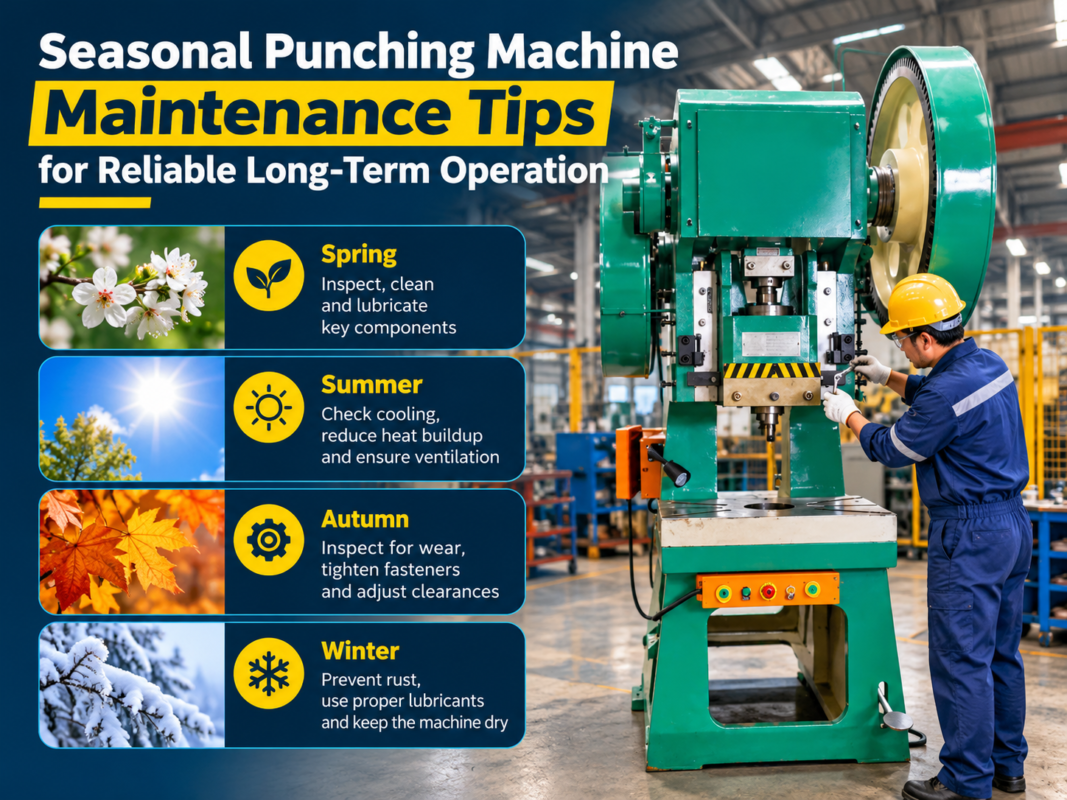
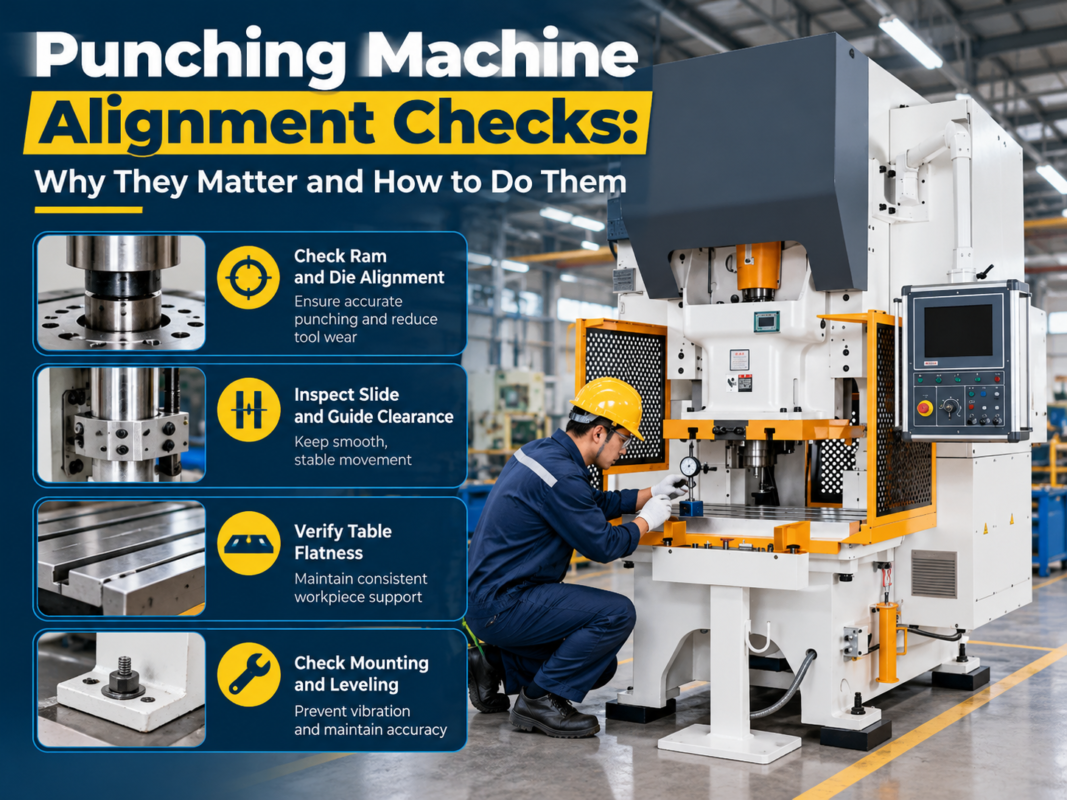
In the high-stakes environment of modern metal fabrication, the punching machine serves as the backbone of production efficiency. Whether you are operating a high-speed CNC turret punch or a robust hydraulic punching machine, the accumulation of metallic dust, oil residue, and scrap debris is an inevitable byproduct of the manufacturing process. Neglecting the cleanliness of this equipment does not merely lead to aesthetic degradation; it compromises the structural integrity of the machine, reduces the precision of punch-and-die alignment, and significantly shortens the lifespan of critical components.
Implementing the best practices for punching machine cleaning and debris removal is a strategic investment in operational uptime. When debris is allowed to build up within the turret, the die holders, or the guide rails, it creates friction and heat. This heat can cause thermal expansion, leading to micro-deviations in hole placement and edge quality. By prioritizing a rigorous cleaning schedule, operators can prevent the premature wear of expensive tooling and avoid the catastrophic downtime associated with mechanical failure.
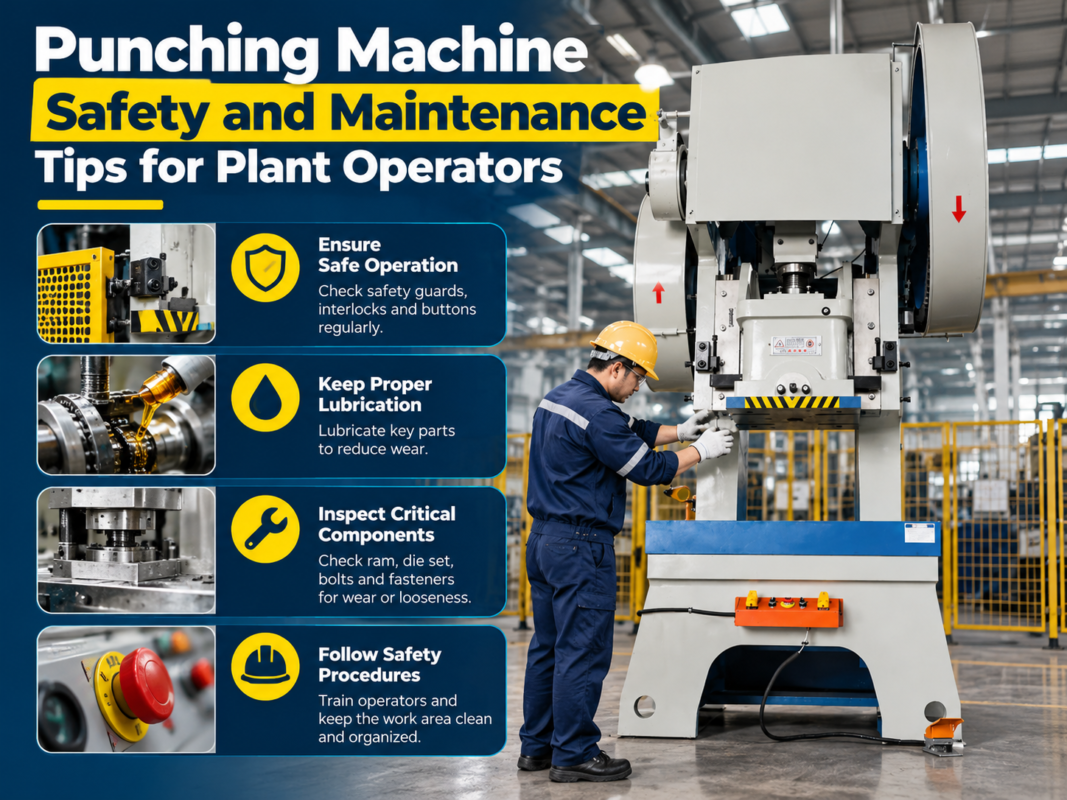
Furthermore, safety is a paramount concern in any fabrication facility. Accumulated metal shards and oily debris create slip hazards and increase the risk of fire if they come into contact with electrical components or hydraulic lines. A clean machine is a safe machine. By fostering a culture of cleanliness, shop managers can ensure that their HARSLE equipment operates at peak performance, delivering consistent results while maintaining a safe working environment for all personnel.
Finally, consider the financial implications of maintenance. A well-maintained punching machine retains its resale value and requires fewer emergency repairs. The cost of a few minutes of daily cleaning is negligible compared to the thousands of dollars lost during an unexpected machine stoppage. This guide outlines the essential protocols for maintaining your punching equipment to ensure it remains a reliable asset for years to come.
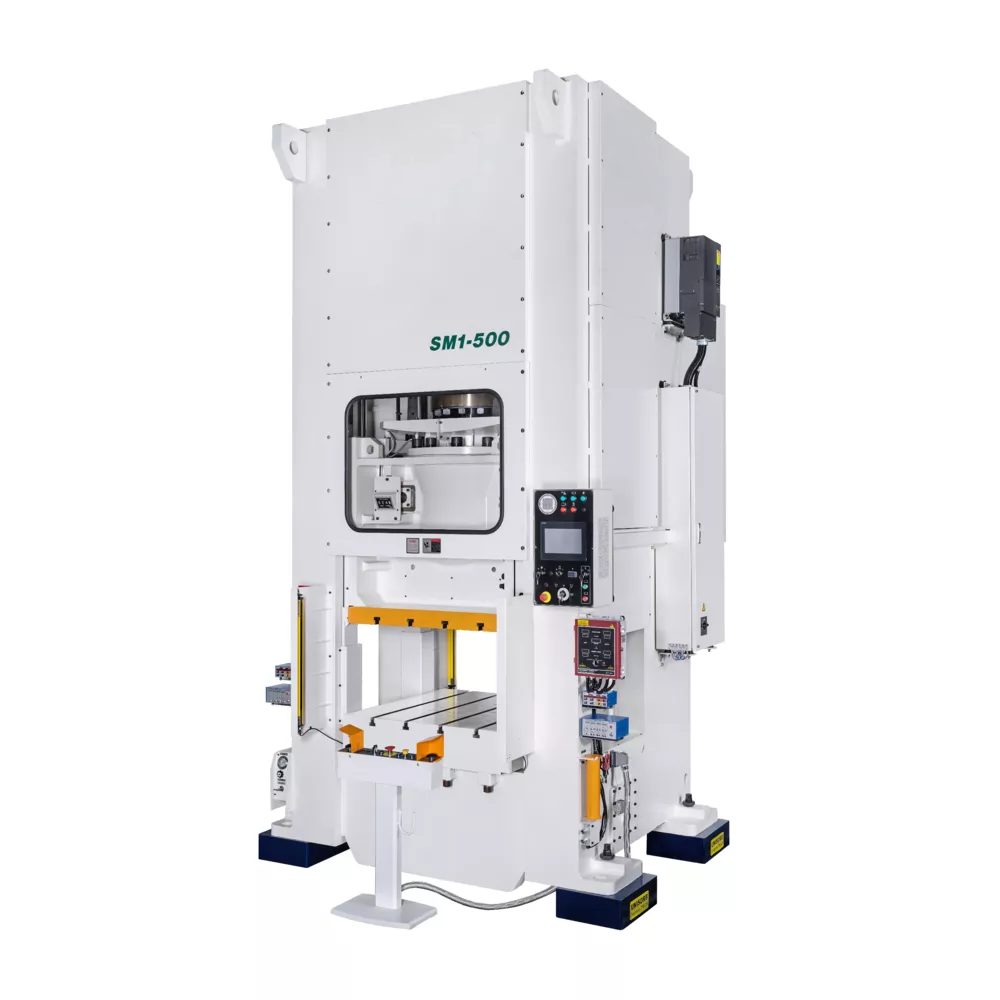
Daily Inspection Protocols for Punching Machines
The foundation of effective machine care lies in the daily inspection. Before the first shift begins, operators should conduct a visual and tactile walkthrough of the machine. This routine is not just about cleaning; it is about identifying potential issues before they escalate into major problems. Start by checking the work area for any loose debris that may have fallen during the previous shift, ensuring that the scrap chute is clear and functioning correctly.
Inspect the punch and die stations for any signs of galling or material buildup. Even a small amount of aluminum or steel residue on the punch tip can cause the next workpiece to be marred or the punch to stick during the stripping process. Use a soft brass brush to gently remove any surface debris from the die surface. Never use hardened steel tools for this, as they can scratch the precision-ground surfaces of the tooling, leading to further material adhesion.
Check the condition of the stripper plates and the spring mechanisms. If the stripper plate is clogged with oil and metal dust, it may not exert the necessary force to hold the sheet metal flat during the punching cycle. This can lead to “slug pulling,” where the scrap metal is lifted back up through the sheet, damaging the die and the workpiece. A quick wipe-down of these components with a lint-free cloth and a light application of a cleaning solvent can prevent these issues.
Finally, verify the status of the scrap removal system. Many modern punching machines feature automated scrap conveyors or vacuum systems. Ensure that these are not obstructed. If the scrap is not being evacuated efficiently, it will pile up under the die, creating a risk of punch breakage. A daily check of the scrap bin levels and the conveyor belt tension is a simple yet vital step in maintaining the flow of production.
Hydraulic, Electrical, and Mechanical Checks
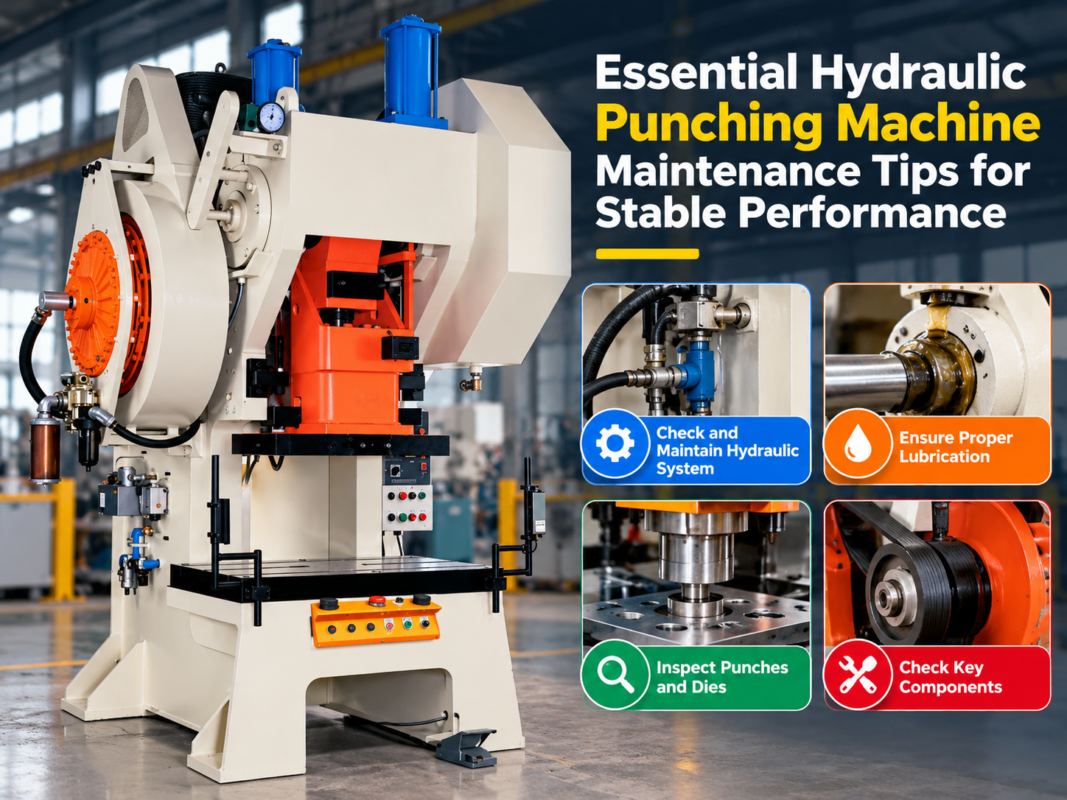
Beyond surface cleaning, the internal systems of the punching machine require specialized attention. The hydraulic system is the heart of the punching force. Regularly monitor the hydraulic fluid levels and check for any signs of leaks around hoses, fittings, and cylinders. Even a minor leak can introduce air into the system, causing erratic punch force and potential damage to the hydraulic pump. Ensure that the fluid remains clean and free of contaminants, as metallic debris in the oil can act as an abrasive, wearing down internal valves.
The electrical cabinet must be kept clean and dry. Dust accumulation on circuit boards and cooling fans can lead to overheating, which is a leading cause of controller failure. Use a vacuum cleaner to remove dust from the exterior of the cabinet and ensure that all intake filters are clean. Never use compressed air to blow out the inside of an electrical cabinet, as this can force conductive metal dust into sensitive components, causing short circuits.
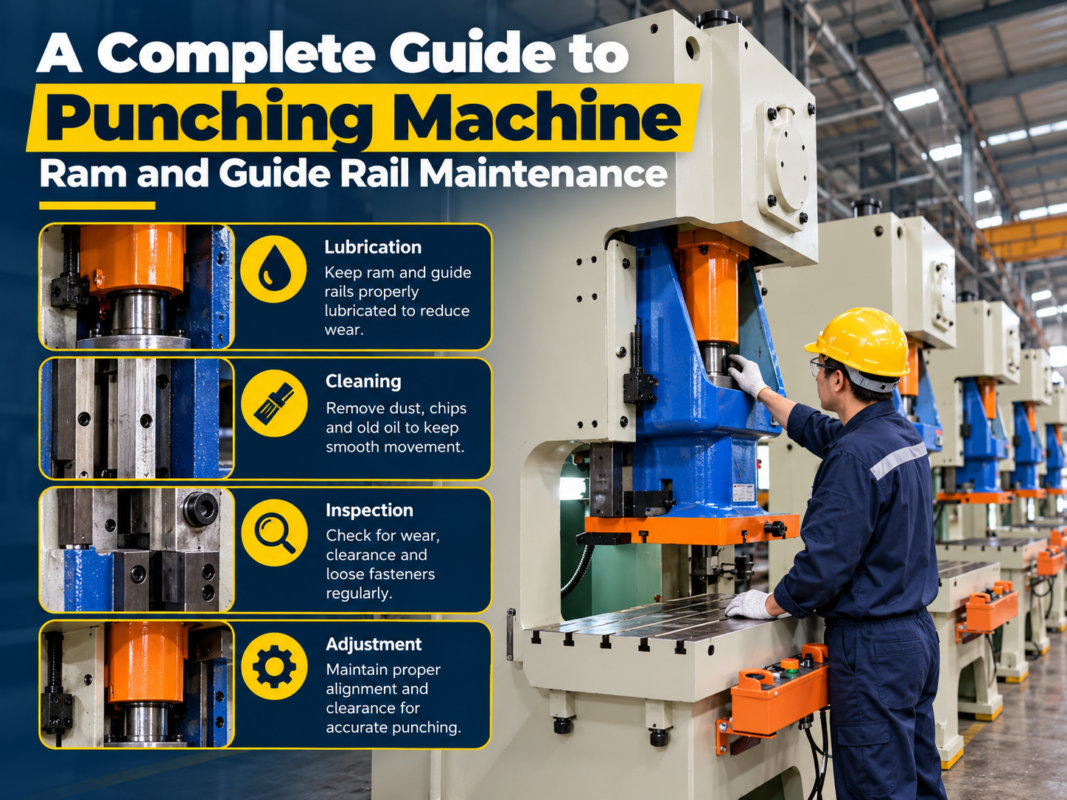
Mechanical components, such as the ball screws and linear guides, require precise attention. These parts are responsible for the X and Y axis movement of the sheet. If debris enters the ball screw assembly, it will cause grinding and premature wear. Inspect the bellows or protective covers for any tears or gaps. If you notice any unusual noise during axis movement, it is a sign that debris may have bypassed the seals and requires immediate cleaning and re-lubrication.
Lastly, examine the turret or tool changer assembly. This is a high-precision area where even a microscopic amount of debris can cause indexing errors. Ensure that the locking pins and the turret rotation mechanism are free of grit. If the turret does not lock into position with absolute precision, the punch will not align with the die, leading to tool breakage and potential damage to the machine frame.
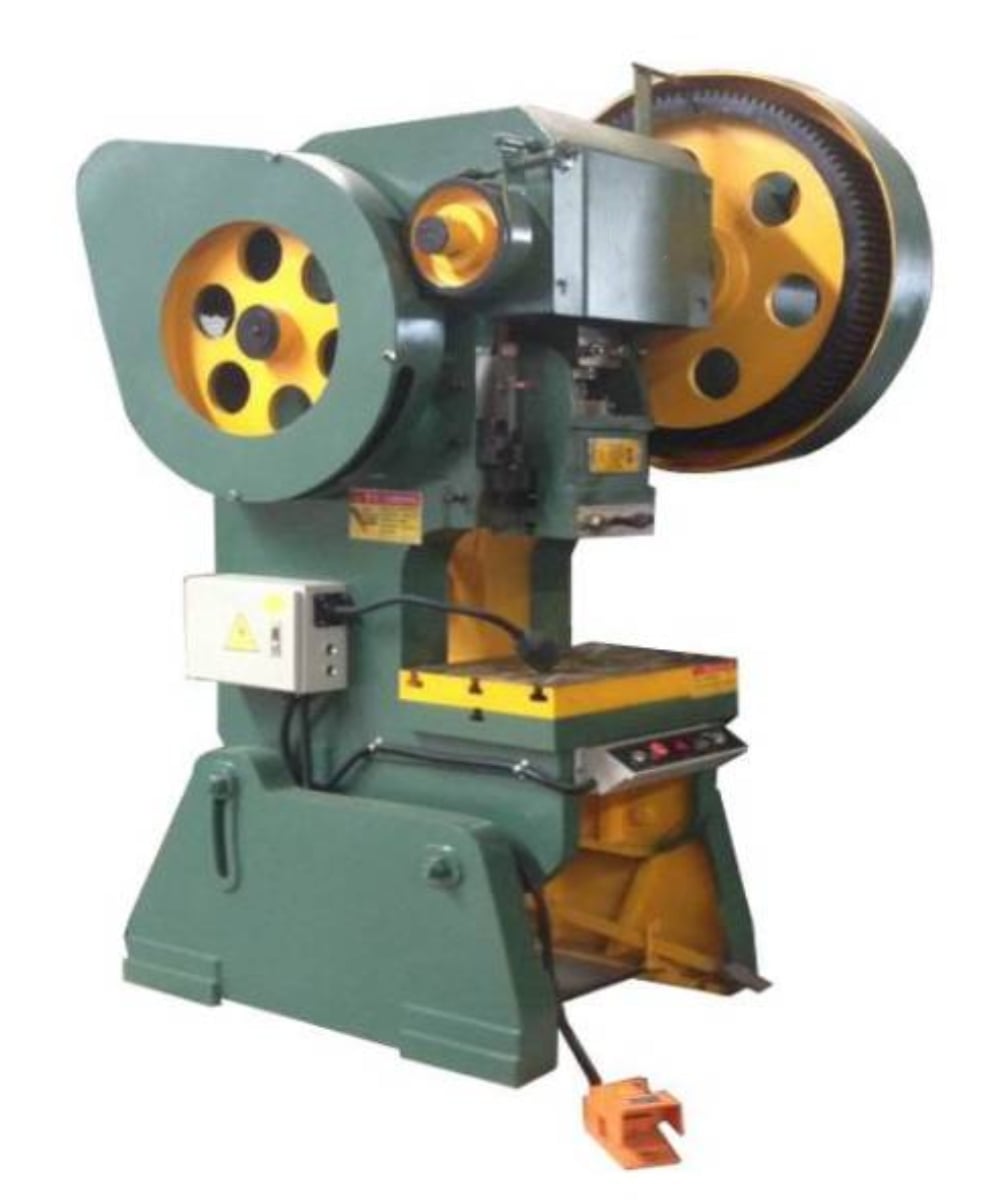
Developing a Comprehensive Lubrication Plan
Lubrication is the lifeblood of any metal fabrication equipment. A well-structured lubrication plan is essential for minimizing friction and preventing the buildup of debris. When metal parts rub against each other without adequate lubrication, they generate heat, which causes microscopic welding of the surfaces. This process, known as galling, is the primary cause of tool failure in punching machines. By applying the correct type and amount of lubricant, you create a protective barrier that reduces friction and helps flush away fine metallic particles.
Start by identifying all lubrication points on your machine. These typically include the linear guides, ball screws, turret indexing pins, and the main drive bearings. Consult the HARSLE maintenance manual to determine the specific lubricant requirements for each point. Using the wrong grease or oil can be just as detrimental as using none at all, as it may react with existing lubricants or fail to provide the necessary viscosity under high-pressure conditions.
Establish a schedule for lubrication based on machine usage hours rather than just calendar days. A machine running two shifts a day will require more frequent lubrication than one running a single shift. Keep a detailed log of when each point was lubricated and by whom. This accountability ensures that no critical point is overlooked and provides a history that can be useful for troubleshooting if a mechanical issue arises.
When applying lubricant, cleanliness is key. Before adding grease to a nipple, wipe it clean to prevent dirt from being injected into the bearing. After lubrication, wipe away any excess grease that may have squeezed out. Excess grease acts as a magnet for metal dust and debris, creating a paste that can work its way into seals and cause damage. A clean, thin film of lubricant is always superior to a thick, messy layer.
Troubleshooting Signals: When to Clean and Repair
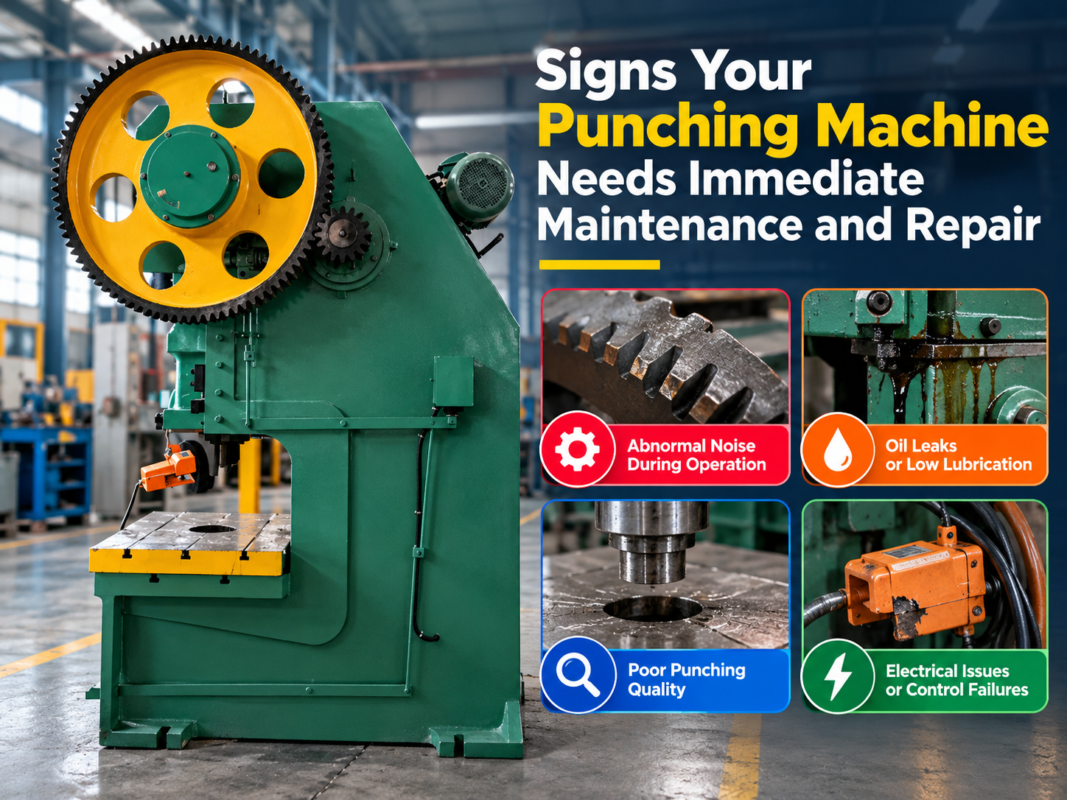
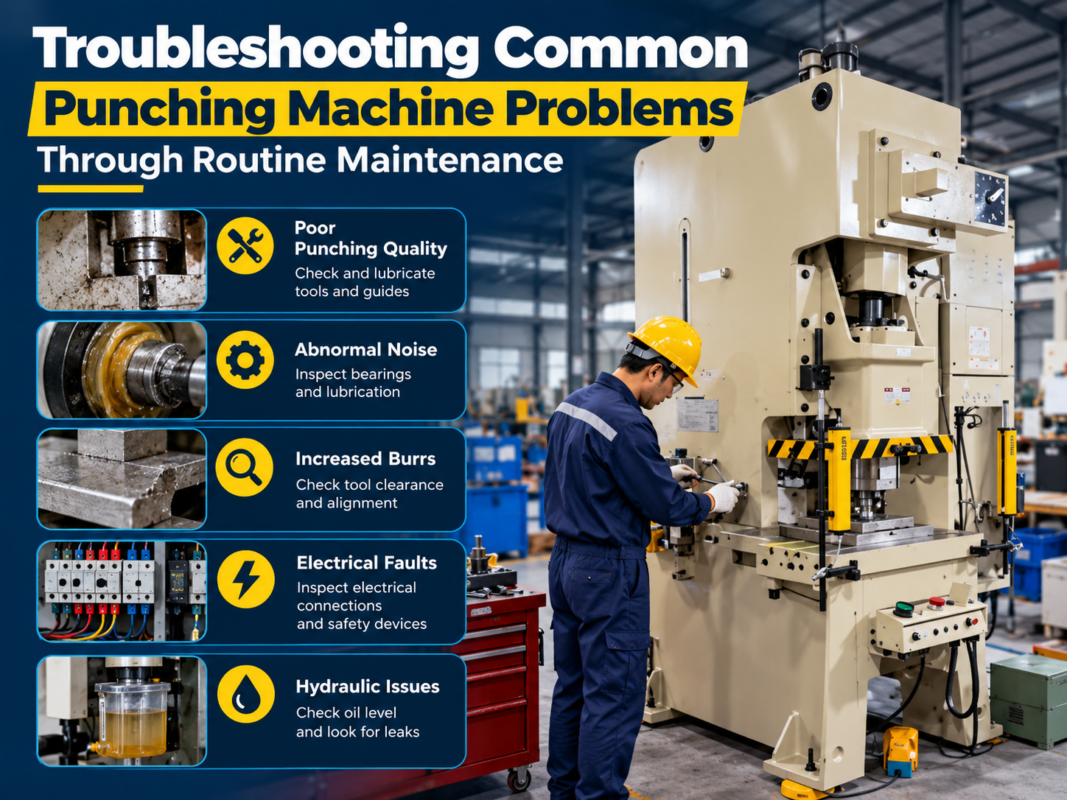
Your punching machine will often provide subtle signals when it requires maintenance. Learning to interpret these signs is a hallmark of an experienced operator. One of the most common indicators is a change in the sound of the machine. A punching cycle that sounds “crunchy” or exhibits a high-pitched squeal during the stroke often indicates that the punch is struggling against debris or that the lubrication has failed. If you hear these sounds, stop the machine immediately and inspect the tooling.
Another signal is the quality of the punched hole. If you notice burrs on the underside of the sheet, it is a clear indication that the clearance between the punch and die is incorrect or that the die is dull. However, before you assume the tooling is worn, check for debris buildup in the die cavity. Often, a simple cleaning of the die and the stripper plate will restore the quality of the cut, saving you the cost of unnecessary tool sharpening.
Watch for errors in the CNC controller. If the machine reports axis positioning errors or turret indexing failures, it is frequently due to debris interfering with sensors or mechanical stops. Before calling a technician, perform a thorough cleaning of the affected area. Many “mechanical failures” are actually just sensor malfunctions caused by a layer of conductive metal dust blocking the optical or magnetic sensors.
Finally, pay attention to the temperature of the machine components. If the motor housings or the hydraulic tank feel excessively hot to the touch, it may indicate that the cooling systems are clogged with dust. Regularly check the cooling fans and heat exchangers. By responding to these early warning signals, you can prevent minor issues from becoming expensive repairs, ensuring that your HARSLE punching machine remains a reliable workhorse in your shop.
Maintenance Schedule Table
| Frequency | Task | Description |
|---|---|---|
| Daily | Surface Cleaning | Remove scrap, wipe down turret, clean die surfaces. |
| Daily | Visual Inspection | Check for leaks, loose bolts, and debris in the scrap chute. |
| Weekly | Lubrication | Apply grease to linear guides and ball screws as per manual. |
| Weekly | Filter Check | Clean or replace air filters for the electrical cabinet. |
| Monthly | System Flush | Check hydraulic fluid levels and inspect for contamination. |
| Quarterly | Deep Clean | Clean the interior of the turret and inspect all seals. |
| Annually | Professional Audit | Full calibration and inspection by a certified technician. |
Frequently Asked Questions (FAQ)
How often should I clean my punching machine?
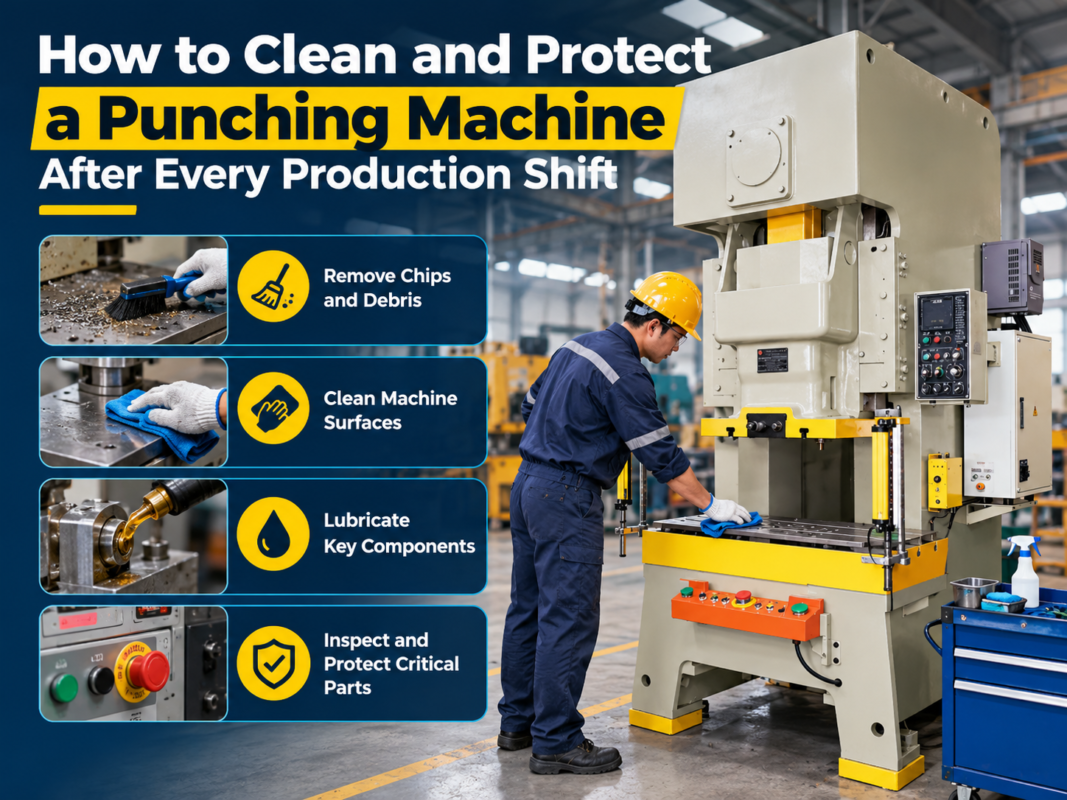
At a minimum, a basic cleaning should be performed at the end of every shift. This includes removing scrap, wiping down the tooling, and clearing the work area. More intensive maintenance, such as lubricating the guides and cleaning the electrical cabinet, should be done on a weekly or monthly basis depending on your production volume.
What is the best way to remove metal debris from the turret?
Use a soft brass brush or a vacuum cleaner with a non-conductive nozzle. Avoid using high-pressure compressed air, as this can force metal dust into the internal bearings and sensors, causing long-term damage. Always wear appropriate personal protective equipment (PPE) when handling sharp metal scrap.
Can I use standard shop grease for my punching machine?
No, you should always use the lubricant specified in your HARSLE machine manual. Using the wrong type of grease can lead to chemical incompatibility, poor performance, and accelerated wear of the machine’s precision components.
What should I do if my machine starts making unusual noises?
Stop the machine immediately and perform a visual inspection. Check for debris buildup, loose tooling, or signs of overheating. If the noise persists after cleaning and lubrication, consult the troubleshooting section of your manual or contact HARSLE support for professional guidance.
Why is my machine producing burrs on the workpiece?
Burrs are typically caused by dull tooling or improper clearance between the punch and die. However, they can also be caused by debris buildup that prevents the stripper plate from holding the material firmly. Start by cleaning the tooling and checking the die clearance before attempting to sharpen the punch.