
Electrical System Maintenance for Punching Machines: What to Check and When


The Critical Importance of Electrical System Maintenance for Punching Machines
In the high-stakes environment of modern metal fabrication, the punching machine serves as the backbone of production. Whether you are operating a high-speed CNC turret punch or a robust mechanical press, the electrical system acts as the central nervous system of the equipment. Neglecting this system is not merely a risk to production schedules; it is a significant safety hazard that can lead to catastrophic equipment failure, fire risks, and costly downtime. Understanding Electrical System Maintenance for Punching Machines: What to Check and When is essential for any facility manager aiming to maximize ROI.
Electrical components in punching machines are subjected to constant vibration, metallic dust, and fluctuating thermal conditions. Over time, these factors degrade insulation, loosen connections, and compromise the integrity of sensitive control boards. By implementing a rigorous maintenance schedule, operators can identify micro-faults before they escalate into full-scale system failures. Proactive maintenance is the difference between a machine that runs for decades and one that requires constant, expensive emergency repairs.
Furthermore, the complexity of modern punching machines—which integrate servo motors, PLC controllers, and sophisticated sensor arrays—means that electrical issues are often harder to diagnose than mechanical ones. A loose wire in a control cabinet can trigger intermittent errors that are notoriously difficult to track down. Therefore, establishing a standardized protocol for Electrical System Maintenance Punching Machines Check When is a foundational requirement for operational excellence in any metal fabrication shop.
Finally, safety cannot be overstated. Electrical faults are a leading cause of industrial accidents. Regular inspections ensure that grounding systems are intact, emergency stop circuits are responsive, and high-voltage components are properly shielded. By prioritizing the electrical health of your machinery, you are protecting your most valuable assets: your employees and your production capacity.
Daily Inspection Protocols: The First Line of Defense
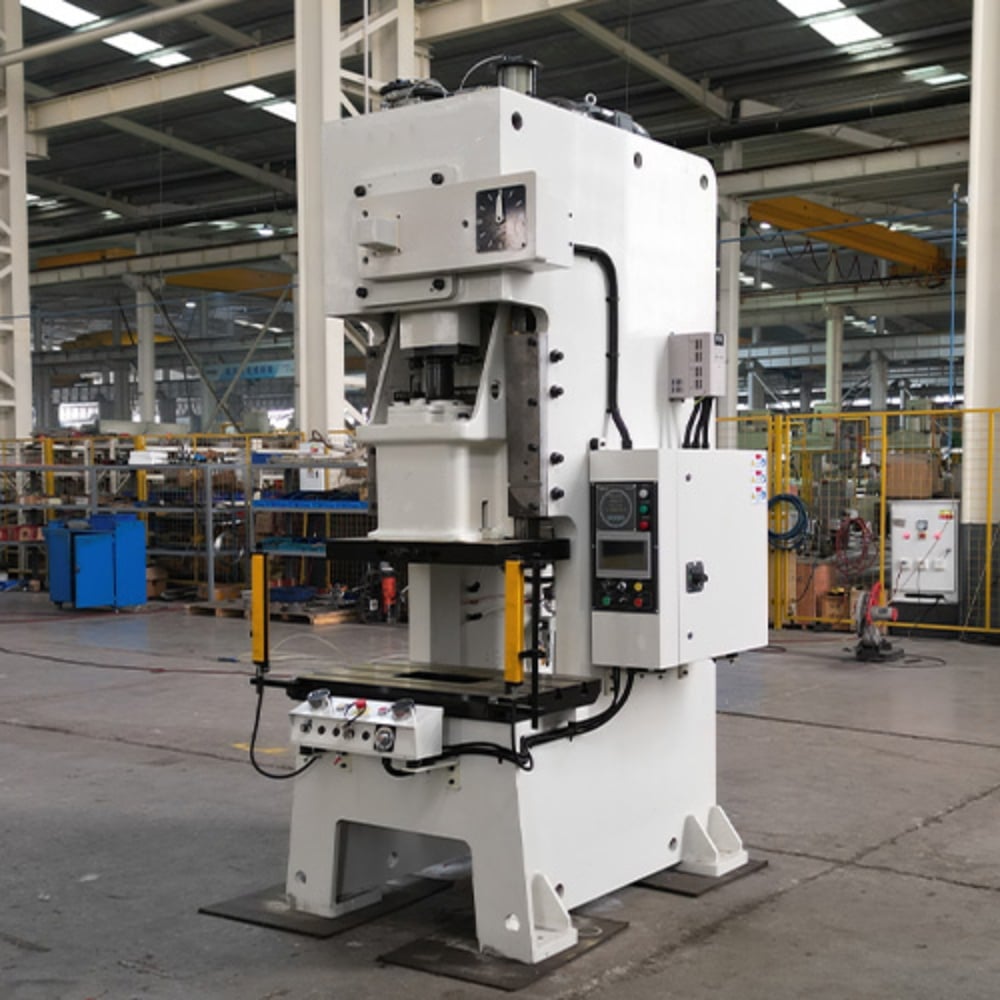
Daily inspections are the simplest yet most effective way to prevent major electrical failures. Before the start of every shift, operators should perform a visual walkthrough of the punching machine. This routine should focus on identifying obvious signs of wear, such as frayed cables, loose conduits, or signs of overheating near terminal blocks. Even if the machine appears to be running smoothly, these small visual cues are often the first indicators of a developing problem.
The control panel should be checked for any unusual error codes or flickering displays. If the HMI (Human Machine Interface) is showing signs of instability, it may indicate a fluctuating power supply or a grounding issue. Additionally, ensure that the cooling fans for the electrical cabinet are operational. If these fans fail, the internal temperature of the cabinet can rise rapidly, leading to the premature failure of sensitive electronic components like PLCs and servo drives.
Operators should also check the condition of the emergency stop buttons and safety light curtains. These are critical safety components that rely on a continuous electrical circuit. A daily test ensures that if an operator needs to stop the machine instantly, the electrical system will respond without hesitation. Never bypass or ignore a safety circuit warning; if a light curtain is misaligned or a button is sticky, the machine must be taken out of service immediately.
Lastly, keep the area around the electrical cabinet clean. Metal dust is conductive and, if it enters the cabinet, can cause short circuits across circuit boards. Ensure that the cabinet seals are intact and that the door is always locked when not in use. A clean, sealed environment is the best defense against the harsh conditions of a metal fabrication shop.
Comprehensive Electrical and Hydraulic System Checks
While daily checks focus on the exterior, periodic deep-dive inspections are necessary to maintain the internal health of the machine. This involves checking the tightness of all electrical connections. Vibration from the punching process can cause terminal screws to loosen over time, leading to arcing and heat buildup. Using a torque screwdriver to verify that all connections are secure is a standard best practice for Electrical System Maintenance for Punching Machines: What to Check and When.
Hydraulic systems, while mechanical in nature, are heavily reliant on electrical sensors and solenoid valves. The electrical signals controlling these valves must be clean and consistent. Inspect the wiring harnesses leading to the hydraulic pump and the pressure transducers. Look for signs of oil contamination on the wires, as hydraulic fluid can degrade cable insulation over time. If you find oil-soaked cables, they should be cleaned or replaced immediately to prevent short circuits.
The servo motors and drives are the heart of the punching machine’s precision. These components generate significant heat and require clean power. Check the drive cooling vents for dust buildup and ensure that the motor cables are not being pinched or rubbed by moving parts. Any sign of cable fraying or insulation damage must be addressed by a qualified technician to avoid motor failure or erratic machine movement.
Finally, verify the grounding of the entire machine. A poor ground connection can lead to “electrical noise” or interference, which causes the machine to behave unpredictably. Use a multimeter to check the resistance between the machine frame and the facility ground. If the resistance is higher than the manufacturer’s specifications, it is time to inspect the grounding rods and connections to ensure a safe path for stray current.
Lubrication and Mechanical Integration
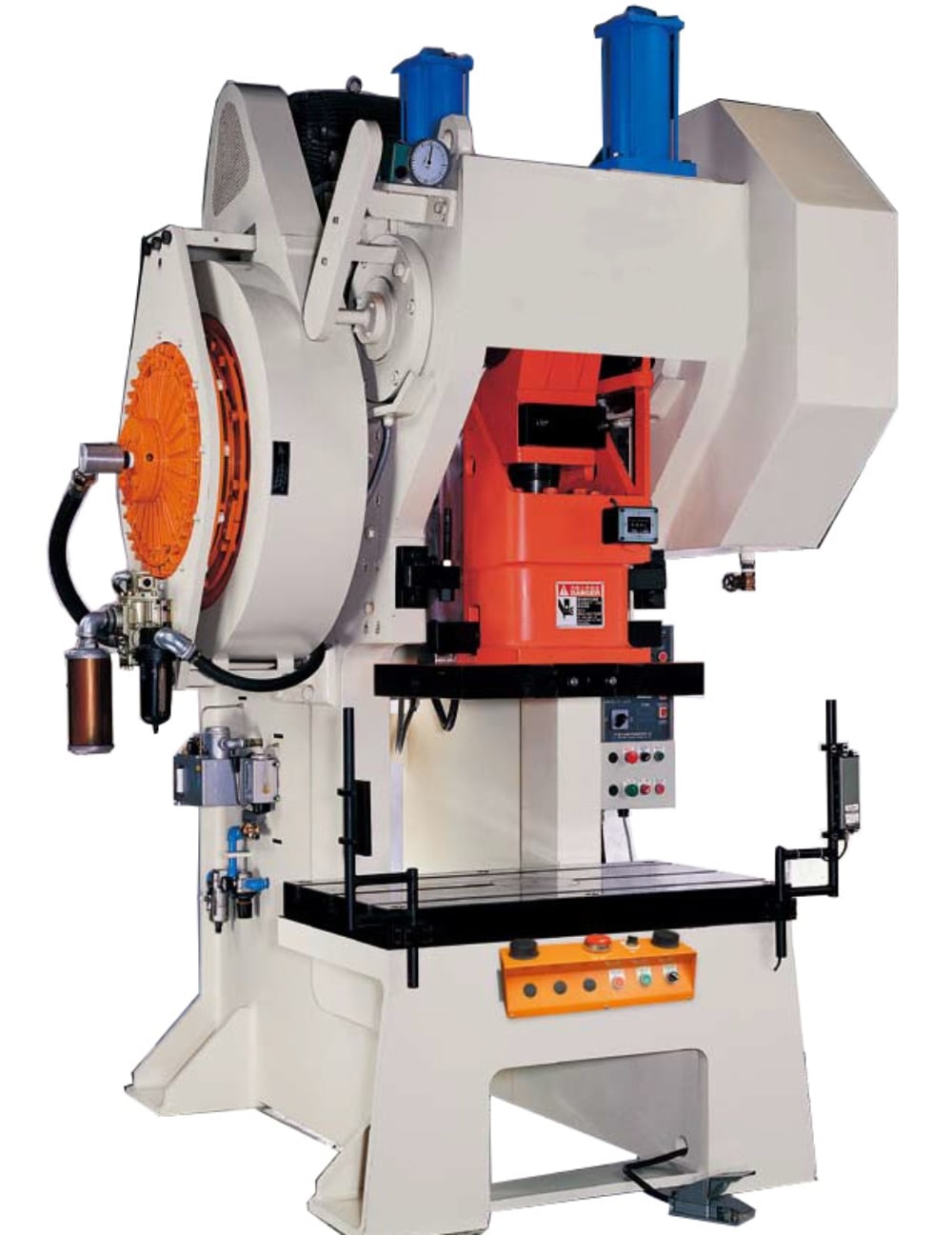
While this guide focuses on electrical systems, it is impossible to separate electrical health from mechanical lubrication. Many electrical sensors are located near lubrication points. If a lubrication line leaks, the oil can migrate into electrical sensors, causing them to fail or provide false readings. Therefore, part of your electrical maintenance routine must include checking for oil leaks near sensitive electronic components.
The automatic lubrication system itself is controlled by the PLC. If the lubrication pump fails to cycle, the machine may trigger an electrical alarm. Regularly check the lubrication reservoir levels and the operation of the pump motor. Ensure that the electrical sensors monitoring the lubrication pressure are clean and functioning correctly. An electrical failure in the lubrication system can lead to mechanical seizure, which is a far more expensive repair.
Furthermore, the movement of the turret and the punching ram is governed by encoders. These encoders are highly sensitive electrical devices. Ensure that the mechanical linkages connected to these encoders are properly lubricated and free of debris. If the mechanical movement is jerky due to lack of lubrication, the electrical encoder may struggle to provide accurate feedback, leading to positioning errors and potential crashes.
Maintain a strict lubrication schedule as recommended by the manufacturer. Use only the specified lubricants, as incorrect types can cause chemical reactions with seals or electrical insulation. By keeping the mechanical components moving smoothly, you reduce the load on the electrical motors and drives, extending their lifespan significantly.
Troubleshooting Signals: Interpreting Machine Warnings
Modern punching machines are equipped with sophisticated diagnostic systems. When an electrical issue occurs, the machine will often provide an error code on the HMI. Understanding these signals is a key component of Electrical System Maintenance Punching Machines Check When. Do not simply clear the alarm and restart the machine; investigate the root cause of the error.
Common electrical signals include “Overload” alarms, which suggest that a motor is working too hard. This could be due to a dull punch tool, a mechanical obstruction, or a failing drive. “Communication Error” alarms often point to a loose cable or electromagnetic interference (EMI). If you see these, check the integrity of the communication cables and ensure they are properly shielded and routed away from high-voltage power lines.
Intermittent issues are the most frustrating. If a machine stops randomly, look for heat-related triggers. Does it happen after the machine has been running for several hours? This could indicate a failing component that is overheating. Use a thermal imaging camera to inspect the electrical cabinet while the machine is under load. Hot spots on terminal blocks or circuit boards are clear indicators of high resistance and potential failure points.
Always keep a log of all electrical alarms. Over time, this data will reveal patterns. If a specific sensor triggers an alarm once a week, it is likely on the verge of failure. Replacing it during a scheduled maintenance window is much cheaper than waiting for it to fail during a critical production run.
Maintenance Schedule Table
| Frequency | Task | Focus Area |
|---|---|---|
| Daily | Visual inspection of cables and cabinet | General Integrity |
| Daily | Test E-stop and safety sensors | Safety Systems |
| Weekly | Clean cabinet filters and vents | Thermal Management |
| Monthly | Check terminal tightness | Electrical Connections |
| Quarterly | Inspect servo motor cables | Drive System |
| Bi-Annually | Check grounding resistance | Electrical Safety |
| Annually | Full diagnostic scan and backup | PLC/Software |
Frequently Asked Questions (FAQ)
How often should I check the electrical connections in my punching machine?
We recommend a thorough check of all terminal connections every month. Vibration from the punching process can loosen screws over time, leading to arcing and potential fire hazards.
What should I do if I see metal dust inside the electrical cabinet?
Immediately power down the machine and use a non-conductive vacuum to remove the dust. Do not use compressed air, as this can force conductive particles deeper into sensitive components. Check the cabinet seals to prevent future ingress.
Why is my machine showing intermittent communication errors?
Communication errors are often caused by electromagnetic interference (EMI) or loose data cables. Ensure that data cables are shielded and kept separate from high-voltage power lines. Check all connectors for signs of oxidation or looseness.
Can I perform electrical maintenance myself?
Basic visual inspections and filter cleaning can be done by trained operators. However, any work involving live circuits, wiring, or component replacement should be performed by a qualified electrician or a certified HARSLE technician to ensure safety and compliance.
What is the most common cause of electrical failure in punching machines?
The most common causes are overheating due to clogged filters and loose connections caused by machine vibration. Both are easily preventable with a consistent maintenance schedule.
How do I know if my grounding is sufficient?
You should use a multimeter to measure the resistance between the machine frame and the facility ground. If the reading is not within the manufacturer’s specified range, you should consult an electrician to improve your grounding system.
Is it necessary to backup the machine software?
Yes, performing an annual backup of the PLC and HMI software is critical. In the event of a controller failure, having a recent backup will save you days of downtime and configuration effort.












