How to Reduce Punching Machine Wear with Smart Maintenance Planning


The Critical Importance of Maintenance in Metal Fabrication
In the high-stakes world of metal fabrication, the punching machine serves as the backbone of production efficiency. Whether you are operating a high-speed CNC turret punch or a heavy-duty hydraulic punching machine, the equipment is subject to immense mechanical stress, vibration, and thermal expansion. When operators fail to prioritize maintenance, the result is not just a temporary slowdown; it is a cascade of premature component failure, inconsistent part quality, and skyrocketing operational costs. Understanding how to reduce punching machine wear with smart maintenance planning is the most effective way to protect your capital investment.
Smart maintenance planning moves beyond reactive repairs—fixing things only when they break—and shifts toward a proactive, data-driven strategy. By implementing a structured approach, fabricators can identify micro-wear patterns before they evolve into catastrophic system failures. This approach ensures that the machine remains within its optimal operating parameters, maintaining the precision required for complex metal forming tasks. Furthermore, a well-maintained machine consumes less energy, produces less scrap, and significantly extends the service life of expensive tooling.
The economic impact of neglecting maintenance cannot be overstated. Downtime in a fabrication shop can cost hundreds or even thousands of dollars per hour. When a machine is down, the entire production schedule is disrupted, leading to missed deadlines and strained client relationships. By integrating smart maintenance planning into your daily workflow, you transform the machine from a liability into a reliable asset that consistently delivers high-quality output. This guide explores the essential pillars of maintaining your HARSLE punching equipment to ensure long-term performance.
Ultimately, the goal of any maintenance program is to maximize the ‘Mean Time Between Failures’ (MTBF). This is achieved through a combination of rigorous daily inspections, scheduled lubrication, and a deep understanding of the machine’s electrical and hydraulic subsystems. As we delve into the specifics of these maintenance areas, remember that consistency is the key. A maintenance plan is only as good as the discipline of the team executing it, and even the most robust machine requires human oversight to thrive in an industrial environment.
Daily Inspection Protocols for Punching Machines
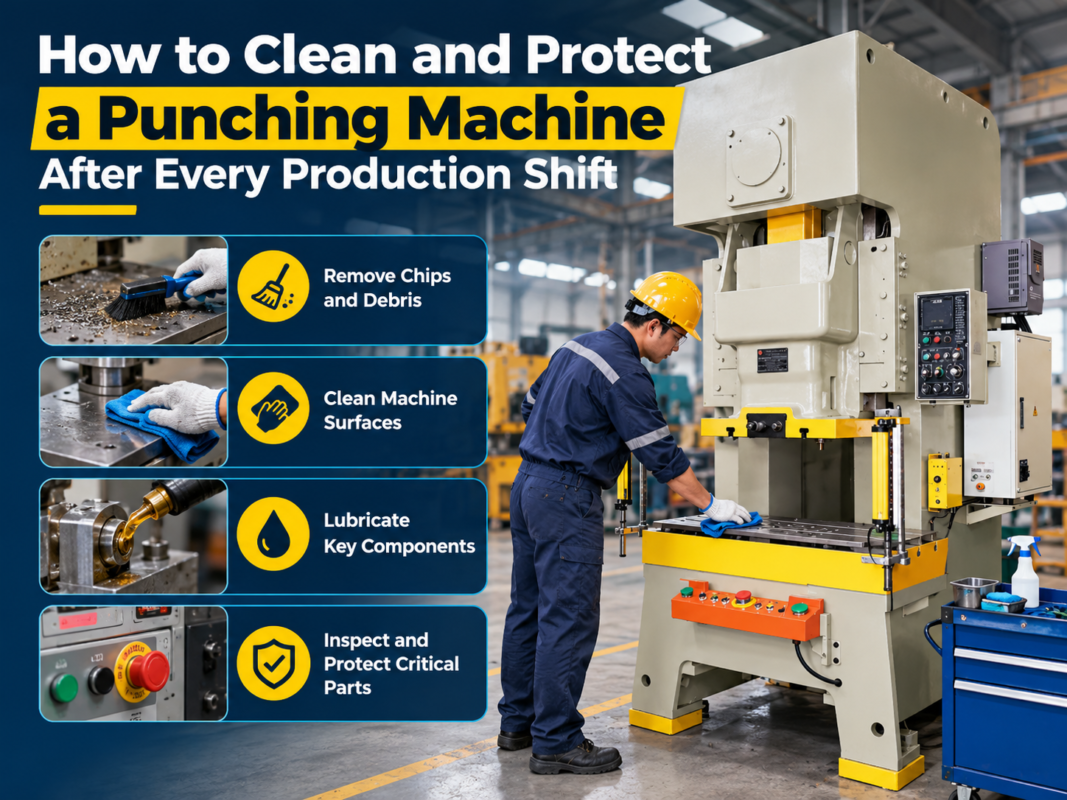
The first line of defense in any maintenance strategy is the daily inspection. Before the machine is powered up for the shift, the operator should perform a visual and tactile check of the critical components. This routine should take no more than 10 to 15 minutes, but it can save hours of downtime later. Start by checking the punching area for any debris or metal shavings that may have accumulated from the previous shift. Clearing these remnants prevents them from being crushed into the die or damaging the punch guide.
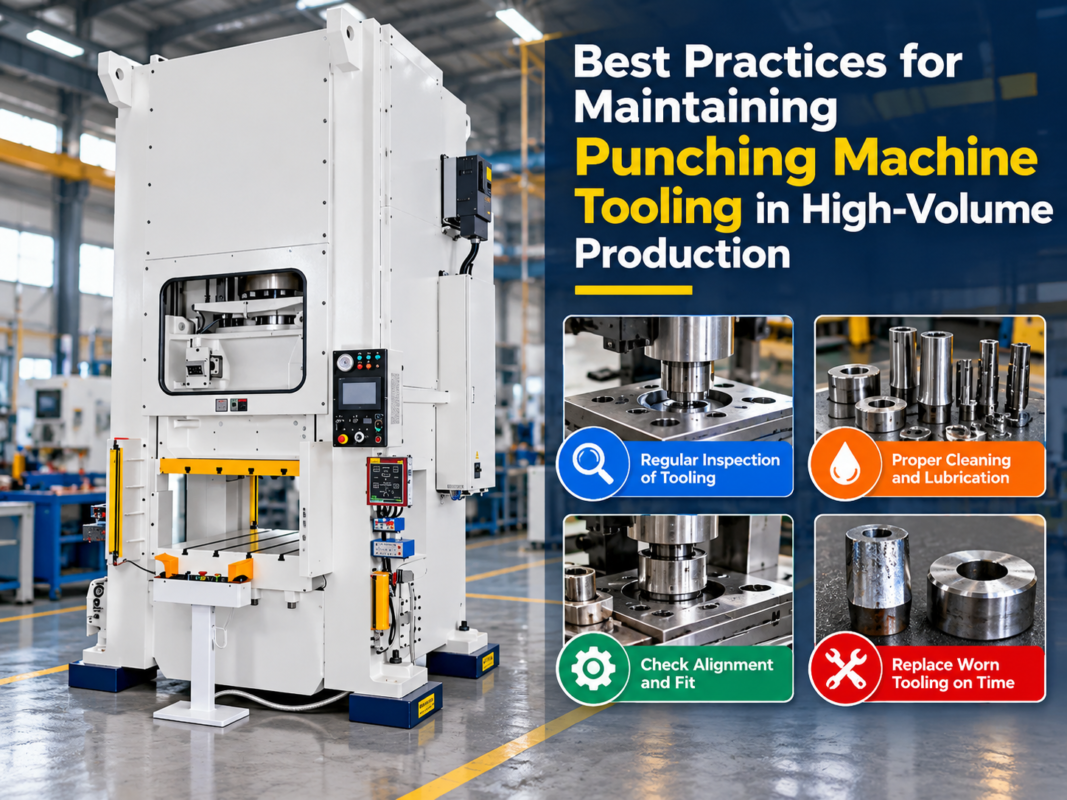
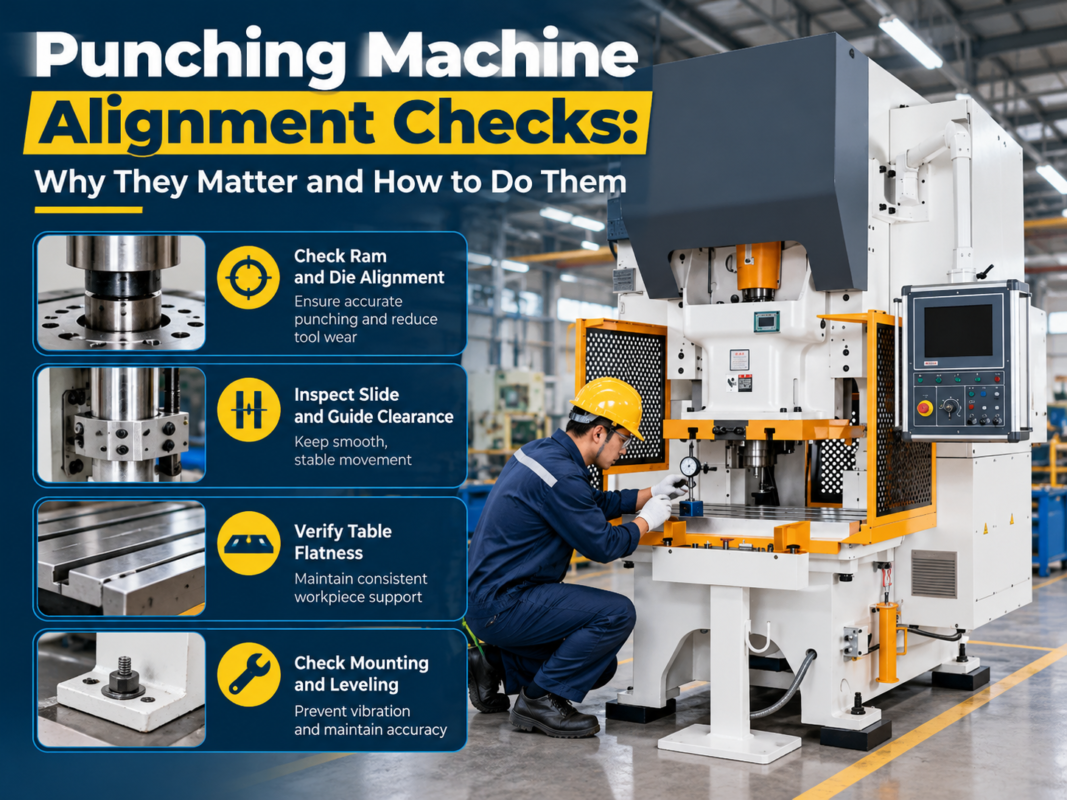
Next, examine the tooling alignment. Even a slight misalignment can cause uneven wear on the punch and die, leading to burrs on the finished product. Check the punch head and the die holder for signs of chipping or cracking. If you notice any irregularities, address them immediately rather than pushing the machine to complete the shift. The cost of replacing a single punch is negligible compared to the cost of replacing a damaged turret or a misaligned ram.
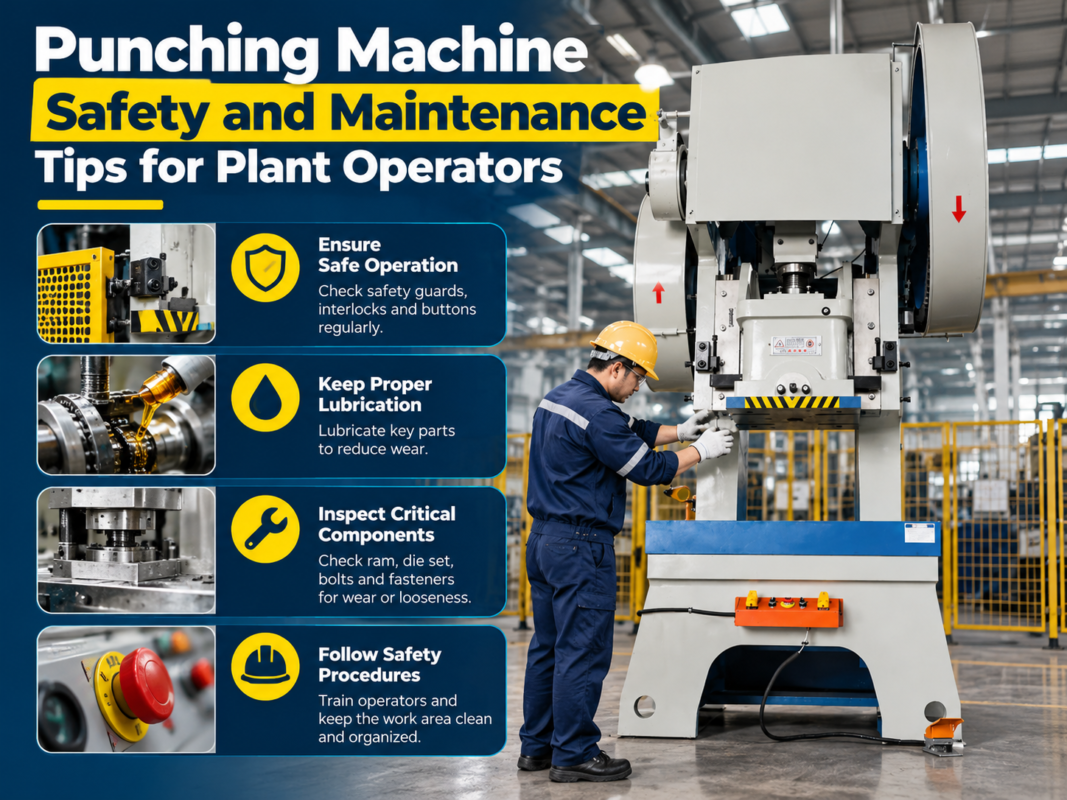
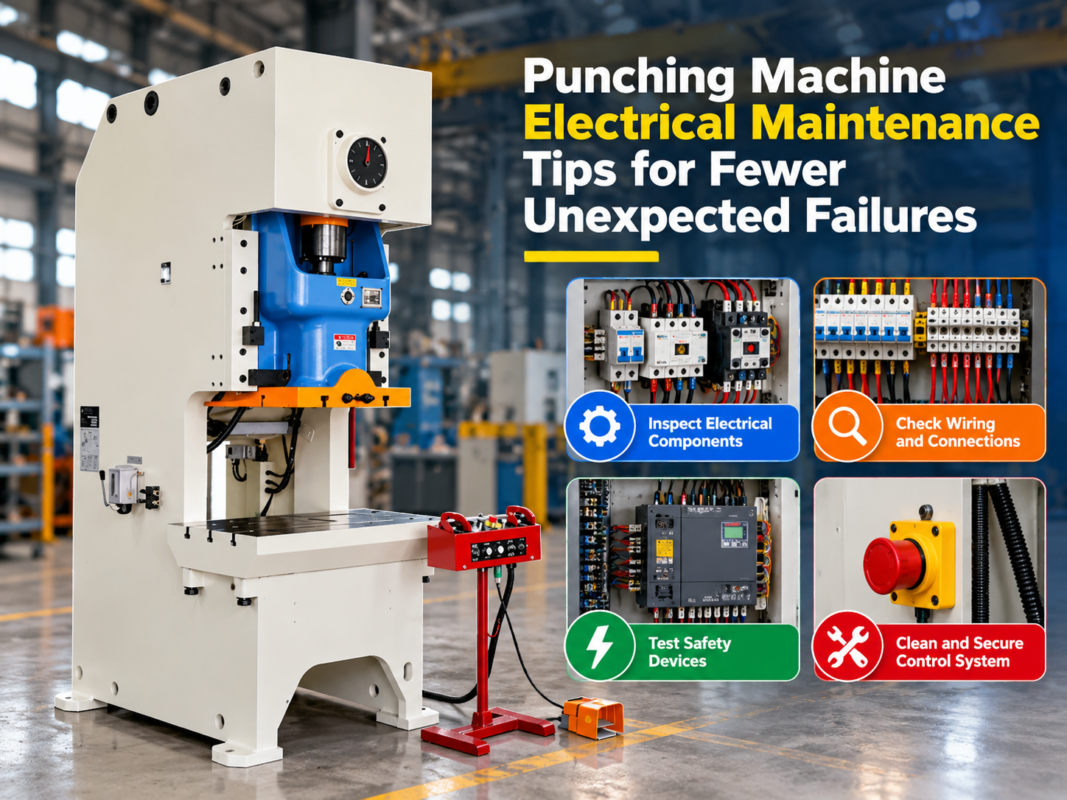
Check the machine’s safety systems daily. This includes light curtains, emergency stop buttons, and interlock switches. A punching machine is a powerful piece of equipment, and safety systems are designed to protect both the operator and the machine itself. If a safety sensor is faulty, the machine should not be operated under any circumstances. Testing these systems ensures that the machine remains compliant with industrial safety standards and prevents accidents that could lead to costly litigation or equipment damage.
Finally, monitor the machine’s operating temperature and noise levels during the first few minutes of operation. Unusual vibrations or high-pitched squealing are often the first indicators of a bearing failure or a lack of lubrication. By documenting these daily checks in a logbook or digital maintenance management system, you create a historical record that can help technicians diagnose future issues more accurately. This documentation is a cornerstone of smart maintenance planning.
Hydraulic, Electrical, and Mechanical System Checks
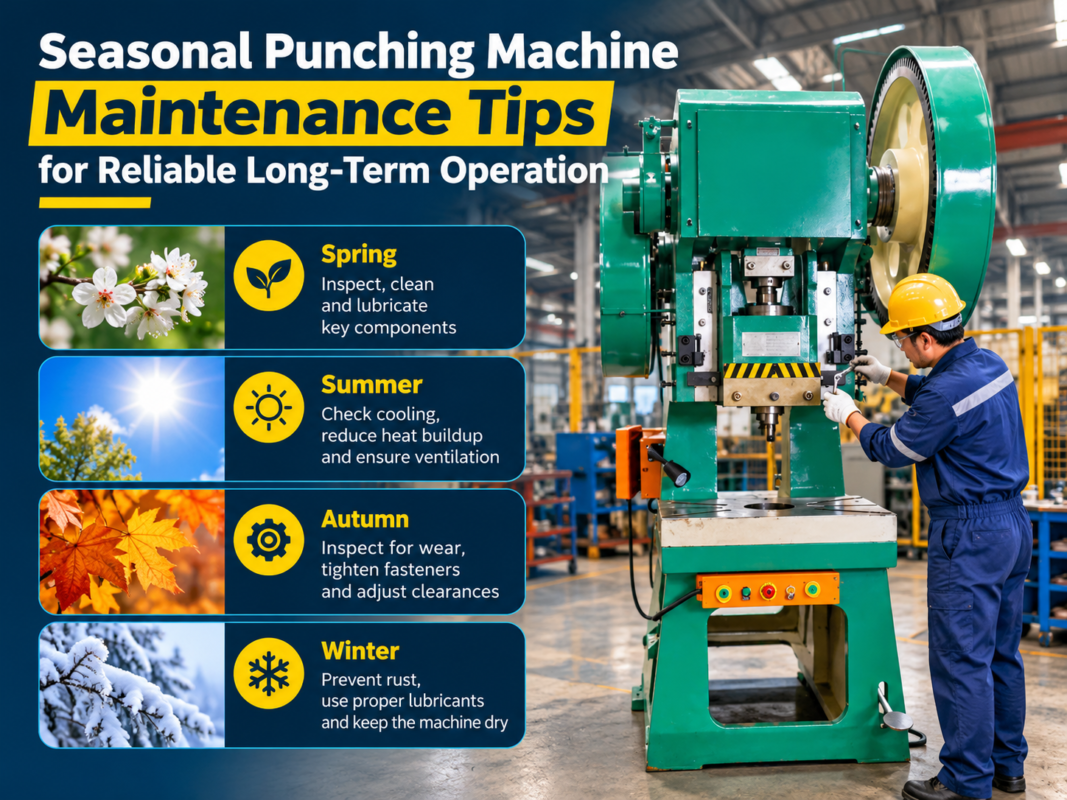
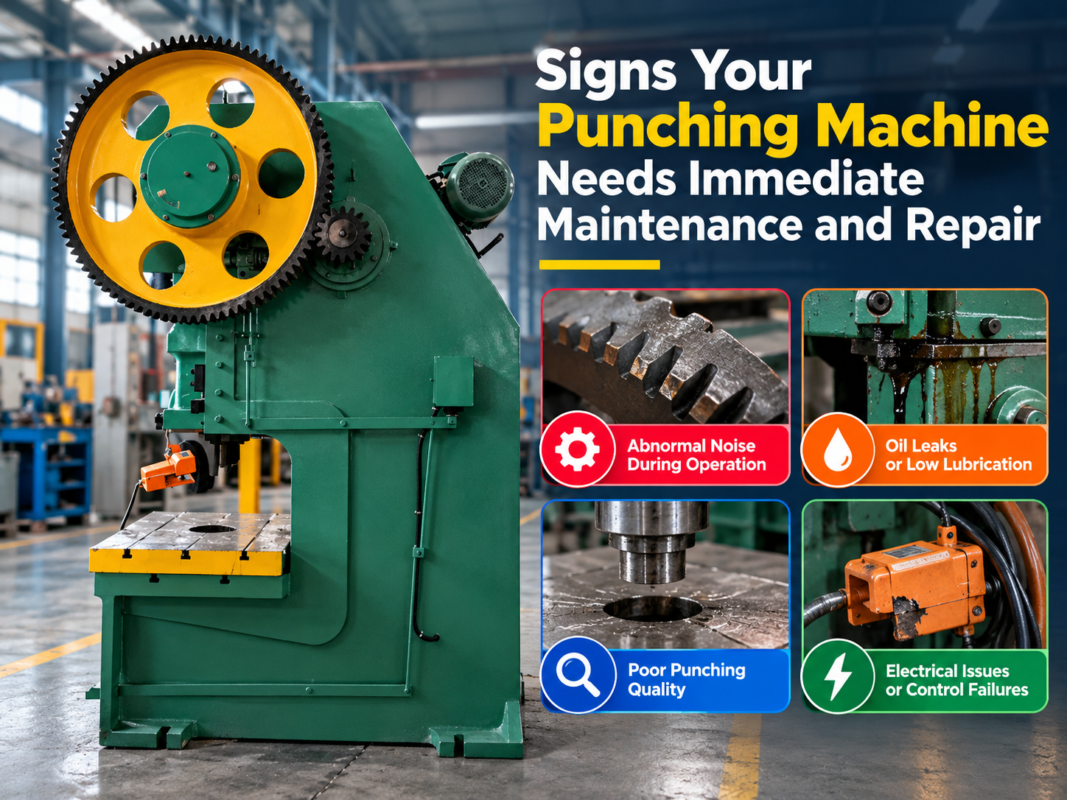
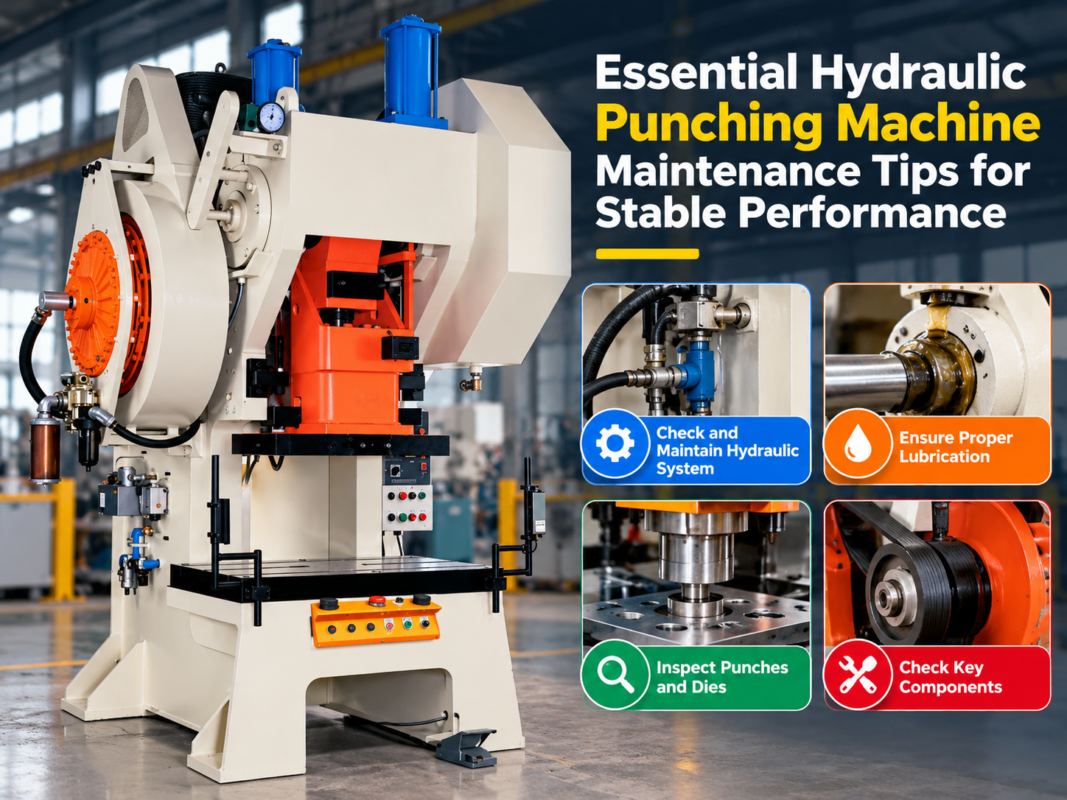
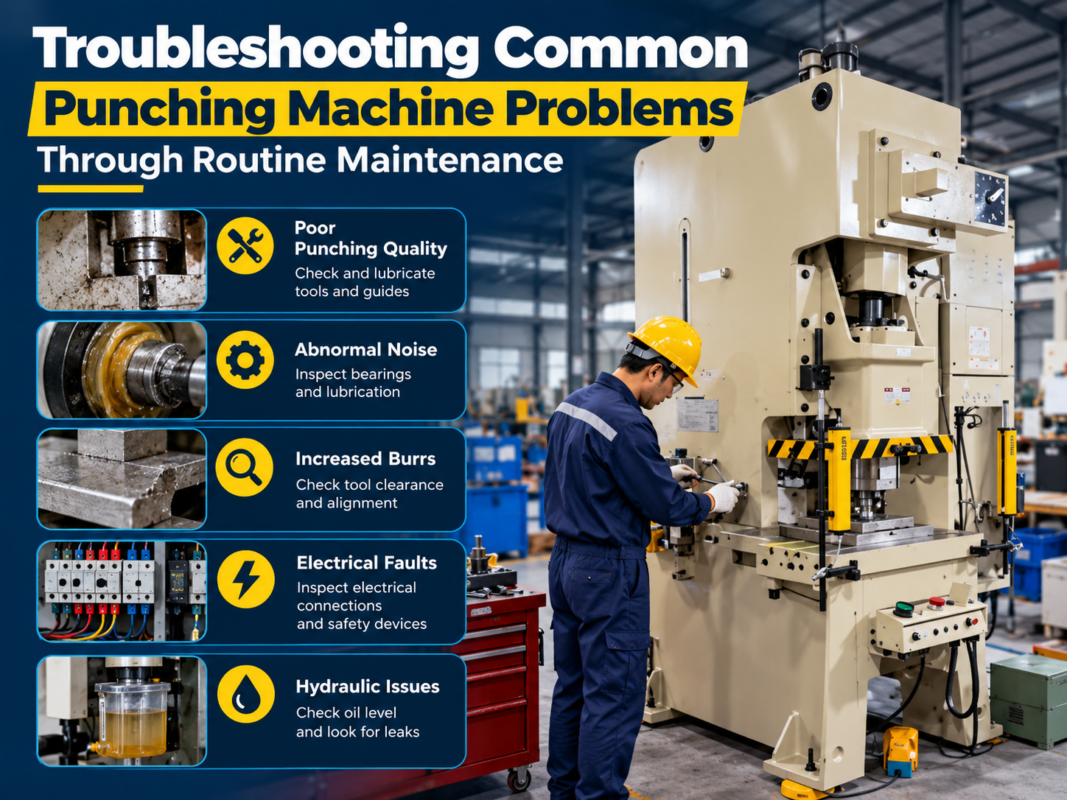
The hydraulic system is the heart of many punching machines, providing the force necessary to penetrate thick metal sheets. To reduce wear, you must maintain the integrity of the hydraulic fluid. Contamination is the primary enemy of hydraulic pumps and valves. Ensure that the oil is changed according to the manufacturer’s specifications and that filters are replaced regularly. Check for leaks at every hose connection; even a small drip can indicate a pressure drop that forces the pump to work harder, accelerating wear.
Electrical systems require a different approach. Modern CNC punching machines are controlled by sophisticated PLCs and servo drives. Dust and metal particles are conductive and can cause short circuits on circuit boards. Ensure that the electrical cabinet is sealed properly and that the cooling fans are clean and operational. Periodically check the tightness of terminal connections, as vibration can cause wires to loosen over time, leading to intermittent power issues and potential damage to sensitive electronic components.
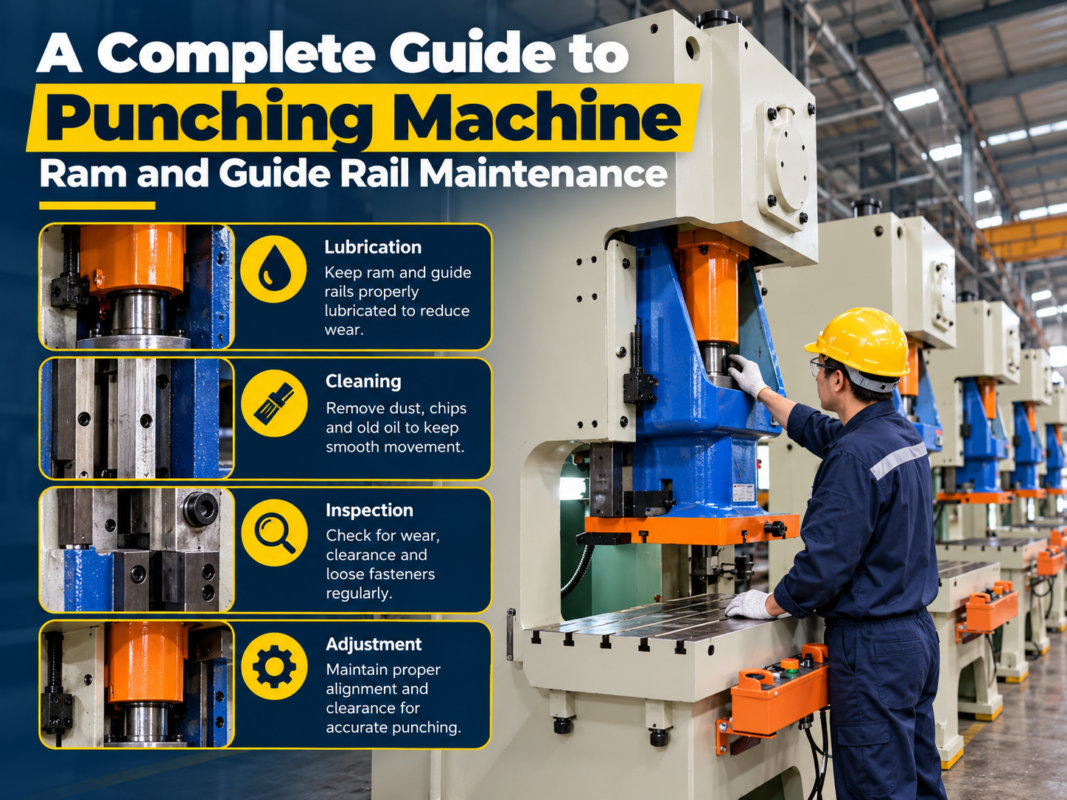
Mechanical components, such as the ram, turret, and guide rails, are subject to constant friction. These parts must be kept clean and properly adjusted. Check the backlash in the drive systems and ensure that the turret indexing mechanism is locking correctly. If the turret is not perfectly aligned with the punch, the lateral forces exerted on the punch guide will cause rapid wear. Regularly inspect the guide rails for signs of scoring or pitting, and ensure that the gibs are adjusted to the correct clearance to maintain ram stability.
For machines with automatic tool changers, the mechanical arm and the tool storage magazine are critical points of failure. These systems rely on precise timing and positioning. Inspect the drive belts and chains for signs of stretching or fraying. If the tool changer is sluggish, it may be due to a lack of lubrication or a misaligned sensor. Addressing these mechanical issues early prevents the machine from ‘crashing’ during a tool change, which is one of the most common causes of severe punching machine damage.
The Role of a Comprehensive Lubrication Plan
Lubrication is the lifeblood of any mechanical system. Without proper lubrication, metal-on-metal contact leads to heat, friction, and eventual seizure. A smart maintenance plan must include a detailed lubrication schedule that specifies the type of lubricant, the quantity, and the frequency of application for every moving part. Do not rely on ‘universal’ lubricants; always use the specific grades recommended by HARSLE for your particular machine model.
Automated lubrication systems are common in modern punching machines, but they are not ‘set and forget’ devices. You must verify that the lubricant is actually reaching the intended points. Check the reservoir levels weekly and inspect the distribution lines for blockages. If a specific point is not receiving oil, the bearing or guide rail at that location will fail prematurely. Manually grease any points that are not covered by the automatic system, such as exposed gears or manual adjustment screws.
Consider the environment in which your machine operates. If your shop is dusty or experiences high humidity, you may need to increase the frequency of lubrication. Dust can mix with grease to form an abrasive paste that accelerates wear rather than preventing it. In such environments, it is essential to clean the old grease off before applying new lubricant to ensure that contaminants are not being pushed into the bearing housing.
Keep a detailed log of all lubrication activities. This log should include the date, the technician’s name, and the specific parts serviced. This data is invaluable for identifying patterns. For example, if you find that a particular bearing requires more frequent lubrication than the manufacturer suggests, it may indicate an underlying alignment issue or a load imbalance that needs to be corrected. Smart maintenance is about using these insights to refine your strategy over time.
Troubleshooting Signals: When to Act
Even with the best maintenance plan, machines will occasionally show signs of distress. Recognizing these signals early is crucial to preventing major failures. One of the most common signals is a change in the sound of the machine. A healthy punching machine has a rhythmic, consistent sound. If you hear clunking, grinding, or irregular clicking, stop the machine and investigate. These sounds often point to loose bolts, worn bearings, or damaged gear teeth.
Another signal is a change in the quality of the punched parts. If you notice burrs appearing on parts that were previously clean, it is a sign that the punch and die clearance is no longer optimal. This could be due to tool wear, or it could indicate that the ram is losing its rigidity. Do not simply increase the force to compensate; this will only accelerate the wear on the machine and the tooling. Instead, inspect the tool clearance and the ram guide adjustments.
Monitor the machine’s power consumption. If the machine is drawing more current than usual for the same tasks, it is a sign that the system is working harder than it should. This could be due to increased friction in the drive train or a failing hydraulic pump. Modern CNC controllers often provide diagnostic data that can help you pinpoint the source of this increased load. Use these digital tools to your advantage.
Finally, pay attention to the machine’s response time. If the turret indexing or the ram stroke feels sluggish or delayed, it may indicate a problem with the control system or the hydraulic valves. These issues are often subtle at first but can lead to significant production errors if ignored. By training your operators to be observant and encouraging them to report these ‘minor’ issues, you create a culture of proactive care that significantly reduces the risk of unplanned downtime.
Maintenance Schedule Table
| Frequency | Task | Description |
|---|---|---|
| Daily | Visual Inspection | Check for debris, leaks, and loose fasteners. |
| Daily | Safety Check | Test light curtains and emergency stops. |
| Weekly | Lubrication | Check oil levels and grease manual points. |
| Monthly | Filter Replacement | Replace hydraulic and air filters. |
| Quarterly | Alignment Check | Verify turret and ram alignment. |
| Bi-Annually | Electrical Audit | Tighten connections and clean cabinets. |
| Annually | Full System Overhaul | Deep clean, fluid flush, and wear part replacement. |
Frequently Asked Questions (FAQ)
How often should I change the hydraulic oil in my punching machine?
Generally, hydraulic oil should be changed every 2,000 to 4,000 operating hours, depending on the intensity of use and the environment. Always check the oil quality for signs of oxidation or contamination and follow the HARSLE manual recommendations.
Why is my punching machine producing burrs?
Burrs are usually caused by excessive clearance between the punch and the die, or by dull tooling. Check your tool sharpness and ensure that the die clearance is set correctly for the material thickness you are working with.
Can I use any grease for my punching machine?
No. Always use the specific lubricant grade recommended by the manufacturer. Using the wrong type of grease can lead to chemical incompatibility, overheating, and premature failure of bearings and guides.
What is the most common cause of punching machine wear?
The most common cause is a lack of consistent lubrication and the accumulation of metal dust. Keeping the machine clean and well-lubricated is the single most effective way to reduce wear.
How do I know if my turret is misaligned?
Signs of misalignment include uneven wear on the punch heads, frequent tool breakage, and inconsistent hole quality. If you suspect misalignment, perform a test punch on a scrap sheet and check for symmetry and burr distribution.
Is it necessary to keep a maintenance log?
Yes. A maintenance log is essential for tracking the health of your machine, identifying recurring issues, and ensuring that all scheduled tasks are completed on time. It also provides valuable data for warranty claims and resale value.