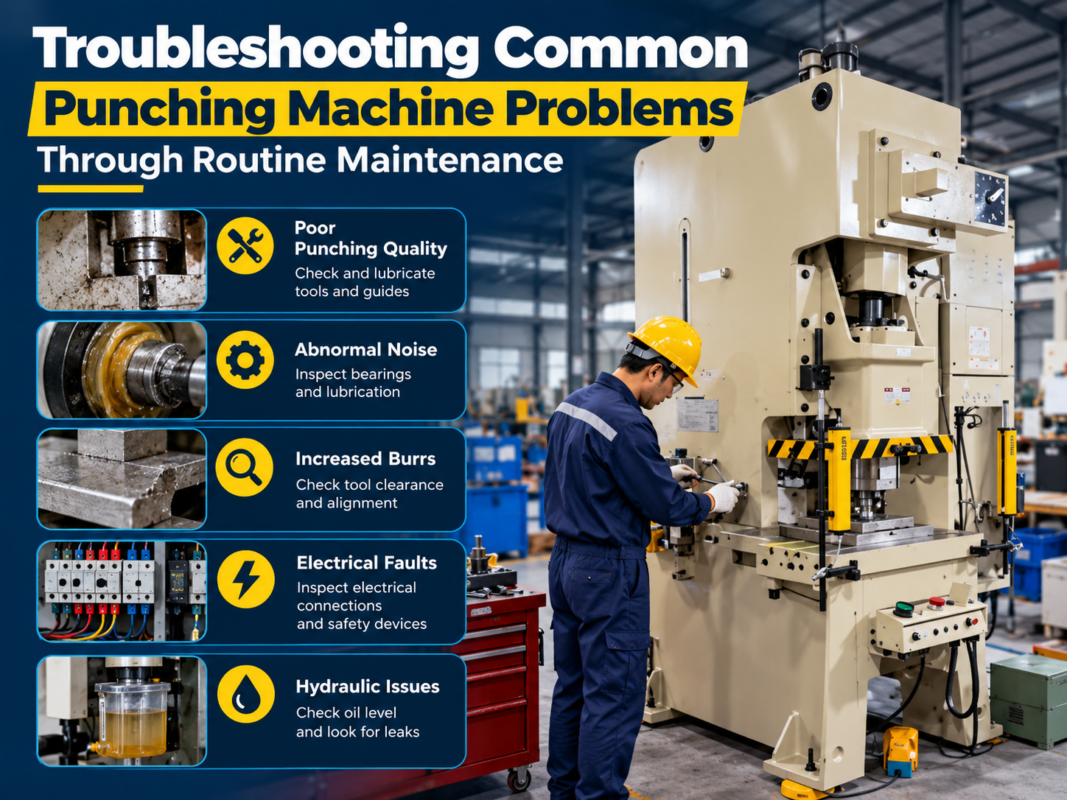
Punching Machine Maintenance Records: Why They Matter for Equipment Performance


The Critical Role of Punching Machine Maintenance Records
In the high-stakes world of metal fabrication, the reliability of your machinery is the backbone of your production capacity. For manufacturers utilizing HARSLE punching machines, the difference between a seamless production line and costly downtime often comes down to one overlooked administrative task: keeping meticulous maintenance records. When we discuss why Punching Machine Maintenance Records: They Matter Equipment Performance, we are addressing the fundamental link between data-driven oversight and mechanical longevity.
Maintenance records serve as the ‘medical history’ of your industrial equipment. Just as a physician uses a patient’s history to diagnose current ailments, a maintenance manager uses logs to identify patterns in wear, tear, and performance degradation. Without these records, maintenance becomes reactive rather than proactive, leading to sudden failures that halt production and inflate repair costs. By documenting every inspection, oil change, and part replacement, you create a roadmap for the machine’s lifecycle.
Furthermore, these records are essential for warranty compliance and resale value. Manufacturers like HARSLE design machines to operate at peak efficiency, but this requires adherence to specific service intervals. If a mechanical failure occurs, having a documented history of proper care is often a prerequisite for warranty claims. Additionally, when it comes time to upgrade your equipment, a well-maintained machine with a complete service history commands a significantly higher market price than one with an undocumented past.
Ultimately, the discipline of record-keeping fosters a culture of accountability within the workshop. When operators and technicians know that their inspections are logged and reviewed, they are more likely to perform thorough checks. This shift in mindset reduces the likelihood of human error and ensures that the punching machine remains a high-performing asset rather than a liability. In the following sections, we will explore how to structure these records and why they are the key to unlocking maximum equipment performance.
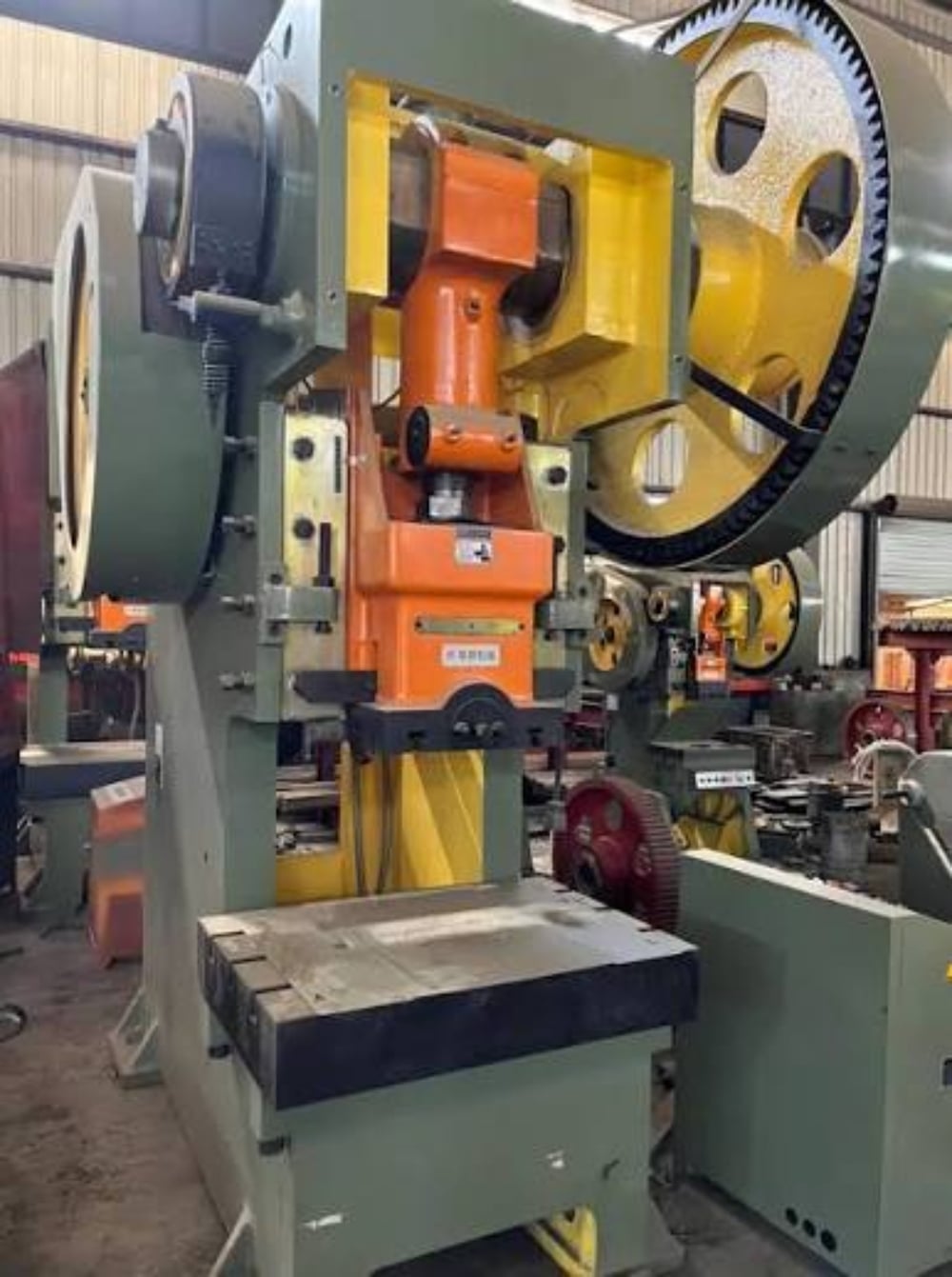
Daily Inspection Protocols for Punching Machines
Daily inspections are the first line of defense in any preventive maintenance strategy. These checks should be quick, systematic, and documented in a daily logbook or digital maintenance management system. The goal is to identify minor issues—such as loose bolts, unusual noises, or minor leaks—before they escalate into catastrophic failures that require extensive downtime.
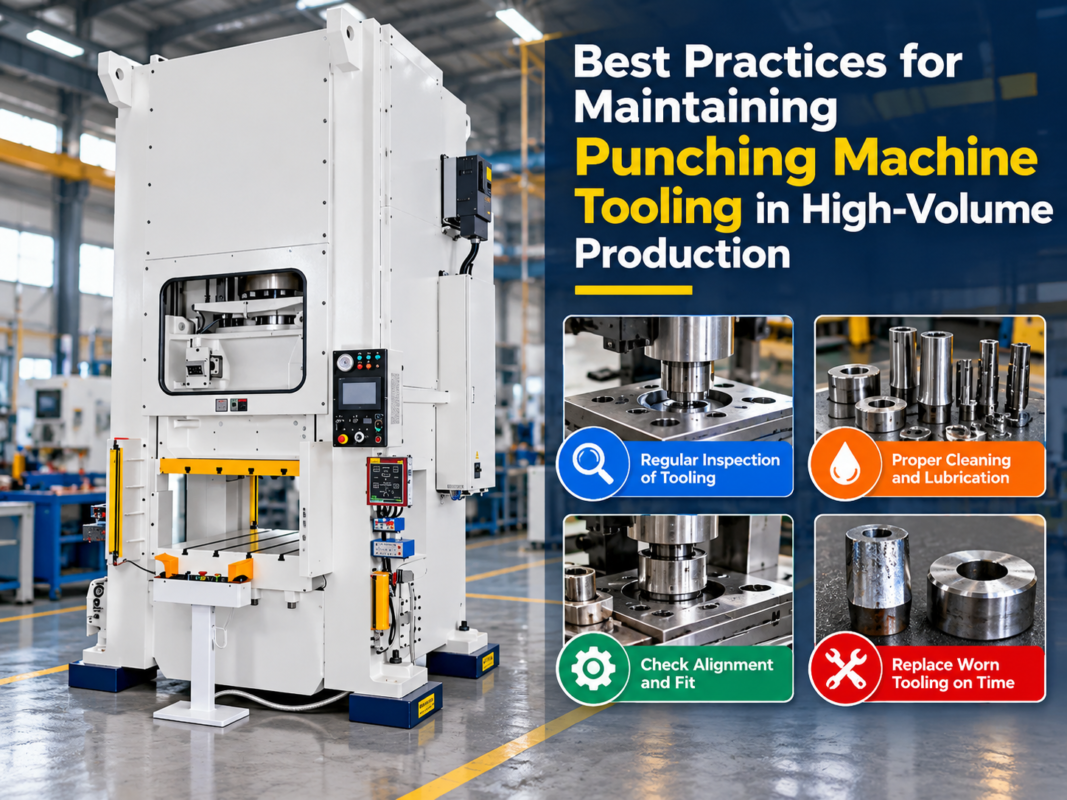
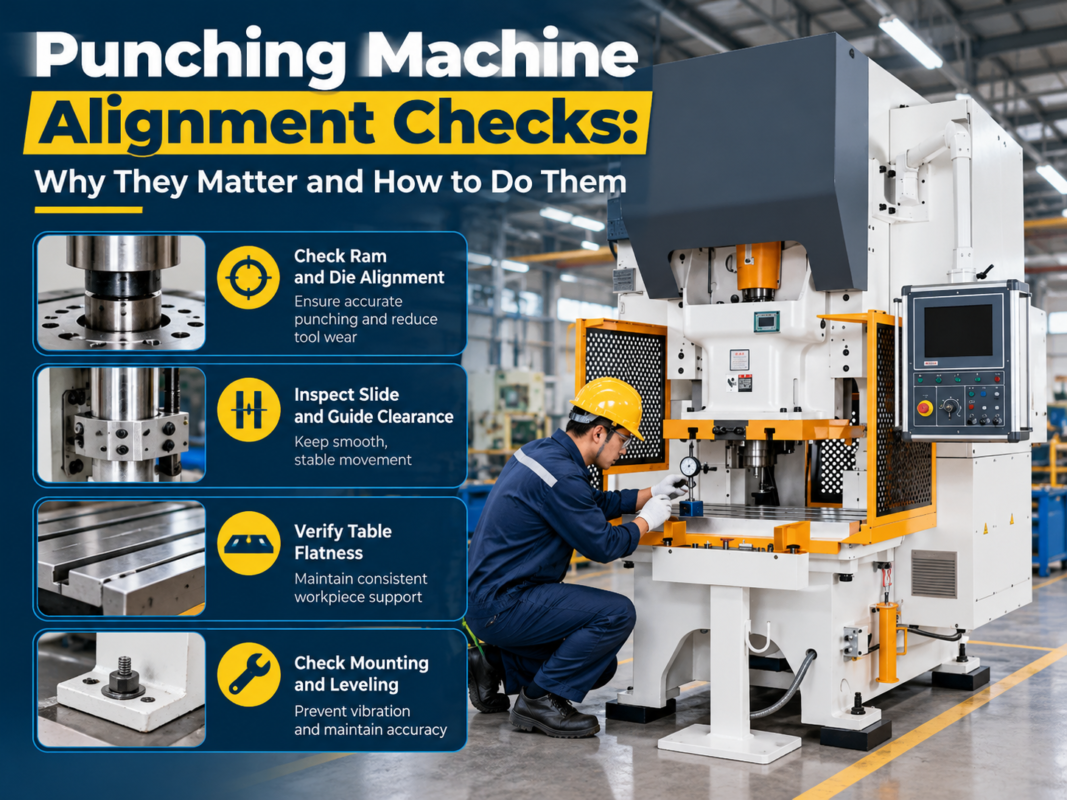
Start your daily routine by inspecting the tool station and the die clearance. Ensure that the punch and die are properly aligned and that there is no debris buildup in the die cavity. Even small metal shards can cause significant damage to the punch face or the workpiece if left unchecked. A quick visual inspection of the clamping mechanism is also vital to ensure that the tooling is secure and ready for high-speed operation.
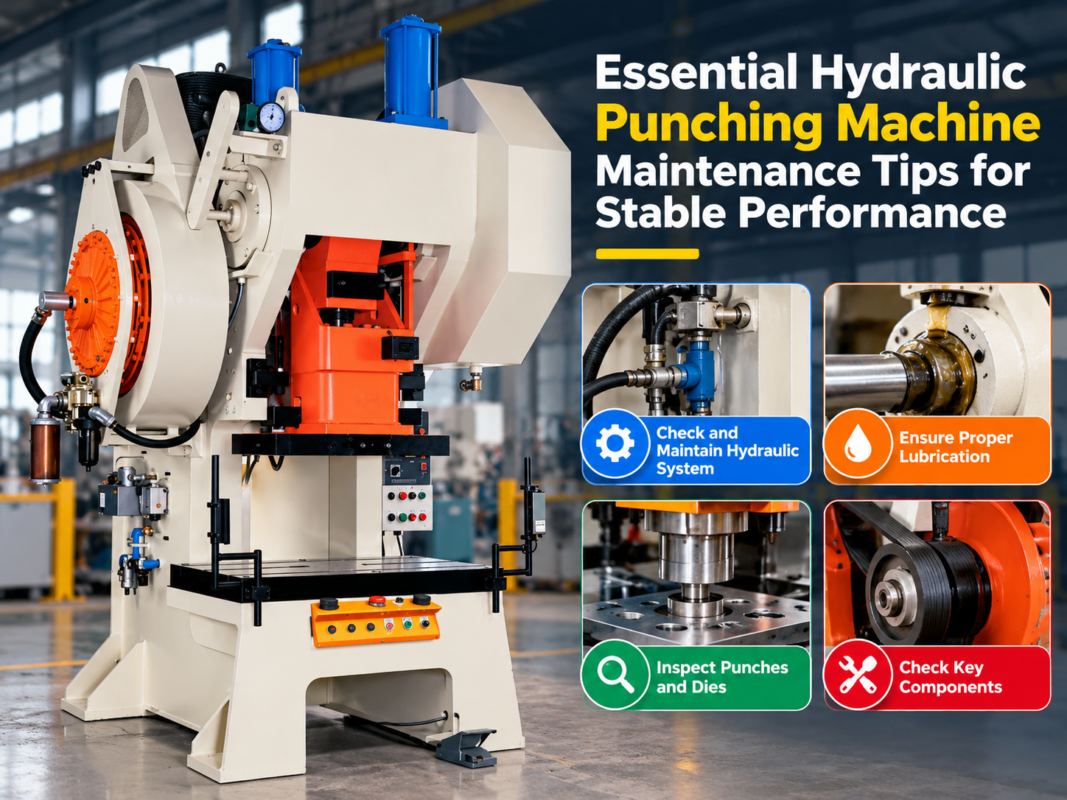
Next, check the fluid levels and pressure gauges. For hydraulic punching machines, the hydraulic oil level must be within the manufacturer’s specified range. Check for any signs of leakage around hoses, fittings, and cylinders. A small drip today can become a major hydraulic failure tomorrow, leading to pressure loss and inconsistent punching force. Documenting these levels daily allows you to spot gradual trends, such as a slow leak that might not be immediately obvious.
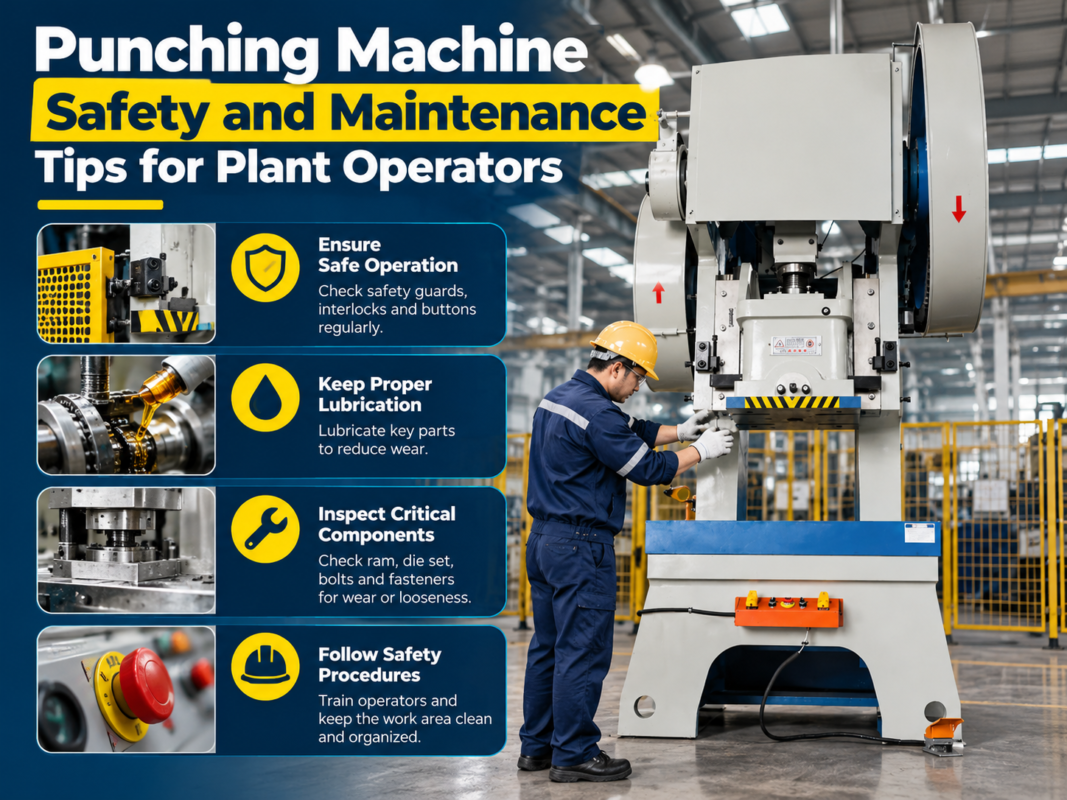
Finally, perform a functional test of the safety systems. This includes checking the light curtains, emergency stop buttons, and safety interlocks. Never operate a machine if these systems are compromised. By logging the status of these safety features daily, you not only protect your operators but also ensure that your facility remains compliant with industrial safety standards. A machine that is safe is a machine that is ready to perform.
Hydraulic, Electrical, and Mechanical System Checks
Beyond daily inspections, a comprehensive maintenance record must include periodic deep-dives into the machine’s core systems. These systems—hydraulic, electrical, and mechanical—are the heart of the punching machine, and each requires a specific approach to maintenance and documentation.
In the hydraulic system, the focus should be on oil quality and filter health. Over time, hydraulic fluid can become contaminated with moisture, metal particles, or oxidation products. Regularly testing the oil and replacing filters according to the schedule is crucial. Your maintenance records should note the date of the last oil change, the type of oil used, and the condition of the filters. This data helps in predicting when the next service is due and prevents the buildup of sludge that can clog valves and pumps.
Electrical systems require a different set of checks. Inspect the control cabinet for dust accumulation, which can lead to overheating of electronic components. Ensure that all terminal connections are tight and free from corrosion. Vibration from the punching process can loosen wires over time, leading to intermittent signal errors or complete system failure. Documenting these checks ensures that you are proactively managing the health of your PLC and motor drives, which are the ‘brains’ of your HARSLE machine.
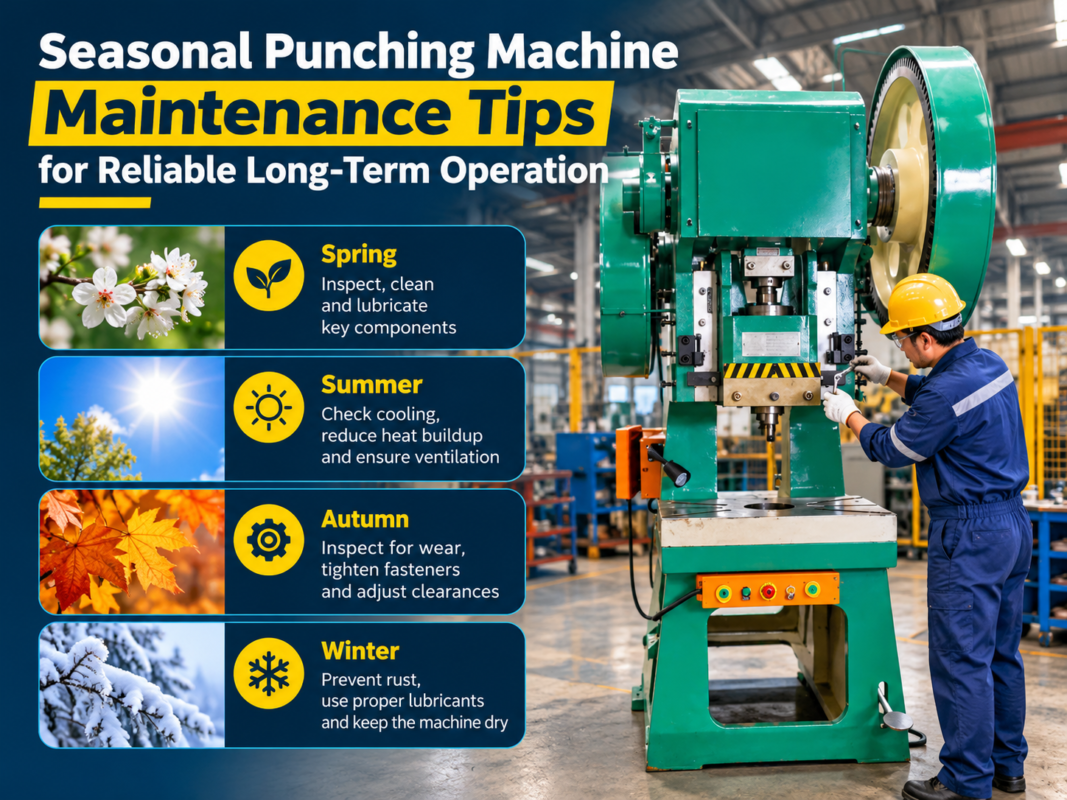
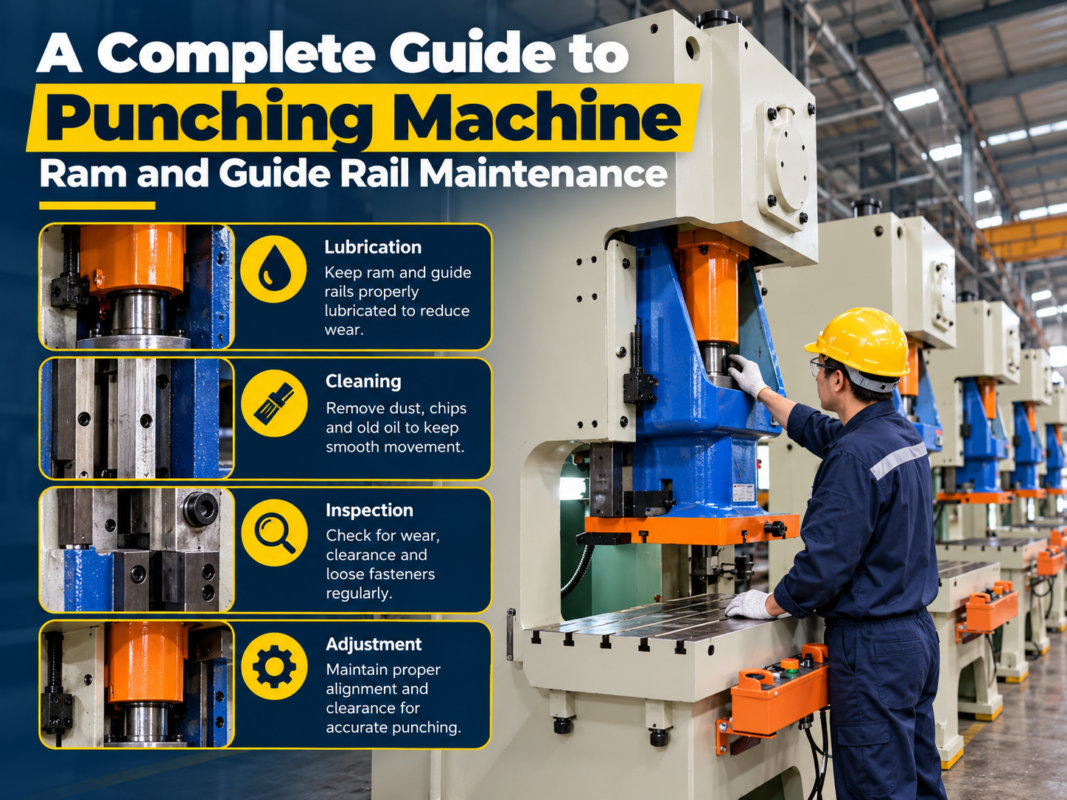
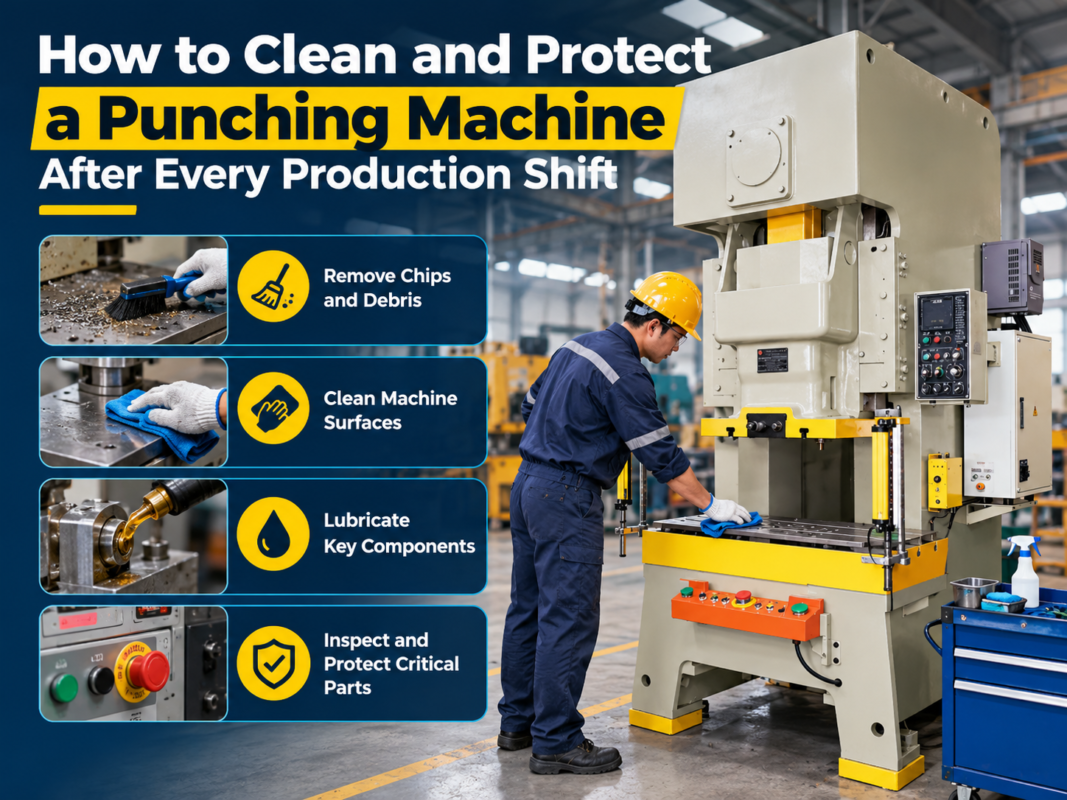
Mechanical checks involve the drive train, gears, and guide rails. These components are subject to immense stress during the punching cycle. Regularly check for signs of excessive play or backlash in the mechanical linkages. Lubrication is key here; ensure that all grease points are serviced and that the lubricant is clean and free of contaminants. By recording the specific grease used and the date of application, you ensure consistency in your maintenance practices, which is vital for the longevity of high-precision components.
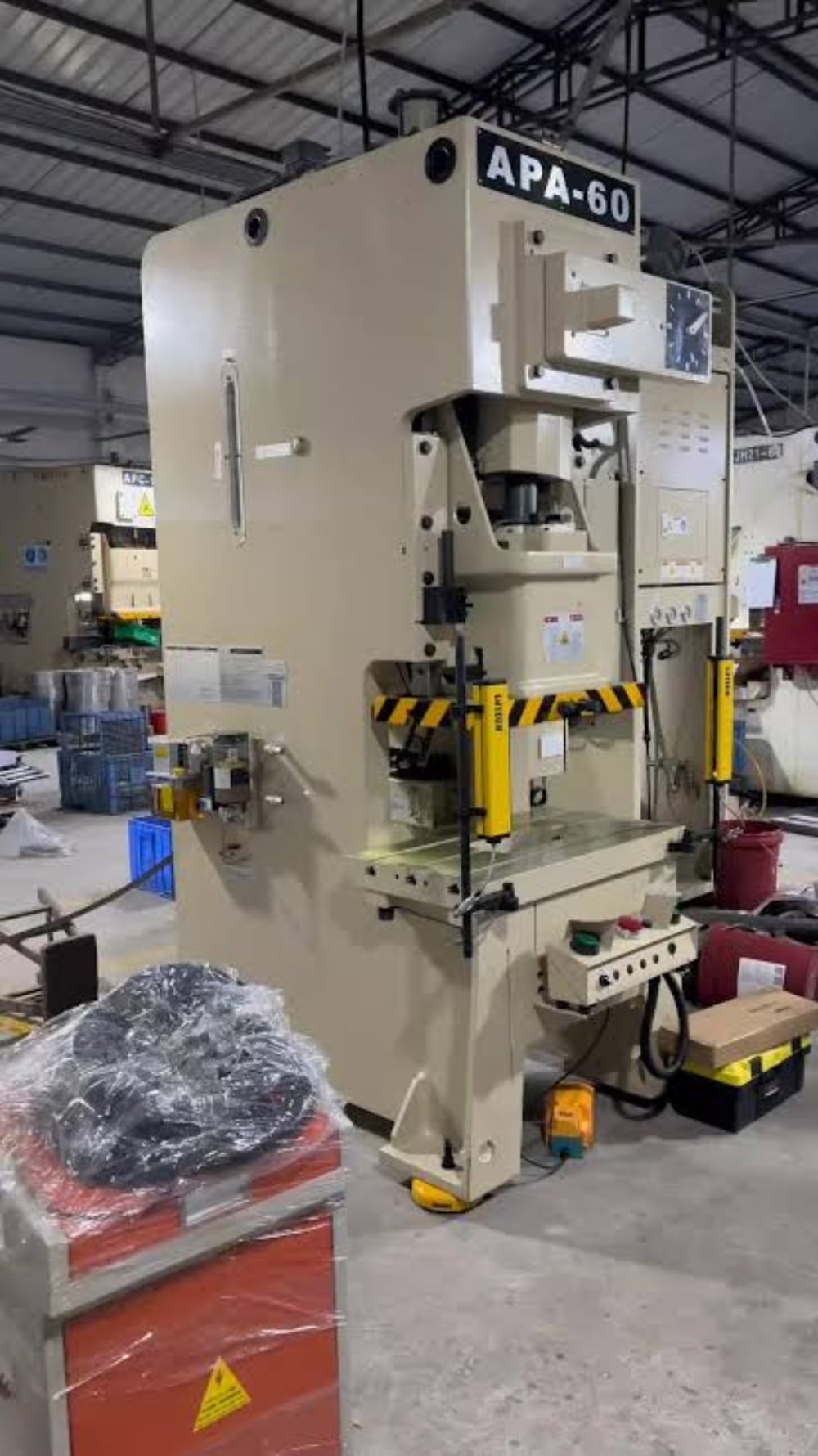
The Importance of a Structured Lubrication Plan
Lubrication is often the most neglected aspect of machine maintenance, yet it is arguably the most important. A well-structured lubrication plan, documented in your maintenance records, is the difference between a machine that lasts ten years and one that lasts twenty. Friction is the enemy of precision, and proper lubrication is the only way to combat it effectively.
Your lubrication plan should be specific to the machine’s requirements. Not all grease is created equal; using the wrong viscosity or type can be just as damaging as not lubricating at all. Refer to your HARSLE manual to identify the correct lubricants for the guide rails, ball screws, and punch head assembly. Once identified, create a schedule that dictates exactly when each point needs to be serviced.
Documentation is essential here. Your records should track the date of lubrication, the technician responsible, and the amount of lubricant applied. This prevents both under-lubrication (which leads to premature wear) and over-lubrication (which can attract dust and cause overheating). By keeping these records, you can also identify if a specific component is consuming lubricant at an abnormal rate, which may indicate a seal failure or other mechanical issue.
Finally, consider the environment in which your punching machine operates. If you are working in a high-dust environment, you may need to lubricate more frequently than the manufacturer’s base recommendation. Your maintenance records will allow you to adjust your schedule based on real-world performance data. This adaptive approach is what separates top-tier manufacturing facilities from the rest.
Troubleshooting Signals: What Your Machine is Telling You
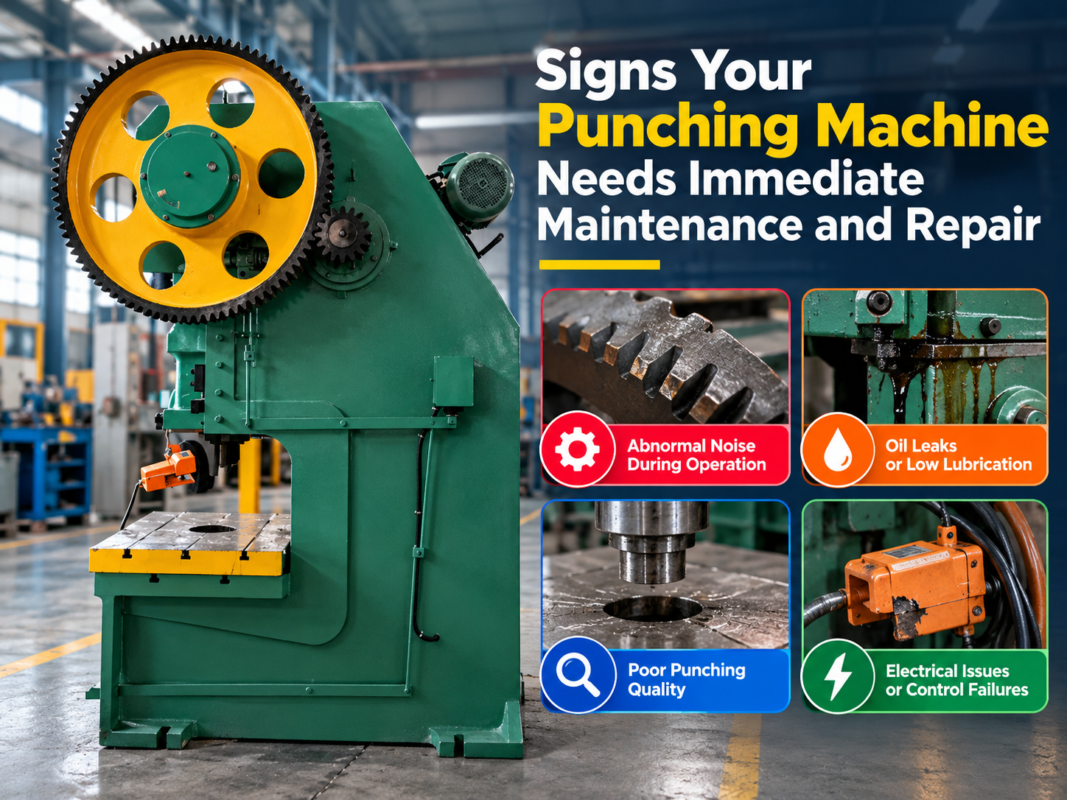
Even with the best maintenance, machines will occasionally show signs of distress. Recognizing these signals early and recording them in your maintenance logs is critical for preventing major breakdowns. Your operators are your best sensors; they should be trained to report any changes in the machine’s behavior immediately.
Listen for changes in sound. A punching machine has a distinct rhythm. A sudden change in the pitch of the motor, a new metallic clanking sound, or an unusual vibration during the stroke are all red flags. When these occur, document the time, the operation being performed, and the nature of the sound. This information is invaluable for technicians when they arrive to diagnose the issue.
Monitor the quality of the finished product. If you notice burrs on the edges of the punched holes, it is a clear sign that the punch and die clearance is off or that the tooling is dull. If the hole position is inconsistent, it may indicate wear in the drive system or a calibration issue. By linking these quality issues back to your maintenance records, you can often find a correlation between the last service date and the onset of the problem.
Finally, pay attention to error codes on the CNC controller. Modern HARSLE punching machines are equipped with sophisticated diagnostic systems. Never ignore an error code, even if it clears after a restart. Log every code, the circumstances under which it appeared, and the resolution. Over time, these logs can reveal recurring issues that might point to a deeper electrical or software problem that requires a more permanent fix.
Punching Machine Maintenance Schedule Table
| Frequency | Task | Description |
|---|---|---|
| Daily | Visual Inspection | Check for leaks, loose bolts, and debris. |
| Daily | Safety Check | Test E-stops, light curtains, and interlocks. |
| Weekly | Lubrication | Grease guide rails and punch head assembly. |
| Monthly | Filter Check | Inspect hydraulic and air filters for clogs. |
| Quarterly | Electrical Check | Tighten terminal connections and clean cabinet. |
| Bi-Annually | Oil Analysis | Test hydraulic fluid for contamination. |
| Annually | Full Calibration | Verify machine accuracy and alignment. |
Frequently Asked Questions (FAQ)
Why are maintenance records important for warranty claims?
Manufacturers require proof of proper maintenance to honor warranties. If a failure occurs, your records provide evidence that the machine was operated and serviced according to the manual.
How often should I change the hydraulic oil?
This depends on usage, but generally, it should be checked every six months. If the oil shows signs of oxidation or contamination, it should be replaced immediately.
Can I use any grease for my punching machine?
No. Always use the specific lubricant recommended by HARSLE. Using the wrong type can lead to component failure and void your warranty.
What should I do if I notice a small hydraulic leak?
Document the leak in your maintenance log, identify the source, and schedule a repair as soon as possible. Even small leaks can lead to pressure drops and system damage.
How do maintenance records improve resale value?
A complete service history proves that the machine has been cared for, giving potential buyers confidence in the equipment’s condition and longevity.
What is the most common cause of punching machine failure?
Lack of lubrication and failure to replace worn tooling are the two most common causes of preventable machine failure in metal fabrication.