Seasonal Punching Machine Maintenance Tips for Factory Reliability: A Comprehensive Guide


The Critical Importance of Seasonal Punching Machine Maintenance
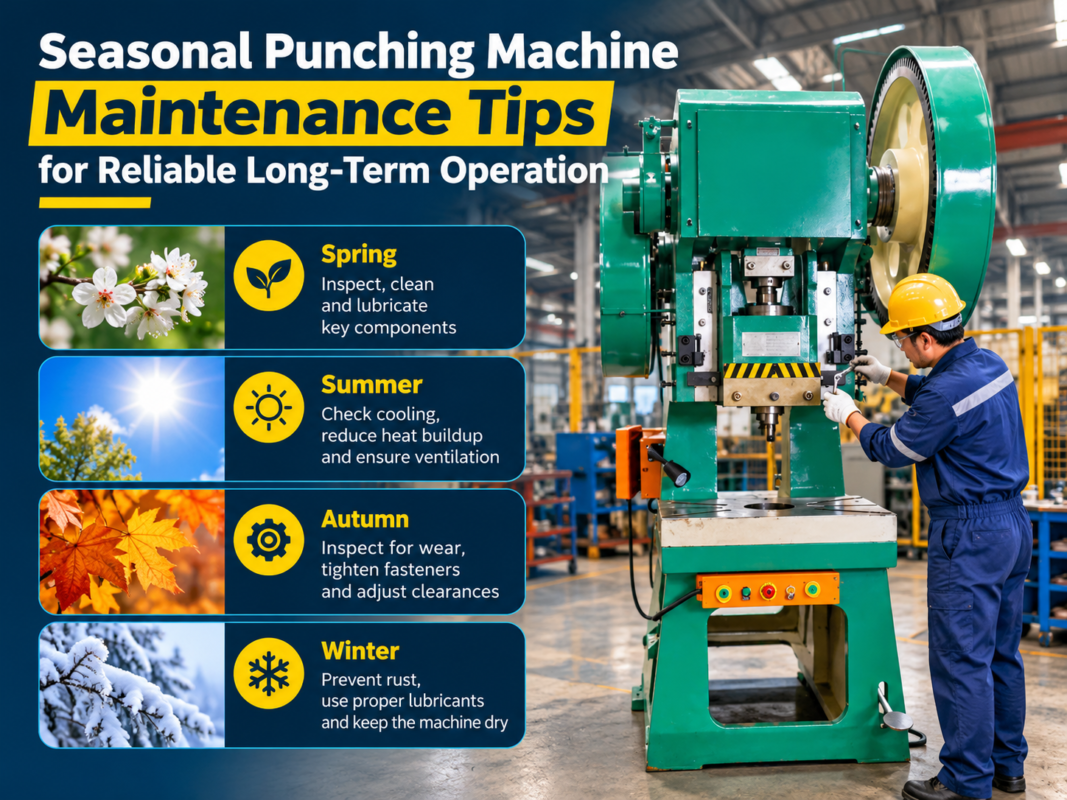
In the high-stakes world of metal fabrication, the punching machine serves as the backbone of production efficiency. Whether you are operating a high-speed CNC turret punch or a robust hydraulic punching unit, the consistency of your output depends entirely on the health of your equipment. Implementing Seasonal Punching Machine Maintenance Tips for Factory Reliability is not merely a suggestion; it is a strategic necessity for any facility aiming to minimize downtime and maximize return on investment.
As seasons change, so do the environmental conditions within your factory. Fluctuations in ambient temperature, humidity levels, and dust accumulation can significantly impact the performance of sensitive hydraulic seals, electronic control units, and mechanical linkages. By adopting a proactive maintenance mindset, factory managers can prevent catastrophic failures before they occur, ensuring that the machine remains a reliable asset throughout the year.
Reliability in a factory setting is defined by predictability. When a machine undergoes rigorous seasonal checks, the likelihood of unexpected breakdowns drops significantly. This stability allows for better production scheduling, reduced overtime costs, and higher quality control standards. HARSLE emphasizes that maintenance is an investment in longevity, protecting the precision of your punching operations against the wear and tear of continuous industrial use.
Furthermore, neglecting maintenance leads to a gradual degradation of accuracy. Over time, loose bolts, worn-out dies, or contaminated hydraulic fluid can lead to burrs, misaligned holes, and damaged workpieces. By following a structured maintenance guide, you ensure that your punching machine operates within the tight tolerances required for modern metal fabrication, keeping your competitive edge sharp in a demanding market.
Daily Inspection Protocols for Maximum Uptime
Daily inspections are the first line of defense in your maintenance strategy. Before the start of every shift, operators should perform a visual and functional walkthrough of the punching machine. This routine ensures that any minor issues are identified and addressed before they escalate into major mechanical failures that could halt production for days.
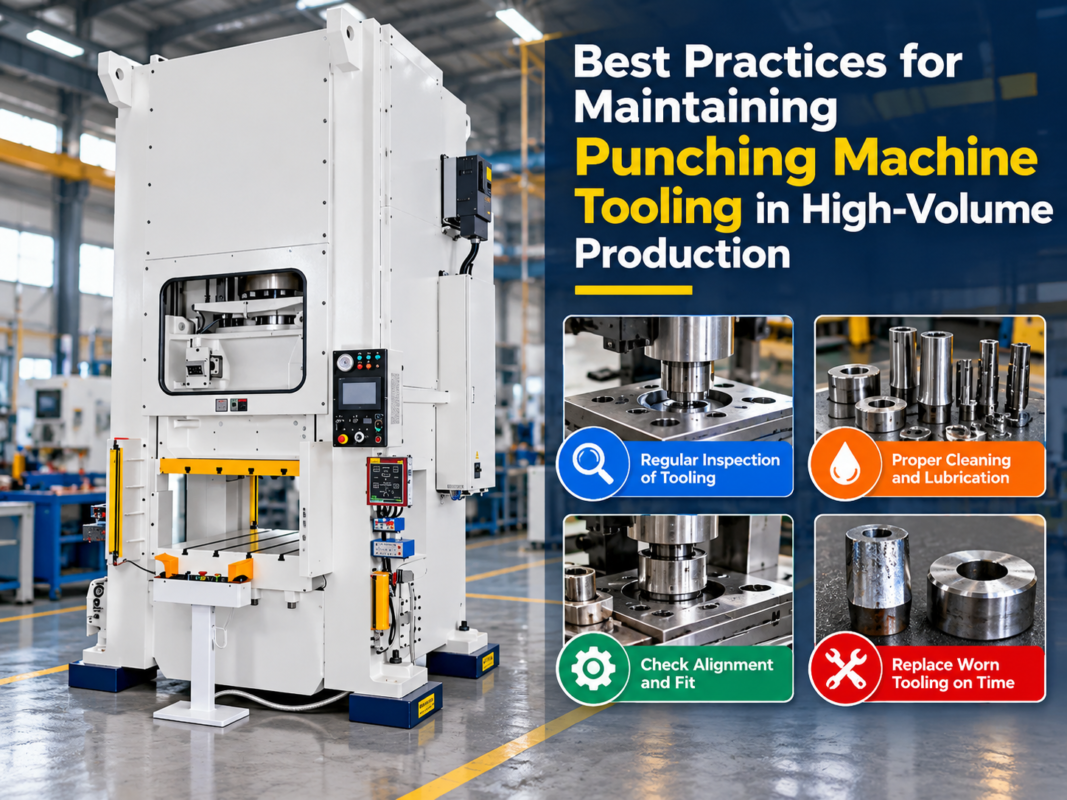
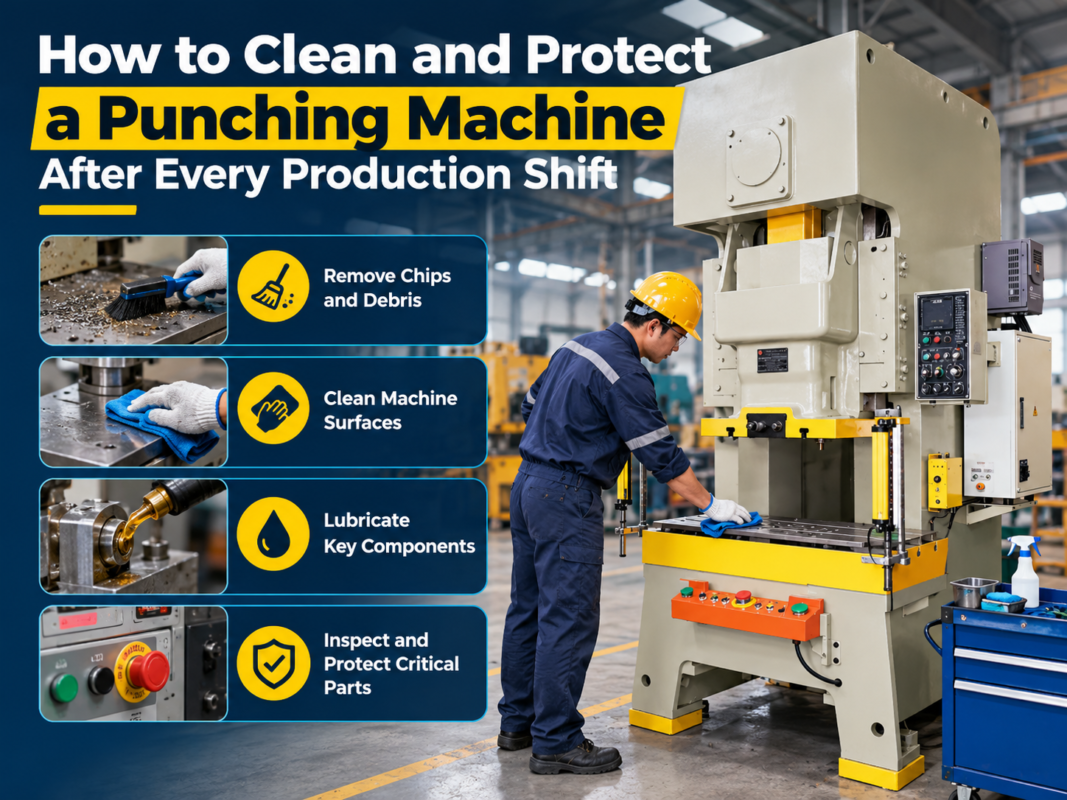
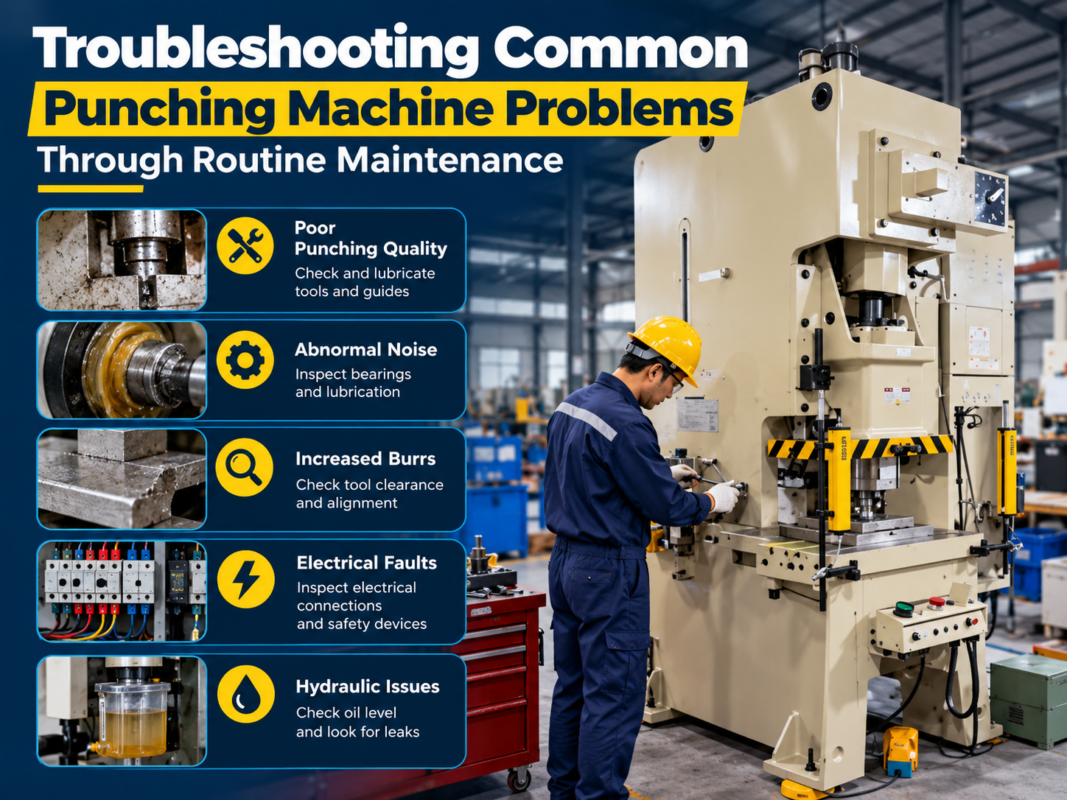
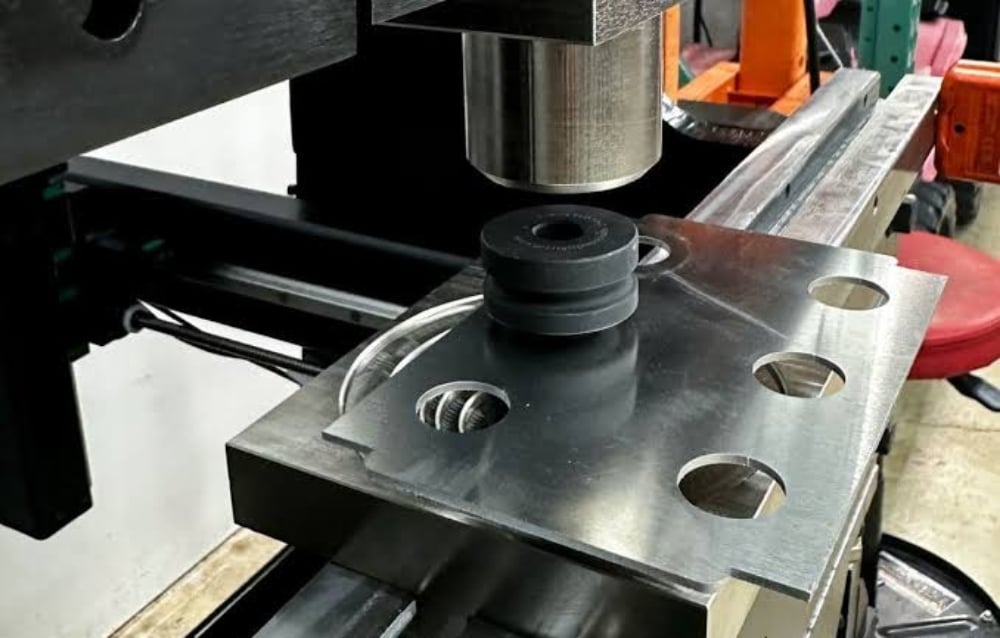
Begin by checking the machine’s exterior for any signs of oil leaks or loose hardware. Pay close attention to the punch and die assembly; ensure they are clean, properly seated, and free from debris. Even a small piece of metal scrap left in the die can cause significant damage to the tooling or the machine’s ram during the next cycle. A clean workspace is a safe and efficient workspace.
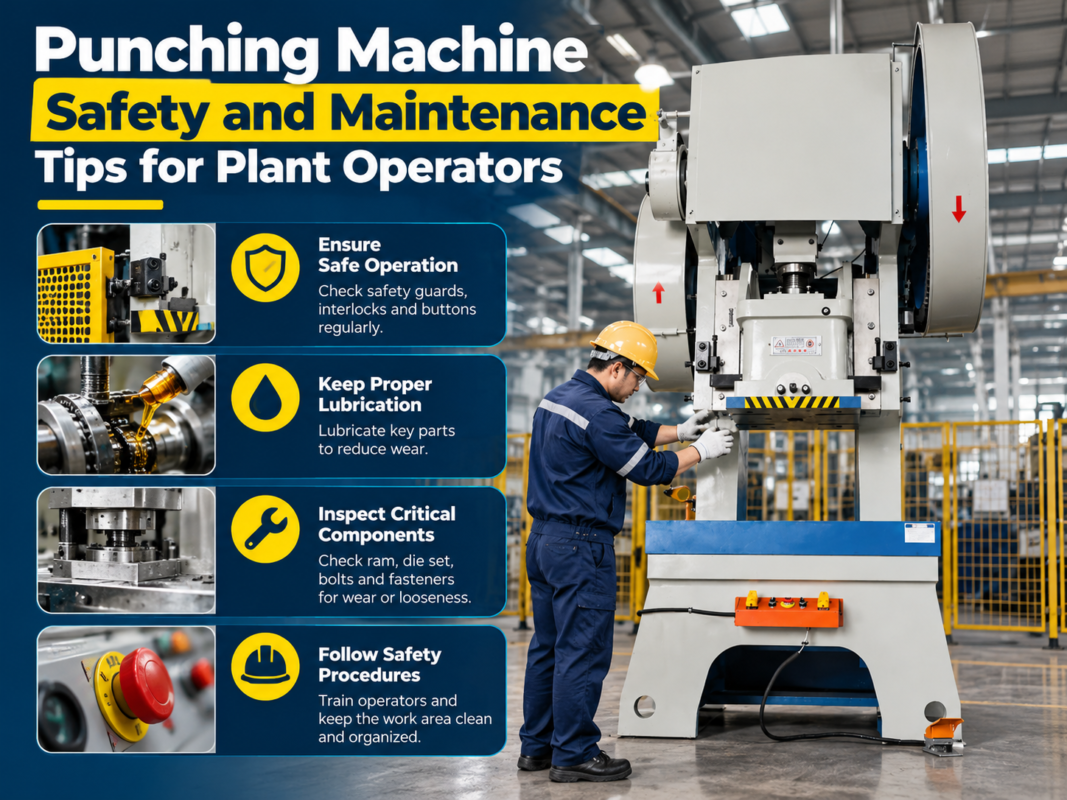
Check the oil levels in the lubrication system and the hydraulic reservoir. Low fluid levels can lead to overheating and premature wear of internal components. Additionally, verify that all emergency stop buttons and safety light curtains are fully functional. Never bypass safety protocols, as these are critical for both operator protection and the preservation of the machine’s electrical integrity.
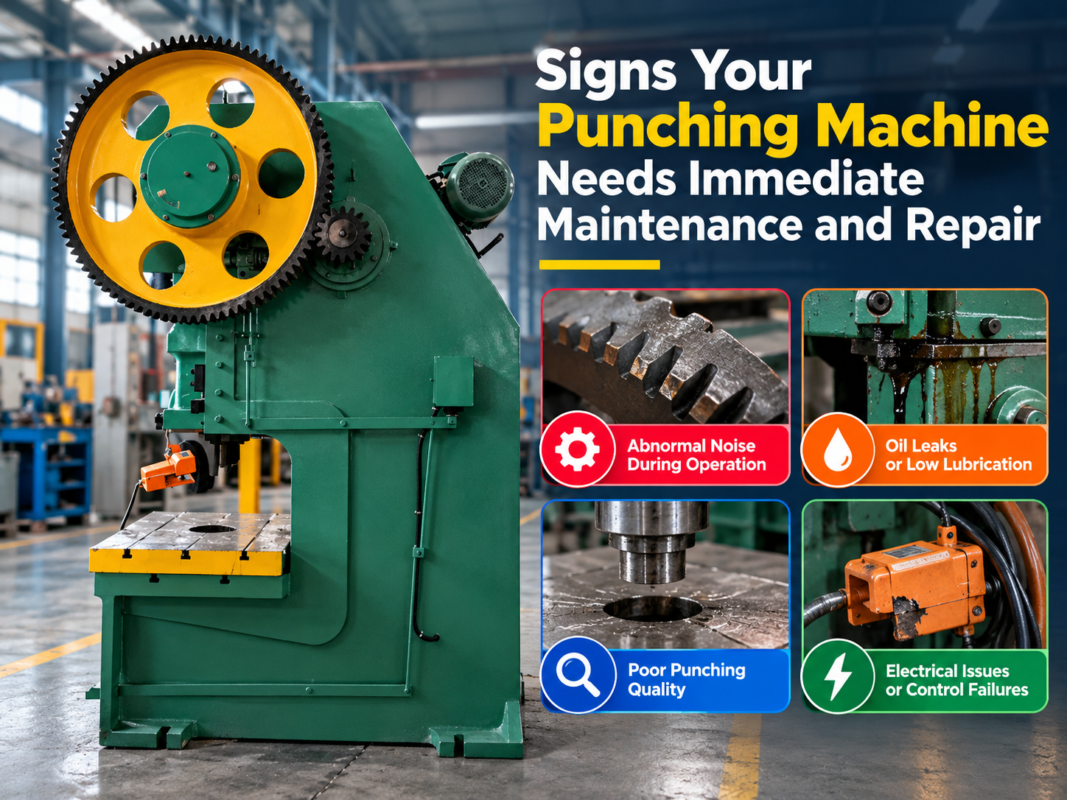
Finally, listen to the machine during its initial warm-up cycle. Unusual noises, such as grinding, knocking, or high-pitched squeals, are often the first indicators of internal wear or misalignment. By documenting these daily checks in a logbook, you create a historical record that can help maintenance technicians diagnose recurring issues more effectively, further enhancing your Seasonal Punching Machine Maintenance Tips for Factory Reliability.
Hydraulic, Electrical, and Mechanical System Checks
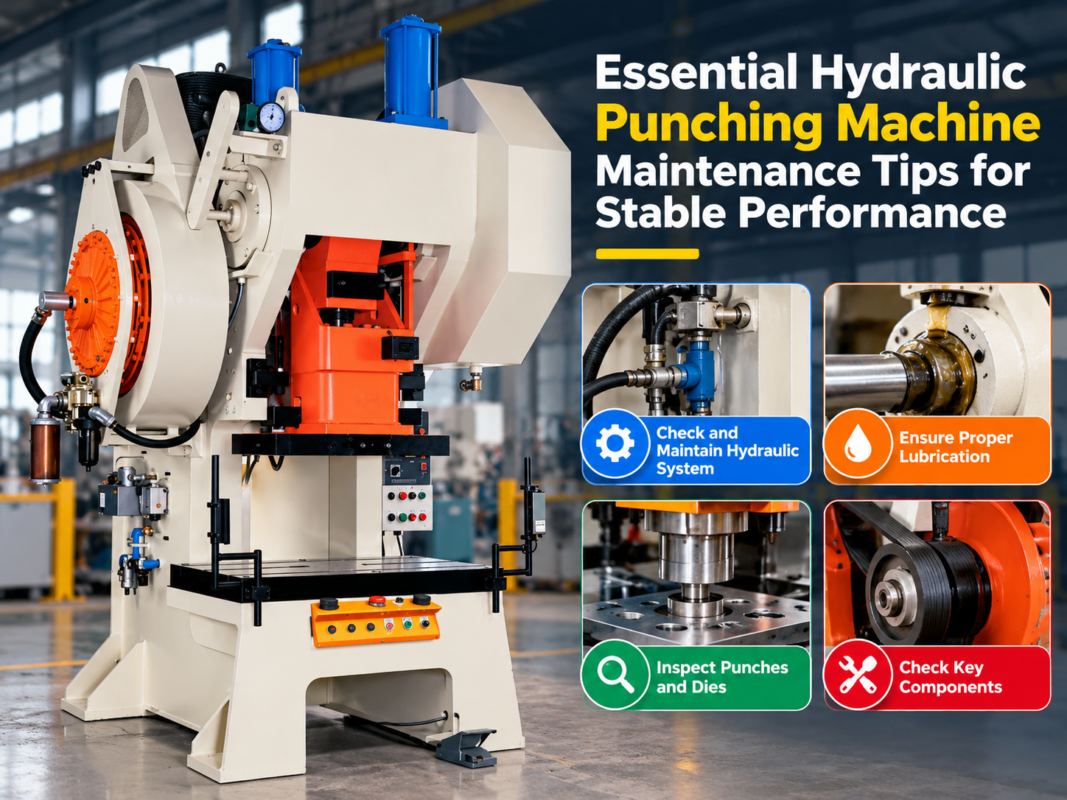
The heart of a punching machine lies in its complex interplay of hydraulic power, electrical control, and mechanical force. Each system requires specific attention during seasonal transitions. For hydraulic systems, temperature is the primary enemy. In colder months, hydraulic oil can become viscous, leading to sluggish performance and increased strain on the pump. Ensure that you are using the correct grade of oil as recommended by HARSLE and consider installing oil heaters if your factory environment experiences extreme temperature drops.
Electrical systems are equally sensitive to environmental changes. Dust and metallic particles are conductive and can cause short circuits on circuit boards or within the control cabinet. Use compressed air (at low pressure) or a specialized vacuum to clean the interior of the electrical cabinet at least once a quarter. Inspect all cable connections for signs of heat damage or loose terminals, as vibrations from the punching process can loosen these connections over time.
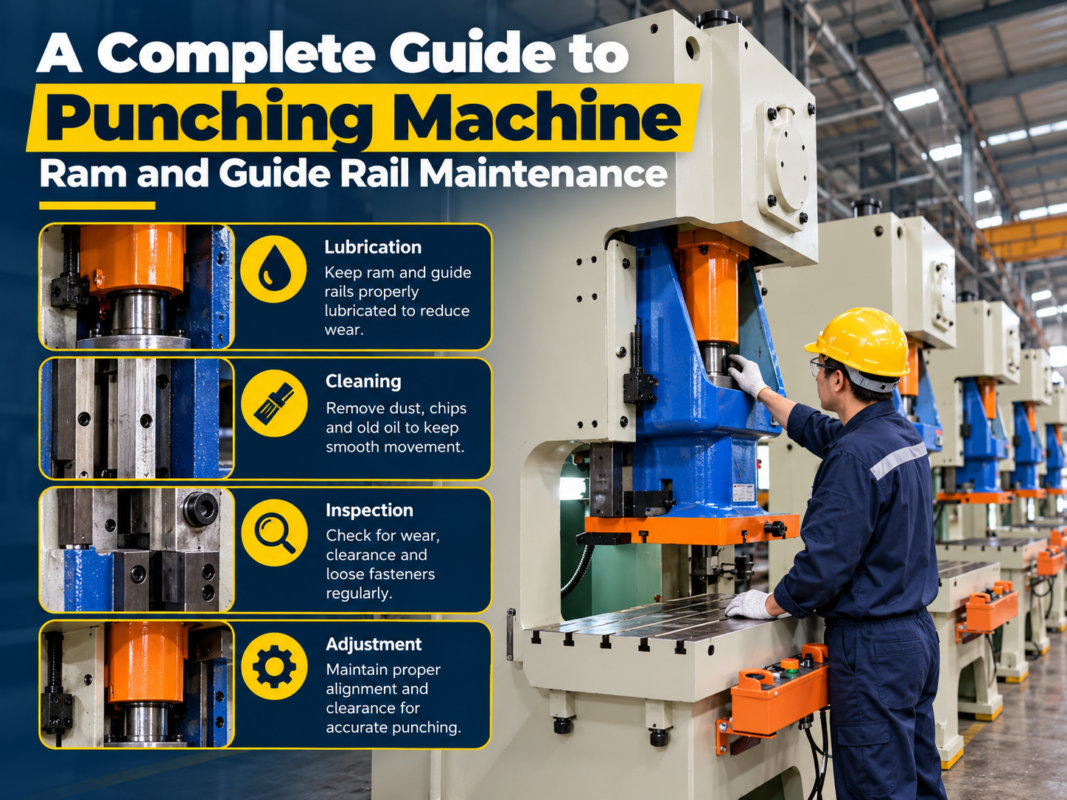
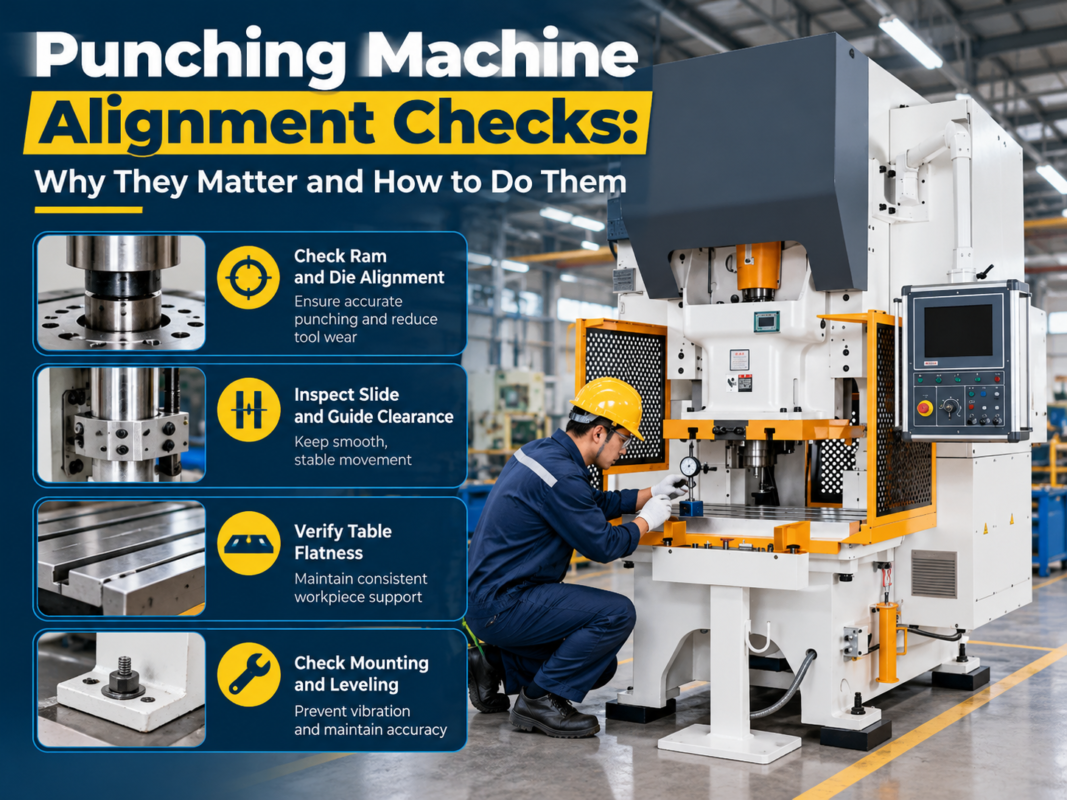
Mechanical components, such as the ram, guides, and drive shafts, require precise lubrication and alignment. During your seasonal check, inspect the guide ways for signs of scoring or uneven wear. If the machine uses a turret, ensure that the turret indexing mechanism is clean and that the locking pins are engaging smoothly. Any resistance in the movement of the turret can lead to timing errors, which are detrimental to the accuracy of your punching operations.
Finally, examine the seals and gaskets throughout the machine. Hydraulic leaks are not just messy; they represent a loss of pressure and efficiency. Replace any worn seals immediately to prevent air from entering the hydraulic lines, which can cause erratic machine behavior. By systematically checking these three core systems, you ensure that the machine remains in peak operating condition regardless of the season.
Developing a Comprehensive Lubrication Plan
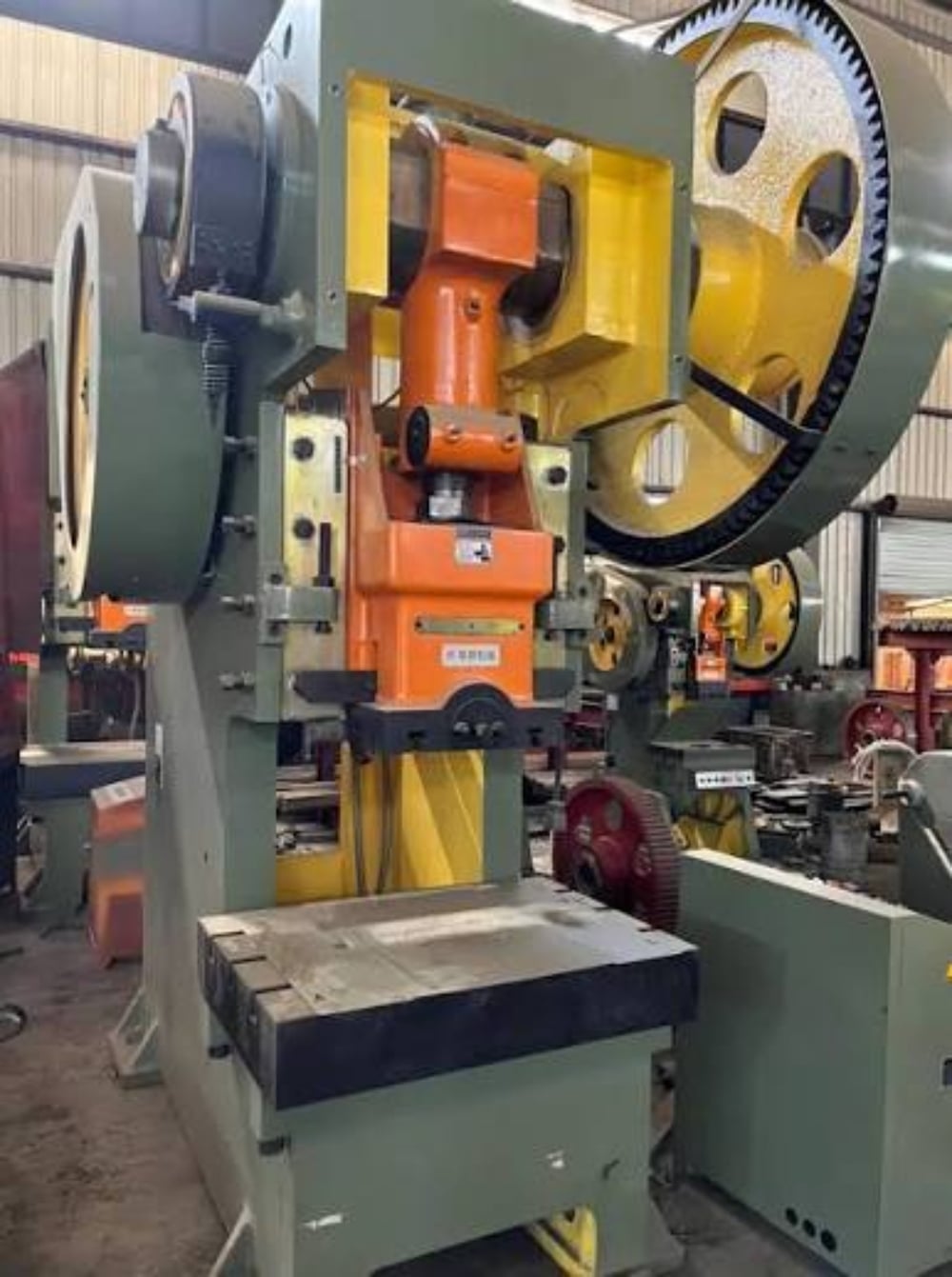
Lubrication is the lifeblood of any metal fabrication equipment. A well-structured lubrication plan is a cornerstone of our Seasonal Punching Machine Maintenance Tips for Factory Reliability. Without proper lubrication, friction between moving parts generates excessive heat, leading to rapid degradation and eventual seizure of components. Your plan should specify the type of lubricant, the frequency of application, and the exact points of lubrication for every machine in your facility.
Start by identifying all grease nipples and oil points on the machine. Use a high-quality, industrial-grade lubricant that is compatible with the operating speeds and loads of your specific punching machine. Over-lubrication can be just as harmful as under-lubrication, as it can attract dust and debris, creating an abrasive paste that wears down surfaces. Follow the manufacturer’s guidelines regarding the quantity of lubricant to apply.
Seasonal adjustments are vital. In summer, higher ambient temperatures may require a lubricant with a higher viscosity index to ensure it stays in place and provides adequate protection. Conversely, in winter, a lower viscosity lubricant may be necessary to ensure proper flow to all critical points. Keep a detailed log of when each part was last lubricated to ensure consistency across your maintenance team.
Don’t forget to clean the lubrication points before applying new grease. This prevents the introduction of contaminants into the bearing or guide surfaces. By maintaining a clean and consistent lubrication schedule, you significantly extend the lifespan of your machine’s drive components and ensure smooth, quiet operation that contributes to overall factory reliability.
Troubleshooting Signals: When to Call for Help
Even with the best maintenance, issues can arise. Recognizing the early warning signs is essential for preventing major failures. One of the most common signals is a change in the sound profile of the machine. If the punching action sounds “heavy” or if there is a noticeable delay in the ram’s return stroke, it may indicate a hydraulic pressure issue or a failing pump.
Another critical signal is the quality of the punched parts. If you notice burrs appearing on the underside of the material, it is a clear indication that the clearance between the punch and die is incorrect or that the tooling has become dull. Continuing to run the machine with dull tooling puts excessive stress on the ram and the frame, potentially leading to permanent damage.
Electrical errors on the CNC controller screen should never be ignored. Even if a reset clears the error, the underlying cause—such as a failing sensor or a loose connection—remains. Document these errors and investigate them during your next scheduled downtime. If the machine exhibits intermittent “ghost” errors, it is often a sign of electrical noise or grounding issues that require professional attention.
Finally, pay attention to the machine’s temperature. If the hydraulic reservoir or the drive motors feel excessively hot to the touch, there is likely an efficiency problem. Overheating is a leading cause of component failure in industrial machinery. When in doubt, consult your HARSLE service manual or contact our technical support team. Addressing these signals early is the most effective way to maintain factory reliability.
Seasonal Punching Machine Maintenance Schedule Table
| Frequency | Task | System |
|---|---|---|
| Daily | Clean tooling, check oil levels, inspect safety guards | General |
| Weekly | Check hydraulic pressure, inspect hoses for leaks | Hydraulic |
| Monthly | Clean electrical cabinet, lubricate guide ways | Electrical/Mechanical |
| Quarterly | Change hydraulic filters, check bolt torque | Hydraulic/Mechanical |
| Annually | Full system calibration, oil change, seal inspection | All Systems |
Frequently Asked Questions (FAQ)
How often should I change the hydraulic oil in my punching machine?
Generally, hydraulic oil should be changed every 2,000 to 4,000 operating hours, or at least once a year, depending on the intensity of use and the cleanliness of the factory environment. Always check the oil color and viscosity; if it appears dark or smells burnt, change it immediately.
Why is my punching machine producing burrs?
Burrs are typically caused by excessive clearance between the punch and die, or by dull tooling. Ensure your tooling is sharpened regularly and that the clearance is set according to the material thickness and type you are processing.
Can I use any grease for my machine’s lubrication points?
No, you must use the lubricant specified in your HARSLE machine manual. Using the wrong type of grease can lead to chemical incompatibility, which can cause the lubricant to break down or harden, leading to severe damage to bearings and guides.
What should I do if the machine vibrates excessively?
Excessive vibration is often a sign of loose mounting bolts, an unbalanced turret, or worn-out drive components. Check all anchor bolts first, then inspect the drive system for signs of wear. If the vibration persists, contact a technician to check the machine’s alignment.
How does humidity affect my punching machine?
High humidity can lead to rust on unpainted surfaces and can cause electrical issues within the control cabinet. Ensure your factory has adequate ventilation or dehumidification, and keep the machine wiped down with a light anti-corrosion oil during humid seasons.
By integrating these Seasonal Punching Machine Maintenance Tips for Factory Reliability into your daily operations, you ensure that your HARSLE equipment remains a high-performing asset. Consistency, documentation, and proactive care are the pillars of a successful metal fabrication facility. Remember, a well-maintained machine is the foundation of a profitable and reliable production line.