Punching Machine Not Punching Properly? 12 Causes and Solutions


Introduction: Understanding Punching Machine Performance
In the high-stakes world of metal fabrication, precision is the currency of success. When a punching machine fails to deliver clean, accurate holes, it doesn’t just slow down production—it compromises the integrity of the entire project. If you find yourself asking, ‘Punching machine not punching properly? 12 causes and solutions,’ you are likely facing a bottleneck that requires immediate technical intervention. At HARSLE, we understand that downtime is the enemy of profitability, and identifying the root cause of a punching failure is the first step toward restoring operational efficiency.
A punching machine is a complex assembly of hydraulic, mechanical, and electronic components working in perfect synchronization. When one element falls out of alignment or suffers from wear, the entire process suffers. Whether you are operating a manual ironworker or a high-speed CNC turret punch, the symptoms of failure—such as burrs, incomplete holes, or excessive noise—often point to specific mechanical or operational issues. This guide serves as a comprehensive diagnostic manual for shop managers and operators.
By systematically addressing the 12 most common causes of punching failure, you can minimize waste, extend the lifespan of your tooling, and ensure that your HARSLE equipment continues to perform at peak capacity. From simple lubrication issues to complex hydraulic pressure fluctuations, we will break down the technical aspects of machine maintenance to keep your production line moving smoothly.
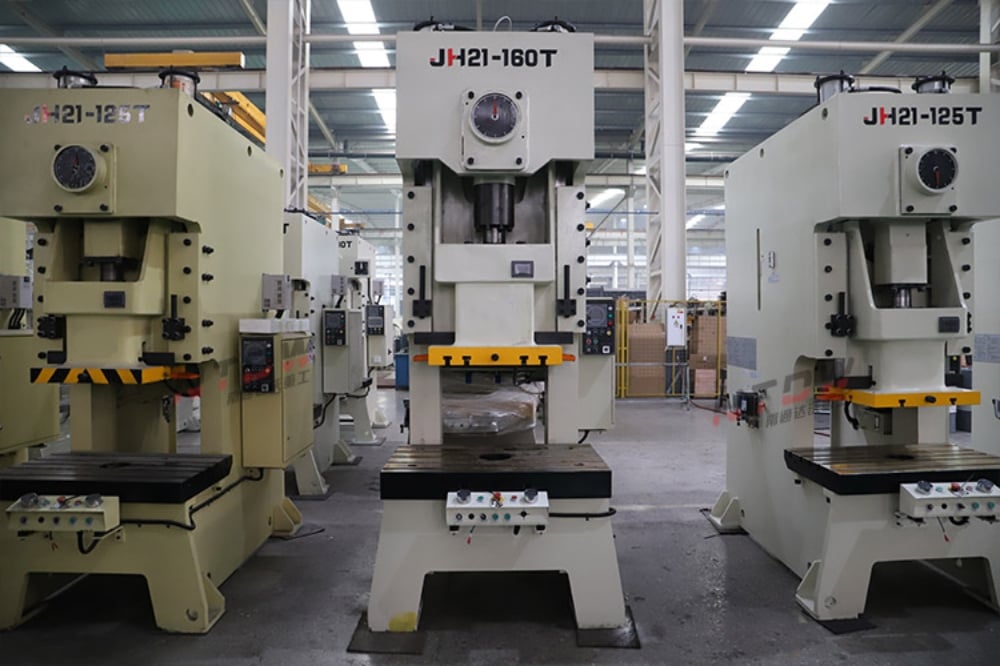
12 Causes and Solutions for Punching Machine Issues
When your punching machine is not punching properly, the solution is rarely a total overhaul. Often, it is a matter of fine-tuning specific components. Below are the 12 most frequent culprits and the professional solutions to resolve them.
1. Dull or Worn Punch and Die
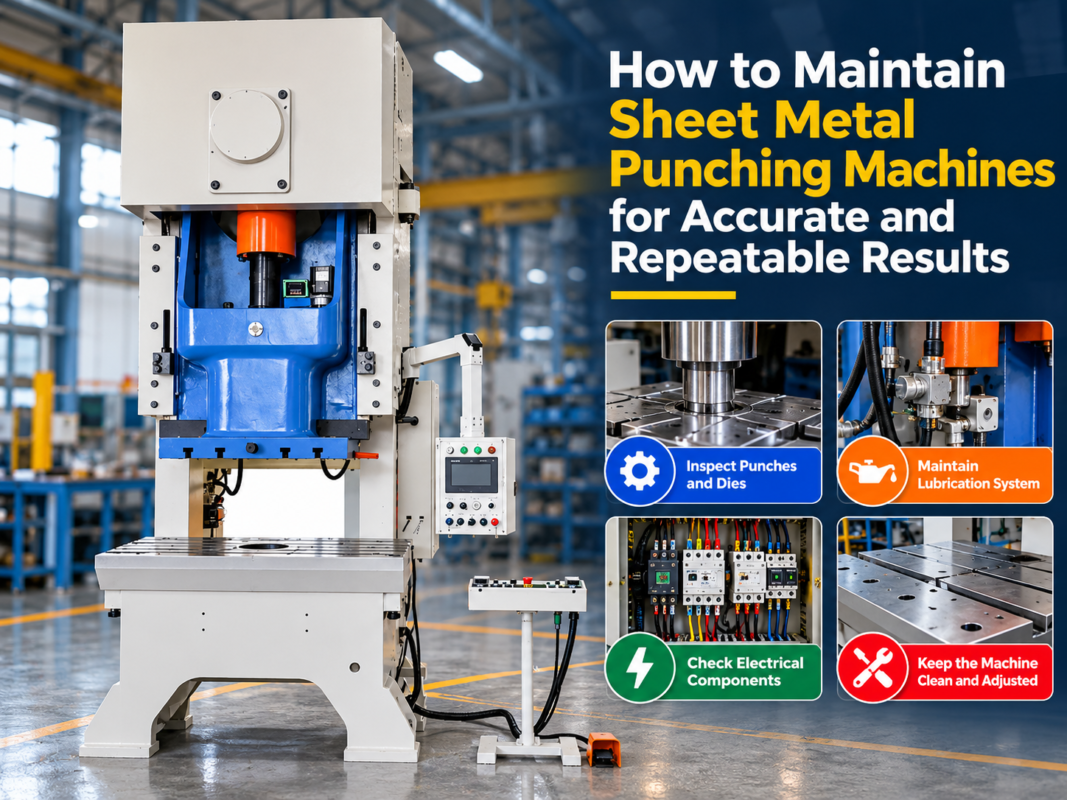
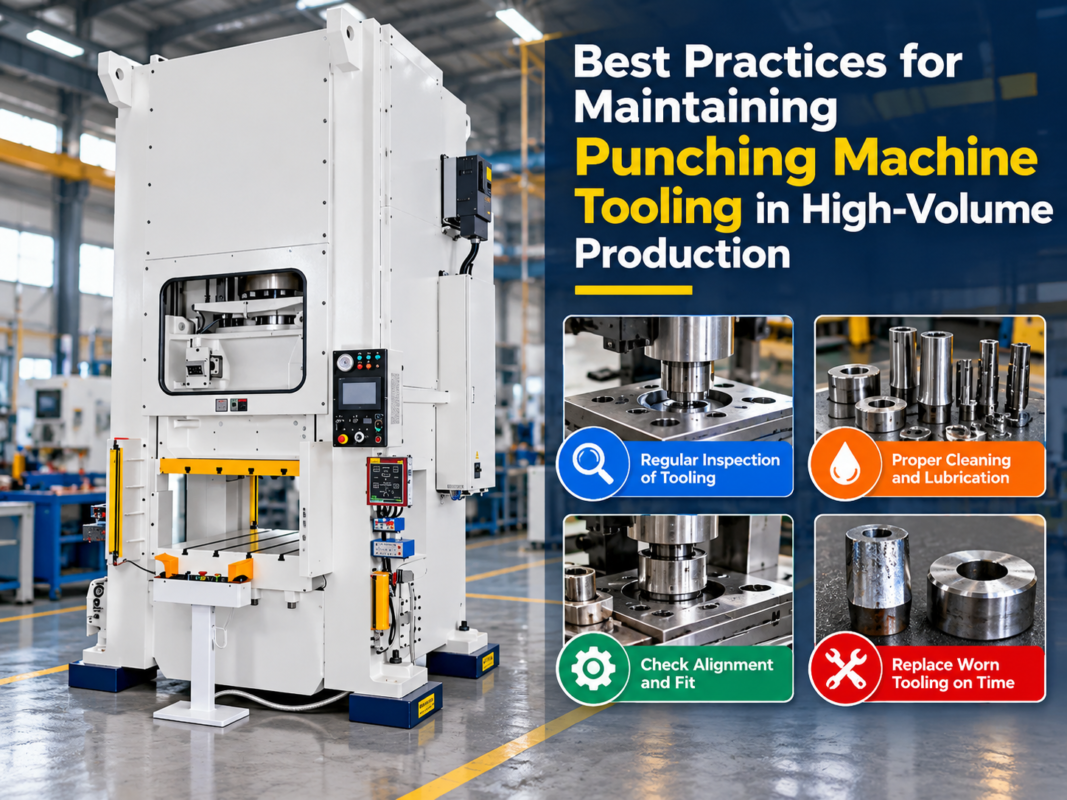
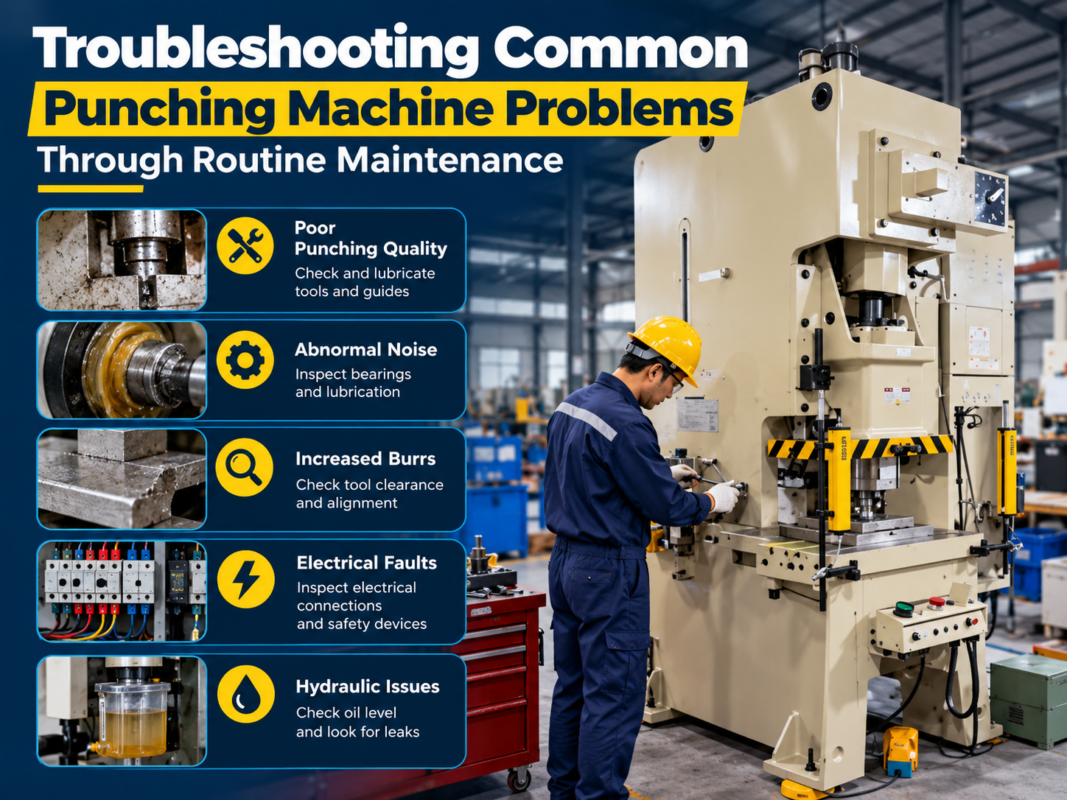
The most common cause of poor hole quality is simply dull tooling. As the punch and die edges round off, the force required to pierce the metal increases, leading to burrs and deformation. Solution: Regularly inspect your tooling for signs of wear. Implement a sharpening schedule and ensure that the clearance between the punch and die is correctly set for the material thickness.
2. Incorrect Punch-to-Die Clearance
If the clearance is too tight, the machine will struggle, causing excessive heat and premature wear. If it is too loose, the material will bend rather than shear, resulting in poor edge quality. Solution: Consult your material charts. Ensure that the clearance is set to approximately 10-15% of the material thickness for optimal shearing.
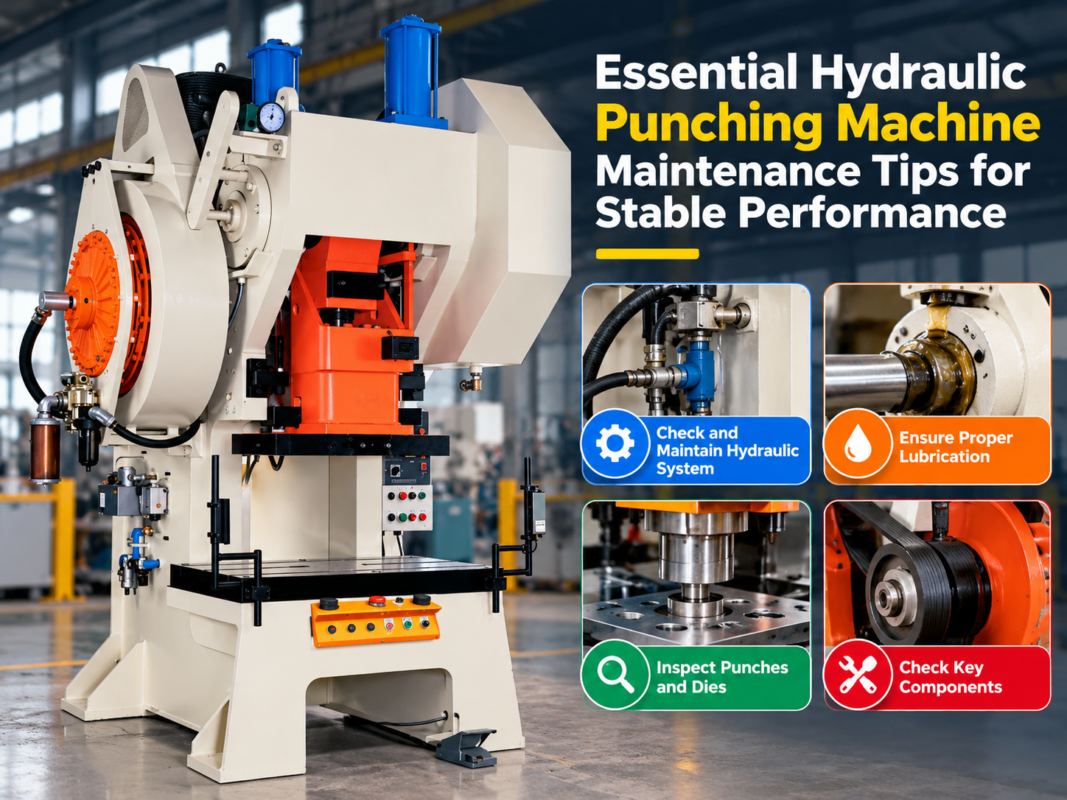
3. Insufficient Hydraulic Pressure
Hydraulic systems are the heart of the punching machine. If the pressure is inconsistent or low, the punch may not complete its stroke. Solution: Check the hydraulic fluid levels and inspect the pump for leaks. Ensure the pressure relief valves are calibrated to the manufacturer’s specifications.
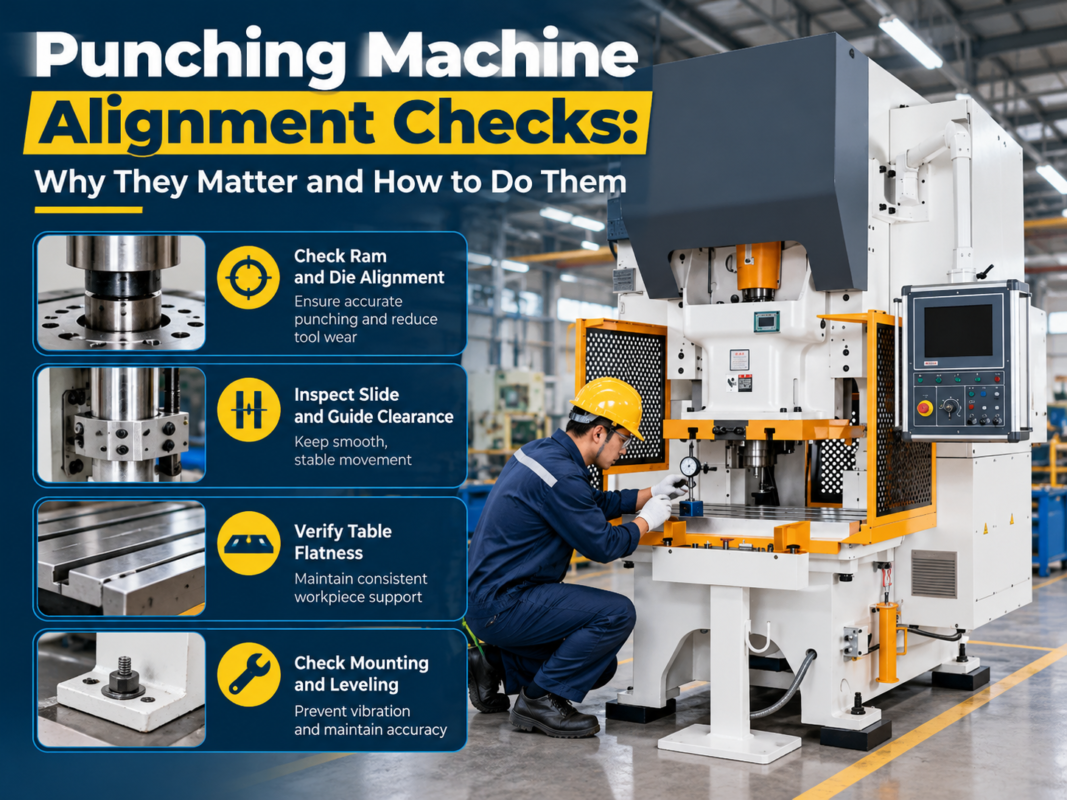
4. Misalignment of the Punch and Die
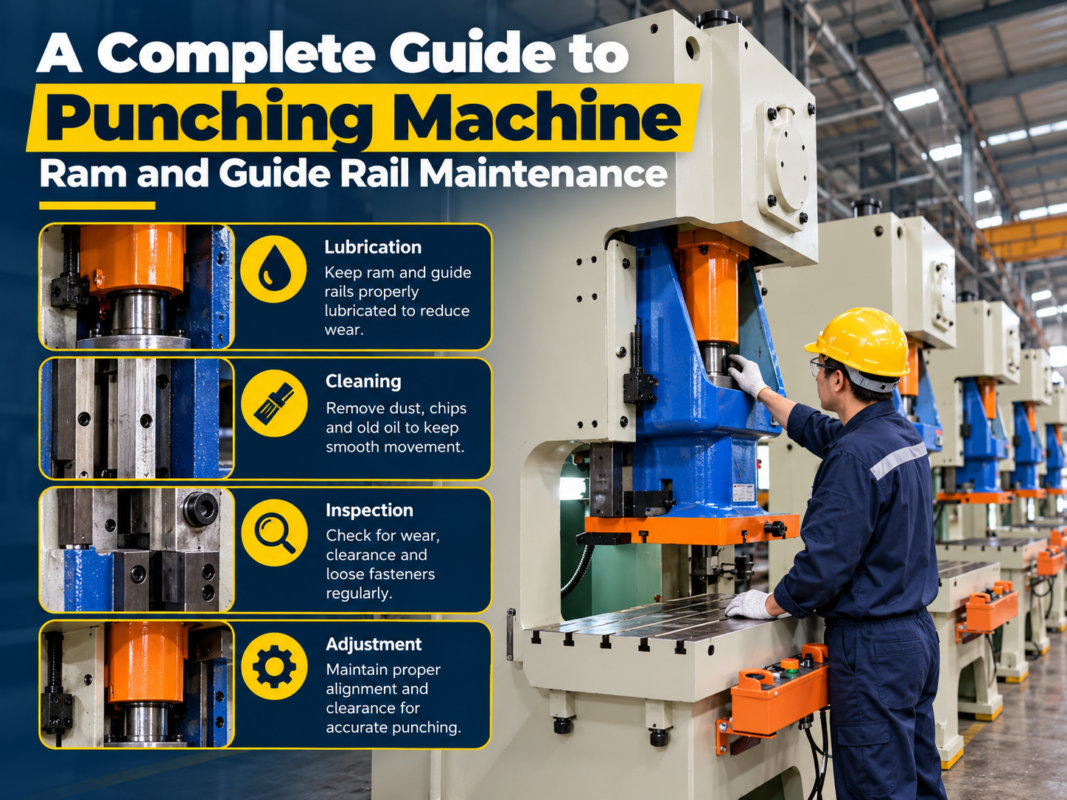
Even a slight misalignment can cause the punch to strike the edge of the die, damaging both components. Solution: Use a precision alignment tool to verify that the punch is perfectly centered within the die opening. Tighten all mounting bolts and check for play in the ram guides.
5. Material Slippage or Improper Clamping
If the workpiece moves during the punching cycle, the hole will be distorted. Solution: Verify that your clamps or hold-downs are exerting sufficient pressure. Ensure the material surface is clean and free of oil or debris that might cause it to slide.
6. Lubrication Failures
Friction is the enemy of metal fabrication. Without proper lubrication, the punch can gall or stick in the die. Solution: Use high-quality punching oil or lubricant. Automate the lubrication process if possible to ensure consistent coverage during high-speed operations.
7. Overloading the Machine Capacity
Attempting to punch material that exceeds the machine’s tonnage rating will cause mechanical strain and potential failure. Solution: Always verify the material thickness and tensile strength against the machine’s capacity chart. Never exceed the rated tonnage.
8. Worn Ram Guides
The ram guides ensure the punch travels vertically. If these are worn, the punch will wobble. Solution: Inspect the gibs and guides for wear. Adjust or replace them to ensure the ram maintains a perfectly vertical stroke.
9. Electrical or Sensor Malfunctions
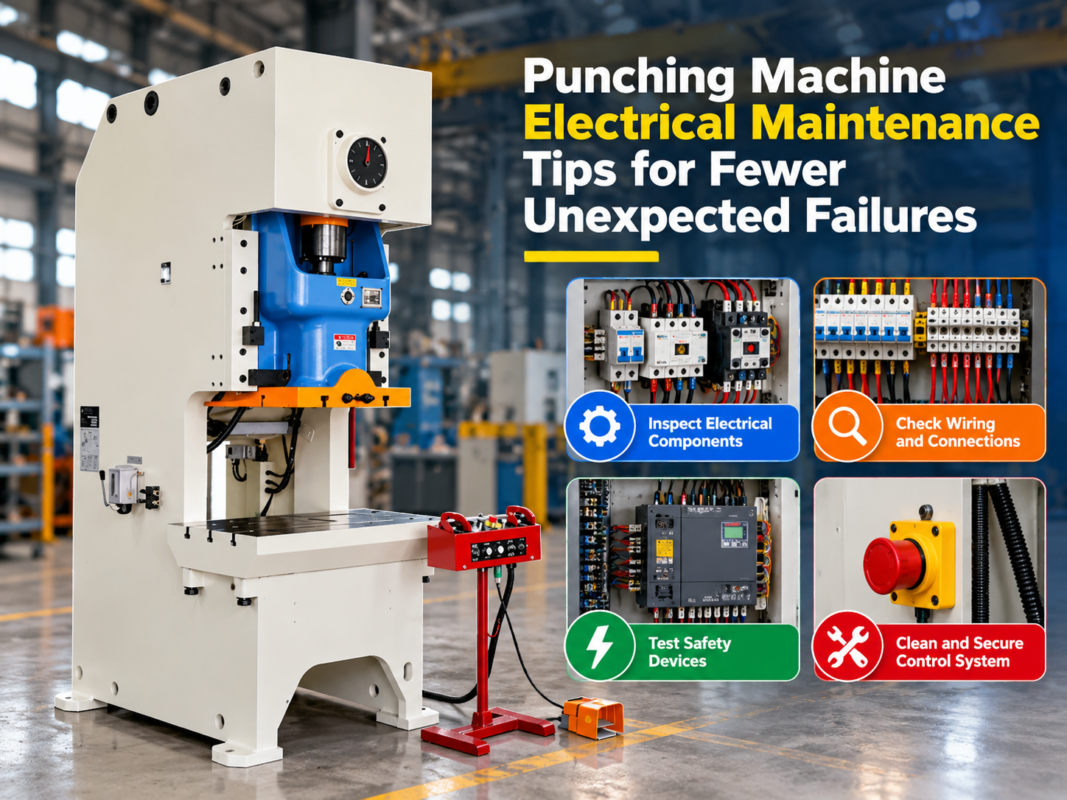
In CNC machines, sensors detect the position of the ram. If these are faulty, the machine may stop mid-stroke. Solution: Clean all sensors and check electrical connections for corrosion. Use diagnostic software to identify error codes.
10. Improper Stripper Plate Setting
The stripper plate must hold the material down while the punch retracts. If it is set too high, the material will lift with the punch. Solution: Adjust the stripper plate to be as close to the material as possible without interfering with the feed.
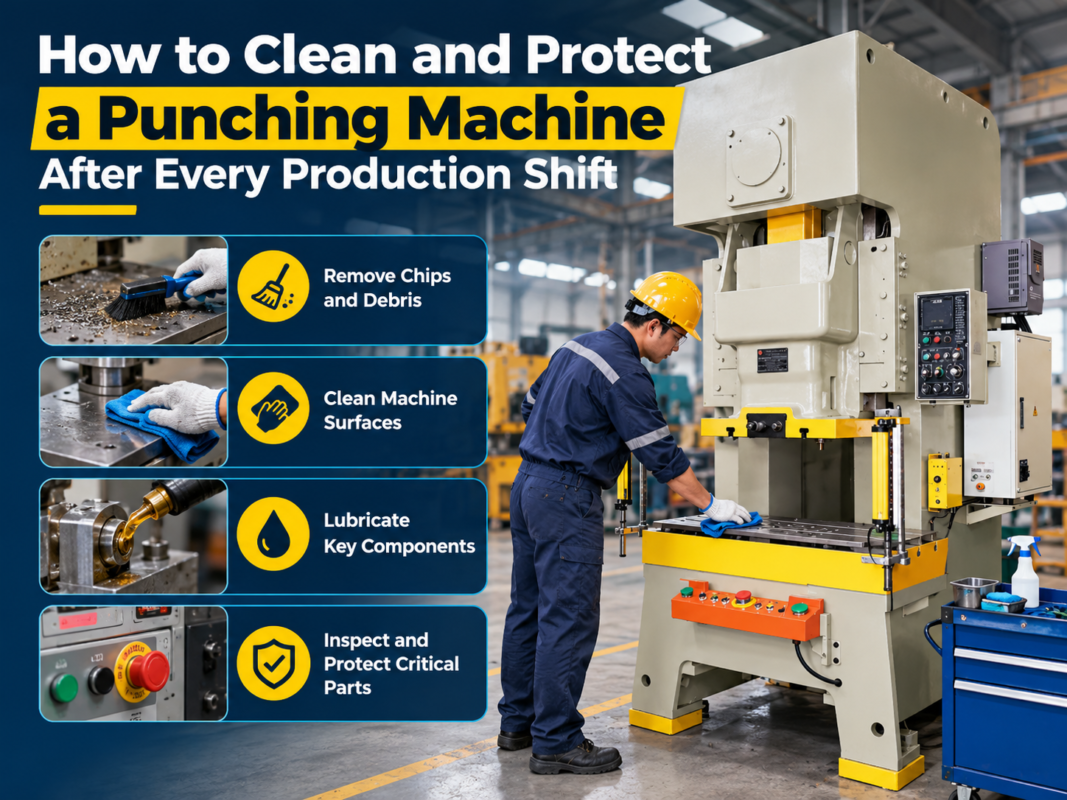
11. Accumulation of Metal Debris
Slugs or metal shavings can build up in the die, preventing the punch from seating correctly. Solution: Ensure that the die cavity is clear and that the slug chute is not blocked. Implement a daily cleaning routine.
12. Operator Error and Setup Mistakes
Sometimes the issue is simply an incorrect setup or parameter input. Solution: Provide comprehensive training for operators and maintain a standardized setup checklist for every job.
Technical Details: The Mechanics of a Perfect Punch
To truly master your punching machine, you must understand the physics of the shearing process. When the punch contacts the metal, it creates a localized stress zone. The material undergoes elastic deformation, followed by plastic deformation, and finally, a clean fracture. If any of the 12 factors mentioned above are compromised, this sequence is interrupted, leading to ‘rollover’ (rounded edges) or ‘breakout’ (jagged edges).
The hydraulic system in HARSLE machines is designed to provide consistent force throughout the entire stroke. However, this consistency relies on the viscosity of the hydraulic oil. Temperature fluctuations in your shop can affect oil viscosity, which in turn affects the speed and pressure of the ram. Maintaining a stable shop environment and using the correct grade of hydraulic fluid is essential for long-term precision.
Furthermore, the material properties play a significant role. Stainless steel, for example, work-hardens quickly. If your punching speed is too slow, the material may harden before the punch completes the cut, leading to increased tool wear. Understanding the relationship between material hardness, punch speed, and clearance is what separates a novice operator from a master fabricator.
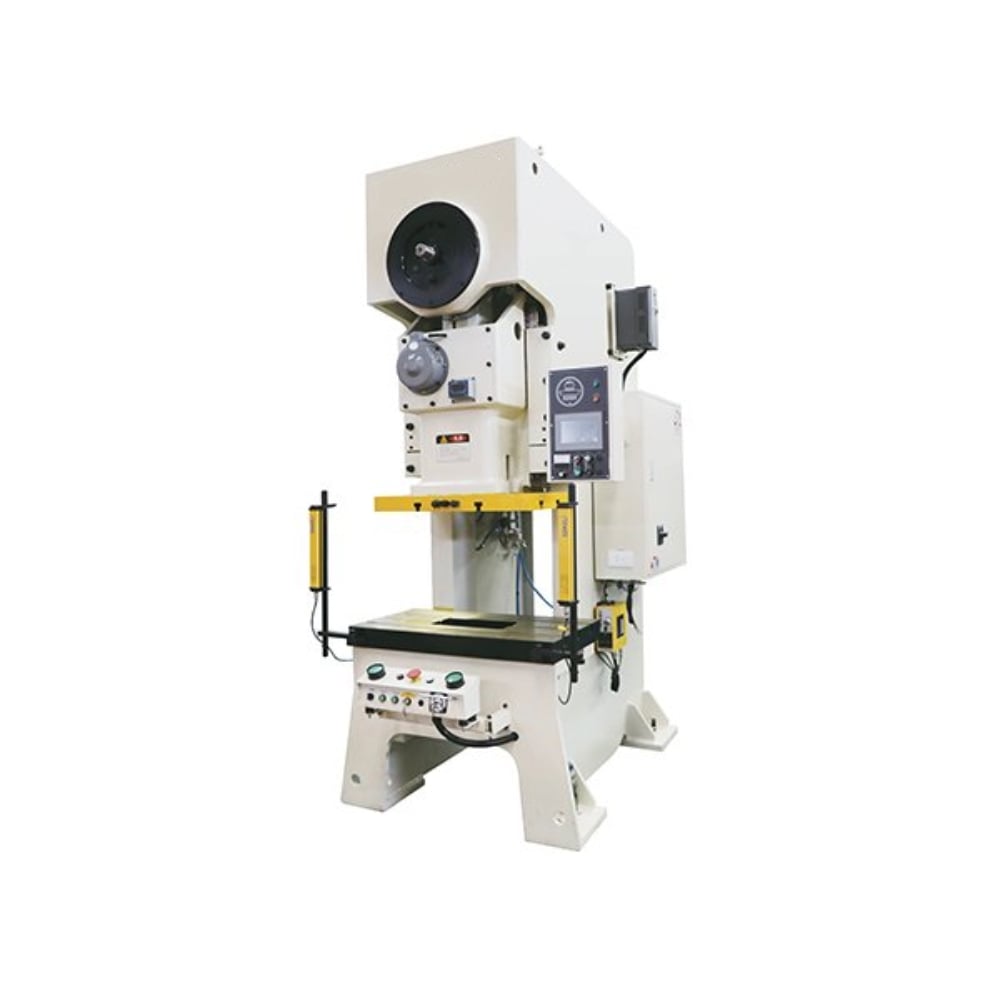
Selection Advice: Choosing the Right Equipment
When selecting a punching machine, it is vital to consider your long-term production needs. Are you primarily working with thin-gauge sheet metal, or are you punching heavy-duty structural steel? The tonnage requirement is the most critical factor. A machine that is constantly running at 90% of its capacity will wear out significantly faster than one running at 60%.
Consider the automation level. If your shop handles high-volume, repetitive tasks, a CNC turret punch with automatic tool changers will drastically reduce setup time and human error. Conversely, for custom fabrication shops, a versatile ironworker might be more cost-effective. Always prioritize machines that offer easy access to maintenance points, as this will save you hundreds of hours in labor over the life of the machine.
Finally, look for manufacturers that provide robust support and readily available spare parts. HARSLE prides itself on not just selling machinery, but providing a partnership. When you invest in our equipment, you gain access to technical documentation, training resources, and a support team dedicated to ensuring your machine never stays down for long.
Frequently Asked Questions (FAQ)
How often should I sharpen my punch and die?
Sharpening frequency depends on the material type and volume. As a rule of thumb, sharpen when you notice a burr height exceeding 10% of the material thickness.
Why is my machine making a loud banging noise?
A loud bang often indicates that the punch is not clearing the material properly or that the hydraulic pressure is spiking. Check your stripper plate and ensure the material is clamped securely.
Can I use the same punch for different materials?
While some punches are versatile, using the same tool for aluminum and stainless steel is not recommended due to the different hardness levels and potential for material transfer (galling).
What is the most important maintenance task?
Daily cleaning and lubrication are the most important tasks. Keeping the machine free of debris and well-oiled prevents 80% of common mechanical failures.
Conclusion
Addressing the question, ‘Punching machine not punching properly? 12 causes and solutions,’ is a vital exercise in operational excellence. By focusing on the health of your tooling, the accuracy of your clearances, and the consistency of your hydraulic systems, you can ensure that your HARSLE punching machine remains a reliable workhorse in your fabrication shop. Remember that maintenance is not an expense; it is an investment in the longevity and quality of your output. Stay proactive, keep your equipment clean, and never hesitate to consult your technical manual or our support team when you encounter persistent issues. With the right care, your punching machine will continue to deliver precision results for years to come.