
Top Industrial Uses Of Hydraulic Presses In Modern Manufacturing: A Comprehensive Guide


Introduction
In the landscape of modern industrial production, the hydraulic press stands as a cornerstone of efficiency, precision, and raw power. As manufacturing demands evolve toward higher complexity and tighter tolerances, the role of these machines has expanded significantly. Understanding the Top Industrial Uses Of Hydraulic Presses In Modern Manufacturing is essential for any facility looking to optimize its production line, reduce material waste, and enhance output quality.
At HARSLE, we have observed that the versatility of hydraulic systems allows them to outperform mechanical alternatives in specific high-force applications. By utilizing Pascal’s Law, these machines deliver consistent pressure throughout the entire stroke, a feature that is critical for complex metal forming tasks. Whether you are involved in automotive manufacturing, aerospace engineering, or general metal fabrication, the hydraulic press remains an indispensable asset.
This guide explores the multifaceted applications of hydraulic presses, providing technical insights into why they are preferred for heavy-duty tasks. We will delve into the mechanics of force application, the specific industries that rely on this technology, and the criteria you should consider when selecting equipment for your facility. By the end of this article, you will have a comprehensive understanding of how to leverage hydraulic technology to gain a competitive edge.
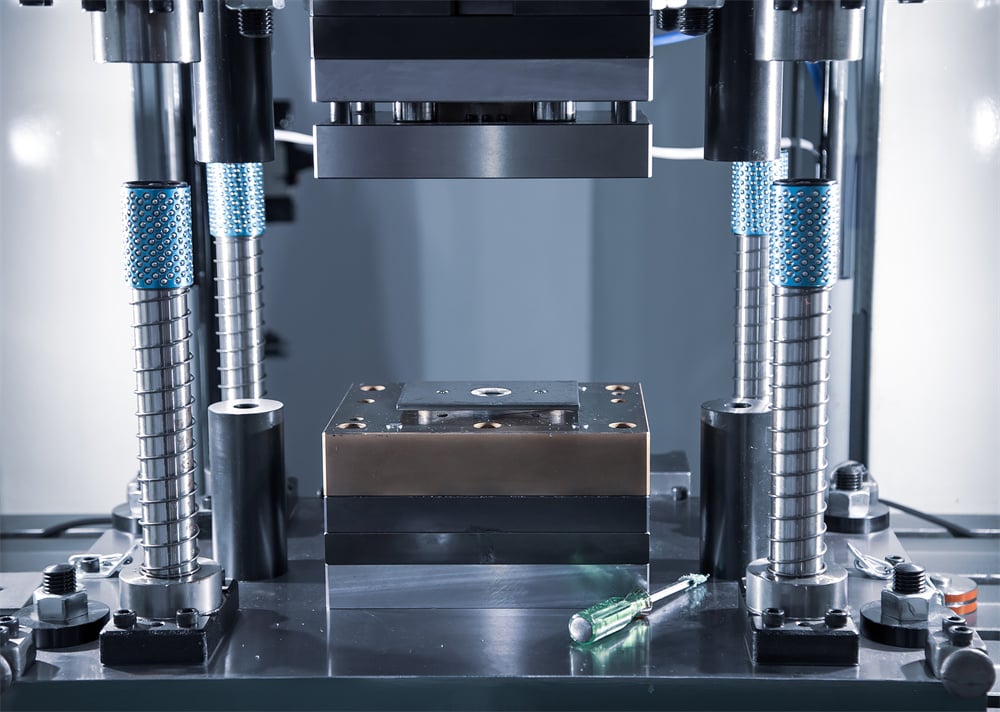
Key Considerations for Hydraulic Press Integration
Integrating a hydraulic press into a production environment requires careful planning. Unlike mechanical presses, hydraulic systems offer adjustable force and stroke length, which provides immense flexibility but also necessitates a deeper understanding of hydraulic fluid dynamics and system maintenance. The first consideration is the required tonnage. Selecting a press that is too small will lead to premature wear and failure, while an oversized press results in unnecessary energy consumption and higher capital expenditure.
Another critical factor is the speed of operation. Modern manufacturing often demands high-speed cycles to keep up with assembly lines. HARSLE engineers emphasize the importance of balancing speed with control. Variable speed drives and advanced proportional valves allow operators to manage the approach, pressing, and return speeds independently, ensuring that delicate parts are not damaged during the initial contact phase.
Safety protocols are non-negotiable in hydraulic press operations. Because these machines generate immense force, they must be equipped with light curtains, dual-hand controls, and emergency stop systems that meet international safety standards. Furthermore, the thermal management of the hydraulic oil is vital. Continuous operation can lead to oil degradation, which affects the viscosity and, consequently, the precision of the press. Implementing an efficient cooling system is a key consideration for long-term reliability.
Finally, the footprint and integration with existing automation must be evaluated. In modern smart factories, hydraulic presses are often part of a larger robotic cell. Ensuring that the press control system is compatible with PLC (Programmable Logic Controller) interfaces used in your facility is essential for seamless data exchange and process monitoring. HARSLE provides modular designs that facilitate easier integration into automated workflows.
Technical Details of Hydraulic Press Applications
The Top Industrial Uses Of Hydraulic Presses In Modern Manufacturing are largely defined by the machine’s ability to perform specific metalworking processes with high repeatability. One of the most prominent applications is deep drawing. This process involves stretching a metal sheet into a die cavity to create complex, hollow shapes like automotive body panels, kitchen sinks, and fuel tanks. The hydraulic press is ideal here because it can maintain constant pressure throughout the entire draw, preventing the metal from tearing or wrinkling.
Another technical application is powder compaction. In industries producing sintered parts, such as gears or specialized bearings, hydraulic presses are used to compress metal powders into a dense, uniform shape before the sintering process. The ability to control the compaction pressure precisely ensures that the final part has the required density and structural integrity, which is impossible to achieve with standard mechanical impact presses.
Forging is another area where hydraulic presses excel. Unlike drop hammers that rely on impact, hydraulic presses use a slow, steady squeeze. This allows the force to penetrate deep into the material, resulting in a more uniform grain structure and higher quality forgings. This is particularly important in the aerospace industry, where the structural integrity of components like turbine blades and landing gear parts is a matter of safety and performance.
Trimming and punching operations also utilize hydraulic presses, especially when dealing with thick-gauge materials. Because the hydraulic press can provide full tonnage at any point in the stroke, it is perfectly suited for shearing heavy plates that would stall a mechanical press. This capability makes it a versatile tool for job shops that handle a wide variety of material thicknesses and types.
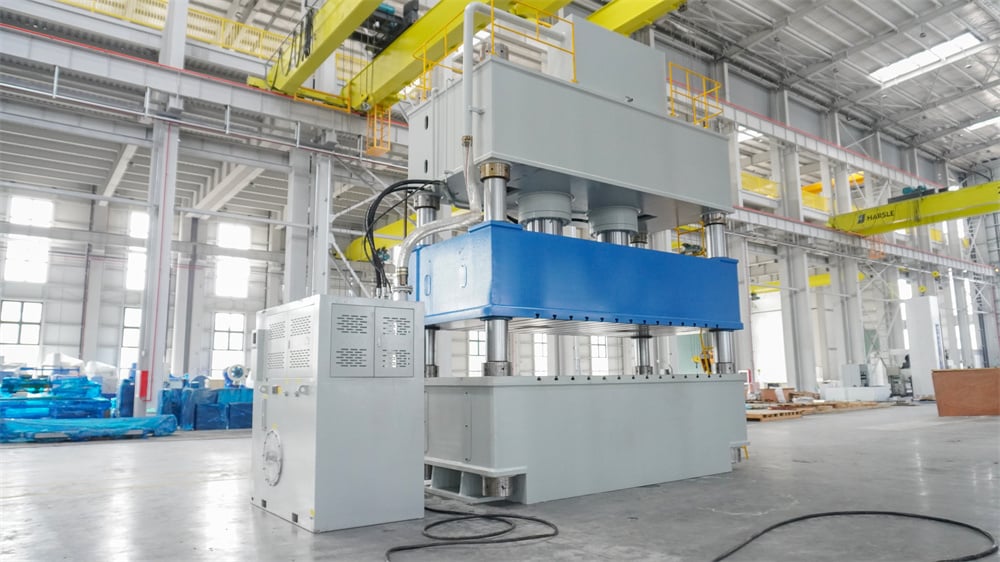
Selection Advice for Your Facility
Choosing the right hydraulic press involves more than just looking at the price tag. You must first define the primary application. If your shop focuses on high-volume, thin-sheet metal stamping, a high-speed hydraulic press with a fast-acting valve system is necessary. Conversely, if you are performing heavy-duty forging or straightening, a robust, high-tonnage frame with a slow, powerful stroke is required.
Consider the frame design. H-frame presses are the industry standard for general-purpose work due to their stability and strength. C-frame presses, while offering better access to the work area from three sides, are generally better suited for lighter tasks or assembly operations. The bed size and daylight (the distance between the ram and the bed) must also be matched to the largest part you intend to produce. Always account for the height of your tooling when calculating the required daylight.
Energy efficiency is an increasingly important selection criterion. Modern hydraulic presses often feature servo-driven pumps that only consume energy when the ram is moving. This can reduce electricity consumption by up to 50% compared to traditional constant-run hydraulic systems. Investing in energy-efficient technology not only lowers your carbon footprint but also significantly reduces long-term operational costs.
Finally, evaluate the manufacturer’s support network. A hydraulic press is a long-term investment. You need a partner who provides comprehensive training, readily available spare parts, and responsive technical support. HARSLE prides itself on offering a full-service experience, ensuring that your equipment remains operational and productive for decades.
Frequently Asked Questions (FAQ)
- What is the main advantage of a hydraulic press over a mechanical press? The main advantage is the ability to exert full force throughout the entire stroke length, combined with adjustable pressure and speed control.
- How often should I change the hydraulic oil? This depends on usage, but generally, oil should be analyzed every 2,000 hours of operation to check for contamination and viscosity breakdown.
- Can hydraulic presses be used for non-metal materials? Yes, they are widely used for molding plastics, rubber, and even in the food and pharmaceutical industries for compaction.
- What safety features are essential for a hydraulic press? Essential features include light curtains, emergency stop buttons, pressure relief valves, and interlocked safety guards.
- How do I determine the tonnage I need? Tonnage is calculated based on the material type, thickness, and the surface area of the part being formed. Consult with a HARSLE engineer to perform a specific force calculation for your project.
Conclusion
The Top Industrial Uses Of Hydraulic Presses In Modern Manufacturing demonstrate that these machines are far more than simple tools; they are the backbone of precision engineering and heavy-duty production. From the intricate deep drawing of automotive components to the high-pressure compaction of sintered materials, hydraulic presses provide the control, force, and reliability that modern industry demands. By understanding the technical requirements, selecting the right frame design, and prioritizing energy efficiency and safety, manufacturers can significantly enhance their production capabilities.
At HARSLE, we are committed to advancing the capabilities of metal fabrication equipment. Our range of hydraulic presses is designed to meet the rigorous standards of today’s global market, ensuring that your facility remains at the forefront of innovation. Whether you are upgrading your current machinery or setting up a new production line, we invite you to explore our solutions and discover how we can help you achieve your manufacturing goals. Remember, the right equipment is the foundation of a successful business—choose wisely, choose HARSLE.












