
Mastering Hydraulic Press Applications for Bending, Punching, and Straightening Metal


Mastering Hydraulic Press Applications for Bending, Punching, and Straightening Metal
In the modern landscape of metal fabrication, the hydraulic press stands as a cornerstone of industrial productivity. Whether you are operating a small job shop or a large-scale manufacturing facility, understanding the full scope of hydraulic press applications for bending, punching, and straightening metal is essential for maximizing output and precision. HARSLE provides advanced machinery designed to handle these diverse tasks with unmatched reliability and force control.
The versatility of a hydraulic press stems from its ability to exert immense, consistent pressure through a controlled stroke. Unlike mechanical presses that rely on a flywheel and clutch system, hydraulic systems allow for variable speed and pressure settings throughout the entire cycle. This makes them the preferred choice for complex forming operations where material integrity and surface finish are paramount. In this guide, we will explore how to leverage this technology to optimize your production workflows.
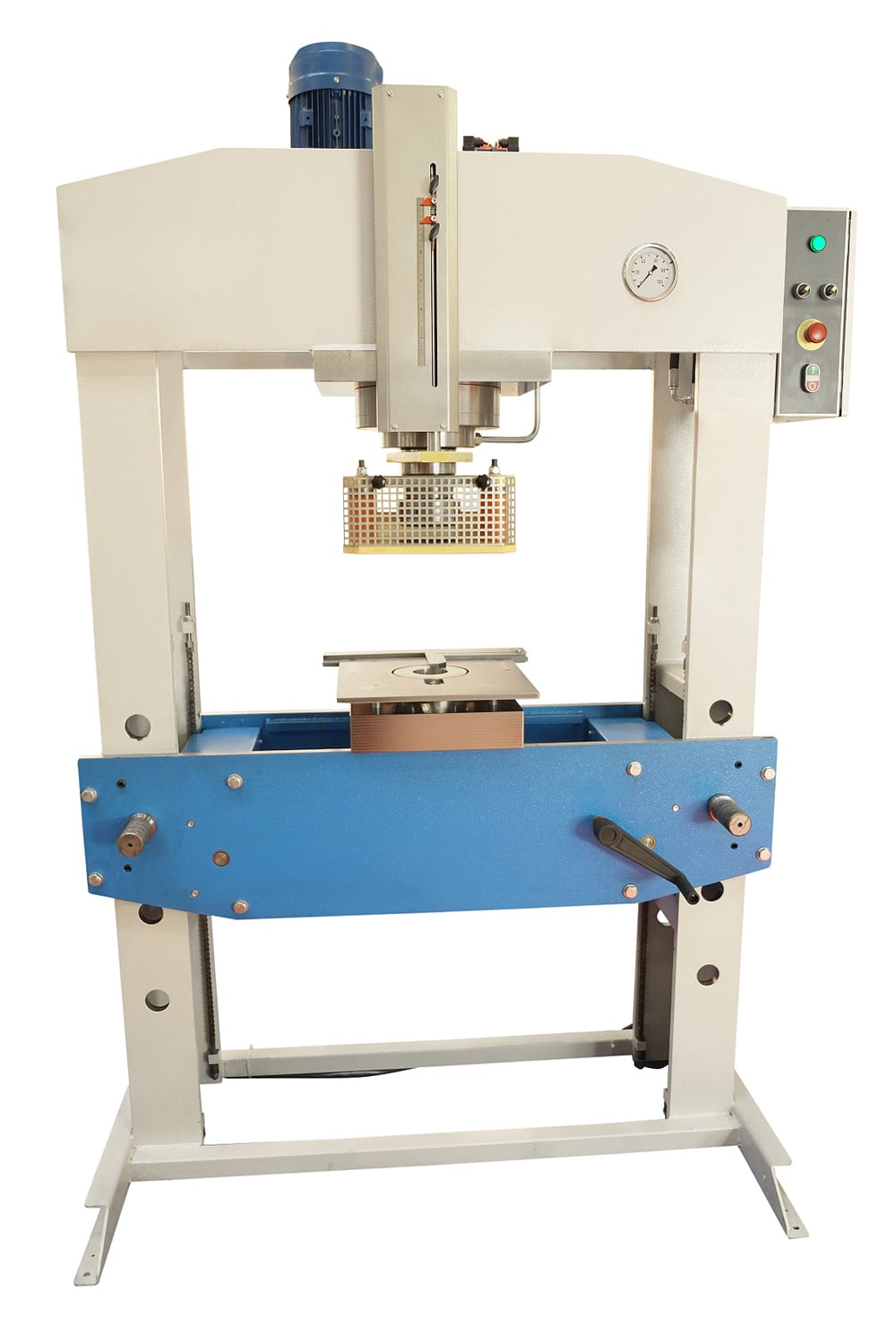
Key Considerations for Hydraulic Press Operations
Before integrating a hydraulic press into your production line, it is critical to evaluate the specific material properties you intend to process. Different metals, such as high-strength steel, aluminum, or copper, react differently to compressive forces. Understanding the yield strength and ductility of your workpiece will determine the tonnage requirements and the necessary dwell time for your hydraulic system.
Safety remains the most significant consideration in any metal fabrication environment. Hydraulic presses generate massive amounts of force, which can be dangerous if not managed correctly. Operators must be trained on light curtain systems, emergency stop protocols, and proper die setup. HARSLE equipment is engineered with integrated safety sensors and redundant hydraulic valves to ensure that every cycle is performed within safe operational parameters.
Another key factor is the integration of automation. Modern hydraulic presses are no longer standalone units; they are often part of a larger, interconnected smart factory ecosystem. By utilizing CNC controllers, operators can store hundreds of programs for different bending, punching, and straightening tasks. This reduces setup time between jobs and ensures repeatability, which is vital for maintaining quality standards in high-precision industries like aerospace and automotive manufacturing.
Environmental and maintenance factors also play a role in long-term efficiency. Hydraulic systems require clean, high-quality oil and regular filtration to prevent contamination. Heat management is equally important, as excessive fluid temperatures can degrade seals and reduce the lifespan of the pump. By implementing a proactive maintenance schedule, you ensure that your press remains accurate and reliable for years to come.
Technical Details: Bending, Punching, and Straightening
When focusing on hydraulic press applications for bending, punching, and straightening metal, it is important to understand the mechanical advantages of each process. Bending involves applying force to a workpiece to achieve a specific angle. Hydraulic presses excel here because they allow for ‘bottoming’ or ‘air bending’ with precise depth control, ensuring that spring-back is accounted for through programmable stroke adjustments.
Punching is a high-impact application that requires rapid force application and clean shearing. In a hydraulic press, the force is applied steadily, which can actually extend the life of your punch and die sets compared to mechanical impact presses. The ability to control the speed of the punch stroke allows for cleaner holes with less burr formation, reducing the need for secondary finishing operations like deburring or grinding.
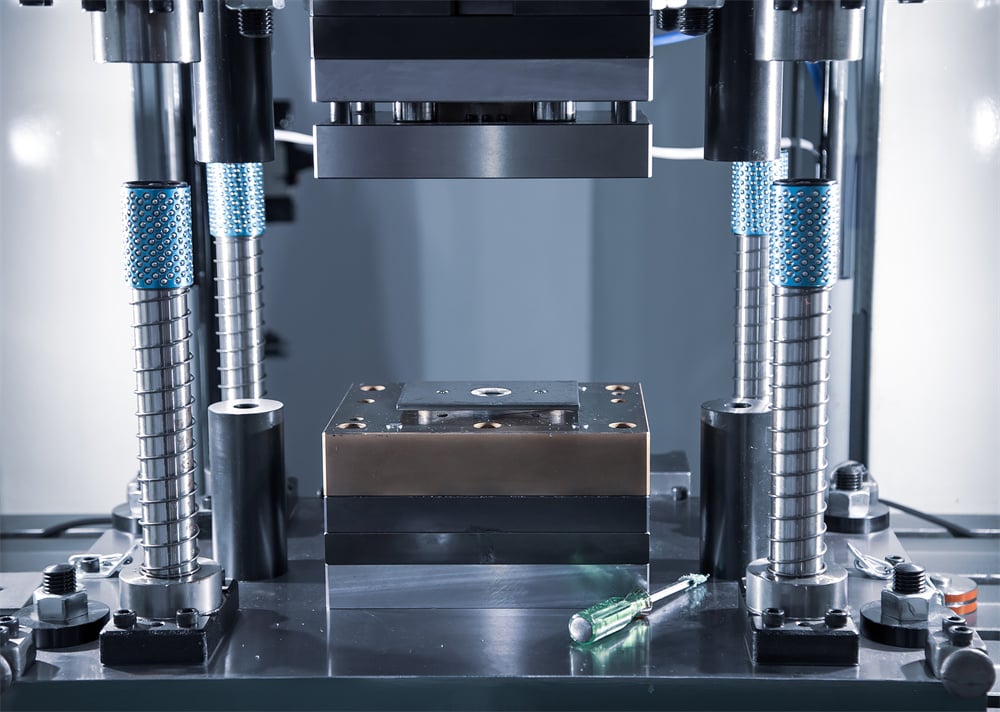
Straightening is perhaps the most nuanced application. It involves applying localized pressure to remove distortions or warpage from metal plates, bars, or structural sections. Because hydraulic presses allow for incremental pressure application, an operator can monitor the workpiece and apply exactly the amount of force needed to correct the deviation without over-bending or damaging the material. This is essential for reclaiming parts that might otherwise be scrapped.
The technical specifications of your press—such as daylight opening, stroke length, and bed size—must align with the dimensions of your parts. A press with a large daylight opening is versatile for deep-draw bending, while a smaller, high-speed press might be better suited for repetitive punching tasks. HARSLE offers customizable configurations to ensure that the machine’s technical capabilities match your specific production requirements.
Advanced Operational Strategies
To truly master hydraulic press applications for bending, punching, and straightening metal, operators must understand the nuances of pressure-time curves. Unlike mechanical presses, hydraulic systems allow for a ‘dwell’ period at the bottom of the stroke. This is particularly beneficial for bending thick-gauge materials, as it allows the metal fibers to relax into the new shape, significantly reducing spring-back. In punching, the dwell time can be minimized to increase cycle speed, while in straightening, the dwell allows for the gradual relief of internal stresses within the metal structure.
Furthermore, the use of proportional valves in modern HARSLE presses allows for ‘soft-touch’ engagement. This feature is critical when working with delicate or pre-finished surfaces, as it prevents the die from slamming into the workpiece, thereby preserving the aesthetic quality of the final product. By fine-tuning the acceleration and deceleration ramps of the ram, manufacturers can achieve a level of finesse that was previously impossible with traditional hydraulic systems.
Selection Advice: Choosing the Right Equipment
Selecting the right hydraulic press involves a thorough analysis of your current and future production needs. Start by calculating the maximum tonnage required for your toughest job. It is often wise to select a press with a slightly higher tonnage capacity than your current maximum to avoid running the machine at its limit, which can accelerate wear and tear.
Consider the control system interface. A user-friendly HMI (Human-Machine Interface) is crucial for reducing operator error. Look for systems that offer graphical programming, where you can visualize the bending or punching sequence. This not only speeds up the learning curve for new employees but also allows for faster troubleshooting if a process error occurs.
Evaluate the frame construction. H-frame presses are generally more stable and suitable for heavy-duty, off-center loading, while C-frame presses offer better accessibility for the operator, making them ideal for smaller parts and manual loading. Your choice should depend on the physical size of your workpieces and the frequency of tool changes required for your typical production runs.
Finally, consider the after-sales support and availability of spare parts. Metal fabrication is a high-stakes industry where downtime translates directly into lost revenue. Partnering with a manufacturer like HARSLE ensures that you have access to technical support, genuine replacement parts, and expert guidance on optimizing your machine’s performance for specific applications.
Maintenance Best Practices for Longevity
To maintain the high performance of your hydraulic press, a rigorous maintenance protocol is non-negotiable. Beyond simple fluid checks, operators should perform quarterly inspections of the hydraulic hoses for signs of dry rot or micro-cracking. The hydraulic pump, being the heart of the system, should be monitored for unusual noise or vibration, which are often early indicators of cavitation or internal wear.
Electrical systems also require attention. Ensure that the control cabinet is kept free of dust and metal shavings, as these can cause short circuits or interfere with the sensitive sensors that govern the press’s accuracy. By keeping the machine clean and the environment controlled, you extend the life of the electronic components and ensure that the press remains a reliable asset for years to come.
Frequently Asked Questions (FAQ)
What is the main advantage of a hydraulic press over a mechanical press?
The primary advantage is control. Hydraulic presses provide constant force throughout the entire stroke, whereas mechanical presses only reach maximum force at the bottom of the stroke. This makes hydraulic presses safer, more versatile, and easier to adjust for different material thicknesses.
How often should I perform maintenance on my hydraulic press?
Maintenance schedules vary based on usage, but a general rule is to check hydraulic fluid levels and filter conditions monthly. Annual inspections should include checking seals, hoses, and electrical connections to prevent leaks and ensure system integrity.
Can a single hydraulic press handle bending, punching, and straightening?
Yes, provided the press is equipped with the correct tooling. By using quick-change die systems, you can switch between bending, punching, and straightening operations efficiently, making the hydraulic press a highly versatile multi-purpose tool for any workshop.
How do I prevent spring-back when bending metal?
Spring-back is managed by over-bending the material slightly. Modern CNC-controlled hydraulic presses allow you to program the exact depth of the stroke to compensate for the material’s elastic recovery, ensuring the final angle is precise.
What tonnage do I need for my specific application?
Tonnage depends on the material thickness, tensile strength, and the length of the bend or the perimeter of the punch. HARSLE provides technical calculators to help you determine the exact force required based on your specific material and tooling geometry.
Conclusion
Hydraulic press applications for bending, punching, and straightening metal represent the backbone of efficient metal fabrication. By understanding the technical nuances of these processes and selecting the right equipment from a trusted partner like HARSLE, you can significantly improve your production quality and operational efficiency. Whether you are looking to increase your throughput or achieve tighter tolerances, the investment in a high-quality hydraulic press is a strategic move that will pay dividends in the long run. Explore the HARSLE range today to find the perfect solution for your fabrication needs.












