Hydraulic Press Applications In Automotive Parts Production: A Comprehensive Guide


Introduction to Hydraulic Press Applications In Automotive Parts Production
The automotive industry stands as one of the most demanding sectors for precision engineering and high-volume manufacturing. At the heart of this industry lies the hydraulic press, a cornerstone of metal fabrication equipment that enables the transformation of raw metal sheets into complex, high-strength automotive components. Understanding hydraulic press applications in automotive parts production is essential for manufacturers looking to optimize their assembly lines, improve structural integrity, and maintain competitive cycle times.
HARSLE has long been a leader in providing robust, high-performance hydraulic machinery designed to meet the rigorous standards of the automotive supply chain. From deep drawing to precision stamping, the versatility of hydraulic presses allows for the creation of everything from chassis components to intricate interior brackets. This guide explores the technical nuances, operational benefits, and strategic selection criteria for integrating these machines into your production facility.
The evolution of automotive design—moving toward lighter, stronger materials like advanced high-strength steel (AHSS) and aluminum alloys—has necessitated a shift in how we approach metal forming. Hydraulic presses offer the unique advantage of constant force throughout the stroke, a critical feature when dealing with materials that require precise pressure control to prevent tearing or wrinkling. As we delve into this guide, we will examine how modern hydraulic technology addresses these challenges.
Whether you are a Tier 1 supplier or a specialized automotive parts manufacturer, the choice of equipment dictates your production capacity and quality consistency. By leveraging the right hydraulic press technology, companies can achieve tighter tolerances, reduced scrap rates, and enhanced repeatability. This article serves as a comprehensive resource for engineers, plant managers, and procurement specialists seeking to master the role of hydraulic presses in modern vehicle manufacturing.
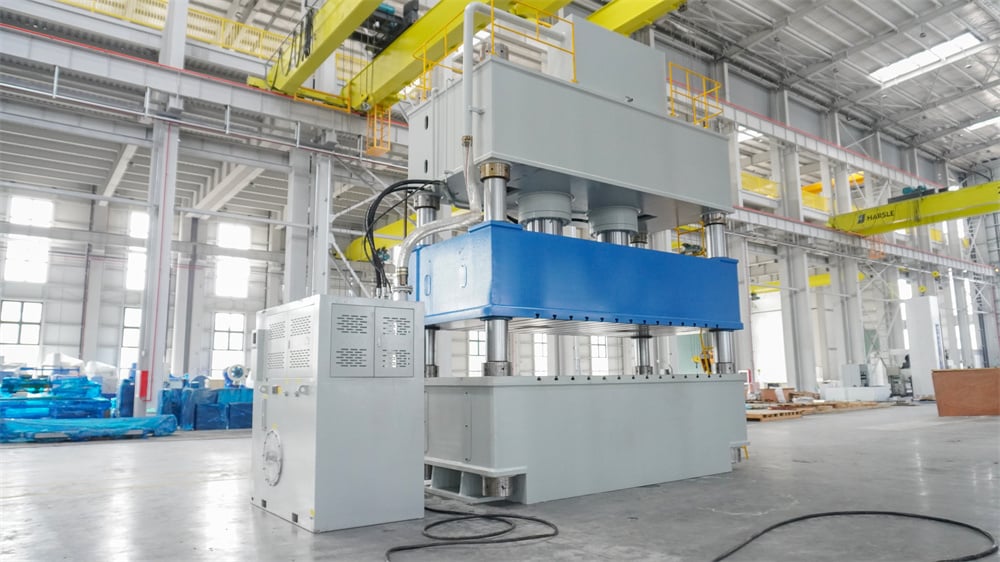
Key Considerations for Automotive Metal Fabrication
When integrating hydraulic presses into an automotive production environment, several key considerations must be addressed to ensure long-term success. The first is the material behavior. Automotive parts often utilize high-strength alloys that exhibit significant spring-back. A hydraulic press provides the dwell time necessary to allow the material to set, effectively minimizing spring-back and ensuring the part meets strict dimensional tolerances.
Energy efficiency is another critical factor. Modern HARSLE hydraulic presses are equipped with servo-driven systems that significantly reduce power consumption compared to traditional constant-run hydraulic units. By optimizing the motor speed based on the specific phase of the press cycle, manufacturers can achieve substantial cost savings while maintaining high output rates. This is particularly important in large-scale automotive production where energy costs represent a significant portion of the overhead.
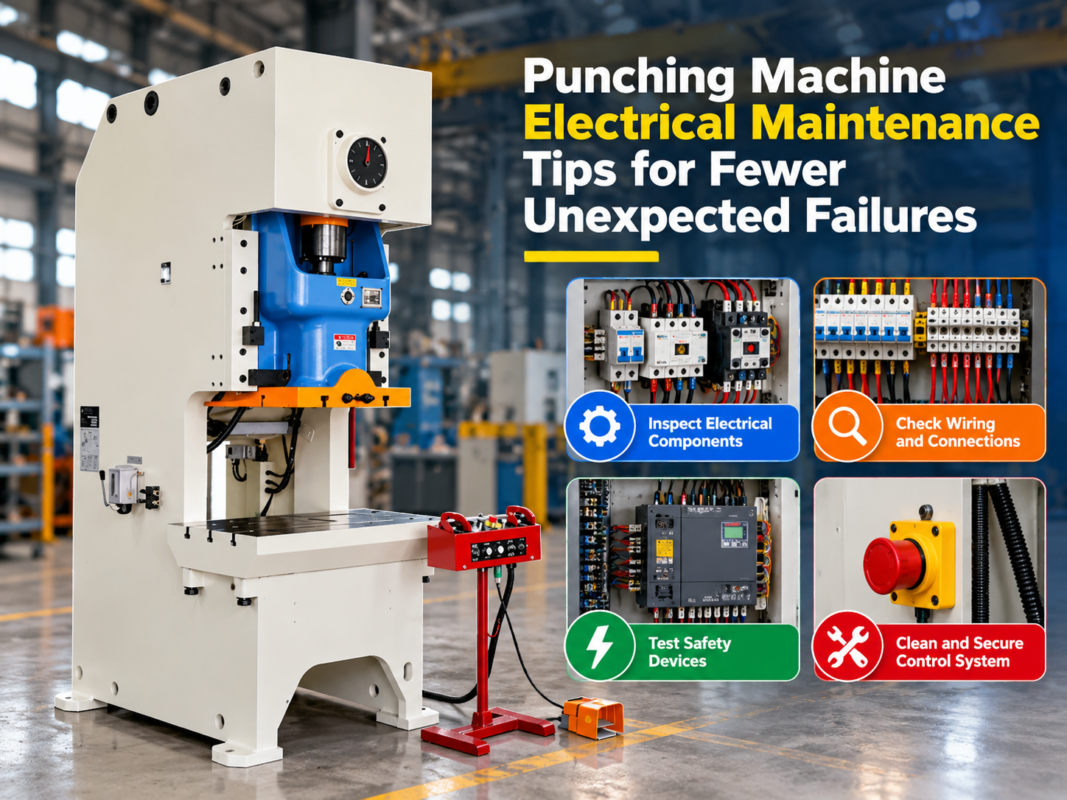
Safety and ergonomics cannot be overlooked. Automotive manufacturing environments are high-paced, and the safety of operators is paramount. Modern hydraulic presses come integrated with light curtains, dual-hand controls, and advanced PLC-based safety monitoring systems. These features not only protect the workforce but also streamline the workflow by reducing the downtime associated with manual safety checks and potential accidents.
Finally, the integration of Industry 4.0 capabilities is transforming how these machines operate. Data logging, remote diagnostics, and predictive maintenance alerts allow plant managers to monitor the health of their hydraulic systems in real-time. By identifying potential issues before they lead to machine failure, manufacturers can prevent costly production bottlenecks and ensure that their automotive parts production remains on schedule.
Technical Details of Hydraulic Press Systems
The technical superiority of hydraulic presses in automotive applications stems from their ability to exert full tonnage at any point in the stroke. Unlike mechanical presses, which rely on a flywheel and crank mechanism, hydraulic presses use pressurized fluid to drive the ram. This allows for a controlled, consistent force that is ideal for deep drawing operations, where the metal must be stretched into a die without fracturing.
Hydraulic systems are also highly customizable. Manufacturers can adjust the speed, pressure, and stroke length to suit the specific requirements of the part being produced. For example, a complex automotive door panel requires a different pressure profile than a simple engine mount bracket. With a programmable logic controller (PLC), operators can store and recall specific recipes for different parts, ensuring rapid changeovers and consistent quality across different production runs.
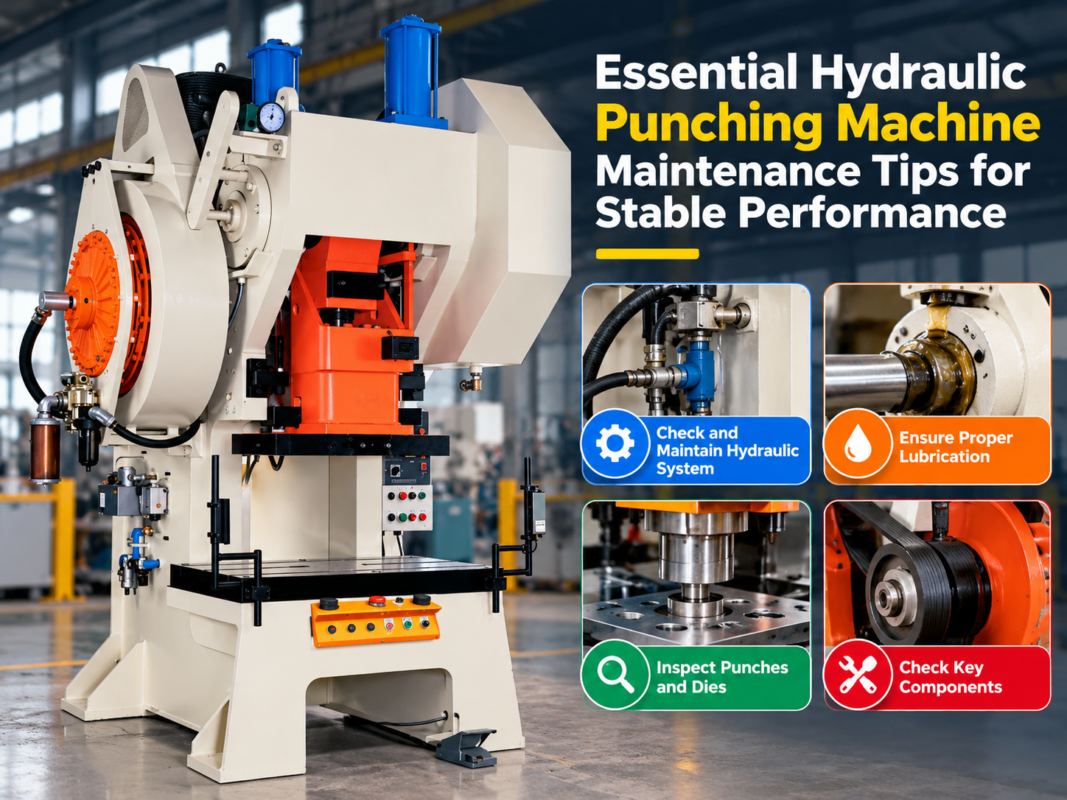
The hydraulic circuit itself is a marvel of engineering. High-quality pumps, valves, and seals are used to maintain pressure stability. In HARSLE machines, we prioritize the use of high-grade components that resist wear and tear, even under the heavy-duty cycles typical of automotive plants. The cooling systems integrated into these presses ensure that the hydraulic fluid remains at an optimal temperature, preventing viscosity changes that could affect the precision of the press stroke.
Furthermore, the structural rigidity of the press frame is vital. Automotive parts often require high-tonnage forming, which generates significant stress on the machine frame. HARSLE utilizes finite element analysis (FEA) to design frames that minimize deflection under load. This rigidity is the secret to achieving the tight tolerances required by automotive OEMs, ensuring that every part produced is a perfect replica of the design specifications.
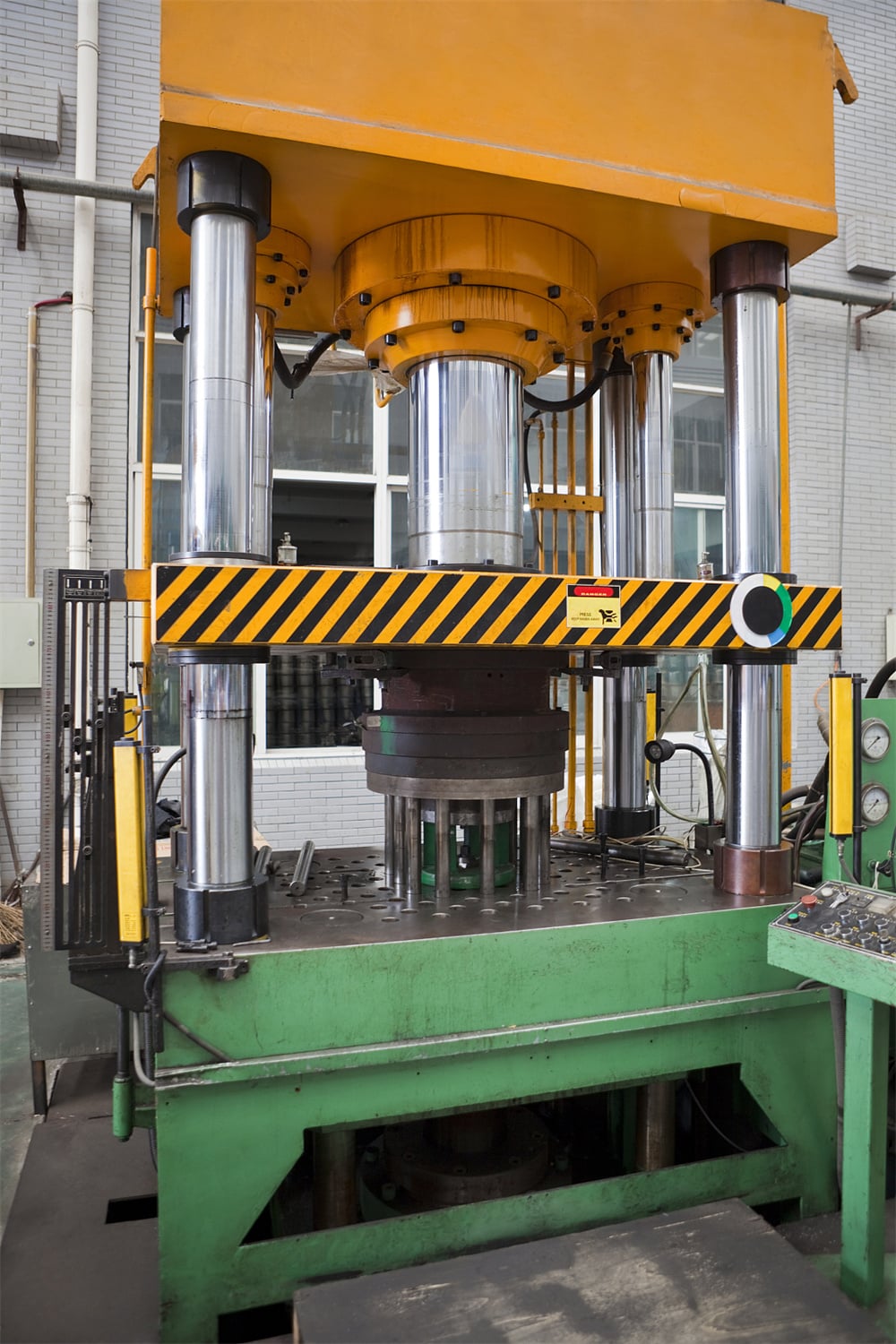
Selection Advice for Automotive Manufacturers
Selecting the right hydraulic press for automotive parts production requires a deep understanding of your specific manufacturing needs. Start by evaluating the tonnage requirements. While it is tempting to choose the largest press available, an oversized machine leads to unnecessary energy consumption and higher maintenance costs. Calculate the maximum force required for your most demanding part and add a safety margin, but avoid excessive over-specification.
Consider the bed size and daylight opening. The bed size must accommodate the largest die set you intend to use, while the daylight opening (the distance between the ram and the bed) must allow for easy loading and unloading of parts. If you are planning to use automated transfer systems or robotic arms, ensure that the press design allows for clear access and integration with your existing automation infrastructure.
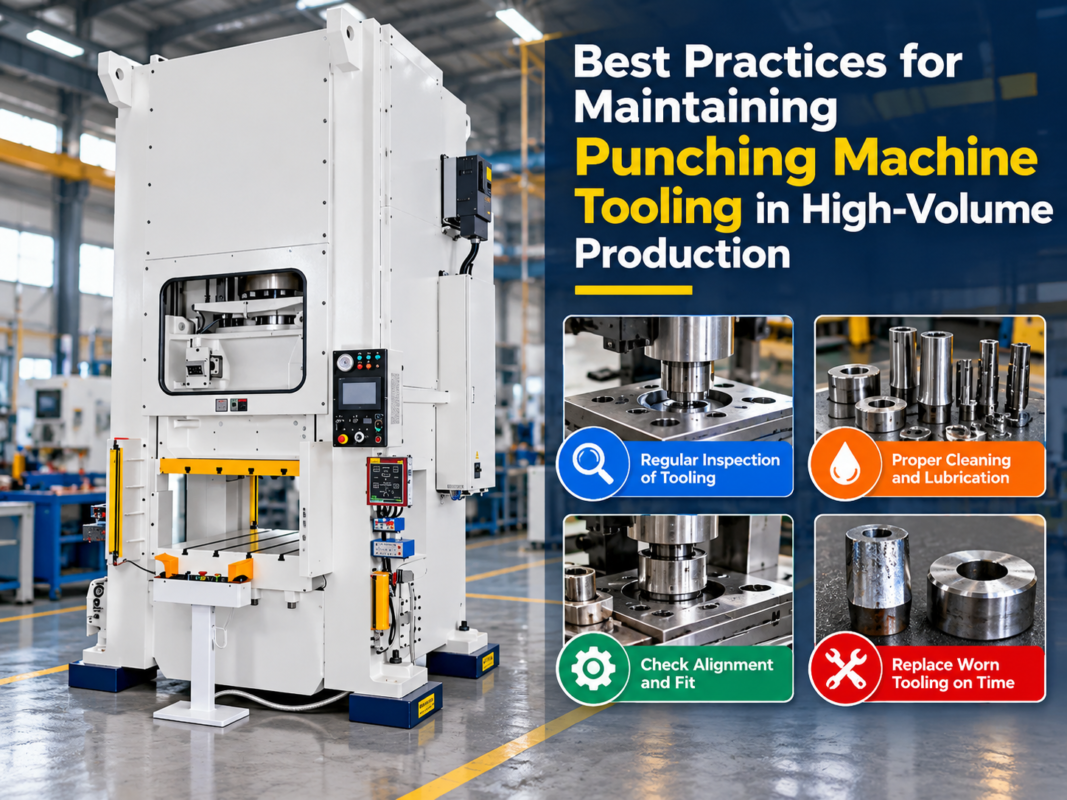
Look for modularity in the machine design. Automotive trends change rapidly, and your equipment should be able to adapt. A press that supports quick-die-change (QDC) systems will significantly reduce downtime during product changeovers. HARSLE offers various QDC solutions, including hydraulic clamps and die carts, which are essential for manufacturers producing a high mix of parts in smaller batch sizes.
Finally, evaluate the manufacturer’s support and service capabilities. A hydraulic press is a long-term investment. You need a partner who provides comprehensive training, readily available spare parts, and responsive technical support. At HARSLE, we pride ourselves on our global service network, ensuring that our clients in the automotive industry can maintain peak productivity regardless of their location.
FAQ: Hydraulic Press Applications In Automotive Parts Production
What are the primary advantages of using a hydraulic press over a mechanical press for automotive parts?
Hydraulic presses offer superior control over force and speed throughout the entire stroke. This is critical for deep drawing and forming high-strength materials, as it prevents tearing and allows for precise dwell time to minimize spring-back.
How does HARSLE ensure the safety of operators using these machines?
HARSLE integrates advanced safety features including light curtains, emergency stop buttons, and PLC-controlled safety interlocks. All our machines comply with international safety standards to ensure a secure working environment.
Can hydraulic presses be integrated into automated production lines?
Yes, modern hydraulic presses are designed for seamless integration with robotic arms, conveyor systems, and automated feeding mechanisms. They feature communication protocols that allow them to sync with the rest of the factory floor.
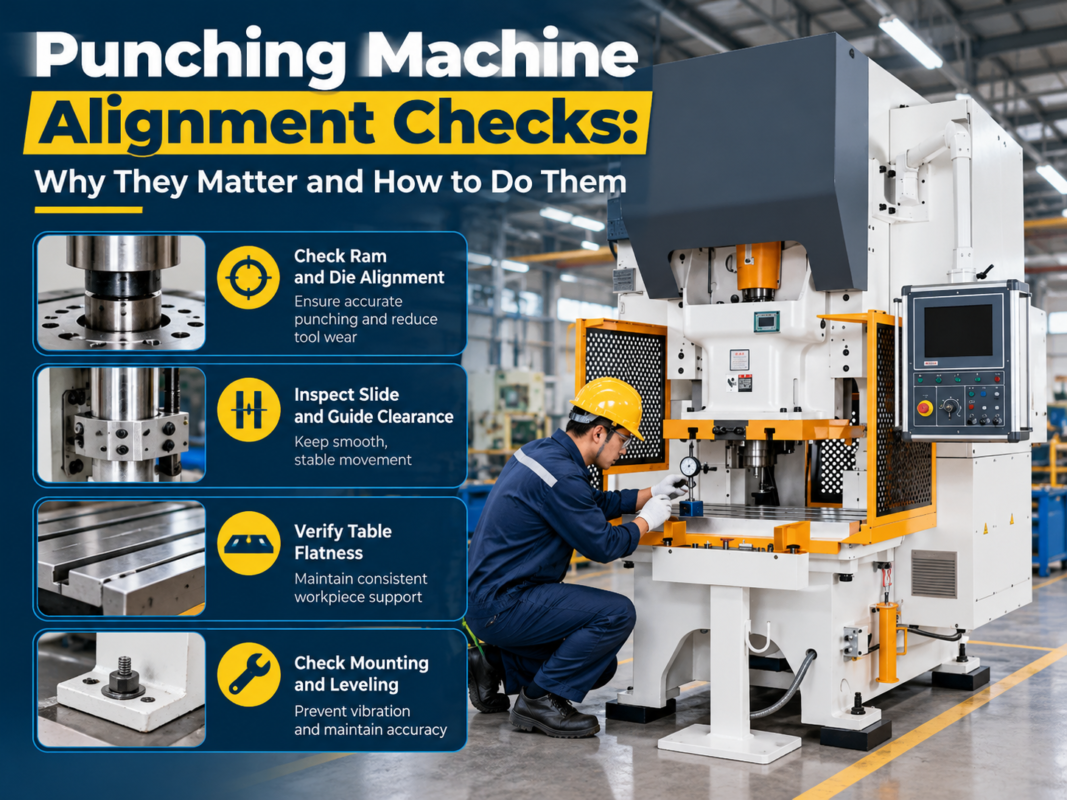
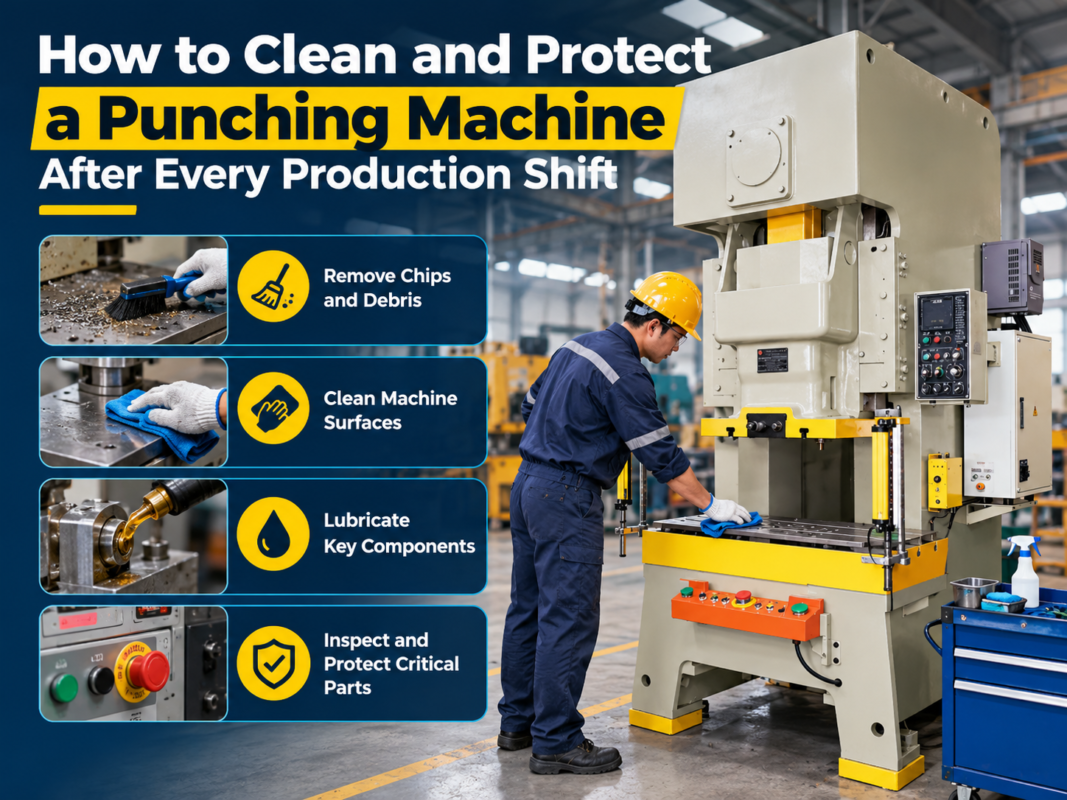
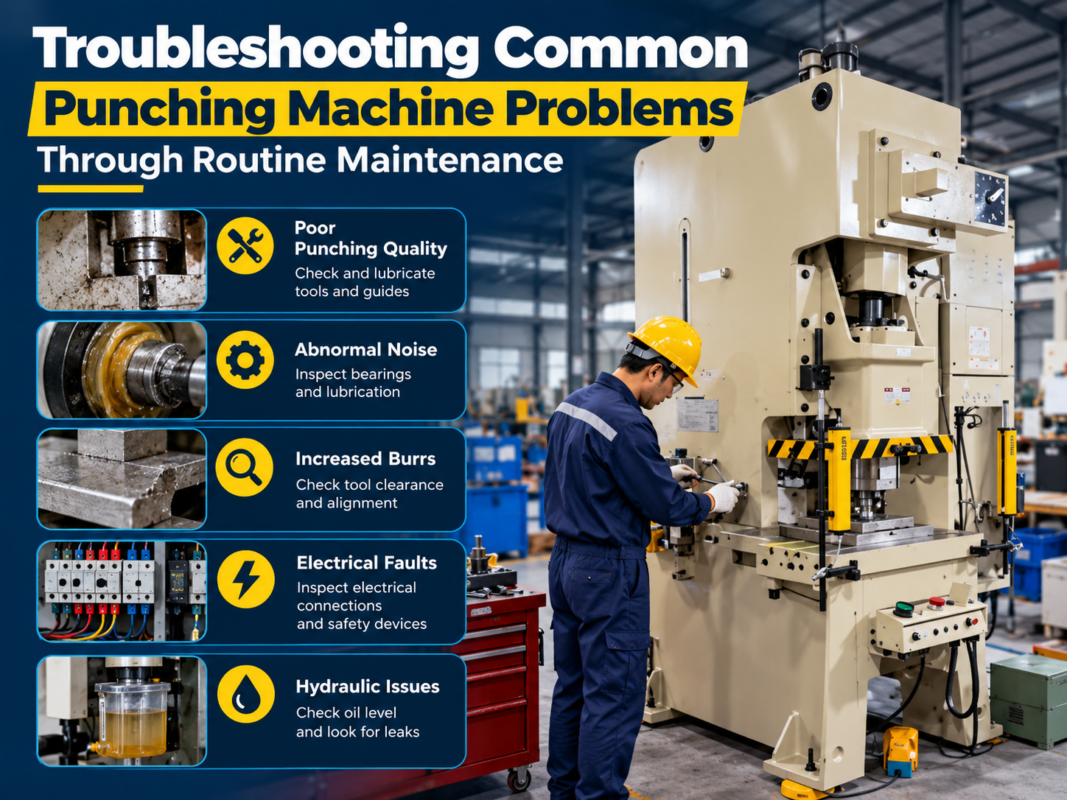
What maintenance is required for a hydraulic press?
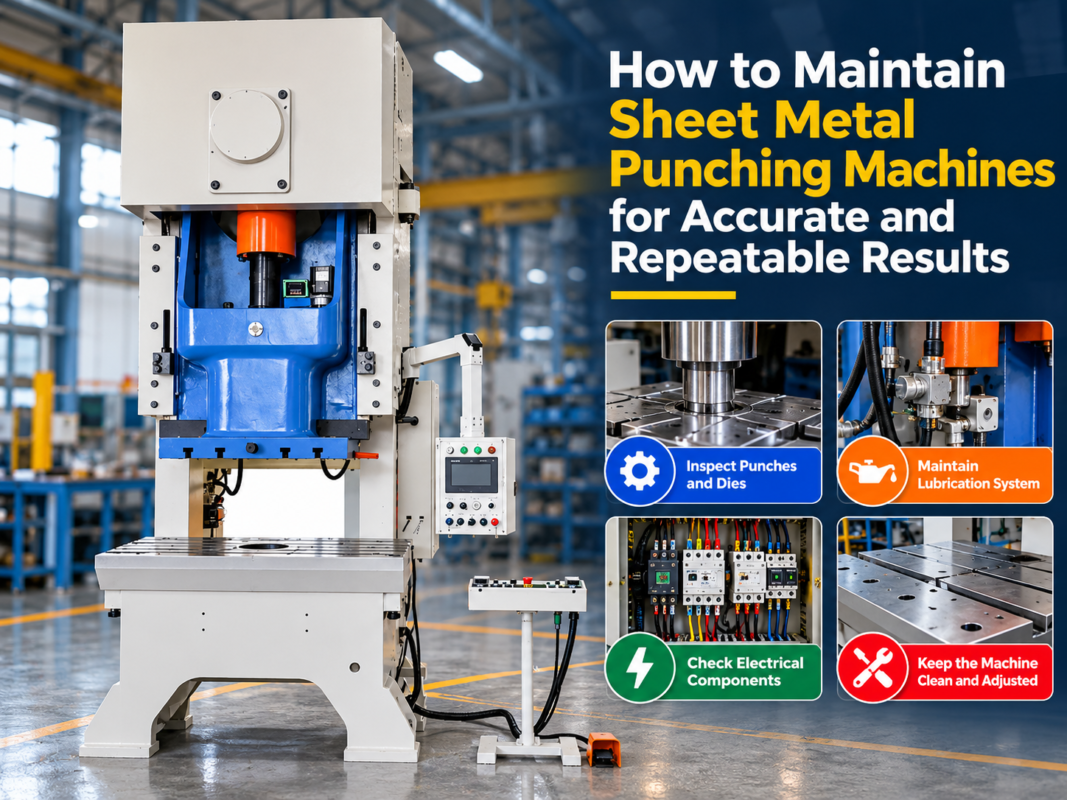
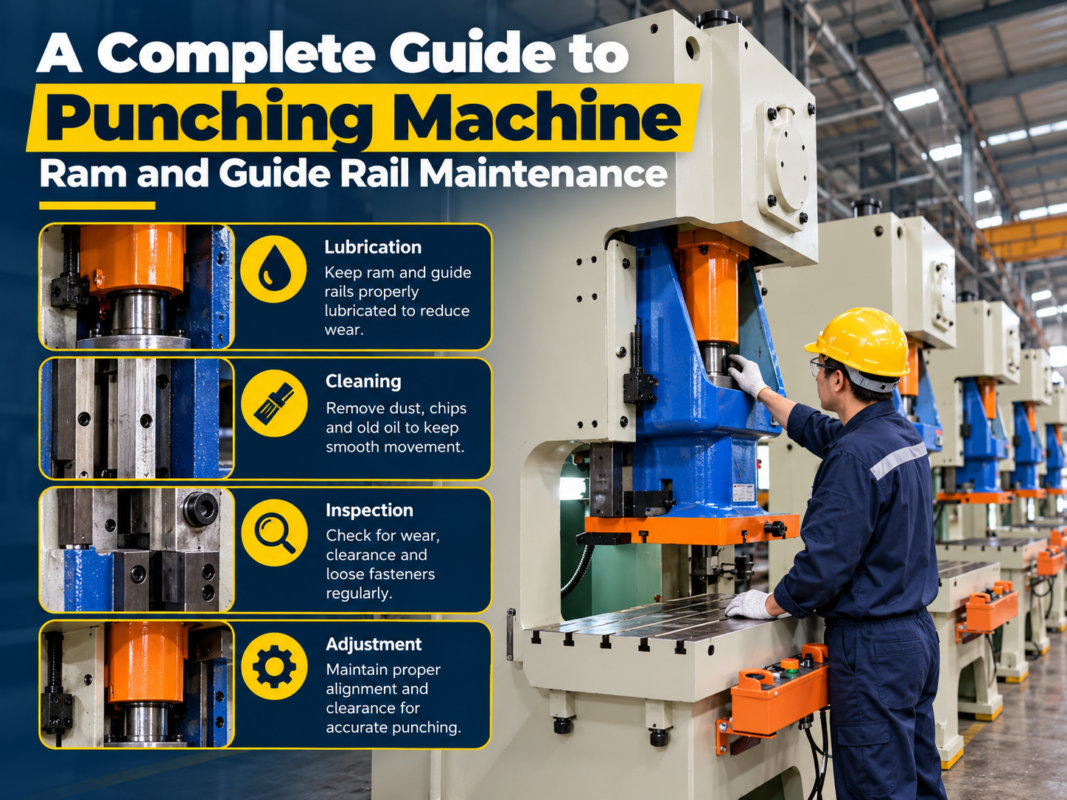
Regular maintenance includes checking hydraulic fluid levels and quality, inspecting seals and hoses for leaks, cleaning filters, and verifying the calibration of pressure sensors. Following a strict preventive maintenance schedule is key to longevity.
How do I choose the right tonnage for my automotive parts?
The required tonnage is determined by the material type, thickness, and the surface area of the part being formed. We recommend consulting with our engineering team to perform a force calculation based on your specific part drawings.
Conclusion
The role of hydraulic press applications in automotive parts production is indispensable. As the industry continues to push the boundaries of material science and design complexity, the need for reliable, precise, and efficient forming equipment becomes even more critical. By choosing HARSLE, manufacturers gain access to cutting-edge technology that is built to withstand the rigors of the automotive sector while providing the flexibility needed to stay ahead of market trends.
Investing in the right hydraulic press is not just about purchasing a machine; it is about securing the quality and efficiency of your entire production line. From the initial design phase to the final output, every detail matters. We encourage you to review your current manufacturing processes and consider how modern hydraulic solutions can help you achieve your production goals. With the right equipment, you can reduce waste, improve part quality, and ultimately drive the success of your automotive manufacturing business.
For further information on our range of hydraulic presses or to discuss a custom solution for your facility, please contact the HARSLE team. We are committed to supporting the automotive industry with the highest quality metal fabrication equipment and expert guidance. Let us help you build the future of automotive manufacturing, one part at a time.