
How a Hydraulic Press Improves Precision in Aerospace Component Manufacturing


Introduction
In the high-stakes world of aerospace engineering, the margin for error is virtually non-existent. Every component, from structural airframe members to intricate engine parts, must adhere to exact specifications to ensure safety, efficiency, and performance. This is where the role of advanced metal fabrication equipment becomes critical. Specifically, how a hydraulic press improves precision in aerospace component manufacturing has become a cornerstone of modern production facilities worldwide.
HARSLE has long been at the forefront of providing high-performance machinery that meets the rigorous demands of the aerospace sector. Unlike mechanical presses, which rely on flywheels and clutches, hydraulic presses utilize fluid power to exert force. This fundamental difference allows for unparalleled control over pressure, speed, and stroke length, which are essential when working with exotic alloys and complex geometries common in aircraft design.
The aerospace industry demands materials that are lightweight yet incredibly strong, such as titanium, Inconel, and high-strength aluminum alloys. These materials often exhibit significant spring-back and require precise, sustained pressure to form correctly. By understanding the mechanical advantages of hydraulic systems, manufacturers can achieve tighter tolerances and superior surface finishes, ensuring that every part meets the stringent certification standards required for flight.
This comprehensive guide explores the technical mechanisms, operational benefits, and strategic selection criteria for integrating hydraulic presses into aerospace workflows. Whether you are scaling up production or looking to refine your existing fabrication processes, understanding the synergy between hydraulic force and aerospace precision is essential for maintaining a competitive edge in the global market.
Key Considerations for Aerospace Fabrication
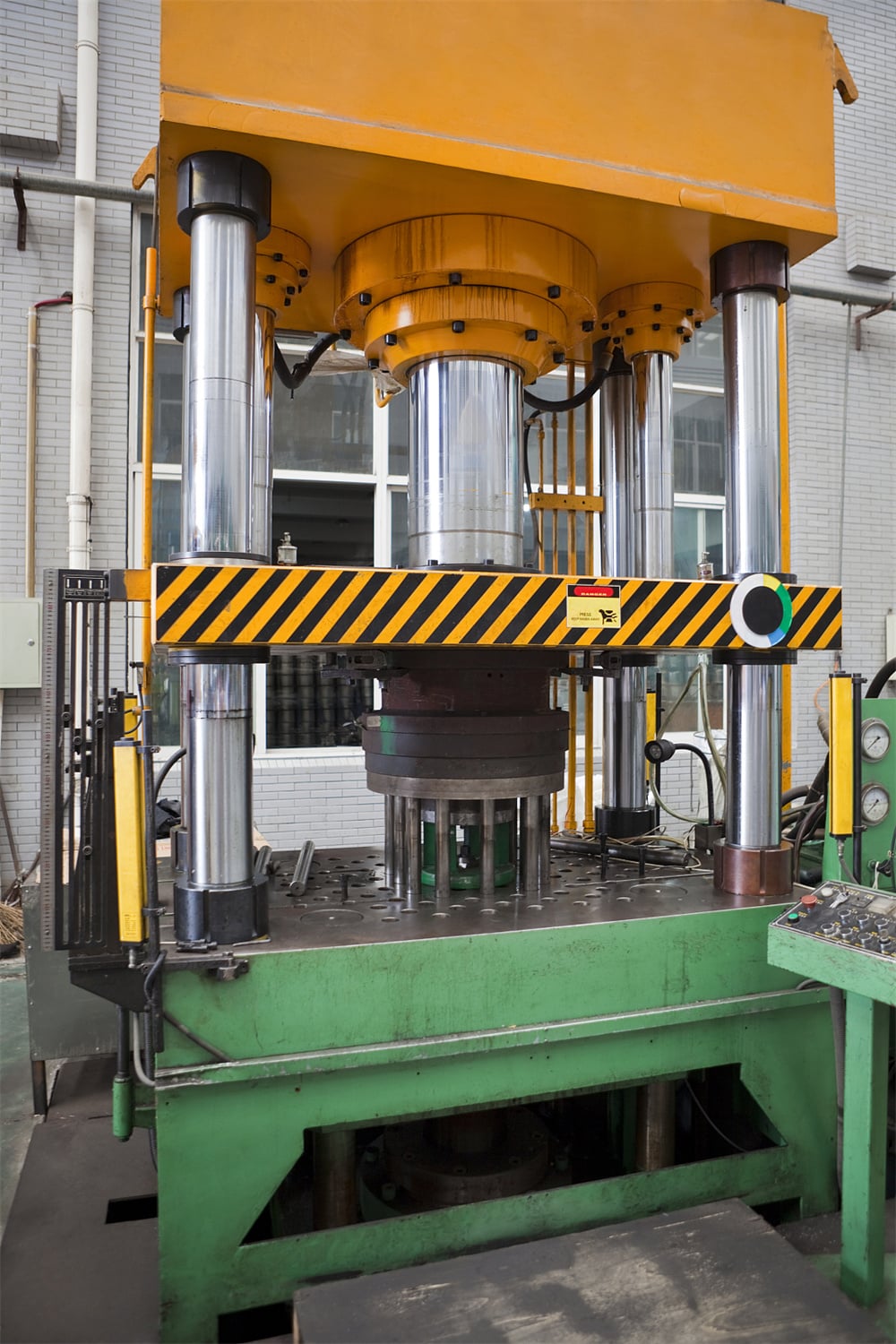
When integrating a hydraulic press into an aerospace manufacturing environment, the primary consideration is the consistency of force application. Aerospace components often involve deep drawing, hot forming, or precision stamping. A hydraulic press provides constant force throughout the entire stroke, which is a significant advantage over mechanical alternatives that only reach peak force at the bottom of the stroke.
Material integrity is another critical factor. Aerospace alloys are sensitive to heat and mechanical stress. Hydraulic presses allow for programmable dwell times, where the press holds the part under pressure for a specific duration. This dwell time is crucial for allowing the material to flow into the die cavity, reducing internal stresses and minimizing the risk of micro-cracking, which could lead to catastrophic failure in flight.
Energy efficiency and environmental impact are increasingly important in modern manufacturing. HARSLE hydraulic presses are engineered with advanced servo-hydraulic systems that consume energy only when the press is in motion. This not only reduces operational costs but also aligns with the sustainability goals of major aerospace contractors who are under pressure to reduce their carbon footprint.
Finally, the integration of Industry 4.0 technology is vital. Modern aerospace manufacturing requires full traceability. Hydraulic presses equipped with digital controllers allow operators to log every cycle, recording pressure, position, and time data. This data is essential for quality assurance and provides a digital birth certificate for every component produced, satisfying the rigorous documentation requirements of aviation authorities.
Technical Details: Why Hydraulic Systems Excel
The technical superiority of the hydraulic press in aerospace lies in its ability to provide variable speed and pressure control. In aerospace applications, the forming process often requires a slow, controlled approach to prevent material thinning or tearing. Hydraulic systems can be programmed to ramp up pressure gradually, ensuring the material conforms to the die without exceeding its elastic limit prematurely.
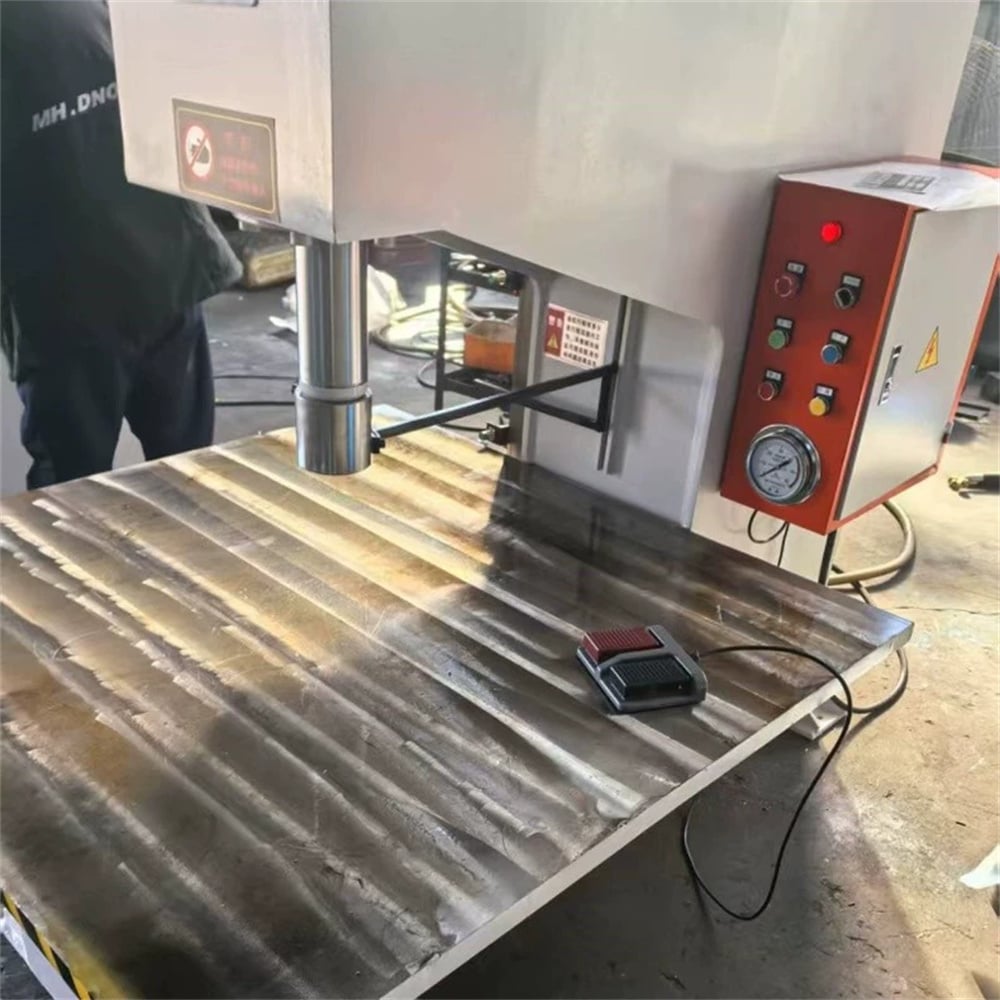
Another technical advantage is the flexibility of the bed size and stroke length. Aerospace parts vary significantly in size, from small brackets to large fuselage panels. A hydraulic press can be customized with large bolster plates and long strokes, providing the versatility needed to handle diverse production runs without requiring multiple specialized machines. This flexibility is a key reason why a hydraulic press improves precision in aerospace component manufacturing.
The use of proportional valves in HARSLE hydraulic systems allows for micro-adjustments during the pressing cycle. These valves can modulate the flow of hydraulic fluid with extreme accuracy, enabling the press to maintain a position tolerance of within a few microns. This level of control is necessary for the tight-fit assemblies required in modern jet engines and wing structures.
Furthermore, the structural rigidity of the press frame is paramount. HARSLE utilizes finite element analysis (FEA) to design frames that minimize deflection under load. Even a slight deflection in the machine frame can lead to inaccuracies in the finished part. By ensuring a rigid, stable platform, the hydraulic press maintains the alignment of the dies, ensuring that the precision built into the tooling is transferred directly to the aerospace component.
Advanced Forming Techniques and Material Science
Beyond standard stamping, hydraulic presses are instrumental in specialized aerospace forming techniques such as hydroforming and hot-die forging. In hydroforming, fluid pressure is used to shape complex, hollow aerospace components that would be impossible to create with traditional mechanical methods. This process ensures uniform wall thickness, which is critical for weight reduction in aircraft structures.
When working with superalloys like Inconel, temperature control is as vital as pressure control. Many HARSLE presses are equipped with integrated heating elements in the bolster plates. By maintaining the material at a specific temperature during the press cycle, the hydraulic system can achieve complex geometries without inducing work hardening or brittle fractures. This synergy between thermal management and hydraulic force is a hallmark of high-end aerospace manufacturing.
Furthermore, the ability to control the ‘cushion’ force in a hydraulic press allows for superior blank holding. By independently controlling the pressure of the blank holder and the main ram, engineers can prevent wrinkling in thin-gauge aluminum sheets. This level of granular control is why a hydraulic press improves precision in aerospace component manufacturing, as it allows for the successful forming of parts that would otherwise be rejected due to surface defects.
Selection Advice for Aerospace Manufacturers
Selecting the right hydraulic press for aerospace applications requires a deep analysis of your specific production needs. Start by evaluating the tonnage requirements. While it is tempting to choose the largest press available, an oversized press can lead to inefficiencies. Calculate the maximum force required for your most demanding part and add a safety margin, but avoid excessive capacity that leads to higher energy consumption.
Consider the control system interface. In the aerospace industry, ease of programming and repeatability are non-negotiable. Look for systems that offer intuitive HMI (Human-Machine Interface) screens, allowing operators to save and recall complex forming recipes. This reduces setup time and eliminates human error, which is a major contributor to scrap rates in high-precision manufacturing.
Safety features are equally important. Aerospace manufacturing environments are high-pressure, and operator safety is paramount. Ensure the press is equipped with light curtains, dual-hand controls, and emergency stop systems that meet international safety standards. HARSLE prioritizes safety by integrating these features directly into the machine architecture, providing peace of mind alongside high performance.
Finally, consider the after-sales support and maintenance requirements. A hydraulic press is a long-term investment. Partnering with a manufacturer like HARSLE ensures access to technical support, spare parts, and preventative maintenance programs. Regular maintenance, such as hydraulic fluid analysis and seal inspections, is critical to keeping the machine operating at peak precision over its entire service life.
Maintenance and Operational Best Practices
To maintain the high level of precision required in aerospace, a rigorous maintenance schedule is mandatory. Hydraulic fluid cleanliness is the single most important factor in the longevity of the system. Contaminants in the fluid can cause wear on proportional valves, leading to drift in pressure and position accuracy. Implementing a regular oil filtration and analysis program ensures that the hydraulic system remains responsive and precise.
Calibration of the press is another essential task. Over time, sensors and transducers can drift. Periodic calibration against certified standards ensures that the force and position data reported by the HMI remain accurate. This is particularly important for AS9100-certified facilities, where documentation of machine capability is a standard requirement for audit compliance.
Operators should also be trained in the nuances of ‘tonnage monitoring.’ By observing the force-time curve of each cycle, operators can detect subtle changes in material properties or tooling wear before they result in out-of-tolerance parts. This proactive approach to quality control is a key benefit of using modern, data-rich hydraulic press systems.
Frequently Asked Questions
- How does a hydraulic press improve precision in aerospace component manufacturing compared to mechanical presses?
Hydraulic presses offer constant force throughout the stroke and programmable dwell times, which allow for better material flow and reduced spring-back in aerospace alloys. - What materials are best suited for hydraulic press forming in aerospace?
Hydraulic presses are ideal for forming titanium, Inconel, stainless steel, and high-strength aluminum, all of which require precise pressure control to prevent structural defects. - Can hydraulic presses be integrated into automated production lines?
Yes, modern hydraulic presses from HARSLE are designed for seamless integration with robotic arms and automated feeding systems, enhancing throughput and consistency. - What maintenance is required to ensure long-term precision?
Regular maintenance includes monitoring hydraulic fluid quality, checking for leaks, calibrating pressure sensors, and inspecting the structural integrity of the press frame and tooling. - Why is dwell time important in aerospace manufacturing?
Dwell time allows the material to settle into the die, which is essential for complex shapes to ensure the part holds its form and meets dimensional tolerances. - How does HARSLE ensure the rigidity of their presses?
HARSLE uses advanced Finite Element Analysis (FEA) during the design phase to optimize frame geometry, ensuring minimal deflection even under maximum rated tonnage.
Conclusion
The integration of high-quality hydraulic presses is a transformative step for any aerospace manufacturer aiming to improve precision and efficiency. By leveraging the unique capabilities of hydraulic force—such as constant pressure, programmable dwell times, and superior structural rigidity—manufacturers can produce components that meet the most demanding industry standards. As we have explored, how a hydraulic press improves precision in aerospace component manufacturing is rooted in the machine’s ability to handle exotic materials with extreme control and repeatability.
HARSLE remains committed to advancing the capabilities of metal fabrication equipment, providing the aerospace industry with the tools necessary for innovation. By carefully selecting the right machine, prioritizing maintenance, and utilizing advanced control systems, your facility can achieve the precision required to build the next generation of aircraft. Investing in the right hydraulic press is not just about buying a machine; it is about securing the quality and reliability of your aerospace components for years to come.












