Hydraulic Press Uses In Construction Material Structural Part Fabrication: A Comprehensive Guide


Introduction to Hydraulic Press Uses In Construction Material Structural Part Fabrication
In the modern landscape of infrastructure development, the demand for precision-engineered structural components has reached an all-time high. Hydraulic presses serve as the backbone of this industry, providing the immense force required to shape, bend, and mold raw metal into the critical components that support our buildings, bridges, and transport networks. Understanding the hydraulic press uses in construction material structural part fabrication is essential for manufacturers looking to optimize their production lines and ensure the highest standards of safety and durability.
HARSLE, as a leader in metal fabrication equipment, recognizes that the versatility of hydraulic technology is unmatched. Whether it is deep drawing, punching, or precision forming, these machines offer the consistency and power necessary to handle high-strength alloys and heavy-gauge steel. By leveraging advanced hydraulic systems, fabricators can achieve complex geometries that were previously impossible with traditional mechanical presses, thereby pushing the boundaries of architectural design and structural integrity.
The integration of hydraulic presses into the construction supply chain has revolutionized how we approach mass production of structural parts. From steel beams and reinforcement plates to specialized fasteners and architectural cladding, the hydraulic press is the silent workhorse behind the scenes. This article explores the technical nuances, operational advantages, and strategic selection criteria for deploying these machines in a high-stakes construction environment.
As we delve deeper into the specific applications, it becomes clear that the choice of machinery directly impacts the bottom line. Efficiency, energy consumption, and repeatability are the metrics that define success in this sector. HARSLE provides the technological edge required to meet these demands, ensuring that every structural part produced meets international quality standards while maintaining cost-effectiveness for the manufacturer.
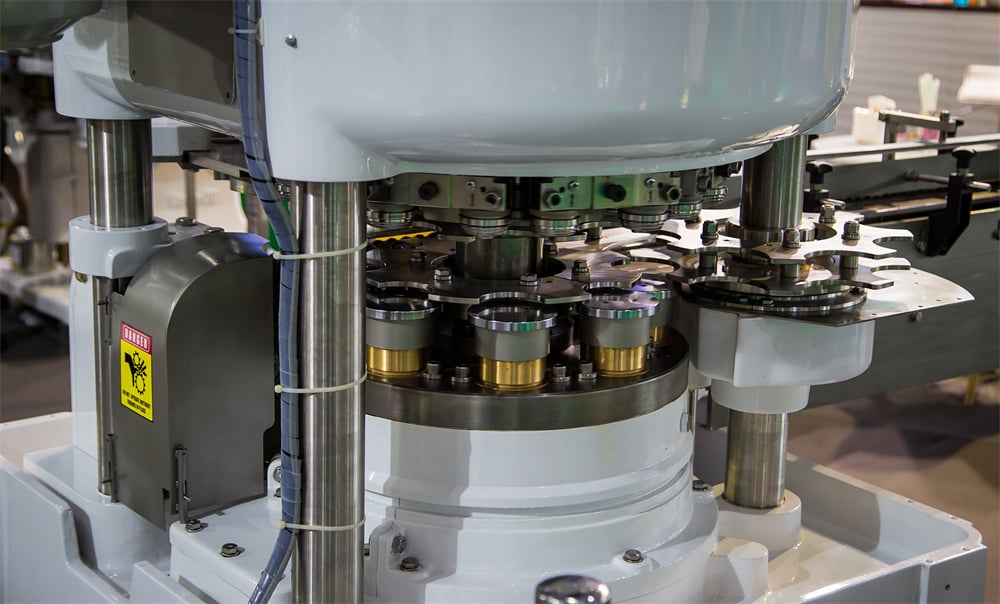
Key Considerations for Structural Part Fabrication
When integrating hydraulic presses into a construction-focused fabrication facility, the first consideration must be the material properties. Construction materials often involve high-tensile steel, stainless steel, or specialized aluminum alloys. These materials require precise control over pressure and speed to prevent cracking, spring-back, or structural weakening during the forming process. A hydraulic press offers the unique advantage of constant pressure throughout the entire stroke, which is critical for uniform material deformation.
Another vital factor is the tonnage capacity of the equipment. Structural parts often require significant force to achieve the desired shape. Manufacturers must calculate the maximum load requirements based on the thickness and surface area of the material. Underestimating the required tonnage can lead to machine fatigue and poor part quality, while overestimating can lead to unnecessary energy expenditure and higher capital costs. HARSLE engineers work closely with clients to determine the optimal tonnage for their specific structural applications.
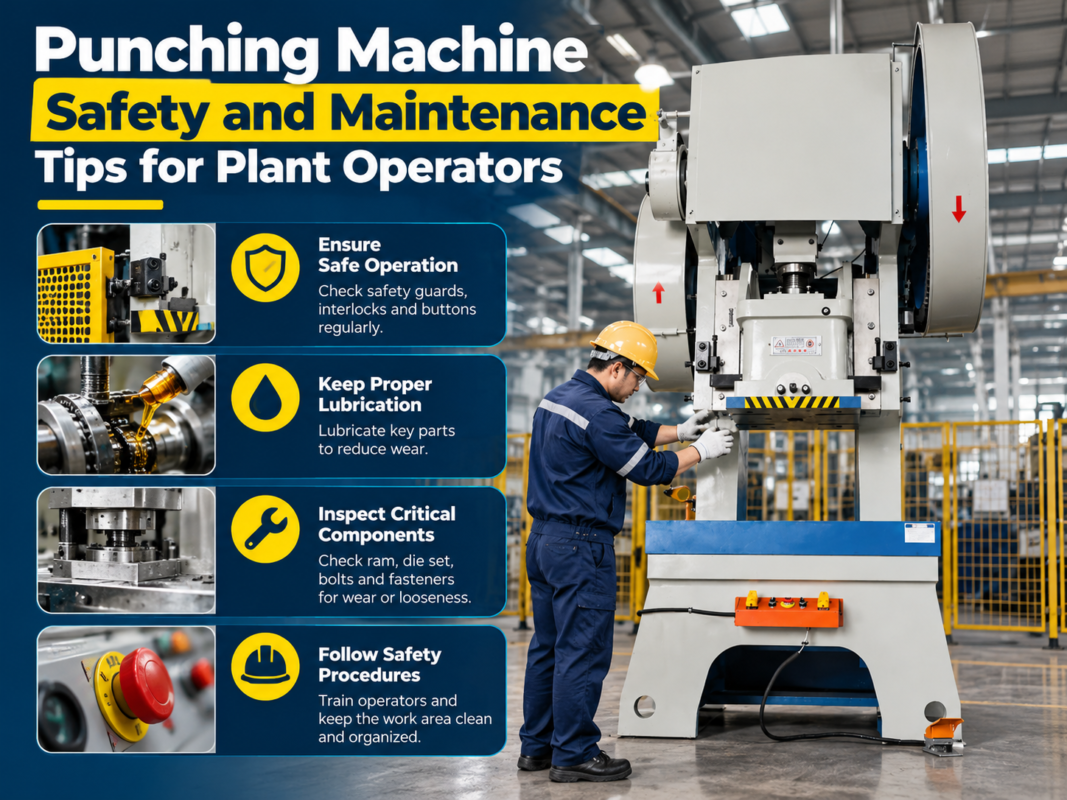
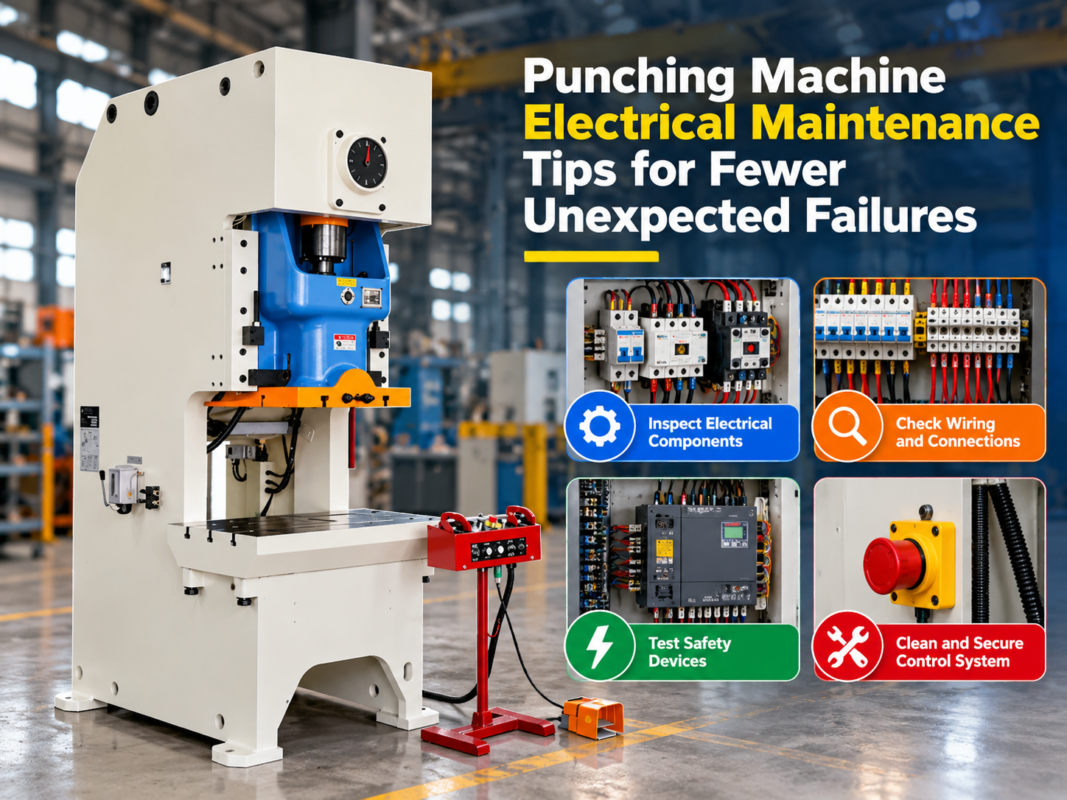
Operational safety is non-negotiable in the construction fabrication industry. Hydraulic presses generate immense power, and the risk of mechanical failure or operator error must be mitigated through advanced safety features. Modern presses are equipped with light curtains, dual-hand controls, and emergency stop systems that comply with global safety standards. These features not only protect the workforce but also ensure that the production process remains uninterrupted by safety-related downtime.
Finally, the flexibility of the machine to handle diverse production runs is a key consideration. Construction projects often require custom parts in varying batch sizes. A hydraulic press with programmable logic controllers (PLC) allows for rapid tool changes and parameter adjustments. This adaptability is crucial for manufacturers who need to switch between producing base plates, gussets, and specialized structural connectors without significant retooling time, thereby maximizing the return on investment.
Technical Details of Hydraulic Press Applications
The technical versatility of the hydraulic press is best demonstrated through its various applications in structural fabrication. Deep drawing is perhaps the most common, where flat metal sheets are transformed into hollow shapes. This is essential for creating structural housings, protective covers, and specialized architectural elements. The hydraulic press allows for controlled material flow, which is vital for maintaining wall thickness and structural strength in deep-drawn parts.
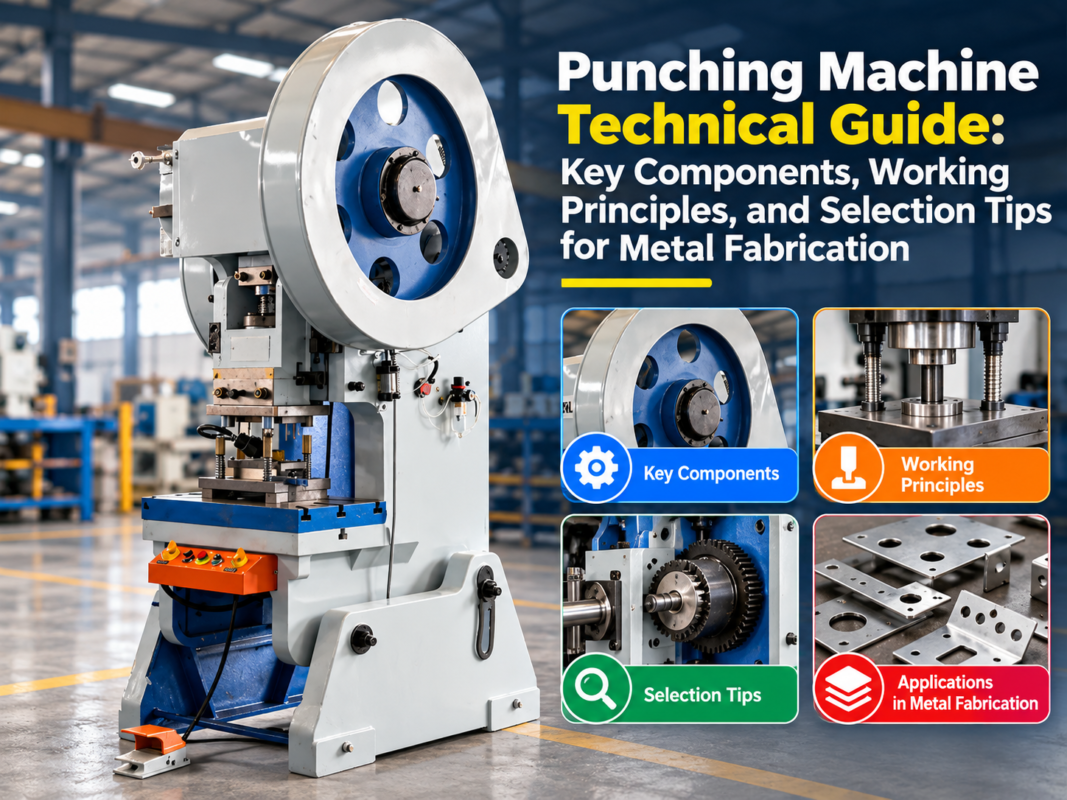
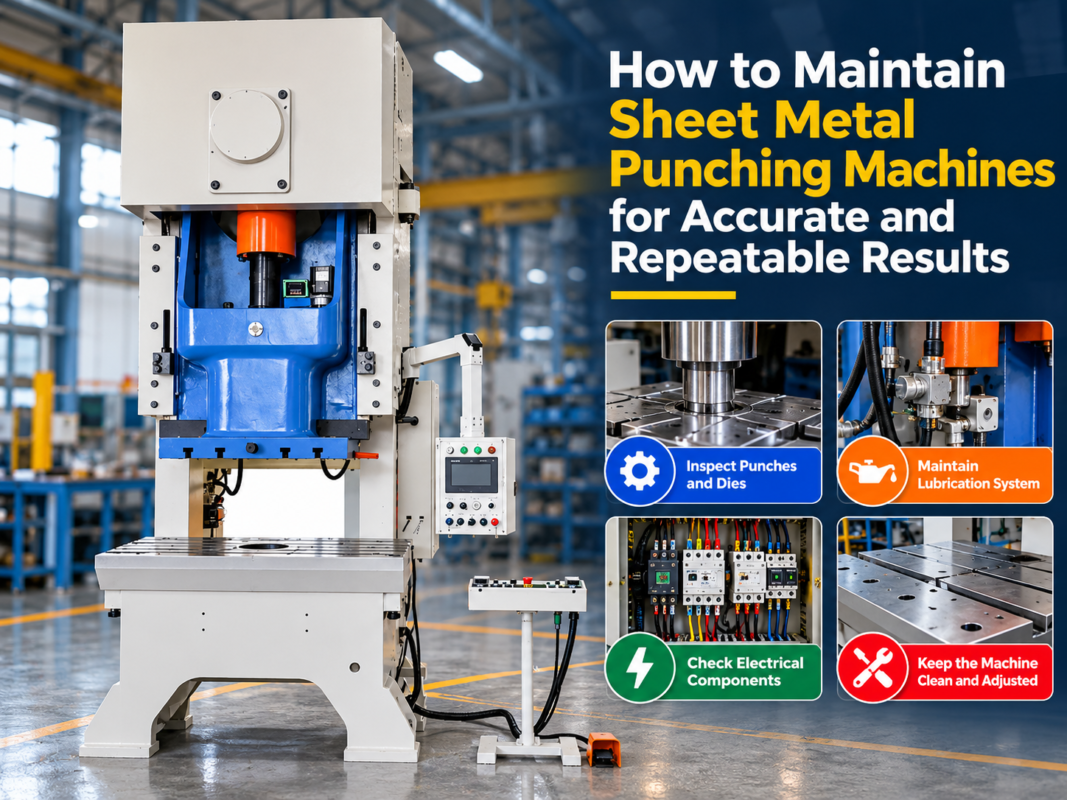
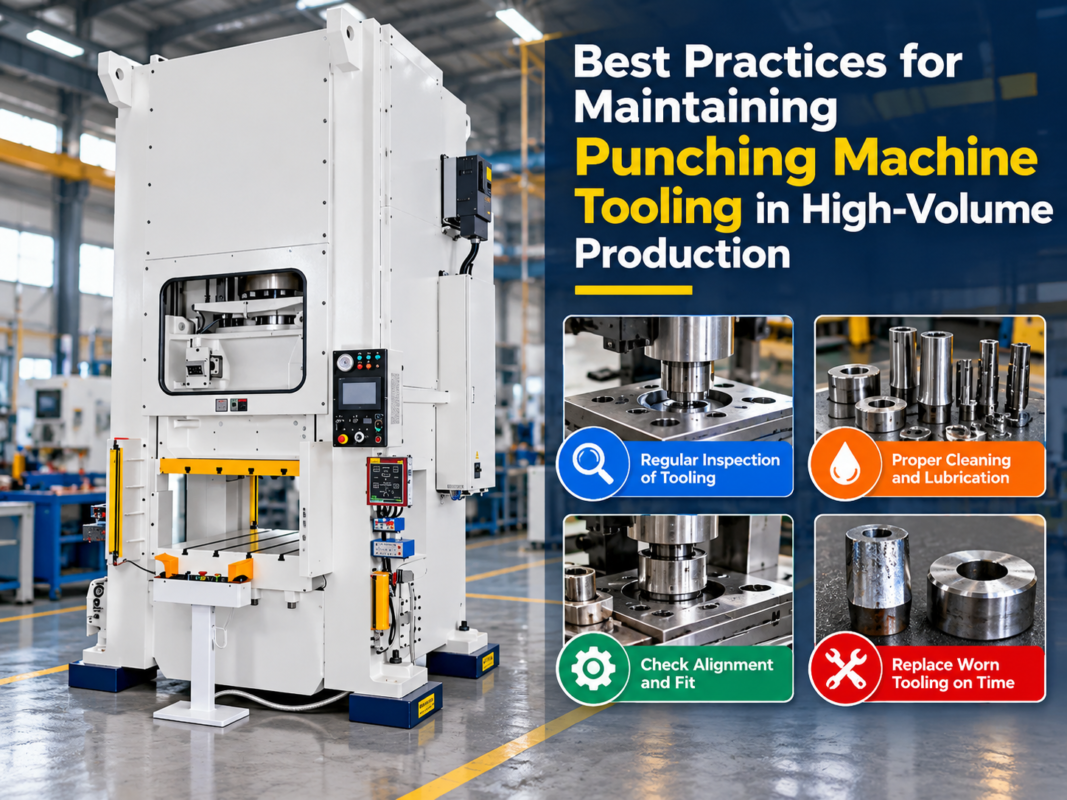
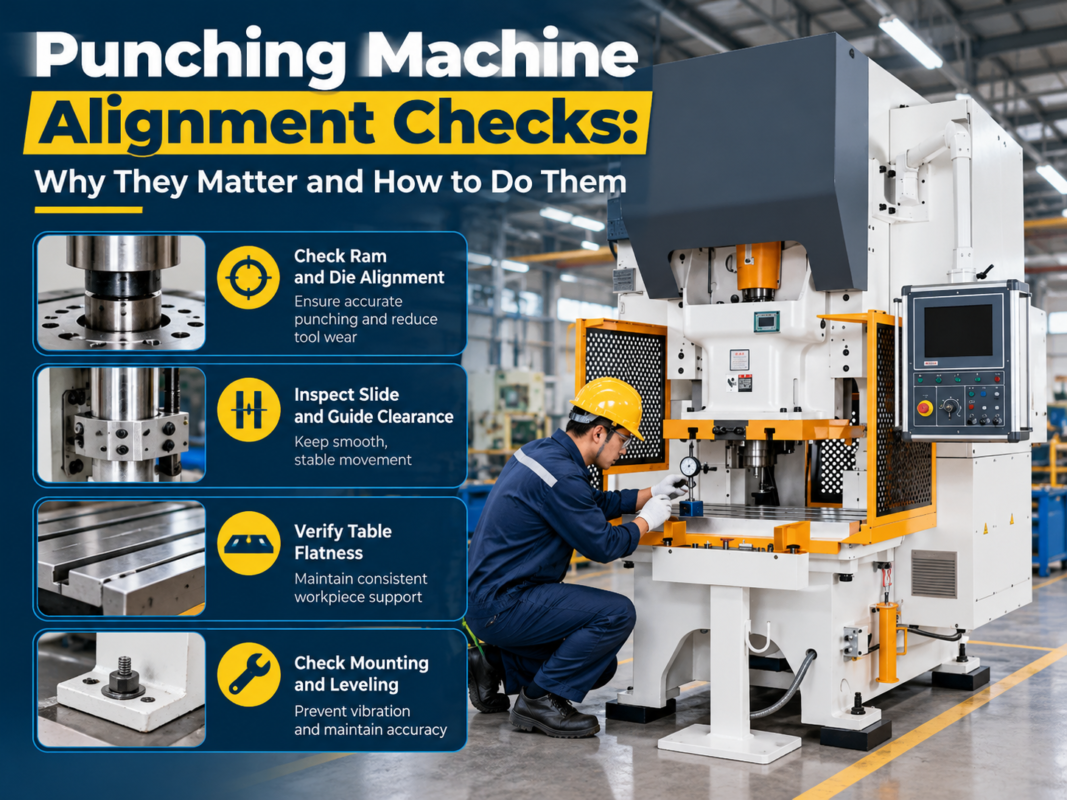
Punching and blanking are also critical processes where the hydraulic press excels. By using high-precision dies, manufacturers can create perfectly aligned holes for bolts and fasteners in heavy-duty steel plates. The hydraulic system ensures that the punch enters the material with the correct velocity, reducing wear on the tooling and ensuring clean, burr-free edges. This precision is essential for structural components that must fit together perfectly on a construction site.
Bending and forming represent another major category of hydraulic press uses in construction material structural part fabrication. Whether it is creating U-channels, Z-profiles, or complex curved beams, the hydraulic press provides the consistent force needed to bend thick metal without compromising its internal grain structure. This is particularly important for structural integrity, as improper bending can create stress risers that lead to premature failure under load.
Furthermore, the use of hydraulic presses in coining and embossing allows for the addition of structural reinforcements or identification markings directly onto the part. Coining, in particular, can be used to increase the hardness of specific areas of a component, providing extra durability where it is needed most. These technical capabilities allow construction fabricators to produce parts that are not only functional but also optimized for the specific stresses they will encounter in the field.
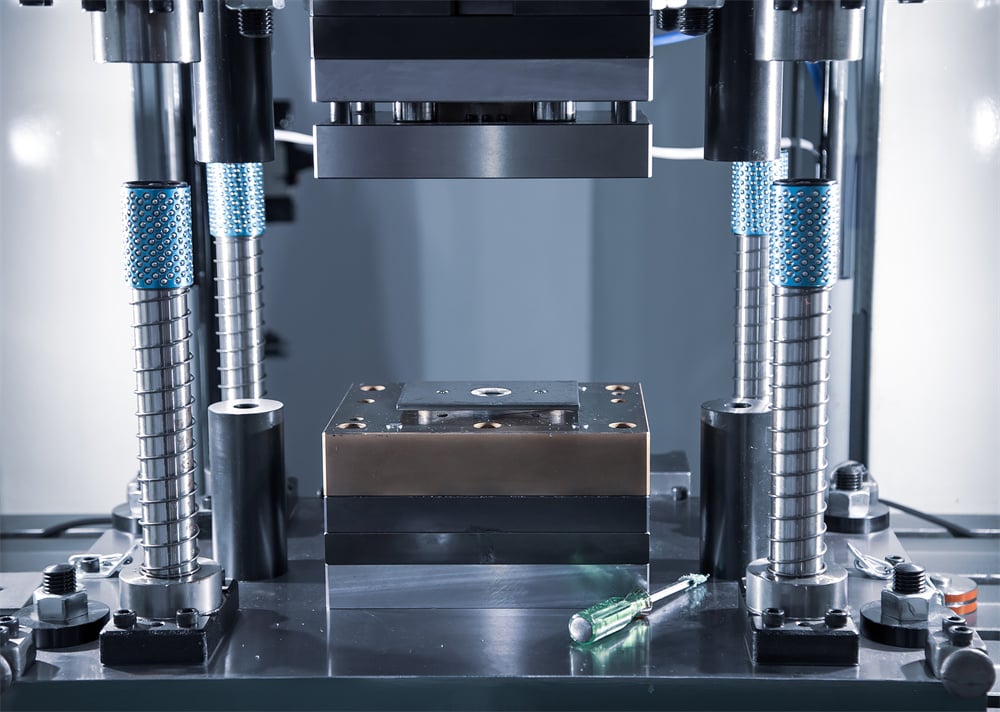
Selection Advice for Construction Fabricators
Choosing the right hydraulic press requires a strategic approach that balances immediate production needs with long-term growth. The first step is to analyze the range of parts currently being produced and those planned for the future. If your facility focuses on heavy structural steel, a four-column hydraulic press with a large bed area and high tonnage is likely the best choice. For smaller, more intricate structural connectors, a C-frame press might offer better accessibility and faster cycle times.
Energy efficiency is an increasingly important selection criterion. Modern hydraulic presses from HARSLE feature servo-driven motors that adjust pump speed based on demand. This significantly reduces energy consumption during idle periods and lowers the overall carbon footprint of the fabrication facility. When comparing different models, look for systems that offer energy-saving modes and high-efficiency hydraulic components, as these will pay for themselves through reduced utility bills over the life of the machine.
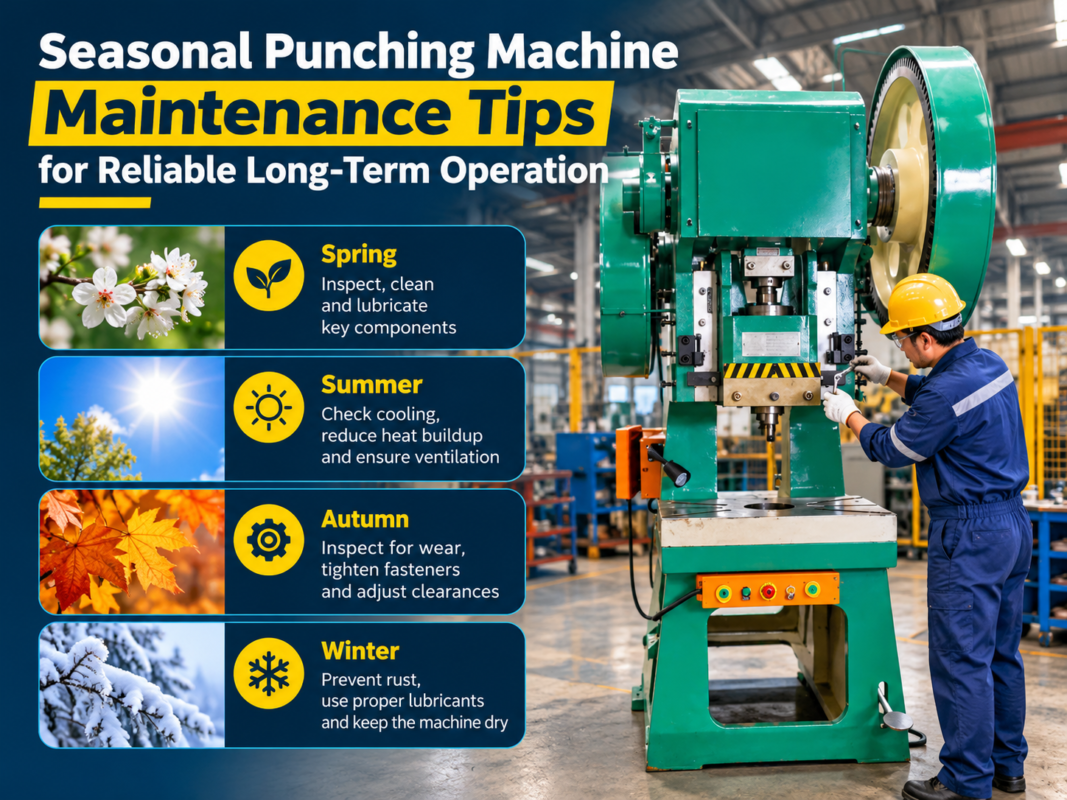
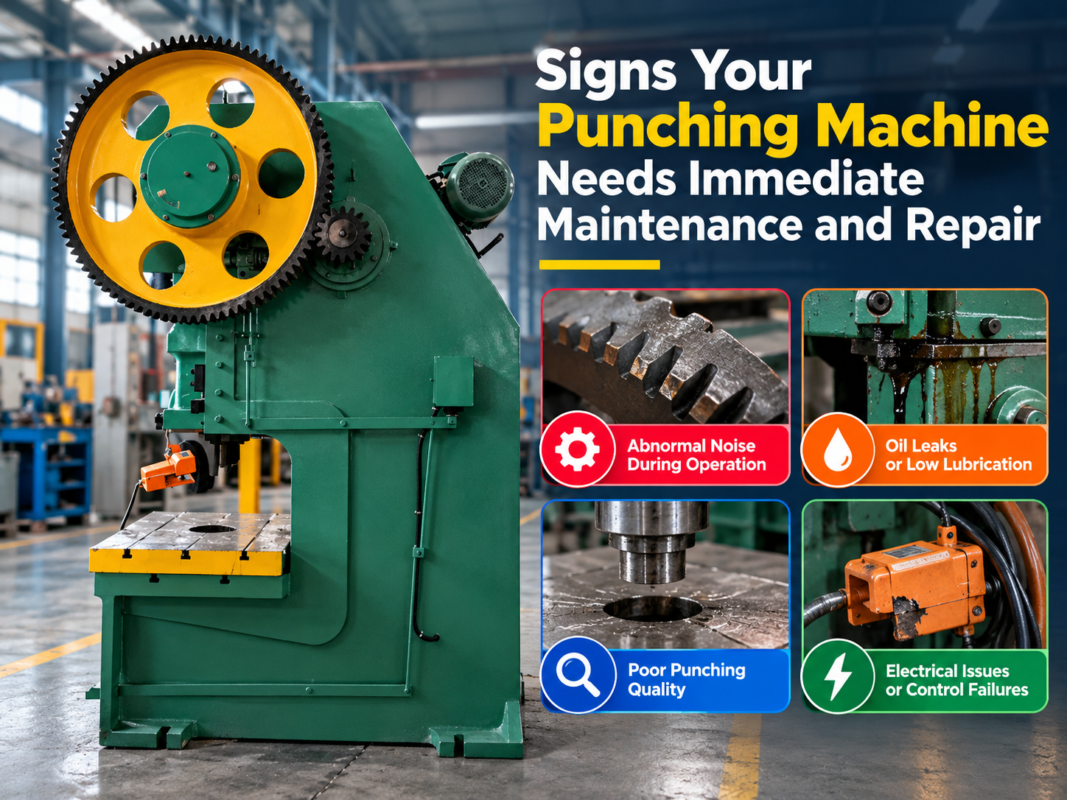
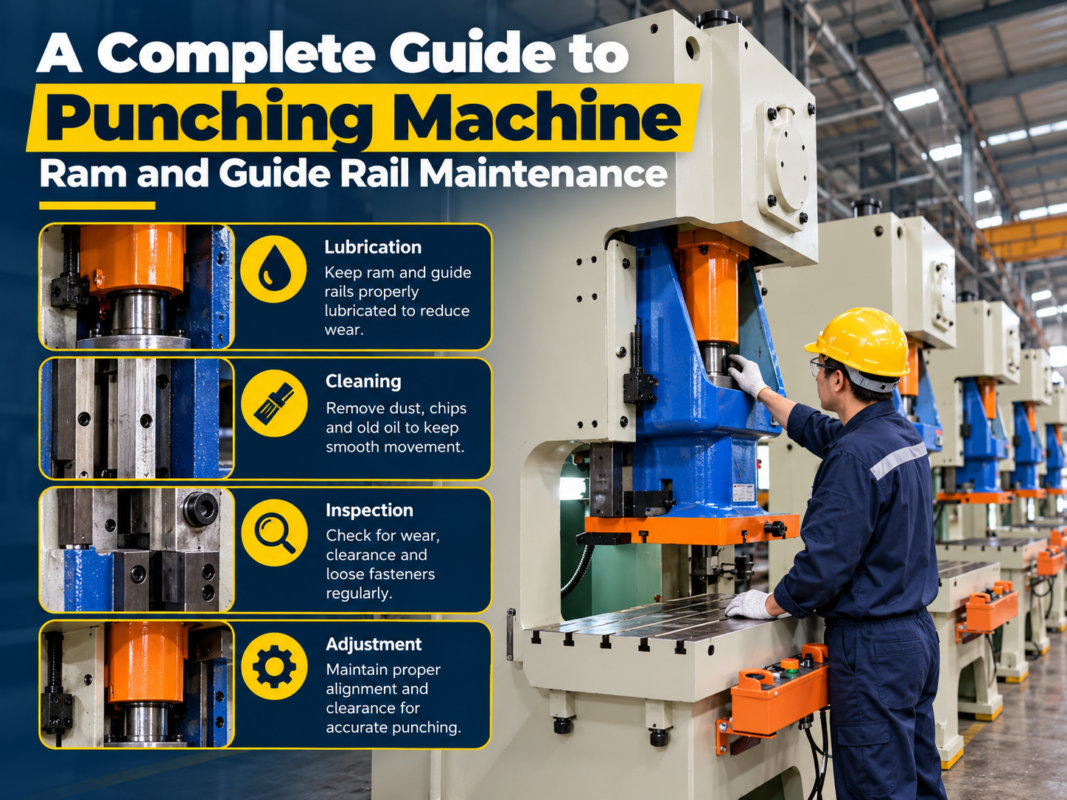
Maintenance and support are also critical factors. A hydraulic press is a complex piece of machinery that requires regular servicing to maintain peak performance. When selecting a supplier, ensure they provide comprehensive training for your operators and maintenance staff. HARSLE offers robust after-sales support, including spare parts availability and remote diagnostic capabilities, which are essential for minimizing downtime in a fast-paced construction supply chain.
Finally, consider the integration of automation. As the construction industry moves toward Industry 4.0, the ability to integrate your hydraulic press with robotic loading and unloading systems can provide a significant competitive advantage. Automated systems not only increase throughput but also ensure consistent quality by removing the variability associated with manual handling. Discuss your long-term automation goals with your supplier to ensure the press you purchase today is compatible with the technologies of tomorrow.
FAQ: Hydraulic Press Uses In Construction Material Structural Part Fabrication
What are the primary benefits of using a hydraulic press for structural fabrication?
Hydraulic presses offer constant pressure throughout the stroke, allowing for uniform material deformation. This is critical for high-strength structural parts where consistency is key to safety and performance. They are also highly versatile, capable of performing deep drawing, punching, and bending with high precision.
How do I determine the correct tonnage for my structural parts?
The required tonnage is calculated based on the material type, thickness, and the surface area of the forming operation. It is recommended to consult with HARSLE engineers, who can perform a force analysis based on your specific part drawings to ensure you select a machine with adequate capacity.
Can a hydraulic press be used for both small and large structural components?
Yes, hydraulic presses come in various configurations, from compact C-frame models for smaller parts to massive four-column or frame-style presses for large structural beams and plates. The key is selecting a machine with the appropriate bed size and daylight opening for your specific range of parts.
What maintenance is required for a hydraulic press?
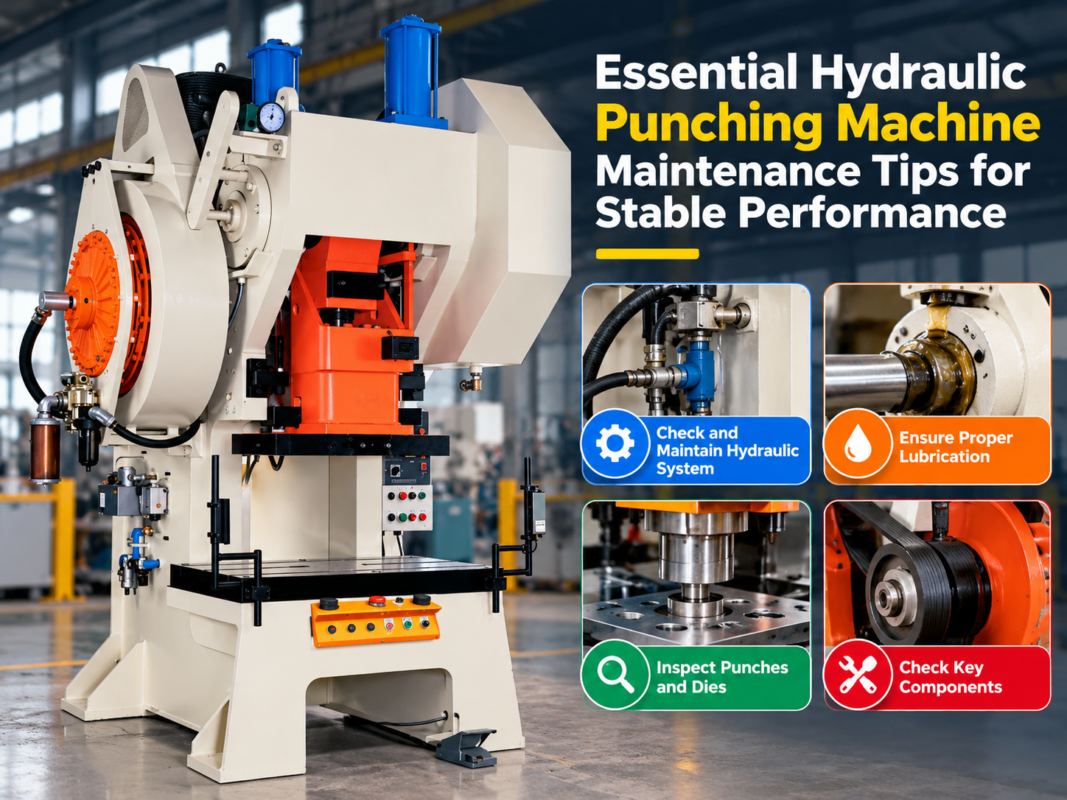
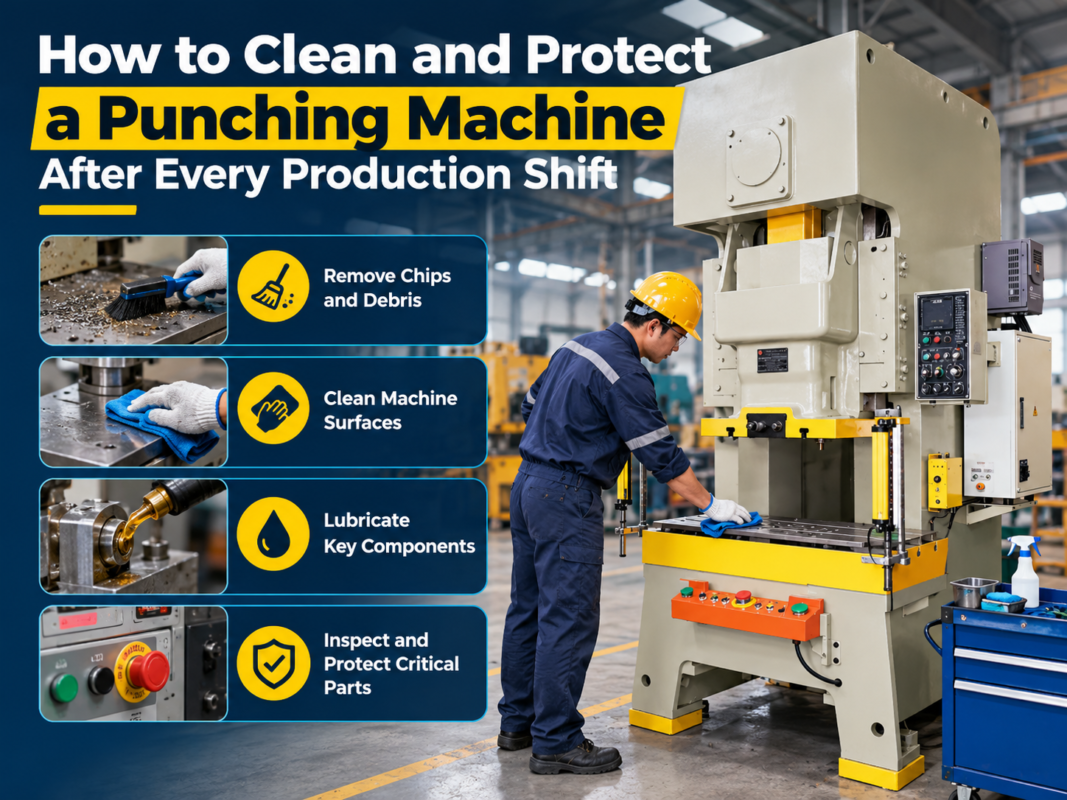
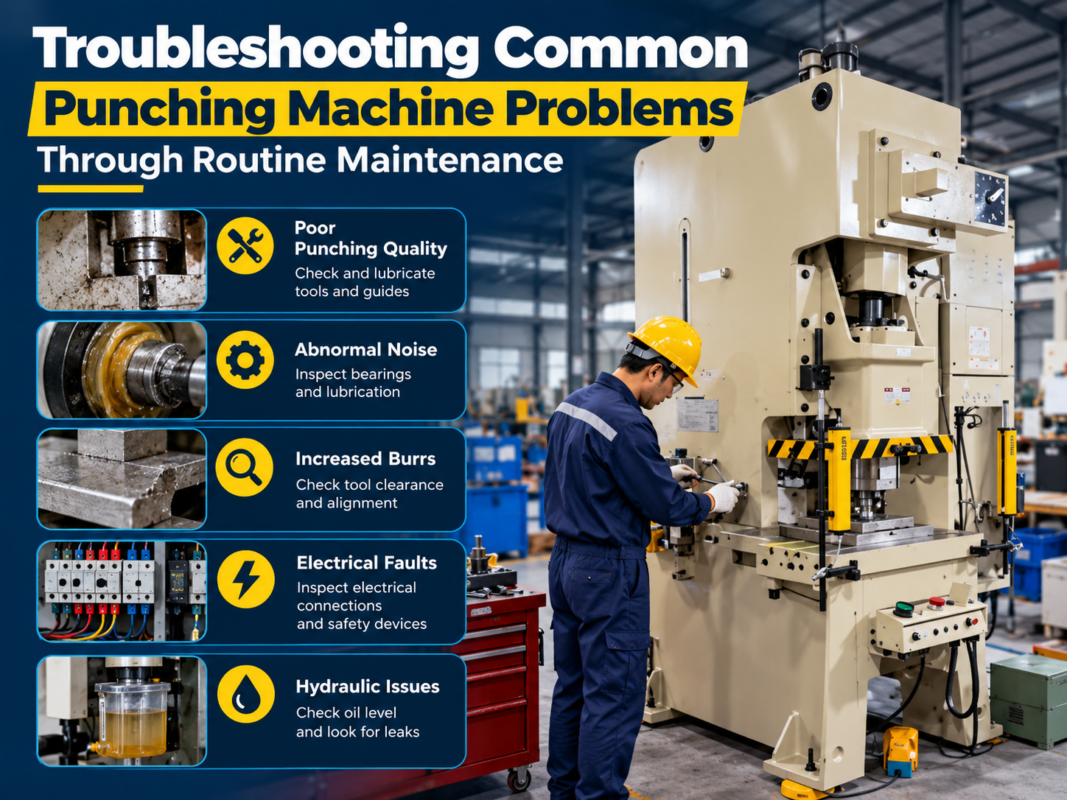
Regular maintenance includes checking hydraulic fluid levels and quality, inspecting seals and hoses for leaks, lubricating moving parts, and ensuring that the electrical and control systems are functioning correctly. HARSLE provides a detailed maintenance schedule with every machine to ensure longevity.
How does HARSLE support its clients in the construction industry?
HARSLE provides end-to-end support, including technical consultation, machine selection, installation, operator training, and ongoing maintenance services. Our goal is to ensure that your fabrication equipment operates at peak efficiency to meet the demanding timelines of the construction sector.
Conclusion
The role of hydraulic presses in the fabrication of construction materials and structural parts cannot be overstated. As the industry continues to evolve toward higher precision and more complex structural designs, the reliance on robust, versatile, and efficient machinery will only grow. By understanding the hydraulic press uses in construction material structural part fabrication, manufacturers can make informed decisions that enhance their production capabilities and ensure the long-term success of their operations.
HARSLE remains committed to providing the advanced technology and expert guidance necessary to navigate this complex landscape. From the initial selection of the right tonnage to the implementation of energy-saving servo systems and automated workflows, we partner with our clients to build the infrastructure of the future. Investing in high-quality hydraulic equipment is not just a capital expenditure; it is a strategic move toward reliability, safety, and excellence in the competitive world of construction fabrication.
As you evaluate your current production needs, consider the long-term benefits of upgrading to modern hydraulic solutions. The precision, speed, and consistency provided by HARSLE machinery will allow you to take on more challenging projects, improve your product quality, and ultimately secure a stronger position in the market. Contact our team today to learn more about how our hydraulic press solutions can be tailored to your specific structural fabrication requirements.