How Hydraulic Presses Are Applied in Ceramic and Powder Metallurgy Production: A Comprehensive Guide


Introduction
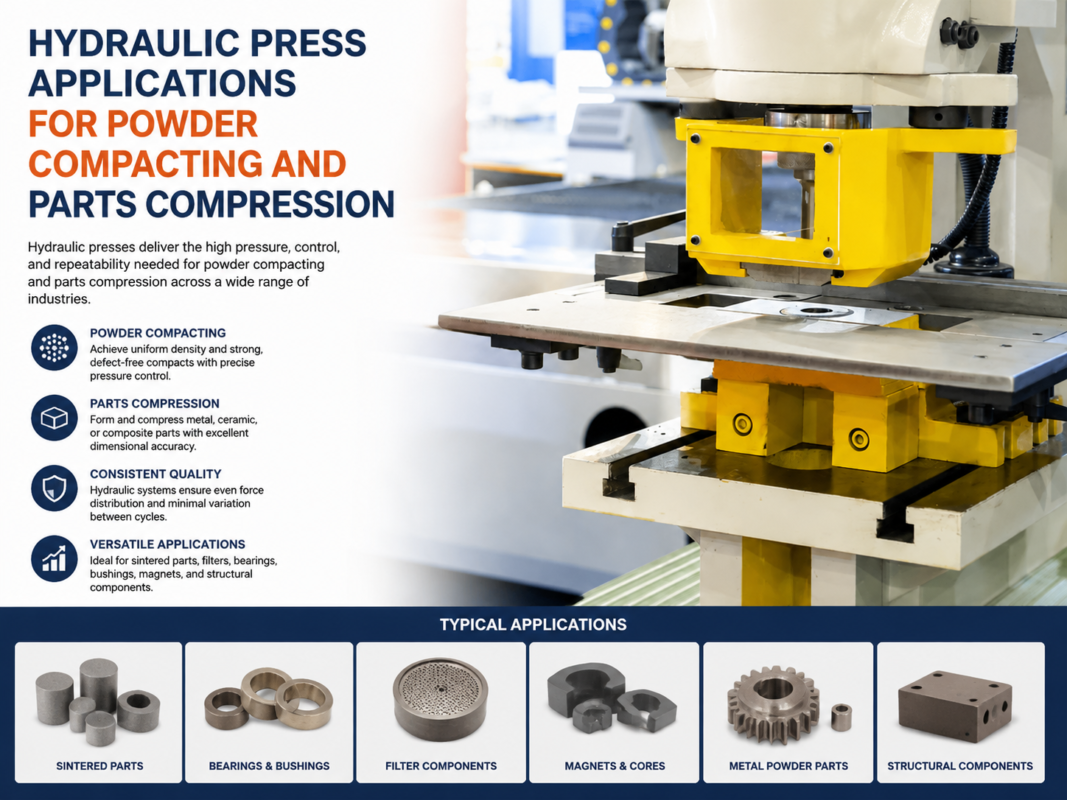
In the modern landscape of advanced manufacturing, the precision of material processing defines the quality of the final product. When discussing how hydraulic presses are applied in ceramic and powder metallurgy production, we are looking at the backbone of high-density component manufacturing. These industries rely on the ability to exert immense, controlled force to transform loose powders into solid, high-performance parts. HARSLE, as a leader in industrial machinery, provides the specialized hydraulic systems necessary to meet these rigorous demands.
The process of powder compaction is fundamentally different from traditional metal cutting or forming. It requires a sophisticated balance of pressure, speed, and dwell time to ensure that the internal structure of the material is uniform. Whether dealing with advanced technical ceramics or complex metal alloys, the hydraulic press acts as the primary engine for densification. By understanding the mechanics behind this process, manufacturers can optimize their production lines for better yield and structural integrity.
This guide explores the technical nuances of using hydraulic presses in these specific sectors. We will delve into the physics of compaction, the importance of cycle control, and the specific features that make HARSLE hydraulic presses the preferred choice for industrial applications. From automotive components to aerospace ceramics, the role of the hydraulic press is indispensable in achieving the material properties required for modern engineering.
Key Considerations for Powder Compaction
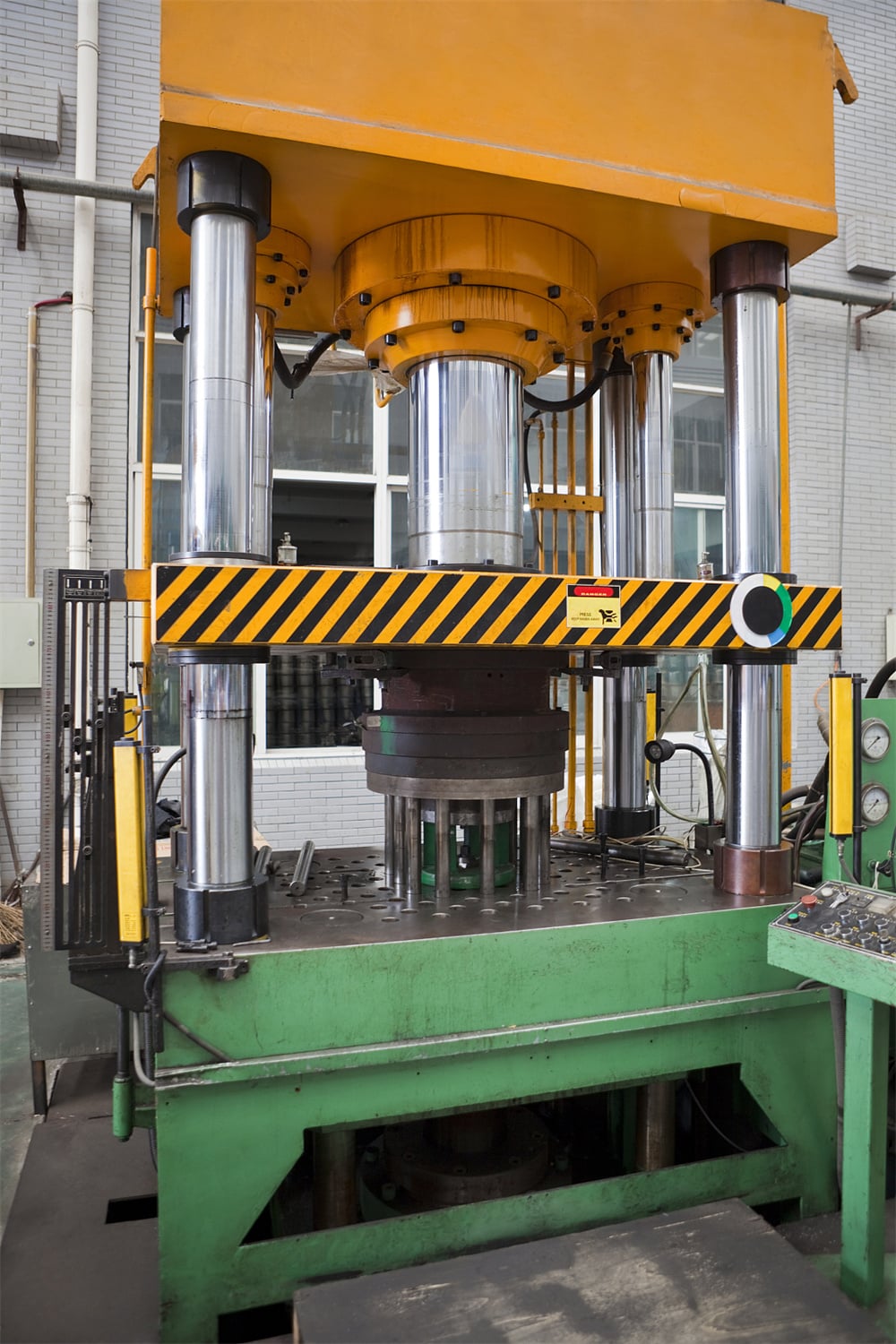
When considering how hydraulic presses are applied in ceramic and powder metallurgy production, the primary challenge is achieving uniform density. Unlike liquid molding, powder particles do not flow easily. Friction between the particles and the die wall often leads to density gradients, which can cause cracking or warping during the subsequent sintering process. Therefore, the press must offer precise control over the compaction stroke and pressure application.
Another critical factor is the air evacuation process. As the powder is compressed, the air trapped between particles must be allowed to escape. If the press moves too quickly or lacks a controlled decompression phase, the trapped air can cause the green compact to expand or fracture upon ejection. HARSLE presses are engineered with programmable pressure curves to manage this transition smoothly, ensuring the structural integrity of the part before it enters the furnace.
Tooling design is inextricably linked to the press performance. The hydraulic system must be capable of supporting multi-action tooling, where different punches move independently to compress complex geometries. This is especially vital in powder metallurgy, where parts often feature varying thicknesses. A press that cannot synchronize these movements will result in uneven density, leading to failure in the final sintered component.
Finally, the repeatability of the cycle is paramount. In mass production, every part must be identical. Hydraulic presses offer a significant advantage over mechanical presses in this regard, as they can maintain consistent pressure regardless of minor variations in powder volume or ambient temperature. This consistency is the hallmark of high-quality ceramic and powder metallurgy production, and it is a core design philosophy at HARSLE.
Technical Details of the Compaction Process
The technical application of hydraulic presses in these fields involves a multi-stage cycle: filling, compaction, dwell, and ejection. During the filling stage, the cavity is filled with a precise volume of powder. The hydraulic press then initiates the compaction stroke. In powder metallurgy, this is often a double-action process where both the top and bottom punches move to ensure that the pressure is distributed evenly throughout the material volume.
Dwell time is a critical technical parameter. During the dwell phase, the press maintains maximum pressure for a specific duration. This allows the particles to rearrange and deform slightly, filling the voids and increasing the green density. For ceramic materials, this stage is particularly important to prevent internal stresses that could lead to micro-cracks during the firing process. HARSLE’s advanced hydraulic control systems allow for millisecond-level adjustments to this dwell time.
Ejection is the final, and often most delicate, part of the cycle. The hydraulic press must provide a smooth, controlled withdrawal of the punches to prevent the compact from breaking due to internal elastic recovery. The press must also manage the stripping force required to overcome the friction between the part and the die wall. Modern hydraulic systems use proportional valves to ensure that this force is applied gently, protecting the fragile green compact.
Temperature control is also becoming increasingly relevant. In some specialized powder metallurgy applications, warm compaction is used to improve the flowability of the powder and the final density of the part. HARSLE presses can be integrated with heated die systems, allowing for precise thermal management throughout the compaction cycle. This level of integration is what separates standard metal fabrication equipment from specialized powder processing machinery.
Selection Advice for Manufacturers
Choosing the right hydraulic press for ceramic and powder metallurgy requires a deep analysis of your production goals. First, determine the required tonnage. This is calculated based on the surface area of the part and the specific compaction pressure required for the material. It is always advisable to select a press with a slightly higher capacity than your current needs to account for future product development or harder material grades.
Consider the control system architecture. A modern press should feature a PLC-based control system with a user-friendly HMI (Human-Machine Interface). This allows operators to save recipes for different parts, ensuring that the pressure, speed, and dwell settings are perfectly replicated every time. HARSLE’s control interfaces are designed to minimize operator error and maximize throughput, which is essential for high-volume production environments.
Look for energy efficiency features. Hydraulic presses can be power-intensive, but modern designs utilizing variable frequency drives (VFDs) and servo-hydraulic systems can significantly reduce energy consumption. These systems only provide the required pressure on demand, rather than running the pump at full capacity throughout the entire cycle. This not only lowers operational costs but also reduces heat generation in the hydraulic oil, extending the life of the machine components.
Maintenance accessibility is another crucial factor. In powder metallurgy, the environment can be dusty and abrasive. Ensure that the press has robust sealing on all hydraulic cylinders and that the electrical cabinets are properly filtered and cooled. HARSLE provides comprehensive maintenance manuals and support, ensuring that your equipment remains in peak condition despite the challenging nature of powder processing.
FAQ: Hydraulic Presses in Powder Processing
- Why is a hydraulic press better than a mechanical press for powder compaction? Hydraulic presses offer superior control over pressure and dwell time, which is essential for achieving uniform density in complex powder parts.
- How do I prevent cracking in ceramic parts during compaction? Cracking is often caused by uneven pressure or rapid decompression. Using a press with programmable pressure curves and controlled ejection speeds can mitigate this.
- What is the role of dwell time in powder metallurgy? Dwell time allows for the rearrangement of particles, which is necessary to achieve the desired green density and structural homogeneity.
- Can HARSLE customize presses for specific powder applications? Yes, HARSLE offers bespoke engineering solutions to tailor press tonnage, bed size, and control logic to your specific material requirements.
- How often should I perform maintenance on my hydraulic press? Regular maintenance, including oil analysis and seal inspection, should be performed according to the manufacturer’s schedule, typically every 500 to 1000 operating hours.
Conclusion
Understanding how hydraulic presses are applied in ceramic and powder metallurgy production is essential for any manufacturer looking to scale their operations. The ability to transform raw powders into high-performance components relies on the precision, control, and reliability of the hydraulic system. By focusing on uniform density, controlled decompression, and repeatable cycle times, manufacturers can produce parts that meet the most stringent industry standards.
HARSLE remains committed to advancing the capabilities of hydraulic press technology. Our machines are designed not just to provide force, but to provide the intelligence and flexibility required for modern material science. Whether you are working with advanced technical ceramics or complex metal powders, HARSLE provides the equipment and expertise to help you succeed. Investing in the right hydraulic press is an investment in the long-term quality and efficiency of your production line.
As the industry continues to evolve toward higher precision and more complex geometries, the role of the hydraulic press will only become more critical. By partnering with a manufacturer that understands the nuances of powder compaction, you ensure that your facility is equipped to handle the challenges of tomorrow. Explore the HARSLE range of hydraulic presses today and discover how we can elevate your manufacturing process to the next level.