How a Press Brake Case Study Cut Bend Errors by 37% in Sheet Metal Fabrication


Introduction: The Quest for Precision in Modern Fabrication
In the competitive landscape of modern metal fabrication, precision is not merely a goal; it is the baseline requirement for survival. For many job shops and large-scale manufacturing facilities, the difference between profitability and waste lies in the accuracy of the bending process. When a facility experiences high scrap rates, it often points to outdated machinery or a lack of integration between design software and the shop floor. This article explores how a press brake case study cut bend errors by 37% in sheet metal fabrication, providing a roadmap for shops looking to optimize their production cycles.
The case study focuses on a mid-sized fabrication firm that struggled with inconsistent bend angles, spring-back issues, and lengthy setup times. By transitioning to advanced HARSLE CNC hydraulic press brake technology, the firm was able to stabilize its production environment. This transformation was not just about the hardware; it was about the synergy between intelligent control systems and high-precision mechanical components. As we delve into the technical details, you will see how specific features—such as active crowning and laser angle measurement—played a pivotal role in this 37% reduction in errors.
Understanding the mechanics of this improvement requires looking at the entire workflow, from CAD/CAM integration to the final inspection of the bent part. Many fabricators underestimate the impact of material variability and thermal expansion on the bending process. By implementing a data-driven approach, the firm in our study managed to turn a chaotic production floor into a streamlined, high-precision operation. This article serves as a comprehensive guide for shop managers and engineers aiming to replicate these results using HARSLE equipment.
Ultimately, the goal of this analysis is to provide actionable insights. We will break down the technical hurdles the firm faced, the specific machinery upgrades that were implemented, and the long-term maintenance strategies that ensured the 37% error reduction was sustainable. Whether you are dealing with thin-gauge aluminum or heavy-duty structural steel, the principles of precision bending remain consistent. Let us examine how modern technology is redefining the standards of the metal fabrication industry.
Key Considerations for Reducing Bend Errors
The first step in addressing high error rates is identifying the root causes of inaccuracy. In many cases, bend errors are cumulative, stemming from a combination of material thickness variations, tool wear, and operator error. When a press brake case study cut bend errors by 37% in sheet metal fabrication, the primary focus was on eliminating these variables through automation and real-time feedback loops. The first consideration is the material itself; even slight variations in tensile strength can lead to significant deviations in the final bend angle.
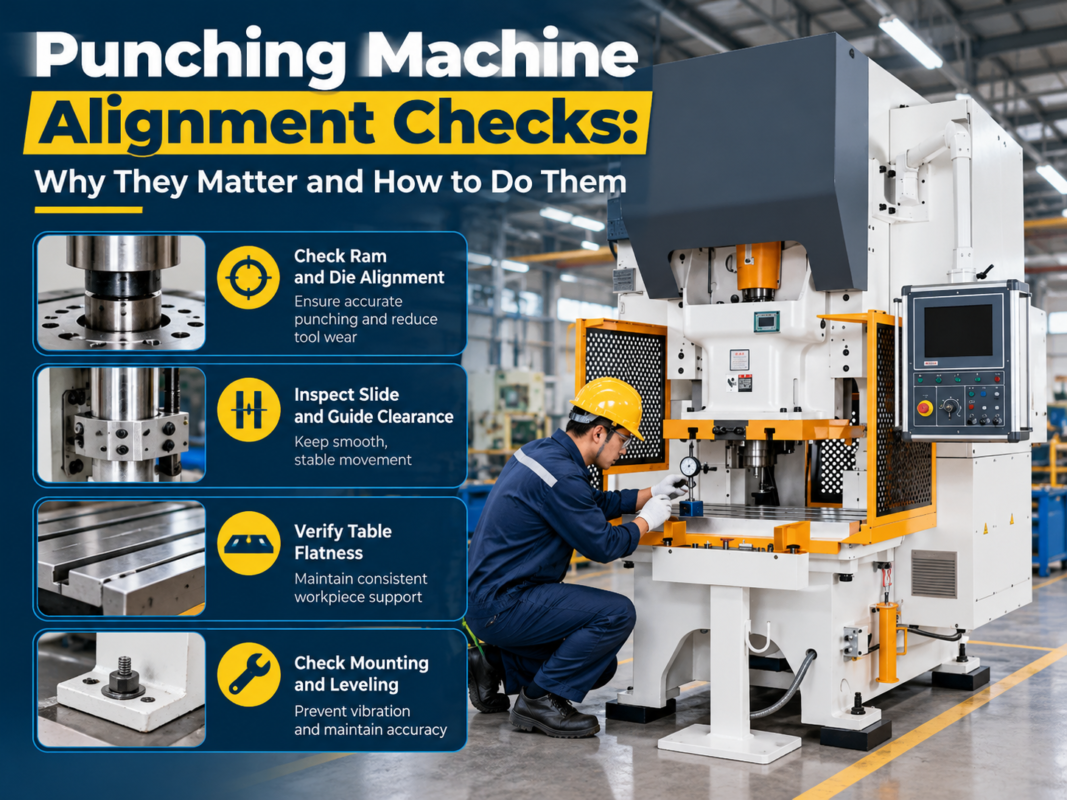
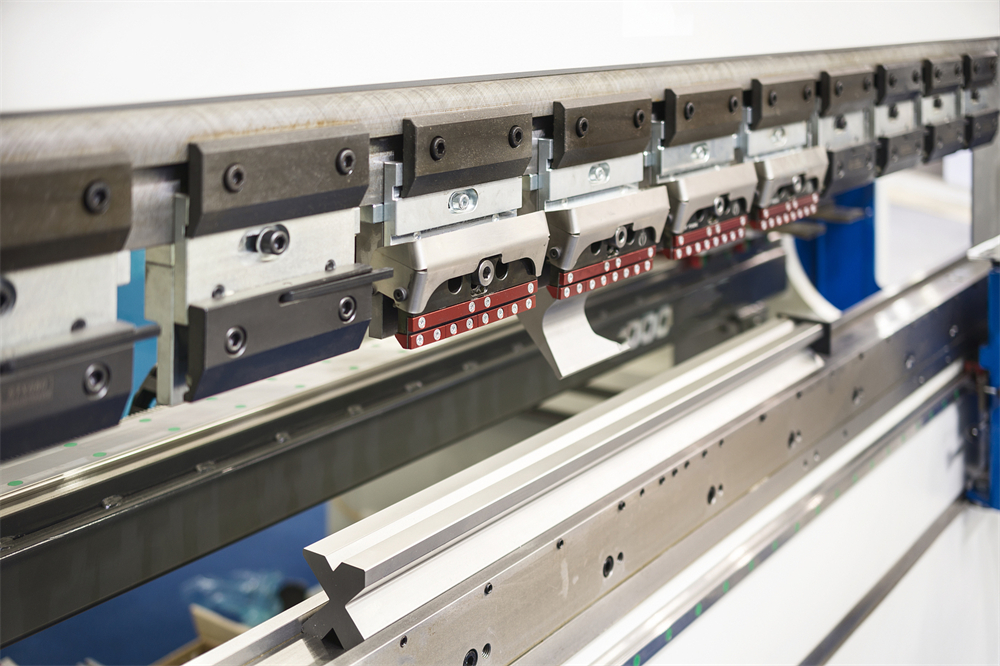
Another critical factor is the tooling setup. If the punch and die are not perfectly aligned, or if the tool geometry is not optimized for the specific material thickness, the resulting bend will inevitably be off-spec. The firm in our study found that by standardizing their tooling library and utilizing quick-change clamping systems, they could reduce the time spent on manual adjustments, which often led to human error. Consistency in tooling is the foundation upon which precision is built.
Operator training and the human-machine interface (HMI) also play a massive role. Modern press brakes are highly sophisticated, but they are only as effective as the operators who program them. The transition to a more intuitive, graphical interface allowed the firm’s operators to visualize the bending process before the first piece was even formed. This simulation capability prevents costly mistakes by identifying potential collisions or impossible bend sequences during the programming phase.
Finally, environmental factors cannot be ignored. Temperature fluctuations in the shop can affect the hydraulic oil viscosity and the expansion of the machine frame. By installing HARSLE press brakes with advanced thermal compensation features, the firm was able to maintain consistent performance throughout the day, regardless of ambient temperature changes. This level of environmental control is essential for shops that demand high-repeatability across multiple shifts.
Technical Details: How the 37% Reduction Was Achieved
The core of the success story lies in the integration of the HARSLE CNC control system. This system allows for real-time adjustments during the bending cycle. Unlike older, manual press brakes, the CNC unit monitors the pressure and position of the ram with millisecond precision. If the system detects a deviation from the programmed angle, it makes instantaneous micro-adjustments to the hydraulic valves, ensuring that the final bend is within the required tolerance every single time.
Active crowning is another technical feature that proved to be a game-changer. In traditional bending, the machine frame can deflect under load, leading to a bend that is deeper in the center than at the ends. The HARSLE system uses a motorized crowning table that compensates for this deflection dynamically. By calculating the required force based on the material length and thickness, the machine ensures a uniform bend angle across the entire length of the workpiece, effectively eliminating the “canoe” effect that plagues many fabricators.
Laser angle measurement systems were also deployed to provide a closed-loop feedback mechanism. These sensors measure the actual bend angle as the ram descends and compare it to the target angle. If the material exhibits spring-back, the machine automatically performs a secondary “re-strike” to achieve the exact angle required. This automated correction process is what allowed the firm to cut their error rate by 37%, as it removed the need for manual trial-and-error bending.
Furthermore, the integration of 3D offline programming software allowed the firm to prepare jobs while the machine was still running. This reduced downtime and ensured that the programs sent to the machine were optimized for the specific material and tooling available. By simulating the bending sequence in a virtual environment, the firm could identify potential issues—such as interference between the part and the machine frame—before they resulted in a scrapped part.
Selection Advice: Choosing the Right Press Brake
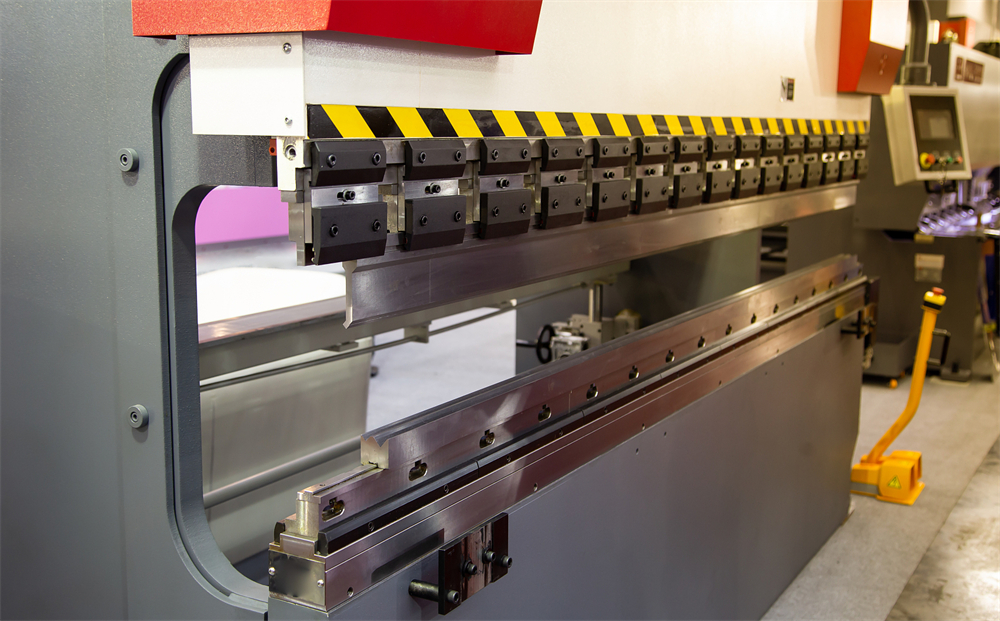
Selecting the right press brake is a strategic decision that impacts your shop’s productivity for years. When looking to replicate the success of a case study where a press brake cut bend errors by 37% in sheet metal fabrication, you must prioritize machines that offer high levels of automation and rigidity. Start by evaluating your typical material range; a machine that is perfect for thin-gauge stainless steel may not be suitable for heavy-duty structural steel bending.
Consider the number of axes you require. While a standard 3-axis machine might suffice for simple bends, complex parts often require 6, 8, or even more axes to manage backgauge positioning and specialized tooling movements. Investing in a machine with more axes provides greater flexibility and allows you to handle more complex geometries without needing to reposition the part manually, which is a common source of error.
The control system is perhaps the most important component. Look for a controller that supports 3D visualization and is compatible with your existing CAD/CAM software. A seamless data flow from the design office to the shop floor is essential for minimizing errors. HARSLE offers a range of controllers that are designed for ease of use while providing the deep technical functionality required for high-precision manufacturing.
Finally, consider the support and service infrastructure of the manufacturer. A press brake is a long-term investment, and you need a partner who can provide timely maintenance, spare parts, and technical training. HARSLE’s commitment to customer support ensures that your machine remains in peak condition, allowing you to maintain that 37% reduction in errors over the long term. Do not just buy a machine; buy a solution that includes training and ongoing technical partnership.
Buyer Checklist for Press Brakes
- Tonnage Capacity: Ensure the machine can handle your thickest material without exceeding 80% of its rated capacity.
- Bending Length: Choose a bed length that accommodates your longest parts, but consider the footprint of the machine in your shop.
- Controller Capability: Verify that the CNC supports 3D simulation and offline programming.
- Backgauge Precision: Look for high-speed, multi-axis backgauges with high repeatability.
- Safety Features: Prioritize machines with laser light curtains and CE-compliant safety systems.
- Serviceability: Check for the availability of local technicians and spare parts.
Maintenance and Longevity: Sustaining Precision
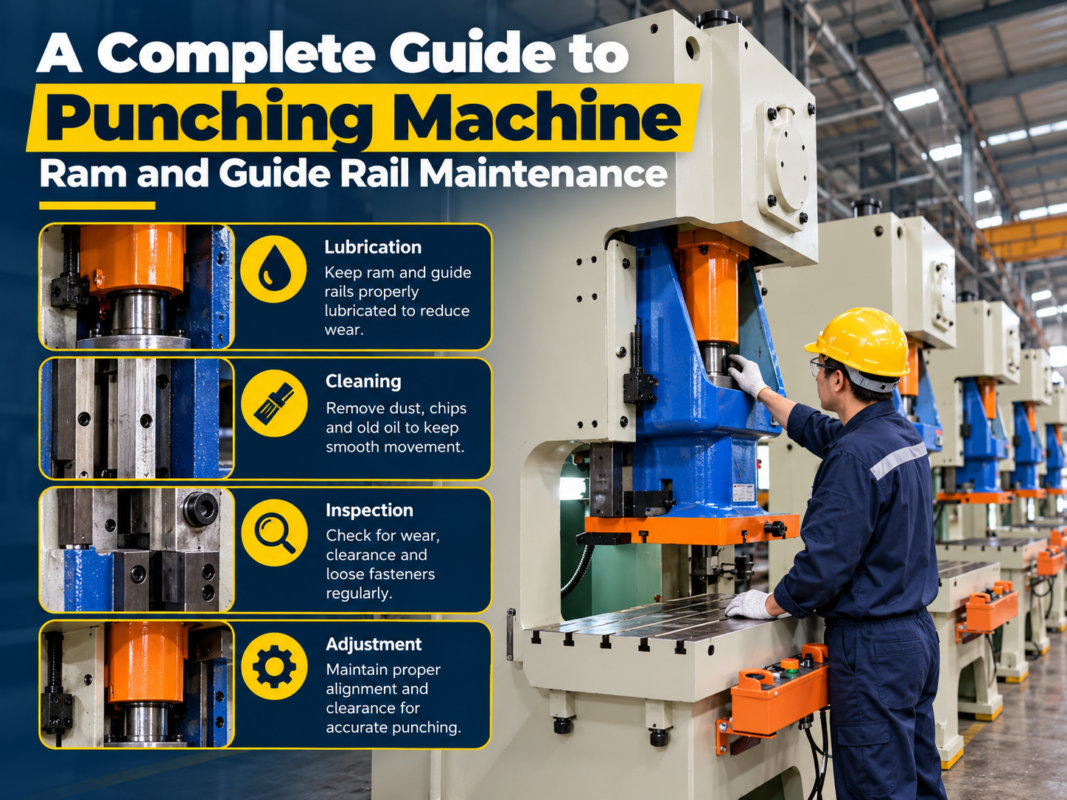
Achieving a 37% reduction in bend errors is only half the battle; maintaining that level of performance requires a rigorous maintenance schedule. The hydraulic system is the heart of the press brake, and it must be kept clean and free of contaminants. Regular oil analysis and filter changes are essential to prevent valve sticking and ensure the smooth operation of the ram. A well-maintained hydraulic system is the key to consistent pressure application.
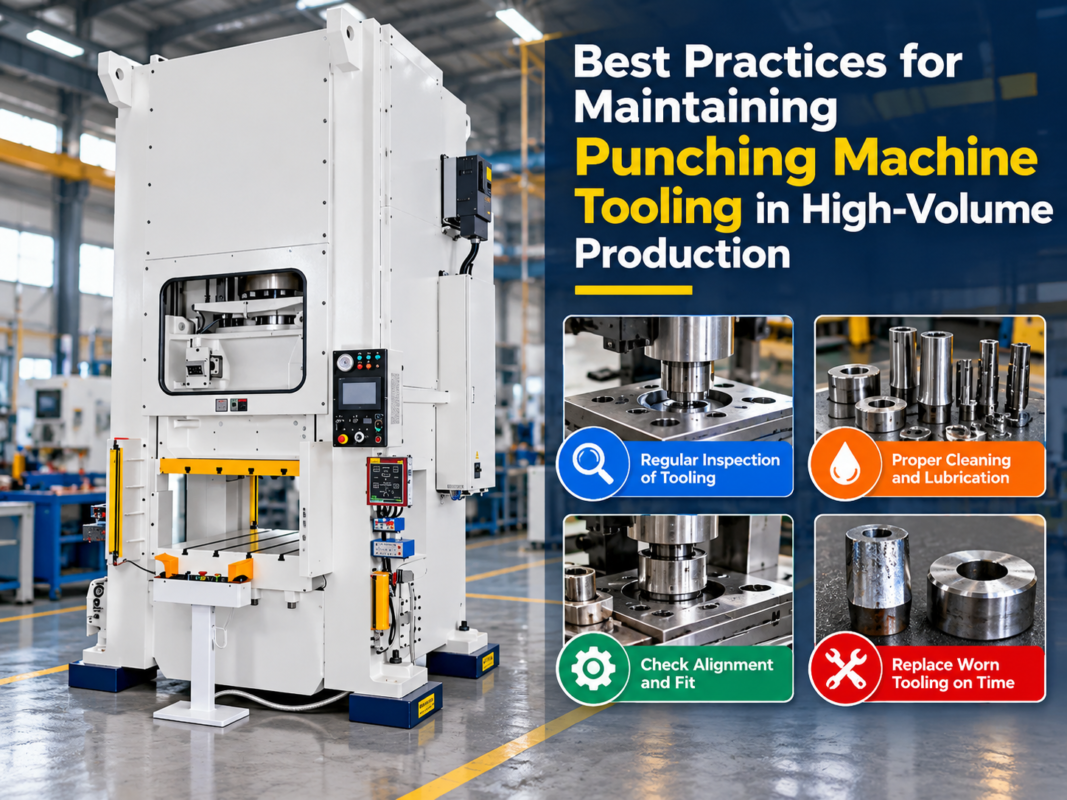
Tooling maintenance is equally important. Punches and dies should be inspected regularly for signs of wear, chipping, or deformation. Even minor damage to the tool edge can lead to inconsistent bends and surface marks on the workpiece. Implementing a tool management system, where tools are cleaned, inspected, and stored properly after every use, will significantly extend their lifespan and ensure the accuracy of your bends.
The backgauge system, which determines the precision of the flange length, should be calibrated periodically. Over time, vibrations and heavy use can cause slight misalignments in the backgauge fingers. A simple calibration routine, performed as part of your weekly maintenance, can prevent cumulative errors that would otherwise lead to scrapped parts. HARSLE machines are designed with easy access to these critical components, making routine maintenance straightforward.
Finally, keep your software updated. Manufacturers frequently release firmware updates that improve the efficiency of the control system and add new features for error detection. By staying current with the latest software, you ensure that your machine is always operating at its maximum potential. A proactive approach to maintenance is the best way to protect your investment and ensure that your shop continues to benefit from the precision gains achieved through your equipment upgrades.
FAQ: Common Questions About Press Brake Precision
Q: How does a press brake case study cut bend errors by 37% in sheet metal fabrication?
A: The reduction is achieved through a combination of advanced CNC control, active crowning, laser angle measurement, and improved workflow integration. By automating the correction of material spring-back and frame deflection, the machine eliminates the human error associated with manual adjustments.
Q: Is it necessary to have a high-end CNC controller for simple bending tasks?
A: While simple tasks can be done on basic machines, a high-end CNC controller provides repeatability and data logging that are essential for quality control. Even for simple parts, the ability to store and recall programs ensures that every batch is identical.
Q: How often should I calibrate my press brake?
A: Calibration frequency depends on usage, but a general rule is to perform a full calibration check every six months. If you notice a trend of increasing errors, you should calibrate the backgauge and ram positioning immediately.
Q: Can I retrofit an older press brake to achieve these results?
A: While some retrofits are possible, the mechanical limitations of older frames and hydraulic systems often make it difficult to achieve the same level of precision as a new, purpose-built HARSLE CNC press brake. It is usually more cost-effective to upgrade to a modern machine.
Conclusion: The Future of Precision Fabrication
The journey toward a 37% reduction in bend errors is a testament to the power of modern technology in the hands of skilled fabricators. By moving away from manual, trial-and-error methods and embracing the precision of HARSLE CNC hydraulic press brakes, manufacturers can transform their operations. The integration of active crowning, laser measurement, and 3D programming is not just a luxury; it is a necessity for shops that want to remain competitive in an increasingly demanding market.
As we have explored, the key to success lies in a holistic approach that includes machine selection, operator training, and a commitment to rigorous maintenance. When you invest in the right equipment and support it with the right processes, the results are measurable and sustainable. The case study we examined proves that precision is achievable, and the tools to reach that level of excellence are more accessible than ever before.
If you are ready to take your fabrication shop to the next level, consider how a HARSLE press brake can help you reduce waste, improve quality, and increase your overall throughput. The path to a 37% reduction in errors starts with a single step: evaluating your current processes and identifying the areas where technology can bridge the gap between your current performance and your potential. The future of metal fabrication is precise, efficient, and highly automated—and it is waiting for you to embrace it.