Press Brake Case Study: Improving Bending Accuracy for High-Mix Metal Parts


Introduction: The Challenge of High-Mix Metal Fabrication
In the modern landscape of metal fabrication, the ability to handle high-mix, low-volume production runs has become a critical competitive advantage. Manufacturers are increasingly moving away from mass production toward customized, small-batch orders that require rapid changeovers and extreme precision. This shift presents a significant challenge for traditional bending operations, where setup times and manual adjustments often lead to bottlenecks and inconsistent accuracy. This Press Brake Case Study: Improving Bending Accuracy High-Mix Metal Parts explores how HARSLE’s advanced CNC solutions address these specific industrial pain points.
When a facility manages hundreds of different part geometries, the margin for error in bending accuracy shrinks significantly. Each material type, thickness, and bend angle requires unique parameters, making manual calibration unsustainable. The primary goal for fabricators today is to achieve ‘first-part-right’ production, minimizing scrap rates and reducing the reliance on highly specialized labor. By integrating intelligent software with high-performance hydraulic systems, HARSLE has enabled shops to transition from reactive troubleshooting to proactive, data-driven bending workflows.
This article examines a real-world scenario involving a contract manufacturer struggling with inconsistent bend angles across a diverse product portfolio. By implementing HARSLE’s latest CNC press brake technology, the facility was able to stabilize its production output. We will analyze the technical hurdles, the selection process for the right machinery, and the long-term operational benefits that arise when precision is prioritized in high-mix environments.
Ultimately, the transition to high-accuracy bending is not just about the hardware; it is about the synergy between the machine’s structural rigidity, the control system’s processing speed, and the operator’s ability to leverage automated features. As we delve into this Press Brake Case Study: Improving Bending Accuracy High-Mix Metal Parts, we will provide a roadmap for fabricators looking to modernize their bending departments and achieve superior quality control.
Key Considerations for High-Mix Bending Environments
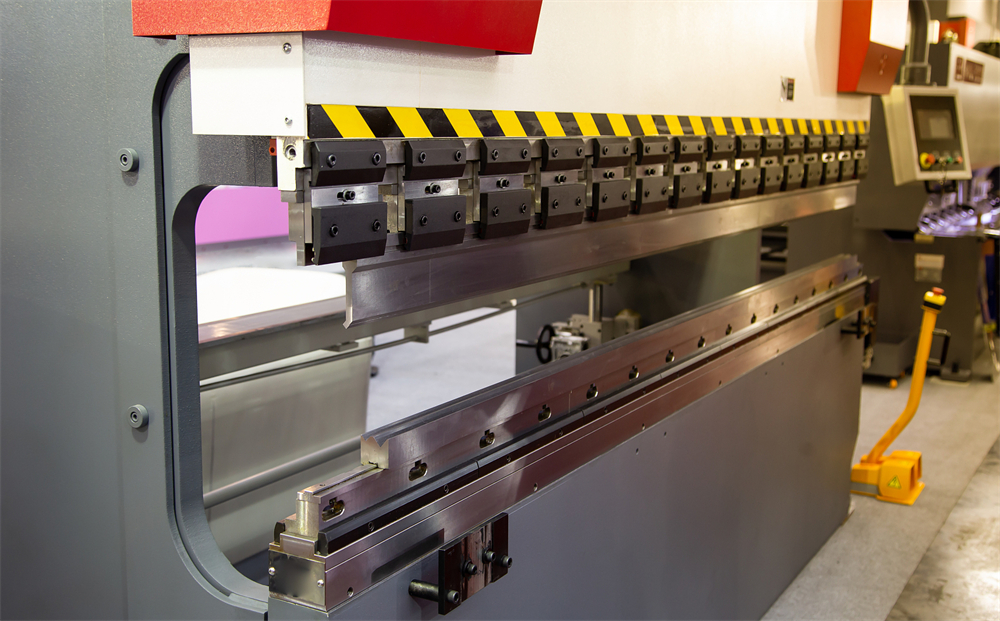
The first step in improving bending accuracy is understanding the variables that cause deviation. In high-mix environments, material springback is the most significant adversary. Springback occurs when the metal attempts to return to its original shape after the bending force is released. Because different alloys and thicknesses exhibit varying degrees of springback, a machine that relies on fixed settings will inevitably produce inconsistent results. HARSLE’s approach involves real-time compensation systems that measure the material’s reaction during the bend and adjust the ram position accordingly.
Another critical consideration is the setup time associated with tool changes. In a high-mix shop, the press brake may be reconfigured several times per shift. If the clamping system is slow or the tool alignment is manual, the machine spends more time idle than working. Investing in quick-change hydraulic clamping systems and segmented tooling is essential for maintaining high throughput. These features allow operators to swap out dies in seconds rather than minutes, ensuring that the machine remains productive even when the part design changes frequently.
The integration of offline programming software is equally vital. By simulating the bending process in a virtual environment before the metal hits the shop floor, fabricators can identify potential collisions and calculate the exact bend sequence. This reduces the need for trial-and-error bending, which is the primary cause of material waste in high-mix shops. HARSLE’s software solutions allow for seamless data transfer from CAD/CAM systems directly to the press brake controller, ensuring that the machine is ready for the next job before the current one is even finished.
Finally, the human element cannot be ignored. Even the most advanced CNC press brake requires skilled oversight. Training operators to understand the nuances of material behavior and the capabilities of the machine’s control system is a key component of our case study. When the operator understands how to interpret the feedback provided by the CNC interface, they can make micro-adjustments that prevent errors before they occur, effectively turning the machine into a collaborative tool rather than just a piece of heavy equipment.
Technical Details: How HARSLE Technology Enhances Precision
At the heart of HARSLE’s precision bending technology is the multi-axis backgauge system. In high-mix production, the backgauge is the most important component for ensuring repeatability. Our systems utilize high-precision ball screws and linear guides to position the workpiece with micron-level accuracy. By offering 4-axis, 6-axis, or even 8-axis backgauge configurations, HARSLE allows for the bending of complex, multi-flange parts that would otherwise require multiple handling steps or expensive custom fixtures.
The hydraulic system itself is engineered for stability. We utilize proportional valve technology that allows for extremely fine control over the ram’s movement. Unlike older systems that rely on mechanical stops, our CNC-controlled hydraulic cylinders can adjust the bending force and speed dynamically. This is particularly important when dealing with varying material thicknesses, as the system can compensate for pressure fluctuations to ensure that the bend angle remains consistent across the entire length of the part, regardless of the material’s tensile strength.
Furthermore, the crowning system is a game-changer for long-part bending. As the press brake applies force, the bed and ram naturally deflect, which can lead to an uneven bend angle in the center of the part compared to the ends. HARSLE’s active hydraulic crowning system automatically compensates for this deflection by adjusting the bed’s shape in real-time. This ensures that the bend angle is uniform from one end of the workpiece to the other, a necessity for high-mix parts that require tight tolerances for assembly.
The control interface is the final piece of the technical puzzle. HARSLE’s controllers are designed with a user-friendly, graphical interface that simplifies the programming of complex bends. With features like 3D visualization and automatic bend sequence calculation, the controller acts as a guide for the operator. It provides step-by-step instructions, including tool placement and orientation, which drastically reduces the likelihood of human error during the setup process. This level of technical sophistication is what allows our clients to maintain high accuracy even when switching between vastly different part designs throughout the day.
Selection Advice: Choosing the Right Press Brake for Your Shop
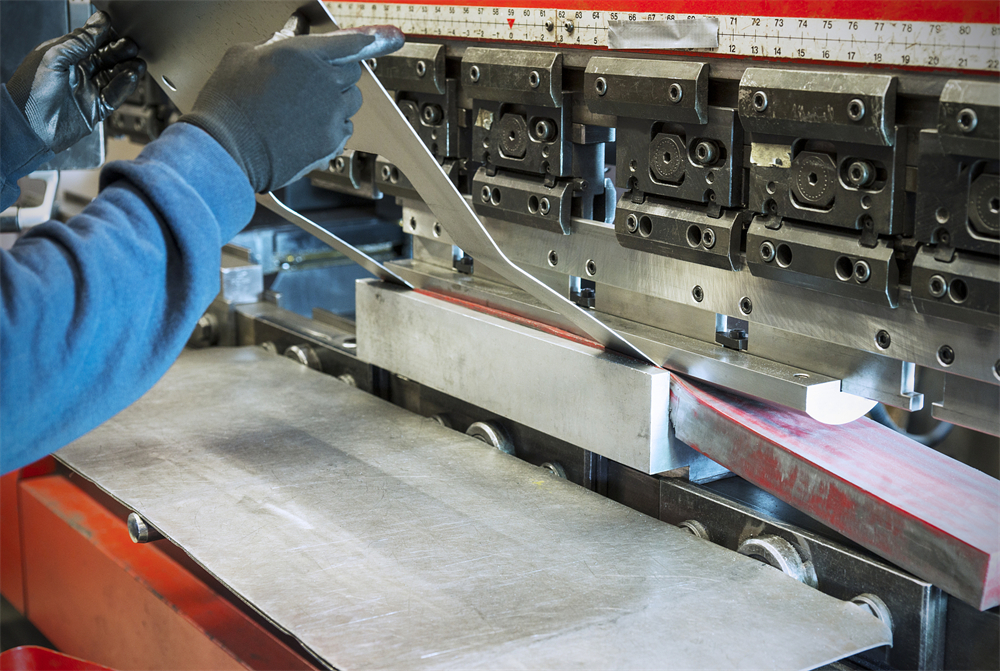
When selecting a press brake for a high-mix environment, the first question to ask is: what is the range of materials and thicknesses I will be processing? A machine that is optimized for thin-gauge stainless steel will not necessarily perform well with thick-plate carbon steel. HARSLE offers a diverse range of press brakes, from compact electric models for precision electronics to heavy-duty hydraulic machines for structural components. Matching the machine’s tonnage and bed length to your most frequent part requirements is the foundation of a successful investment.
Consider the level of automation that your current workflow can support. While fully robotic bending cells are excellent for high-volume, repetitive tasks, they may be overkill for a shop that changes parts every hour. Instead, look for ‘operator-assist’ features. These include laser angle measurement systems, which provide real-time feedback on the bend angle and automatically correct the ram position if the material springback is higher than expected. These features provide the benefits of automation without the complexity of a full robotic integration.
The availability of service and support is another critical factor. A press brake is a long-term asset, and its uptime is directly tied to your profitability. HARSLE prides itself on providing comprehensive support, including remote diagnostics and local service networks. When evaluating potential suppliers, look for those who offer training programs for your staff and have a proven track record of maintaining equipment in high-demand environments. A machine is only as good as the support behind it.
Finally, don’t overlook the importance of tooling compatibility. If you already have a large inventory of tooling, look for a press brake that supports standard tool profiles, or invest in a system that allows for easy adaptation. HARSLE’s machines are designed to be versatile, often featuring universal tool holders that accept a wide variety of punch and die styles. This flexibility allows you to leverage your existing assets while upgrading your bending capabilities, providing a better return on investment over the life of the machine.
FAQ: Common Questions About Bending Accuracy
How does HARSLE ensure bending accuracy across different material types?
HARSLE uses a combination of high-precision proportional valves, active hydraulic crowning, and advanced CNC controllers. These systems work together to monitor the bending process in real-time and make micro-adjustments to compensate for variations in material thickness and springback, ensuring consistent results regardless of the alloy.
What is the benefit of offline programming for high-mix shops?
Offline programming allows you to simulate the entire bending process before the machine is even touched. This identifies potential collisions, calculates the optimal bend sequence, and generates the necessary CNC code. It drastically reduces setup time and eliminates the need for trial-and-error bending, which is essential for high-mix efficiency.
How often should a press brake be calibrated to maintain accuracy?
While HARSLE machines are built for stability, we recommend a routine calibration check every 6 to 12 months, depending on the intensity of use. Additionally, daily checks of the tooling and backgauge alignment are recommended to ensure that the machine remains within its specified tolerance range.
Can I use my existing tooling on a new HARSLE press brake?
Yes, most HARSLE press brakes are designed with universal tool clamping systems that accommodate a wide range of standard tooling. We can also provide custom adapters if your existing tooling has a unique profile, ensuring a smooth transition to your new equipment.
Conclusion: Elevating Your Fabrication Standards
Improving bending accuracy in a high-mix environment is a journey that requires the right combination of technology, strategy, and expertise. As demonstrated in this Press Brake Case Study: Improving Bending Accuracy High-Mix Metal Parts, the transition to high-performance CNC machinery is the most effective way to overcome the limitations of traditional fabrication methods. By focusing on features like active crowning, multi-axis backgauges, and intelligent software, manufacturers can achieve the consistency and speed required to thrive in today’s market.
HARSLE remains committed to providing the tools and support necessary for our clients to push the boundaries of what is possible in metal fabrication. Whether you are a small job shop or a large-scale manufacturer, the principles of precision, efficiency, and adaptability remain the same. Investing in the right press brake is not just a capital expenditure; it is a strategic move to secure your company’s future in an increasingly demanding industry.
We encourage you to assess your current bending operations and identify the bottlenecks that are holding you back. By leveraging the insights provided in this guide, you can make informed decisions that lead to higher quality parts, reduced material waste, and increased profitability. HARSLE is here to partner with you on that journey, providing the industrial-grade solutions that turn complex bending challenges into routine successes.