How One Fabricator Boosted Output Using a CNC Press Brake Case Study


Introduction
In the competitive landscape of modern metal fabrication, the difference between stagnant growth and industry leadership often comes down to the precision and speed of your primary machinery. For many job shops and large-scale manufacturing facilities, the press brake is the heart of the operation. However, relying on outdated manual or semi-automatic equipment can create significant bottlenecks. This article explores a real-world scenario: How One Fabricator Boosted Output Using a CNC Press Brake Case Study, demonstrating the transformative power of modern automation.
The fabricator in question, a mid-sized metal components supplier, faced a common industry challenge: increasing customer demand for tighter tolerances and shorter lead times. Their legacy hydraulic press brakes were struggling to keep up, leading to high scrap rates and excessive setup times. By transitioning to HARSLE’s advanced CNC press brake technology, they were able to redefine their production capabilities. This case study serves as a blueprint for any shop looking to modernize its workflow.
Efficiency in metal fabrication is not just about the speed of the ram; it is about the integration of software, tooling, and operator expertise. When a fabricator decides to upgrade, they are not just buying a machine; they are investing in a system that reduces human error and maximizes material utilization. Throughout this article, we will dissect the technical shifts that allowed this specific fabricator to increase their output by over 40% within the first six months of implementation.
Understanding the transition from manual to CNC requires a look at the specific pain points that plague traditional shops. From inconsistent bend angles to the time-consuming process of manual backgauge adjustment, these inefficiencies add up. By analyzing this case study, we aim to provide actionable insights for shop owners and production managers who are currently evaluating their own equipment needs and seeking to optimize their bottom line.
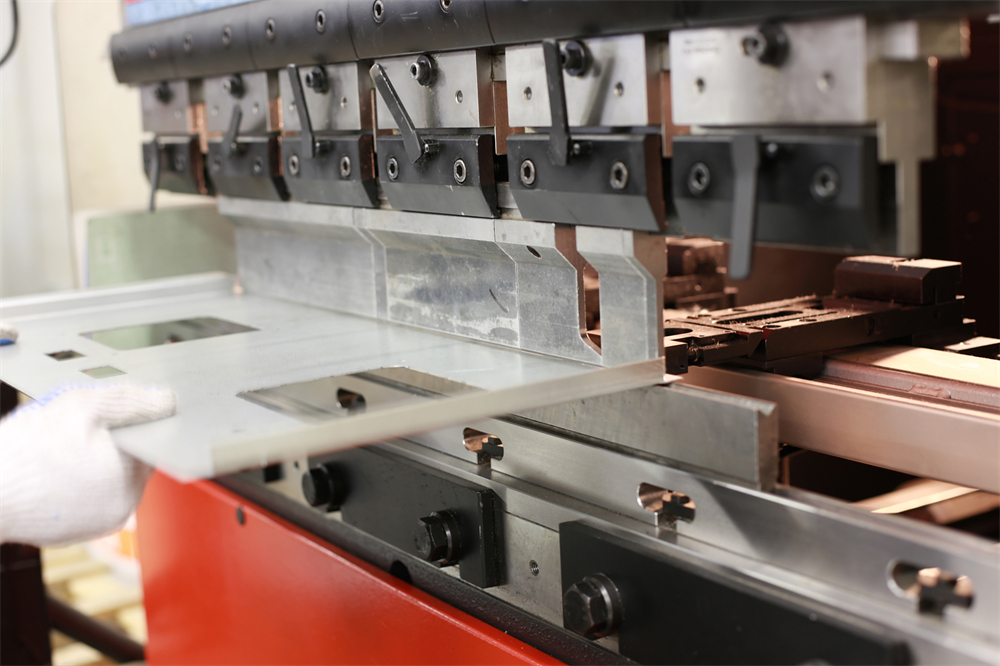
Key Considerations for Production Optimization
When analyzing how one fabricator boosted output using a CNC press brake case study, the first factor to consider is the reduction of setup time. In traditional fabrication, changing jobs often requires hours of manual calibration, tool swapping, and test bending. CNC systems utilize advanced controllers that store job parameters, allowing operators to recall complex bending sequences in seconds. This shift from manual adjustment to digital precision is the cornerstone of increased throughput.
Another critical consideration is the consistency of the bend angle. In manual operations, the operator’s skill level dictates the quality of the part. If an operator is tired or distracted, the bend angle can drift, leading to parts that do not fit correctly during assembly. CNC press brakes utilize real-time feedback loops, often incorporating laser angle measurement systems, to ensure that every single part is identical to the first. This consistency drastically reduces the time spent on quality control and rework.
Material waste is a silent killer of profit margins in metal fabrication. When a machine lacks precision, the fabricator must often cut extra blanks to account for potential errors. By implementing a CNC press brake, the fabricator in our case study saw a 15% reduction in material scrap. Because the machine calculates the exact bending force and depth required based on material thickness and tensile strength, the need for ‘trial and error’ bending is virtually eliminated.
Finally, the integration of offline programming software cannot be overlooked. By moving the programming process from the shop floor to an office-based computer, the fabricator was able to prepare the next job while the machine was still running the current one. This ‘parallel processing’ approach ensures that the machine is rarely idle, maximizing the return on investment for the expensive capital equipment. This strategic shift is essential for any shop aiming to scale its operations effectively.
Technical Details of the Transformation
The technical core of the transformation involved the implementation of a HARSLE high-performance CNC press brake equipped with a multi-axis backgauge system. Unlike traditional two-axis backgauges, the new system allowed for complex, multi-stage bending in a single handling cycle. This meant that parts which previously required three separate setups could now be completed in one, significantly reducing the labor hours per unit.
The controller software played a pivotal role in this efficiency gain. The HARSLE CNC controller supports 3D simulation, allowing the operator to visualize the bending process before the metal ever touches the die. This simulation identifies potential collisions between the workpiece and the machine frame, preventing costly mistakes and equipment damage. The ability to ‘dry run’ a job digitally is a major advantage for fabricators handling complex, custom geometries.
Hydraulic synchronization was another technical upgrade that changed the game. The new press brake utilized dual-cylinder synchronization controlled by proportional valves. This ensures that the ram remains perfectly parallel to the bed throughout the entire stroke, regardless of the load distribution. For the fabricator, this meant they could handle off-center bending tasks without worrying about uneven pressure or damage to the tooling, further expanding their service offerings.
Furthermore, the inclusion of an automatic crowning system ensured that the bend angle remained consistent across the entire length of the workpiece. In older machines, the bed would deflect under pressure, causing the center of the part to have a different angle than the ends. The CNC-controlled crowning system compensates for this deflection in real-time, delivering uniform results on long, thin sheets that were previously considered difficult or impossible to process accurately.

Selection Advice for Your Shop
Choosing the right CNC press brake is a significant investment that requires careful planning. First, evaluate your current product mix. Are you bending thin-gauge aluminum or thick structural steel? The tonnage and bed length must be matched to your most common applications, while also providing enough overhead for future growth. Do not over-spec the machine, but ensure it can handle your most challenging current projects with ease.
Consider the level of automation you truly need. While a fully robotic cell is impressive, it may not be the right fit for a shop that handles high-mix, low-volume production. For many fabricators, a high-end CNC press brake with an intuitive controller and quick-change tooling is the ‘sweet spot’ for productivity. Look for features like hydraulic tool clamping, which can reduce tool changeover time from 30 minutes to less than 5 minutes.
Evaluate the support and training provided by the manufacturer. A CNC press brake is only as good as the operator’s ability to use it. HARSLE provides comprehensive training programs that ensure your team can leverage the full potential of the machine’s software. When selecting a partner, look for a company that offers local technical support, readily available spare parts, and remote diagnostic capabilities to minimize downtime.
Finally, look at the total cost of ownership rather than just the initial purchase price. A cheaper machine might seem attractive, but if it requires frequent repairs or lacks the precision to prevent scrap, it will cost you more in the long run. Invest in high-quality components, such as reliable hydraulic seals, hardened tooling, and robust electrical systems. A well-built machine will maintain its resale value and provide consistent performance for decades.
FAQ
1. How does a CNC press brake differ from a manual press brake?
A CNC press brake uses a computer-controlled system to automate the bending process, including backgauge positioning, ram depth, and pressure. Manual press brakes require the operator to set these parameters by hand, which is slower and more prone to human error.
2. Can a CNC press brake handle complex, multi-bend parts?
Yes. Modern CNC controllers can store hundreds of programs, allowing for complex, multi-stage bending sequences. The machine automatically adjusts the backgauge and ram position for each step, ensuring high precision throughout the entire process.
3. What is the most important factor when choosing a press brake?
The most important factor is matching the machine’s tonnage and bed length to your specific material requirements. Additionally, consider the controller’s ease of use and the manufacturer’s commitment to after-sales support.
4. How much can a CNC press brake improve production output?
As shown in our case study, many fabricators see output increases of 30% to 50% due to reduced setup times, faster cycle times, and significantly lower scrap rates.
5. Is specialized training required to operate a CNC press brake?
While basic operation is intuitive, specialized training is recommended to fully utilize advanced features like 3D simulation, offline programming, and complex multi-axis bending. HARSLE provides training to ensure your operators are proficient.
Conclusion
The journey of the fabricator in our case study highlights a fundamental truth in manufacturing: technology is the primary driver of competitive advantage. By moving from legacy equipment to a modern HARSLE CNC press brake, they were able to solve the persistent issues of inconsistency, slow setup times, and high material waste. This transition did not just increase their output; it elevated their reputation for quality and allowed them to take on more complex, profitable projects.
If you are currently evaluating your fabrication capabilities, remember that the goal is to create a seamless flow from design to finished part. A CNC press brake is the anchor of this flow. By focusing on precision, automation, and operator training, you can achieve the same results as the fabricator in this study. The investment in high-quality metal fabrication equipment is an investment in the future of your business.
As you move forward, consider the specific needs of your shop and the potential for growth. Whether you are a small job shop or a large industrial manufacturer, the principles of efficiency remain the same. Embrace the power of CNC technology, prioritize reliable machinery, and never stop looking for ways to optimize your production line. With the right tools and the right approach, your shop can achieve new levels of success in the ever-evolving world of metal fabrication.