Reducing Scrap in Sheet Metal Production: A Modern Press Brake Case Study


Introduction
In the competitive landscape of modern metal fabrication, the margin for error is razor-thin. For many job shops and large-scale manufacturing facilities, the primary driver of profitability—or the lack thereof—is the scrap rate. Reducing scrap in sheet metal production is not merely an environmental goal; it is a fundamental financial necessity. When material costs fluctuate and labor expenses rise, every rejected part represents a direct hit to the bottom line.
This article explores the transformative impact of upgrading to modern CNC press brake technology. By analyzing a real-world scenario, we demonstrate how precision, automation, and advanced software integration can turn a high-waste production line into a lean, efficient operation. We will examine the technical nuances that differentiate legacy equipment from modern HARSLE press brakes and provide actionable insights for shop managers looking to optimize their bending processes.
The focus keyword, Reducing Scrap In Sheet Metal Production A Modern Press Brake Case Study, serves as the foundation for our analysis. We will break down the common culprits of scrap—such as springback, operator error, and inconsistent material properties—and show how modern machinery mitigates these risks through intelligent design and real-time compensation systems.
Key Considerations for Scrap Reduction
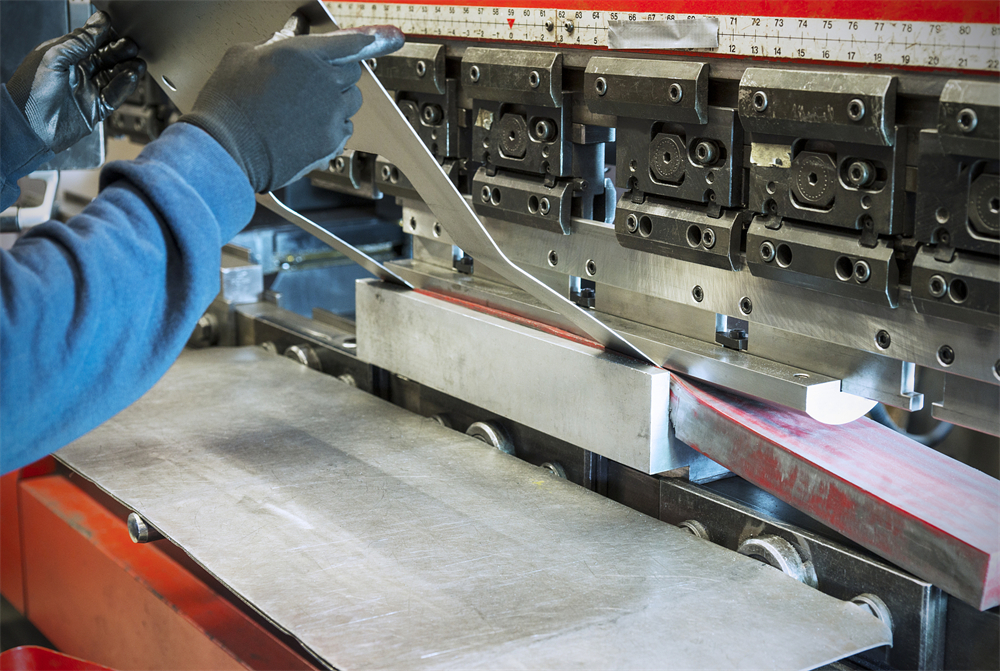
To effectively address scrap, one must first understand the variables that lead to failure. In sheet metal bending, the most common issues include incorrect bend angles, inconsistent flange lengths, and surface marking. These errors are often the result of manual calculations, outdated backgauge systems, or a lack of material thickness compensation. When an operator relies on trial and error to achieve the correct angle, the first three to five parts of every batch are often destined for the scrap bin.
Material variability is another significant factor. Even within the same batch, sheet metal can exhibit slight differences in tensile strength and thickness. A legacy press brake, which lacks active crowning or real-time thickness measurement, cannot adjust for these variations. Consequently, the machine produces parts that fall outside of tolerance, leading to costly rework or total disposal of the material.
Human error remains a persistent challenge in manual or semi-automatic environments. Fatigue, lack of training, or simple misinterpretation of blueprints can lead to incorrect bend sequences. Modern press brakes address this by utilizing 3D simulation software that guides the operator through every step, ensuring that the part is oriented correctly and the bending sequence is optimized for both speed and accuracy.
Finally, the integration of offline programming software is a game-changer. By simulating the bending process before a single sheet of metal touches the machine, fabricators can identify potential collisions or impossible bends. This proactive approach ensures that the production process is validated digitally, significantly reducing the need for physical prototypes and the associated material waste.
Technical Details: The HARSLE Advantage
The core of Reducing Scrap In Sheet Metal Production A Modern Press Brake Case Study lies in the technical capabilities of the HARSLE press brake series. Unlike older hydraulic systems, HARSLE machines utilize advanced CNC controllers that manage every aspect of the bending cycle with micron-level precision. The synchronization of the Y1 and Y2 axes, for instance, ensures that the ram remains perfectly parallel to the bed throughout the entire stroke, regardless of the load distribution.
Active crowning systems are perhaps the most critical feature for scrap reduction. As a press brake bends metal, the machine frame naturally deflects under the immense pressure. HARSLE’s automated crowning systems compensate for this deflection in real-time, ensuring that the bend angle is consistent across the entire length of the workpiece. This eliminates the “canoe” effect, where the center of the bend is shallower than the ends, a common cause of scrap in long-part production.
Another technical breakthrough is the use of laser-based angle measurement systems. These sensors monitor the bend angle as it is being formed and provide feedback to the CNC controller. If the material exhibits springback—a common phenomenon where the metal tries to return to its original shape—the machine automatically adjusts the ram position to over-bend the part until the desired angle is achieved. This closed-loop control system effectively eliminates the need for manual angle checking and adjustment.
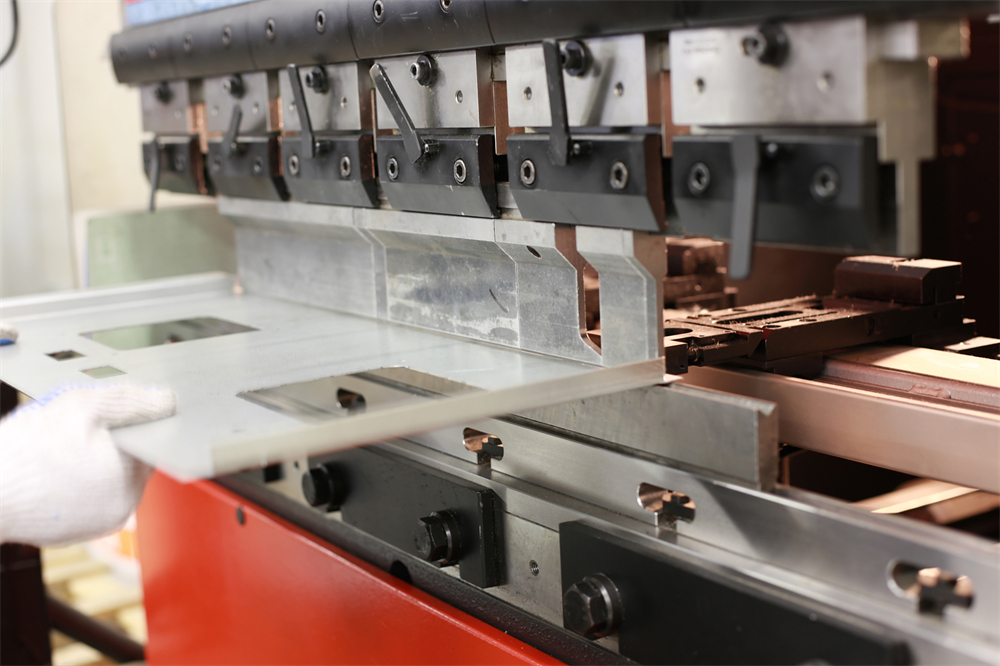
The backgauge system also plays a vital role. Modern HARSLE press brakes feature multi-axis backgauges that can position the sheet with extreme accuracy. By utilizing servo-driven motors and high-precision ball screws, these systems ensure that every flange is exactly the length specified in the CAD model. This repeatability is essential for downstream processes like welding or assembly, where even a millimeter of deviation can cause a part to fail inspection.
Case Study: A Transformation in Efficiency
In a recent case study involving a mid-sized enclosure manufacturer, the company was struggling with a 12% scrap rate on their primary product line. The manufacturer was using 15-year-old hydraulic press brakes that required constant manual adjustment. After replacing two of their legacy machines with a single HARSLE CNC press brake, the results were immediate and dramatic.
The first phase of the transition involved implementing offline programming. By importing their existing CAD files into the HARSLE software, the engineering team was able to optimize the bending sequence. This reduced the number of tool changes required for each part, which not only saved time but also reduced the risk of operator error during setup. The software also automatically calculated the optimal bend allowance, ensuring that the flat pattern dimensions were perfectly accurate.
During the production phase, the active crowning and laser angle measurement systems allowed the operators to achieve the required bend angles on the very first part. The need for “test bends” was eliminated entirely. Within the first month of operation, the company reported that their scrap rate dropped from 12% to less than 2%. This reduction in waste translated into thousands of dollars in material savings per month, effectively paying for the new machine within the first year.
The case study also highlighted the importance of operator training. Because the HARSLE interface is intuitive and user-friendly, the operators were able to master the new system within a week. The machine’s ability to store thousands of programs meant that repeat jobs could be recalled instantly, ensuring that the quality of the parts remained consistent regardless of which operator was running the machine.
Selection Advice: Choosing the Right Press Brake
When selecting a press brake to reduce scrap, it is essential to look beyond the initial purchase price. A machine that is cheap to buy but expensive to operate due to high scrap rates is a poor investment. Start by evaluating your typical part mix. If you produce complex, multi-bend parts, prioritize machines with high-axis backgauges and advanced 3D simulation capabilities.
Consider the importance of service and support. A press brake is a long-term asset, and you need a partner who can provide technical assistance, spare parts, and software updates. HARSLE offers comprehensive support, ensuring that your machine remains at peak performance throughout its lifecycle. Look for manufacturers that provide on-site training and remote diagnostic capabilities, which can save hours of downtime.
Evaluate the machine’s construction. A rigid, stress-relieved frame is necessary to maintain accuracy over years of heavy use. Check the specifications for the ram repeatability and the precision of the backgauge. These two factors are the primary determinants of your ability to hold tight tolerances. If your production involves high-strength materials, ensure that the machine has the necessary tonnage and structural integrity to handle the increased bending forces without excessive deflection.
Finally, think about future-proofing. As your business grows, your needs may change. Opt for a modular system that allows for the addition of extra backgauge axes, sheet followers, or automated loading/unloading systems. Investing in a HARSLE press brake today provides a scalable platform that can adapt to the evolving demands of the metal fabrication industry, ensuring that your scrap rates remain low as your production volume increases.
FAQ
How does a modern press brake reduce scrap compared to older models?
Modern press brakes use CNC-controlled active crowning, laser angle measurement, and offline programming to eliminate trial-and-error bending. These features compensate for material variability and machine deflection, ensuring the first part is as accurate as the last.
What is the role of offline programming in scrap reduction?
Offline programming allows engineers to simulate the entire bending process before production begins. This identifies potential collisions and validates the bend sequence, ensuring that the part can be formed correctly without wasting material on failed attempts.
Can a HARSLE press brake handle different types of sheet metal?
Yes, HARSLE press brakes are designed to handle a wide range of materials, including mild steel, stainless steel, and aluminum. The CNC controller allows for the input of specific material properties, which the machine uses to adjust bending parameters automatically.
How often should a press brake be calibrated to maintain accuracy?
While modern HARSLE machines are highly stable, it is recommended to perform a routine calibration check every 6 to 12 months, depending on the volume of production. Regular maintenance and lubrication are also critical to ensuring long-term precision.
Conclusion
Reducing scrap in sheet metal production is a multifaceted challenge that requires a combination of advanced technology, smart software, and disciplined processes. As demonstrated in our case study, the transition to a modern HARSLE press brake provides the tools necessary to minimize waste, improve part quality, and significantly boost profitability. By focusing on precision, repeatability, and intelligent automation, fabricators can transform their production lines into highly efficient operations that are capable of meeting the most demanding customer requirements.
Investing in the right equipment is the first step toward long-term success. Whether you are a small job shop or a large manufacturing facility, the principles of scrap reduction remain the same: eliminate the variables, automate the process, and rely on high-performance machinery. With HARSLE, you gain more than just a press brake; you gain a partner dedicated to your operational excellence and the continuous improvement of your fabrication capabilities.