Solving Angle Inconsistency Problems with a Press Brake: A Real Factory Case Study


Introduction: The Challenge of Precision in Metal Fabrication
In the high-stakes world of metal fabrication, precision is the currency of success. For manufacturers, nothing is more frustrating than discovering a batch of components that fail quality control due to inconsistent bending angles. Solving angle inconsistency problems with a press brake: a real factory case study is not just an academic exercise; it is a vital operational necessity for shops aiming to reduce scrap rates and improve throughput. When a press brake fails to deliver repeatable results, the entire production line grinds to a halt, leading to increased costs and missed deadlines.
At HARSLE, we frequently encounter clients struggling with variations in bend angles across a single production run. These inconsistencies often stem from a complex interplay of material properties, machine calibration, and tooling wear. This article dives deep into a real-world scenario where a mid-sized fabrication shop faced severe angle deviations and successfully resolved them through systematic troubleshooting and equipment optimization.
Understanding the root causes of these inconsistencies requires a holistic view of the bending process. It is rarely just one factor; rather, it is usually a combination of mechanical deflection, material springback, and environmental variables. By examining this case study, we aim to provide you with a roadmap for identifying and mitigating these issues in your own facility, ensuring that your HARSLE press brake operates at peak performance.
Key Considerations: Why Angle Inconsistency Occurs
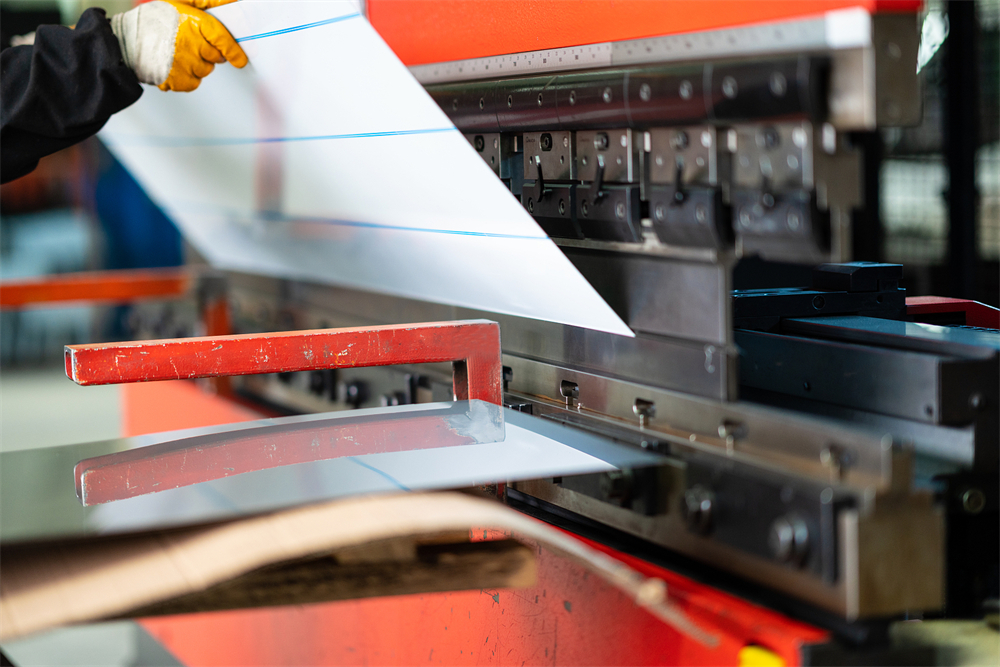
The first step in solving angle inconsistency problems with a press brake is identifying the common culprits. In our case study, the factory was experiencing a variance of up to 2 degrees across a 3-meter bend. This level of deviation is unacceptable for high-tolerance assemblies. The primary suspect in many such cases is the variation in material thickness. Even within the same batch, sheet metal can exhibit slight fluctuations in gauge, which significantly impacts the bending force required and the resulting angle.
Another critical consideration is the phenomenon of material springback. Every metal has a specific yield strength and modulus of elasticity, which causes the material to attempt to return to its original flat state after the bending force is released. If the material properties vary slightly, or if the bending speed is inconsistent, the springback will also vary, leading to inconsistent angles. Operators must account for this by adjusting the bottom dead center (BDC) of the press brake stroke.
Mechanical deflection of the press brake frame and the bed is a silent killer of accuracy. As the ram descends, the force exerted on the workpiece can cause the machine frame to flex, particularly in the center of the bed. If the machine is not equipped with an effective crowning system, the bend angle will be tighter at the ends of the bed and shallower in the middle. This is a classic symptom of structural deflection that must be addressed through mechanical or hydraulic compensation.
Finally, we must consider the condition of the tooling. Worn punches and dies can lead to uneven pressure distribution. If the punch radius is inconsistent or the die opening is damaged, the material will not flow uniformly during the bending process. Regular inspection of tooling geometry is essential for maintaining consistent results. In the case study, we found that the factory had been using a mix of older, worn dies alongside new ones, which created a nightmare for the operators trying to achieve uniformity.
Technical Details: A Real Factory Case Study
The factory in our case study, a manufacturer of electrical enclosures, was struggling with inconsistent bends on 2mm mild steel. The production team was manually adjusting the backgauge for every few parts, which was inefficient and prone to human error. Upon arrival, our technical team performed a comprehensive audit of the press brake, a standard hydraulic model that had been in service for five years. We began by measuring the parallelism between the ram and the bed, which revealed a slight misalignment of 0.15mm.
To address this, we first recalibrated the hydraulic synchronization system. Modern press brakes use high-precision linear scales to monitor the position of the ram. If these scales are dirty or misaligned, the control system receives inaccurate data, leading to uneven ram movement. We cleaned the optical sensors and performed a full re-homing sequence, which immediately improved the consistency of the ram travel. This step is crucial when solving angle inconsistency problems with a press brake.
Next, we analyzed the crowning system. The factory was using a manual crowning table that had not been adjusted in months. We installed a digital, motorized crowning system that automatically adjusts the bed profile based on the bending force and material length. By compensating for the deflection of the machine frame, the crowning system ensured that the pressure was distributed evenly across the entire length of the bend, regardless of the material thickness or the position of the workpiece.
The final technical adjustment involved the material database within the CNC controller. The operators were using generic bending parameters for all mild steel. We updated the controller with specific material data, including the tensile strength and the springback coefficient for the specific batch of steel the factory was using. By allowing the CNC to calculate the necessary over-bend angle based on these parameters, the machine could automatically compensate for springback, resulting in a perfect 90-degree bend every time.
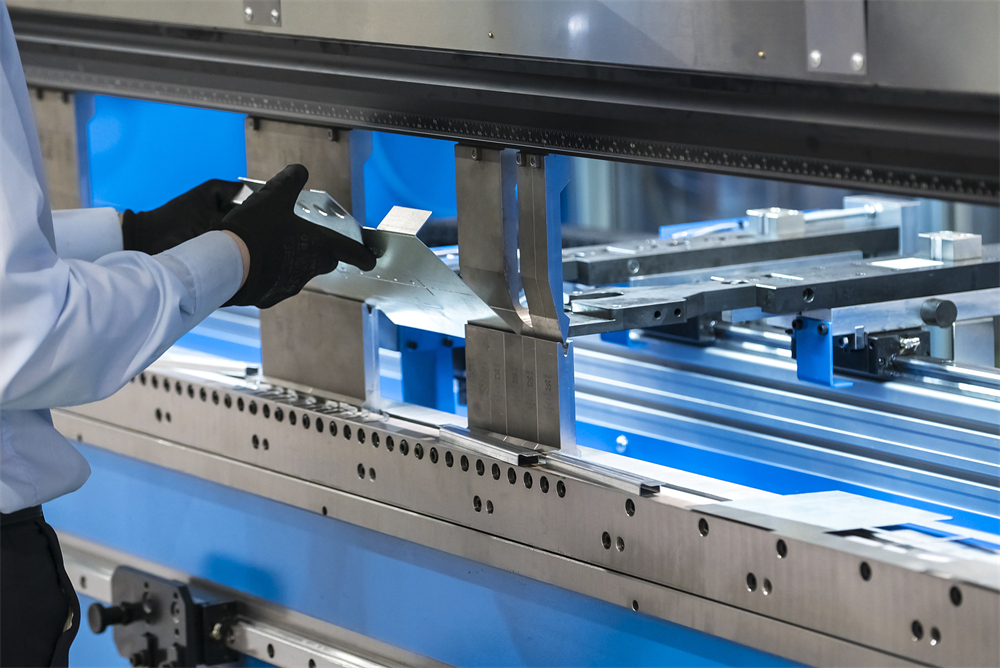
Selection Advice: Choosing the Right Equipment
When you are in the market for a new press brake or looking to upgrade your existing setup, the ability to maintain angle consistency should be your top priority. Not all machines are created equal. For shops that require high precision, we recommend investing in a press brake with an active hydraulic crowning system. Unlike manual systems, active crowning uses sensors to measure the deflection in real-time and adjusts the bed profile dynamically during the bend.
Another feature to look for is an integrated angle measurement system. These systems use laser or contact sensors to measure the bend angle while the material is still under pressure. If the angle is not correct, the machine automatically performs a corrective stroke to achieve the desired result. This technology effectively eliminates the need for trial-and-error bending and significantly reduces scrap rates, making it a game-changer for high-mix, low-volume production environments.
Consider the rigidity of the machine frame. A heavy-duty, stress-relieved frame is less prone to deflection under load. When comparing specifications, look for the machine’s deflection rating. A machine that is built to withstand higher pressures with minimal flex will provide more consistent results over its lifespan. HARSLE machines are engineered with high-tensile steel frames to ensure maximum stability, which is the foundation of solving angle inconsistency problems with a press brake.
Finally, do not overlook the importance of the CNC controller. A user-friendly, powerful controller that supports advanced material databases and offline programming software is essential. The ability to simulate the bending process before the first piece is ever cut allows operators to identify potential issues, such as collisions or excessive springback, and adjust the program accordingly. Investing in a machine with a high-end controller is an investment in the long-term accuracy and efficiency of your fabrication shop.
FAQ: Common Questions About Press Brake Accuracy
- Q: How often should I calibrate my press brake?
A: We recommend a full calibration check every 6 to 12 months, or whenever you notice a decline in bending accuracy. Regular maintenance schedules are key to preventing long-term issues. - Q: Can worn tooling cause angle inconsistency?
A: Absolutely. Worn or chipped tooling changes the way the material is formed. If you notice inconsistencies, inspect your punch and die radii for signs of wear or damage. - Q: What is the role of crowning in bending?
A: Crowning compensates for the natural deflection of the press brake bed under load. Without it, the center of the bend will often be less accurate than the ends. - Q: Does material quality affect bending angles?
A: Yes, variations in material thickness, grain direction, and tensile strength all contribute to springback and angle deviation. Always source high-quality, consistent material. - Q: Is an angle measurement system worth the investment?
A: For shops that prioritize precision and want to eliminate scrap, an integrated angle measurement system is highly recommended. It pays for itself by reducing material waste and operator setup time.
Conclusion: Achieving Perfection in Every Bend
Solving angle inconsistency problems with a press brake: a real factory case study demonstrates that precision is not an accident; it is the result of careful machine maintenance, proper tooling, and the use of advanced technology. By addressing the mechanical, material, and software-related factors that contribute to bending errors, the factory in our case study was able to transform its production process, achieving consistent, high-quality results that met their clients’ stringent requirements.
At HARSLE, we are committed to providing our customers with the tools and knowledge they need to succeed in the competitive metal fabrication industry. Whether you are troubleshooting an existing machine or looking to invest in new equipment, remember that consistency is the hallmark of a professional shop. By following the guidelines outlined in this article, you can minimize downtime, reduce waste, and ensure that every part you produce meets the highest standards of accuracy.
If you are still facing challenges with your bending operations, do not hesitate to reach out to our technical support team. We have years of experience in solving complex fabrication problems and are always ready to help you optimize your production line. Remember, the goal is not just to bend metal, but to bend it right the first time, every time. With the right approach and the right equipment, you can master the art of precision bending and take your factory to the next level of productivity.