
Case Study: Faster Setup Times with a High-Performance Press Brake in Production


Introduction
In the competitive landscape of modern metal fabrication, the efficiency of a production line is often determined not by the speed of the bend itself, but by the time spent transitioning between jobs. For many job shops and high-volume manufacturers, setup time remains the single largest bottleneck in the production cycle. This article explores a comprehensive Case Study: Faster Setup Times A High-Performance Press Brake In Production, focusing on how HARSLE machinery transforms operational workflows.
When a manufacturer faces high-mix, low-volume production demands, the ability to switch tooling and calibrate backgauges rapidly is paramount. Traditional press brakes often require manual adjustments that consume valuable hours, leading to machine downtime and increased labor costs. By integrating advanced HARSLE high-performance press brakes, facilities can achieve significant reductions in non-productive time, effectively turning setup processes into a competitive advantage.
This case study examines a mid-sized fabrication facility that transitioned from legacy hydraulic systems to a modern HARSLE CNC press brake. We will analyze the technical improvements, the impact on throughput, and the specific features that contributed to a 40% reduction in setup times. Through this analysis, we aim to provide a roadmap for fabricators looking to optimize their own production environments.
Ultimately, the goal of this article is to demonstrate that high-performance equipment is not merely about raw tonnage or bending force; it is about the intelligent integration of software, tooling management, and ergonomic design. As we delve into the technical details, you will see how HARSLE technology addresses the core challenges of modern metal forming.
Key Considerations for Reducing Setup Times
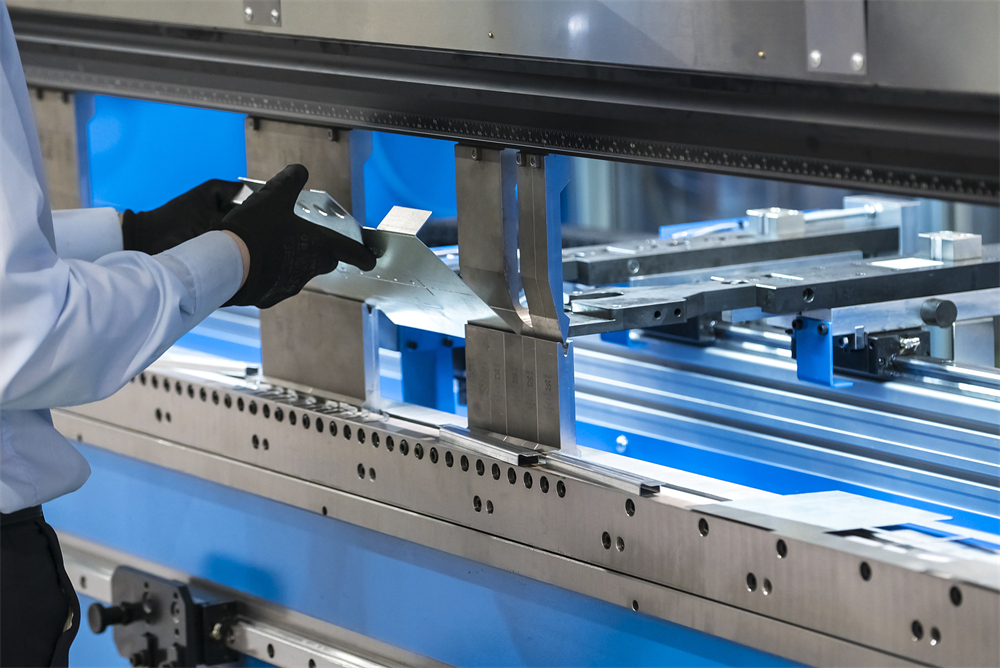
Reducing setup times requires a holistic view of the production floor. The first consideration is the tooling changeover process. In many older systems, the physical act of swapping punches and dies is a labor-intensive task that requires multiple operators and significant downtime. HARSLE press brakes utilize advanced clamping systems that allow for rapid, tool-less changes, ensuring that the machine is back in production in a fraction of the time.
Another critical factor is the programming and simulation phase. Before a single piece of metal is bent, the operator must ensure the program is correct. High-performance press brakes now feature offline programming software that allows engineers to simulate the entire bending sequence in a virtual environment. This eliminates the need for “trial and error” bending on the shop floor, which is a major contributor to wasted time and material scrap.
The role of the backgauge system cannot be overstated. A multi-axis backgauge (X, R, Z1, Z2) allows for complex part geometries to be processed without manual repositioning. By automating the positioning of the backgauge, HARSLE systems ensure that the first part is a good part, significantly reducing the time spent on quality control adjustments during the setup phase.
Finally, operator ergonomics and interface accessibility play a vital role. If an operator has to walk back and forth between the control panel and the machine bed, efficiency drops. HARSLE designs its control interfaces to be intuitive and centrally located, allowing the operator to manage the entire setup process from a single station. This reduction in physical movement translates directly into faster cycle times and less operator fatigue.
Technical Details of HARSLE High-Performance Press Brakes
The technical superiority of HARSLE press brakes lies in their integrated CNC controllers and hydraulic synchronization. These machines utilize high-precision proportional valves that ensure the ram remains perfectly parallel to the bed throughout the entire stroke. This level of precision is critical for maintaining consistency across different batches, which in turn reduces the need for constant recalibration during setup.
One of the standout features in our Case Study: Faster Setup Times A High-Performance Press Brake In Production is the use of dynamic crowning systems. Traditional mechanical crowning is often difficult to adjust and time-consuming. HARSLE’s CNC-controlled hydraulic crowning system automatically adjusts the bed deflection based on the material thickness and bend length, ensuring a perfect angle across the entire length of the workpiece without manual intervention.
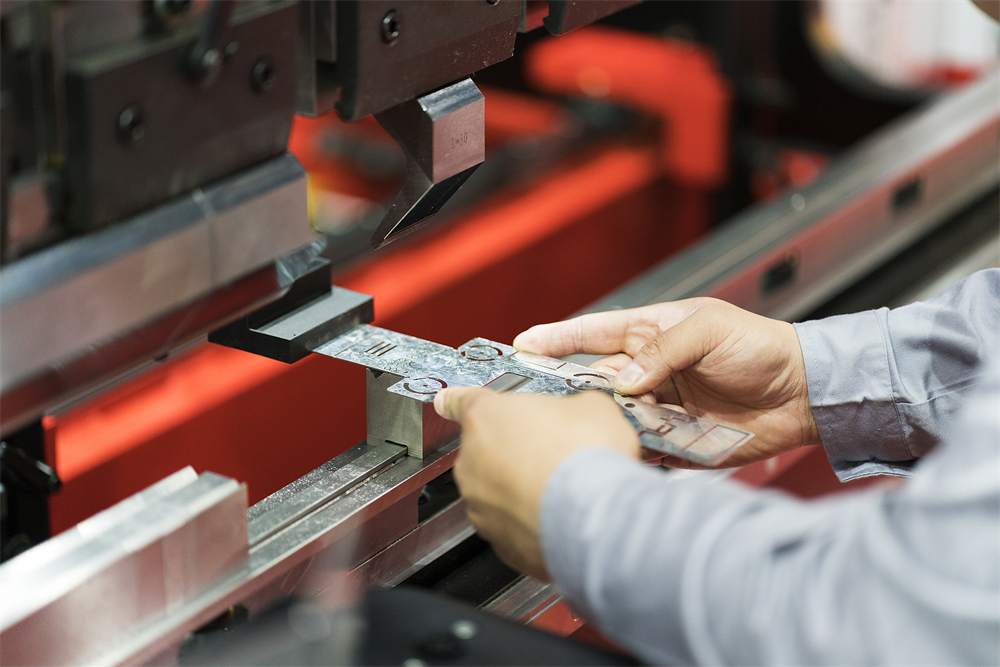
The integration of laser-based angle measurement systems further enhances performance. These sensors measure the actual bend angle in real-time and provide feedback to the CNC controller, which then makes micro-adjustments to the ram position. This closed-loop system eliminates the need for the operator to manually measure and adjust the bend angle, saving valuable minutes on every new setup.
Furthermore, the energy-efficient drive systems in HARSLE machines contribute to lower operating costs. By utilizing variable frequency drives (VFDs) and servo-driven hydraulics, the machine only consumes power when it is actively performing a bend. This not only reduces the carbon footprint of the facility but also ensures that the hydraulic oil remains at an optimal temperature, preventing the thermal expansion that can lead to inaccuracies in the bending process.
Selection Advice for Metal Fabrication Equipment
When selecting a press brake, it is essential to look beyond the initial purchase price. The total cost of ownership (TCO) is heavily influenced by the machine’s setup speed, reliability, and the availability of support. A machine that is cheap to buy but slow to set up will quickly become a liability in a high-mix production environment. We recommend prioritizing machines with robust CNC controllers that support offline programming.
Consider the versatility of the tooling interface. Does the machine support standard European-style tooling, or is it locked into a proprietary system? HARSLE press brakes are designed to be compatible with a wide range of industry-standard tooling, giving fabricators the flexibility to use existing inventory and source new tools from multiple suppliers. This flexibility is a key component of maintaining a lean production workflow.
Evaluate the service and training support provided by the manufacturer. Even the most advanced machine is only as effective as the operator using it. HARSLE provides comprehensive training programs that cover everything from basic operation to advanced programming techniques. Investing in operator training is one of the most effective ways to ensure that the setup times remain low and the machine is utilized to its full potential.
Finally, look for scalability. As your business grows, your production needs will evolve. Choosing a machine that can be upgraded with additional axes, sheet followers, or robotic integration ensures that your investment remains relevant for years to come. HARSLE’s modular design philosophy allows for these future-proof upgrades, protecting your long-term capital investment.
FAQ: Optimizing Press Brake Performance
How does offline programming reduce setup time?
Offline programming allows the operator to create bending sequences and tool layouts on a computer while the machine is still running another job. This eliminates machine downtime during the programming phase and ensures that the setup is optimized before the operator even approaches the press brake.
What is the benefit of a multi-axis backgauge?
A multi-axis backgauge allows for the precise positioning of complex parts in three dimensions. This reduces the need for manual stops and jigs, allowing the operator to process intricate parts with multiple bends in a single handling cycle.
How often should I perform maintenance on my press brake?
Regular maintenance is critical for maintaining high performance. We recommend daily checks of the hydraulic levels and tooling condition, with a comprehensive professional service performed every 2,000 operating hours to ensure the CNC controller and hydraulic valves are calibrated correctly.
Can HARSLE press brakes be integrated into robotic cells?
Yes, HARSLE press brakes are designed with automation in mind. They feature communication protocols that allow for seamless integration with robotic loading and unloading systems, further reducing labor costs and increasing throughput.
Conclusion
The Case Study: Faster Setup Times A High-Performance Press Brake In Production clearly demonstrates that the transition to modern, high-performance machinery is a strategic necessity for any metal fabrication business. By focusing on features that minimize setup time—such as rapid tool clamping, offline programming, and automated crowning—manufacturers can significantly increase their production capacity without the need for additional floor space or labor.
HARSLE remains committed to providing the tools that empower fabricators to achieve these efficiencies. Through a combination of precision engineering, intuitive software, and robust support, our press brakes are designed to meet the challenges of today’s fast-paced manufacturing environment. Whether you are a small job shop or a large-scale industrial facility, the path to improved profitability begins with optimizing your bending processes.
As you evaluate your current production capabilities, consider the impact that a 40% reduction in setup time could have on your bottom line. By investing in the right technology today, you are not just buying a machine; you are investing in the future of your business. We invite you to explore the full range of HARSLE press brakes and discover how we can help you achieve your production goals.












