A Press Brake Case Study On Improving Productivity In Custom Metal Manufacturing


Introduction: The Evolution of Precision Bending
In the competitive landscape of custom metal manufacturing, efficiency is not merely an advantage; it is a survival requirement. For job shops and large-scale fabricators alike, the press brake serves as the heart of the production floor. When throughput bottlenecks occur, they are almost always traced back to inefficient bending cycles, excessive setup times, or inconsistent part quality. This article presents a comprehensive look at A Press Brake Case Study On Improving Productivity In Custom Metal Manufacturing, demonstrating how modern HARSLE technology transforms operational output.
Custom metal manufacturing is defined by high-mix, low-volume production runs. Unlike mass production, where a machine can be set up once and run for weeks, custom shops must pivot between different materials, thicknesses, and complex geometries multiple times a day. This environment demands a press brake that offers rapid tool changes, high-speed backgauge positioning, and intuitive CNC control systems that minimize operator error.
The case study focuses on a mid-sized fabrication facility that struggled with a 30% scrap rate and significant downtime during tool changeovers. By integrating a HARSLE high-precision CNC hydraulic press brake, the facility was able to streamline its workflow. This shift highlights the necessity of moving away from legacy manual systems toward automated, software-driven bending solutions that prioritize repeatability and speed.
Throughout this guide, we will explore the technical nuances that contribute to these productivity gains. From the importance of crowning systems to the integration of offline programming software, we will dissect how modern machinery addresses the specific pain points of custom metal fabrication. By the end of this analysis, you will understand why selecting the right equipment is the most critical investment for scaling your manufacturing capabilities.
Key Considerations for Productivity in Custom Fabrication
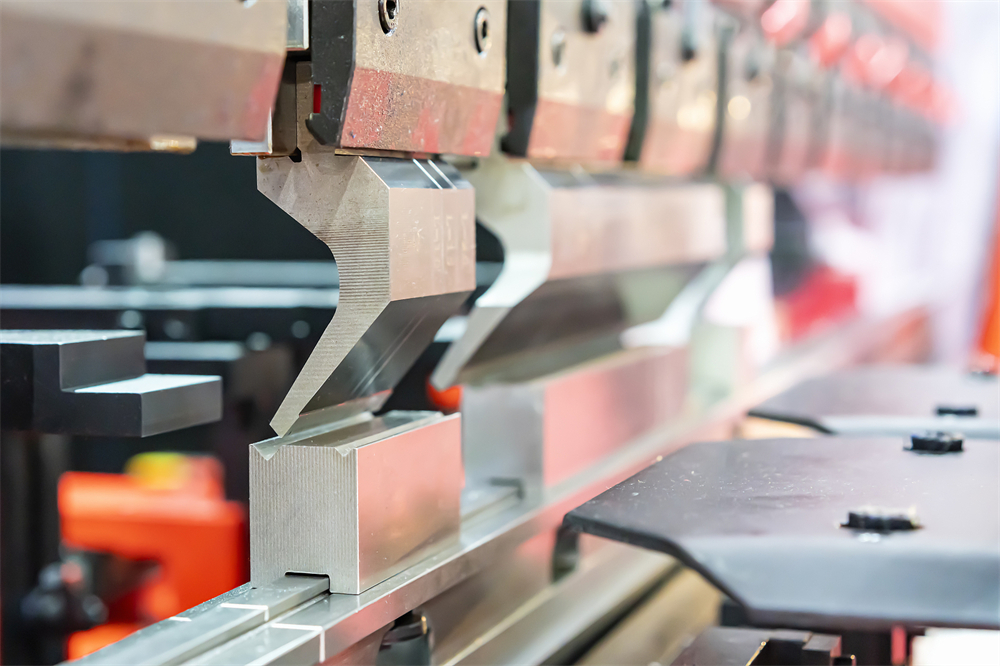
The primary challenge in custom metal manufacturing is the “setup-to-run” ratio. If a shop spends four hours setting up a machine to run a one-hour job, profitability vanishes. To improve productivity, fabricators must focus on reducing the time spent on tool changes, material handling, and program verification. A press brake case study on improving productivity in custom metal manufacturing consistently points to the integration of quick-change clamping systems as a primary driver of efficiency.
Material variability is another critical consideration. Custom shops handle everything from thin-gauge aluminum to thick, high-tensile steel. A press brake must be versatile enough to handle these transitions without requiring extensive recalibration. This is where advanced CNC controllers come into play, allowing operators to store thousands of bending programs that automatically adjust pressure, backgauge position, and crowning compensation based on the material properties.
Operator skill level also plays a significant role in productivity. In an era of skilled labor shortages, relying on a machine that requires a “master craftsman” to operate is a bottleneck. Modern HARSLE press brakes feature user-friendly interfaces that guide the operator through the bending sequence, reducing the learning curve and ensuring that even less experienced personnel can produce high-quality parts with minimal supervision.
Finally, the integration of offline programming software cannot be overstated. By simulating the bending process in a virtual environment before the material ever touches the machine, fabricators can identify potential collisions, calculate the exact bend sequence, and generate code that is ready for the shop floor. This eliminates the “trial and error” approach that plagues traditional bending operations, saving hours of machine time and reducing material waste.
Technical Details: The HARSLE Advantage
At the core of the HARSLE productivity solution is the synchronization of the hydraulic system and the CNC controller. In our case study, the transition to a HARSLE CNC press brake allowed the facility to achieve a bending accuracy of ±0.01mm. This level of precision is achieved through a closed-loop electronic-hydraulic synchronization system that monitors the position of the ram in real-time, adjusting the flow of oil to ensure perfectly parallel bending across the entire length of the bed.
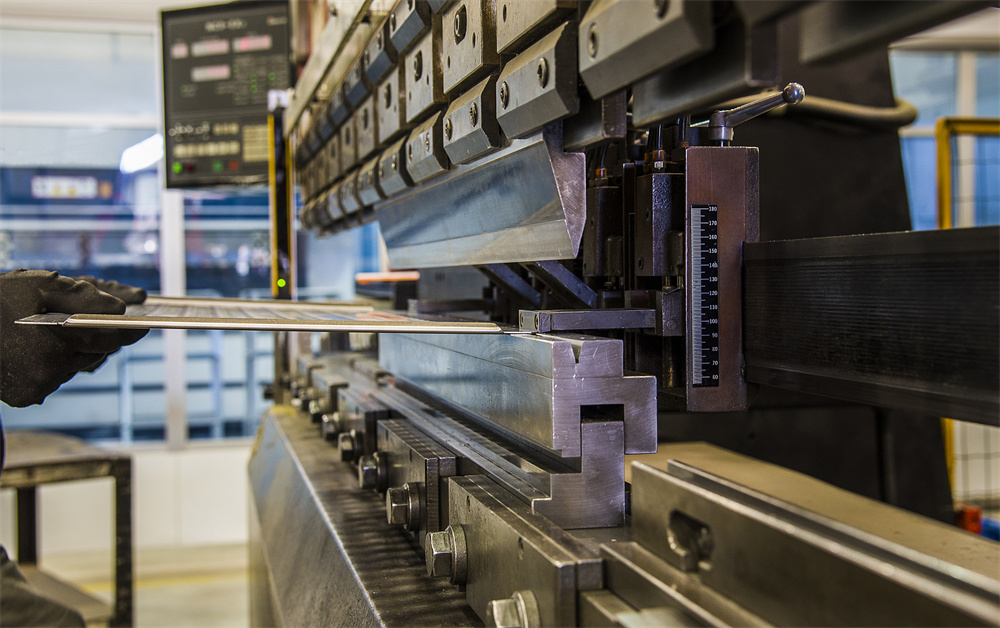
The backgauge system is another technical marvel that directly impacts productivity. Modern HARSLE machines utilize multi-axis backgauges (X, R, Z1, Z2) that allow for complex, multi-stage bending without manual repositioning. This is particularly vital for custom parts with irregular shapes or multiple flanges. By automating the movement of the backgauge, the machine ensures that every bend is positioned exactly where it needs to be, regardless of the complexity of the part geometry.
Crowning compensation is essential for maintaining consistent bend angles across the entire length of the part. As a press brake bends metal, the machine frame naturally deflects under load. HARSLE’s automated hydraulic crowning system compensates for this deflection by adjusting the bed geometry in real-time. This ensures that the bend angle is uniform from one end of the sheet to the other, eliminating the need for time-consuming shimming or multiple test bends.
Furthermore, the energy efficiency of modern hydraulic systems has improved drastically. HARSLE press brakes utilize variable-frequency drives (VFDs) that adjust the motor speed based on the actual demand of the bending cycle. This not only reduces electricity consumption but also lowers noise levels and extends the lifespan of the hydraulic oil and seals, contributing to lower long-term maintenance costs and higher overall equipment effectiveness (OEE).
Selection Advice: Choosing the Right Press Brake
When selecting a press brake for custom metal manufacturing, the first step is to analyze your typical part mix. Do you primarily bend thin sheets, or do you frequently work with heavy plate? The tonnage and bed length must be matched to your most demanding jobs, but not so oversized that you lose efficiency on smaller, more frequent tasks. A common mistake is over-specifying the machine, which leads to higher energy costs and slower cycle times.
Consider the level of automation that your shop requires. If you are producing high volumes of identical parts, a robotic bending cell might be the right choice. However, for true custom manufacturing, a flexible CNC press brake with quick-change tooling is usually more cost-effective. Look for machines that support modular tooling systems, which allow you to swap out punches and dies in seconds rather than minutes.
The quality of the CNC controller is perhaps the most important software-related decision. Ensure that the controller is compatible with your existing CAD/CAM software. Seamless integration between your design office and the shop floor is the hallmark of a productive facility. A controller that supports 3D visualization allows the operator to see the part being formed in real-time, which is invaluable for complex assemblies.
Finally, evaluate the support and service infrastructure of the manufacturer. A press brake is a long-term investment. You need a partner who provides comprehensive training, readily available spare parts, and responsive technical support. HARSLE prides itself on providing a complete ecosystem of support, ensuring that your machine remains operational and productive throughout its entire lifecycle.
Maintenance and Longevity: Keeping Productivity High
To maintain the productivity gains identified in our case study, a rigorous maintenance schedule is non-negotiable. Regular inspection of the hydraulic system is paramount. Contaminated oil is the leading cause of valve failure in press brakes. By implementing a strict oil change and filtration schedule, you can prevent costly downtime and ensure the longevity of your hydraulic components.
The tooling must also be maintained. Worn punches and dies will result in inconsistent bend angles and increased scrap rates. Periodically inspect your tooling for signs of wear, chipping, or deformation. Investing in high-quality, hardened tooling from the start will pay dividends in the long run, as these tools hold their precision much longer than cheaper alternatives.
The backgauge mechanism should be cleaned and lubricated regularly to ensure smooth, accurate movement. Dust and metal shavings can accumulate in the rails, leading to binding or inaccuracies in the X and R axes. A simple daily wipe-down and weekly lubrication routine can prevent significant mechanical issues down the road.
Lastly, keep your software updated. Manufacturers frequently release firmware updates that improve the performance of the CNC controller, add new features, or optimize the bending algorithms. Staying current with these updates ensures that your machine is always operating at its peak potential, keeping your shop at the forefront of custom metal manufacturing technology.
FAQ: Common Questions About Press Brake Productivity
- How does a CNC press brake improve productivity compared to a manual one?
CNC press brakes automate the bending sequence, backgauge positioning, and pressure settings. This reduces setup time, eliminates human error, and allows for the storage of thousands of programs, which is essential for high-mix custom manufacturing. - What is the role of crowning in press brake accuracy?
Crowning compensates for the natural deflection of the machine frame during the bending process. It ensures that the bend angle remains consistent across the entire length of the workpiece, preventing the “canoe” effect where the center of the bend is different from the ends. - Can offline programming software really save time?
Yes. By programming parts offline, you remove the machine from the equation during the setup phase. The machine stays busy bending parts while the programmer prepares the next job, significantly increasing the overall throughput of the shop. - What maintenance is required for a hydraulic press brake?
Key maintenance tasks include regular hydraulic oil analysis and changes, filter replacements, lubrication of the backgauge rails, and periodic inspection of the tooling for wear. Keeping the machine clean and free of debris is also critical. - Why is HARSLE recommended for custom metal shops?
HARSLE offers a balance of high-precision engineering, user-friendly CNC interfaces, and robust construction. Their machines are designed specifically for the flexibility required in custom fabrication, backed by comprehensive global support.
Conclusion: Investing in the Future of Fabrication
The lessons learned from A Press Brake Case Study On Improving Productivity In Custom Metal Manufacturing are clear: productivity is a result of intentional design, smart technology integration, and disciplined maintenance. By upgrading to a high-precision HARSLE CNC press brake, shops can overcome the traditional barriers of custom manufacturing, turning complex, low-volume jobs into profitable, efficient production runs.
As the industry continues to evolve, the demand for faster turnaround times and higher precision will only increase. Fabricators who embrace modern bending technology will find themselves well-positioned to meet these challenges, while those who rely on outdated, manual processes will struggle to remain competitive. The investment in a modern press brake is not just an investment in a machine; it is an investment in the future viability of your business.
Whether you are a small job shop looking to scale or a large manufacturer aiming to optimize your production floor, the principles outlined in this guide remain the same. Focus on reducing setup times, ensuring repeatability through CNC control, and maintaining your equipment to the highest standards. With the right tools and a commitment to continuous improvement, you can achieve the same productivity gains seen in our case study and set a new standard for excellence in your own facility.