
Press Brake Case Study: Achieving Better Forming Results on Thick Plate


Press Brake Case Study: Achieving Better Forming Results on Thick Plate
In the demanding world of heavy metal fabrication, the ability to process thick plate materials with precision and consistency is a hallmark of a top-tier workshop. Achieving high-quality bends on materials exceeding 10mm or 20mm thickness presents unique challenges that go beyond standard sheet metal operations. This Press Brake Case Study: Achieving Better Forming Results On Thick Plate explores how HARSLE technology addresses these complexities, providing fabricators with the tools necessary to maintain structural integrity and dimensional accuracy.
Key Considerations for Thick Plate Bending
When working with thick plates, the primary challenge is the sheer amount of force required to overcome the material’s yield strength. Unlike thin gauge sheets, thick plates exhibit significant springback, which must be calculated and compensated for during the bending cycle. Fabricators must account for the material’s grain direction, as bending against the grain can lead to cracking or structural failure at the bend radius. Proper material preparation, including deburring and surface inspection, is essential to prevent stress risers that could propagate into cracks during the high-pressure forming process.
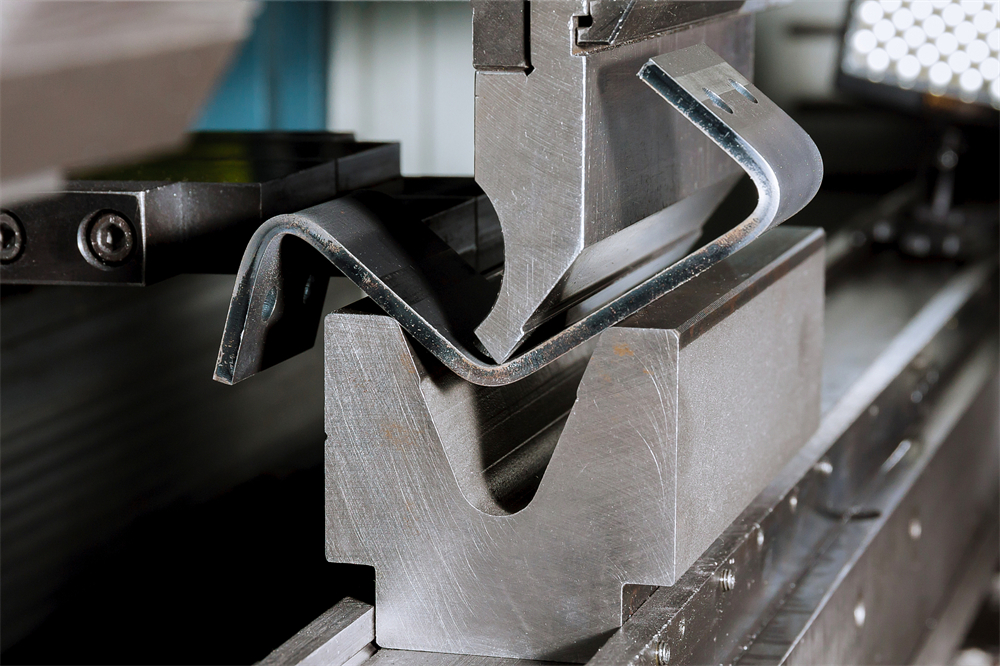
Another critical factor is the tooling selection. Standard dies are often insufficient for heavy-duty applications. The V-opening of the die must be carefully calculated based on the plate thickness to ensure the material does not bottom out or crack under the immense pressure. HARSLE engineers emphasize that the ratio of V-opening to plate thickness is the most vital variable in preventing premature tool wear and ensuring a clean bend profile. For plates exceeding 15mm, using hardened, high-grade tool steel is non-negotiable to withstand the extreme compressive forces.
Thermal management also plays a role in thick plate processing. As the press brake exerts high tonnage, the hydraulic oil and the machine frame itself can experience thermal expansion. Advanced CNC systems, such as those found on HARSLE machines, utilize real-time compensation sensors to adjust the ram position, ensuring that the bend angle remains consistent even as the machine reaches operating temperature during long production runs. This thermal stability is what separates industrial-grade equipment from standard shop-floor machinery.
Safety protocols are amplified when dealing with thick plates. The potential for stored energy release is significantly higher, and the weight of the workpieces requires robust material handling systems. Integrating automated front and back gauges, along with hydraulic crowning systems, allows operators to manage heavy plates with minimal physical strain while maintaining high throughput and safety standards. Utilizing overhead cranes or vacuum lifters in conjunction with the press brake is recommended to ensure the workpiece is properly supported throughout the cycle.
Technical Details of High-Tonnage Forming
The technical core of any Press Brake Case Study: Achieving Better Forming Results On Thick Plate lies in the synchronization of the hydraulic axes. HARSLE’s high-tonnage press brakes utilize a closed-loop electronic-hydraulic synchronization system. This ensures that both cylinders move in perfect harmony, preventing the ram from tilting—a common issue that leads to uneven bends and potential machine damage when processing thick, high-tensile steel. By utilizing high-response proportional valves, the system can make micro-adjustments in milliseconds.
Crowning technology is the unsung hero of thick plate forming. Because the machine frame naturally deflects under high tonnage, the center of the bed may bow slightly, leading to an inconsistent bend angle across the length of the plate. HARSLE’s automated hydraulic crowning system compensates for this deflection by applying counter-pressure, ensuring that the bend angle is uniform from one end of the plate to the other, regardless of the material thickness. This is particularly vital when working with long, heavy plates where even a 0.5-degree deviation can result in a rejected part.
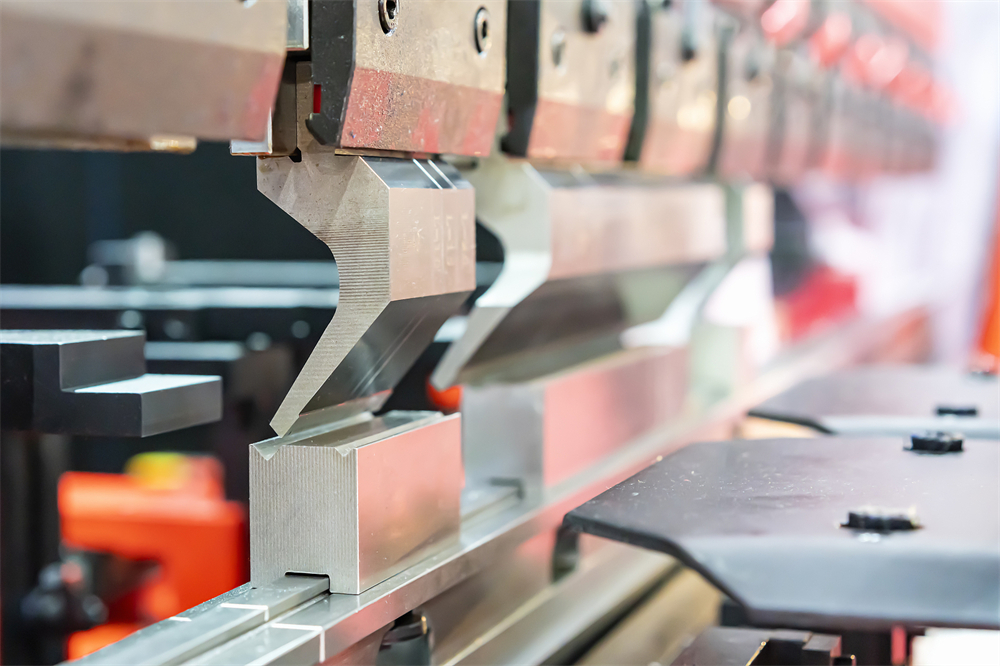
The CNC controller serves as the brain of the operation. Modern HARSLE controllers allow for multi-stage bending programs where the machine automatically adjusts the tonnage, backgauge position, and crowning pressure for each step. This level of automation is essential for complex parts that require multiple bends, as it reduces the reliance on operator skill and minimizes the risk of human error during the production of heavy components. Advanced software modules can even simulate the bending process in 3D, identifying potential collisions before the first piece is ever formed.
Material properties, such as tensile strength and elongation, must be input into the CNC system. By utilizing advanced algorithms, the machine calculates the required bend allowance and springback compensation automatically. This data-driven approach allows fabricators to achieve first-part accuracy, significantly reducing scrap rates and saving valuable material costs, which is particularly important when working with expensive, high-strength alloys like Hardox or stainless steel.
Selection Advice for Heavy-Duty Press Brakes
Choosing the right equipment for thick plate forming requires a forward-looking strategy. First, evaluate your maximum material thickness and the required bend length. It is always advisable to select a machine with a tonnage capacity 20% higher than your calculated requirements to ensure the machine operates within its optimal range, extending the lifespan of the hydraulic seals and structural components. Overloading a machine, even occasionally, leads to premature fatigue of the frame and hydraulic seals.
Consider the throat depth and daylight opening. Thick plates often require specialized, larger-radius tooling, which takes up more vertical space. A machine with a generous daylight opening and a deep throat allows for greater flexibility in part design and tooling configurations. HARSLE offers customizable throat depths to accommodate large, bulky workpieces that would otherwise be impossible to process on standard-frame machines. Additionally, consider the stroke length; longer strokes provide more clearance for complex, deep-box shapes.
Look for integrated safety features such as laser light curtains and side-guarding sensors. In a high-tonnage environment, safety is non-negotiable. HARSLE machines are equipped with advanced safety systems that monitor the bending zone in real-time, automatically stopping the ram if an obstruction is detected, thereby protecting both the operator and the integrity of the workpiece. Furthermore, consider the noise levels and energy efficiency; modern servo-driven hydraulic systems can reduce energy consumption by up to 40% compared to traditional constant-run pumps.
Finally, evaluate the availability of technical support and spare parts. Industrial machinery is a long-term investment. HARSLE provides comprehensive after-sales support, including remote diagnostics and on-site maintenance training. Ensuring that your team is well-versed in the machine’s capabilities and maintenance requirements is just as important as the hardware itself for achieving consistent, high-quality results. Establish a preventative maintenance schedule that includes regular oil analysis, filter changes, and calibration of the Y1/Y2 axes.
FAQ: Frequently Asked Questions
- Q: How do I calculate the correct V-opening for thick plate?
A: A general rule of thumb is 8 to 12 times the material thickness. However, for very thick plates, you may need a wider V-opening to reduce the required bending force and prevent cracking. Always consult the tooling manufacturer’s chart for specific material grades. - Q: Why is my thick plate cracking during the bend?
A: Cracking is often caused by a bend radius that is too tight for the material thickness or bending against the grain. Ensure your tooling radius is appropriate for the material grade and that the material is not cold-worked beyond its limits. - Q: What is the benefit of hydraulic crowning?
A: Hydraulic crowning compensates for the deflection of the press brake bed under high tonnage, ensuring a consistent bend angle across the entire length of the plate. Without it, the center of the bend will be shallower than the ends. - Q: How often should I perform maintenance on a heavy-duty press brake?
A: Regular maintenance should be performed every 500 to 1,000 operating hours, focusing on hydraulic oil quality, filter replacement, and checking the alignment of the ram and bed. Annual professional calibration is highly recommended. - Q: Can HARSLE machines handle high-tensile steel?
A: Yes, HARSLE press brakes are designed to handle high-tensile materials by adjusting the tonnage and speed parameters through the CNC controller. The robust frame construction is specifically engineered to handle the increased springback associated with these alloys. - Q: What is the importance of the “Daylight Opening”?
A: The daylight opening is the maximum distance between the ram and the bed. For thick plate, you often need taller tooling to achieve specific bend geometries; a larger daylight opening ensures you have the clearance to load and unload these parts safely.
Conclusion
Achieving superior results in thick plate forming is a combination of robust machinery, precise tooling, and intelligent software. As demonstrated in this Press Brake Case Study: Achieving Better Forming Results On Thick Plate, the transition to high-tonnage, CNC-controlled systems like those offered by HARSLE allows fabricators to overcome the traditional limitations of heavy metal bending. By focusing on proper V-opening selection, utilizing automated crowning, and maintaining strict safety and maintenance protocols, workshops can significantly improve their productivity and part quality.
Investing in the right metal fabrication equipment is the foundation of industrial success. Whether you are producing structural components for construction, heavy machinery parts, or specialized industrial frames, HARSLE provides the reliability and precision required to stay competitive. We encourage fabricators to evaluate their specific production needs and consult with our technical team to tailor a press brake solution that meets the challenges of tomorrow’s manufacturing demands. By prioritizing quality at every stage of the bending process, you ensure that your shop remains a leader in the heavy fabrication sector.


