
How Automation Improved Press Brake Performance: Factory Case Study


Introduction: The Evolution of Modern Metal Fabrication
In the competitive landscape of modern metal fabrication, the transition from manual operation to automated systems has become the defining factor for success. As manufacturers face increasing pressure to reduce lead times, minimize material waste, and maintain impeccable precision, the integration of robotics and automated software into the bending process has shifted from a luxury to a necessity. This article explores the transformative journey of a mid-sized fabrication facility that successfully integrated HARSLE automated systems to revolutionize their production floor.
The core of this transformation lies in the realization that human-operated press brakes, while versatile, are inherently limited by fatigue, varying skill levels, and the physical constraints of manual material handling. By analyzing the specific metrics of a real-world factory, we can see exactly how automation improved press brake performance: factory case study results demonstrate not just incremental gains, but a fundamental shift in operational capacity. This case study serves as a blueprint for shop owners looking to modernize their facilities.
HARSLE has been at the forefront of this technological shift, providing high-precision hydraulic press brakes that serve as the foundation for fully automated cells. When we discuss how automation improved press brake performance, we are looking at the synergy between high-speed backgauges, automatic tool changers, and robotic loading/unloading arms. These components work in tandem to create a seamless workflow that operates 24/7 with minimal supervision.
Throughout this article, we will dissect the technical hurdles, the strategic implementation phases, and the long-term ROI observed in our subject factory. Whether you are a job shop manager or a high-volume production lead, understanding these dynamics is essential for staying relevant in an industry that is rapidly moving toward Industry 4.0 standards.
Key Considerations for Implementing Automation
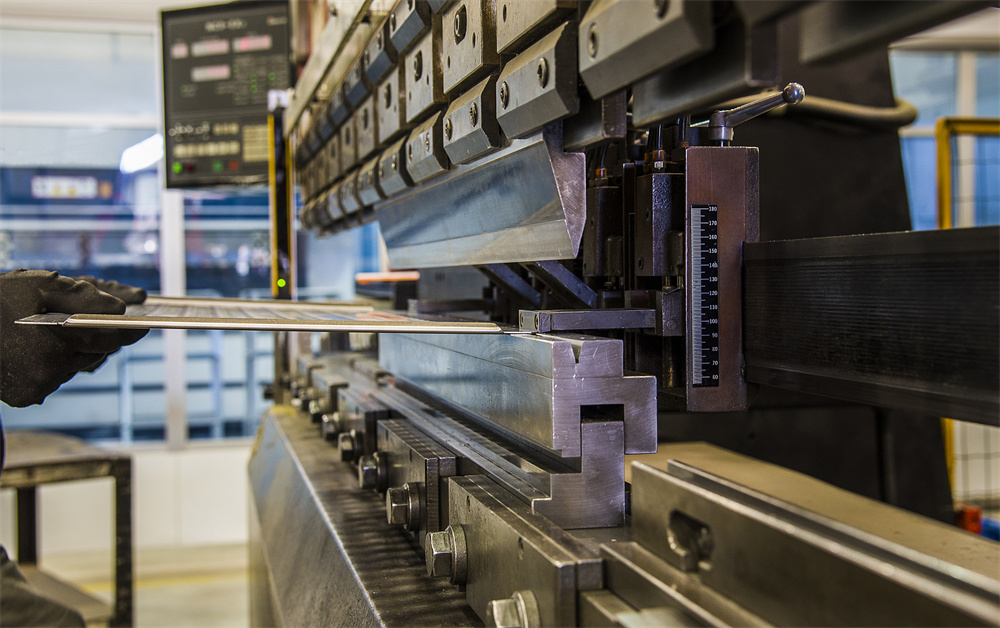
Before diving into the technical specifications, it is vital to understand the strategic considerations that precede an automation project. The primary driver for our subject factory was the need to address labor shortages and the rising cost of skilled labor. By automating the repetitive aspects of the bending process, the factory was able to reallocate their most skilled workers to complex, high-value tasks that require human intuition and problem-solving capabilities.
Another critical consideration is the consistency of raw material input. Automation thrives on predictability. If the incoming sheet metal varies significantly in thickness or quality, the automated system may struggle to maintain the required bend angles. Our case study factory invested in high-quality, standardized raw materials, which allowed the HARSLE press brake’s sensors to operate within their optimal parameters, significantly reducing the scrap rate during the initial implementation phase.
Space optimization is often overlooked but remains a key factor. An automated cell requires a larger footprint than a standalone press brake due to the inclusion of robotic arms, safety fencing, and material staging areas. The factory had to reconfigure its floor plan to ensure a logical flow of materials, minimizing the distance the robot had to travel between the pallet, the press brake, and the finished parts bin. This layout optimization was a major contributor to the overall efficiency gains.
Finally, the integration of software is paramount. The factory utilized HARSLE’s advanced offline programming software, which allows operators to simulate the entire bending sequence before the machine even touches the metal. This virtual prototyping identifies potential collisions and optimizes the tool path, ensuring that when the machine starts, it runs at maximum efficiency without the need for trial-and-error adjustments on the shop floor.
Technical Details: The HARSLE Advantage
The technical heart of this case study is the HARSLE high-performance hydraulic press brake equipped with an integrated robotic interface. The machine features a multi-axis backgauge system that allows for complex bending geometries that would be nearly impossible to achieve manually. The precision of these axes, combined with the robotic arm’s ability to reposition the sheet with sub-millimeter accuracy, ensures that every part is identical to the first.
One of the most significant technical improvements was the implementation of an automatic tool changing (ATC) system. In traditional setups, tool changes can take anywhere from 30 minutes to several hours, depending on the complexity of the job. With the HARSLE ATC, the machine automatically swaps out punches and dies based on the job requirements, reducing changeover time to mere minutes. This capability allowed the factory to switch between small-batch production runs without the typical downtime penalties.
The hydraulic system itself has been optimized for energy efficiency and speed. HARSLE’s servo-driven hydraulic pumps provide high-speed approach and return strokes while maintaining precise control during the bending phase. This not only improves cycle times but also significantly reduces energy consumption, a key metric for factories looking to lower their carbon footprint and operational costs. The integration of real-time pressure monitoring ensures that the machine compensates for any material spring-back, maintaining the desired angle throughout the entire production run.
Safety is another technical pillar. With the robot handling the material, the risk of workplace injuries associated with manual loading and unloading is virtually eliminated. The HARSLE system includes advanced laser safety curtains and pressure-sensitive floor mats that stop the machine instantly if any human presence is detected within the operational zone. This allows the machine to operate at higher speeds with the confidence that safety protocols are strictly enforced.
Selection Advice: Choosing the Right Automated System
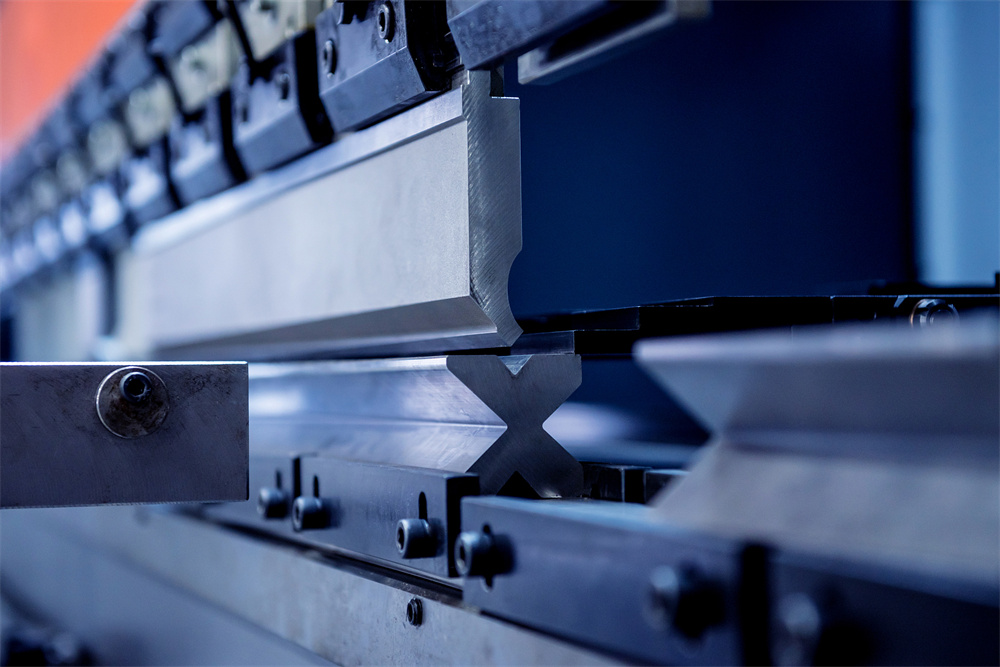
When selecting an automated press brake system, the first step is to conduct a thorough audit of your current production mix. Are you producing high-volume, simple parts, or low-volume, complex geometries? For high-volume production, a dedicated robotic cell with fixed tooling might be sufficient. However, for a job shop environment, a flexible system with automatic tool changing and a multi-axis robot is essential to handle the diversity of parts.
Consider the payload capacity of the robotic arm. It is a common mistake to underestimate the weight of the sheet metal, especially when dealing with large, heavy panels. Ensure that the robot you select has a safety margin in its payload capacity to account for the weight of the grippers and the suction cups. HARSLE provides comprehensive consulting services to help manufacturers calculate these requirements based on their specific product catalog.
Software compatibility is another non-negotiable factor. Your press brake automation system must be able to communicate seamlessly with your existing ERP and CAD/CAM software. If the data transfer between your design department and the shop floor is manual, you are losing the benefits of automation. Look for systems that support open communication protocols and offer robust offline programming capabilities to maximize your uptime.
Finally, evaluate the support and training provided by the manufacturer. Automation is a significant investment, and the learning curve for your staff will be steep. HARSLE offers extensive training programs that cover not just the operation of the machine, but also the maintenance and troubleshooting of the robotic components. Having a reliable partner who can provide remote diagnostics and rapid on-site support is crucial for maintaining high performance over the long term.
Maintenance and Long-Term Performance
Even the most advanced automated press brake requires a structured maintenance schedule to ensure long-term reliability. The case study factory implemented a preventative maintenance program that focuses on the hydraulic system, the robotic joints, and the tool-changing mechanism. Regular oil analysis, filter replacements, and lubrication of the robotic axes are performed on a strict schedule to prevent unexpected downtime.
The software also plays a role in maintenance. Modern HARSLE press brakes come equipped with diagnostic tools that monitor the health of the machine in real-time. These systems can alert operators to potential issues—such as a drop in hydraulic pressure or a slight deviation in axis alignment—before they lead to a machine failure. This predictive maintenance approach is a hallmark of high-performing factories.
Training your maintenance team is equally important. They must be familiar with both the mechanical aspects of the press brake and the electronic components of the robotic system. By investing in cross-training, the factory ensured that they could handle minor repairs in-house, significantly reducing the time spent waiting for external technicians. This self-sufficiency is a key component of how automation improved press brake performance: factory case study data shows that reduced downtime directly correlates to higher overall equipment effectiveness (OEE).
Lastly, keep your tooling in top condition. Even with an automated system, worn-out punches and dies will lead to poor part quality. The factory implemented a tool management system that tracks the usage of every punch and die, scheduling regrinding or replacement based on the number of cycles. This proactive approach ensures that the precision of the machine is never compromised by degraded tooling.
FAQ: Common Questions About Press Brake Automation
1. Is automation only for high-volume production?
While automation is highly effective for high-volume runs, modern systems with automatic tool changers are increasingly viable for high-mix, low-volume job shops. The reduction in setup time makes it feasible to automate even small batches.
2. How long does it take to see a return on investment?
ROI depends on your current labor costs, scrap rates, and production volume. Most factories implementing HARSLE automated systems see a return on investment within 18 to 36 months due to increased throughput and reduced waste.
3. Do I need to hire specialized robotics engineers?
While having someone with technical expertise is beneficial, HARSLE’s user-friendly interfaces are designed to be operated by existing staff after proper training. The goal is to empower your current team, not replace them.
4. Can I automate an existing press brake?
In some cases, yes, but it is often more cost-effective and reliable to invest in a purpose-built automated cell. Retrofitting can lead to compatibility issues and may not provide the same level of integration as a factory-designed system.
5. How does automation affect part quality?
Automation significantly improves part quality by eliminating human error. Robots provide consistent pressure, speed, and positioning, ensuring that every bend is accurate and repeatable, regardless of the time of day or the operator’s experience level.
Conclusion: The Future of Fabrication
The case study of our subject factory clearly demonstrates that the question is no longer whether to automate, but how to do it effectively. By integrating HARSLE’s advanced press brake technology, the facility was able to overcome the limitations of manual labor, achieve unprecedented levels of precision, and significantly increase their production capacity. The transition was not without its challenges, but through careful planning, staff training, and a commitment to maintenance, the factory successfully navigated the shift to an automated future.
Automation is not just about replacing human effort; it is about augmenting human capability. By offloading the repetitive, physically demanding, and high-precision tasks to a machine, manufacturers can focus on innovation, design, and complex problem-solving. As the metal fabrication industry continues to evolve, those who embrace these technologies will be the ones leading the market. If you are ready to take the next step in your manufacturing journey, HARSLE is here to provide the expertise and equipment to help you succeed.
In summary, the key takeaways from this case study are clear: prioritize layout, invest in high-quality software, maintain your equipment with a predictive mindset, and choose a partner who understands the unique challenges of your production environment. The path to improved press brake performance is paved with automation, and the time to start your transformation is now.












