Press Brake Case Study: Mastering Complex Parts with Tight Tolerances


Introduction to Precision Metal Bending
In the modern landscape of metal fabrication, the demand for intricate components with extremely tight tolerances has reached an all-time high. Industries ranging from aerospace and medical device manufacturing to high-end automotive engineering require parts that are not only structurally sound but also dimensionally perfect. Achieving these results consistently requires more than just a standard machine; it demands a sophisticated synergy between advanced hardware, intelligent software, and precise tooling.
This article serves as a comprehensive press brake case study for bending complex parts with tight tolerances. We will examine how HARSLE’s advanced hydraulic press brake systems address the common pitfalls of high-precision manufacturing. By analyzing a real-world scenario involving a multi-bend stainless steel enclosure, we will uncover the technical strategies required to maintain sub-millimeter accuracy across complex geometries.
The evolution of press brake technology has shifted from manual, labor-intensive operations to highly automated, CNC-driven processes. Today, operators rely on real-time feedback loops, dynamic crowning systems, and advanced material compensation algorithms to ensure that every bend meets the stringent specifications of the client. Understanding these technologies is essential for any fabrication shop looking to scale its capabilities and improve its competitive edge.
Throughout this guide, we will explore the critical factors that influence bending accuracy, including material spring-back, tool wear, and thermal expansion. By the end of this analysis, you will have a clear roadmap for selecting the right equipment and implementing the best practices necessary to handle the most challenging bending projects in your facility.
Key Considerations for High-Precision Bending
When approaching a project that involves complex parts and tight tolerances, the first step is a thorough analysis of the material properties. Different metals exhibit varying degrees of spring-back, which is the tendency of a material to return to its original shape after the bending force is removed. For high-precision work, the press brake must be equipped with software that can calculate and compensate for these material variations in real-time.
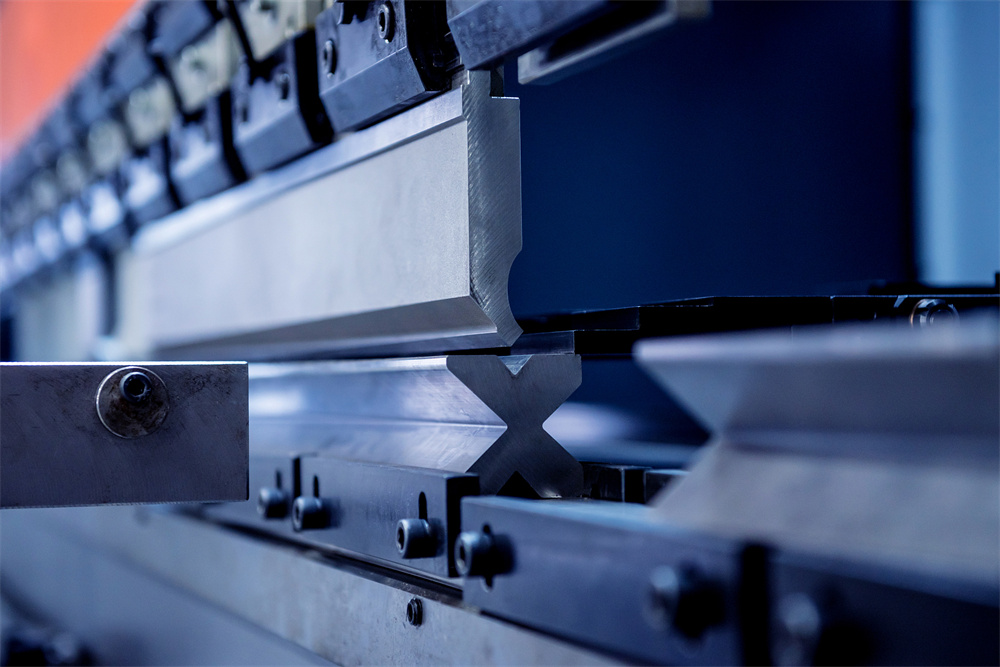
Another critical consideration is the tooling selection. Standard V-dies are often insufficient for complex parts that require multiple bends in close proximity. Precision-ground tooling is mandatory to minimize the accumulation of errors. Furthermore, the choice of punch radius and die opening must be optimized to reduce the stress on the material while ensuring the desired bend angle is achieved without surface marring or cracking.
The structural rigidity of the press brake frame itself plays a pivotal role in maintaining tolerances. Under high tonnage, even the most robust machines experience slight deflections. HARSLE’s press brakes utilize heavy-duty, stress-relieved steel frames designed to minimize deformation. This structural integrity ensures that the ram remains parallel to the bed throughout the entire stroke, which is non-negotiable when working with tight-tolerance components.
Finally, environmental factors cannot be ignored. Temperature fluctuations within a fabrication shop can affect the hydraulic oil viscosity and the physical dimensions of the machine components. Implementing a climate-controlled environment or utilizing machines with thermal compensation sensors can significantly improve the repeatability of your bending operations, especially during long production runs where heat buildup is common.
Technical Details: A Case Study in Precision
In this specific case study, a client required the production of a complex electrical housing made from 2mm 304 stainless steel. The part featured 12 bends, including several reverse bends and tight-radius flanges, with a tolerance requirement of ±0.1mm. The initial attempts using a standard hydraulic press brake resulted in a 15% scrap rate due to cumulative angle errors and inconsistent flange lengths.
To solve this, the production team transitioned to a HARSLE CNC hydraulic press brake equipped with an active crowning system. The active crowning system automatically adjusts the bed geometry to counteract the deflection of the machine under load. By integrating a laser angle measurement system, the machine was able to monitor the bend angle in real-time and make micro-adjustments to the ram position before the bend was completed.
The programming phase was equally critical. Using 3D offline programming software, the engineers simulated the entire bending sequence to identify potential collisions and optimize the tool path. This software allowed for the calculation of the exact bend allowance and deduction for each bend, ensuring that the final part dimensions were mathematically perfect before the first sheet of metal was even loaded into the machine.
The results were transformative. By utilizing the HARSLE press brake’s advanced features, the scrap rate dropped from 15% to less than 1%. The consistency of the parts allowed for seamless assembly in the downstream welding and finishing processes, significantly reducing the total lead time for the project. This case study demonstrates that when precision is the goal, the investment in high-end technology pays for itself through reduced waste and increased throughput.
Selection Advice for High-Tolerance Fabrication
Choosing the right press brake for complex, high-tolerance work requires a strategic approach. First, evaluate the tonnage requirements based on your thickest and strongest material. However, do not over-specify; a machine that is too large for the majority of your work may lack the sensitivity required for thin-gauge, high-precision parts. Look for a machine with a wide tonnage range and high-resolution pressure control.
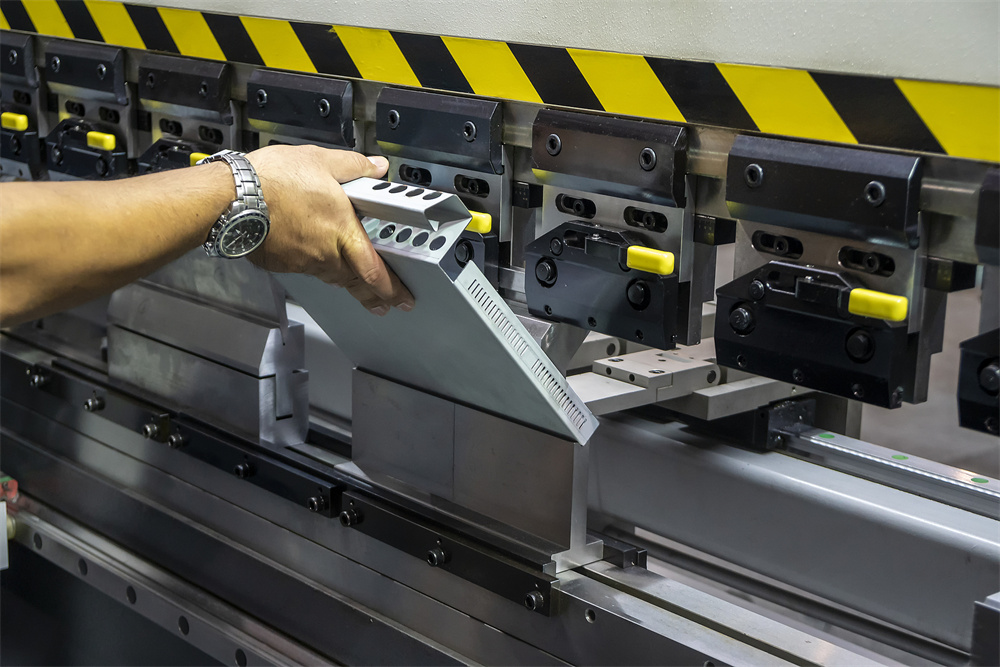
The backgauge system is arguably the most important component for accuracy. For complex parts, a multi-axis backgauge (at least 4 to 6 axes) is essential. This allows for the positioning of parts at various angles and depths, which is necessary for non-parallel bends or complex geometries. Ensure the backgauge is equipped with high-precision servo motors and encoders to guarantee repeatability over thousands of cycles.
Consider the software ecosystem. A press brake is only as good as its controller. HARSLE’s controllers offer intuitive interfaces that allow operators to input bend parameters, manage tool libraries, and perform diagnostic checks with ease. Look for systems that support offline programming and can integrate with your existing CAD/CAM workflow to minimize manual data entry and human error.
Finally, prioritize after-sales support and maintenance. Precision machines require regular calibration to maintain their accuracy. Partnering with a manufacturer that provides comprehensive training, readily available spare parts, and remote technical support will ensure that your machine remains a reliable asset for years to come. Do not hesitate to ask for references or case studies from other manufacturers who have successfully implemented the equipment you are considering.
Frequently Asked Questions (FAQ)
How does an active crowning system improve bending accuracy?
An active crowning system uses hydraulic cylinders or mechanical wedges to compensate for the deflection of the press brake bed and ram under load. This ensures that the bend angle remains consistent across the entire length of the part, preventing the common “canoe” effect where the center of the bend is different from the ends.
Why is offline programming important for complex parts?
Offline programming allows you to simulate the bending process in a virtual environment. This helps in identifying potential tool collisions, determining the optimal bending sequence, and calculating precise bend allowances before production begins. It saves significant time and reduces material waste by ensuring the process is optimized before the machine is even touched.
What is the role of the backgauge in achieving tight tolerances?
The backgauge acts as the reference point for the material. In high-precision bending, the backgauge must be extremely rigid and accurate. A multi-axis backgauge allows for complex positioning, ensuring that every bend is located exactly where it needs to be relative to previous bends, which is critical for maintaining overall part dimensions.
How often should a press brake be calibrated?
For shops working with tight tolerances, it is recommended to perform a basic calibration check every six months. A full professional calibration should be conducted annually to ensure that the ram parallelism, backgauge accuracy, and hydraulic pressure settings are within the manufacturer’s specifications.
Can I bend different materials on the same press brake?
Yes, modern CNC press brakes are highly versatile. By using a comprehensive material library in the controller, you can easily switch between different materials like aluminum, mild steel, and stainless steel. The controller automatically adjusts the bending force and compensation factors based on the material’s tensile strength and thickness.
Conclusion
Mastering the art of bending complex parts with tight tolerances is a journey that combines technical expertise with the right industrial machinery. As demonstrated in this press brake case study, the transition from standard equipment to advanced, CNC-integrated systems like those offered by HARSLE can drastically improve quality, reduce scrap, and enhance overall operational efficiency. By focusing on material properties, investing in high-precision tooling, and leveraging the power of modern software, fabricators can tackle even the most demanding projects with confidence.
The key takeaway is that precision is not an accidental outcome; it is a deliberate process. Every bend must be calculated, every tool must be maintained, and every operator must be trained to understand the nuances of the machine. As the metal fabrication industry continues to evolve, those who prioritize accuracy and invest in the right technology will undoubtedly lead the market. Whether you are a small job shop or a large-scale manufacturer, the principles outlined in this guide provide a solid foundation for achieving excellence in your bending operations.
HARSLE remains committed to supporting the fabrication community with innovative solutions that push the boundaries of what is possible. By choosing equipment that offers superior rigidity, advanced control systems, and reliable performance, you are setting your business up for long-term success in an increasingly competitive global market. Remember, when it comes to complex parts, the quality of your press brake is the quality of your product.