Heavy-Duty Press Brake Price Guide for Industrial Fabrication: A Comprehensive Investment Analysis


Price Range Overview for Industrial Press Brakes
Investing in a heavy-duty press brake is a significant capital expenditure that defines the production capabilities of any metal fabrication facility. When researching the heavy-duty press brake price industrial fabrication market, buyers will find that costs vary drastically based on tonnage, bending length, and automation levels. Entry-level industrial machines capable of handling 100-160 tons often start in the $40,000 to $70,000 range, providing a solid foundation for small to medium-sized job shops.
As requirements scale toward high-production environments, the price for heavy-duty systems—typically ranging from 250 to 1,000 tons—can quickly escalate. Mid-range industrial press brakes with advanced CNC controls and multi-axis backgauges generally fall between $80,000 and $200,000. These machines are designed for high-precision, repetitive tasks where downtime is not an option.
For large-scale industrial fabrication, such as aerospace, heavy construction equipment, or shipbuilding, custom-engineered press brakes can exceed $500,000. These systems often feature tandem configurations, specialized crowning systems, and integrated robotic loading/unloading cells. Understanding this price spectrum is the first step in aligning your budget with your operational throughput requirements.
It is essential to view the purchase price not just as a sticker cost, but as a reflection of the machine’s structural integrity. Heavy-duty fabrication demands rigid frames that resist deflection under extreme pressure. Cheaper, lighter-weight machines may seem attractive initially, but they often fail to maintain the tolerances required for high-quality industrial output, leading to increased scrap rates and long-term financial loss.
Main Cost Drivers in Industrial Fabrication
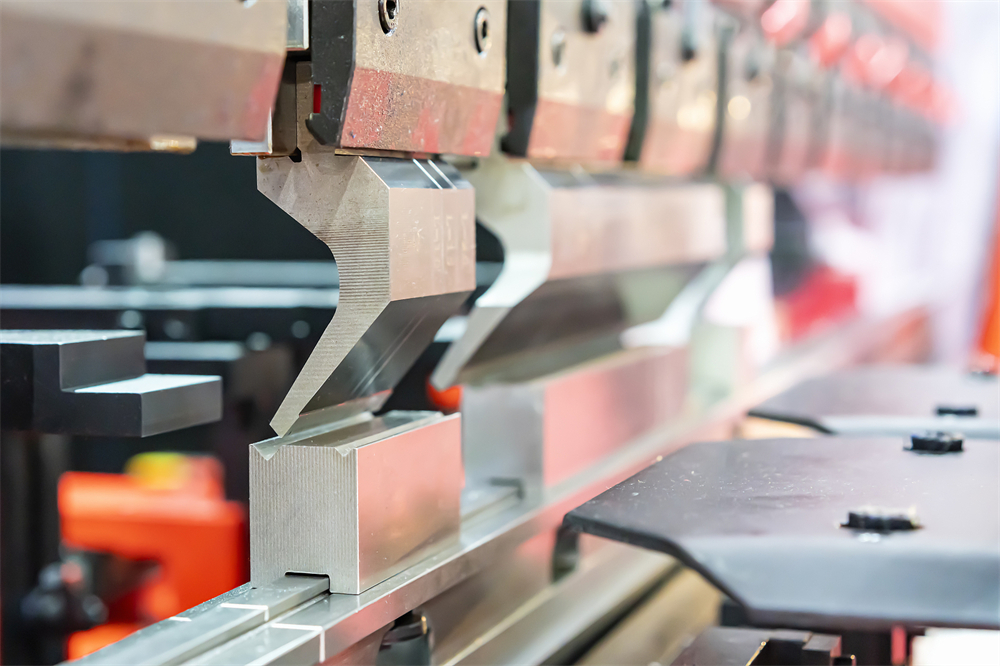
The primary driver of the heavy-duty press brake price industrial fabrication is the machine’s tonnage capacity. Tonnage represents the force the machine can exert to bend metal. Higher tonnage requires thicker steel plates for the frame, more powerful hydraulic pumps, and robust cylinders. Consequently, as the tonnage increases, the material and engineering costs rise exponentially, directly impacting the final price tag.
Bending length is another critical cost factor. A machine capable of bending 4-meter sheets requires a much larger bed and ram than a 2-meter machine. This increased length necessitates higher precision in the machining of the bed to ensure parallelism across the entire bending zone. Maintaining this level of accuracy over a long span requires sophisticated structural reinforcement, which adds significant cost to the manufacturing process.
The sophistication of the CNC controller is a major variable. Modern industrial fabrication relies on advanced software that can simulate bends, calculate spring-back, and manage multi-axis backgauges. High-end controllers from manufacturers like Delem or Cybelec offer 3D visualization and offline programming capabilities. These systems command a premium price but provide substantial savings in setup time and operator error reduction.
Hydraulic and electrical components also contribute to the total cost. Premium-grade valves, pumps, and servo-motors ensure consistent performance and longevity. In industrial settings, these components are subject to high duty cycles. Investing in high-quality, reliable components reduces the total cost of ownership by minimizing maintenance intervals and preventing unexpected production halts.
Configuration Impact on Total Investment
The configuration of your press brake determines its versatility and efficiency. A standard 3-axis machine (Y1, Y2, X) is the baseline for many shops. However, adding axes—such as R-axis (vertical backgauge movement) or Z-axis (finger movement)—increases the price but significantly expands the range of complex parts the machine can produce. Each additional axis requires dedicated servo motors, drives, and software integration.
Crowning systems are vital for heavy-duty fabrication. As the ram bends, it naturally deflects in the center, which can lead to inconsistent bend angles across the length of the part. Hydraulic or mechanical crowning systems compensate for this deflection. While these systems add to the initial cost, they are indispensable for achieving high-precision bends on long, thick workpieces, effectively reducing the need for secondary operations.
Tooling packages represent a significant portion of the initial investment. Industrial fabrication often requires specialized, hardened, and ground tooling capable of withstanding high pressures. Depending on the complexity of the profiles being bent, a comprehensive tooling set can add $10,000 to $50,000 to the total cost. It is often a false economy to purchase low-quality tooling, as it will wear out quickly and compromise the accuracy of the press brake.
Automation features, such as automatic tool changers (ATC) or robotic interfaces, represent the high end of the configuration spectrum. These features are designed to maximize throughput and minimize human intervention. While they can double or triple the price of a standard machine, the ROI in high-volume production environments is often realized within 18 to 24 months through labor savings and increased machine uptime.
Hidden Costs and Long-Term Maintenance
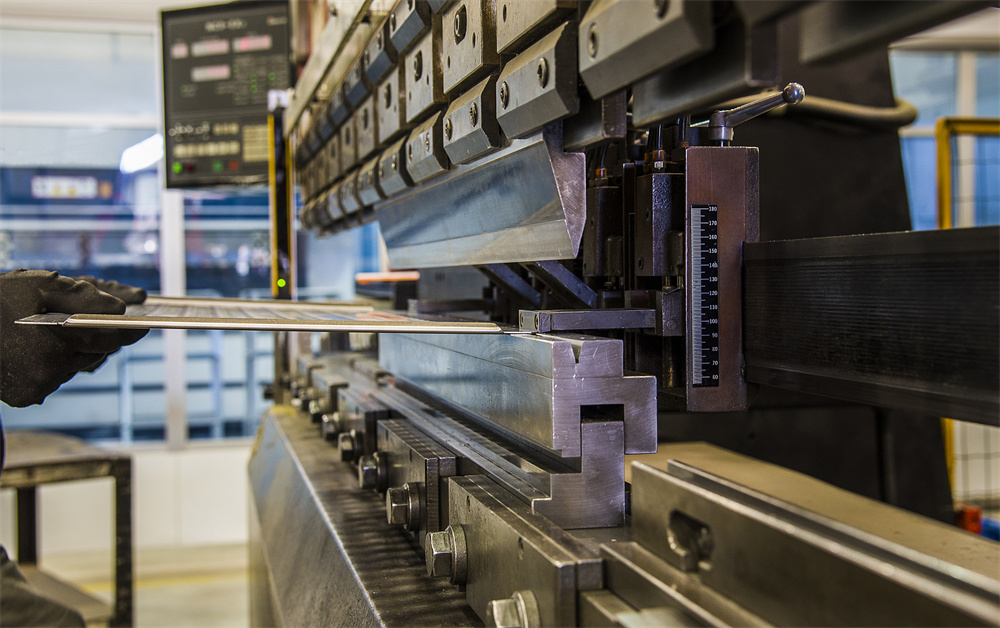
When evaluating the heavy-duty press brake price industrial fabrication, buyers must account for hidden costs that extend beyond the purchase price. Installation and commissioning are significant expenses. Heavy-duty machines often require specialized concrete foundations to dampen vibrations and ensure stability. Additionally, rigging, transportation, and professional installation by certified technicians are necessary to ensure the machine is calibrated correctly from day one.
Training is another often-overlooked cost. Operating a modern CNC press brake requires skilled personnel. Investing in comprehensive training for your operators is essential to maximize the machine’s potential. Many manufacturers offer tiered training programs, and while these incur an upfront cost, they prevent the long-term expense of damaged tooling, machine crashes, and inefficient production cycles.
Maintenance and consumables are ongoing operational costs. Hydraulic oil, filters, seals, and lubrication must be replaced according to a strict schedule to prevent premature wear. Furthermore, industrial fabrication environments are often dusty or harsh, which can accelerate the degradation of sensitive electronic components. Budgeting for an annual preventative maintenance contract is a proactive strategy to avoid costly emergency repairs.
Energy consumption is a factor that is becoming increasingly important. Modern servo-hydraulic press brakes are significantly more energy-efficient than traditional constant-running hydraulic systems. While they may have a higher initial price, the reduction in electricity usage over the machine’s 15-20 year lifespan can result in substantial savings, making them a more sustainable and cost-effective choice for modern industrial facilities.
ROI Calculation for Fabrication Equipment
Calculating the Return on Investment (ROI) for a heavy-duty press brake requires a holistic view of your production metrics. Start by analyzing your current labor costs per part. A more advanced machine with faster setup times and automated features can significantly reduce the labor hours required for each batch. If you can reduce setup time from two hours to twenty minutes, the cumulative savings over a year are substantial.
Consider the cost of scrap and rework. Inaccurate bends lead to wasted material and time spent fixing errors. A high-precision press brake with advanced crowning and CNC control minimizes these losses. Calculate the value of the material saved and the labor hours reclaimed by producing parts correctly the first time. This is often the most compelling argument for investing in higher-end equipment.
Evaluate the potential for new business. A heavy-duty press brake with advanced capabilities allows you to bid on projects that were previously out of your reach, such as thicker plate fabrication or more complex geometries. By expanding your service offerings, you can increase your revenue streams. The ROI calculation should include the projected profit margins from these new capabilities, not just the cost savings on existing work.
Finally, factor in the resale value. High-quality, well-maintained industrial press brakes from reputable brands like HARSLE retain their value significantly better than generic or low-end alternatives. When the time comes to upgrade or replace the machine, the residual value can be a significant offset to the cost of the next generation of equipment, effectively lowering the total cost of ownership over the long term.
Buying Advice: Selecting the Right Machine
Choosing the right press brake is a balance between current needs and future growth. Start by defining your “worst-case scenario” part—the thickest, longest, and most complex part you intend to produce. Your machine must be capable of handling this part comfortably. Buying a machine that is constantly pushed to its maximum capacity will lead to premature failure and poor performance.
Consult with the manufacturer or a reputable dealer to discuss your specific applications. Provide them with your material types, thicknesses, and bend profiles. They can perform a tonnage calculation to ensure you select a machine with the appropriate force. It is better to have a slight surplus of tonnage than to be constantly operating at the limit of the machine’s capabilities.
Evaluate the support and service infrastructure of the manufacturer. A press brake is a long-term asset, and you need a partner who can provide spare parts, technical support, and software updates for years to come. Check the availability of local technicians and the responsiveness of the manufacturer’s support team. A machine that is down for weeks waiting for a part from overseas is a liability, regardless of its initial price.
Finally, prioritize ergonomics and safety. Industrial fabrication is a demanding job, and features that improve operator comfort—such as adjustable control arms, foot pedals, and advanced light curtains—can lead to higher productivity and fewer workplace injuries. Safety is non-negotiable in an industrial setting; ensure the machine complies with all international safety standards to protect your workforce and your business from liability.
FAQ: Frequently Asked Questions
- What is the typical lifespan of an industrial press brake? With proper maintenance and regular service, a high-quality industrial press brake can last 20 years or more.
- How does tonnage affect the price? Tonnage is the primary driver of cost because it dictates the size of the frame, the power of the hydraulics, and the structural reinforcement required to prevent deflection.
- Is it worth buying a used press brake? A used machine can be a cost-effective entry point, but you must carefully inspect the condition of the ram guides, hydraulic system, and CNC controller. Always factor in the cost of potential repairs.
- What is the difference between hydraulic and electric press brakes? Hydraulic press brakes are generally more powerful and better suited for heavy-duty, thick-plate work, while electric press brakes offer higher speed, precision, and energy efficiency for thinner materials.
- How often should I perform maintenance? Routine maintenance should be performed according to the manufacturer’s schedule, typically every 1,000 to 2,000 operating hours, with a comprehensive inspection annually.
- Can I upgrade my press brake later? Some features, like additional backgauge axes or advanced software, can be upgraded, but structural components like the frame and main cylinders cannot. It is best to invest in the necessary capacity upfront.