
How Press Brake Specifications Impact the Final Price: A Comprehensive HARSLE Guide


Price Range Overview
When investing in metal fabrication equipment, understanding how press brake specifications impact the final price is the most critical step for any shop owner or procurement manager. The market for press brakes is vast, ranging from entry-level manual machines to highly automated, multi-axis robotic cells. Generally, a standard hydraulic press brake can range from $20,000 for basic models to well over $500,000 for high-end, fully customized production lines. This price variance is not arbitrary; it is a direct reflection of the engineering, component quality, and technological capabilities integrated into the machine.
For small job shops, the entry-level segment often focuses on mechanical or basic hydraulic systems with limited CNC control. These machines are designed for simplicity and durability, handling standard bending tasks with minimal setup time. As you move into the mid-range, you encounter machines with advanced backgauge systems, hydraulic crowning, and more sophisticated controllers. These features are designed to increase throughput and accuracy, justifying the higher initial capital expenditure through improved labor efficiency and reduced scrap rates.
High-end press brakes represent the pinnacle of precision and automation. These machines often feature multi-axis backgauges, automatic tool changers, and advanced software integration that allows for seamless CAD/CAM workflow. When evaluating the price, it is essential to look beyond the sticker price and consider the total cost of ownership. A machine that costs more upfront due to superior specifications may actually offer a lower cost-per-part over its lifespan due to faster cycle times and reduced maintenance requirements.
HARSLE provides a diverse portfolio of bending solutions tailored to different production needs. Whether you are looking for a cost-effective solution for simple bending or a high-precision machine for complex aerospace components, the price is always dictated by the specific configuration. Understanding the relationship between these specifications and the final cost allows you to make an informed decision that aligns with your production volume and budget constraints.
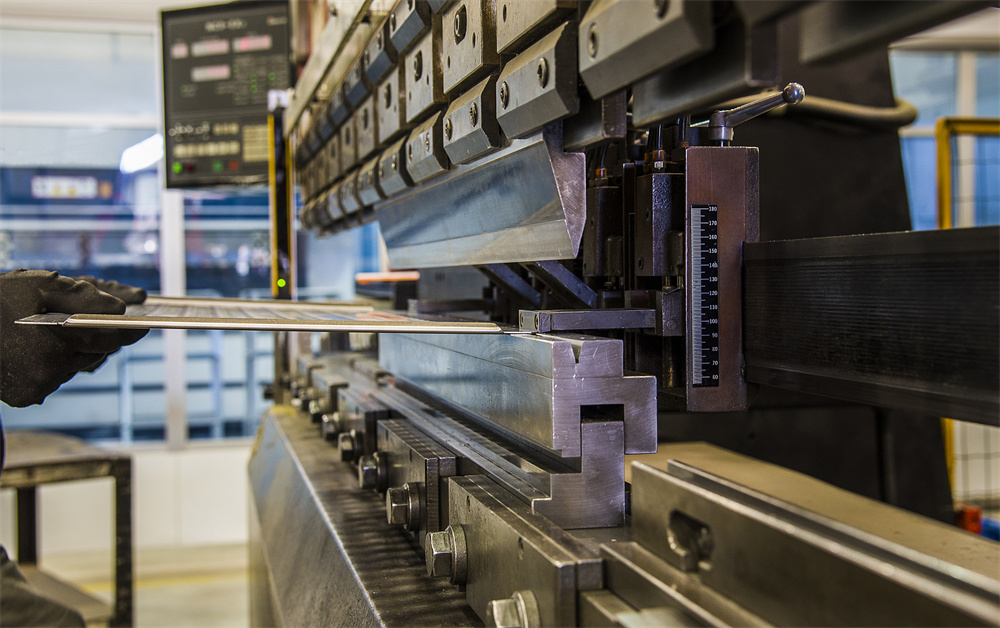
Main Cost Drivers
The primary driver of a press brake’s cost is its tonnage capacity. Tonnage refers to the amount of force the machine can exert to bend metal. Higher tonnage machines require more robust frames, larger hydraulic cylinders, and more powerful motors, all of which significantly increase manufacturing costs. Selecting the correct tonnage is a balancing act; choosing a machine that is too small will prevent you from bending thicker materials, while choosing one that is unnecessarily large results in wasted capital and higher energy consumption.
Bed length is another critical factor. The length of the bed determines the maximum width of the sheet metal you can bend. Longer beds require more steel in the frame to prevent deflection under load. This structural requirement adds weight and material costs to the machine. Furthermore, longer machines often require more complex crowning systems to ensure the bend angle remains consistent across the entire length of the part, further influencing the final price.
The CNC controller is the brain of the press brake and a major cost component. Basic controllers offer simple 2D programming and limited memory, suitable for straightforward tasks. Advanced controllers, however, offer 3D visualization, automatic bend sequence calculation, and cloud connectivity. These systems reduce setup time and operator error, making them invaluable for high-mix, low-volume production environments. The complexity of the software and the hardware required to run it directly impacts the machine’s price tag.
Hydraulic and electrical components also play a significant role. High-quality valves, pumps, and servo motors from reputable global brands ensure reliability and precision. While these components may increase the initial price, they are essential for minimizing downtime and ensuring the machine maintains its accuracy over years of heavy use. Investing in premium components is often the difference between a machine that lasts a decade and one that requires constant repair.
Configuration Impact
The configuration of the backgauge system is a major differentiator in press brake pricing. A standard 2-axis backgauge (X and R) is sufficient for many applications, but as you add axes (such as Z1, Z2, or X1, X2), the complexity and cost increase. Multi-axis backgauges allow for the bending of complex, non-parallel parts and significantly reduce the time required for manual adjustments. For shops dealing with intricate geometries, these features are not just luxuries; they are productivity necessities.
Crowning systems are essential for achieving consistent bend angles across the entire length of the bed. Manual crowning is the most affordable option but requires operator skill and time to adjust. Hydraulic or motorized CNC crowning systems automatically compensate for bed deflection, ensuring that the bend angle is uniform from one end of the part to the other. This feature is a standard requirement for high-precision fabrication and adds a predictable cost to the machine configuration.
Tooling compatibility and clamping systems also influence the price. Quick-change clamping systems allow operators to swap out punches and dies in seconds rather than minutes. While these systems add to the upfront cost, the reduction in machine downtime during tool changes provides a rapid return on investment. Furthermore, the type of tooling—whether standard European style or specialized custom tooling—affects the machine’s versatility and the overall project budget.
Safety features are non-negotiable, but the level of sophistication varies. Basic light curtains provide essential protection, while advanced laser safety systems allow for faster approach speeds and safer operation by monitoring the bending zone in real-time. These advanced safety systems are integrated into the machine’s control logic, representing a significant portion of the total cost. Prioritizing safety not only protects your workforce but also reduces insurance premiums and potential liability costs.
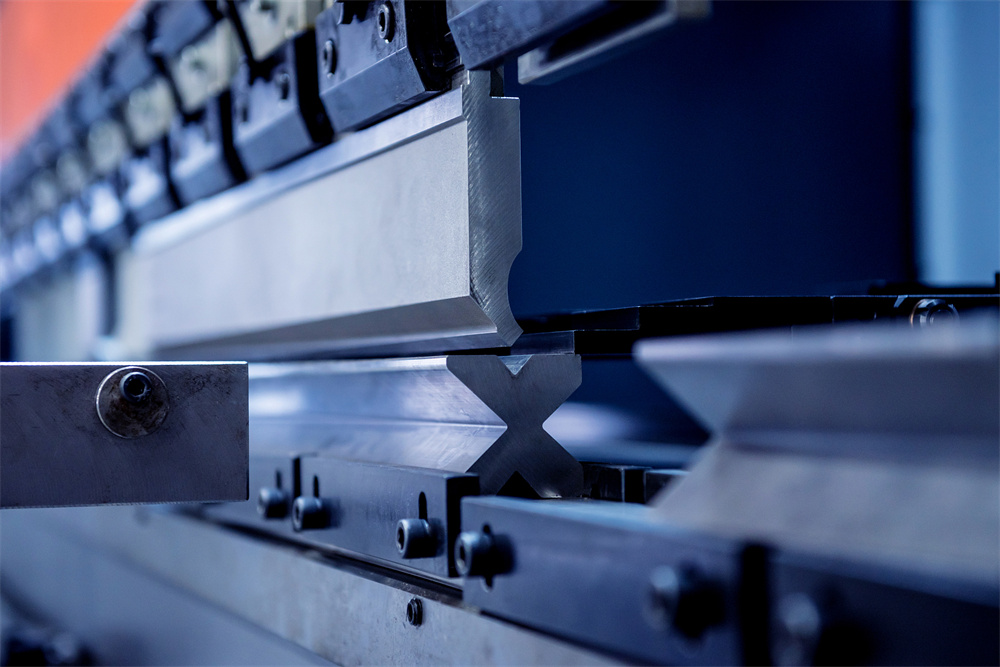
Hidden Costs
When calculating the total investment, many buyers overlook the hidden costs associated with press brake ownership. Installation and commissioning are the first of these. A heavy-duty press brake requires a reinforced concrete foundation, specialized electrical connections, and potentially a crane for offloading and positioning. These site preparation costs can be substantial and should be factored into your initial budget planning.
Training is another frequently underestimated expense. Even the most advanced press brake is only as productive as the operator using it. Investing in professional training for your team ensures they can leverage the machine’s full capabilities, from advanced programming to efficient tool management. Neglecting training often leads to underutilized machines and increased scrap rates, which effectively increases the cost of every part produced.
Maintenance and consumables are ongoing costs that vary based on the machine’s specifications. High-end machines with complex electronics may require specialized technicians for repairs, while simpler machines might be easier to maintain in-house. Additionally, the cost of replacement tooling, hydraulic oil, and filters should be considered. Establishing a preventative maintenance schedule is essential for extending the life of your equipment and avoiding costly emergency repairs.
Energy consumption is a long-term operational cost. Modern servo-hydraulic press brakes are significantly more energy-efficient than traditional constant-running hydraulic systems. While the initial purchase price of a servo-driven machine may be higher, the cumulative savings on electricity bills over the machine’s lifespan can be significant. When evaluating how press brake specifications impact the final price, consider the long-term energy efficiency as a key component of the total cost of ownership.
ROI Calculation
Calculating the Return on Investment (ROI) for a press brake requires a holistic view of your production process. Start by determining the current cost per part, including labor, material waste, and machine time. Then, estimate the potential savings offered by a new machine with higher specifications. For example, if a new machine with a faster backgauge and automatic crowning reduces setup time by 30% and scrap rates by 10%, the resulting increase in throughput can be translated into a dollar value.
Consider the labor savings as well. A more automated machine allows for a less experienced operator to achieve high-quality results, or it allows a skilled operator to manage multiple machines simultaneously. In a competitive market, the ability to produce parts faster and with higher consistency can lead to increased sales volume and better margins. These intangible benefits are just as important as the direct cost savings when calculating ROI.
The lifespan of the machine should also be factored into the ROI calculation. A high-quality press brake from a reputable manufacturer like HARSLE is built to last for decades. When you spread the initial investment over 15 to 20 years, the annual cost becomes much more manageable. Compare this to the cost of purchasing a cheaper, less reliable machine that may need to be replaced in five years, and the value of investing in quality becomes clear.
Finally, consider the potential for future-proofing your shop. A machine with advanced CNC capabilities and modular design can be upgraded or integrated into a larger automated cell as your business grows. This scalability ensures that your investment remains relevant and productive even as your production requirements evolve. By focusing on long-term value rather than just the initial price, you can make a strategic investment that drives growth for years to come.
Buying Advice
Before purchasing a press brake, conduct a thorough audit of your current and projected production needs. Analyze the materials you bend, the thicknesses, the bend lengths, and the complexity of the parts. This data will help you determine the minimum specifications required for your operations. Avoid the temptation to over-spec the machine for “what-if” scenarios that rarely occur, as this leads to unnecessary capital expenditure.
Request demonstrations and test bends from potential suppliers. Seeing the machine in action allows you to evaluate its speed, accuracy, and ease of use firsthand. Pay attention to the controller interface—is it intuitive? Does it integrate well with your existing software? A machine that is difficult to program will become a bottleneck in your production, regardless of its mechanical capabilities.
Evaluate the support and service provided by the manufacturer. A press brake is a long-term commitment, and having access to reliable technical support, spare parts, and maintenance services is crucial. HARSLE prides itself on providing comprehensive support to our customers, ensuring that your machine remains operational and productive throughout its entire service life. Don’t hesitate to ask for references and speak with other shop owners who use the equipment you are considering.
Finally, consider the financing options available. Many manufacturers offer flexible leasing or financing plans that can help manage the initial cash flow impact of a large equipment purchase. By aligning your payments with the productivity gains generated by the new machine, you can effectively pay for the equipment through its own output. Always prioritize quality and reliability over the lowest price, as the true cost of a press brake is measured by its performance over time.
FAQ
- How does tonnage affect the price of a press brake? Tonnage is a primary cost driver. Higher tonnage requires a heavier, more rigid frame and more powerful hydraulic systems, which increases the manufacturing cost.
- Why is the CNC controller so expensive? The controller is the heart of the machine. Advanced controllers with 3D programming and automation features require sophisticated hardware and software development, which adds to the total cost.
- Is it worth paying for automatic crowning? Yes, for high-precision work. Automatic crowning ensures consistent bend angles across the entire length of the bed, reducing scrap and improving quality.
- What are the hidden costs of buying a press brake? Hidden costs include site preparation (foundation, power), operator training, ongoing maintenance, and energy consumption.
- How can I calculate the ROI of a new press brake? Calculate the savings in labor, reduced scrap, and increased throughput, then compare these to the total cost of ownership over the machine’s expected lifespan.
- Does bed length significantly change the price? Yes, longer beds require more steel and more complex structural engineering to prevent deflection, which increases the price.












