Hydraulic Shearing Machine Price Guide: What You Should Expect to Pay


Hydraulic Shearing Machine Price Overview: Understanding the Market
Investing in a hydraulic shearing machine is a significant capital expenditure for any metal fabrication facility. When researching the Hydraulic Shearing Machine Price: You Should Expect Pay, it is essential to understand that costs vary wildly based on capacity, automation levels, and brand reputation. Generally, entry-level hydraulic shears for light-gauge sheet metal can start as low as $15,000, while heavy-duty industrial guillotine shears capable of cutting 20mm+ thick plate can easily exceed $150,000 to $250,000.
The market is segmented into three primary tiers: budget-friendly manual/semi-automatic machines, mid-range production-grade shears, and high-end CNC-integrated systems. For small job shops, a machine in the $20,000 to $45,000 range often provides the best balance of durability and functionality. Conversely, high-volume manufacturing environments require robust, high-speed systems that command a premium price due to their advanced hydraulic components and structural rigidity.
It is important to note that the price you see on a quote is rarely the final cost. Shipping, installation, commissioning, and training are often separate line items. When evaluating the Hydraulic Shearing Machine Price: You Should Expect Pay, always request an “all-in” quote that includes these essential services to avoid budget overruns during the procurement process.
Furthermore, the global supply chain and raw material costs for steel significantly influence pricing. During periods of high steel demand, the cost of the heavy-duty frames required for these machines increases, which is inevitably passed down to the end-user. Buyers should monitor market trends and aim to secure quotes that are valid for at least 30 to 60 days to protect against sudden price hikes.
Finally, consider the geographic origin of the machine. While European and Japanese machines are often priced at the higher end of the spectrum due to precision engineering and premium components, HARSLE and other leading manufacturers provide high-performance alternatives that offer exceptional value, bridging the gap between affordability and industrial-grade reliability.
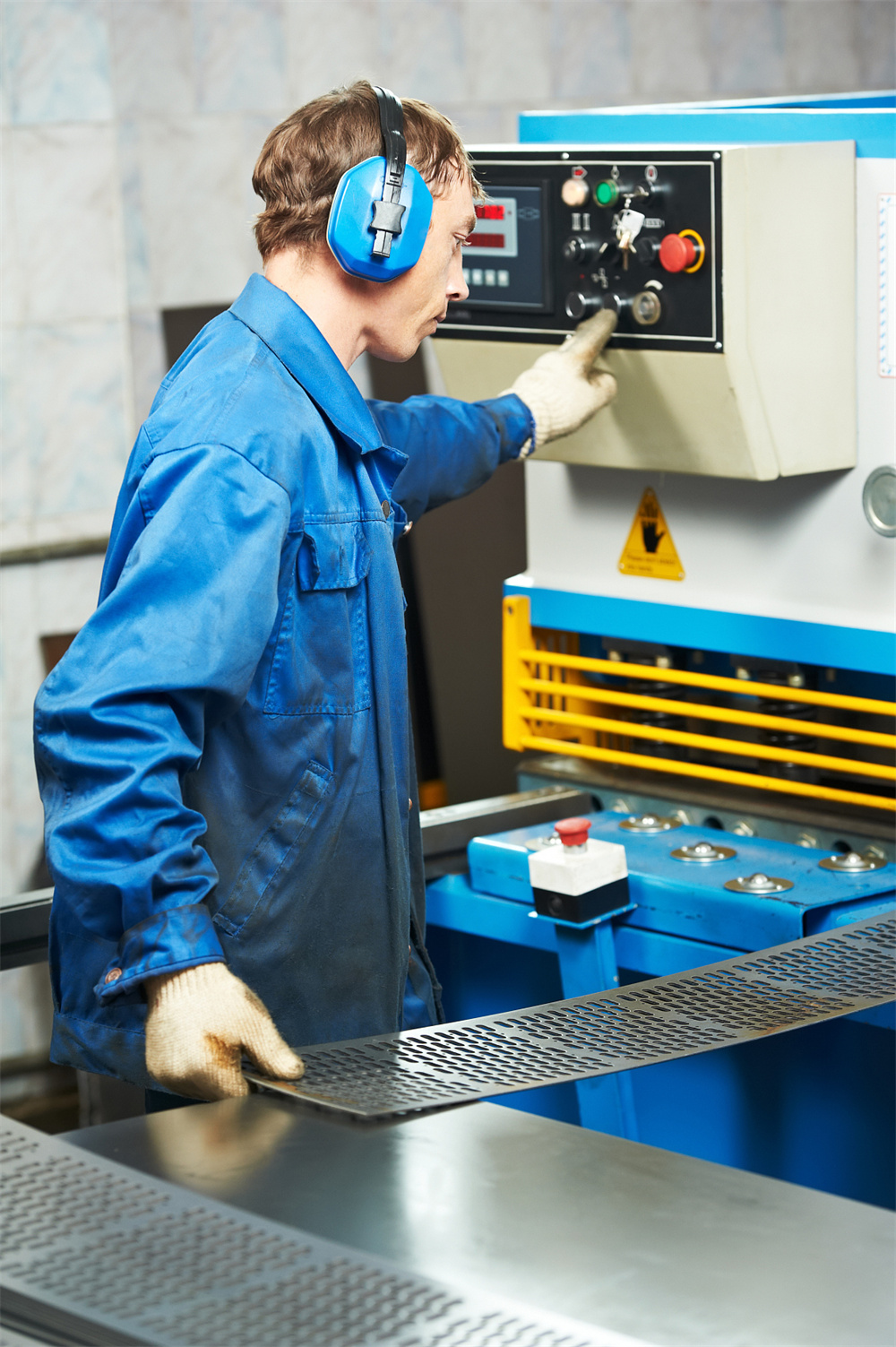
Main Cost Drivers in Hydraulic Shearing
The primary factor influencing the cost of a shearing machine is its cutting capacity. Capacity is defined by both the maximum thickness of the material and the length of the blade. A machine designed to shear 6mm thick mild steel over a 3-meter length will be significantly cheaper than one designed for 20mm thick plate over the same length, primarily because the latter requires a much heavier frame to prevent deflection.
Hydraulic components represent the “heart” of the machine. High-quality hydraulic pumps, valves, and cylinders from reputable international brands (such as Bosch Rexroth or similar) increase the initial purchase price but drastically reduce long-term maintenance costs. Cheaper, generic hydraulic systems may save you money upfront, but they are prone to leaks, pressure fluctuations, and premature failure, which can halt your production line.
The structural design of the machine frame is another critical cost driver. A “swing beam” design is generally more cost-effective and suitable for general-purpose shearing, whereas a “guillotine” design—where the blade moves vertically—offers higher precision and is preferred for thicker materials. The manufacturing process for a rigid, stress-relieved steel frame is labor-intensive and adds to the final price tag.
Automation and control systems also play a major role. A basic machine with manual backgauge adjustment is the most affordable option. However, most modern shops opt for CNC-controlled backgauges, which allow for rapid, repeatable positioning. Adding features like automatic blade gap adjustment, rake angle adjustment, and CNC controllers with touch-screen interfaces can add thousands of dollars to the base price, but they significantly increase throughput and reduce operator error.
Lastly, safety features are non-negotiable and impact the price. Modern hydraulic shears must be equipped with light curtains, rear safety fences, and emergency stop systems to comply with international safety standards. While these features add to the cost, they are essential for protecting your workforce and avoiding costly legal liabilities or insurance penalties.
Configuration Impact on Total Investment
When customizing your machine, the configuration choices you make will dictate the final Hydraulic Shearing Machine Price: You Should Expect Pay. One of the most impactful choices is the backgauge system. A standard motorized backgauge is sufficient for simple cuts, but if your shop handles complex parts with multiple bends or varying dimensions, an advanced CNC backgauge with programmable retraction and multi-step sequencing is a worthwhile investment.
Blade quality and material are also configuration factors. Standard blades are suitable for mild steel, but if you frequently cut stainless steel or high-tensile materials, you will need specialized, high-carbon, high-chrome blades. These blades are more expensive but offer significantly longer service life and cleaner cut edges, reducing the need for secondary finishing processes like grinding or deburring.
Consider the material handling accessories. Front support arms, sheet squaring arms, and pneumatic sheet support systems are often sold as optional extras. For shops cutting large, thin sheets, a pneumatic sheet support system is vital to prevent the material from sagging, which can lead to inaccurate cuts and blade damage. While these add to the upfront cost, they improve the quality of the finished product and the efficiency of the operator.
The integration of a scrap conveyor or a sheet return system can also be configured. If your production volume is high, manually removing scrap or finished parts from the back of the machine is a bottleneck. Automated systems allow the machine to run continuously, maximizing the return on your investment. These systems are complex and require additional floor space and electrical integration, which should be factored into your facility planning.
Finally, think about the electrical requirements. Some high-capacity machines require specialized power supplies or voltage stabilizers to ensure consistent performance. If your facility does not have the necessary infrastructure, the cost of electrical upgrades must be added to your total project budget. Always consult with the manufacturer’s technical team to ensure your site meets the power requirements before finalizing the purchase.
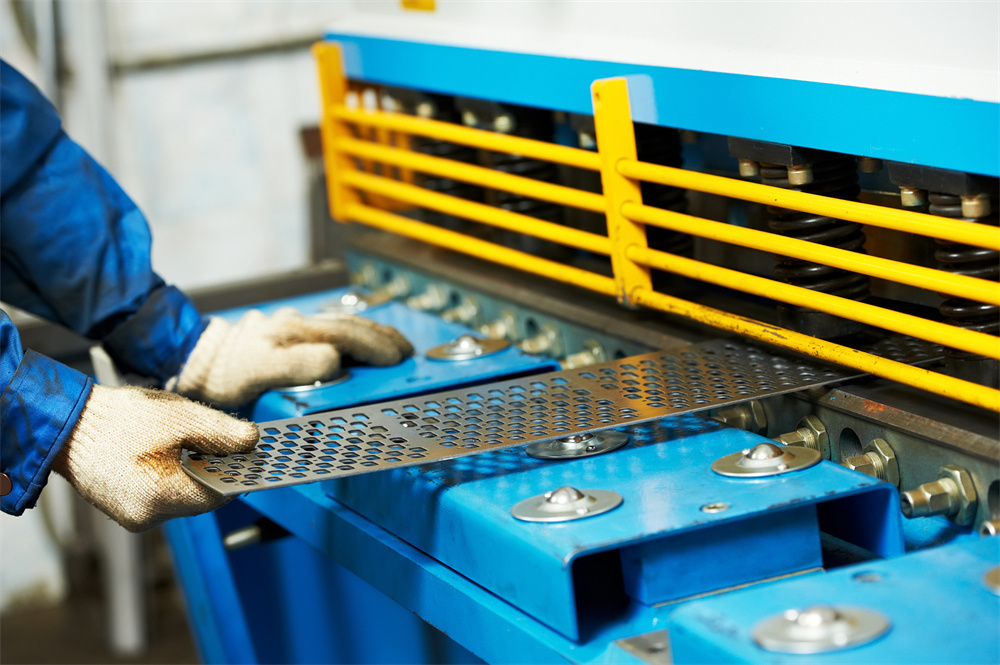
Hidden Costs to Consider
Beyond the sticker price, there are several “hidden” costs that buyers often overlook. Shipping and logistics are the most common. Because these machines are extremely heavy and often oversized, specialized freight and rigging services are required. Depending on your location and the distance from the manufacturer or distributor, shipping can add anywhere from $2,000 to $10,000 to the total cost.
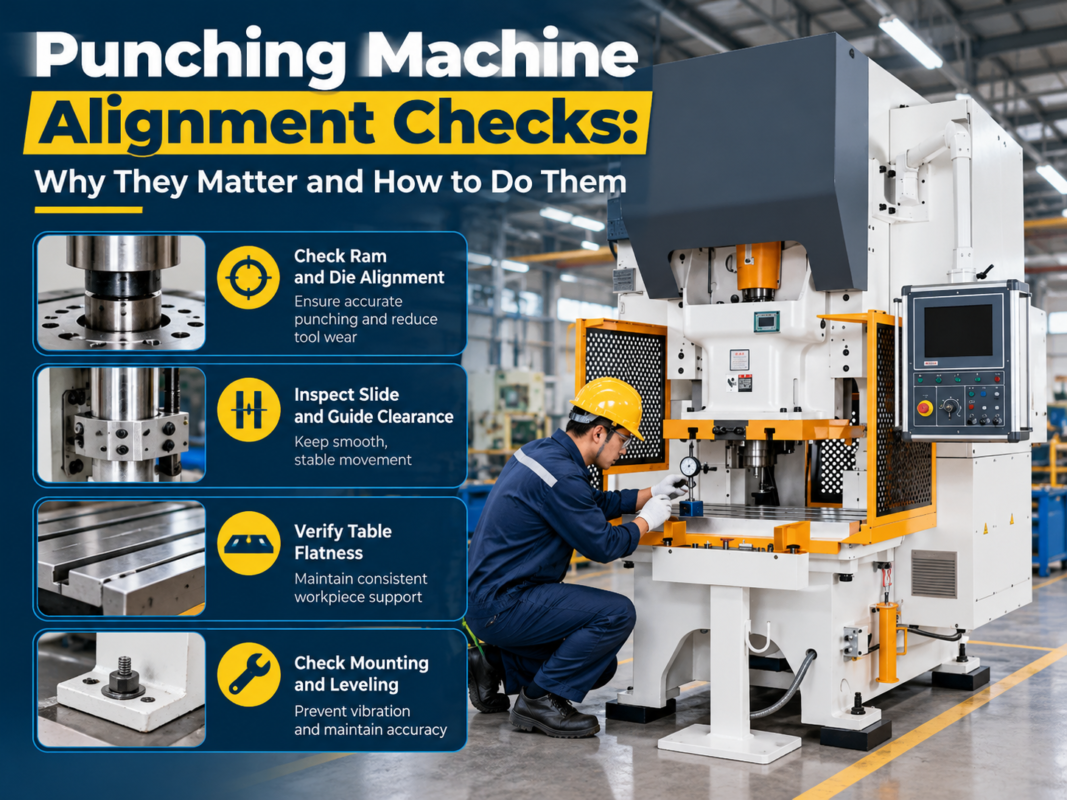
Installation and commissioning are equally important. While some manufacturers offer “plug-and-play” setups, most industrial shears require professional installation to ensure the machine is perfectly leveled and calibrated. Improper leveling can lead to uneven blade wear, poor cut quality, and long-term structural damage. Budgeting for a certified technician to perform the installation is a critical step in protecting your investment.
Training is another often-neglected cost. Even the most advanced machine is useless if your operators do not know how to use it efficiently and safely. Many manufacturers offer on-site training packages. Investing in this training ensures that your team can maximize the machine’s capabilities, reduce waste, and perform routine maintenance, which extends the life of the equipment.
Maintenance and spare parts should be part of your long-term financial planning. Hydraulic oil, filters, and blade sharpening services are recurring expenses. It is wise to purchase a “start-up” spare parts kit with your machine, which typically includes extra seals, fuses, and a set of replacement blades. Having these items on hand prevents downtime when minor issues arise.
Finally, consider the cost of floor space and foundation requirements. Many heavy-duty hydraulic shears require a reinforced concrete foundation to dampen vibrations and ensure stability. If your current shop floor is not suitable, the cost of pouring a new foundation can be substantial. Always review the foundation drawings provided by the manufacturer during the pre-purchase phase.
ROI Calculation for Your Shearing Machine
Calculating the Return on Investment (ROI) for a hydraulic shearing machine involves looking at both direct and indirect savings. Start by calculating the cost of outsourcing your shearing needs. If you are currently paying a third party to cut your metal, compare those annual costs against the cost of the machine, including financing, maintenance, and operator wages. In many cases, the machine pays for itself within 18 to 36 months.
Consider the reduction in material waste. Modern CNC-controlled shears offer high precision, which minimizes scrap. If your current cutting method results in significant waste, the cost savings from better material utilization can be a major contributor to your ROI. Calculate the cost of the raw material saved per year and add this to your annual savings.
Labor efficiency is another key metric. A modern hydraulic shear with a programmable backgauge can cut parts significantly faster than manual or older, less efficient equipment. By reducing the time spent on each part, you increase your shop’s overall throughput, allowing you to take on more work without increasing your headcount. This increase in capacity is a direct driver of profitability.
Don’t forget to account for the reduction in secondary processing. A high-quality shear produces clean, square edges that often require no further deburring or grinding. If your current process involves manual finishing, the labor hours saved by producing “ready-to-weld” parts are substantial. Calculate the hourly rate of your shop floor staff and multiply it by the hours saved per week to see the impact on your bottom line.
Finally, consider the resale value. High-quality hydraulic shearing machines from reputable brands like HARSLE hold their value well. When calculating your long-term ROI, factor in the potential trade-in or resale value of the machine after 5 to 10 years of use. This residual value can significantly offset the total cost of ownership.
Buying Advice: How to Choose the Right Machine
When you are ready to purchase, start by defining your specific requirements. Don’t just buy the biggest machine you can afford; buy the machine that fits your current and projected workload. If you mostly cut 3mm sheet, buying a 20mm capacity machine is a waste of capital and energy. Focus on the material types, thicknesses, and lengths you handle 90% of the time.
Research the manufacturer’s support network. A machine is only as good as the support behind it. Look for companies that offer responsive technical support, readily available spare parts, and a network of local service technicians. HARSLE, for example, provides comprehensive support to ensure that your machine remains operational and productive throughout its lifecycle.
Ask for references and case studies. Contact other fabrication shops that use the same model you are considering. Ask them about their experience with the machine’s reliability, the ease of use, and the quality of the cuts. Real-world feedback is often more valuable than any marketing brochure.
Evaluate the user interface. An intuitive, easy-to-use controller reduces the learning curve for your operators and minimizes the risk of errors. If possible, request a live demonstration or a video walkthrough of the machine’s control system. Ensure that the interface supports the languages and units of measurement your team is comfortable with.
Finally, be wary of “too good to be true” pricing. If a quote is significantly lower than the market average, it is likely that the manufacturer has cut corners on components, frame rigidity, or safety features. In the world of industrial machinery, you get what you pay for. Prioritize quality and reliability over the lowest possible price to ensure your business remains competitive and productive for years to come.
FAQ: Frequently Asked Questions
- What is the typical lifespan of a hydraulic shearing machine? With proper maintenance, a high-quality hydraulic shear can last 15 to 20 years or more.
- How often should I sharpen the blades? This depends on the material thickness and frequency of use. Generally, blades should be inspected every 6 months and sharpened when you notice burrs on the cut edge.
- Can I cut stainless steel on a machine designed for mild steel? Yes, but you must account for the higher tensile strength of stainless steel. You may need to reduce the maximum thickness capacity of the machine accordingly.
- What is the difference between a swing beam and a guillotine shear? A swing beam shear uses a pivoting upper blade, which is simpler and more economical. A guillotine shear uses a vertical blade movement, offering higher precision and better performance for thicker plates.
- Do I need a special foundation for my shear? Most industrial shears require a level, reinforced concrete floor. Always check the manufacturer’s foundation requirements before installation.
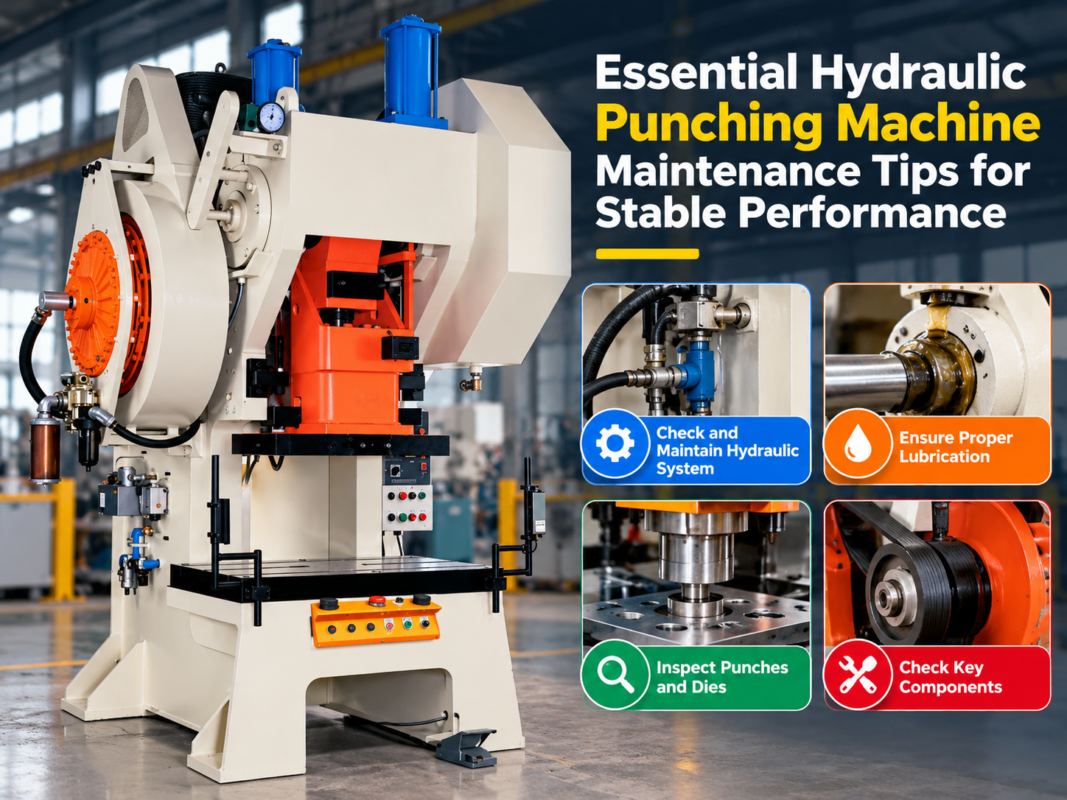
- How do I maintain the hydraulic system? Regularly check oil levels, replace filters according to the manufacturer’s schedule, and inspect hoses for leaks or signs of wear.