Shearing Machine Slips During Cutting: How to Find and Fix the Problem


Introduction
In the precision-driven world of metal fabrication, the shearing machine serves as the backbone of production. Whether you are operating a guillotine shear or a swing beam model, the integrity of your cut depends entirely on the material remaining stationary during the stroke. When you encounter the issue of a shearing machine slipping during cutting, it is not merely a minor inconvenience; it is a significant threat to production quality, safety, and equipment longevity.
Shearing machine slips during cutting: find fix problem is a common search query for operators facing inconsistent edge quality or dangerous material movement. When a sheet slips, it often results in skewed cuts, damaged blades, and potential hazards for the operator. Understanding the mechanical relationship between the hold-down cylinders, the blade clearance, and the material properties is essential for any facility manager or machine operator.
This comprehensive guide explores the root causes of material slippage and provides actionable technical solutions to restore your HARSLE shearing machine to peak performance. By addressing these mechanical variables systematically, you can minimize downtime and ensure that every cut meets the rigorous standards required for modern industrial applications.
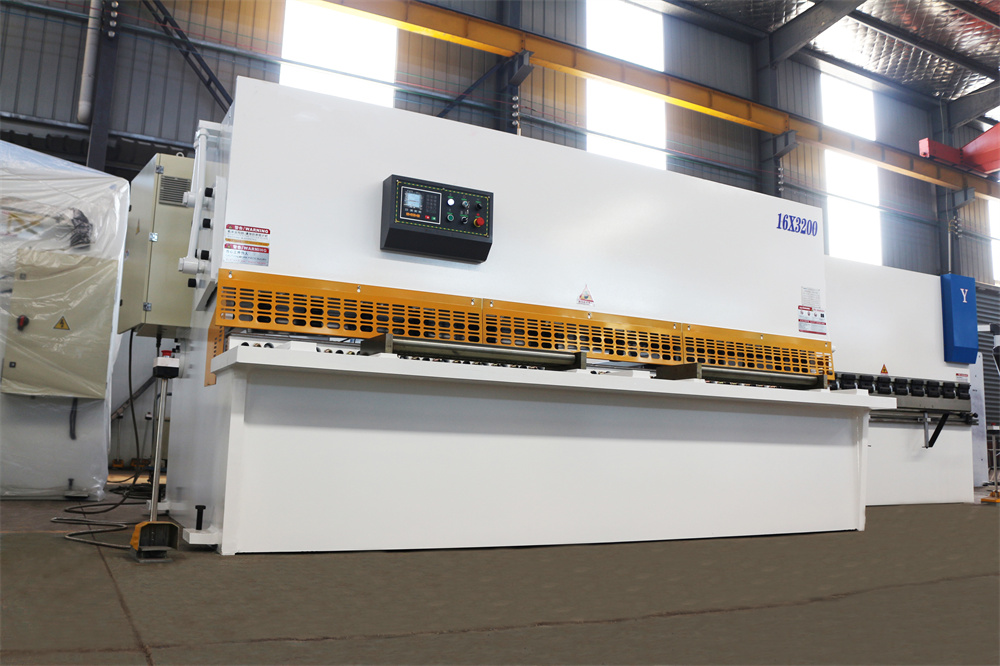
Key Considerations for Shearing Stability
The primary mechanism responsible for preventing slippage is the hold-down system. In most hydraulic shearing machines, a series of hydraulic cylinders or spring-loaded pads exert downward pressure on the sheet metal before the upper blade makes contact. If this pressure is insufficient, the lateral force generated by the shearing action will push the material away from the backgauge, causing the slip.
Another critical factor is the condition of the hold-down pads themselves. Over time, these pads can become worn, oily, or contaminated with metal debris. If the surface of the pad loses its friction coefficient, it will fail to grip the material effectively, especially when dealing with slippery materials like stainless steel or coated aluminum. Regular inspection of these pads is a fundamental maintenance task. Operators should check for hardened rubber or worn-down serrated grips that no longer provide the necessary bite.
Material thickness and type also play a significant role. Cutting thin, flexible sheets requires different hold-down pressure settings compared to thick, heavy-duty plates. If the machine is set to a pressure that is too low for the material thickness, the sheet will inevitably shift. Conversely, excessive pressure can sometimes cause deformation, so finding the balance is key to successful operation. Furthermore, the surface finish of the material—whether it is galvanized, oiled, or polished—dictates the required clamping force. Oiled sheets, common in high-speed production, act as a lubricant, significantly reducing the effective friction of the hold-down pads.
Finally, the alignment of the backgauge must be considered. If the backgauge is not perfectly parallel to the blade, the material may be pushed against the gauge at an angle, creating a lateral force component that encourages slippage. Ensuring that the backgauge is calibrated and square is a prerequisite for any troubleshooting process involving material movement. A misaligned backgauge creates a ‘wedging’ effect, where the material is forced to pivot rather than sit flush against the stop.
Technical Details: Diagnosing the Slip
To effectively address the problem, you must first isolate the source of the slippage. Start by inspecting the hydraulic hold-down circuit. If the pressure gauge on the hold-down system shows a drop during the cutting cycle, you likely have a leak in the hydraulic seals or a faulty pressure relief valve. A consistent, high-pressure grip is non-negotiable for clean, accurate cuts. Check the hydraulic hoses for signs of fatigue or weeping, as even a minor pressure drop can result in a loss of clamping force during the critical moment of blade penetration.
Next, examine the blade clearance. If the clearance between the upper and lower blades is too wide, the material is forced into the gap rather than being cleanly sheared. This “pulling” action exerts a horizontal force that can overcome the friction of the hold-down pads. Adjusting the blade clearance according to the material thickness—typically 5% to 10% of the sheet thickness—is a critical technical adjustment that often resolves slippage issues. If the gap is too large, the material ‘rolls’ into the clearance space, creating a burr and pulling the sheet out of position.
Check the condition of the blades themselves. Dull blades require significantly more force to penetrate the metal. This increased force translates into higher lateral stress on the material. If your blades are chipped or rounded, they are not only causing slippage but also putting unnecessary strain on the machine’s frame and hydraulic system. Sharpening or replacing blades is often the most effective fix for persistent slippage. A sharp blade shears the material cleanly, minimizing the horizontal displacement force.
Consider the environment of the shop floor. Are the sheets being fed into the machine covered in lubricant or oil? While some lubrication is necessary for certain processes, excessive oil on the surface of the sheet metal drastically reduces the grip of the hold-down pads. Implementing a cleaning protocol or using degreasing agents before shearing can significantly improve material stability. Additionally, ensure that the machine bed is free of metal shavings or ‘slugs’ from previous cuts, as these can create uneven support, causing the sheet to tilt and slip during the stroke.

Advanced Maintenance and Troubleshooting Protocols
Beyond the basics, operators should perform a ‘dry-run’ test to observe the hold-down sequence. The hold-down cylinders must engage fully before the blade begins its descent. If there is a delay in the hydraulic timing, the blade will strike the material before it is secured, causing an immediate shift. Adjusting the sequence valve in the hydraulic manifold can often rectify this timing issue.
Furthermore, consider the structural integrity of the machine frame. If the machine is not properly leveled on the shop floor, the frame can experience slight twisting under load. This twist can cause the blade gap to vary across the length of the cut, leading to inconsistent shearing forces and potential slippage. Using a precision spirit level to verify the machine’s foundation is a step often overlooked but vital for heavy-duty shearing operations.
For facilities handling high-tensile materials, consider upgrading to specialized hold-down pads with high-friction inserts. These inserts are designed to bite into the material surface without causing excessive marring, providing a superior grip compared to standard steel or rubber pads. Regularly cleaning these pads with a solvent-based degreaser will maintain their effectiveness over time.
Selection Advice for Reliable Shearing
When selecting a shearing machine, it is vital to consider the specific requirements of your production line. If your facility frequently processes a wide variety of material thicknesses, look for machines with automatic hydraulic hold-down pressure adjustment. This feature ensures that the machine automatically compensates for the material thickness, reducing the risk of slippage without manual intervention. This is particularly useful in job shops where the material changes from 1mm aluminum to 10mm mild steel within the same shift.
Evaluate the build quality of the hold-down system. High-quality machines, such as those manufactured by HARSLE, feature robust, independent hold-down cylinders that provide uniform pressure across the entire length of the cut. Avoid machines with weak or poorly designed clamping systems, as these will inevitably lead to maintenance headaches and production delays. A machine with a high density of hold-down cylinders per meter of cutting length will always provide superior stability.
Consider the integration of modern CNC controllers. Advanced controllers allow for the programming of specific cutting parameters, including hold-down pressure and blade clearance, based on the material type. By removing the human element from the setup process, you reduce the likelihood of operator error, which is a common cause of improper machine configuration and subsequent slippage. Modern controllers can also store ‘recipes’ for specific materials, ensuring that the machine is perfectly calibrated every time a job is recalled.
Finally, look for machines that offer easy access for maintenance. The ability to quickly inspect and replace hold-down pads, check hydraulic lines, and adjust blade clearance is essential for keeping the machine in top condition. A machine that is difficult to maintain will eventually be neglected, leading to the very slippage problems you are trying to avoid. Prioritize manufacturers who provide comprehensive documentation and readily available spare parts.
FAQ: Troubleshooting Shearing Machine Slips
Why does my sheet metal move during the cut?
Material movement is usually caused by insufficient hold-down pressure, incorrect blade clearance, or dull blades. Check your hydraulic pressure settings and ensure the hold-down pads are clean and free of oil. Additionally, verify that the material is not being fed at an angle.
How often should I check my blade clearance?
Blade clearance should be checked whenever you change the material thickness being cut. For high-volume production, perform a daily check to ensure the clearance remains within the manufacturer’s specifications. If you notice burrs on the cut edge, it is a sign that the clearance is likely too wide.
Can dull blades cause the machine to slip?
Yes. Dull blades increase the force required to shear the material, which creates higher lateral pressure that can overcome the hold-down system’s grip. A sharp blade cuts through the material with minimal resistance, keeping the sheet stable.
What is the role of the backgauge in preventing slips?
The backgauge acts as a reference point. If it is not square to the blade, it can cause the material to twist or shift during the cut. Always ensure your backgauge is calibrated and parallel to the shearing line. A misaligned gauge forces the material to ‘walk’ during the cut.
Are there specific materials that are more prone to slipping?
Yes, materials with smooth, oily, or coated surfaces (like polished stainless steel or pre-painted aluminum) are more prone to slipping. You may need to increase hold-down pressure or clean the material surface before shearing. Using a degreaser or a light abrasive pad on the hold-down contact points can also help.
How do I know if my hold-down pressure is set correctly?
The pressure should be high enough to prevent any movement during the cut, but not so high that it leaves deep indentations or marks on the finished part. Most modern machines have a pressure gauge; refer to your manual for the recommended PSI for your specific material thickness.
Conclusion
Addressing the issue of a shearing machine slipping during cutting is a matter of systematic maintenance and precise calibration. By focusing on the hold-down system, blade clearance, and material preparation, you can eliminate the root causes of slippage and ensure the high-quality output your customers expect. Remember that the shearing machine is a precision instrument; treating it with the care and maintenance it deserves will pay dividends in production efficiency and equipment longevity.
If you have followed these steps and continue to experience issues, it may be time to consult with a professional technician or review your machine’s service manual for more advanced troubleshooting. HARSLE remains committed to providing the support and equipment necessary to keep your metal fabrication operations running smoothly. Investing time in understanding your machine’s mechanics today will prevent costly downtime tomorrow. Consistent maintenance is the hallmark of a professional fabrication shop, and by mastering these troubleshooting techniques, you ensure that your equipment remains a reliable asset for years to come.