How to Troubleshoot Punching Machine Noise, Vibration, and Tool Wear: A Comprehensive Guide


Introduction
In the high-precision world of metal fabrication, the punching machine serves as the backbone of production efficiency. However, even the most robust HARSLE punching machines can encounter operational challenges over time. When operators notice abnormal sounds, excessive shaking, or premature degradation of tooling, it is critical to act immediately. Learning how to troubleshoot punching machine noise, vibration, and tool wear is not just about fixing a current problem; it is about extending the lifespan of your capital investment and ensuring the safety of your workshop environment.
Noise and vibration are often the first indicators that a mechanical system is under stress. While some level of sound is inherent to the punching process, sudden changes in pitch or intensity signal misalignment, lubrication failure, or loose components. Similarly, tool wear is a silent productivity killer that leads to burrs, dimensional inaccuracies, and increased energy consumption. By understanding the root causes of these issues, maintenance teams can transition from reactive repairs to proactive, predictive maintenance strategies.
This guide provides a deep dive into the technical aspects of diagnosing these common issues. Whether you are operating a hydraulic punch press or a high-speed CNC turret punch, the principles of mechanical health remain consistent. We will explore the interplay between machine dynamics and tooling geometry, providing you with a roadmap to restore your equipment to peak performance levels.
Key Considerations for Machine Health
Before diving into specific troubleshooting steps, it is essential to establish a baseline for what constitutes ‘normal’ operation. Every punching machine has a unique acoustic signature based on its tonnage, drive system, and the material being processed. Operators should be trained to recognize the ‘rhythm’ of their machine. A deviation from this rhythm—such as a metallic clatter, a rhythmic thumping, or a high-pitched whine—is the primary trigger for a diagnostic investigation.
Environmental factors play a significant role in machine stability. Vibration is often transmitted through the foundation. If a punching machine is not properly leveled or anchored to a vibration-dampening pad, the structural integrity of the frame can be compromised over time. This leads to micro-misalignments that exacerbate tool wear and increase noise levels. Always ensure that your HARSLE equipment is installed on a reinforced concrete slab that meets the manufacturer’s specifications for weight and vibration absorption.
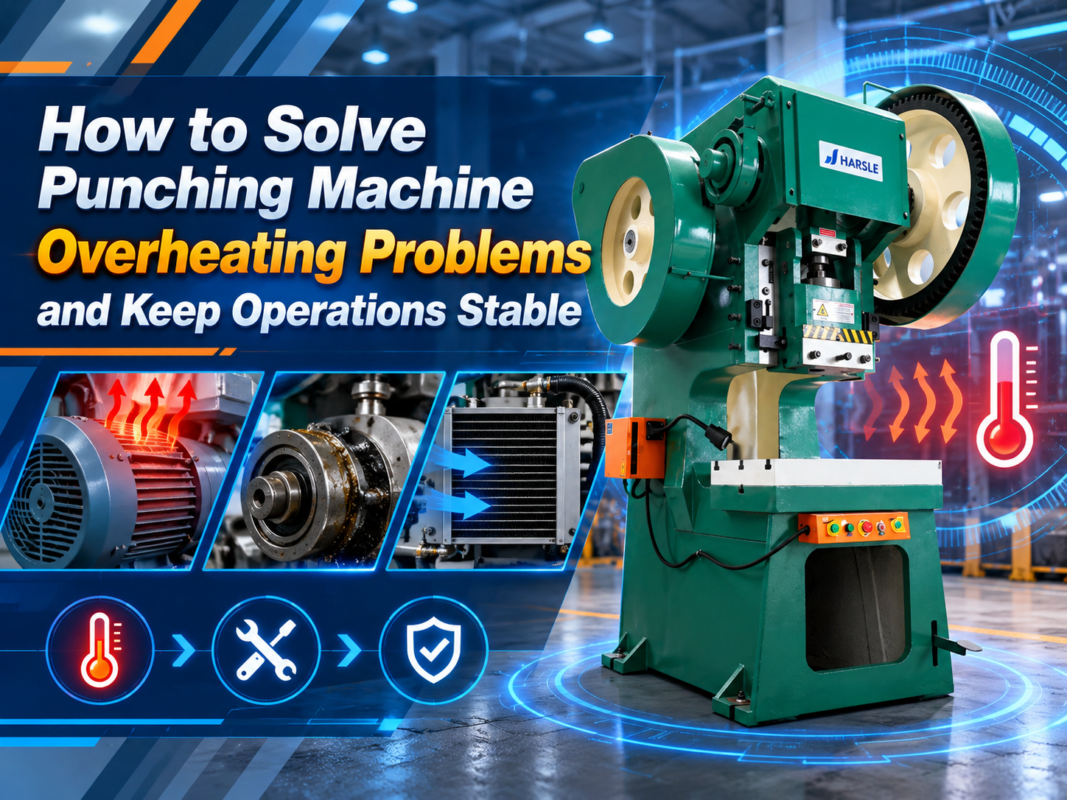
Lubrication is the lifeblood of any punching machine. Many noise issues stem from friction in the ram guides, the crankshaft, or the turret rotation mechanism. If the lubrication system is clogged, under-pressurized, or using the wrong viscosity of oil, metal-on-metal contact becomes inevitable. This not only creates noise but also generates heat, which can warp precision components and lead to rapid tool degradation. A rigorous lubrication schedule is the most effective preventative measure against these common failures.
Finally, consider the material being processed. Punching high-tensile steel requires different settings than punching aluminum or mild steel. Using the wrong clearance for the material thickness will cause the punch to ‘snap’ through the metal rather than shearing it cleanly. This shock loading is transmitted back through the machine, causing vibration and premature wear on the punch and die sets. Always verify that your machine parameters match the material specifications provided in your HARSLE operation manual.
Technical Details: Diagnosing Noise and Vibration
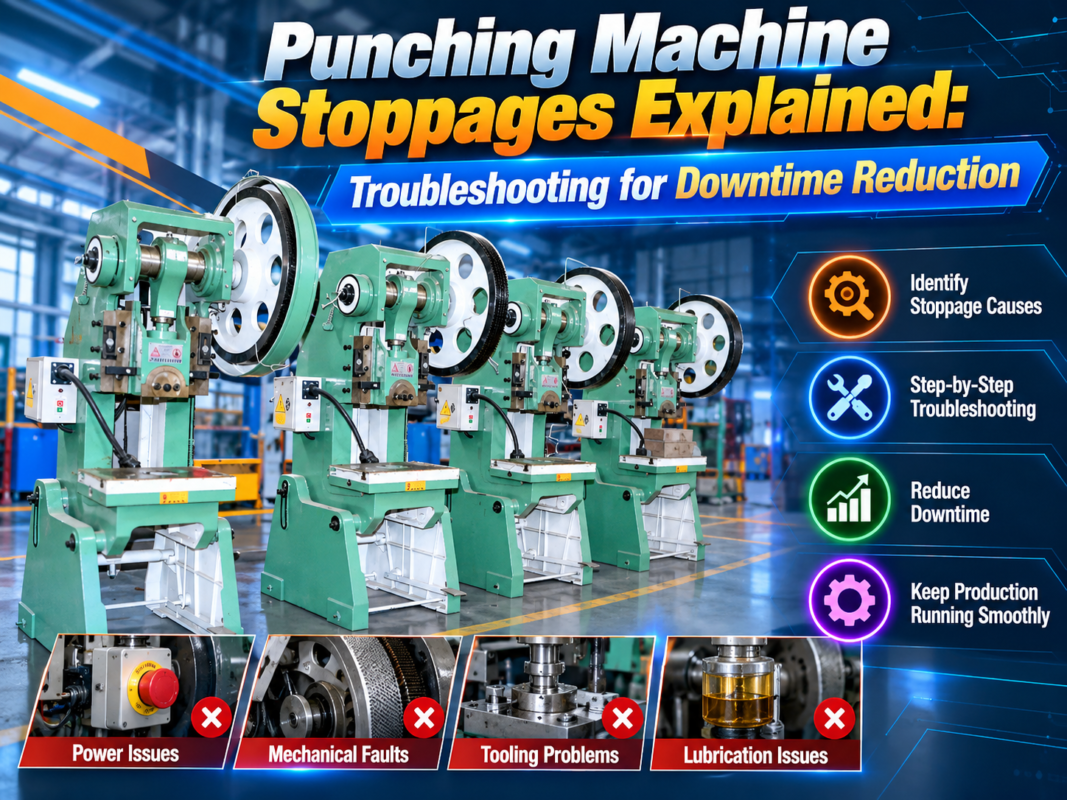
When you need to troubleshoot punching machine noise, vibration, and tool wear, start by isolating the source. Noise is often a symptom of mechanical looseness. Check all bolts, fasteners, and mounting plates. Over time, the constant impact of the punching cycle can cause hardware to back out. A loose turret or a misaligned ram guide will create a distinct ‘clunking’ sound during the stroke. Use a torque wrench to verify that all critical fasteners are tightened to the manufacturer’s recommended specifications.
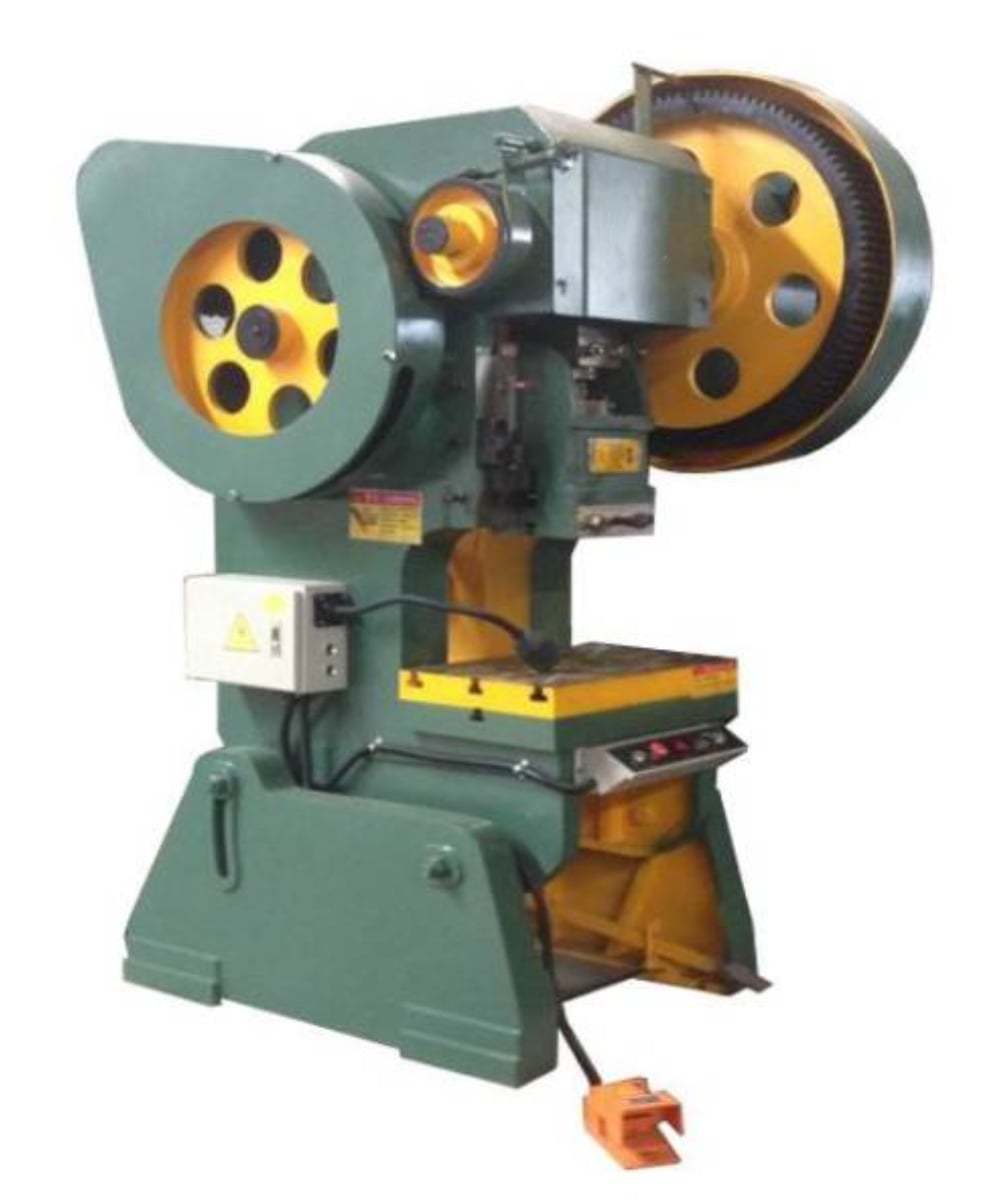
Vibration analysis often points toward the drive system. If the machine uses a flywheel, check the belt tension. A loose belt will slip under load, causing a squealing noise and erratic vibration. Conversely, a belt that is too tight can put excessive strain on the motor bearings, leading to premature failure. Inspect the flywheel for any signs of imbalance or damage. If the vibration occurs only at specific points in the stroke, the issue may lie within the crankshaft or the connecting rod bearings, which may require a professional inspection by a HARSLE technician.
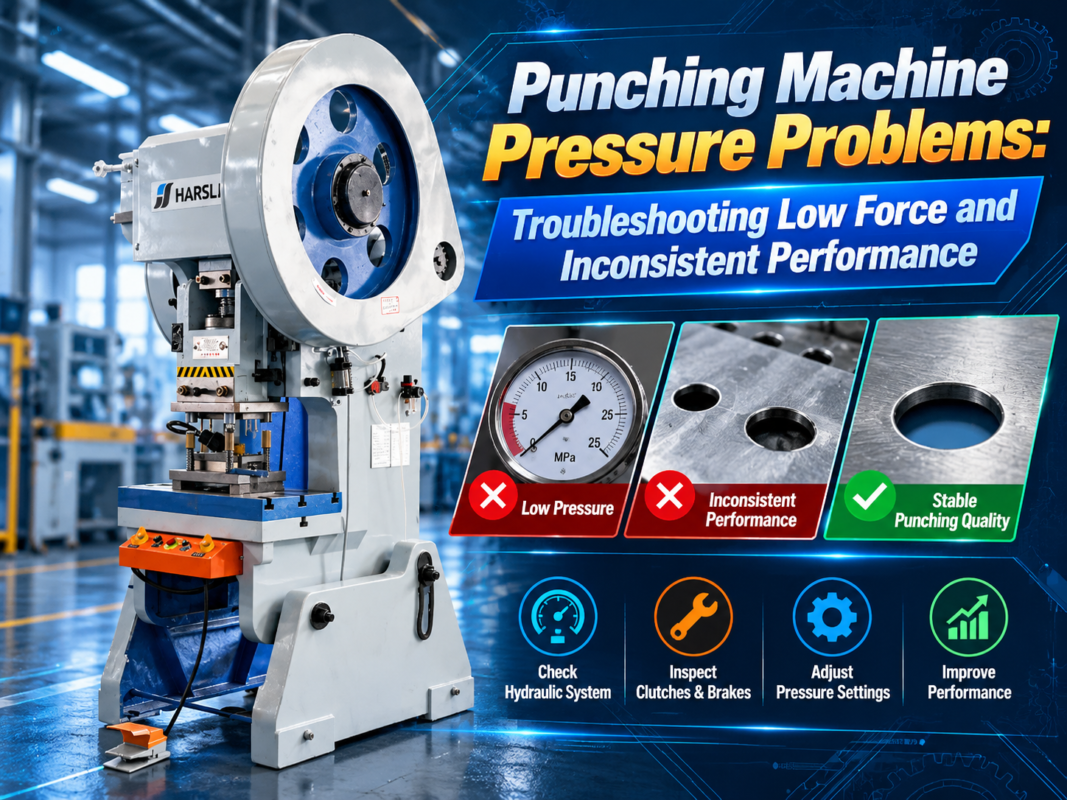
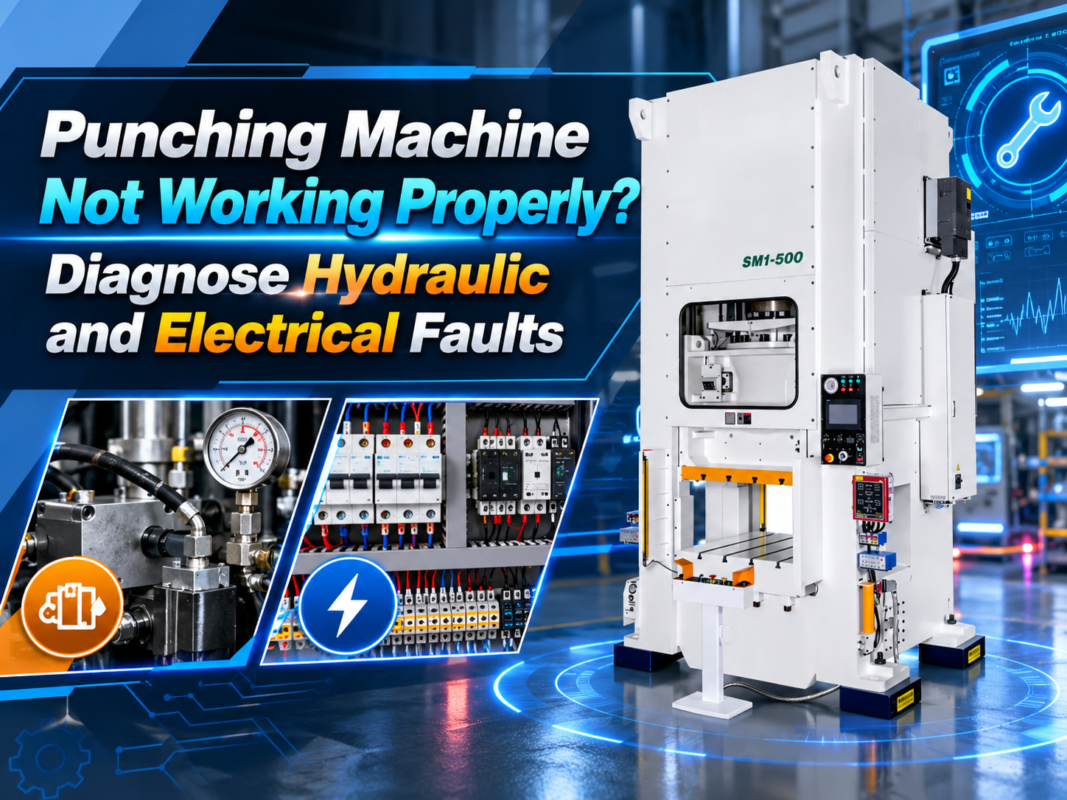
Hydraulic systems in punching machines are another common source of noise. If you hear a ‘cavitation’ sound—often described as a gravel-like grinding—it usually indicates air in the hydraulic lines or a failing pump. Check the hydraulic fluid levels and look for any signs of foaming in the reservoir. Air bubbles in the system can cause the ram to move inconsistently, leading to vibration and poor punch quality. Ensure that the hydraulic filters are replaced regularly to prevent debris from damaging the pump and valves.
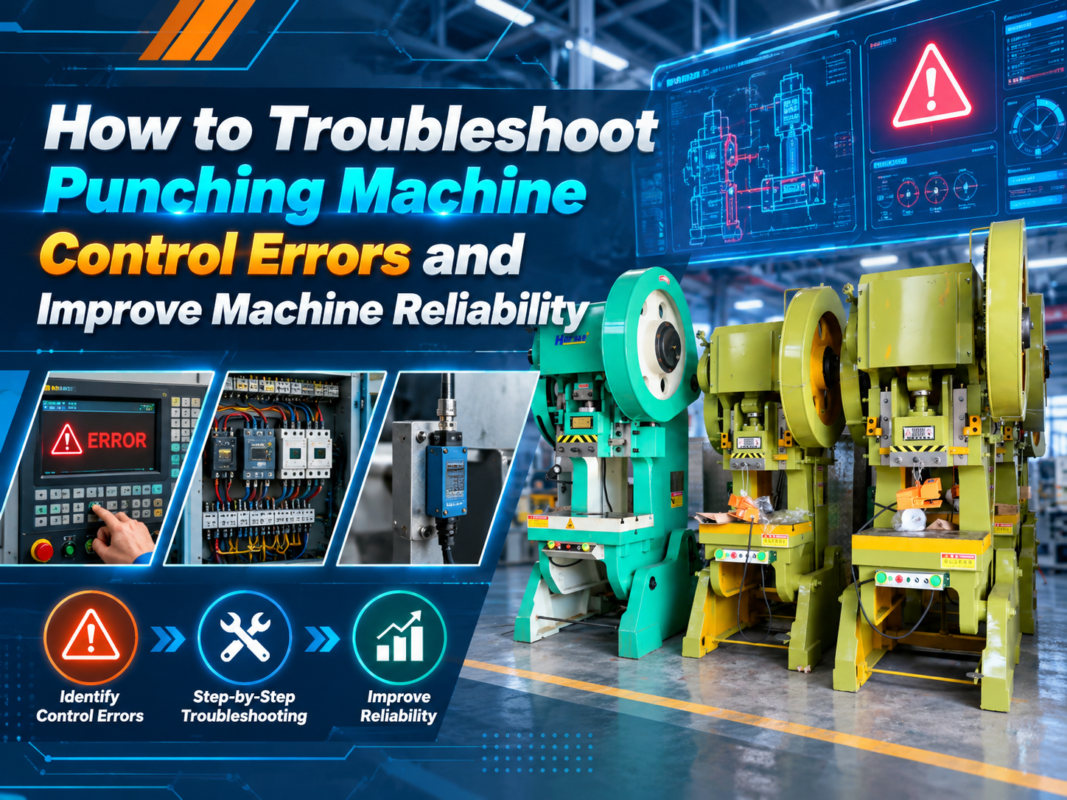
Electrical interference or issues with the CNC controller can also manifest as mechanical noise. If the servo motors are ‘hunting’ for position due to a faulty encoder or loose wiring, you may hear a high-pitched buzzing or see the ram jittering. This vibration is particularly dangerous as it can cause the punch to strike the die off-center, leading to catastrophic tool failure. Always monitor the diagnostic screen on your HARSLE controller for any error codes that correlate with the noise or vibration events.
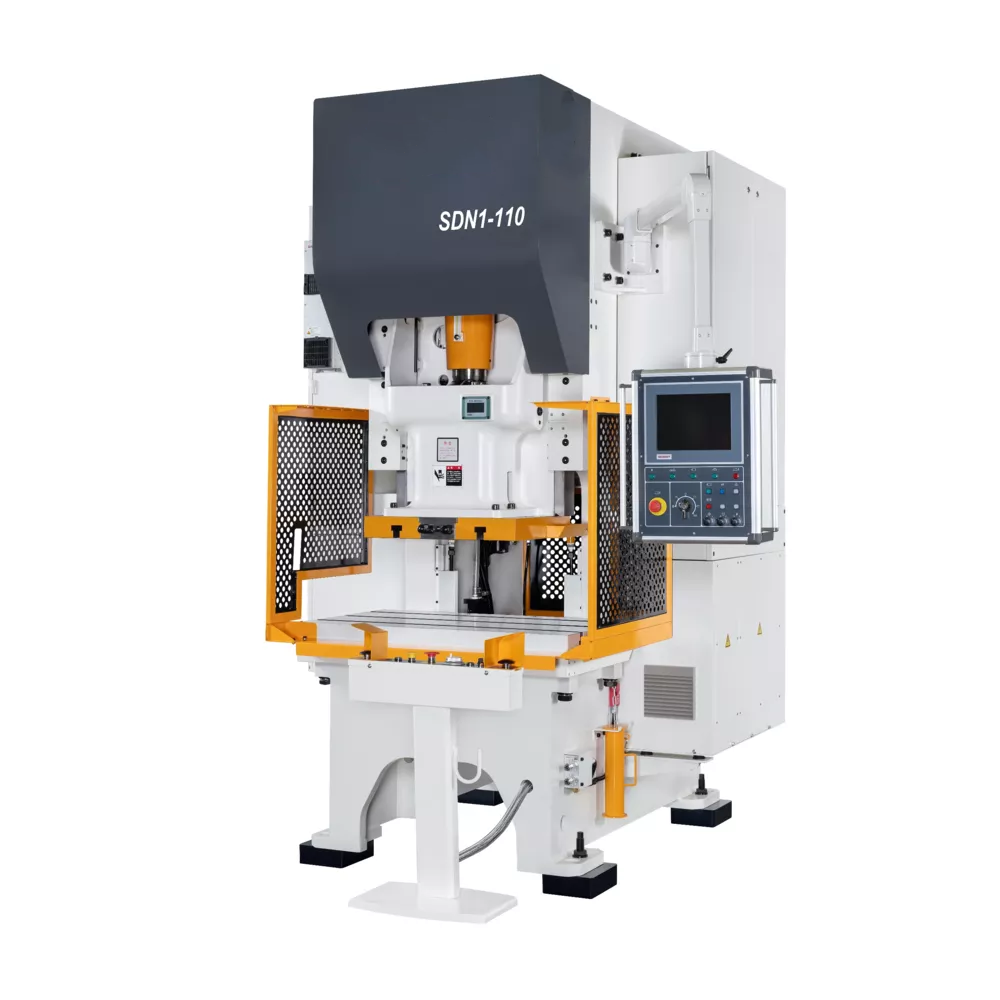
Addressing Tool Wear and Material Quality
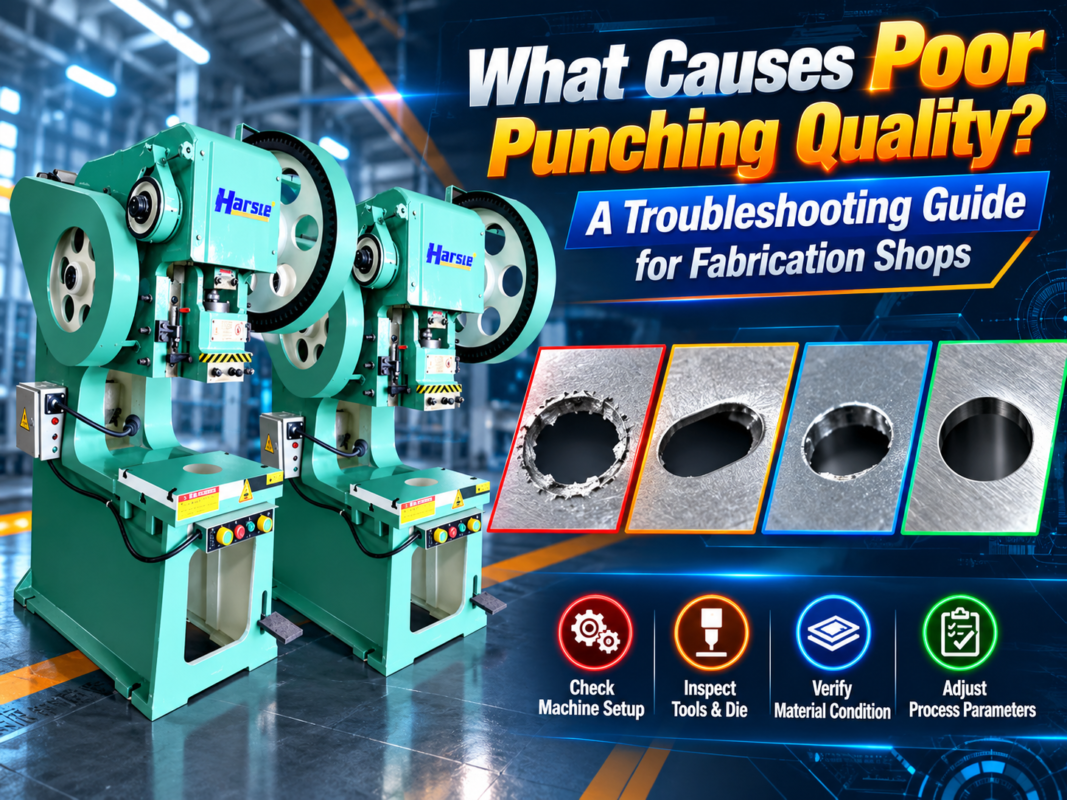
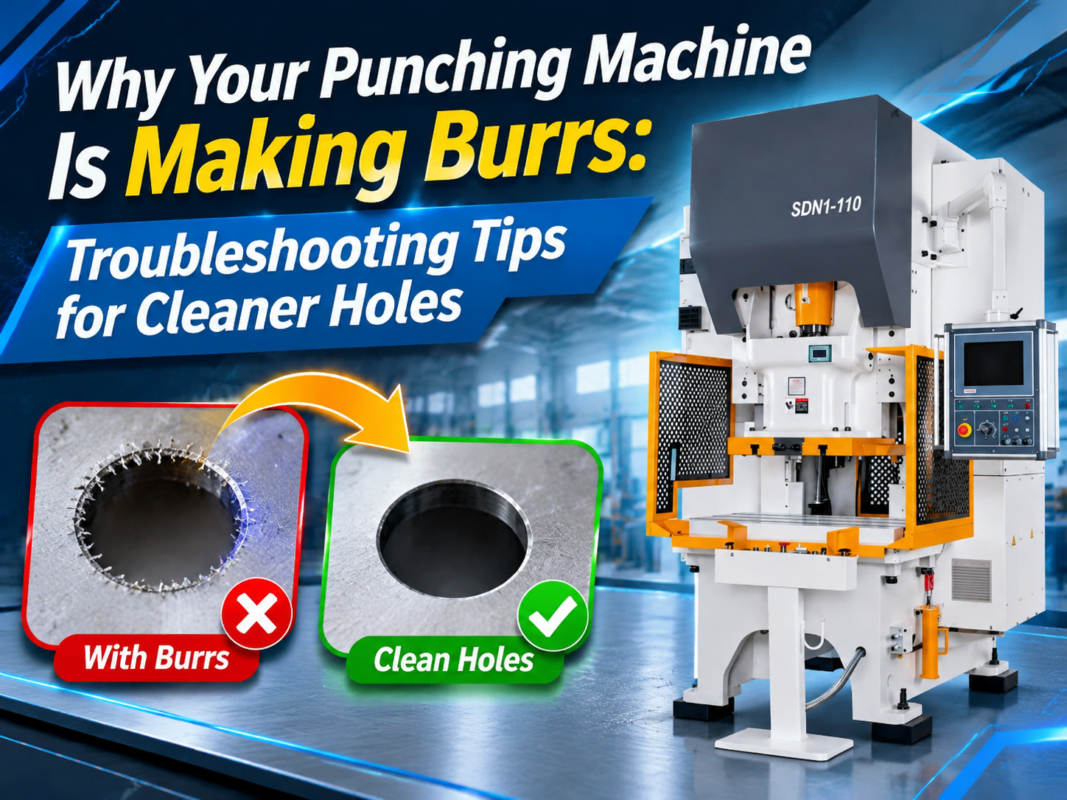
Tool wear is the silent enemy of production quality. When a punch or die begins to dull, the force required to penetrate the material increases significantly. This extra force is not just hard on the tool; it is hard on the machine. The increased resistance causes the machine frame to flex more than intended, leading to vibration and potential damage to the ram guides. If you notice burrs on the underside of your parts, it is a clear sign that your tool clearance is incorrect or the punch is dull.
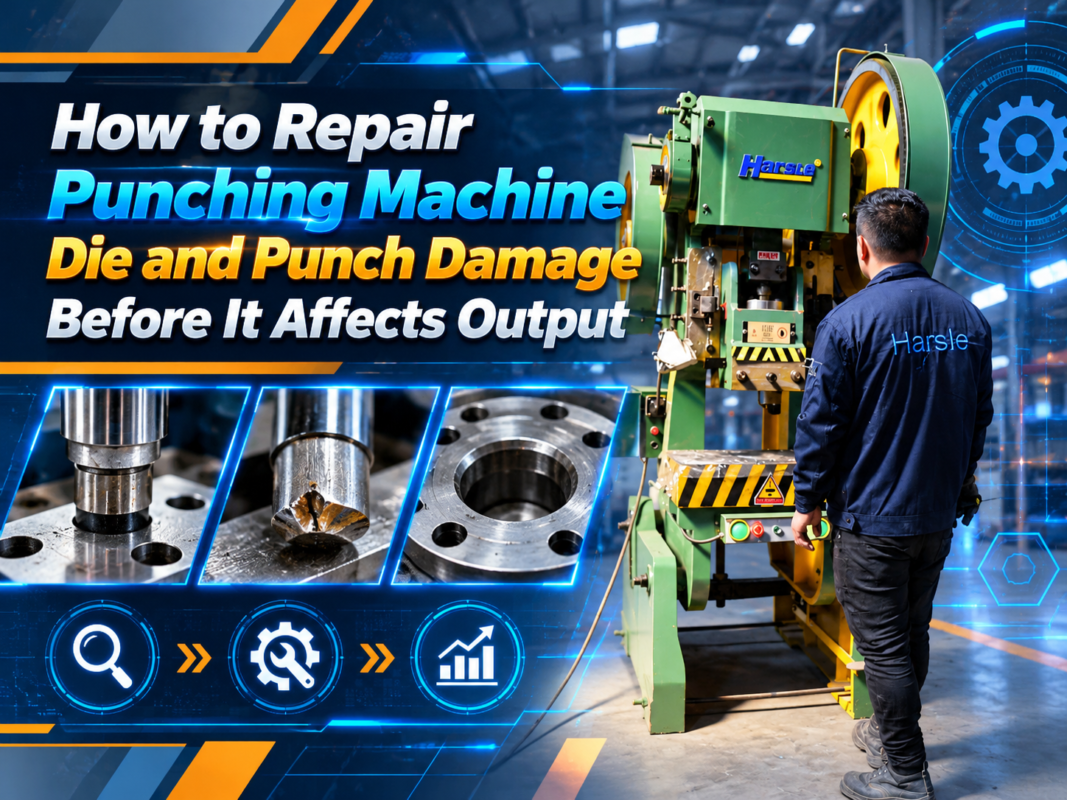
To troubleshoot tool wear, start with a visual inspection of the punch tip and the die opening. Look for signs of ‘chipping’ or ‘galling.’ Galling occurs when material from the workpiece welds itself to the punch due to excessive heat and friction. This is often caused by inadequate lubrication or the wrong coating on the tool. If you see material buildup, clean the tool thoroughly and consider using a lubricant specifically designed for the material you are punching. For high-volume production, investing in PVD-coated punches can significantly reduce friction and extend tool life.
Clearance management is a critical technical skill. The clearance between the punch and the die should be approximately 10% to 20% of the material thickness, depending on the material type. If the clearance is too tight, the machine will work harder, creating more noise and vibration. If the clearance is too loose, the material will bend into the die rather than shearing, resulting in poor edge quality and increased tool wear. Use a feeler gauge to verify clearance regularly and adjust your tool sets accordingly.
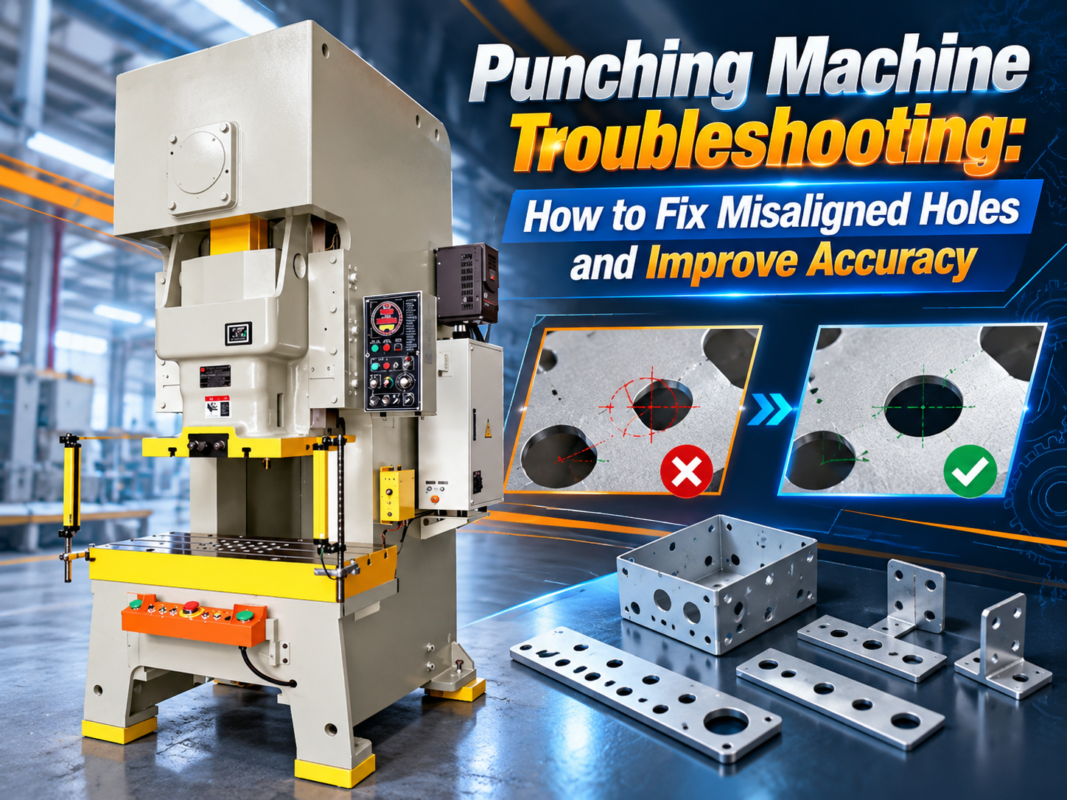
Finally, consider the alignment of the punch and die. Even a slight misalignment will cause the punch to strike the edge of the die, leading to rapid wear and potential breakage. This misalignment is often caused by a worn turret or a loose punch holder. If you find that you are replacing tools more frequently than the manufacturer suggests, perform a ‘paper test’—punching a piece of paper to check for uniform shearing marks—to verify that your alignment is perfect. If the marks are uneven, your turret or tool holders require immediate adjustment.
Selection Advice: Choosing the Right Equipment
When selecting a punching machine, the best way to avoid noise, vibration, and tool wear issues is to choose a machine that is appropriately sized for your workload. A machine that is constantly running at its maximum tonnage capacity will experience significantly more wear and tear than one running at 70% capacity. HARSLE offers a wide range of punching machines, and our experts recommend selecting a model with a 20-30% buffer in tonnage to ensure longevity and stability.
Consider the drive technology. Hydraulic punching machines are known for their power and versatility, making them ideal for thick materials, but they require careful maintenance of the hydraulic system to prevent noise. Servo-electric punching machines, on the other hand, offer superior precision and energy efficiency with significantly less noise and vibration. If your shop environment is sensitive to noise or if you require high-speed, high-precision punching, a servo-electric model may be the better investment.
Look for machines with robust frame construction. A heavy-duty, stress-relieved steel frame is essential for absorbing the shock of the punching process. HARSLE machines are engineered with finite element analysis (FEA) to ensure that the frame remains rigid under load, minimizing the vibration that leads to tool wear. When comparing machines, ask about the guide system for the ram. A high-quality, multi-point guide system will keep the punch perfectly aligned throughout the entire stroke, which is the single most important factor in preventing tool wear.
Finally, consider the availability of support and spare parts. A punching machine is a long-term asset. Choosing a manufacturer like HARSLE ensures that you have access to technical support, genuine spare parts, and expert advice when you need to troubleshoot punching machine noise, vibration, and tool wear. Investing in a machine with a strong support network reduces downtime and ensures that your maintenance team has the resources they need to keep the equipment running at peak performance.
FAQ: Common Troubleshooting Questions
- Q: Why does my punching machine make a loud ‘bang’ during the stroke?
A: This is often caused by excessive clearance between the punch and die, or by punching material that is too thick for the current tool setup. It can also indicate a loose ram guide. - Q: How often should I check my tool clearance?
A: You should check your tool clearance every time you change a tool set or if you notice any change in the edge quality of your parts. - Q: Can vibration cause electrical issues?
A: Yes, excessive vibration can loosen electrical connections, leading to intermittent faults in the CNC controller or sensor errors. - Q: What is the best way to prevent galling on my punches?
A: Use high-quality lubricants, ensure proper tool clearance, and consider using coated punches (such as TiN or TiCN) to reduce friction. - Q: Is it normal for the hydraulic pump to be loud?
A: A low hum is normal, but a grinding or cavitation noise indicates a problem with the hydraulic fluid, filters, or the pump itself.
Conclusion
Troubleshooting punching machine noise, vibration, and tool wear is a fundamental aspect of maintaining a productive and profitable metal fabrication shop. By paying close attention to the early warning signs—whether it is a change in the machine’s acoustic profile, a slight increase in vibration, or the first signs of burrs on your parts—you can prevent minor issues from escalating into costly repairs. Remember that the health of your machine is directly linked to the quality of your output.
At HARSLE, we are committed to providing not only the highest quality metal fabrication equipment but also the knowledge and support necessary to keep your machines running for decades. Regular maintenance, proper tool management, and a proactive approach to troubleshooting are the keys to success. By following the guidelines outlined in this article, you can ensure that your punching machine remains a reliable and efficient workhorse in your facility. If you ever encounter a problem that you cannot resolve, our team of experts is always ready to assist you in getting your production back on track.