
Case Study: Lower Scrap Rates in Metal Fabrication with a High-Speed Punching Machine


Introduction: The Economic Impact of Material Waste in Metal Fabrication
In the competitive landscape of modern metal fabrication, efficiency is measured not just by how fast a part is produced, but by how much of the raw material actually makes it into the final product. Material costs often account for 30% to 50% of the total production cost in sheet metal shops. Therefore, high scrap rates are more than just an environmental concern; they are a direct drain on profitability. This case study explores how the implementation of a high-speed punching machine, specifically designed for precision and optimized material utilization, can transform a fabrication floor’s bottom line.
Traditional punching methods often suffer from mechanical limitations, such as slower cycle times and less sophisticated nesting capabilities, leading to significant ‘skeletal’ waste. When a manufacturer deals with high-volume production, even a 5% reduction in scrap can result in tens of thousands of dollars in annual savings. HARSLE has been at the forefront of developing CNC punching solutions that address these inefficiencies through advanced servo-hydraulic systems and intelligent software integration. This article will detail the transition of a mid-sized automotive component manufacturer from legacy equipment to a high-speed CNC punching system.
The focus keyword for this analysis, Case Study: Lower Scrap Rates In Metal Fabrication A High-Speed Punching Machine, highlights the intersection of technology and resource management. By examining the technical nuances of high-speed punching, we can understand why these machines are becoming the standard for shops aiming for lean manufacturing excellence. Throughout this guide, we will break down the considerations, technical specifications, and selection criteria that define a successful equipment upgrade.
Key Considerations for Reducing Scrap Rates
Reducing scrap is a multi-faceted challenge that requires a combination of hardware precision, software intelligence, and operational best practices. Before investing in a high-speed punching machine, fabricators must evaluate several critical factors that influence material yield. The first is the accuracy of the machine’s positioning system. If a machine cannot consistently hit its marks within microns, the ‘web’ between parts must be wider to accommodate errors, which inherently increases scrap.
Another vital consideration is the integration of nesting software. Modern high-speed punching machines are often paired with CAD/CAM systems that utilize complex algorithms to fit as many parts as possible onto a single sheet. This includes ‘common line cutting’ or ‘common line punching,’ where two parts share a single hit or cut, eliminating the waste between them. Without a machine capable of the high-speed execution required for these complex paths, the software’s potential remains untapped.
Tooling Quality and Maintenance
The condition of the tools used in a punching machine plays a silent but significant role in scrap rates. Dull or improperly aligned tools cause burrs, deformations, and ‘slug pulling’—where the waste material is pulled back up onto the sheet, potentially damaging the next part. A high-speed punching machine with a high-quality turret and precise tool holders ensures that every hit is clean. Furthermore, automated tool lubrication systems found in premium HARSLE models extend tool life and maintain edge quality, reducing the number of rejected parts due to surface defects.
Material Handling and Sheet Stability
High-speed operations generate significant vibrations. If the machine frame is not rigid enough, or if the clamping system does not secure the sheet properly, the material can shift during the process. This shift leads to dimensional inaccuracies and, ultimately, scrap. High-speed punching machines often feature heavy-duty O-frames or closed-loop frames to dampen vibration and maintain structural integrity during rapid-fire punching cycles. The use of brush tables instead of ball tables also helps in protecting the surface of sensitive materials like stainless steel or aluminum, preventing scratches that would lead to part rejection.
Technical Details of High-Speed Punching Systems
To understand how a high-speed punching machine achieves lower scrap rates, one must look under the hood at the technical specifications. The heart of these machines is the CNC controller and the drive system. Modern HARSLE machines typically utilize AC servo-hydraulic systems. Unlike traditional mechanical flywheels, servo-hydraulics allow for full control over the ram’s position, speed, and pressure at every point in the stroke. This allows for ‘hovering’ heights that minimize travel time between hits, significantly increasing the hits-per-minute (HPM) without sacrificing accuracy.
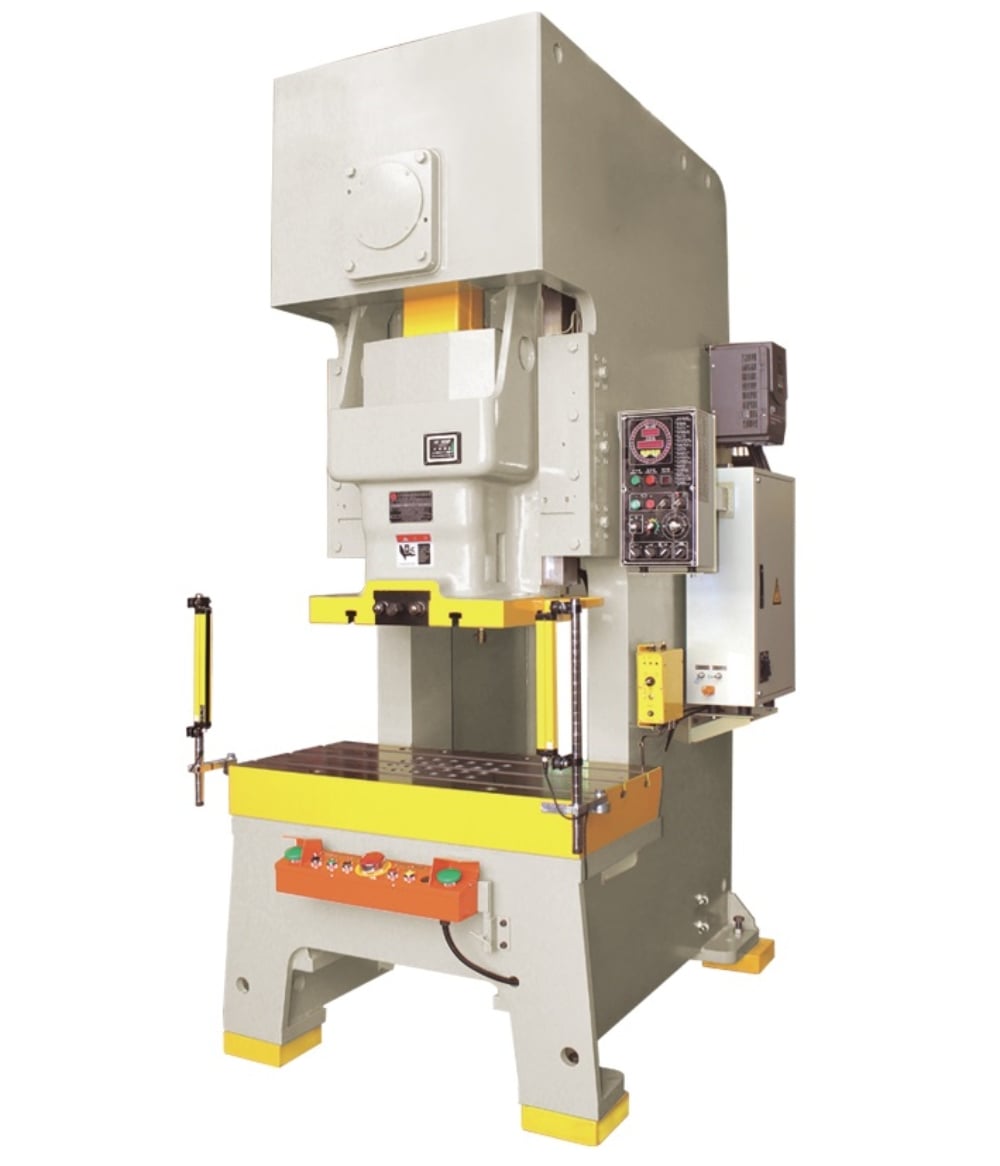
The turret configuration is another technical marvel. A high-speed machine often features a large capacity turret (e.g., 32 to 50 stations) with multiple ‘Auto-Index’ stations. Auto-index stations allow the tool to rotate to any angle, which is crucial for optimized nesting. Instead of being limited to 0 or 90-degree orientations, parts can be angled to fit into the nooks and crannies of the sheet layout, squeezing out every millimeter of usable material. This flexibility is a primary driver in the Case Study: Lower Scrap Rates In Metal Fabrication A High-Speed Punching Machine narrative.
Technical Specification Table
| Feature | Standard Punching Machine | High-Speed CNC Punching Machine | |||
|---|---|---|---|---|---|
| Drive System | Mechanical Flywheel | Servo-Hydraulic / Full Electric | |||
| Hits Per Minute (25.4mm pitch) | 150 – 250 HPM | 400 – 600+ HPM | Positioning Accuracy | +/- 0.15 mm | +/- 0.05 mm to 0.1 mm |
| Nesting Capability | Basic / Manual | Advanced AI-Driven Nesting | |||
| Tool Change Speed | 3 – 5 Seconds | 1 – 2 Seconds | |||
| Frame Type | C-Frame (Open) | O-Frame (Closed/Bridge) |
The transition to an O-frame design is particularly important for high-speed work. The closed-loop design prevents ‘yawing’ or frame deflection that occurs in C-frame machines under high tonnage. When the frame remains perfectly rigid, the punch and die stay in perfect alignment, which is essential for maintaining tight tolerances and reducing the likelihood of material deformation that leads to scrap.
Case Study: Automotive Parts Manufacturer Transformation
Let’s look at a specific application. A manufacturer specializing in perforated heat shields and brackets for the automotive industry was struggling with a 14% scrap rate using older mechanical presses. The manual nesting process was tedious, and the machines lacked the precision to punch parts closer than 10mm apart. By upgrading to a HARSLE High-Speed CNC Punching Machine with a 30-ton capacity and advanced nesting software, the results were immediate.
The new system allowed for ‘micro-jointing,’ where parts are held in the sheet by tiny tabs, allowing for much tighter nesting. The high-speed servo-hydraulic ram allowed the machine to process complex perforated patterns at 800 hits per minute (nibbling). Because the machine could maintain accuracy at these speeds, the manufacturer was able to reduce the ‘web’ between parts from 10mm to just 3mm. This change alone improved material utilization by nearly 12%.
Furthermore, the ‘Auto-Index’ feature allowed the manufacturer to nest irregular-shaped brackets at various angles, filling gaps that were previously left as waste. Within six months, the scrap rate dropped from 14% to 4.5%. When calculated against their annual steel consumption of 500 tons, the savings in raw material costs alone paid for a significant portion of the machine’s monthly financing. This is the core value proposition of the Case Study: Lower Scrap Rates In Metal Fabrication A High-Speed Punching Machine.
Selection Advice: Choosing the Right Punching Machine
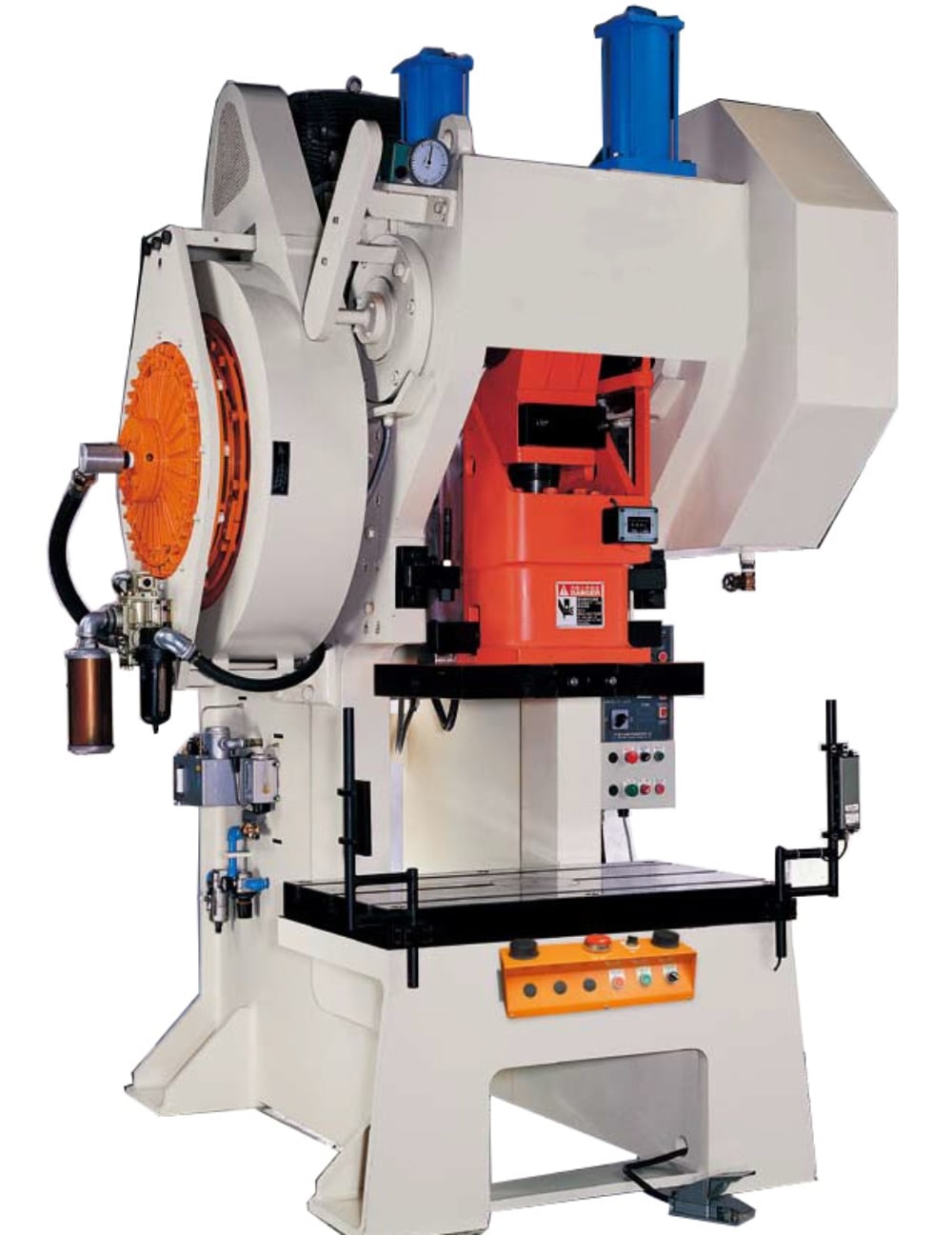
Selecting the right high-speed punching machine requires a deep dive into your specific production needs. It is not always about the highest tonnage; it is about the right balance of speed, accuracy, and tool flexibility. For fabricators working primarily with thin-gauge materials (under 3mm), a high-speed 20-ton or 30-ton machine is often more efficient than a slower 50-ton machine. The faster cycle times on thinner materials provide a better ROI.
Consider the maximum sheet size you process. If you frequently work with large 1500mm x 3000mm sheets, ensure the machine has a large enough throat depth or a reliable repositioning system. Repositioning allows the machine to process sheets longer than its physical X-axis travel, but it must be done with extreme precision to avoid ‘step’ errors that create scrap at the transition point. HARSLE machines utilize heavy-duty pneumatic clamps and precision ball screws to ensure that repositioning is seamless and accurate.
Buyer’s Checklist for Scrap Reduction
- Software Compatibility: Does the machine’s controller integrate with industry-standard nesting software like SigmaNEST or Lantek?
- Stroke Control: Does the machine offer programmable stroke heights to minimize air-cutting time?
- Sensor Technology: Are there sensors to detect sheet slippage, slug pulling, or tool breakage?
- Energy Efficiency: Modern servo-hydraulic systems consume up to 40% less energy than traditional hydraulic systems, further improving the ROI.
- After-Sales Support: High-speed machines require precise calibration. Ensure your supplier provides robust technical support and training.
Maintenance and its Impact on Scrap Rates
Even the best high-speed punching machine will produce scrap if it is not maintained. Maintenance in a high-speed environment is about prevention. Because these machines move at incredible velocities, small misalignments can quickly escalate into major issues. Daily checks of the lubrication system are mandatory; without proper oiling, the friction in the turret and ram can lead to heat expansion, which alters the punching precision.
Tool sharpening is another critical maintenance task. A dull tool requires more force to penetrate the metal, which increases the stress on the machine frame and can cause the material to ‘draw’ or deform around the hole. Implementing a regular tool-grinding schedule ensures that every part meets quality standards. Additionally, cleaning the brush tables and ensuring the clamps are free of debris prevents surface marring, which is a common cause of aesthetic scrap in industries like kitchenware or electronics.
Frequently Asked Questions (FAQ)
1. How does high-speed punching compare to laser cutting in terms of scrap?
While laser cutting offers more flexibility for complex shapes without tooling, high-speed punching is often more efficient for parts with many holes or repetitive patterns. In terms of scrap, punching machines with advanced nesting can match laser efficiency, and for certain materials, the ‘common line’ punching is faster and more cost-effective than laser cutting.
2. Can a high-speed punching machine handle thick materials?
Most high-speed CNC punching machines are optimized for materials up to 6mm thick. While they can punch thicker plates (up to 10mm or 12mm depending on the tonnage), the ‘high-speed’ benefits are most pronounced on thinner gauges where the rapid ram movement and quick positioning can be fully utilized.
3. What is ‘Slug Pulling’ and how does it affect scrap?
Slug pulling occurs when the waste piece (the slug) sticks to the punch as it retracts and is pulled back onto the sheet surface. If the machine punches the next hole with a slug lying on the sheet, it will damage the material and potentially the tool. High-speed machines use vacuum systems or special ‘slug-hugger’ dies to prevent this, significantly reducing scrap.
4. Is the software difficult to learn for reducing scrap?
Modern nesting software is highly intuitive and often features ‘one-click’ optimization. While there is a learning curve to master advanced features like common-line cutting or tab placement, most operators can become proficient within a week of training. The software does the heavy lifting of calculating the most efficient layout.
5. What is the typical ROI for upgrading to a high-speed punching machine?
Depending on production volume and current scrap rates, most shops see a return on investment within 18 to 36 months. This ROI is driven by three factors: reduced material waste, lower labor costs due to faster throughput, and lower energy consumption from modern servo-drive systems.
Conclusion: The Future of Lean Metal Fabrication
The Case Study: Lower Scrap Rates In Metal Fabrication A High-Speed Punching Machine demonstrates that the path to profitability in the modern era is paved with precision and efficiency. By moving away from legacy mechanical systems and embracing the speed and intelligence of CNC servo-hydraulic punching, manufacturers can significantly reduce their environmental footprint and their operational costs. The ability to squeeze every possible part out of a sheet of metal is no longer a luxury—it is a necessity for survival in a global market.
HARSLE continues to innovate in this space, providing machines that are not only fast but also smart. From the rigid O-frame construction to the seamless integration of AI-driven nesting software, every element of a HARSLE high-speed punching machine is engineered to minimize waste. For fabricators looking to take the next step in their lean journey, the transition to high-speed punching is a proven strategy for success. By focusing on the technical details and selection criteria outlined in this guide, you can ensure that your investment leads to lower scrap rates, higher quality parts, and a much healthier bottom line.


