How a Small Factory Boosted Capacity with an Affordable Punching Machine


The Growth Bottleneck in Small-Scale Metal Fabrication
For many small-scale metal fabrication shops, the transition from a boutique workshop to a high-capacity production facility is fraught with challenges. The most significant hurdle is often the reliance on manual or semi-manual processes that limit output and increase labor costs. In a recent case study, we observed how a small factory boosted capacity an affordable punching machine, transforming their daily operations from a struggle to meet deadlines into a streamlined, profitable enterprise. This shift highlights a critical reality in modern manufacturing: you don’t always need a multi-million dollar robotic line to see exponential growth; sometimes, the right piece of specialized equipment is all it takes.
Before the upgrade, the factory in question relied heavily on manual drilling and low-tonnage hand presses. While these methods were sufficient for prototype work and small custom orders, they became a liability when a major contract for electrical enclosures was secured. The precision required for repetitive hole patterns and the sheer volume of parts meant that manual labor was no longer viable. The risk of human error, coupled with the slow pace of production, threatened the factory’s reputation and its bottom line. This is a common scenario where the search for an affordable yet robust solution begins.
The decision to invest in a dedicated punching machine was driven by the need for speed, accuracy, and repeatability. However, for a small business, “affordable” doesn’t just mean a low sticker price; it means a machine that offers a high return on investment (ROI) through low maintenance costs, ease of operation, and versatility. By selecting a HARSLE mechanical power press, the factory was able to bridge the gap between manual craftsmanship and industrial-scale output without overextending their financial resources.
In this article, we will explore the journey of how a small factory boosted capacity an affordable punching machine. We will delve into the key considerations that guided their choice, the technical specifications that made the difference, and practical advice for other small business owners looking to make a similar leap in their production capabilities.
Key Considerations Before Upgrading to a Punching Machine
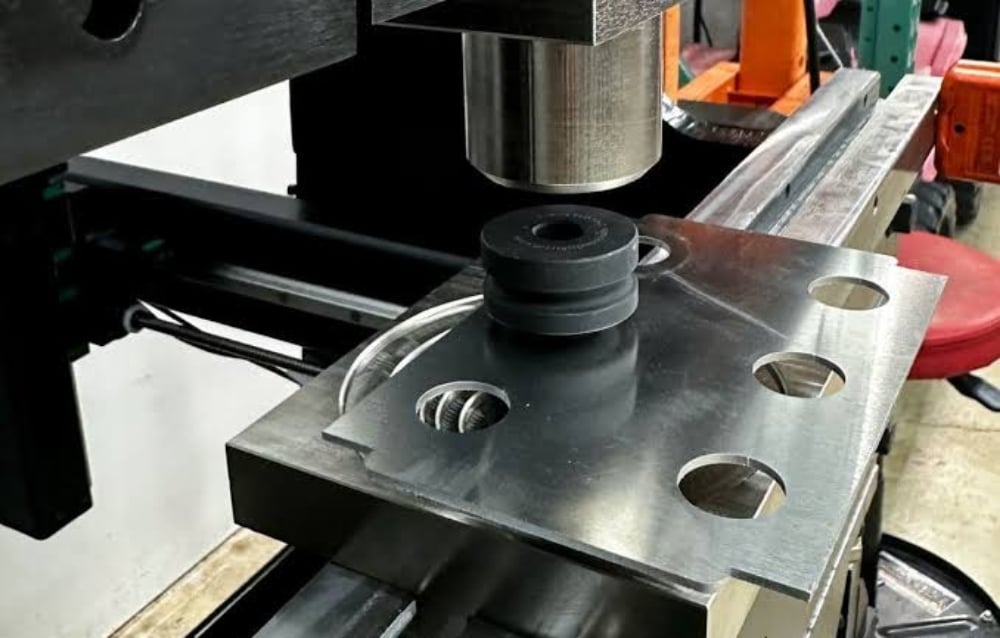
When a small factory decides to upgrade, the first step isn’t looking at brochures; it’s assessing their specific production needs. The primary consideration is the material type and thickness. A machine that handles 1mm aluminum with ease might struggle with 4mm stainless steel. Understanding the limits of the equipment ensures that the factory doesn’t under-buy or over-buy. For the factory in our case study, the majority of their work involved mild steel between 1.5mm and 3mm, which pointed them toward a 25-ton to 40-ton mechanical press.
Space is another critical factor. Small factories often operate in tight quarters where every square foot must be productive. Unlike massive CNC turret punches that require significant floor space and specialized foundations, many affordable C-frame punching machines have a compact footprint. This allows them to be integrated into existing workflows without a complete shop floor redesign. The factory was able to place their new HARSLE machine in a corner previously used for manual assembly, effectively turning dead space into a high-output zone.
Labor skill levels also play a role in the selection process. A highly complex machine requires expensive, specialized operators. For a small factory, a machine that is intuitive and easy to set up is far more valuable. The goal is to empower existing staff to produce more, rather than having to hire new experts. Modern affordable punching machines often feature simplified control panels and quick-change tooling systems, which significantly reduce the learning curve and setup times between different jobs.
Finally, the long-term cost of ownership must be evaluated. This includes energy consumption, the cost of replacement parts, and the availability of technical support. An affordable machine that breaks down frequently or has hard-to-find parts is ultimately more expensive than a slightly higher-priced, reliable model. By choosing a reputable brand like HARSLE, the factory ensured they had access to a global support network and standardized components, minimizing potential downtime and ensuring that a small factory boosted capacity an affordable punching machine consistently over several years.
Technical Details: Understanding the Mechanics of Modern Punching
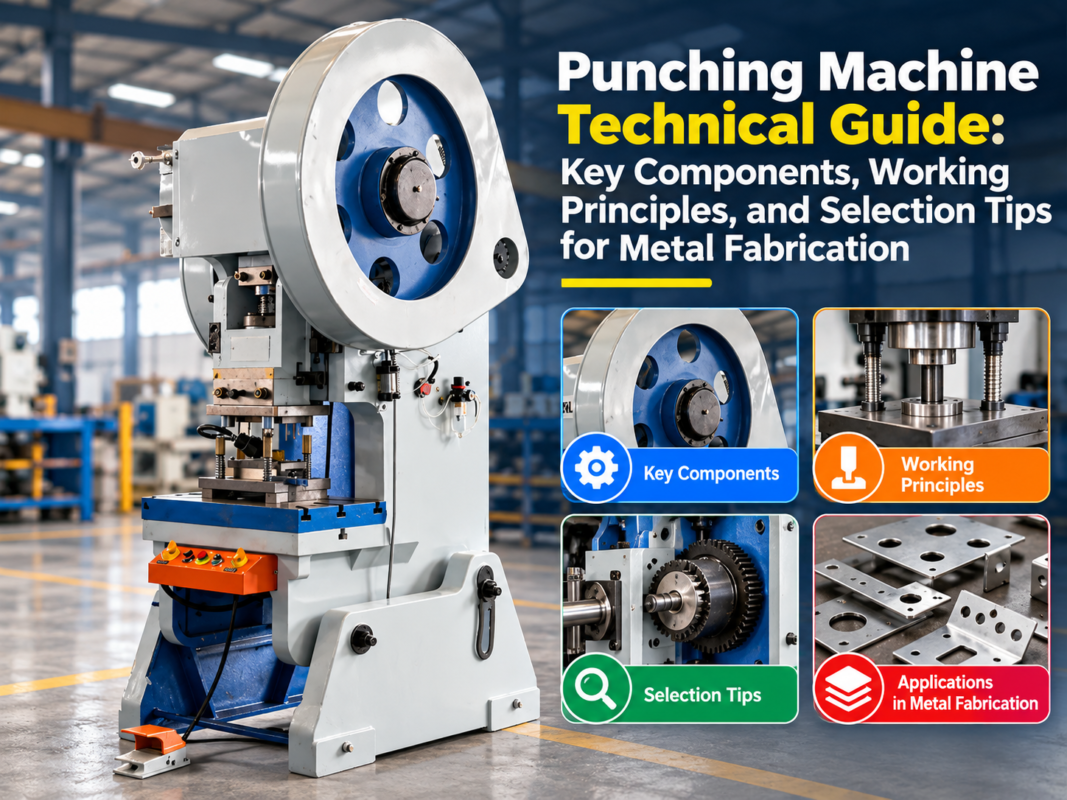
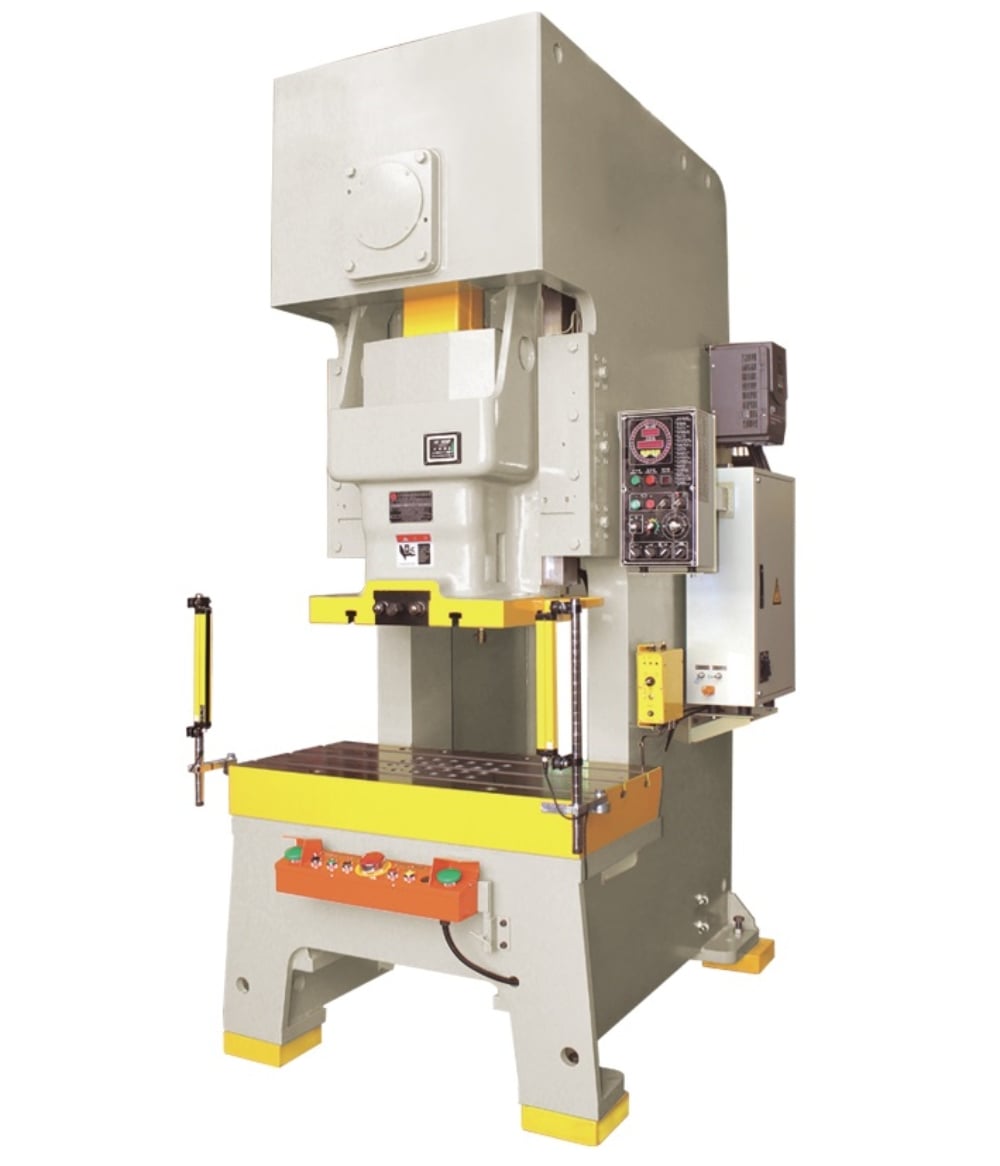
To understand how a small factory boosted capacity an affordable punching machine, one must look at the technical specifications that drive performance. At the heart of a mechanical punching machine is the flywheel and crankshaft mechanism. The flywheel stores kinetic energy, which is then transferred through a clutch system to the crankshaft, driving the ram downward with immense force. This design is favored for its high speed and reliability in repetitive punching tasks.
The “C-frame” design, also known as an open-back press, is the most common configuration for affordable machines. It provides three-sided access to the die area, making it ideal for feeding long strips of metal or handling oddly shaped workpieces. The frame is typically constructed from high-strength cast iron or welded steel plates that have been stress-relieved to ensure long-term precision. This rigidity is crucial; any deflection in the frame during a punch can lead to misaligned holes and premature tool wear.
Comparison of Common Punching Machine Types
| Feature | Mechanical Power Press | Hydraulic Punching Machine | CNC Turret Punch |
|---|---|---|---|
| Speed | Very High (Continuous) | Moderate | High (Variable) |
| Initial Cost | Affordable | Moderate | High |
| Maintenance | Simple (Mechanical) | Moderate (Hydraulic Fluids) | Complex (Electronics/Software) |
| Best Use Case | High-volume repetitive parts | Heavy plate, deep drawing | Complex patterns, low volume |
Another technical aspect is the stroke adjustment. Being able to adjust the distance the ram travels allows the operator to fine-tune the machine for different tooling heights and material thicknesses. This versatility is what allowed the small factory to use the same machine for both simple hole punching and light forming operations, such as creating louvers or small offsets in the metal. The inclusion of a pneumatic clutch and brake system in modern machines also enhances safety and precision, allowing for “inching” during setup and immediate stopping in case of an emergency.
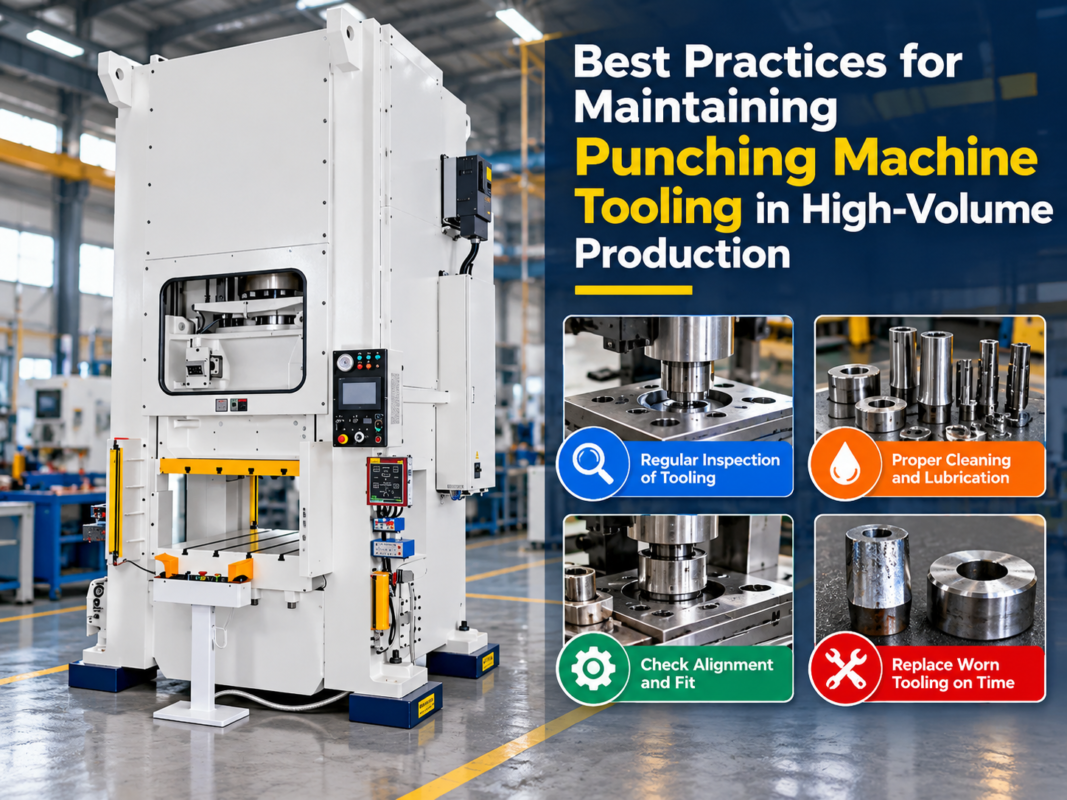
Tooling is the final piece of the technical puzzle. A punching machine is only as good as the dies it uses. Affordable machines often use standard “thick turret” or “thin turret” style tooling, which is widely available and relatively inexpensive. The factory invested in a set of high-quality hardened steel punches and dies, which allowed them to maintain clean edges and tight tolerances across thousands of cycles. This focus on technical synergy is exactly how a small factory boosted capacity an affordable punching machine while maintaining high quality standards.
Selection Advice: Finding the Right Fit for Your Workshop
Choosing the right machine requires a balance between current needs and future aspirations. For a small factory, the temptation might be to buy the cheapest machine available, but this often leads to regret. Instead, focus on the “Tonnage Requirement.” You can calculate the required tonnage using the formula: Length of Cut x Material Thickness x Shear Strength / 2000. Always choose a machine that provides at least 20% more tonnage than your maximum requirement to avoid straining the frame and motor.
Consider the power supply of your workshop. Many industrial-grade punching machines require three-phase power. If your facility only has single-phase power, you may need to invest in a phase converter or look for machines specifically designed for lower power requirements. The factory in our case study had to upgrade their electrical panel to accommodate the new machine, a cost they factored into their initial ROI calculation. It is better to address these infrastructure needs upfront than to face delays during installation.
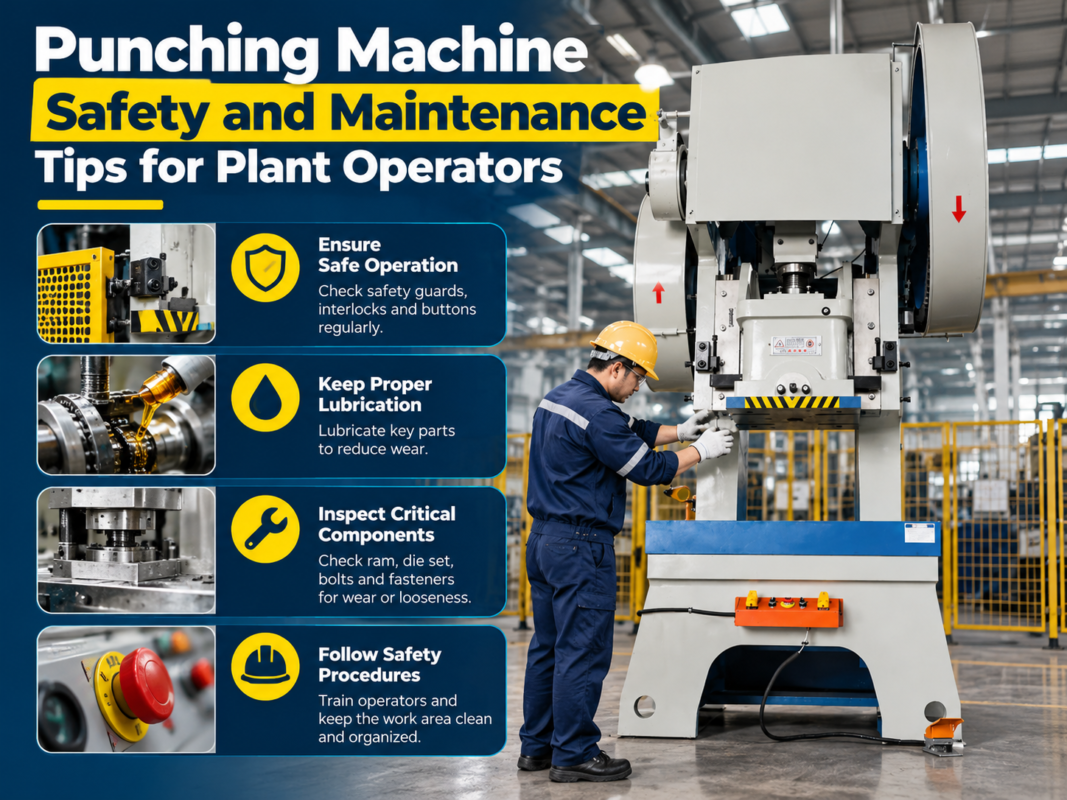
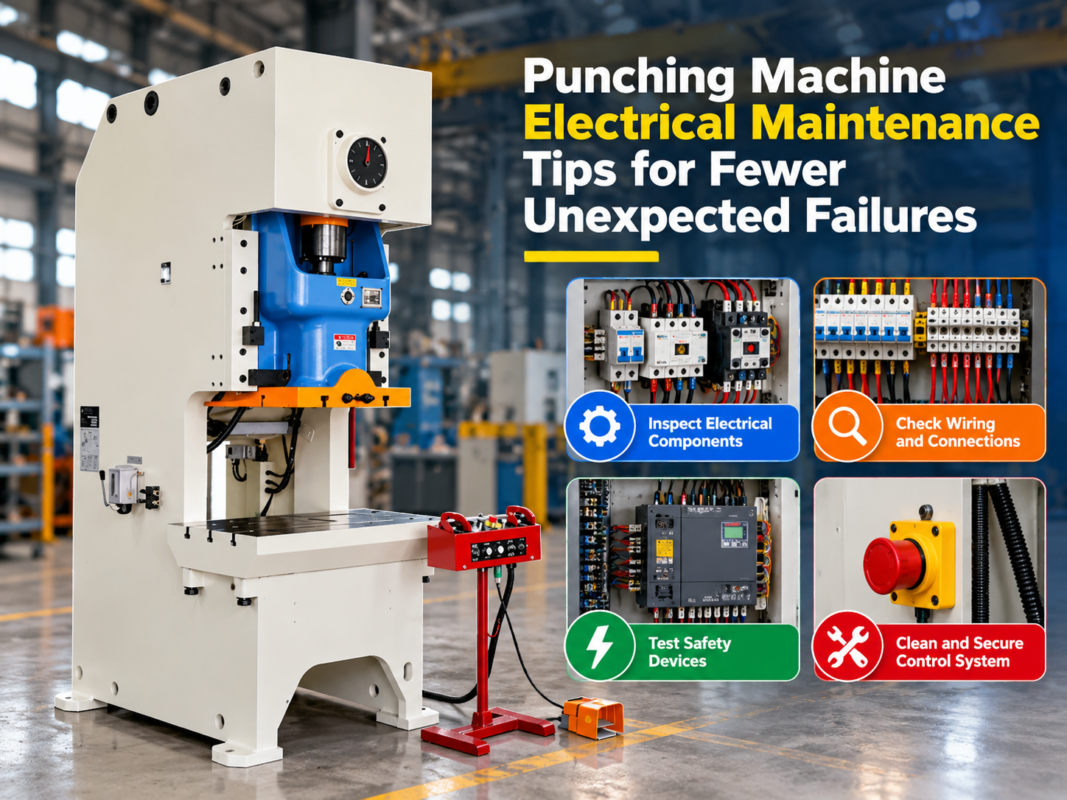
Don’t overlook safety features. In the past, affordable machines were often criticized for lacking safety guards. Today, reputable manufacturers like HARSLE include light curtains, dual-hand start buttons, and emergency stop circuits as standard. These features not only protect your employees but also reduce insurance premiums and ensure compliance with local safety regulations. A safe workplace is a productive workplace, and safety should never be sacrificed for a lower price point.
Finally, ask for a demonstration or a sample part run. Any quality machinery provider should be willing to punch a sample of your specific material using their machine. This allows you to inspect the edge quality, the noise level, and the ease of operation firsthand. When a small factory boosted capacity an affordable punching machine, they did so after testing several models to ensure the machine could handle their most challenging parts. This due diligence is the difference between a successful upgrade and a costly mistake.
The Impact on Production and ROI
The results for the small factory were immediate. Before the punching machine, producing a single electrical enclosure took approximately 45 minutes of manual layout and drilling. With the new HARSLE press, the punching phase was reduced to under 3 minutes. This 15-fold increase in speed allowed the factory to take on three additional large-scale contracts within the first six months of operation. The machine essentially paid for itself in less than a year, a classic example of how a small factory boosted capacity an affordable punching machine.
Beyond speed, the consistency of the parts improved significantly. Manual drilling often leads to slight variations in hole placement, which can cause issues during final assembly. The punching machine ensured that every part was identical, reducing scrap rates from 8% down to less than 1%. This reduction in waste further improved the factory’s margins and allowed them to price their products more competitively in the market.
The psychological impact on the workforce was also notable. Instead of performing repetitive, physically demanding manual tasks, the employees became machine operators and quality inspectors. This shift in roles improved morale and reduced workplace injuries related to repetitive strain. The factory was able to reallocate labor to more complex assembly and finishing tasks, further increasing the value-add of their production line. This holistic improvement is the true power of strategic machinery investment.
Frequently Asked Questions (FAQ)
1. How much does an affordable punching machine typically cost?
The price of an affordable punching machine can vary widely based on tonnage and features. Generally, for a small factory, a high-quality mechanical power press in the 25-ton to 40-ton range can cost between $5,000 and $15,000. While there are cheaper used options, new machines from brands like HARSLE offer better safety features and warranties.
2. Can a punching machine handle different shapes, or just round holes?
Punching machines are incredibly versatile. By changing the punch and die set, you can create squares, rectangles, obrounds, D-shapes, and even custom logos. They can also be used for simple forming tasks like embossing, countersinking, and louvering, provided you have the correct specialized tooling.
3. What kind of maintenance does a mechanical punching machine require?
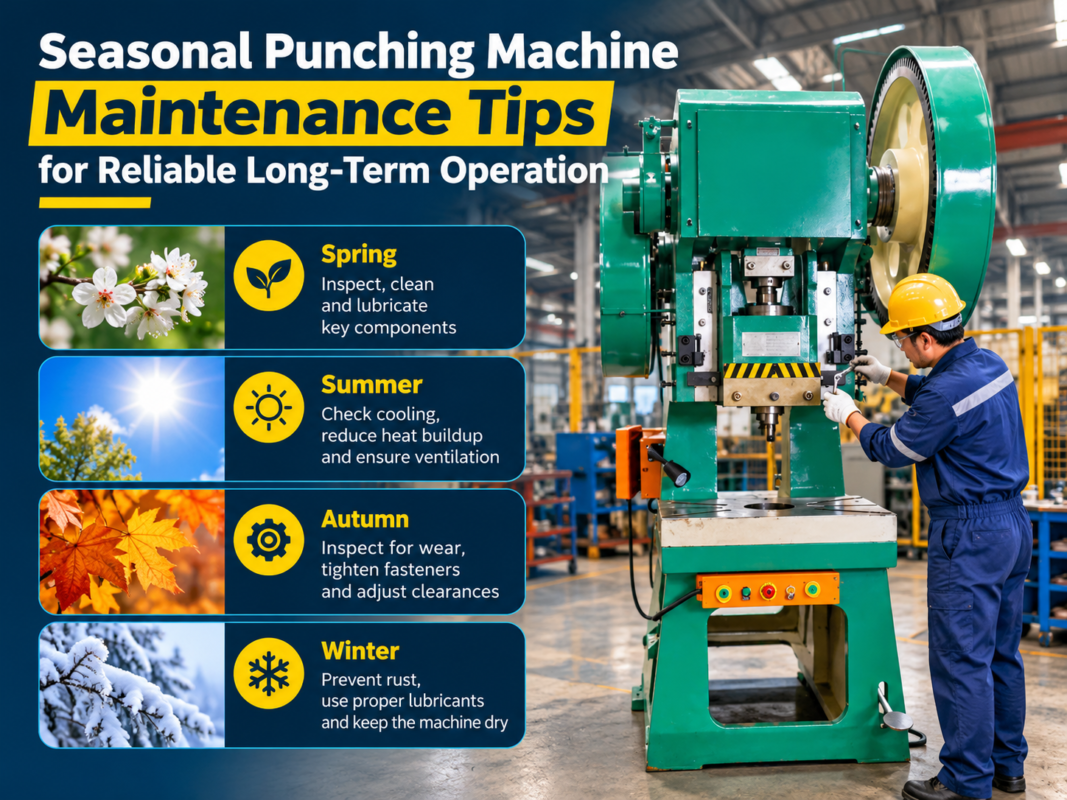
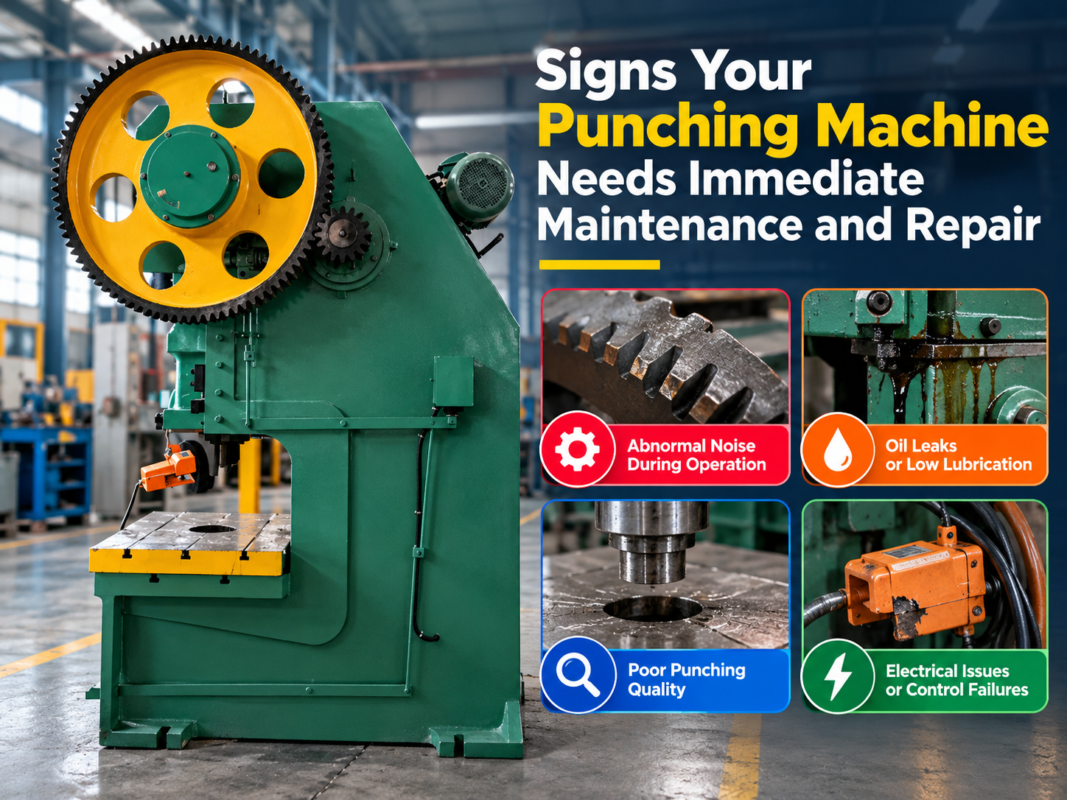
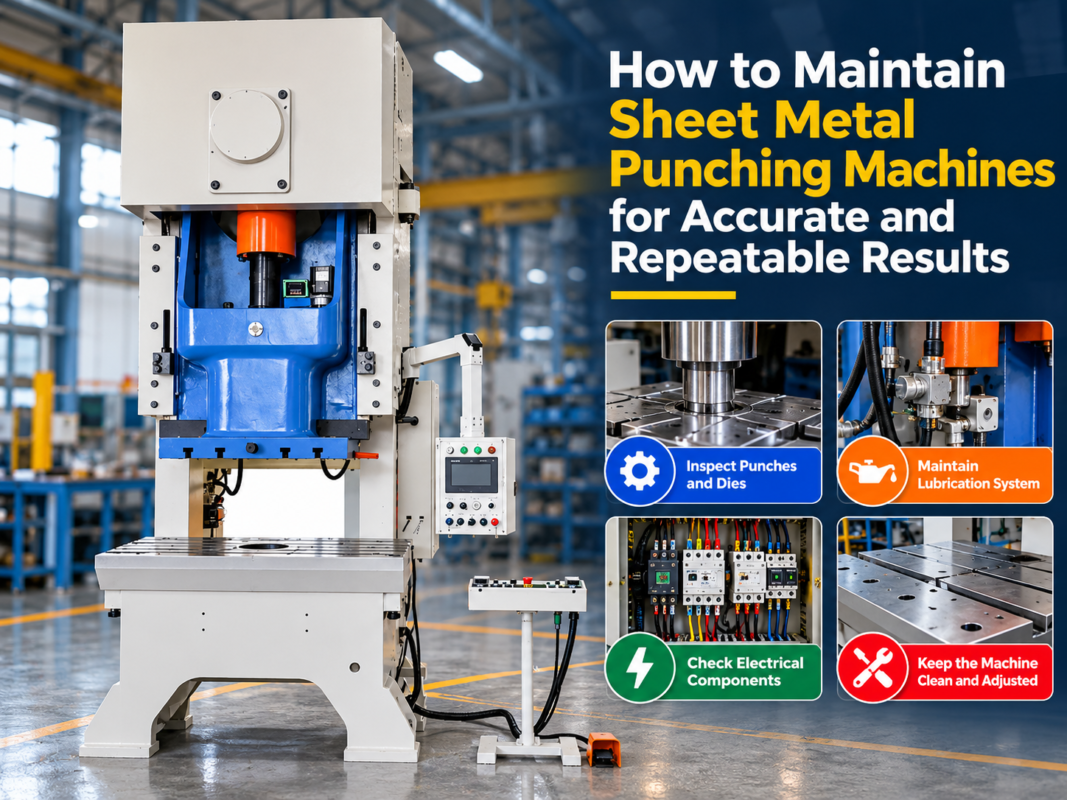
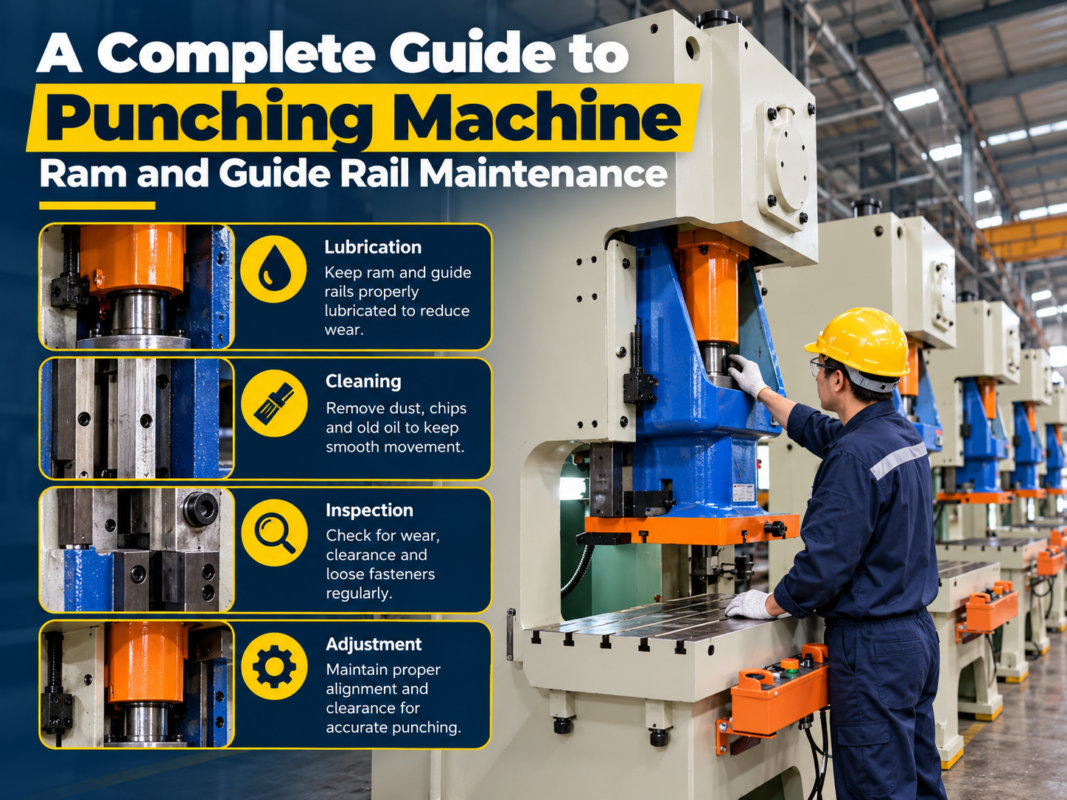
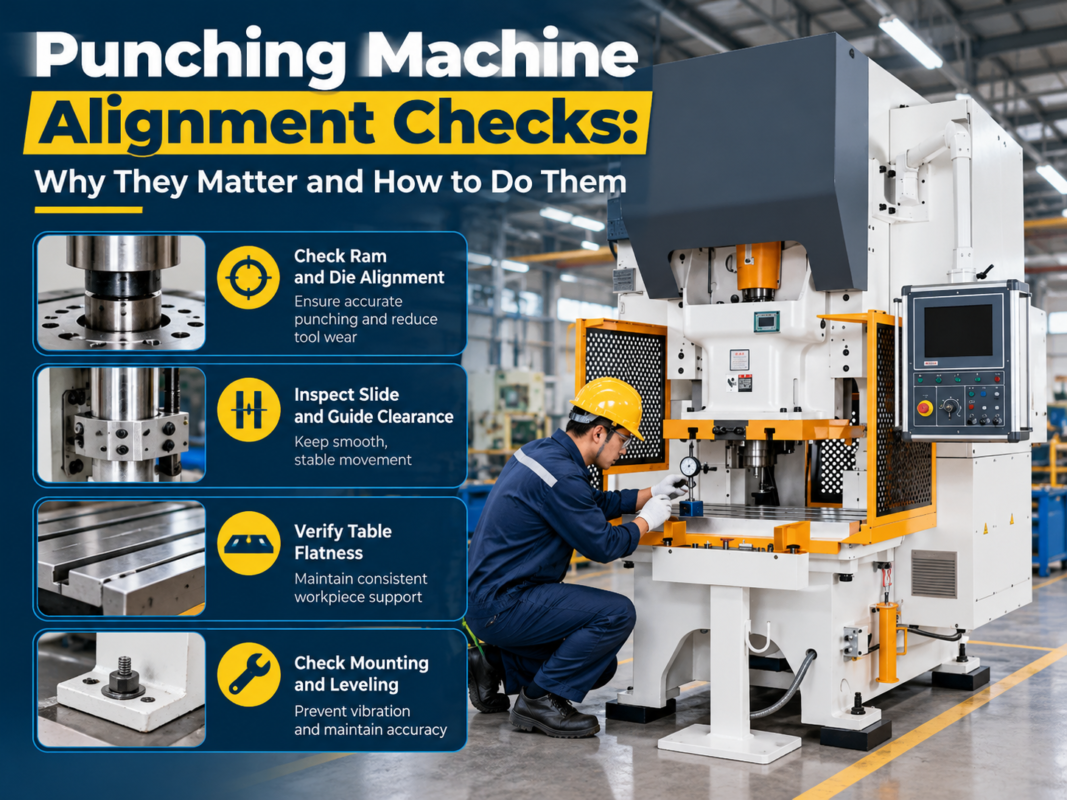
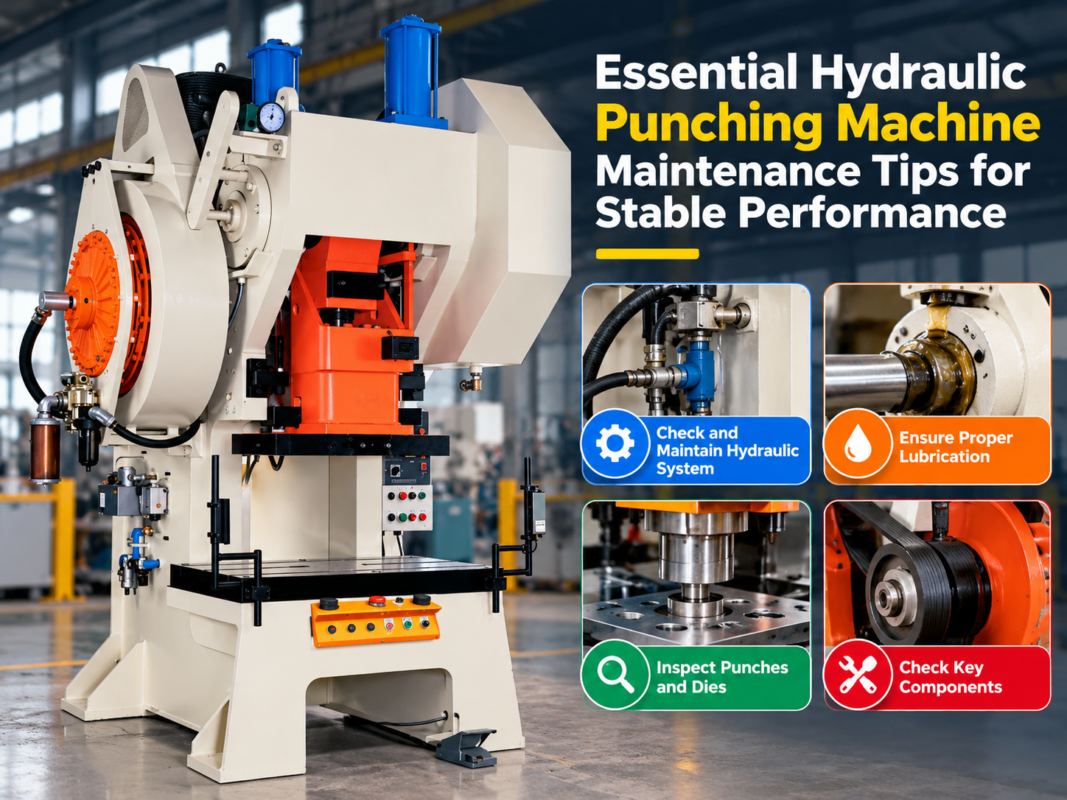
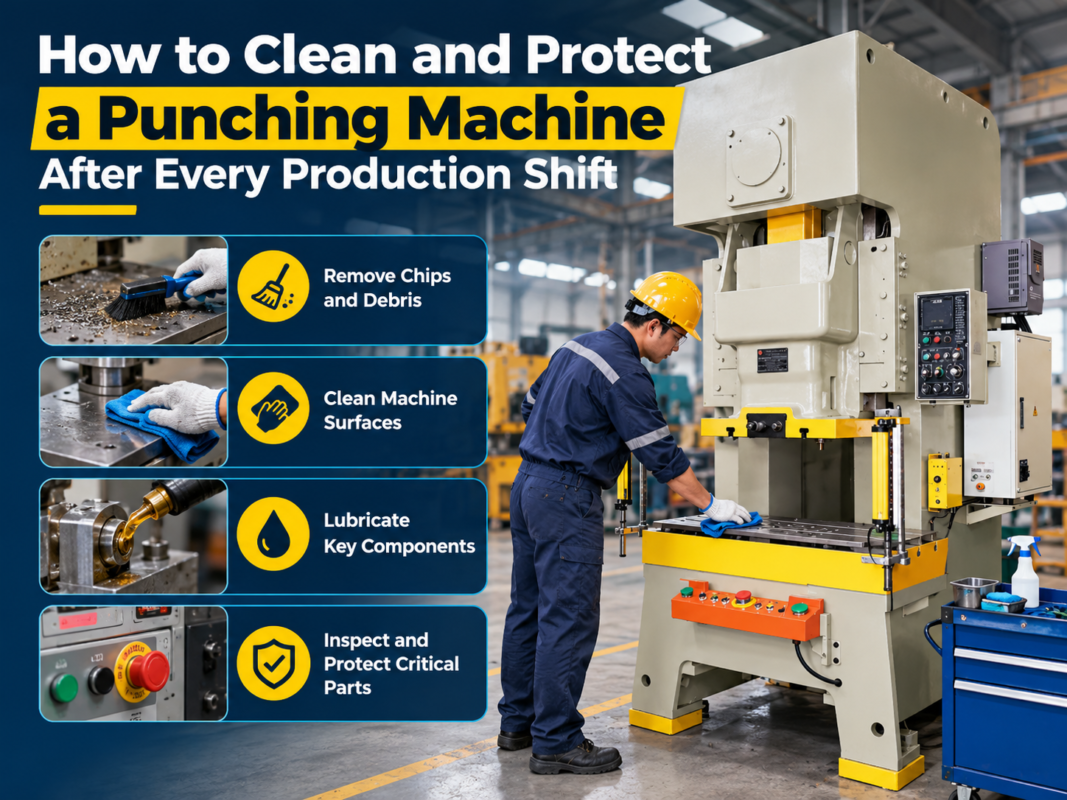
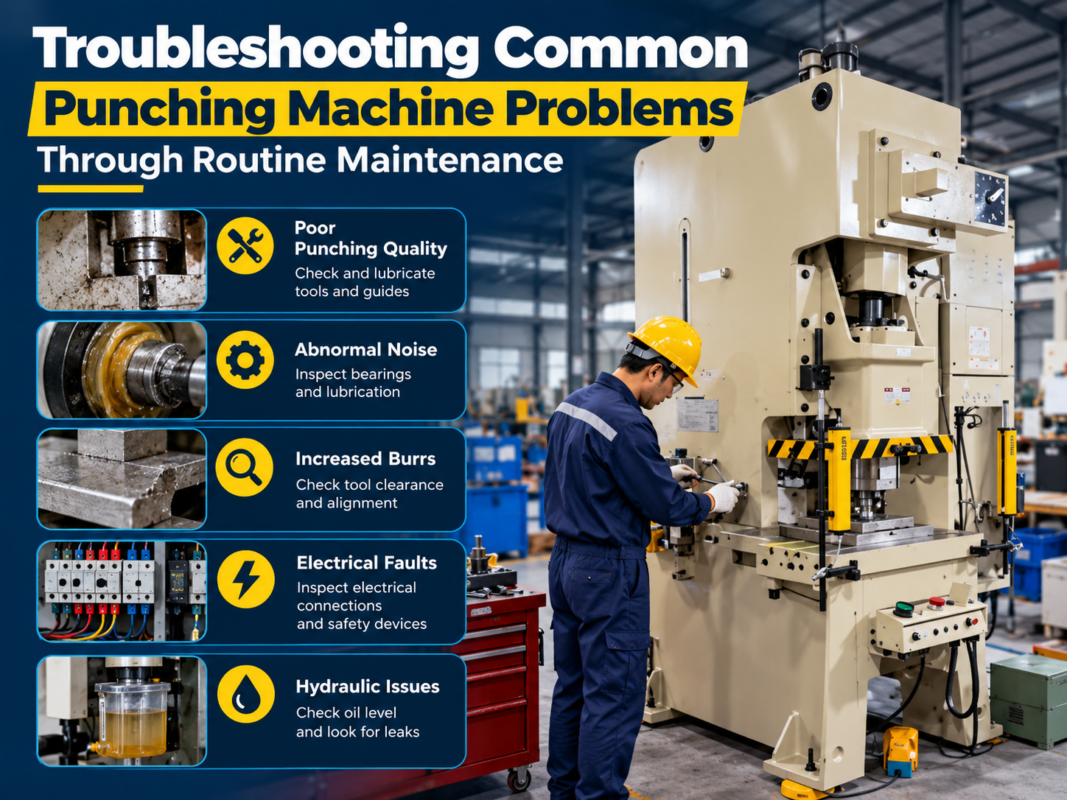
Maintenance is relatively straightforward but essential. It includes daily lubrication of moving parts (often via a centralized lubrication system), checking the tension of the drive belts, inspecting the clutch and brake linings, and ensuring the die alignment remains precise. Regular maintenance prevents 90% of common machine failures.
4. Is it difficult to learn how to operate these machines?
Basic operation is very simple and can be learned in a few hours. However, mastering the setup—specifically die alignment and stroke adjustment—takes more practice. Most modern machines come with detailed manuals and video tutorials, and manufacturers often provide initial training during installation.
5. How do I know if I should choose a mechanical or hydraulic machine?
If your primary goal is high-speed, repetitive punching of relatively thin materials (under 6mm), a mechanical press is usually the best and most affordable choice. If you need to work with very thick plates, require a long stroke for deep drawing, or need full tonnage throughout the entire stroke, a hydraulic machine is more appropriate.
Conclusion: The Path to Scalable Production
The story of how a small factory boosted capacity an affordable punching machine serves as a blueprint for small businesses worldwide. It demonstrates that growth is not just about working harder, but about working smarter with the right tools. By moving away from manual processes and embracing the efficiency of a dedicated punching machine, the factory was able to increase its output, improve its quality, and secure its future in a competitive industry.
For any small factory owner, the journey begins with a clear assessment of needs and a commitment to quality. Investing in a machine from a trusted manufacturer like HARSLE ensures that you are not just buying a piece of hardware, but a partner in your growth. The transition might seem daunting, but the ROI—both financial and operational—is undeniable. As the manufacturing landscape continues to evolve, those who invest in their capacity today will be the leaders of tomorrow.
In summary, an affordable punching machine is more than just a purchase; it is a catalyst for transformation. It allows small shops to compete with larger players, meet the demands of modern supply chains, and turn their creative visions into high-volume realities. If you are ready to take your factory to the next level, the answer might just be a single, well-chosen punch away.