High-Speed Shearing Machine vs Standard Shearing Machine: Which Fits Your Production Line?


Comparison Summary: Navigating the Shearing Landscape
In the modern metal fabrication industry, the efficiency of your production line often hinges on the first step of the process: cutting. Choosing between a high-speed shearing machine and a standard shearing machine is a critical decision that impacts throughput, precision, and long-term operational costs. While both machines serve the fundamental purpose of cutting sheet metal into specific dimensions, their internal mechanics, cycle times, and intended environments differ significantly. A standard shearing machine is the workhorse of the general fabrication shop, offering versatility and reliability for a wide range of material thicknesses. In contrast, a high-speed shearing machine is a precision instrument designed for high-volume environments where every second saved translates into increased profitability.
The primary distinction lies in the “Strokes Per Minute” (SPM) and the integration of automation. Standard machines typically operate at a pace suited for manual loading and intermittent production runs. High-speed variants, however, utilize advanced hydraulic systems, nitrogen return cylinders, and often servo-driven backgauges to minimize the time between cuts. For manufacturers dealing with thin-gauge materials in industries like electronics or automotive components, the high-speed option is almost mandatory to keep up with downstream processes. Conversely, for heavy-duty structural steel fabrication, the raw power and stability of a standard hydraulic guillotine or swing beam shear are often more appropriate.
Understanding which machine fits your production line requires a deep dive into your current output requirements, the materials you process, and your future scaling goals. HARSLE, as a leader in metalworking machinery, provides both solutions, ensuring that whether you prioritize raw speed or versatile durability, your production line remains optimized. This guide will break down the technical nuances, application strengths, and cost implications of both categories to help you make an informed investment.

Standard Shearing Machine Overview: The Reliable Workhorse
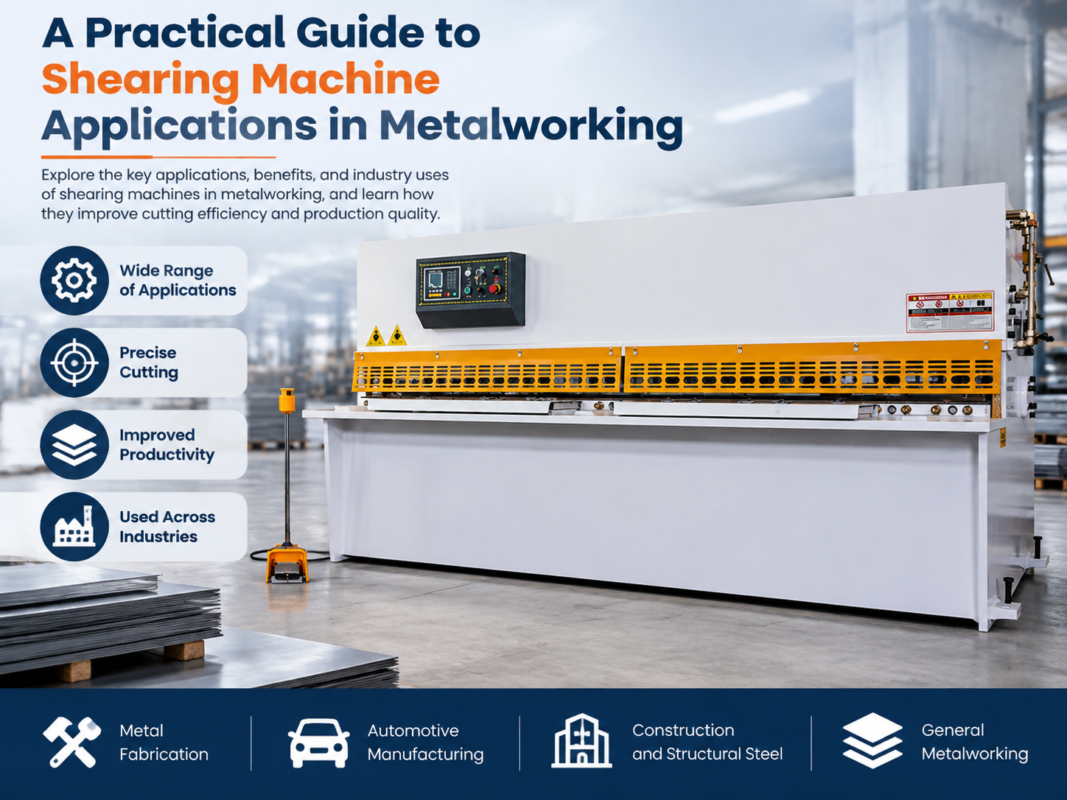
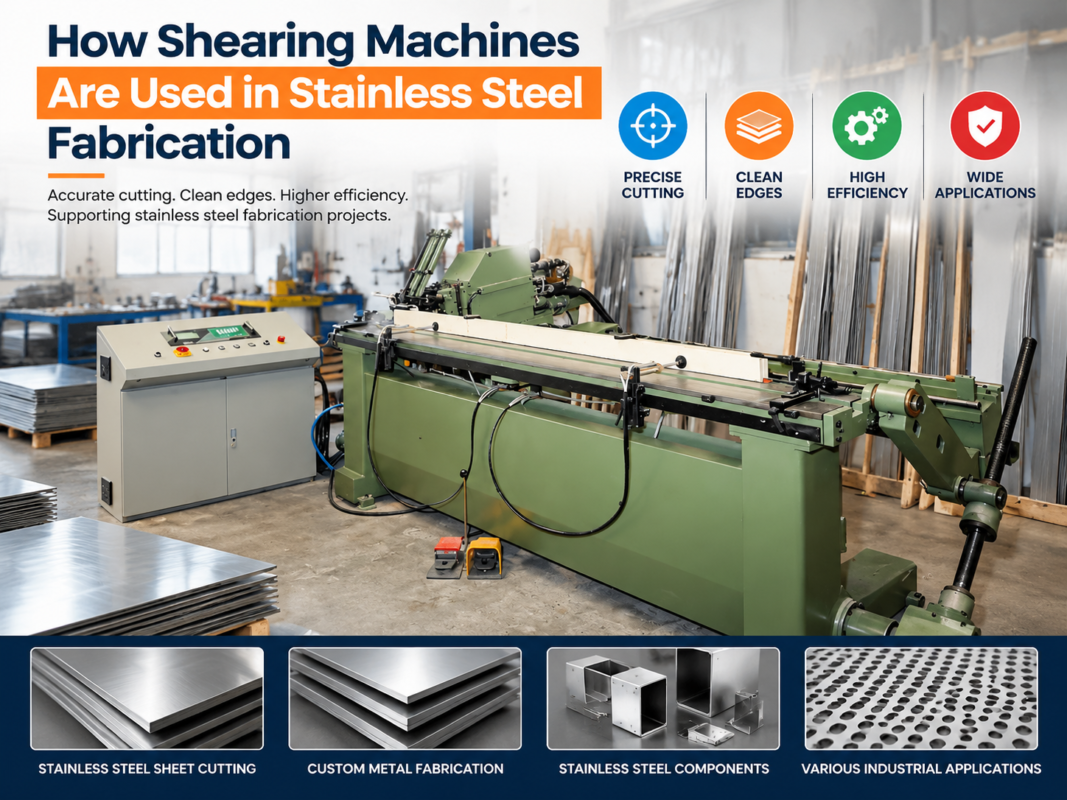
Standard shearing machines, often categorized into hydraulic swing beam and hydraulic guillotine types, are the backbone of most metal fabrication facilities. These machines are designed for stability and consistent performance across a variety of material types, from mild steel to stainless steel and aluminum. The hydraulic swing beam shear uses a circular arc movement for the upper blade, which reduces friction and wear on the blade edges. This design is particularly effective for general-purpose cutting where the material thickness varies throughout the day. The simplicity of the swing beam design makes it easy to maintain and highly durable for long-term use.
The hydraulic guillotine shear, another common “standard” variant, offers a vertical cutting action. This allows for adjustable rake angles, which is crucial when cutting thicker plates to prevent bowing or twisting of the workpiece. Standard machines are typically equipped with basic NC (Numerical Control) systems that manage the backgauge position and stroke count. While they may not reach the blistering speeds of their high-speed counterparts, they offer a level of “set-it-and-forget-it” reliability that is highly valued in job shops where the production schedule is diverse and unpredictable.
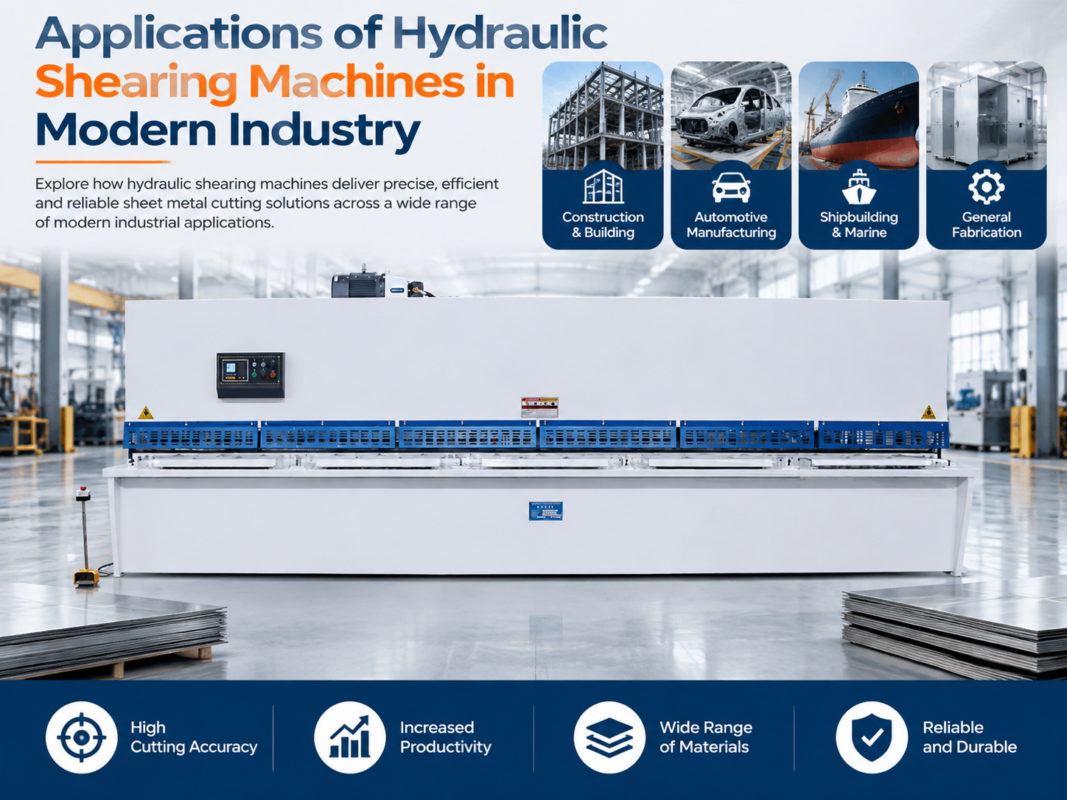
One of the key advantages of a standard shearing machine is its ability to handle thicker materials without excessive wear. Because the cycle time is slower, the hydraulic system experiences less thermal stress per hour of operation compared to a high-speed machine pushed to its limits. This makes standard shears ideal for heavy-duty applications like shipbuilding, construction equipment manufacturing, and large-scale infrastructure components. They are also more forgiving of slight variations in material quality, providing a clean cut even on hot-rolled steel with surface scale.
Furthermore, the initial investment for a standard shearing machine is significantly lower than for a high-speed model. For a small to medium-sized enterprise (SME) that does not run 24/7 production, the ROI (Return on Investment) on a standard shear is often reached faster. The maintenance requirements are also more straightforward, requiring standard hydraulic oil changes, blade sharpening, and basic lubrication of the backgauge screw and guides. It is the quintessential entry-point for any growing fabrication business.
High-Speed Shearing Machine Overview: Precision at Velocity
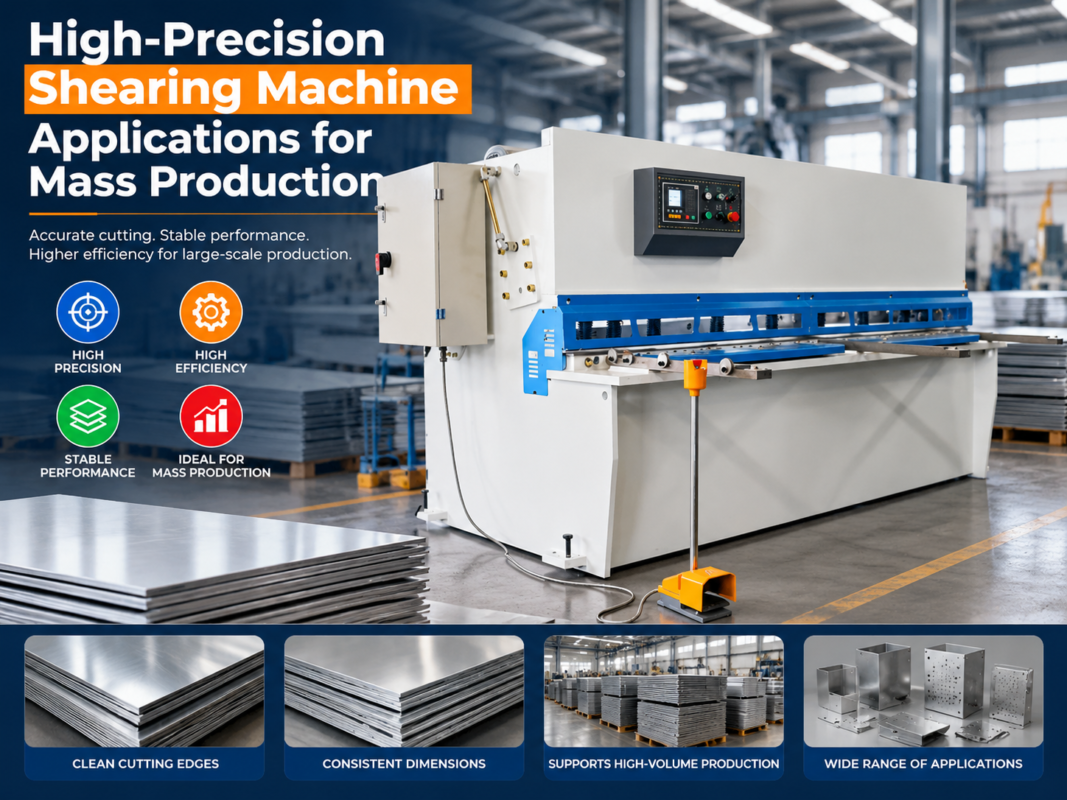
High-speed shearing machines are engineered for the demands of the fourth industrial revolution (Industry 4.0). These machines are not merely “faster versions” of standard shears; they are redesigned from the ground up to handle rapid acceleration and deceleration. The core of a high-speed shear is its advanced hydraulic valve block and high-frequency response system. By utilizing nitrogen-assisted return strokes, the machine can reset the upper blade almost instantaneously, allowing for a significantly higher number of strokes per minute. In many cases, a high-speed shear can double or triple the output of a standard machine when processing thin-gauge sheets.
Precision is the second pillar of high-speed shearing. These machines are almost exclusively controlled by high-end CNC (Computer Numerical Control) systems that manage not just the backgauge, but also the blade gap adjustment, rake angle, and stroke length automatically. This automation ensures that every cut is identical, which is vital for production lines that feed into automated bending cells or robotic welding stations. The integration of servo motors for the backgauge allows for positioning speeds that keep pace with the rapid cutting cycle, ensuring that the material is always perfectly aligned before the blade descends.
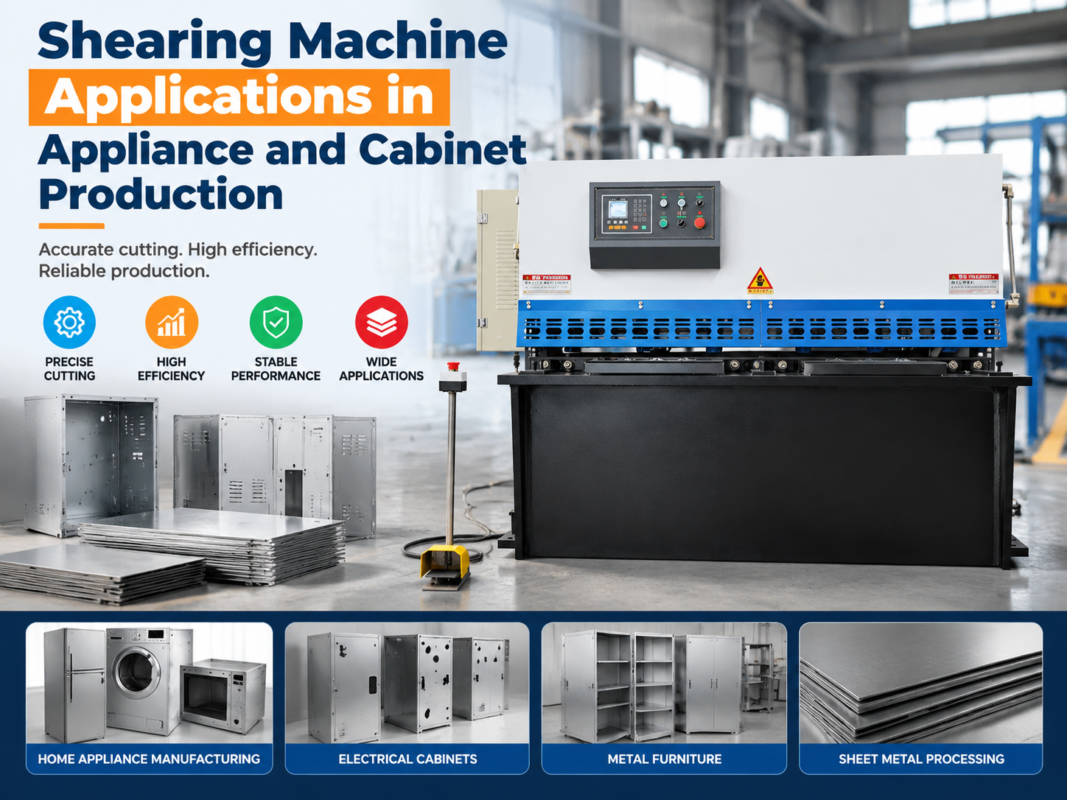
High-speed shearing machines are often integrated into larger automated lines. They may feature pneumatic sheet support systems that prevent thin sheets from sagging before they reach the backgauge, ensuring dimensional accuracy. Some models also include automatic stacking and scrap separation systems, which further reduce the need for manual intervention. This level of automation is essential for high-volume industries such as HVAC ductwork, appliance manufacturing, and automotive body panels, where margins are thin and volume is high.
However, the complexity of these machines requires a more sophisticated approach to operation and maintenance. The high-speed movements generate more heat within the hydraulic system, necessitating advanced cooling solutions. The sensors and electronic components must be kept clean and calibrated to maintain the high levels of precision expected. While the upfront cost is higher, the reduction in labor costs and the massive increase in throughput make high-speed shearing machines the preferred choice for large-scale manufacturers looking to optimize their floor space and production efficiency.
Specification Comparison Table
To better understand the technical differences, the following table compares the typical specifications of a HARSLE standard hydraulic shear versus a HARSLE high-speed CNC shear.
| Feature | Standard Shearing Machine | High-Speed Shearing Machine |
|---|---|---|
| Strokes Per Minute (SPM) | 8 – 15 (depending on thickness) | 25 – 60+ (optimized for thin gauge) |
| Control System | NC (E21, DAC310) | Full CNC (DELEM DAC360, Cybelec) |
| Backgauge Drive | AC Motor / Frequency Inverter | High-Precision Servo Motor |
| Blade Gap Adjustment | Manual or Motorized | Automatic CNC Controlled |
| Return System | Hydraulic / Spring | Nitrogen Accumulator (Rapid) |
| Accuracy Tolerance | ± 0.10 mm | ± 0.03 mm |
| Material Handling | Manual Loading | Pneumatic Support / Auto-Stacking |
Best-Fit Applications: Choosing Based on Industry
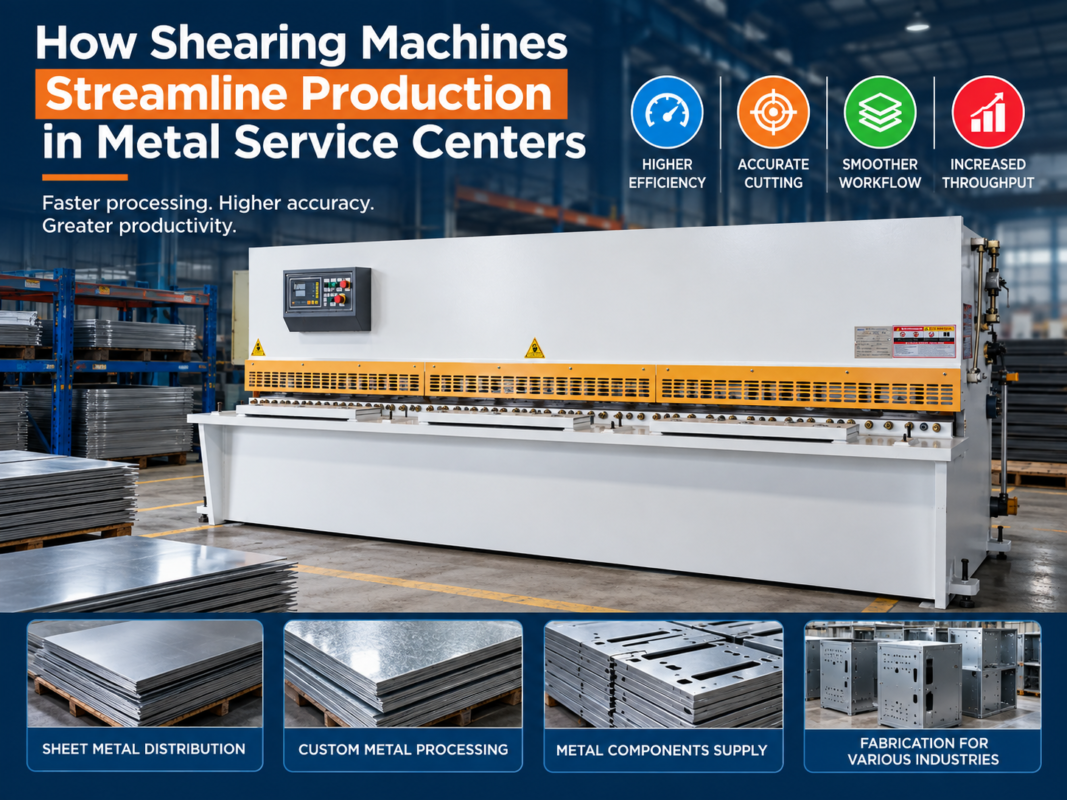
The decision between these two machines often comes down to the specific industry and the nature of the production run. For General Job Shops, the standard shearing machine is usually the winner. These shops handle a variety of tasks—one day they might be cutting 10mm mild steel plates for a construction bracket, and the next, 2mm aluminum for a custom sign. The standard shear’s ability to handle a wide range of thicknesses with simple adjustments makes it the most versatile tool in their arsenal. It provides the necessary power without the overhead of complex programming for simple, one-off cuts.
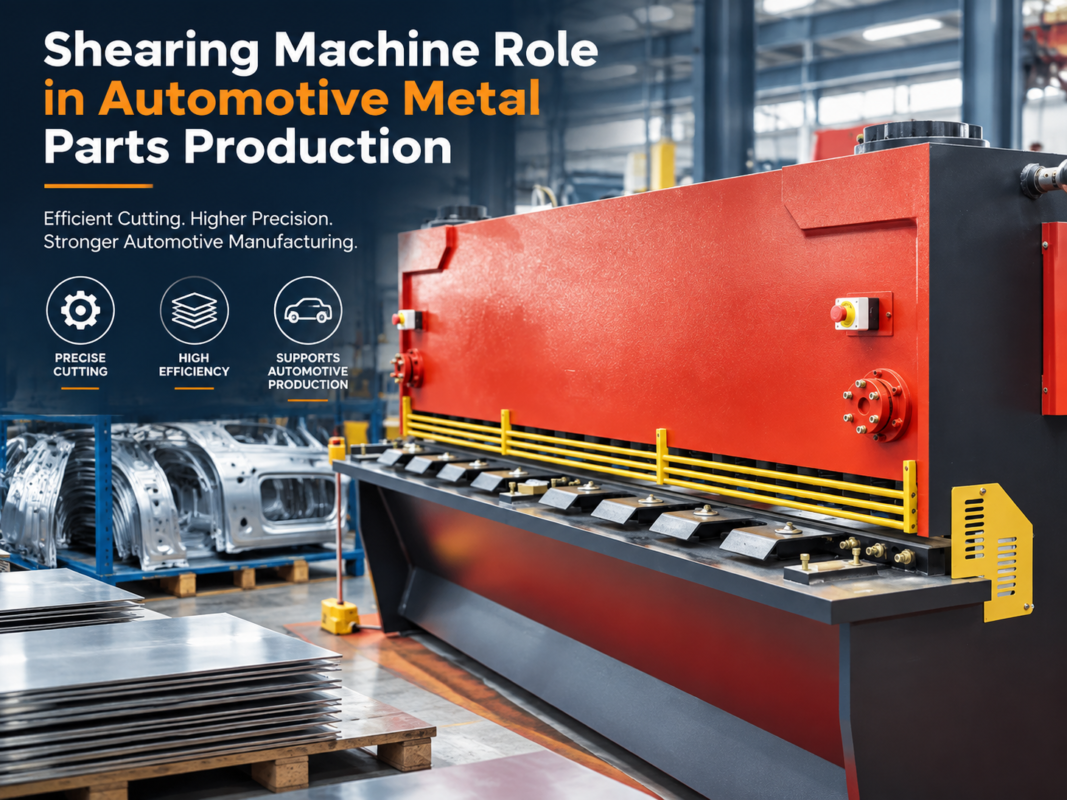
In the Automotive and Electronics sectors, the high-speed shearing machine is indispensable. These industries require thousands of identical parts daily, often made from thin, high-strength materials. The high SPM allows the shearing process to keep up with high-speed stamping or forming presses. Furthermore, the precision of a high-speed CNC shear ensures that the parts fit perfectly into automated assembly jigs, reducing the rate of rejection and rework. The ability to program multiple cutting sequences into the CNC also allows for rapid switching between different part designs, which is essential for Just-In-Time (JIT) manufacturing.
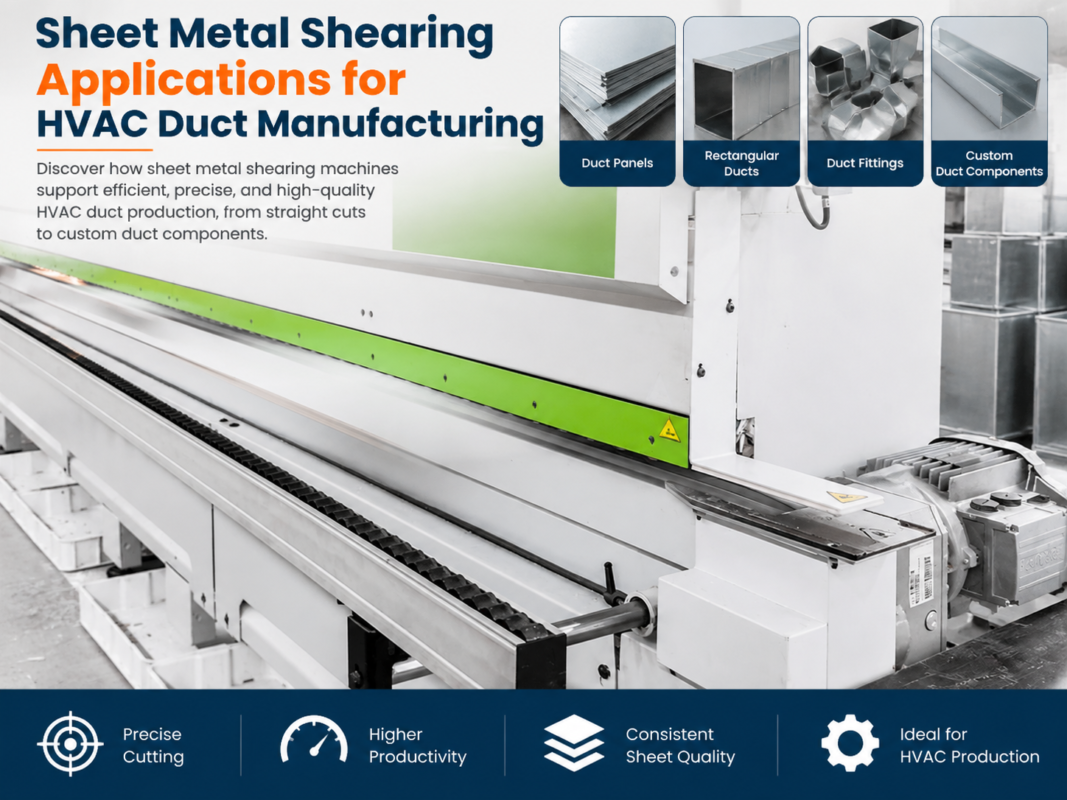
HVAC and Ductwork Manufacturing is another area where high-speed machines shine. The materials used are typically thin galvanized steel, and the volume of straight cuts required is immense. A high-speed shear equipped with a pneumatic sheet support system prevents the thin material from drooping, ensuring that every duct section is perfectly square. This leads to easier assembly on-site and better airflow efficiency in the final product. For these manufacturers, the speed of the machine is the primary driver of their daily output capacity.
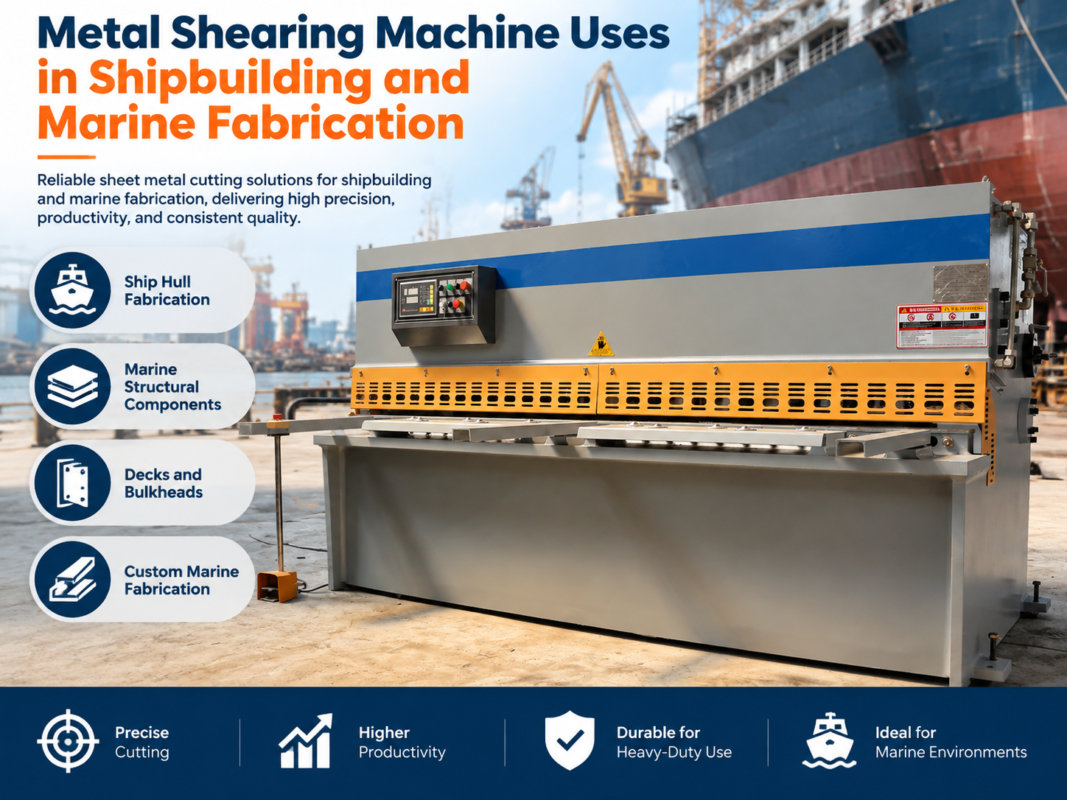
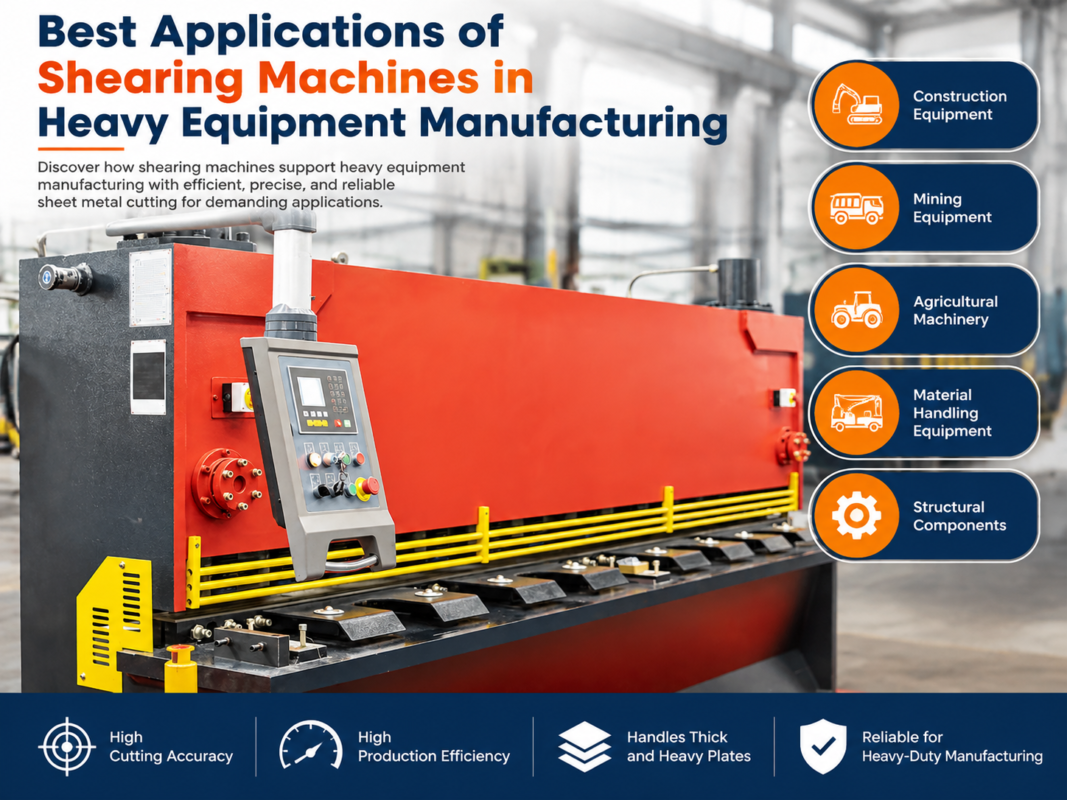
Finally, for Heavy Industry and Shipbuilding, the standard hydraulic guillotine shear remains the preferred choice. When cutting plates that are 20mm, 30mm, or even thicker, speed is secondary to raw force and structural integrity. A standard shear designed for heavy plate can exert the massive pressure required to shear through thick steel while maintaining a straight edge. The slower cycle time is a necessary trade-off for the structural stability required to handle such extreme forces without deforming the machine frame or the material itself.
Cost and Maintenance Comparison: Long-Term ROI
When evaluating the cost, one must look beyond the initial purchase price. A Standard Shearing Machine has a lower entry cost, making it attractive for startups or facilities where shearing is not the primary bottleneck. Maintenance costs are also relatively low. The hydraulic systems are standard, and parts like seals, filters, and valves are widely available and inexpensive. The blades on a standard machine, while they still require sharpening, tend to last a long time because the machine is not running at high frequencies that generate excessive heat. The primary cost factor here is labor, as the slower speed and manual adjustments require more operator time per part.
The High-Speed Shearing Machine represents a higher capital expenditure. You are paying for advanced electronics, servo systems, and high-performance hydraulics. However, the labor cost per part is significantly lower. Because the machine is faster and more automated, one operator can produce the same volume of parts that might require two or three standard machines and operators. The ROI is found in the volume. If your production line is running two or three shifts, the high-speed machine will pay for itself much faster through increased throughput and reduced labor overhead.
Maintenance for high-speed machines is more specialized. The high-frequency operation means that hydraulic oil must be kept at optimal temperatures and cleanliness levels to prevent wear on the precision valves. The servo motors and CNC controllers require a clean, stable power environment. Additionally, the blades on a high-speed machine may require more frequent inspection. While the blades themselves are made of high-quality tool steel, the sheer volume of cuts means they will reach their sharpening interval sooner in terms of calendar days, even if the number of cuts per sharpening remains high. A proactive maintenance schedule is essential to prevent costly downtime in a high-volume production environment.
Energy consumption is another factor to consider. High-speed machines often use variable-frequency drives (VFDs) or servo-pump systems that only consume significant power during the actual cutting stroke. While the peak power might be higher, the energy used per cut can actually be lower than a standard machine that keeps its hydraulic pump running at full capacity throughout the shift. Over a year of high-volume production, these energy savings can contribute significantly to the machine’s total cost of ownership (TCO).
Recommendation: Which One Should You Choose?
Choosing the right machine requires an honest assessment of your production needs. If your facility operates as a custom fabrication shop where you handle a wide variety of materials and thicknesses in low to medium volumes, the Standard Shearing Machine is your best bet. It offers the durability and versatility needed to handle whatever job walks through the door, with a lower financial risk and simpler maintenance requirements. HARSLE’s standard hydraulic swing beam shears are particularly well-regarded for their longevity in these environments.
If, however, you are part of a high-volume manufacturing chain where speed, precision, and automation are the keys to staying competitive, the High-Speed Shearing Machine is the necessary choice. The ability to integrate the shear into an automated workflow, combined with the massive increase in strokes per minute, will allow you to scale your production without a linear increase in labor costs. It is an investment in the future-proofing of your production line, ensuring you can meet the tight tolerances and fast turnaround times demanded by modern industry.
Before making a final decision, consider the following checklist:
- Volume: Do you need to process more than 500 sheets per shift? (High-Speed)
- Material: Are you primarily cutting thin-gauge (under 4mm) materials? (High-Speed)
- Versatility: Do you frequently switch between very thin and very thick plates? (Standard)
- Automation: Is the shear feeding into a robotic cell or automated folder? (High-Speed)
- Budget: Is your primary goal to minimize initial capital outlay? (Standard)
Regardless of your choice, HARSLE provides the technical support and machine quality to ensure your shearing operations are a success. Our engineers can help you analyze your production data to determine exactly which model will provide the best return for your specific application.
Frequently Asked Questions (FAQ)
1. Can a high-speed shearing machine cut thick plates?
While high-speed machines are optimized for speed on thinner materials, many models can handle thicker plates. However, the “high-speed” benefit is most noticeable on thinner gauges. When cutting thick plates, the machine must slow down to manage the hydraulic pressure and rake angle, making it perform more like a standard shear. If your work is exclusively thick plate, a standard heavy-duty shear is more cost-effective.
2. How much faster is a high-speed shear compared to a standard one?
On average, a high-speed shear can achieve 30 to 60 strokes per minute, whereas a standard hydraulic shear typically operates between 8 and 15 strokes per minute. This means a high-speed machine can be 3 to 4 times faster in a continuous cutting environment, especially when paired with automated feeding systems.
3. Does a high-speed machine require special blades?
High-speed machines use high-quality tool steel blades (such as 6CrW2Si or Cr12MoV) similar to standard machines. However, because of the increased friction and heat generated by rapid cycles, the blade clearance and lubrication must be monitored more closely to prevent premature dulling or chipping.
4. Is the CNC system on a high-speed shear difficult to learn?
Modern CNC systems like those from DELEM or Cybelec are designed with user-friendly graphical interfaces. While they require more training than a basic NC controller, most operators can become proficient within a few days. The benefit is that once a program is created, the machine handles all adjustments automatically, reducing the chance of human error.
5. Can I retrofit my standard shear to become high-speed?
Generally, no. High-speed shearing requires a different hydraulic architecture, including larger valves, nitrogen accumulators, and reinforced frames to handle the vibration and speed. While you can upgrade the backgauge to a servo system for better positioning speed, the actual cutting cycle is limited by the machine’s original hydraulic design.