Shearing Machine Maintenance Comparison: Hydraulic Systems vs Mechanical Systems

Comparison Summary: The Evolution of Shearing Technology
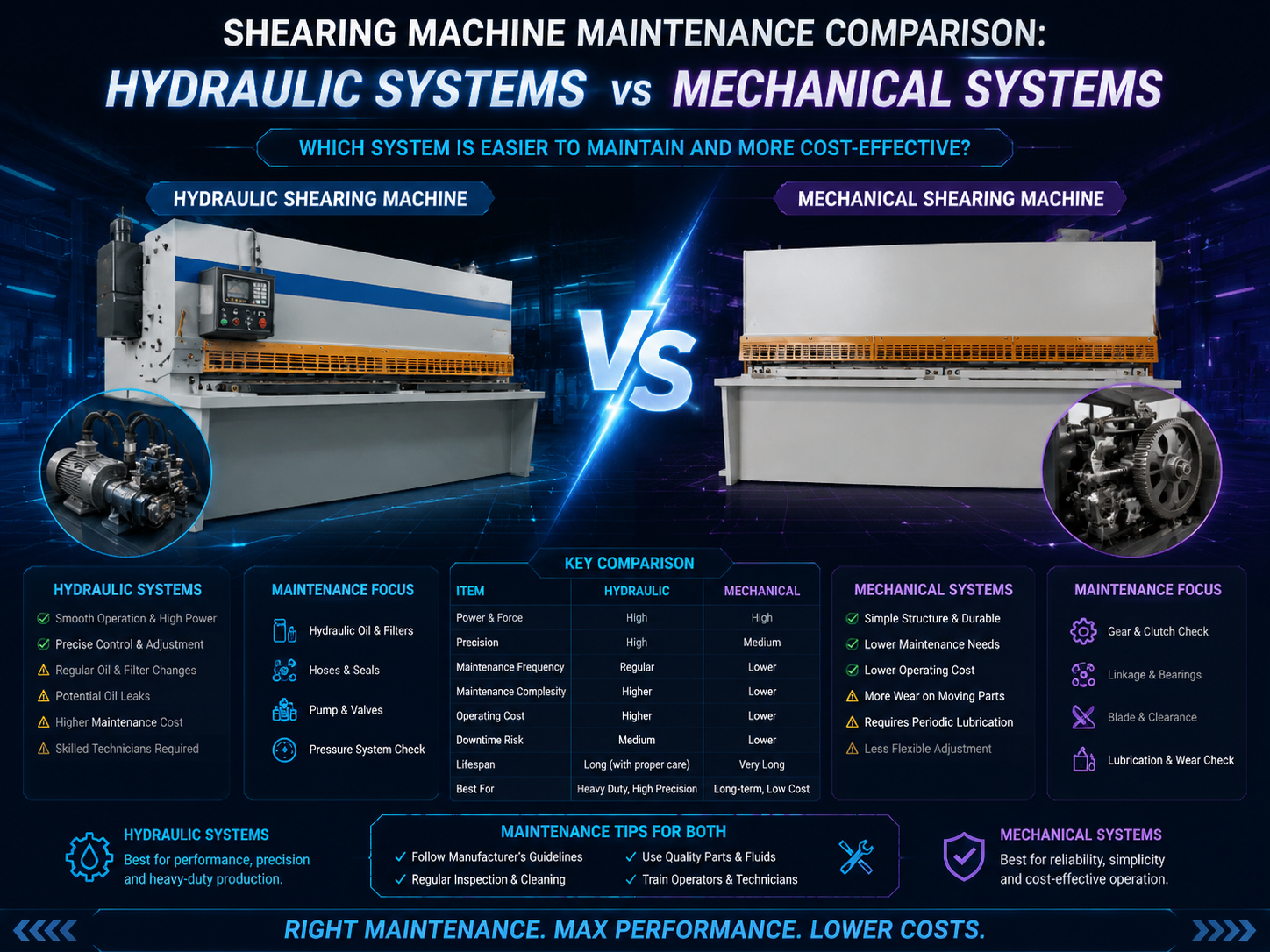
In the world of metal fabrication, the shearing machine remains a cornerstone for preparing sheet metal for subsequent processes like bending, welding, or assembly. For decades, the industry was dominated by mechanical shearing machines, known for their rapid cycle times and robust, albeit noisy, operation. However, the advent of hydraulic technology revolutionized the field, offering unprecedented control, safety, and versatility. When conducting a Shearing Machine Maintenance Comparison: Hydraulic Systems Vs Mechanical Systems, it is essential to understand that while both machines achieve the same goal—cutting metal—their internal mechanisms dictate vastly different maintenance philosophies.
Mechanical shears rely on a flywheel, crankshaft, and clutch system to deliver a sudden, high-energy impact to the material. This “all-or-nothing” approach is efficient for high-speed production but places significant stress on mechanical components. In contrast, hydraulic shears utilize fluid power to drive cylinders, allowing for adjustable stroke lengths, variable pressure, and built-in overload protection. This fundamental difference in power delivery is the primary driver behind the maintenance requirements of each system.
From a maintenance perspective, mechanical systems are often perceived as simpler because they lack complex fluid circuits, but they require frequent manual adjustments and lubrication of moving parts. Hydraulic systems, while requiring specialized knowledge of fluid dynamics and seal integrity, often feature self-lubricating properties due to the hydraulic oil itself. As we delve deeper into this comparison, we will explore how these systems age, what parts are most prone to failure, and how HARSLE engineering optimizes both designs for longevity.
Ultimately, the choice between hydraulic and mechanical systems often comes down to a balance between initial speed and long-term maintenance predictability. While mechanical machines can outpace hydraulics in pure cycles per minute, the downtime associated with clutch repairs or crankshaft alignment can be significant. Conversely, hydraulic machines offer a smoother operation that preserves blade life but requires a strict regimen of oil filtration and seal replacement to prevent leaks and pressure loss.
Hydraulic Shearing Machine Overview: Precision and Control
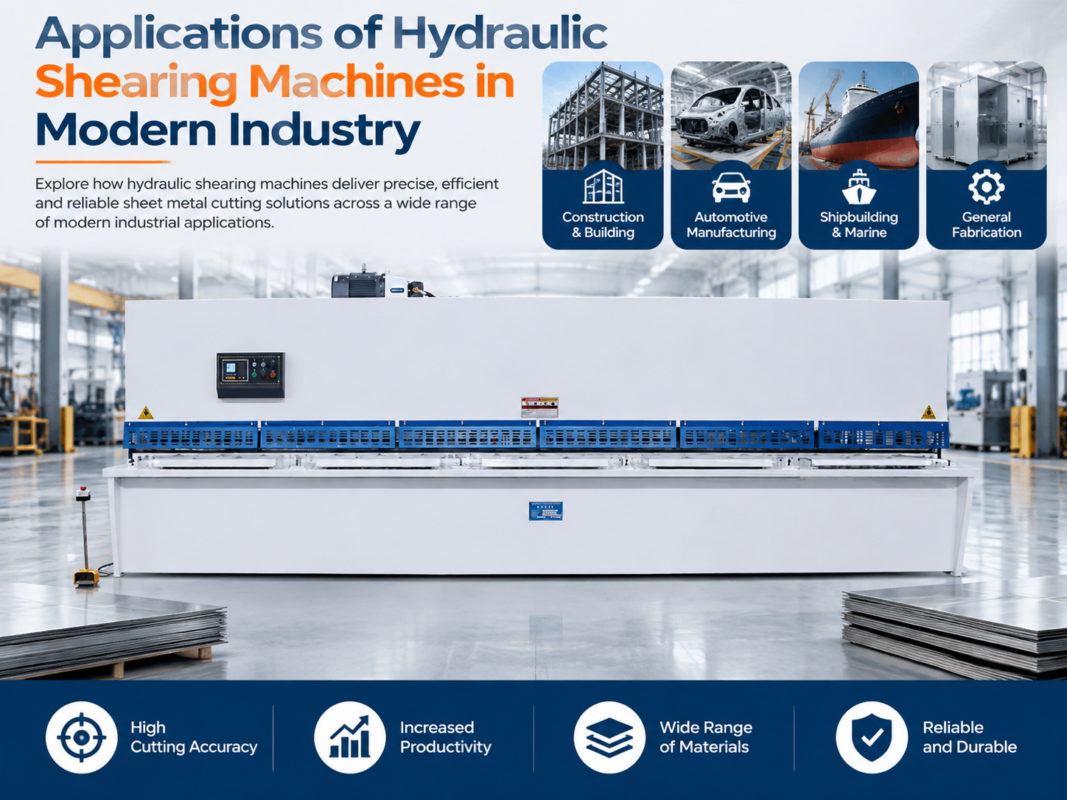
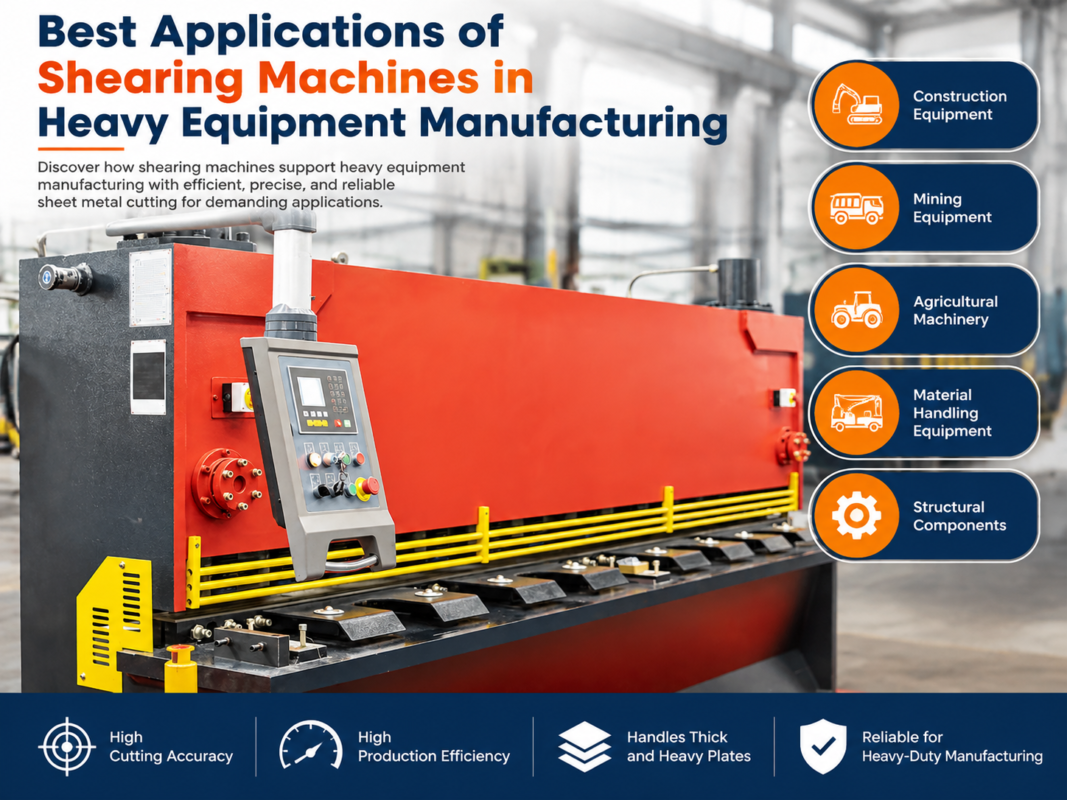
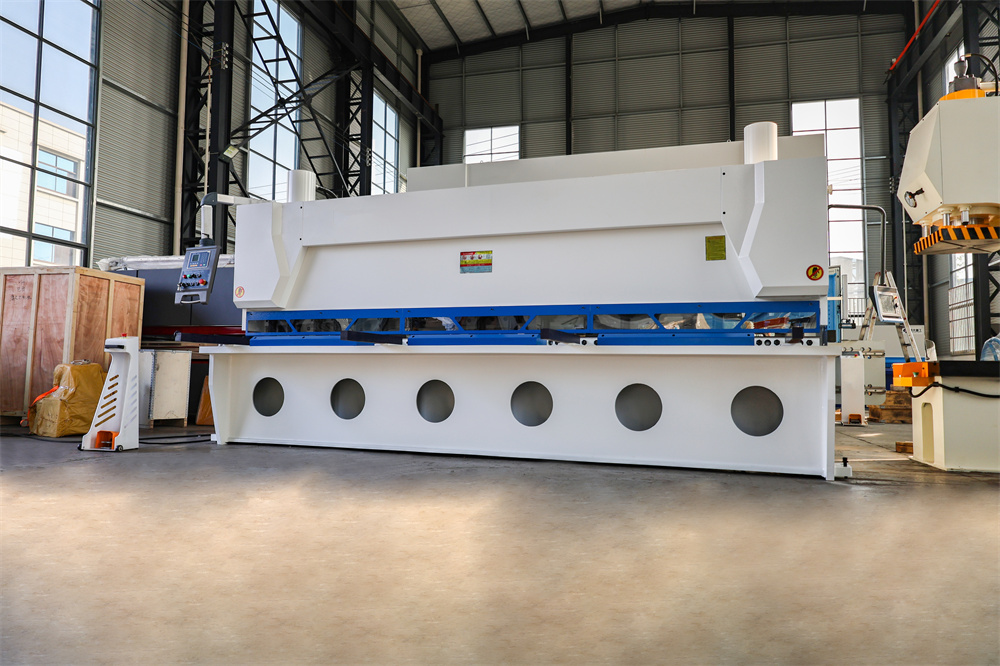
Hydraulic shearing machines, such as the HARSLE QC11Y and QC12Y series, represent the modern standard in metal fabrication. These machines use a motor to drive a hydraulic pump, which forces oil into cylinders to move the upper blade beam. The most significant advantage of this system is the ability to control the entire cutting process. Operators can adjust the stroke length to match the width of the workpiece, significantly increasing efficiency for smaller parts. Furthermore, hydraulic systems provide consistent pressure throughout the cut, which is vital for maintaining accuracy in thicker materials.
The maintenance profile of a hydraulic shear is centered around the health of the hydraulic fluid. Because the oil acts as both the power transmitter and the lubricant for internal valves, its cleanliness is paramount. Contaminated oil can lead to the erosion of valve seats, clogging of orifices, and premature wear of pump components. Therefore, the primary maintenance task for hydraulic systems is the regular inspection and replacement of filters, along with periodic oil analysis to check for moisture or particulate matter.
Another critical area for hydraulic maintenance is the seal system. Hydraulic cylinders rely on high-quality seals to maintain pressure. Over time, heat and friction can cause these seals to harden or crack, leading to external leaks or internal bypass. Internal bypass is particularly problematic as it results in a loss of cutting power and increased heat generation. HARSLE addresses this by using premium seal kits and optimized cooling systems, but regular visual inspections for “weeping” cylinders remain a necessary part of the maintenance routine.
Finally, hydraulic shears often incorporate nitrogen return cylinders. These are independent of the main hydraulic circuit and are used to pull the blade beam back to its starting position. Maintaining the correct nitrogen pressure is essential for a smooth return stroke. If the pressure is too low, the beam will move slowly or fail to return fully; if it is too high, it can cause unnecessary strain on the main hydraulic cylinders during the downward cut.
Mechanical Shearing Machine Overview: Speed and Simplicity
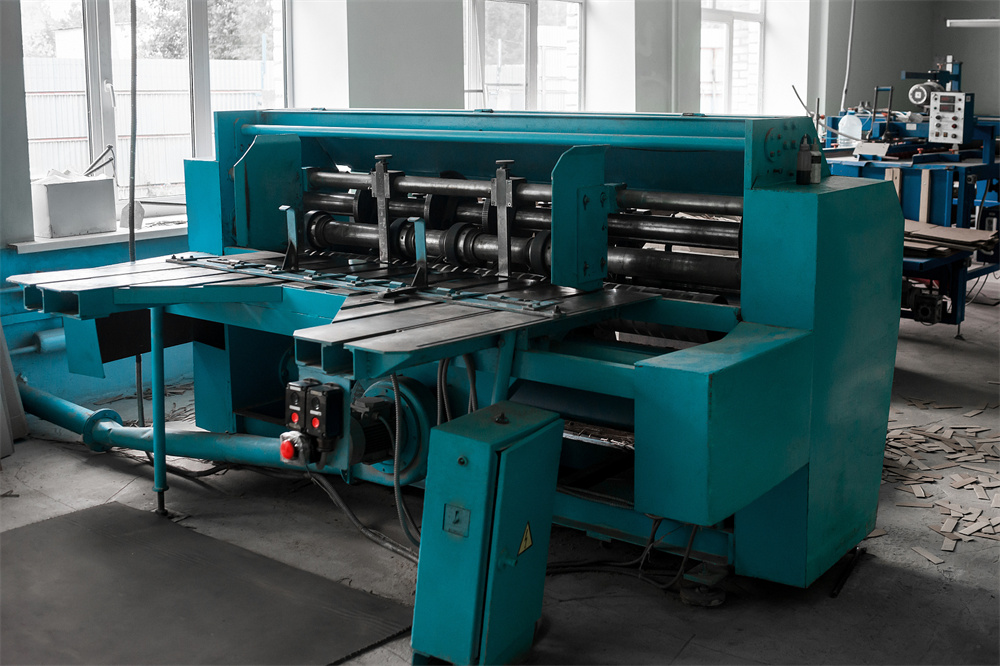
Mechanical shearing machines are the “workhorses” of the traditional fabrication shop. Their operation is based on the principle of kinetic energy storage. A large motor spins a heavy flywheel; when the operator engages the foot pedal, a clutch connects the flywheel to a crankshaft, which drives the ram downward in a single, rapid motion. This mechanical linkage ensures that the machine completes its cycle regardless of the resistance, which is why mechanical shears are known for their incredible speed.
Maintenance for mechanical shears is heavily focused on the clutch and brake assembly. Because the clutch must engage and disengage the massive energy of the flywheel instantly, it is subject to extreme friction and wear. Older machines used “dog clutches” which required precise timing and were prone to chipping. Modern mechanical shears often use pneumatic friction clutches, which are more reliable but still require regular adjustment of the friction plates and monitoring of the air pressure system. If the brake fails to stop the ram at the top of the stroke, it can lead to dangerous “double-tripping.”
Lubrication is the second pillar of mechanical shear maintenance. Unlike hydraulic systems where the oil is contained, mechanical shears have numerous exposed pivot points, bushings, and gears that require manual or automated greasing. The crankshaft bearings, in particular, are high-load areas. If these bearings are allowed to run dry, the resulting heat can seize the machine, leading to catastrophic failure and expensive repairs. A well-maintained mechanical shear requires a daily walk-around to ensure all grease points are active.
The rigidity of the mechanical frame also requires periodic checks. Because the impact of a mechanical cut is so sudden, the vibration can cause bolts to loosen over time. Maintenance crews must regularly torque the foundation bolts and the bolts securing the blade to the ram. While the lack of a hydraulic circuit means there are no leaks to worry about, the sheer physical vibration of the machine means that structural integrity is a more frequent concern than it is with the smoother-operating hydraulic counterparts.
Specification Comparison Table
| Feature | Hydraulic Shearing Machine | Mechanical Shearing Machine |
|---|---|---|
| Drive Mechanism | Hydraulic Pump & Cylinders | Flywheel, Clutch & Crankshaft |
| Cutting Speed | Variable (Slower) | Fixed (Very Fast) |
| Overload Protection | Built-in (Relief Valves) | None (Shear Pins or Damage) |
| Maintenance Focus | Oil, Filters, Seals, Valves | Clutch, Brake, Bearings, Grease |
| Noise Level | Moderate (Pump Hum) | High (Impact & Flywheel) |
| Stroke Adjustment | Fully Adjustable | Fixed Stroke |
| Energy Efficiency | High (Power on Demand) | Lower (Flywheel must spin) |
Best-fit Applications: Choosing the Right Tool
When deciding between these two systems, the application is the primary deciding factor. Hydraulic shearing machines are the best fit for shops that handle a wide variety of material thicknesses and lengths. Because the blade gap and stroke length can be easily adjusted (often via a CNC controller), they are ideal for custom fabrication where every job is different. The ability to “inch” the blade down also makes setup safer and more precise for complex layouts.
Mechanical shearing machines are best suited for high-volume, single-gauge production environments. If a factory needs to cut thousands of identical strips of 2mm mild steel every day, the speed of a mechanical shear is unbeatable. In these scenarios, the fixed stroke and high cycle rate translate directly into higher throughput. However, the lack of overload protection means that if an operator accidentally tries to cut material that is too thick, the machine may break a shear pin or, worse, damage the crankshaft.
For heavy-duty plate shearing (e.g., 16mm and above), hydraulic systems are almost exclusively used. The force required to shear thick plate is immense, and hydraulic systems can deliver this force steadily and safely. Mechanical shears for thick plate would require massive flywheels that are energy-inefficient and difficult to stop quickly in an emergency. Therefore, as the material thickness increases, the industry leans heavily toward hydraulic solutions.
Precision requirements also play a role. Hydraulic shears often produce a cleaner cut on delicate materials because the pressure is applied more evenly. Mechanical shears, with their sudden impact, can sometimes cause more distortion or “bowing” in thin strips. If the final product requires high edge quality with minimal post-processing, the hydraulic system is generally the superior choice.
Cost and Maintenance Comparison: Long-term Investment
The initial purchase price of a hydraulic shear is often higher than a mechanical one of similar capacity, primarily due to the cost of the hydraulic components and sophisticated control systems. However, the Shearing Machine Maintenance Comparison: Hydraulic Systems Vs Mechanical Systems reveals that the total cost of ownership (TCO) can vary significantly over a ten-year period. Hydraulic machines tend to have lower daily maintenance costs but higher “event” costs (e.g., replacing a main pump or a full set of cylinder seals).
Mechanical machines have lower “event” costs—replacing a bearing or a belt is relatively inexpensive—but they require more frequent labor hours for lubrication and adjustment. In a high-labor-cost environment, the automated lubrication systems and reduced manual intervention of a hydraulic machine can lead to significant savings. Furthermore, the energy consumption of a hydraulic machine is typically lower because the motor only works hard during the actual cut, whereas a mechanical shear’s motor must keep the heavy flywheel spinning constantly.
Blade life is another cost factor. Hydraulic shears allow for precise blade gap adjustment, which significantly extends the time between blade sharpenings. In a mechanical shear, the blade gap is often more difficult to adjust, leading operators to leave it at a “middle-ground” setting that may accelerate wear on both the blades and the machine frame when cutting outside the optimal thickness range.
Downtime is the final cost consideration. A hydraulic leak can often be patched quickly, or a solenoid valve replaced in minutes. A mechanical failure, such as a cracked clutch plate or a worn crankshaft journal, often requires extensive disassembly of the machine’s core, leading to days or even weeks of lost production. For modern “just-in-time” manufacturing, the modularity and diagnostic capabilities of hydraulic systems offer a distinct advantage in maintaining uptime.
Recommendation: Which System Should You Choose?
Based on our extensive analysis, HARSLE recommends the following selection criteria for metal fabricators. If your production line is dedicated to high-speed, repetitive cutting of thin to medium gauges and you have a maintenance team comfortable with traditional mechanical systems, a mechanical shear remains a viable, high-productivity option. Its simplicity and speed are its greatest assets in a specialized environment.
However, for the vast majority of modern fabrication shops, a Hydraulic Shearing Machine is the recommended choice. The benefits of safety (instant stop capability), versatility (adjustable stroke and pressure), and ease of use (CNC integration) far outweigh the slightly higher initial investment. The maintenance of hydraulic systems, while requiring clean oil and seal monitoring, is more predictable and less labor-intensive on a daily basis than the constant greasing and adjustment required by mechanical alternatives.
When purchasing, always consider the availability of spare parts. HARSLE ensures that both hydraulic components (valves, pumps, seals) and mechanical components (clutches, bearings) are standardized and easily sourced. Regardless of the system you choose, implementing a strict preventative maintenance schedule—focused on oil cleanliness for hydraulics and lubrication/clutch health for mechanicals—is the only way to ensure your investment pays off over the long term.
FAQ: Common Maintenance Questions
1. How often should I change the hydraulic oil in my shearing machine?
Generally, hydraulic oil should be changed every 2,000 to 4,000 hours of operation, or at least once a year. However, you should check the oil level and clarity weekly. If the oil appears milky (indicating water) or dark/burnt (indicating overheating), it should be changed immediately regardless of the hour count.
2. Why is my mechanical shear “double-tripping”?
Double-tripping occurs when the ram makes a second unplanned cut. This is usually caused by a worn brake lining or a sticking clutch mechanism. It is a serious safety hazard and the machine should be locked out immediately until the brake tension is adjusted or the friction plates are replaced.
3. Can I cut stainless steel on a machine designed for mild steel?
Yes, but you must reduce the maximum thickness. Stainless steel is much harder than mild steel; typically, a machine’s capacity for stainless is about 50-60% of its mild steel rating. Cutting full-thickness stainless will trigger the relief valves on a hydraulic machine or potentially break the crankshaft on a mechanical one.
4. What are the signs of worn shearing blades?
The most common signs are increased burrs on the cut edge, the material “folding” between the blades rather than cutting, and a noticeable increase in the noise or vibration during the cut. Regularly flipping the blades (most have 4 cutting edges) can extend their life before sharpening is required.
5. How do I maintain the backgauge accuracy?
The backgauge relies on lead screws or ball screws. These should be cleaned and lubricated weekly to prevent dust buildup. Periodically check the parallelism of the backgauge bar to the bottom blade using a precision measuring tool to ensure your cuts remain square.