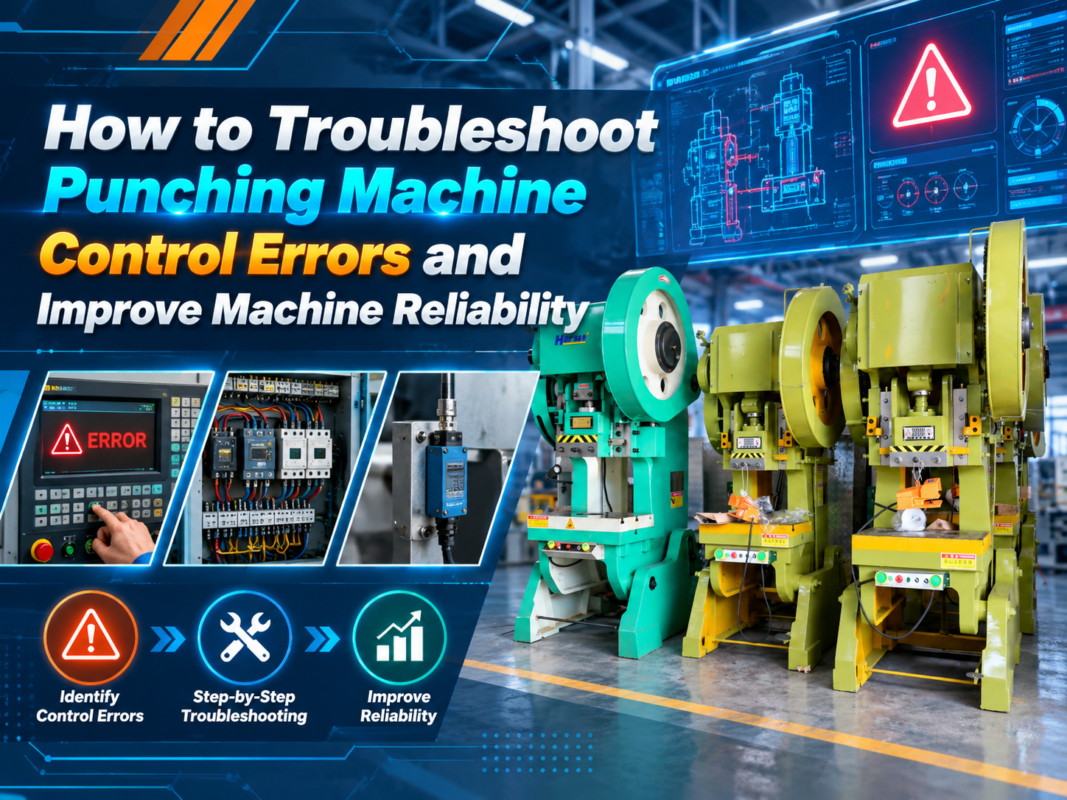
How a Hydraulic Punching Machine Increased Output for a Steel Fabrication Workshop


Introduction
In the competitive landscape of modern metal fabrication, the difference between a stagnant workshop and a high-growth enterprise often comes down to the efficiency of the primary production line. For many small to medium-sized steel fabrication shops, the bottleneck frequently lies in the hole-making process. Manual drilling or outdated mechanical presses often lead to inconsistent results, high labor costs, and significant downtime. This is precisely why the transition to advanced hydraulic systems has become a turning point for many businesses.
When we analyze how a hydraulic punching machine increased output for a steel fabrication workshop, we are looking at a fundamental shift in production philosophy. Unlike mechanical presses that rely on flywheel energy, hydraulic machines offer controlled force, stroke adjustment, and superior safety features. This article explores the transformative impact of HARSLE hydraulic punching technology on workshop throughput, quality control, and long-term profitability.
The integration of a hydraulic punching machine is not merely an equipment upgrade; it is a strategic investment in scalability. By automating repetitive tasks and ensuring high-precision hole placement, workshops can bid on larger, more complex projects that were previously out of reach. As we delve into the technical and operational advantages, it becomes clear why this machinery is considered the backbone of modern steel fabrication.
Throughout this guide, we will examine the specific metrics that improve after installation, the technical specifications that drive this performance, and the critical selection criteria for workshop owners. Whether you are dealing with structural steel, sheet metal, or specialized alloys, understanding the mechanics of hydraulic punching is essential for staying ahead in the industry.
Key Considerations for Workshop Efficiency
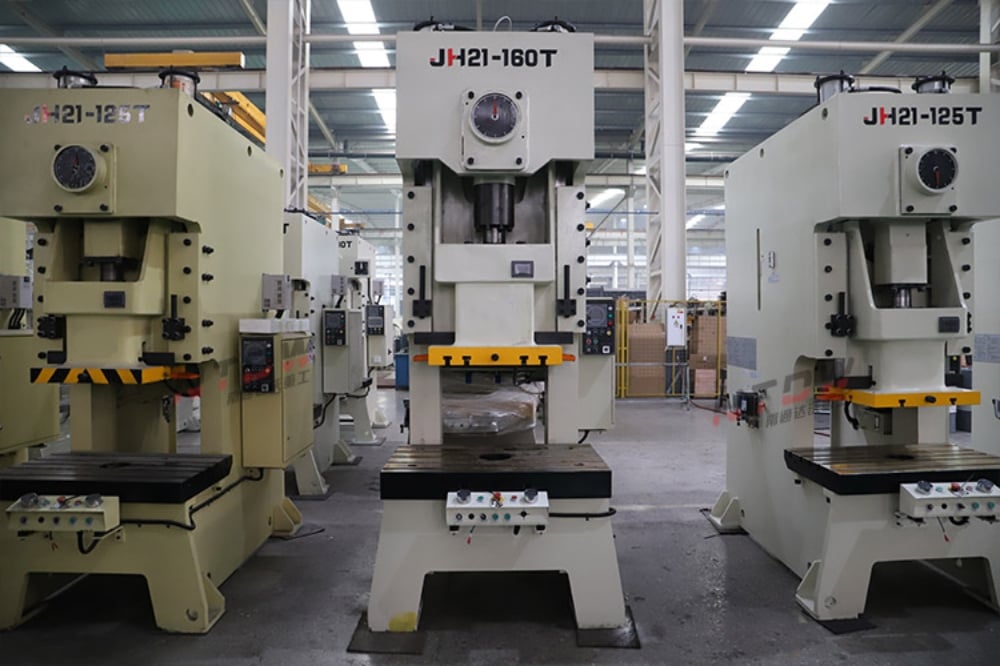
Before investing in new equipment, workshop owners must evaluate their current production bottlenecks. The most common issue in steel fabrication is the time spent on secondary operations. If your team is spending hours marking, center-punching, and drilling holes, you are losing money on every unit produced. A hydraulic punching machine eliminates these steps by providing a single-stroke solution that is both faster and more accurate than traditional drilling methods.
Another key consideration is the versatility of the machine. A high-quality hydraulic punch should be able to handle various materials, from thin-gauge sheet metal to thick structural steel plates. HARSLE machines are designed with modular tooling systems, allowing operators to switch between different punch and die sets in minutes. This flexibility ensures that the machine remains productive throughout the day, regardless of the specific project requirements.
Energy efficiency and maintenance costs are also critical factors. Hydraulic systems are generally more energy-efficient than mechanical presses because they only consume power during the actual punching cycle. Furthermore, the reduced vibration and controlled force of hydraulic systems lead to less wear and tear on the machine frame and tooling, resulting in lower long-term maintenance costs and higher machine uptime.
Finally, safety and ergonomics cannot be overlooked. Manual labor in a fabrication shop is physically demanding and prone to human error. Hydraulic punching machines feature advanced safety guards, light curtains, and foot-pedal controls that minimize the risk of workplace accidents. By creating a safer environment, workshops can improve employee morale and reduce the costs associated with workplace injuries and downtime.
Technical Details of HARSLE Hydraulic Punching Machines
The core of the HARSLE hydraulic punching machine lies in its robust hydraulic power unit. This system provides consistent, repeatable force throughout the entire stroke, ensuring that every hole is punched with precision, regardless of the material thickness. The hydraulic cylinders are engineered for high-cycle performance, allowing for rapid punching speeds that significantly outperform mechanical alternatives.
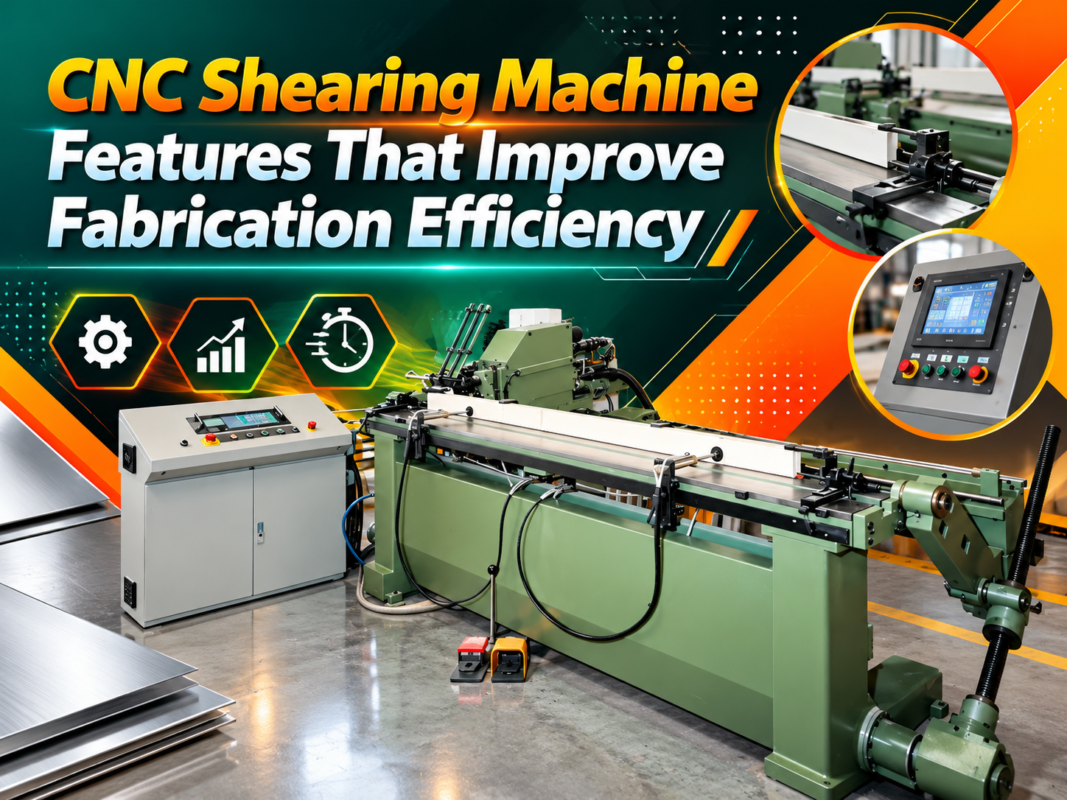
One of the standout features of HARSLE equipment is the programmable CNC control system. This allows operators to input hole coordinates directly into the machine, eliminating the need for manual layout and marking. The CNC interface ensures that hole placement is accurate to within fractions of a millimeter, which is essential for structural steel projects where alignment is critical for assembly.
The machine frame is constructed from high-tensile, stress-relieved steel, designed to withstand the immense pressures generated during the punching process. This structural integrity prevents deflection, which is the primary cause of poor hole quality and premature tooling failure. HARSLE also incorporates an automatic lubrication system that keeps the punch and die clean and cool, extending the life of the tooling by up to 30% compared to standard systems.
Furthermore, the versatility of the hydraulic system allows for multi-functional capabilities. Many HARSLE models come equipped with integrated shearing and notching stations, effectively turning a single machine into a multi-purpose fabrication center. This consolidation of equipment saves valuable floor space and reduces the need for material handling between different workstations, further increasing the overall output of the workshop.
Selection Advice: Choosing the Right Machine
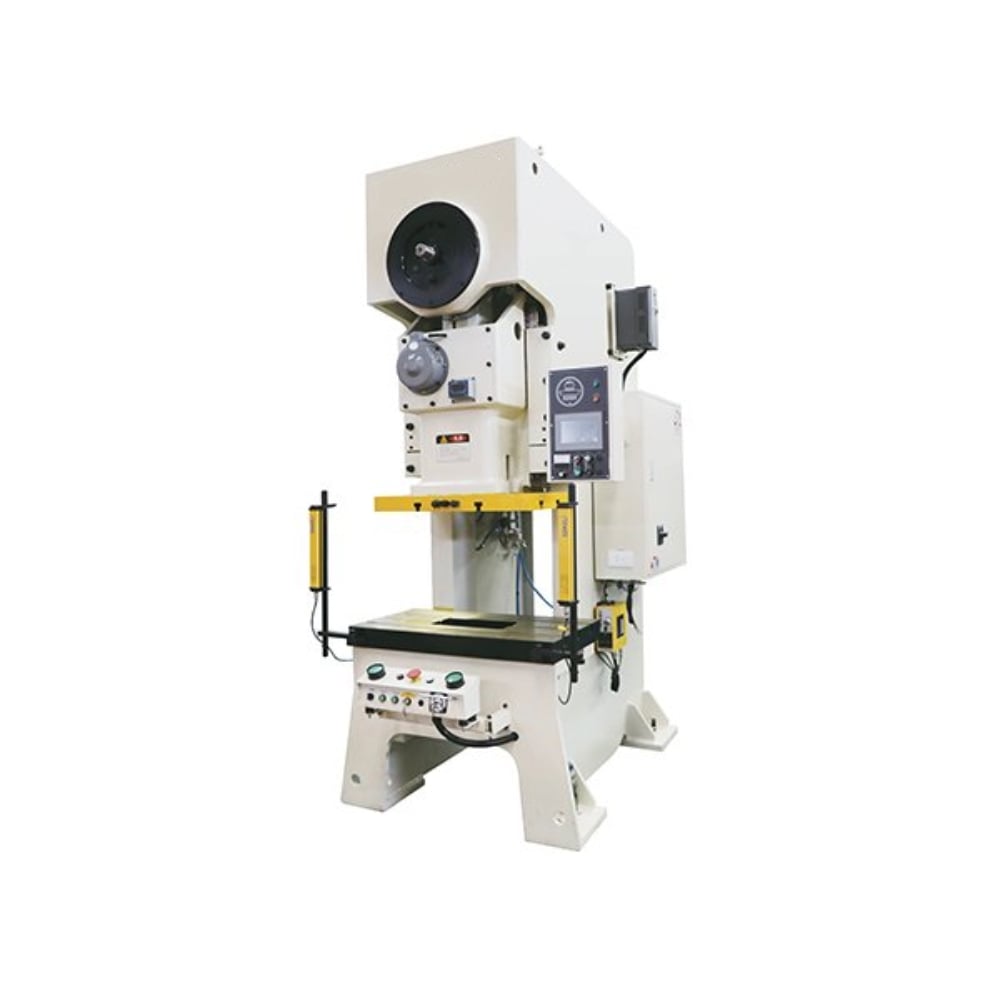
When selecting a hydraulic punching machine, the first step is to define your maximum material thickness and hole diameter requirements. It is always advisable to choose a machine with a slightly higher tonnage capacity than your current needs to allow for future growth and the processing of harder materials. HARSLE offers a range of tonnages, from compact 40-ton units to heavy-duty 200-ton machines, ensuring there is a perfect fit for every workshop size.
Consider the throat depth of the machine, which determines how far from the edge of the material you can punch. If your workshop frequently works with large steel plates or wide structural sections, a deep-throat machine is essential. Conversely, if your work is primarily focused on small brackets or sheet metal components, a standard throat depth will suffice and may offer faster cycle times.
Tooling compatibility is another vital aspect. Ensure that the machine you choose supports industry-standard punch and die sets. HARSLE machines are designed to be compatible with a wide array of tooling, which makes sourcing replacements or specialized shapes (such as square, rectangular, or oval punches) easy and cost-effective. Always check if the machine includes a quick-change tooling system, as this will significantly reduce setup times between jobs.
Finally, look for a manufacturer that provides comprehensive support and training. A hydraulic punching machine is a significant asset, and having access to technical support, spare parts, and operator training is crucial for maximizing your return on investment. HARSLE prides itself on providing end-to-end support, ensuring that your workshop can hit the ground running from the moment the machine is installed.
FAQ: Optimizing Your Punching Operations
How does a hydraulic punch compare to a mechanical punch?
Hydraulic punches offer better control over the stroke, allowing for slower, more precise punching that reduces material deformation. They are also quieter, safer, and generally require less maintenance than mechanical presses that rely on complex clutch and flywheel systems.
Can a hydraulic punching machine handle stainless steel?
Yes, provided the machine has the correct tonnage and the tooling is appropriate for the hardness of the stainless steel. HARSLE machines are fully capable of processing stainless steel, though it is recommended to use slightly slower punching speeds to preserve tool life.
How often should I perform maintenance on my punching machine?
Routine maintenance should be performed according to the manufacturer’s schedule, typically involving checking hydraulic fluid levels, cleaning the die area, and inspecting the punch for signs of wear. Daily checks of the lubrication system are also recommended to ensure smooth operation.
What is the benefit of a CNC-controlled punching machine?
CNC control eliminates human error in hole placement, ensures perfect repeatability for batch production, and allows for the storage of complex hole patterns. This significantly reduces setup time and increases the overall throughput of the workshop.
Conclusion
The transition to a hydraulic punching machine is a transformative step for any steel fabrication workshop looking to scale its operations. By replacing slow, manual processes with the speed, precision, and versatility of HARSLE hydraulic technology, workshops can achieve a level of output that was previously unattainable. The reduction in labor costs, the improvement in hole quality, and the ability to take on more complex projects create a clear path to increased profitability.
As we have explored, the key to success lies in selecting the right machine for your specific needs, maintaining it properly, and leveraging the advanced features like CNC control to streamline your workflow. When a hydraulic punching machine increased output for a steel fabrication workshop, it did so by removing the bottlenecks that hold businesses back. By investing in quality equipment, you are not just buying a machine; you are securing the future of your fabrication business in an increasingly competitive market.
For those ready to take the next step, HARSLE offers a comprehensive range of hydraulic punching solutions tailored to the needs of modern fabricators. With a focus on durability, precision, and user-friendly design, our machines are built to help your workshop reach its full potential. Contact our team today to discuss how we can help you optimize your production line and achieve new levels of efficiency.