
How One Fabricator Increased Output Using An Automatic Press Brake For Repetitive Bending Jobs


Introduction: The Efficiency Challenge in Modern Fabrication
In the competitive landscape of modern metal fabrication, the difference between a profitable shop and one struggling to keep up often comes down to throughput. For many job shops, the bottleneck is not the cutting or welding phase, but the bending process. When a shop is tasked with high-volume, repetitive bending jobs, manual press brake operation quickly becomes a liability. This article explores how one fabricator increased output using an automatic press brake for repetitive bending jobs, transforming their production floor from a manual-heavy environment into a high-speed, automated powerhouse.
The transition from manual to automated bending is more than just a hardware upgrade; it is a fundamental shift in operational philosophy. Manual bending relies heavily on the skill and consistency of the operator. While a master craftsman can produce high-quality parts, fatigue, human error, and the time required for manual backgauge adjustments inevitably lead to inconsistent output and increased scrap rates. By integrating an automatic press brake, fabricators can eliminate these variables, ensuring that every bend is performed with identical precision, regardless of the time of day or the operator’s fatigue level.
For the fabricator in our case study, the decision to invest in HARSLE automatic press brake technology was driven by a need to reduce lead times for a recurring contract involving complex sheet metal enclosures. Previously, the shop spent hours manually measuring and adjusting the backgauge for every single bend. This not only slowed down production but also made it difficult to scale operations during peak demand. The shift to automation allowed them to program complex sequences once and replicate them thousands of times with perfect repeatability.
This article will delve into the technical advantages of automatic systems, the specific considerations for shops looking to upgrade, and the long-term ROI that comes with investing in high-end bending technology. Whether you are a small job shop or a large-scale manufacturer, understanding the mechanics of how one fabricator increased output using an automatic press brake for repetitive bending jobs can provide the blueprint for your own facility’s growth.
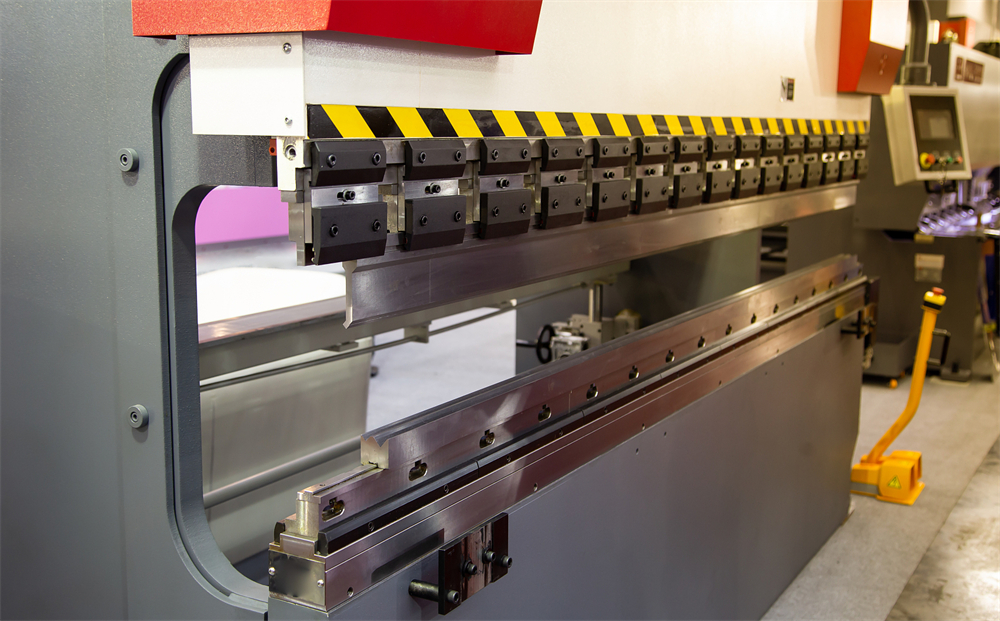
Key Considerations for High-Volume Bending
When evaluating the need for an automatic press brake, the first step is to analyze your current workflow. High-volume, repetitive bending jobs are the primary candidates for automation. If your operators are spending more time setting up the machine than actually bending parts, you are losing money. The key considerations include the complexity of the part geometry, the material thickness, and the frequency of changeovers. An automatic system excels when the machine can store hundreds of programs, allowing for near-instant transitions between different job types.
Another critical factor is the integration of backgauge systems. In manual setups, the backgauge is often the most time-consuming component to adjust. Modern automatic press brakes utilize multi-axis backgauges that move in X, R, and Z directions simultaneously. This allows the machine to position the sheet metal perfectly for every bend, even if the part requires multiple bends at different angles and depths. By automating this movement, the fabricator removes the need for manual stops and physical templates, which are prone to wear and error.
Material handling also plays a significant role in overall output. For repetitive jobs, the time it takes to load and unload the machine can be a major bottleneck. Many fabricators now pair their automatic press brakes with robotic loading systems or sheet followers. Sheet followers are particularly useful for large, heavy parts, as they support the weight of the material during the bending process, preventing the operator from having to fight gravity while trying to maintain precision. This reduces physical strain on the operator and significantly speeds up the cycle time per part.
Finally, consider the software ecosystem. An automatic press brake is only as good as the software driving it. Modern HARSLE controllers allow for offline programming, meaning the engineering team can design the bend sequence on a computer while the machine is still running a different job. This “lights-out” or “parallel processing” approach ensures that the machine is rarely idle. When the current job finishes, the operator simply loads the new program, performs a quick tool check, and begins production immediately, minimizing downtime between runs.
Technical Details: How Automation Drives Precision
The technical superiority of an automatic press brake lies in its closed-loop control system. Unlike manual machines that rely on mechanical stops, automatic systems use high-resolution encoders to monitor the position of the ram and the backgauge in real-time. If the system detects even a micron of deviation, it makes instantaneous adjustments to the hydraulic pressure or the ram position. This level of precision is impossible to achieve manually and is the primary reason why one fabricator increased output using an automatic press brake for repetitive bending jobs.
Hydraulic synchronization is another technical pillar of modern press brakes. In older machines, the two cylinders on either side of the ram could drift, leading to uneven bending across the length of the part. Modern HARSLE machines utilize proportional valves and advanced sensors to ensure that both cylinders are perfectly synchronized throughout the entire stroke. This ensures that the bend angle is consistent from one end of the sheet to the other, which is critical for parts that need to be welded or assembled later in the production line.
The tooling interface also contributes to speed and output. Automatic press brakes often feature hydraulic tool clamping systems. Instead of manually bolting or unbolting punches and dies, the operator can change the entire tool setup in a matter of minutes. This is a game-changer for shops that handle a high mix of low-to-medium volume jobs, as it allows them to switch between different bending profiles without losing hours of production time. When combined with automatic crowning systems, which compensate for the deflection of the machine bed under load, the result is a perfect bend every single time.
Furthermore, the integration of safety technology is a technical detail that actually improves output. Modern light curtains and laser safety systems allow the machine to operate at high speeds during the approach phase and only slow down just before the punch makes contact with the material. This “fast-approach, slow-bend” cycle maximizes the number of strokes per minute while maintaining a safe working environment. By removing the fear of injury and the need for constant manual caution, operators can work with a rhythm that is both faster and more sustainable over an eight-hour shift.
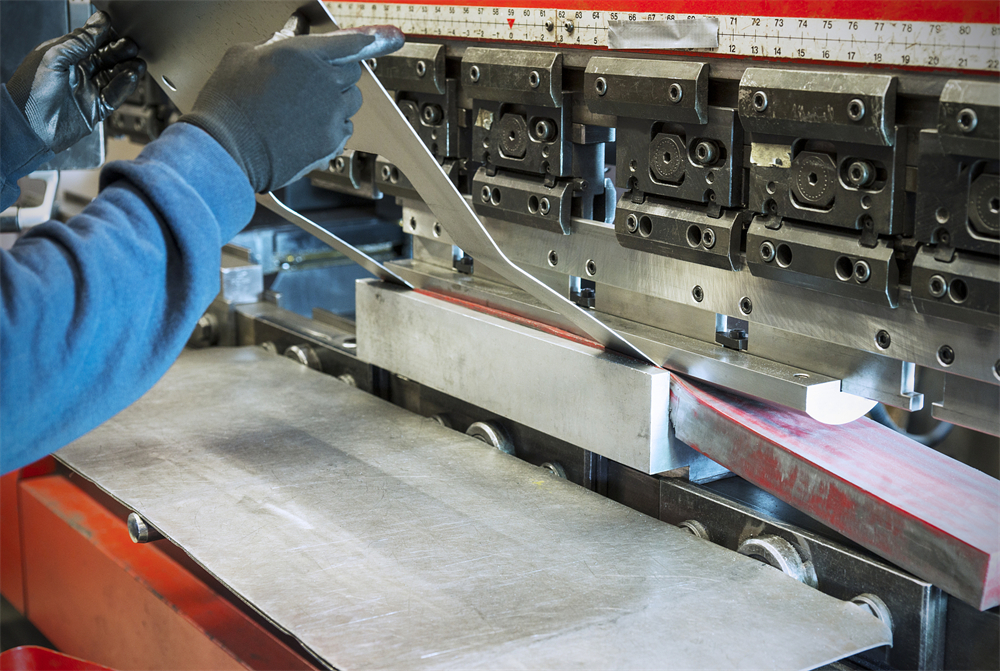
Selection Advice: Choosing the Right Equipment
Selecting the right press brake for your facility requires a clear understanding of your current and future production needs. Do not just buy for today; buy for where you want your business to be in five years. Start by calculating your maximum bending length and tonnage requirements. While it is tempting to buy a machine that is “just enough” for your current jobs, having extra tonnage and bed length provides the flexibility to take on larger, more complex projects in the future. HARSLE offers a wide range of configurations to suit various industrial needs.
Evaluate the controller interface. The best machine in the world is useless if your operators find it difficult to program. Look for intuitive, touch-screen interfaces that support 3D visualization. Being able to see the part being bent on the screen before the machine even moves helps identify potential collisions or errors in the bending sequence. This virtual prototyping saves material and time, as it prevents the need for trial-and-error bending on expensive sheet metal.
Consider the level of support and service provided by the manufacturer. An automatic press brake is a significant capital investment, and you need a partner who can provide training, maintenance, and spare parts quickly. HARSLE prides itself on comprehensive after-sales support, ensuring that your machine remains operational and efficient. Ask about the availability of remote diagnostics, which allow technicians to troubleshoot software issues over the internet, often resolving problems without the need for an on-site visit.
Finally, look at the energy efficiency of the machine. Modern servo-hydraulic systems are significantly more efficient than traditional hydraulic designs. They only consume power when the ram is moving, which can result in substantial electricity savings over the life of the machine. When you combine reduced energy costs with the increased output achieved through automation, the return on investment (ROI) for an automatic press brake becomes very compelling, often paying for itself within a few years of operation.
FAQ: Common Questions About Automatic Press Brakes
- Q: How does an automatic press brake differ from a manual one?
A: An automatic press brake uses CNC controls to manage ram position, backgauge movement, and pressure, whereas a manual machine requires the operator to set physical stops and manually adjust the machine for every bend. - Q: Can an automatic press brake handle small, complex parts?
A: Yes, modern automatic systems are highly precise and can be equipped with specialized tooling to handle intricate geometries that would be impossible to bend manually. - Q: How long does it take to train an operator on a HARSLE press brake?
A: Because of the intuitive touch-screen interfaces, most operators can learn the basics of operation within a few days, though mastering complex programming may take longer. - Q: Is maintenance difficult for these machines?
A: While they are more complex than manual machines, they are designed for reliability. Regular maintenance, such as oil changes and sensor cleaning, is straightforward and well-documented. - Q: Can I integrate a robot with my press brake later?
A: Yes, many HARSLE press brakes are designed to be “robot-ready,” meaning you can start with manual loading and add robotic automation as your production volume grows.
Conclusion: The Path to Increased Productivity
The story of how one fabricator increased output using an automatic press brake for repetitive bending jobs is a testament to the power of technology in the metal fabrication industry. By moving away from the limitations of manual bending and embracing the precision, speed, and repeatability of CNC-controlled systems, this fabricator was able to reduce scrap, lower labor costs, and significantly increase their total output. The transition was not just about buying a new machine; it was about investing in a more efficient future.
As the industry continues to evolve, the demand for faster turnaround times and higher quality standards will only increase. Fabricators who rely on outdated, manual methods will find it increasingly difficult to compete with those who have adopted automated solutions. Whether you are looking to optimize your current production line or expand your capabilities to take on new, high-volume contracts, an automatic press brake from HARSLE provides the reliability and performance needed to succeed.
We encourage you to assess your current bending operations and identify the bottlenecks that are holding your shop back. If you find that your operators are spending too much time on repetitive tasks, it may be time to consider an upgrade. With the right equipment, the right software, and a commitment to continuous improvement, your shop can achieve the same level of success as the fabricator in our case study. Contact HARSLE today to learn more about our range of automatic press brakes and how we can help you transform your production floor.












