
How Press Brakes Improve Sheet Metal Bending Accuracy In Manufacturing


Introduction: The Evolution of Precision in Metal Fabrication
In the modern landscape of metal fabrication, the demand for high-precision components has never been greater. As industries ranging from aerospace to automotive manufacturing push the boundaries of design complexity, the role of the press brake has evolved from a simple bending tool to a sophisticated, computer-controlled powerhouse. Understanding how press brakes improve sheet metal bending accuracy in manufacturing is essential for any shop looking to maintain a competitive edge in today’s global market.
Accuracy in sheet metal bending is not merely about achieving the correct angle; it is about repeatability, consistency across large production runs, and the minimization of material waste. When a manufacturer invests in high-quality equipment, they are investing in the ability to deliver parts that meet stringent tolerances without the need for secondary rework. This article explores the technical advancements and operational strategies that allow modern press brakes to achieve unparalleled precision.
HARSLE has long been at the forefront of this technological shift, providing industrial machinery that integrates advanced software with robust mechanical design. By leveraging CNC (Computer Numerical Control) systems, modern press brakes eliminate the human error that historically plagued manual bending processes. This transition toward automation has redefined what is possible in sheet metal forming, allowing for complex geometries that were once considered impossible to produce with high accuracy.
As we delve into the mechanics of these machines, it becomes clear that accuracy is a result of a synergy between hardware stability, software intelligence, and proper tooling selection. Whether you are a job shop manager or a production engineer, understanding these factors is the first step toward optimizing your fabrication workflow and ensuring that every bend meets the highest quality standards.
Key Considerations for Achieving Bending Accuracy
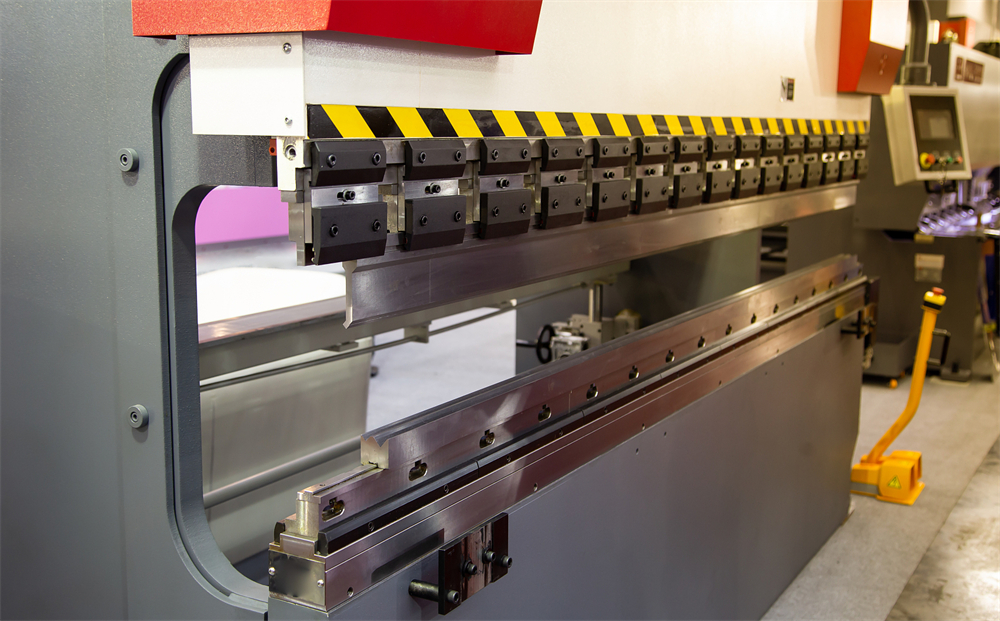
Achieving consistent bending accuracy starts with the stability of the machine frame. A press brake must be rigid enough to withstand the immense forces generated during the bending process without experiencing significant deflection. If the frame flexes under load, the ram and the bed will not remain parallel, leading to inconsistent bend angles across the length of the workpiece. HARSLE machines are engineered with high-tensile steel frames that minimize structural deformation, ensuring that the force is applied uniformly.
Another critical consideration is the backgauge system. The backgauge acts as the reference point for the workpiece, determining the position of the bend. If the backgauge is not precise, the entire part will be out of tolerance. Modern press brakes utilize multi-axis backgauges that can adjust in X, R, and Z directions with micron-level accuracy. This allows for complex, multi-stage bending sequences that maintain perfect alignment from the first part to the last.
Material properties also play a significant role in bending accuracy. Variations in material thickness, tensile strength, and grain direction can cause the metal to react differently during the bending process. Advanced CNC controllers now feature material databases that automatically adjust the bending parameters based on the specific characteristics of the sheet metal being used. This “smart” adjustment capability is a game-changer for shops that work with a variety of materials, from mild steel to high-strength alloys.
Finally, the environment in which the press brake operates cannot be ignored. Temperature fluctuations can cause thermal expansion in the machine components, potentially affecting the accuracy of the ram positioning. Maintaining a climate-controlled environment and performing regular calibration checks are essential practices for shops that require absolute precision. By controlling these variables, manufacturers can ensure that their press brakes consistently deliver high-quality results.
Technical Details: The Role of CNC and Crowning Systems
The integration of CNC technology is perhaps the most significant factor in how press brakes improve sheet metal bending accuracy in manufacturing. Modern controllers allow operators to input the desired bend angle, material type, and thickness, after which the machine automatically calculates the required ram depth and pressure. This level of automation removes the guesswork from the bending process and ensures that every bend is executed with mathematical precision.
One of the most common challenges in bending long pieces of sheet metal is the phenomenon known as “crowning.” As the ram applies pressure, the center of the bed and the ram may deflect slightly, causing the bend angle to be shallower in the middle than at the ends. To counteract this, modern press brakes are equipped with hydraulic or mechanical crowning systems. These systems apply a counter-force to the bed, compensating for the deflection and ensuring a uniform bend angle across the entire length of the workpiece.
The hydraulic system itself is also a masterpiece of precision engineering. Proportional valves and high-resolution encoders work in tandem to monitor the position of the ram in real-time. If the system detects even a slight deviation from the programmed position, it makes instantaneous adjustments to the hydraulic flow. This closed-loop feedback system is what allows modern press brakes to achieve repeatability within a fraction of a degree, regardless of the complexity of the part.
Furthermore, the use of laser angle measurement systems has revolutionized the industry. These sensors measure the actual bend angle in real-time during the bending process and provide feedback to the controller. If the material exhibits spring-back, the machine can automatically perform a corrective bend to achieve the exact target angle. This technology effectively eliminates the need for trial-and-error bending, significantly reducing setup times and material waste.
Selection Advice: Choosing the Right Equipment for Your Shop
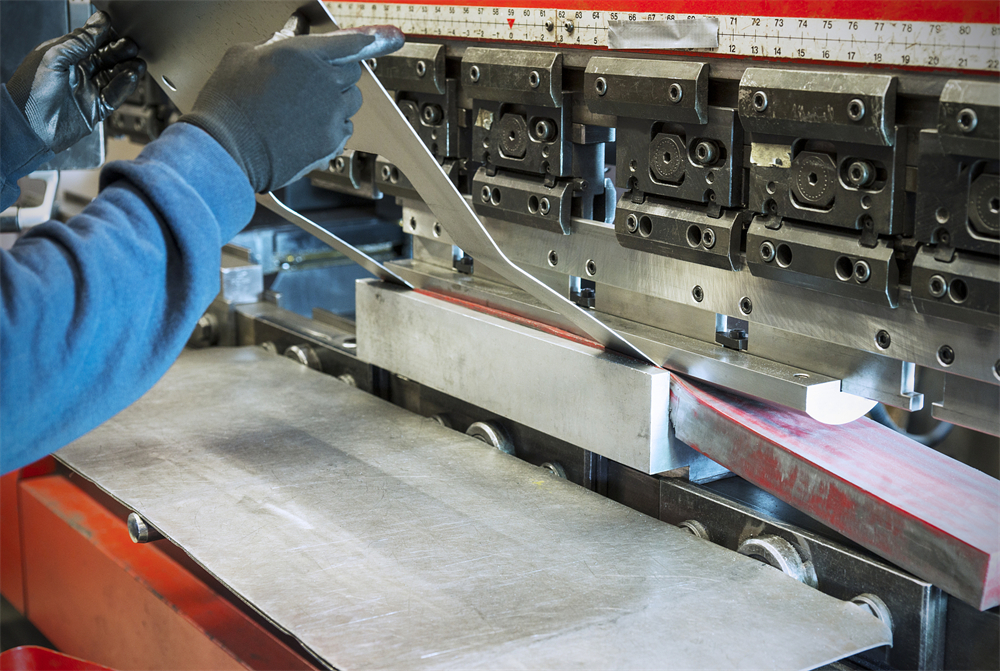
When selecting a press brake, the first step is to define your specific production requirements. Consider the maximum length and thickness of the material you will be bending, as well as the complexity of the parts. A machine that is too small will struggle with heavy-duty tasks, while a machine that is too large may be inefficient for smaller, high-precision work. HARSLE offers a wide range of press brakes, from compact models for small components to heavy-duty machines for large-scale industrial fabrication.
Evaluate the number of axes you require. A basic 3-axis machine may be sufficient for simple, repetitive bends, but if you are producing complex parts with multiple flanges and varying angles, a machine with 6, 8, or even more axes will provide the necessary flexibility and accuracy. Investing in additional axes upfront can save significant time and labor costs in the long run by reducing the need for manual repositioning.
Consider the type of tooling system. The quality and compatibility of your punches and dies are just as important as the machine itself. Look for press brakes that support standard tooling systems, which allow for easy replacement and a wide range of options. High-quality, hardened tooling ensures that the bend remains consistent over thousands of cycles, whereas inferior tooling can wear down quickly, leading to inaccuracies and poor part quality.
Finally, look for a manufacturer that provides comprehensive support and training. Even the most advanced press brake is only as good as the operator using it. HARSLE provides extensive training programs and technical support to ensure that your team can fully utilize the capabilities of your machine. From installation to routine maintenance, having a reliable partner is crucial for maintaining the long-term accuracy and productivity of your fabrication equipment.
Maintenance and Calibration for Long-Term Precision
Maintaining the accuracy of a press brake is an ongoing process that requires a disciplined approach to maintenance. Regular cleaning is the first step; dust, metal shavings, and debris can interfere with the movement of the ram and the accuracy of the backgauge. Ensure that all moving parts are properly lubricated according to the manufacturer’s specifications to prevent wear and ensure smooth operation.
Calibration should be performed on a scheduled basis, not just when a problem arises. Over time, the mechanical components of the press brake can experience minor shifts due to vibration and heavy use. Using precision measuring tools, such as digital protractors and dial indicators, operators should verify the alignment of the ram and the bed. If any deviations are detected, the CNC controller can often be recalibrated to compensate for these changes.
The hydraulic system is the heart of the press brake, and its health is paramount to accuracy. Regularly check the hydraulic fluid levels and quality, and replace filters as recommended. Contaminated fluid can cause the proportional valves to stick or respond sluggishly, which directly impacts the precision of the ram positioning. A well-maintained hydraulic system ensures that the machine remains responsive and accurate throughout its service life.
Lastly, keep your software up to date. Manufacturers frequently release firmware updates that improve the performance of the CNC controller, add new features, and enhance the accuracy of the bending algorithms. By staying current with these updates, you ensure that your press brake continues to benefit from the latest advancements in fabrication technology. A proactive maintenance strategy is the best way to protect your investment and maintain the high standards of accuracy your customers expect.
FAQ: Common Questions About Press Brake Accuracy
- How does spring-back affect bending accuracy? Spring-back occurs when the metal tries to return to its original shape after the bending force is released. Modern CNC press brakes compensate for this by over-bending the material slightly, based on the material’s properties and the desired angle.
- What is the difference between air bending and bottoming? Air bending involves pressing the sheet into the die without touching the bottom, allowing for more flexibility in angles. Bottoming involves pressing the sheet to the bottom of the die, which provides higher accuracy but requires more force and specific tooling.
- Why is the backgauge important for accuracy? The backgauge ensures that the sheet is positioned correctly before the bend. If the backgauge is inaccurate, the flange length will be incorrect, leading to parts that do not fit together during assembly.
- Can I improve the accuracy of an older press brake? While older machines lack the advanced features of modern CNC brakes, you can improve their accuracy by installing high-quality backgauges, using precision tooling, and performing regular mechanical maintenance.
- How often should I calibrate my press brake? Calibration frequency depends on usage, but a general rule of thumb is to perform a full calibration check every six months or whenever you notice a decline in part consistency.
Conclusion: Investing in the Future of Fabrication
The question of how press brakes improve sheet metal bending accuracy in manufacturing is answered by the seamless integration of mechanical rigidity, advanced CNC control, and intelligent compensation systems. As we have explored, the ability to produce high-precision parts is no longer a luxury but a necessity in a competitive manufacturing environment. By choosing the right equipment, maintaining it with care, and leveraging the latest technological advancements, shops can achieve levels of accuracy that were previously unattainable.
HARSLE remains committed to providing the tools and expertise necessary for manufacturers to excel. Whether you are looking to upgrade your current capabilities or are setting up a new production line, understanding the nuances of press brake technology is the key to success. Precision is not just about the machine; it is about the entire process of design, setup, and execution. By focusing on these elements, you can ensure that your fabrication shop remains a leader in quality and efficiency for years to come.
As technology continues to advance, we can expect even greater levels of automation and precision in the world of metal forming. From AI-driven bending optimization to fully integrated robotic cells, the future of the press brake is bright. By staying informed and investing in high-quality industrial machinery, you position your business to meet the challenges of tomorrow with confidence and precision.












