
How to Maintain a Punching Machine for Consistent Precision in Metal Fabrication


The Critical Importance of Maintenance in Metal Fabrication
In the high-stakes environment of modern metal fabrication, the punching machine serves as the backbone of production efficiency. Whether you are operating a high-speed CNC turret punch or a robust hydraulic ironworker, the ability to maintain a punching machine for consistent precision in metal fabrication is not merely a task—it is a strategic necessity. Precision is the difference between a high-quality finished product and a pile of scrap metal. When a machine begins to drift from its tolerances, the cost of rework, material waste, and downtime can quickly erode profit margins.
HARSLE understands that industrial machinery is a significant capital investment. A well-maintained machine operates with smoother cycles, lower energy consumption, and significantly reduced vibration. Vibration is the silent enemy of precision; it causes premature wear on guide rails, punch tools, and hydraulic seals. By adhering to a rigorous maintenance schedule, operators can identify micro-deviations in performance before they manifest as catastrophic failures or dimensional inaccuracies in the workpiece.
Furthermore, safety is inextricably linked to maintenance. A punching machine that is poorly maintained often exhibits erratic behavior, such as delayed cycling or inconsistent clamping force. These issues pose severe risks to the operator. Regular inspections ensure that safety interlocks, emergency stops, and light curtains are functioning correctly, creating a secure environment for the workforce. When you prioritize maintenance, you are investing in the longevity of your equipment and the safety of your team.
Finally, consistent precision is a competitive advantage. Clients in industries such as aerospace, automotive, and electrical enclosure manufacturing demand tight tolerances. If your punching machine is calibrated and maintained to factory standards, you can guarantee repeatability across thousands of parts. This reliability builds trust with your customers and positions your fabrication shop as a premium provider in a crowded market.
Daily Inspection Protocols for Optimal Performance
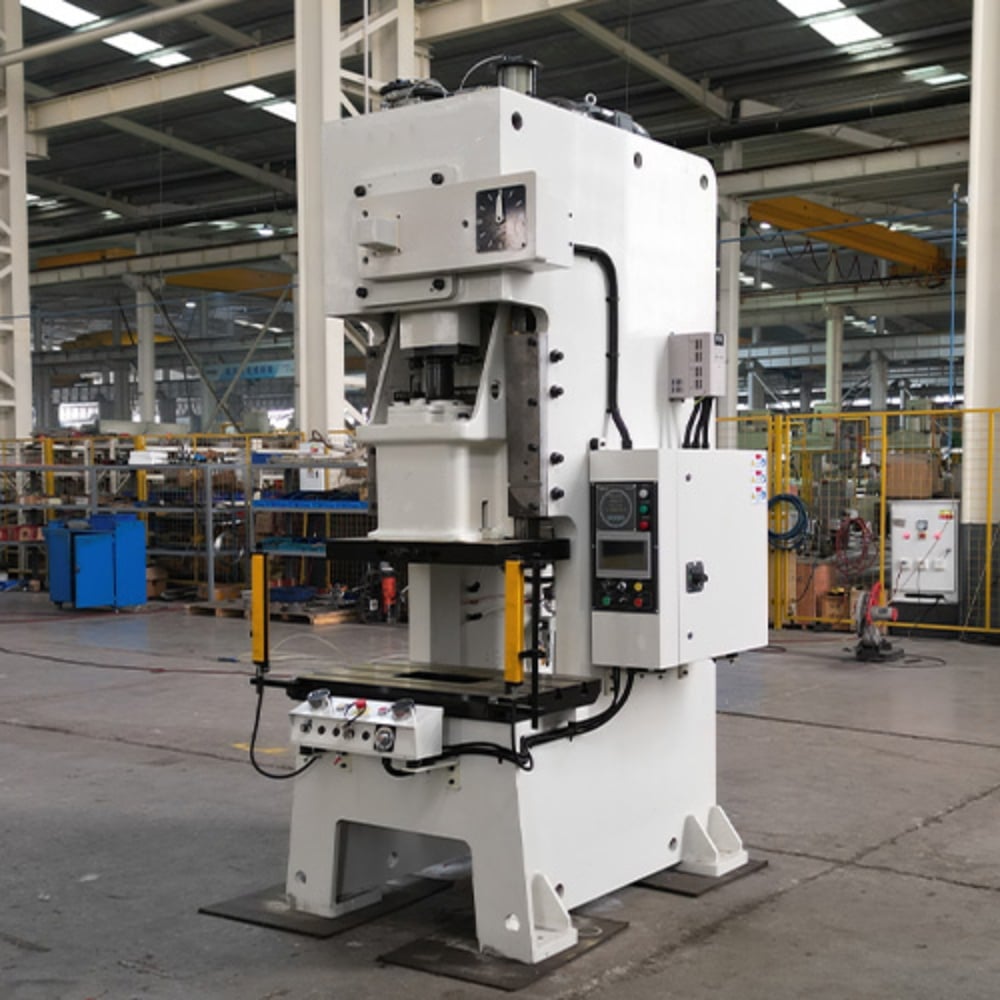
The foundation of a successful maintenance program is the daily inspection. Before the first shift begins, operators should perform a “walk-around” to assess the machine’s condition. This routine should take no more than 10 to 15 minutes but can prevent hours of unplanned downtime. Start by checking the cleanliness of the work area; metal chips and debris are the primary causes of surface scratching and tool damage.
Check the oil levels in the hydraulic reservoir. A punching machine relies on consistent hydraulic pressure to deliver the force required for clean, burr-free holes. If the oil level is low, it may indicate a leak or excessive consumption, both of which require immediate attention. Additionally, inspect the hydraulic hoses for any signs of fraying, bulging, or weeping. A burst hose during a production run is not only a mess but a significant safety hazard.
Inspect the punch and die alignment. Even a slight misalignment can lead to uneven wear on the tool edges, resulting in “slug pulling” or deformed holes. Use a precision gauge to verify that the punch enters the die cleanly without contact. If you notice any unusual noise during the initial dry cycle, stop the machine immediately and investigate the source. Often, a simple adjustment to the stripper plate or a tightening of the tool holder can resolve the issue before it escalates.
Finally, verify the functionality of the control panel and emergency stop buttons. Ensure that the software interface is clear of error codes and that the machine is communicating correctly with any peripheral equipment, such as sheet loaders or scrap conveyors. By establishing this daily rhythm, you create a baseline of “normal” operation, making it much easier to detect anomalies as they arise.
Hydraulic, Electrical, and Mechanical System Checks
To maintain a punching machine for consistent precision in metal fabrication, you must look beyond the surface. The hydraulic system is the heart of the machine. Beyond checking oil levels, you must monitor the oil temperature and the condition of the filters. Hydraulic oil degrades over time due to heat and oxidation, losing its viscosity and lubricating properties. We recommend replacing hydraulic filters every 500 to 1,000 operating hours to ensure that contaminants do not reach the sensitive valves and pumps.
The electrical system requires a different approach. Dust and metal particles are conductive and can cause short circuits if they accumulate on circuit boards or inside the control cabinet. Use a vacuum or compressed air (with caution) to clean the interior of the electrical enclosure. Ensure that all cable connections are tight, as vibration can loosen terminals over time, leading to intermittent signal loss or “ghost” errors in the CNC controller.
Mechanical components, particularly the ram guides and the turret indexing system, are subject to immense stress. The ram guides should be checked for play or excessive clearance. If the ram “wobbles” during the stroke, your precision will suffer immediately. Adjust the gibs according to the manufacturer’s specifications to ensure a smooth, vertical motion. For turret-style machines, inspect the locking pins and the turret rotation mechanism for wear. A turret that does not index perfectly will cause the punch to strike the die off-center, leading to tool breakage.
Don’t overlook the clamping system. The sheet clamps hold the material in place during the high-speed movement of the X and Y axes. If the clamping pressure is inconsistent, the sheet may slip, resulting in inaccurate hole placement. Periodically test the clamping force and clean the clamp jaws to remove any oil or debris that might reduce friction. A secure grip is essential for maintaining the high-speed precision that HARSLE machines are known for.
Developing a Comprehensive Lubrication Plan
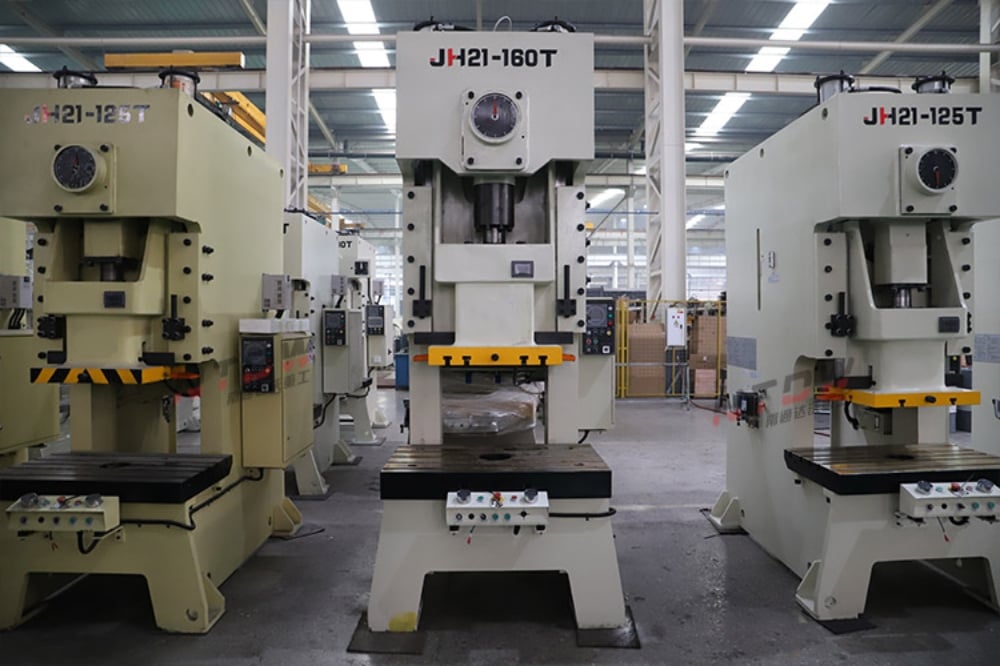
Lubrication is the lifeblood of any industrial machine. A well-structured lubrication plan is essential to maintain a punching machine for consistent precision in metal fabrication. Friction is the enemy of accuracy; it generates heat, causes expansion of metal components, and leads to accelerated wear. Your lubrication plan should be divided into daily, weekly, and monthly tasks, with specific lubricants recommended by the manufacturer.
For the sliding surfaces, such as the ram guides and the table movement rails, use high-quality slideway oil. These oils are designed to stay in place and resist being washed away by coolant or hydraulic fluid. Ensure that the automatic lubrication system (if equipped) is functioning and that the reservoir is topped off. If the machine uses manual grease points, use a calibrated grease gun to avoid over-lubrication, which can attract dust and create a grinding paste.
The punch tool itself requires specific attention. Depending on the material being punched, you may need to apply a specialized lubricant to the punch tip to reduce friction and prevent material galling. Galling occurs when material from the sheet welds itself to the punch, causing the tool to pull the slug back up through the sheet. This not only ruins the part but can also damage the die. A light application of a high-pressure lubricant can significantly extend tool life and improve hole quality.
Keep a detailed log of all lubrication activities. Note the date, the type of lubricant used, and the specific components serviced. This log serves as a historical record that can be invaluable for troubleshooting. If a component fails, you can look back at your records to see if it was properly lubricated. Over time, this data will help you optimize your maintenance intervals, allowing you to move from time-based maintenance to condition-based maintenance.
Troubleshooting Signals: When to Call for Help
Even with the best maintenance, issues can arise. Recognizing the early warning signs is key to preventing major damage. One of the most common signals is a change in the sound of the machine. A healthy punching machine has a rhythmic, consistent sound. If you hear grinding, squealing, or irregular thumping, it is a sign that something is wrong. Grinding often indicates a lack of lubrication or a worn bearing, while thumping may suggest a loose mechanical component or an issue with the hydraulic pressure relief valve.
Another signal is a decline in part quality. If you notice burrs on the underside of the sheet, it is a clear indicator that the clearance between the punch and die is incorrect or that the tool is dull. If the holes are not in the correct position, check the encoder feedback and the drive belts. If the machine is “stuttering” during movement, it could be a sign of a failing motor drive or a communication error in the CNC system.
Temperature is also a critical indicator. If the hydraulic tank or the motor housings feel excessively hot to the touch, it suggests that the machine is working harder than it should. This could be due to a clogged filter, a failing pump, or an electrical overload. Never ignore these signs. A small issue that is ignored today will almost certainly become a major repair bill tomorrow.
Finally, pay attention to the software. Modern HARSLE machines are equipped with advanced diagnostics. If the controller displays a warning or an error code, do not simply reset it and continue working. Investigate the cause of the error. Often, these codes are the machine’s way of telling you that a component is nearing the end of its service life. By addressing these warnings early, you maintain the precision of your fabrication process and avoid the high costs of emergency repairs.
Maintenance Schedule Table
| Frequency | Task | Description |
|---|---|---|
| Daily | Clean Work Area | Remove chips and debris from the table and tool area. |
| Daily | Check Oil Levels | Verify hydraulic and lubrication oil levels. |
| Weekly | Inspect Tooling | Check punch/die for wear, chips, or galling. |
| Weekly | Check Clamps | Verify clamping pressure and clean jaw surfaces. |
| Monthly | Filter Replacement | Replace hydraulic and air filters as needed. |
| Monthly | Lubrication Check | Grease all manual points and check auto-lube lines. |
| Quarterly | Alignment Check | Verify ram and turret alignment with precision tools. |
| Annually | Full Calibration | Professional inspection of CNC accuracy and drive systems. |
Frequently Asked Questions (FAQ)
How often should I sharpen my punching tools?
The frequency of sharpening depends on the material type, thickness, and the number of hits. As a rule of thumb, sharpen tools when the burr height exceeds 0.1mm. Regular sharpening is essential to maintain a punching machine for consistent precision in metal fabrication.
Can I use any hydraulic oil in my HARSLE machine?
No, always use the hydraulic oil grade specified in your machine’s manual. Using the wrong viscosity can lead to pump failure, overheating, and loss of precision. Consult your HARSLE representative if you are unsure about the correct specification.
What should I do if the machine loses its zero position?
A loss of zero position usually indicates an issue with the encoder or a loose drive belt. First, perform a homing sequence. If the problem persists, check the electrical connections to the motors and contact a technician to recalibrate the axis offsets.
Why is my machine producing burrs?
Burrs are typically caused by excessive clearance between the punch and die or a dull cutting edge. Check your tool clearance settings and inspect the punch/die for wear. Ensure that the material is being held firmly by the clamps.
How do I prevent slug pulling?
Slug pulling is often caused by dull tools, incorrect clearance, or a lack of lubrication. Ensure your tools are sharp and consider using a die with a slight taper or a vacuum slug removal system to keep the die clear.
By following these guidelines, you ensure that your HARSLE punching machine remains a high-performance asset for your business. Consistent maintenance is the hallmark of a professional fabrication shop, and it is the only way to guarantee the precision your customers expect.












