
Hydraulic Press Uses in Pipe Straightening and Profile Correction: A Comprehensive Guide


Introduction to Hydraulic Press Uses in Pipe Straightening and Profile Correction
In the modern landscape of metal fabrication, precision is the cornerstone of quality. Among the various industrial processes, the correction of structural deformities in pipes and profiles stands out as a critical requirement for industries ranging from aerospace to heavy construction. Hydraulic press uses in pipe straightening and profile correction have become the industry standard due to the immense, controlled force these machines provide. By applying localized pressure, fabricators can rectify bends, twists, and warpage that occur during manufacturing, welding, or transportation.
HARSLE, as a leader in metal fabrication machinery, recognizes that the integrity of a structure depends heavily on the straightness of its components. When a pipe or profile deviates from its intended axis, it compromises the structural load-bearing capacity and aesthetic finish of the final product. A hydraulic press offers the versatility needed to handle various materials, thicknesses, and geometries, making it an indispensable asset in any high-output fabrication facility.
The process of straightening involves identifying the high points of a deformation and applying a counter-force that exceeds the yield strength of the material just enough to induce plastic deformation. This allows the metal to ‘set’ in a straight position. Because hydraulic systems allow for fine-tuned pressure control, operators can perform these corrections without damaging the surface finish or structural integrity of the workpiece, a feat that is difficult to achieve with mechanical or manual methods.
As we delve deeper into this guide, we will explore the technical nuances of these operations, the selection criteria for choosing the right machinery, and the best practices for maintaining your equipment. Whether you are dealing with large-diameter steel pipes or complex extruded profiles, understanding the mechanics behind hydraulic press applications is essential for optimizing your production workflow and reducing material waste.
Key Considerations for Effective Straightening Operations
Before initiating any straightening process, it is vital to understand the material properties of the workpiece. Different metals, such as carbon steel, stainless steel, or aluminum, react differently to pressure. The yield strength and ductility of the material dictate how much force is required and how much ‘spring-back’ can be expected. Failing to account for these factors can lead to over-correction or, worse, structural fatigue in the metal.
Another critical consideration is the support configuration. When straightening a pipe, the placement of the support blocks (or anvils) determines the leverage and the distribution of stress. If the supports are too far apart, the pipe may buckle or deform unpredictably. If they are too close, the press may not have enough mechanical advantage to correct the bend. HARSLE engineers recommend calculating the span based on the diameter and wall thickness of the pipe to ensure even force distribution.
Temperature also plays a significant role in profile correction. While cold straightening is common for many applications, some high-strength alloys may require controlled heating to reduce the force required and prevent cracking. However, heat-affected zones must be carefully managed to avoid altering the metallurgical properties of the metal. Operators must be trained to recognize when thermal assistance is necessary versus when cold working is sufficient.
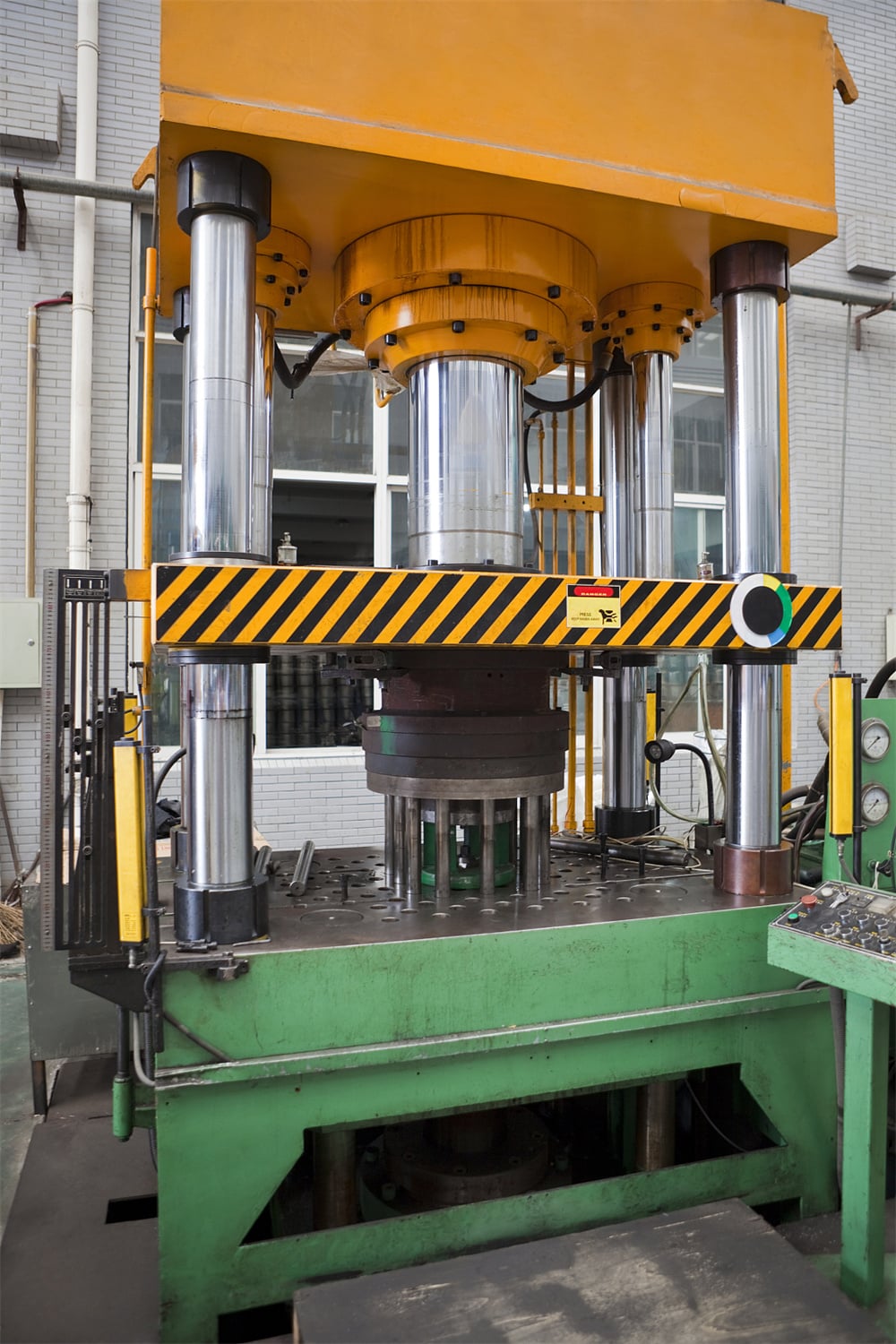
Safety protocols are paramount when operating high-tonnage hydraulic presses. The energy stored in a bent pipe under pressure is significant. If a pipe slips or a support fails, the resulting release of energy can be catastrophic. Therefore, using proper clamping mechanisms, safety guards, and ensuring that the press is equipped with emergency stop features is non-negotiable. Regular inspection of hydraulic hoses, seals, and pressure gauges ensures that the machine operates within safe parameters at all times.
Technical Details: How Hydraulic Presses Correct Profiles
The core of hydraulic press uses in pipe straightening and profile correction lies in the principle of controlled plastic deformation. When a pipe is bent, the fibers on the outer radius are in tension, while the fibers on the inner radius are in compression. To straighten the pipe, the press must apply a force that reverses these stresses, effectively ‘resetting’ the molecular alignment of the metal to a neutral, straight state.
Hydraulic presses excel in this area because of their ability to provide a constant, steady force throughout the entire stroke. Unlike mechanical presses that may have a ‘snap-through’ effect, a hydraulic system allows the operator to inch the ram down, monitor the deflection, and stop exactly when the desired straightness is achieved. This level of control is essential for high-precision profiles where tolerances are measured in fractions of a millimeter.
The integration of CNC (Computer Numerical Control) systems in modern HARSLE hydraulic presses has revolutionized this process. With CNC, operators can program specific pressure profiles and stroke lengths for different types of pipes. This repeatability ensures that every piece coming off the line meets the same quality standards, significantly reducing the time spent on manual measurement and iterative adjustments.
Furthermore, the use of specialized tooling, such as V-blocks, rollers, and custom-contoured dies, allows the press to accommodate various profile shapes, including I-beams, C-channels, and square tubing. These tools are designed to distribute the load across a larger surface area, preventing localized denting or marring of the profile surface. The ability to swap these tools quickly is a key feature that enhances the versatility of the hydraulic press in a multi-product fabrication environment.
Selection Advice: Choosing the Right Hydraulic Press
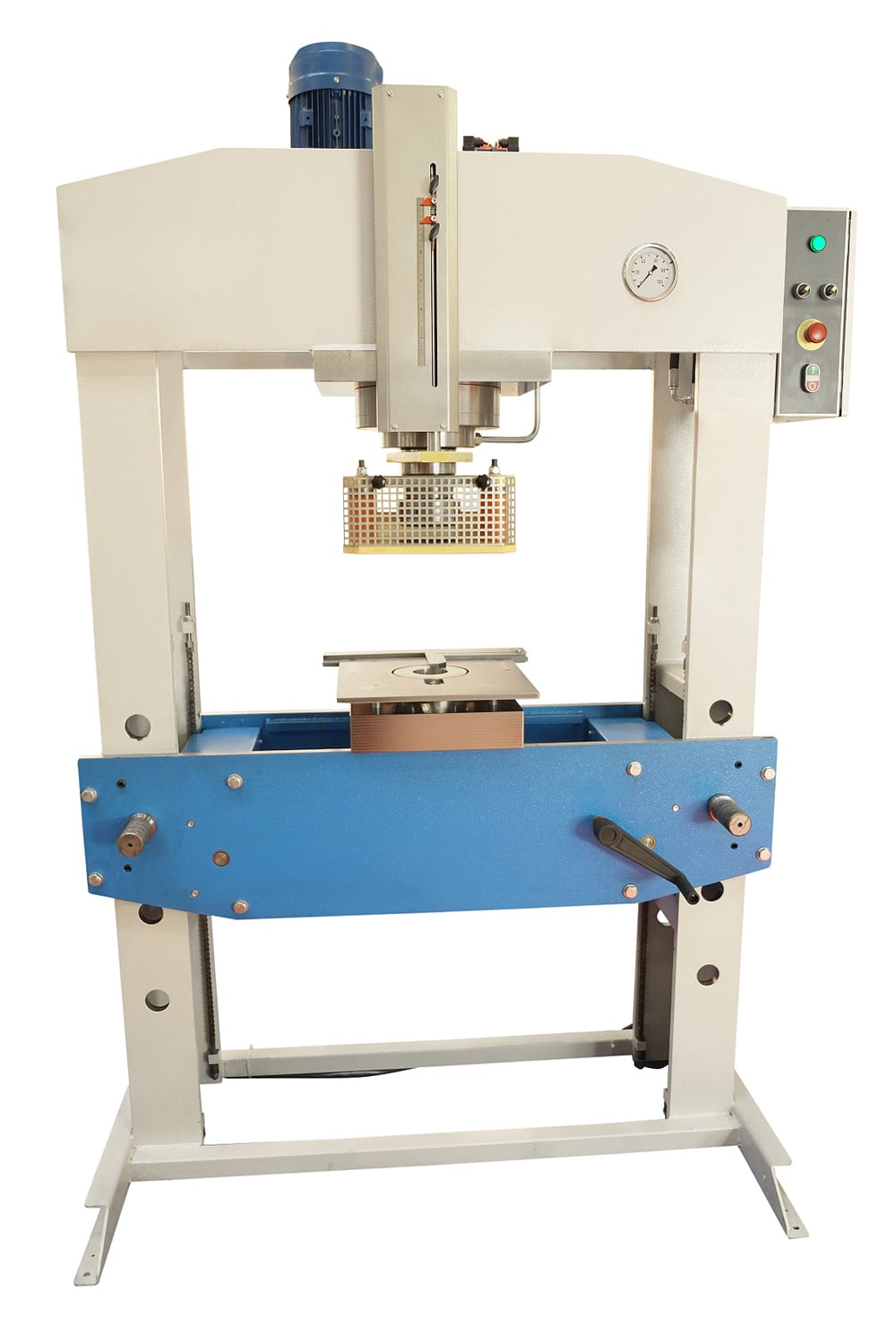
Selecting the right hydraulic press for pipe straightening and profile correction requires a clear assessment of your production volume and the range of materials you handle. The first factor to consider is the tonnage capacity. A press that is too small will not be able to correct heavy-duty structural steel, while a press that is excessively large may lack the sensitivity required for thin-walled tubing. HARSLE offers a range of tonnages to ensure that you find the perfect balance for your specific application.
The bed size and daylight opening are also critical. If you are working with long pipes, you need a bed that provides sufficient support and a daylight opening that allows for easy loading and unloading of the workpiece. Consider the workflow of your shop—do you need a C-frame press for easy access from three sides, or a four-column press for maximum stability and uniform pressure distribution? Each design has its advantages depending on the complexity of the profiles being corrected.
Automation features should be a high priority for modern fabrication shops. Look for presses that offer programmable logic controllers (PLC), touch-screen interfaces, and data logging capabilities. These features not only improve accuracy but also provide valuable insights into your production efficiency. Being able to track the number of cycles and the pressure applied to each piece helps in quality control and predictive maintenance planning.
Finally, consider the reputation and support of the manufacturer. A hydraulic press is a long-term investment. Choosing a partner like HARSLE means you gain access to expert technical support, readily available spare parts, and comprehensive training programs. Ensure that the manufacturer provides a robust warranty and has a proven track record in the metal fabrication industry to guarantee that your equipment remains operational for years to come.
Frequently Asked Questions (FAQ)
What is the main advantage of using a hydraulic press for pipe straightening?
The primary advantage is the ability to apply precise, controlled force. Hydraulic presses allow for smooth, incremental adjustments, which prevents over-bending and protects the structural integrity of the pipe compared to impact-based methods.
Can a hydraulic press be used for both pipes and square profiles?
Yes, by changing the tooling (such as using V-blocks or custom-contoured dies), a single hydraulic press can be adapted to straighten a wide variety of shapes, including round pipes, square tubes, I-beams, and flat bars.
How do I prevent surface damage during the straightening process?
Using soft-faced dies, nylon or rubber inserts, and ensuring that the contact points are clean and properly aligned will prevent marring or denting of the workpiece surface.
Is CNC integration necessary for profile correction?
While not strictly necessary for simple tasks, CNC integration is highly recommended for high-volume production or complex profiles. It ensures repeatability, reduces human error, and significantly speeds up the correction process.
What maintenance is required for a hydraulic press?
Regular maintenance includes checking hydraulic fluid levels and quality, inspecting hoses for leaks, cleaning the ram and guide surfaces, and ensuring that all safety sensors and emergency stops are functioning correctly.
Conclusion
Hydraulic press uses in pipe straightening and profile correction represent a vital intersection of power and precision in the metal fabrication industry. By leveraging the controlled force of hydraulic systems, fabricators can ensure that their products meet the highest standards of structural integrity and aesthetic quality. Whether you are correcting minor warpage in small-diameter tubing or straightening heavy structural beams, the right hydraulic press serves as the backbone of your production line.
As you evaluate your needs, remember that the success of your straightening operations depends on a combination of high-quality machinery, proper tooling, and skilled operation. HARSLE remains committed to providing the industry with advanced, reliable, and efficient hydraulic press solutions that empower fabricators to overcome the challenges of metal deformation. By investing in the right equipment and following the best practices outlined in this guide, you can optimize your workflow, minimize material waste, and deliver superior products to your customers.
For those looking to upgrade their fabrication capabilities, exploring the latest HARSLE hydraulic press models is a great first step. With a focus on innovation, safety, and performance, our machines are designed to meet the evolving demands of the global metalworking market. Contact our team today to learn more about how our hydraulic presses can transform your pipe straightening and profile correction processes.