How Punching Machines Support Custom Metal Fabrication Projects


Introduction to Punching Machines in Modern Fabrication
In the rapidly evolving landscape of industrial manufacturing, the demand for high-precision, custom-tailored metal components has never been higher. At the heart of this revolution lies the punching machine, a cornerstone of the metalworking shop. Understanding how punching machines support custom metal fabrication projects is essential for any business looking to optimize production cycles, reduce waste, and achieve superior accuracy. These machines have transitioned from simple manual presses to highly sophisticated CNC (Computer Numerical Control) systems capable of executing complex patterns with minimal human intervention.
Custom metal fabrication involves the creation of unique parts that meet specific client requirements, often involving intricate geometries, varying hole sizes, and specialized forming operations like louvers or countersinks. Punching machines provide the versatility needed to handle these diverse tasks. Unlike laser cutting, which uses heat to melt through material, punching uses mechanical force to shear the metal. This process is often faster for repetitive patterns and allows for secondary operations—such as forming and threading—to be performed within the same machine cycle. This integration is a primary reason why punching machines support custom metal fabrication projects so effectively.
HARSLE, a leader in the production of high-quality metalworking machinery, recognizes that the modern fabricator needs more than just a tool; they need a solution that enhances their competitive edge. By integrating advanced hydraulics, precision ball screws, and intuitive software, modern punching machines have become the backbone of industries ranging from telecommunications and electronics to automotive and aerospace. In this comprehensive guide, we will delve into the mechanics, benefits, and strategic implementation of punching technology in the custom fabrication sector.
As we explore the nuances of this technology, it becomes clear that the value of a punching machine extends beyond simple hole-making. It is about the ability to transform a flat sheet of metal into a complex, functional component with speed and repeatability. Whether you are a small job shop or a large-scale industrial manufacturer, understanding the capabilities of these machines is the first step toward mastering custom metal fabrication.
Key Considerations: How Punching Machines Support Custom Metal Fabrication Projects
1. Versatility in Tooling and Operations
One of the most significant ways punching machines support custom metal fabrication projects is through their incredible versatility. A single turret or tool changer can hold dozens of different tools, ranging from standard round and square punches to specialized tools for ribbing, embossing, and even tapping. This allows a fabricator to complete multiple operations on a single workpiece without moving it to another machine. In custom projects where every part might be different, this flexibility reduces setup times and minimizes the risk of errors during part handling.
Furthermore, the ability to use “indexable” tools—tools that can rotate 360 degrees—means that a single tool can create shapes at any angle. This drastically reduces the number of tools required in the turret and allows for the creation of complex contours that would otherwise require expensive custom tooling. For custom fabrication, where design changes are frequent, this adaptability is a game-changer.
2. High-Speed Production and Efficiency
Speed is a critical factor in the profitability of custom fabrication. Punching machines are renowned for their high hit rates, often exceeding hundreds of strokes per minute. When a project requires a large number of identical holes or patterns, a punching machine can outperform a laser cutter in terms of raw speed. This efficiency is particularly evident in the production of perforated panels, ventilation grilles, and electronic enclosures.
Beyond the stroke speed, the rapid movement of the X and Y axes ensures that the sheet is positioned quickly and accurately. Modern CNC systems optimize the path of the tool to minimize travel time, further boosting productivity. By reducing the time spent on each part, fabricators can take on more custom projects and offer shorter lead times to their clients, which is a significant competitive advantage in today’s market.
3. Precision and Repeatability
Custom fabrication often involves tight tolerances. A part that is even a fraction of a millimeter off can lead to assembly issues or structural failure. Punching machines support custom metal fabrication projects by providing exceptional repeatability. Once a program is loaded into the CNC system, the machine will produce the exact same part every time, whether it is the first or the thousandth in the run.
This precision is maintained through high-quality components such as linear guides, precision ball screws, and robust frames that resist deflection under load. For custom projects that require high-precision components for the medical or aerospace industries, the reliability of a HARSLE punching machine ensures that every specification is met with exacting detail.
4. Material Utilization and Waste Reduction
In custom fabrication, material costs can represent a significant portion of the total project budget. Punching machines, when paired with advanced nesting software, allow fabricators to maximize the number of parts they can get out of a single sheet of metal. The software calculates the most efficient layout, minimizing the “skeleton” or scrap material left behind.
Additionally, because punching is a cold process, there is no heat-affected zone (HAZ) as there is with laser or plasma cutting. This means the material properties remain consistent right up to the edge of the cut, reducing the need for secondary finishing processes and ensuring that the final product meets the structural requirements of the custom design.
Technical Details of Modern Punching Systems
Mechanical vs. Hydraulic Drive Systems
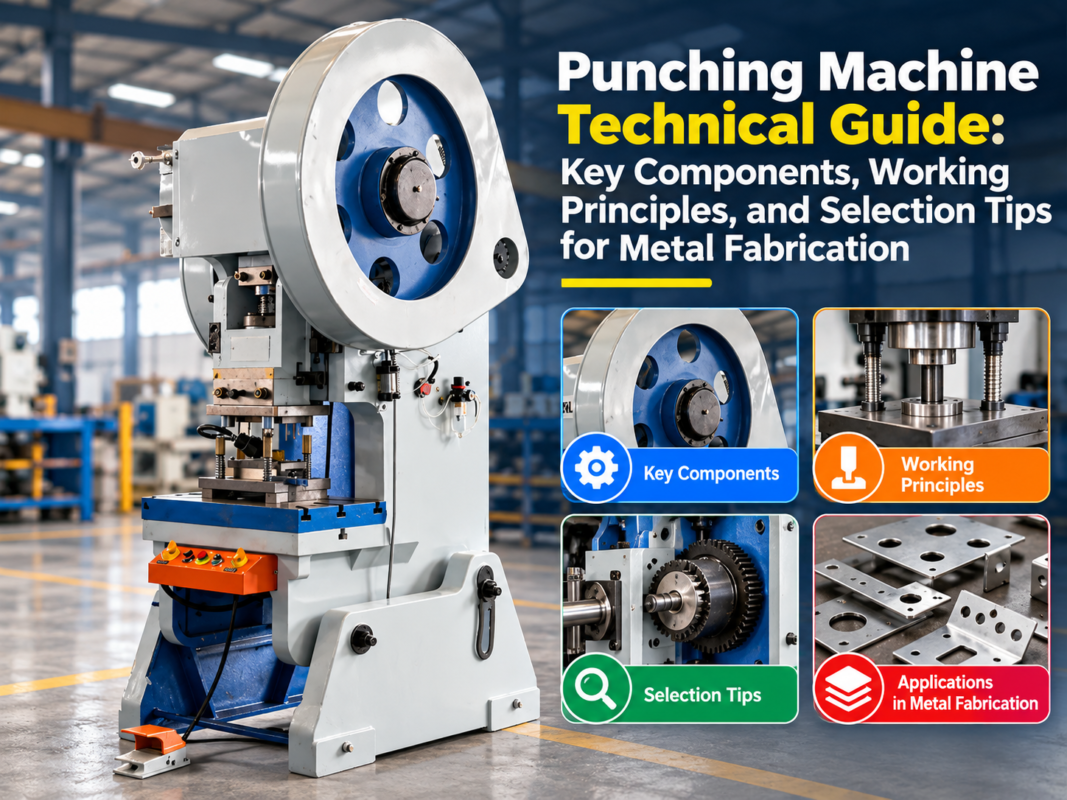
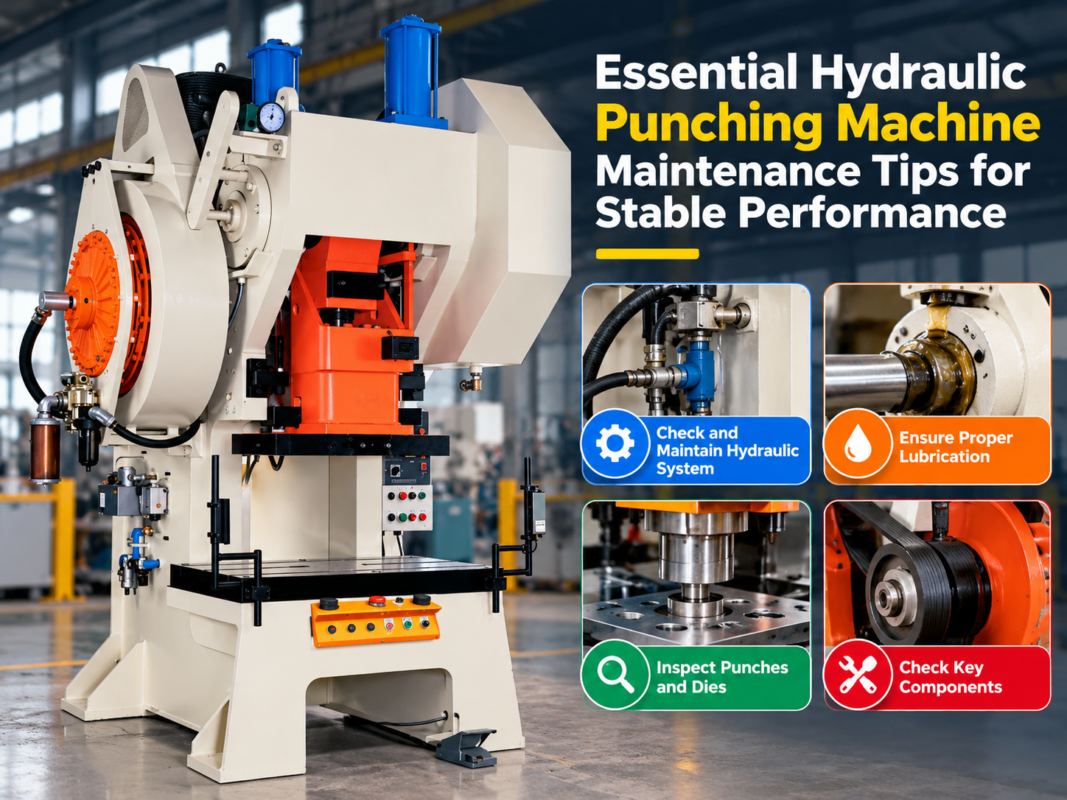
The drive system is the heart of the punching machine. Traditionally, mechanical presses used a flywheel and clutch mechanism to deliver a fixed amount of energy. While fast, they lacked flexibility in stroke control. Modern custom fabrication often utilizes hydraulic drive systems. Hydraulic punching machines allow for full control over the stroke length, speed, and pressure. This is crucial for forming operations where a slower, more controlled movement is required to prevent material cracking.
HARSLE’s hydraulic systems are designed for energy efficiency and high performance. By using variable-frequency drives and advanced valve technology, these machines can deliver the exact force needed for each punch, reducing wear on the machine and the tooling. This level of control is a primary reason why punching machines support custom metal fabrication projects involving sensitive or high-strength materials.
CNC Control and Software Integration
The “brain” of the punching machine is the CNC controller. Modern controllers feature user-friendly interfaces, 3D graphical displays, and the ability to import CAD files directly. This integration streamlines the transition from design to production. In custom fabrication, where a designer might send a new DXF or DWG file every day, the ability to quickly generate a punching program is vital.
Advanced software also includes features like “auto-tooling,” which automatically selects the best tools from the machine’s library to create the desired geometry. It also manages “micro-joints,” which are tiny tabs of metal that keep the part attached to the sheet until the entire process is finished, preventing parts from falling into the scrap bin or interfering with the machine’s movement.
Tooling Technology and Turret Configuration
The turret is where the magic happens. A high-capacity turret allows for a wide variety of tools to be ready at a moment’s notice. Some machines feature a “thick turret” design, which provides better tool guidance and longer tool life. The inclusion of auto-index stations allows tools to be rotated to any angle, providing the flexibility needed for complex custom shapes without the need for specialized, one-off tools.
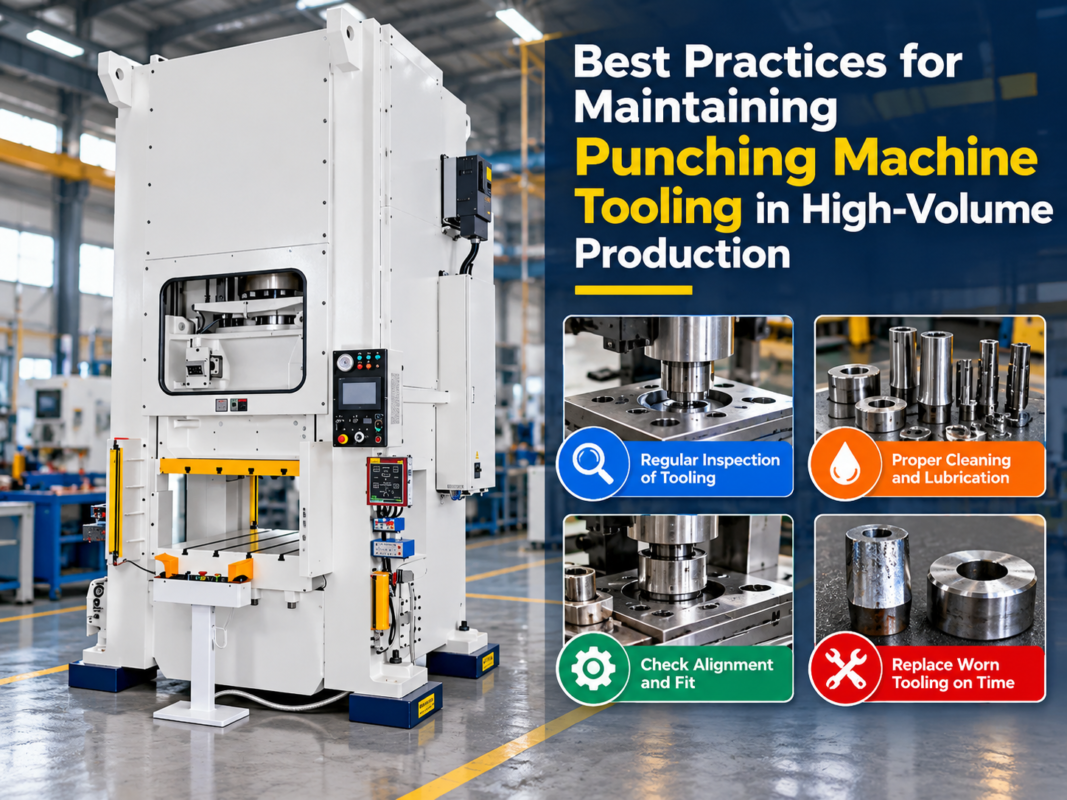
Tooling itself has also advanced. Long-life coatings, such as Titanium Nitride (TiN), reduce friction and heat buildup, extending the time between sharpenings. For custom fabrication shops, investing in high-quality tooling is just as important as the machine itself, as it directly impacts the quality of the finished part and the overall cost of production.
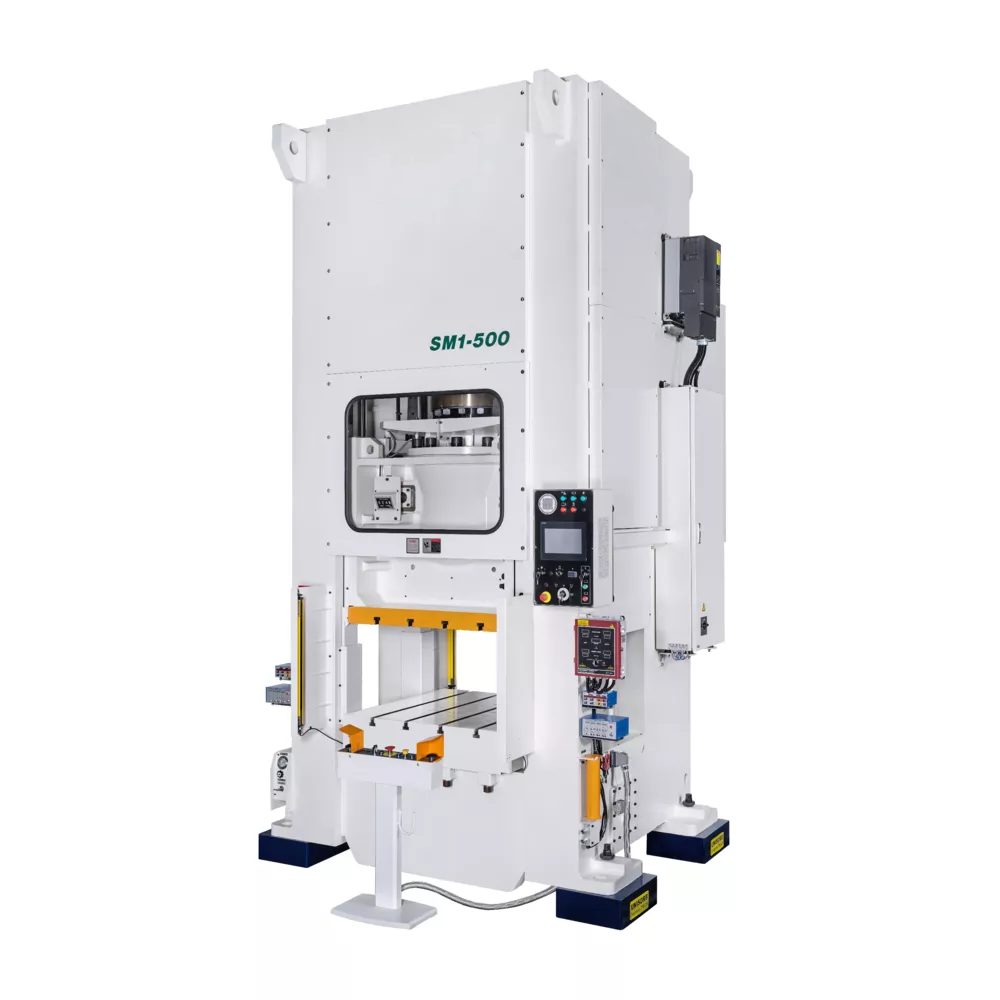
Selection Advice: Choosing the Right Machine for Your Projects
Assessing Tonnage and Capacity
The first step in selecting a punching machine is determining the required tonnage. Tonnage is the amount of force the machine can apply. To calculate the required tonnage for a specific hole, you use the formula: Perimeter of the hole × Material Thickness × Shear Strength of the material. For custom fabrication, it is wise to choose a machine with a higher tonnage than your current maximum requirement to allow for future growth and the ability to handle thicker or harder materials like stainless steel.
HARSLE offers a range of tonnages, typically from 20 to 50 tons, which covers the vast majority of sheet metal fabrication needs. Choosing the right capacity ensures that the machine operates within its limits, prolonging its lifespan and maintaining accuracy over years of service.
Evaluating Throat Depth and Sheet Size
Throat depth determines the maximum width of the sheet the machine can handle. If you frequently work with large panels for custom enclosures or architectural elements, a deep throat is essential. Additionally, consider the table size and the machine’s ability to reposition the sheet. Repositioning allows the machine to punch sheets that are longer than the physical travel of the X-axis, which is a vital feature for large-scale custom projects.
Automation and Future-Proofing
As your custom fabrication business grows, you may find that manual loading and unloading become a bottleneck. Many modern punching machines can be equipped with automated loading/unloading systems or even integrated into a larger flexible manufacturing system (FMS). When selecting a machine, consider whether it can be upgraded with automation in the future. Even if you don’t need it today, having the option can save you from having to replace the entire machine later.
Maintenance and Support
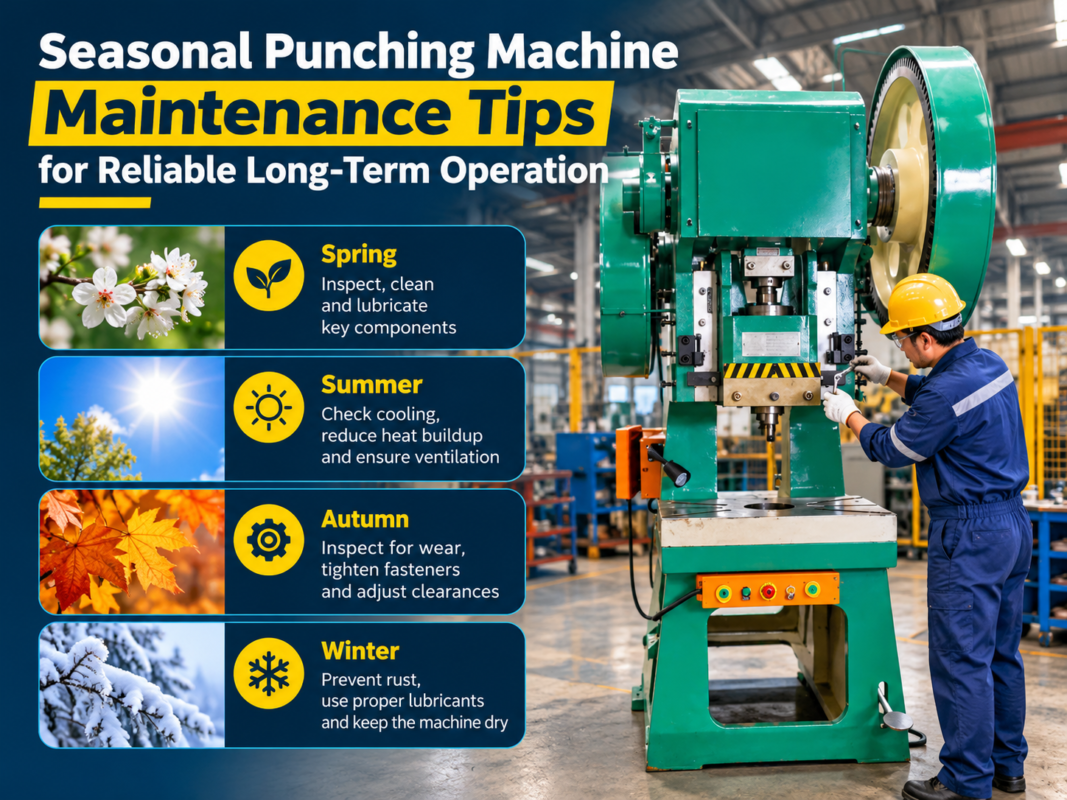
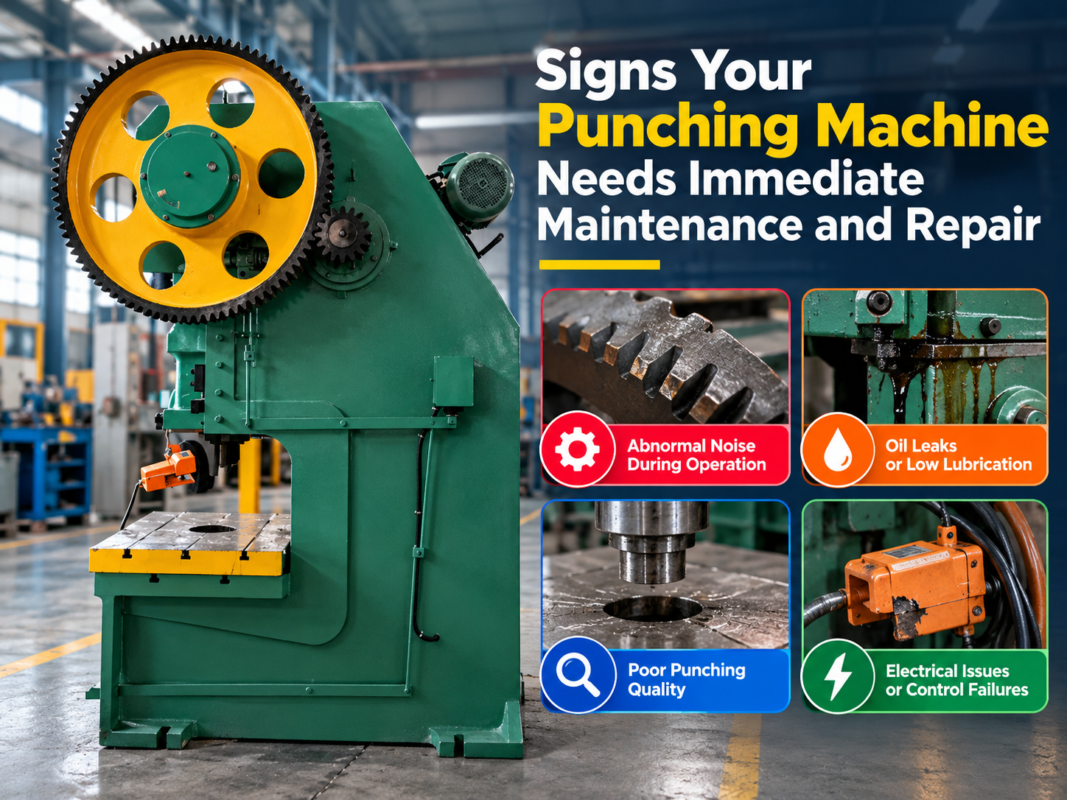
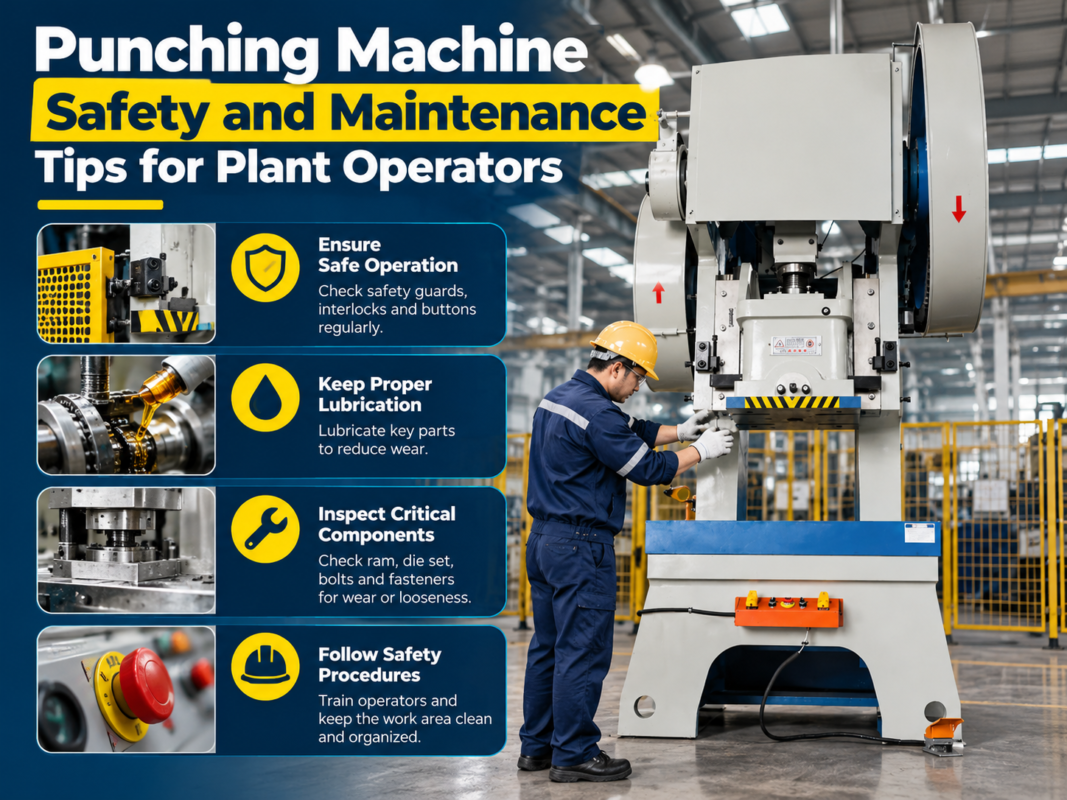
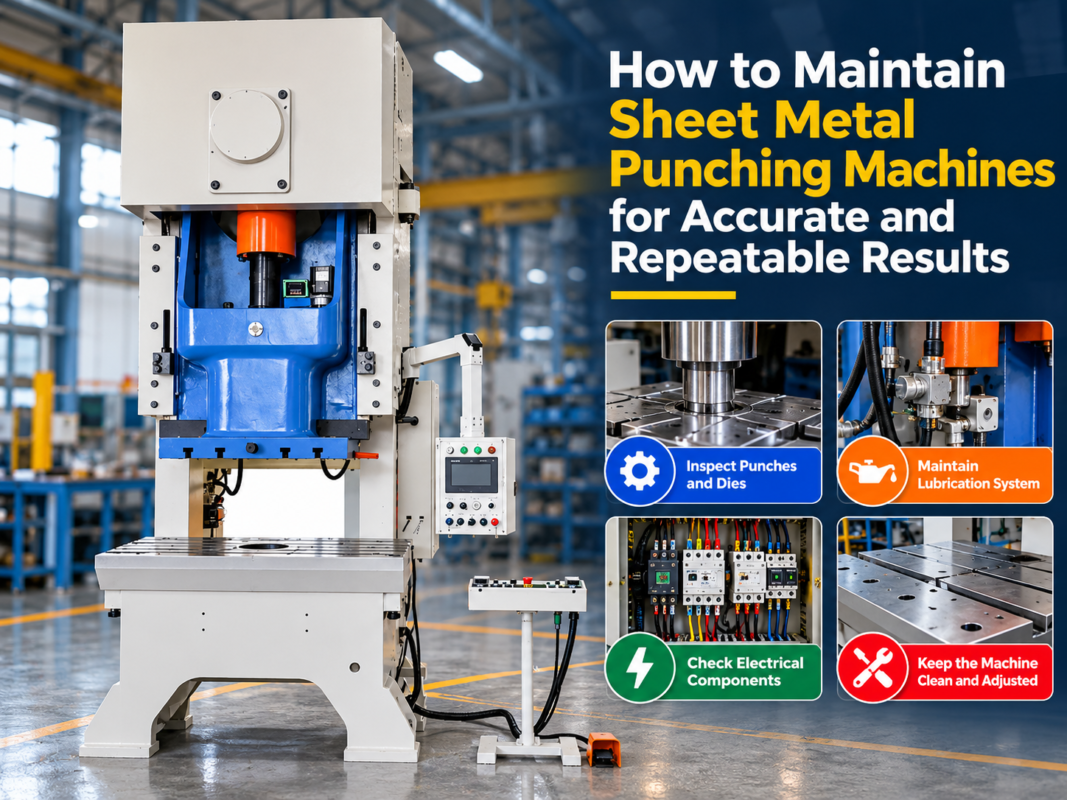
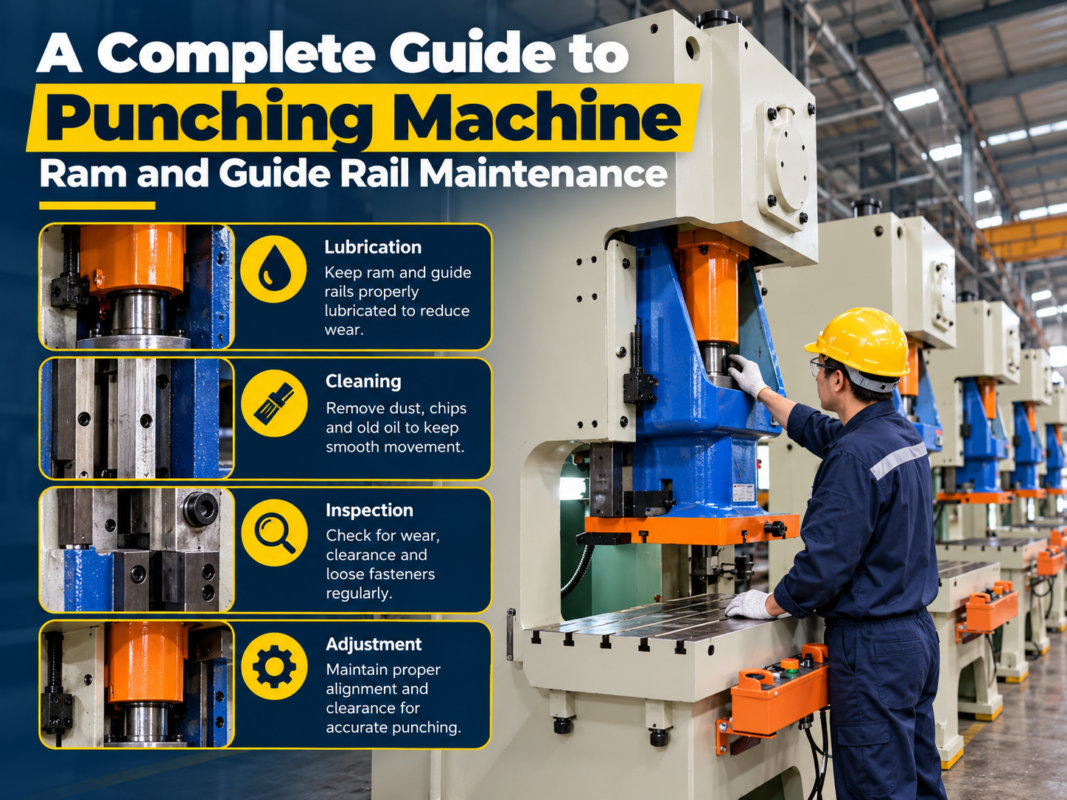
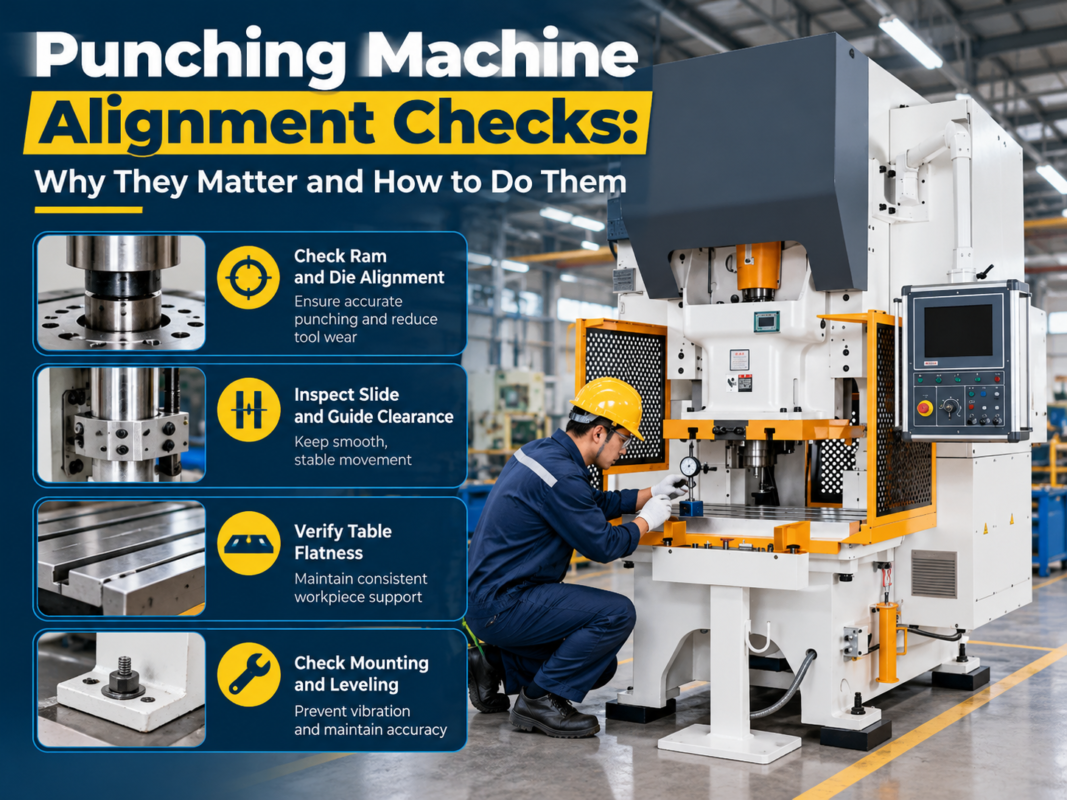
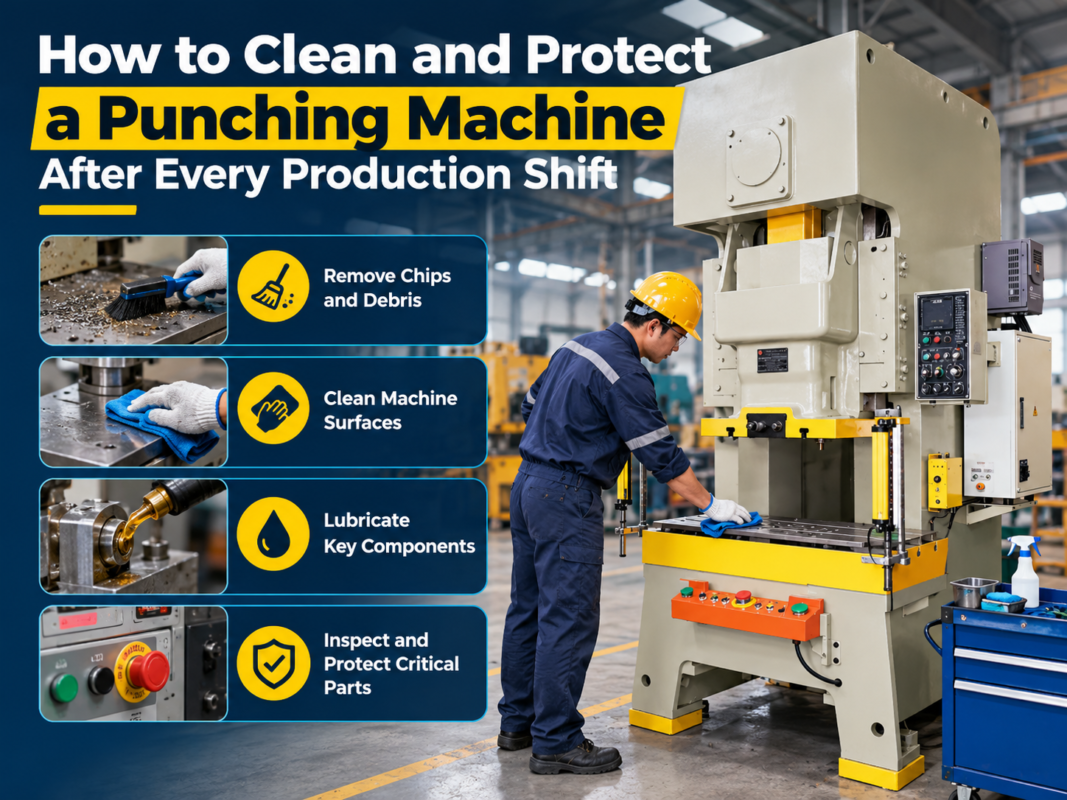
A punching machine is a significant investment, and its uptime is critical to your success. Look for a manufacturer like HARSLE that provides comprehensive technical support, readily available spare parts, and clear maintenance guidelines. Regular maintenance, such as lubricating moving parts, checking hydraulic fluid levels, and sharpening tools, is essential to ensure that your punching machines support custom metal fabrication projects without unexpected downtime.
Frequently Asked Questions (FAQ)
What materials can be processed by a punching machine?
Punching machines are highly versatile and can process a wide range of materials, including cold-rolled steel, hot-rolled steel, aluminum, stainless steel, copper, and brass. Some specialized machines can even handle plastics and certain composites. The key is to match the tool material and the machine’s tonnage to the specific properties of the metal being fabricated.
How does CNC punching compare to laser cutting for custom projects?
While laser cutting is excellent for very complex, organic shapes and thick materials, CNC punching is often faster and more cost-effective for parts with many holes, repetitive patterns, or required forming operations (like louvers). Punching also avoids the heat-affected zone, which can be a benefit for certain metallurgical requirements. Many shops use both technologies to cover the full spectrum of custom fabrication needs.
What is the typical accuracy of a CNC punching machine?
Modern CNC punching machines are incredibly accurate, typically offering positioning accuracy within +/- 0.1mm and repeatability within +/- 0.05mm. This level of precision is more than sufficient for the vast majority of industrial and commercial custom fabrication projects, ensuring that parts fit together perfectly during assembly.
Can a punching machine perform forming operations?
Yes, this is one of the primary ways punching machines support custom metal fabrication projects. With the right tooling, a punching machine can create louvers, countersinks, knockouts, ribs, and even small bends. This eliminates the need for secondary operations on other machines, saving time and reducing labor costs.
How often should punching tools be sharpened?
The frequency of sharpening depends on the material being punched, the thickness, and the number of hits. Generally, tools should be inspected regularly and sharpened as soon as a slight burr appears on the punched part. Keeping tools sharp reduces the force required for punching, improves part quality, and extends the life of the machine’s drive system.
Conclusion: The Future of Custom Fabrication with HARSLE
In conclusion, it is evident that punching machines support custom metal fabrication projects by providing a unique blend of speed, precision, and versatility. As the industry moves toward more complex designs and shorter production runs, the ability to quickly adapt and produce high-quality components is paramount. By investing in advanced punching technology, fabricators can not only meet the current demands of their clients but also position themselves for future growth in an increasingly competitive market.
HARSLE remains committed to pushing the boundaries of what is possible in metalworking. Our range of CNC punching machines is designed with the user in mind, offering the reliability and performance needed to tackle the most challenging custom projects. From the robust mechanical structure to the intuitive software interface, every aspect of a HARSLE machine is engineered to enhance your productivity and profitability.
Whether you are looking to upgrade your current capabilities or are just starting your journey in custom metal fabrication, understanding the role of the punching machine is essential. By choosing the right equipment, maintaining it properly, and leveraging the full power of CNC technology, you can turn any custom design into a reality with efficiency and excellence. The future of fabrication is here, and it is powered by the precision of the punch.