
Laser Cutting Machine Assist Gas Problems: Causes, Checks, and Fixes


Introduction to Assist Gas in Laser Cutting
In the realm of modern metal fabrication, the laser cutting machine stands as a pinnacle of precision and efficiency. However, even the most advanced HARSLE fiber laser systems rely heavily on a critical, often overlooked component: assist gas. Whether you are using oxygen, nitrogen, or compressed air, the assist gas is responsible for blowing molten material out of the kerf, cooling the heat-affected zone, and protecting the focusing lens from debris. When these systems fail, the result is poor edge quality, dross accumulation, or complete cutting failure.
Understanding Laser Cutting Machine Assist Gas Problems: Causes, Checks, and Fixes is essential for any operator or shop manager looking to maintain high throughput. Assist gas is not merely an accessory; it is a fundamental part of the cutting process. The interaction between the laser beam and the gas creates the chemical and physical reaction necessary to slice through steel, aluminum, or stainless steel. When the gas flow is inconsistent or contaminated, the entire cutting process is compromised.
This comprehensive guide explores the intricacies of assist gas systems. We will delve into why pressure fluctuations occur, how to identify gas purity issues, and the systematic checks required to keep your HARSLE equipment running at peak performance. By mastering these technical details, you can significantly reduce downtime and improve the longevity of your machine components.
Key Considerations for Assist Gas Selection
The choice of assist gas is dictated by the material type and the desired edge finish. Oxygen is typically used for carbon steel because it adds exothermic energy to the cut, allowing for faster speeds on thicker plates. Nitrogen, being an inert gas, is used for stainless steel and aluminum to prevent oxidation, resulting in a clean, bright edge. Compressed air is an economical alternative for thinner materials, though it requires high-quality filtration to prevent contamination.
One of the primary Laser Cutting Machine Assist Gas Problems: Causes, Checks, and Fixes involves using the wrong gas for the application. For instance, using oxygen on stainless steel will cause heavy oxidation and discoloration, rendering the part unusable for many industrial applications. Conversely, using nitrogen on thick carbon steel may result in an inability to penetrate the material effectively, as the exothermic reaction provided by oxygen is missing.
Purity is another critical factor. Industrial-grade gases are standard, but for high-precision applications, high-purity gases are required. Contaminants such as moisture or oil in the gas lines can lead to lens damage and inconsistent cut quality. Operators must ensure that their gas supply chain is reliable and that storage tanks are maintained according to safety and quality standards.
Finally, flow rate and pressure settings must be calibrated for every material thickness. A common mistake is using a static pressure setting for varying thicknesses. HARSLE laser cutting machines feature advanced CNC controllers that allow for dynamic gas pressure adjustments. Ignoring these settings or failing to update them when switching materials is a frequent cause of cutting defects.
Technical Details: Troubleshooting Gas Flow and Pressure
When you encounter Laser Cutting Machine Assist Gas Problems: Causes, Checks, and Fixes, the first step is to examine the pressure delivery system. Fluctuations in pressure are often caused by faulty regulators or undersized supply lines. If the pressure drops during a long cut, the laser will lose its ability to clear the molten metal, leading to a “blow-back” effect that can damage the nozzle or the lens.
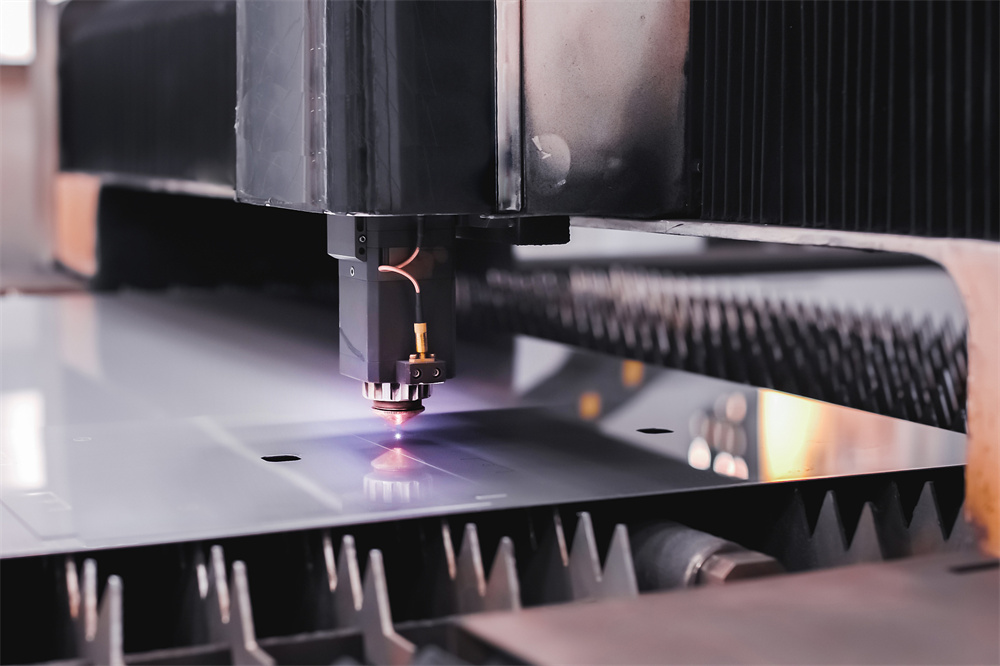
The nozzle itself is a critical point of failure. A damaged or misaligned nozzle will disrupt the gas flow pattern, creating turbulence instead of a laminar stream. This turbulence prevents the gas from effectively reaching the bottom of the cut. Operators should perform a visual inspection of the nozzle tip for burrs, slag buildup, or physical deformation. If the nozzle is not perfectly centered with the laser beam, the gas flow will be asymmetrical, resulting in slanted cut edges.
Another technical aspect is the condition of the gas hoses and seals. Over time, rubber seals can degrade, and hoses can develop micro-leaks. These leaks may not be audible but can cause a significant drop in pressure at the cutting head. Using a leak detection spray or a pressure decay test is a recommended maintenance procedure to ensure the integrity of the entire gas delivery circuit.
Furthermore, the solenoid valves that control the gas flow can become clogged with debris or fail electrically. If the valve does not open fully, the assist gas flow will be restricted. Regular maintenance of these valves, including cleaning and periodic replacement, is vital for consistent performance. Monitoring the pressure gauges on the machine console during operation can help identify these issues before they lead to scrap parts.

Selection Advice: Optimizing Your Gas Delivery System
Selecting the right gas delivery infrastructure is as important as choosing the laser machine itself. For high-volume shops, a bulk liquid nitrogen tank is often more cost-effective and reliable than individual cylinders. Liquid systems provide a constant, high-pressure supply that eliminates the downtime associated with changing cylinders. However, they require proper vaporization equipment to ensure the gas reaches the machine at the correct temperature.
When setting up your HARSLE laser cutting machine, consider the distance between the gas source and the machine. Long pipe runs can cause pressure drops. Installing a local buffer tank or a booster pump near the machine can help stabilize pressure. Additionally, high-quality filtration systems are non-negotiable. Even a small amount of oil or moisture in the assist gas can lead to catastrophic lens failure, which is one of the most expensive repairs in laser cutting.
It is also advisable to invest in automated gas switching systems. These systems allow the machine to switch between different gases (e.g., from oxygen to nitrogen) automatically based on the program. This reduces human error and ensures that the correct gas is always used for the specific material being processed. Automation not only improves efficiency but also protects the machine from accidental damage caused by incorrect gas selection.
Finally, always consult the manufacturer’s documentation for your specific HARSLE model. Different laser powers and focal lengths require different gas flow dynamics. Keeping a log of successful cutting parameters for various materials and thicknesses will serve as a valuable reference for your operators and help in troubleshooting future issues quickly.
FAQ: Common Questions About Assist Gas
- Q: Why is my laser cut edge rough?
A: Rough edges are often caused by insufficient gas pressure or an incorrect nozzle size. Check your pressure settings and inspect the nozzle for damage or debris. - Q: How often should I check my gas lines for leaks?
A: We recommend a visual inspection weekly and a formal pressure decay test every three months to ensure no micro-leaks are affecting your cut quality. - Q: Can I use shop air for all my cutting needs?
A: Shop air can be used for many applications, but it must be extremely dry and oil-free. If your air compressor system does not have a high-quality refrigerated dryer and multi-stage filtration, you risk damaging your optics. - Q: What is the most common cause of nozzle damage?
A: Nozzle damage is most frequently caused by collisions with the workpiece or excessive slag buildup. Regular cleaning and ensuring the height-sensing system is calibrated correctly can prevent this. - Q: Does gas purity affect cutting speed?
A: Yes. Impure gas can lead to inconsistent chemical reactions at the cut site, forcing you to slow down the cutting speed to maintain edge quality.
Conclusion
Mastering Laser Cutting Machine Assist Gas Problems: Causes, Checks, and Fixes is a journey toward operational excellence. By understanding the vital role that assist gas plays in the cutting process, you can transform your metal fabrication workflow from reactive to proactive. Whether it is ensuring the purity of your nitrogen, maintaining the integrity of your gas lines, or simply selecting the correct nozzle for the job, every detail contributes to the precision and reliability of your HARSLE laser cutting machine.
Remember that the machine is only as good as its maintenance. Regular inspections, proper operator training, and a commitment to using high-quality consumables will pay dividends in the form of reduced scrap rates, longer component life, and higher customer satisfaction. As you continue to push the boundaries of what your fabrication shop can achieve, let this guide serve as your foundation for maintaining the perfect gas-assisted cutting environment.
For further assistance with your HARSLE equipment or to explore our latest range of industrial metal fabrication machinery, please contact our technical support team. We are dedicated to helping you achieve the highest standards in metal cutting technology, ensuring your business remains competitive in an ever-evolving industrial landscape.












