Manual Shearing Machine vs Hydraulic Shearing Machine: Pros, Cons, and Applications


Introduction to Metal Shearing Technology
In the world of metal fabrication, the ability to produce clean, straight, and accurate cuts is the foundation of every successful project. Shearing is a process that involves cutting sheet metal or plates using a high-pressure slicing action, typically between a moving upper blade and a fixed lower blade. As industries evolve, the choice between a Manual Shearing Machine and a Hydraulic Shearing Machine becomes a critical decision for workshop owners and production managers. This choice impacts not only the initial capital expenditure but also long-term productivity, labor costs, and the quality of the finished product.
While both machines serve the same fundamental purpose—separating metal—they operate on vastly different mechanical principles. Manual machines rely on human physical force or simple mechanical leverage, making them staples in small-scale workshops and educational settings. In contrast, hydraulic shearing machines utilize fluid power to generate massive force, enabling the processing of thick plates and high-volume production runs. Understanding the nuances of Manual Shearing Machine Vs Hydraulic Shearing Machine: Pros, Cons, Applications is essential for optimizing your fabrication workflow and ensuring a high return on investment (ROI).
Comparison Summary: At a Glance
Before diving into the technical specifics, it is helpful to understand the high-level differences between these two categories of machinery. Manual shearing machines are characterized by their simplicity, portability, and low operating costs. They are best suited for thin-gauge materials and low-volume tasks where precision requirements are moderate. On the other hand, hydraulic shearing machines are the workhorses of modern industry. They offer unmatched power, automated controls, and the ability to handle heavy-duty materials like stainless steel and thick carbon steel with extreme precision.
The transition from manual to hydraulic often marks a significant milestone in a fabrication business’s growth. While a manual shear might suffice for a startup or a prototype shop, the efficiency gains provided by a hydraulic system are indispensable for any operation looking to scale. In the following sections, we will break down the mechanics, advantages, and limitations of each type to help you determine which machine aligns with your specific operational needs.
Manual Shearing Machine Overview
What is a Manual Shearing Machine?
A manual shearing machine, often referred to as a foot shear or a hand-lever shear, is a piece of equipment that uses human power to actuate the cutting blade. These machines typically feature a long lever arm or a foot pedal that provides the mechanical advantage necessary to cut through sheet metal. The design is straightforward: a heavy frame supports a fixed lower blade, while the upper blade is attached to a movable beam. When the operator applies pressure to the lever or pedal, the upper blade descends, shearing the material placed on the worktable.
The Mechanics of Manual Shearing
The efficiency of a manual shear is largely dependent on the length of the lever arm and the sharpness of the blades. Most manual shears are designed to cut materials up to 1.5mm or 2mm in thickness, depending on the material’s tensile strength. Because they do not require electricity or hydraulic fluid, they are incredibly reliable and have very few moving parts that can fail. However, the physical demand on the operator is significant, especially during long shifts or when cutting tougher materials like aluminum alloys or thin stainless steel.
Pros of Manual Shearing Machines
- Cost-Effectiveness: Manual shears are significantly more affordable than their hydraulic counterparts, making them accessible for small businesses and hobbyists.
- Zero Energy Consumption: Since they operate on human power, there are no electricity costs associated with their use.
- Portability and Space: These machines are generally lighter and have a smaller footprint, allowing them to be moved easily within a workshop.
- Low Maintenance: With no motors, pumps, or valves, maintenance is limited to occasional blade sharpening and lubrication of pivot points.
Cons of Manual Shearing Machines
- Limited Capacity: They cannot cut thick plates; most are capped at 16-gauge or 14-gauge mild steel.
- Operator Fatigue: Continuous use can lead to physical strain, reducing productivity over the course of a workday.
- Lower Precision: Without CNC controls or automated backgauges, achieving perfectly repeatable cuts is more challenging and time-consuming.
- Safety Risks: While they lack high-pressure hydraulics, the manual nature of the machine requires the operator to be in close proximity to the cutting zone, necessitating strict adherence to safety protocols.
Hydraulic Shearing Machine Overview
What is a Hydraulic Shearing Machine?
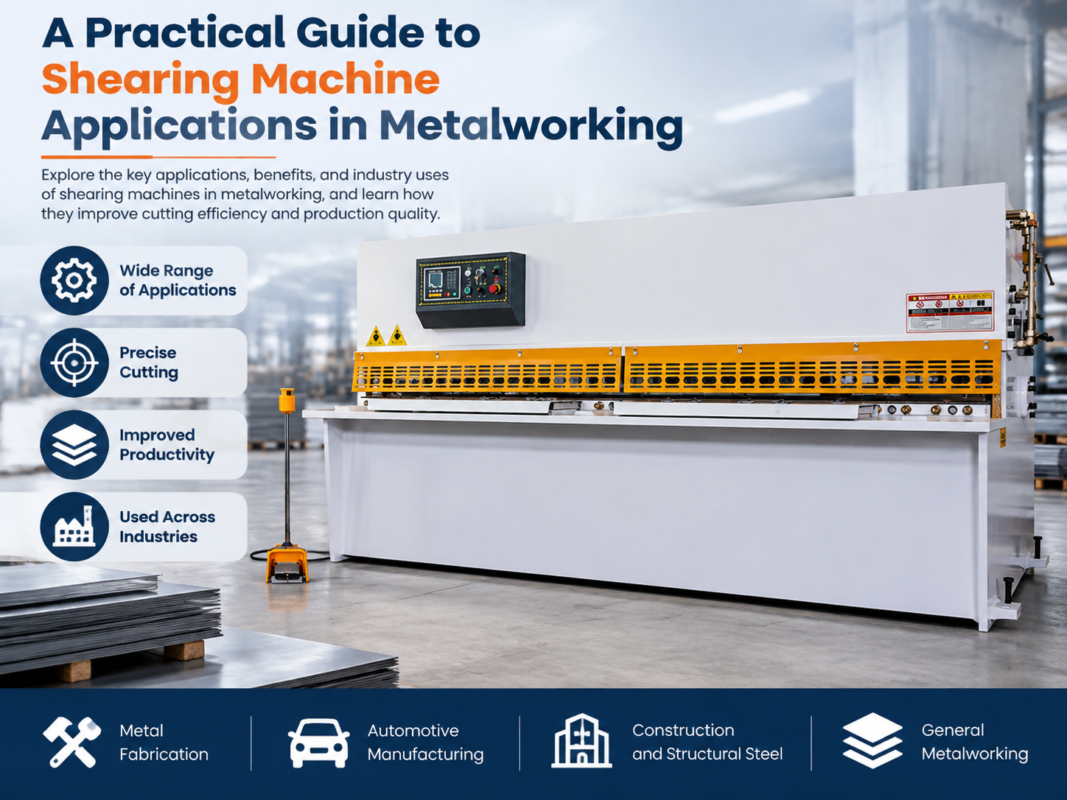
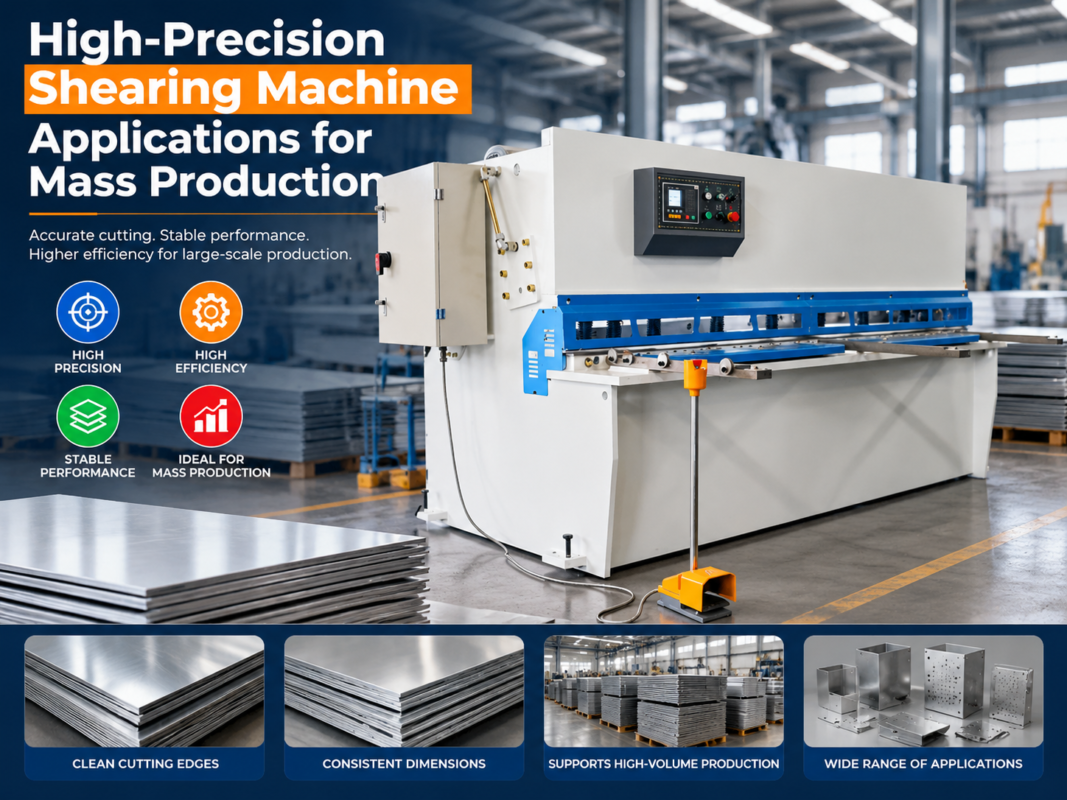
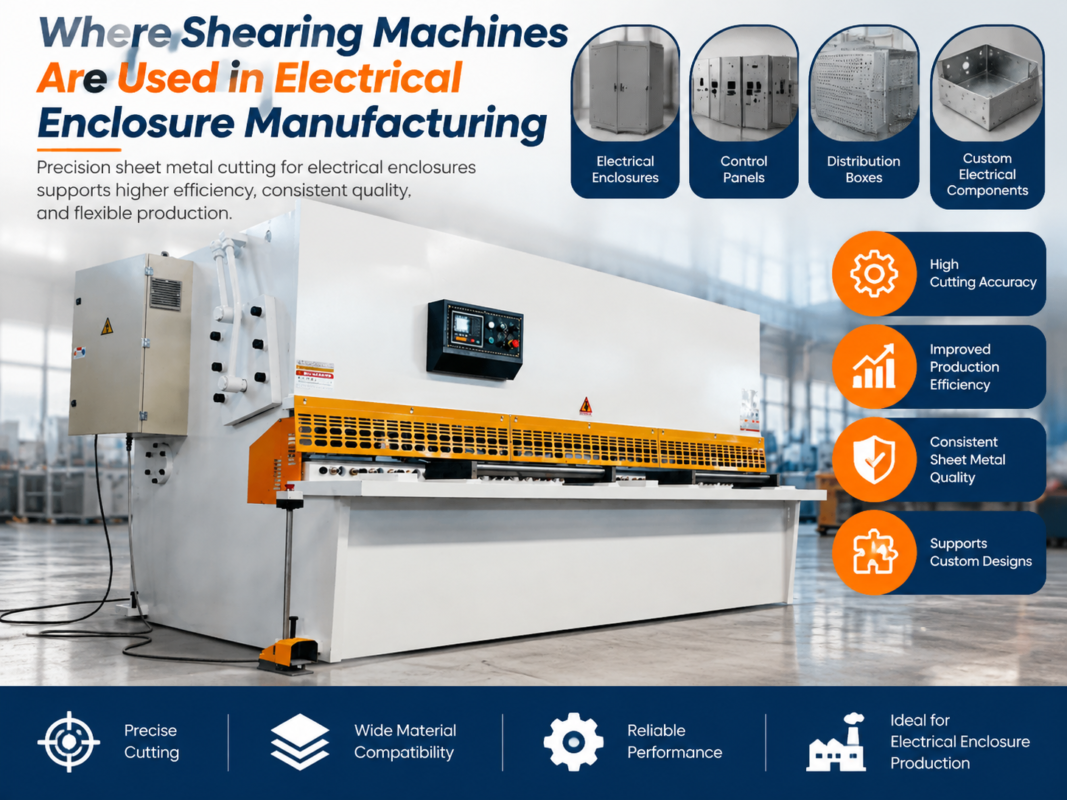
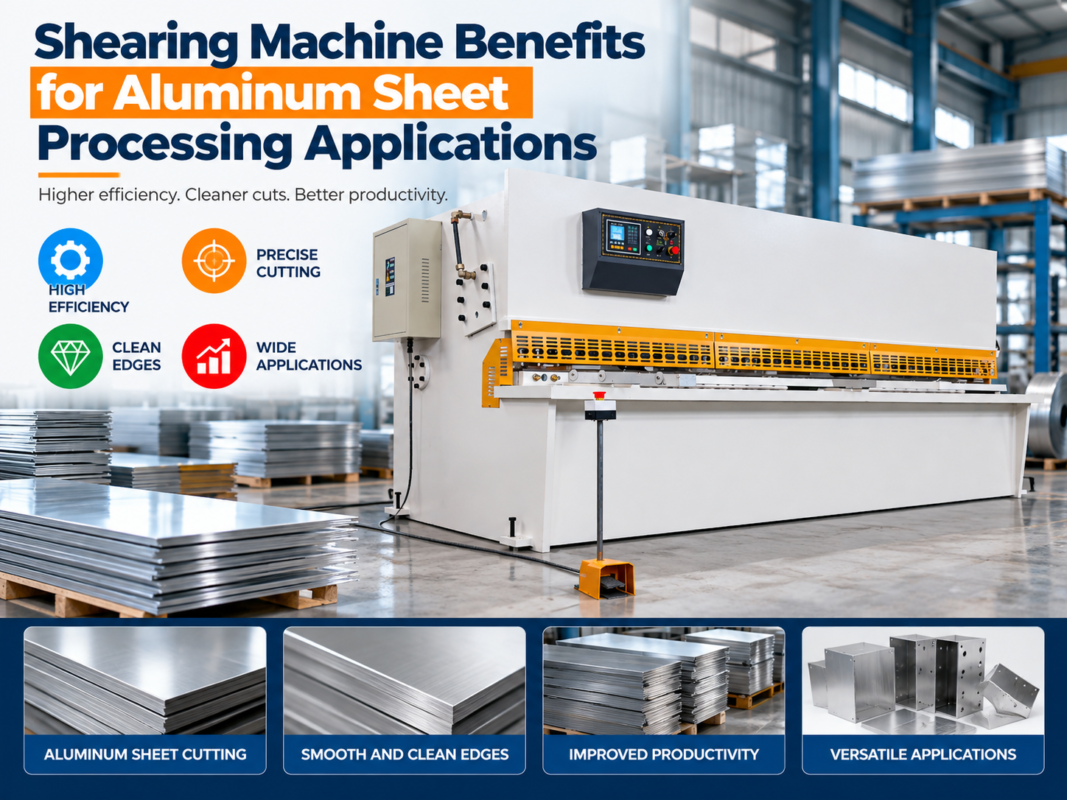
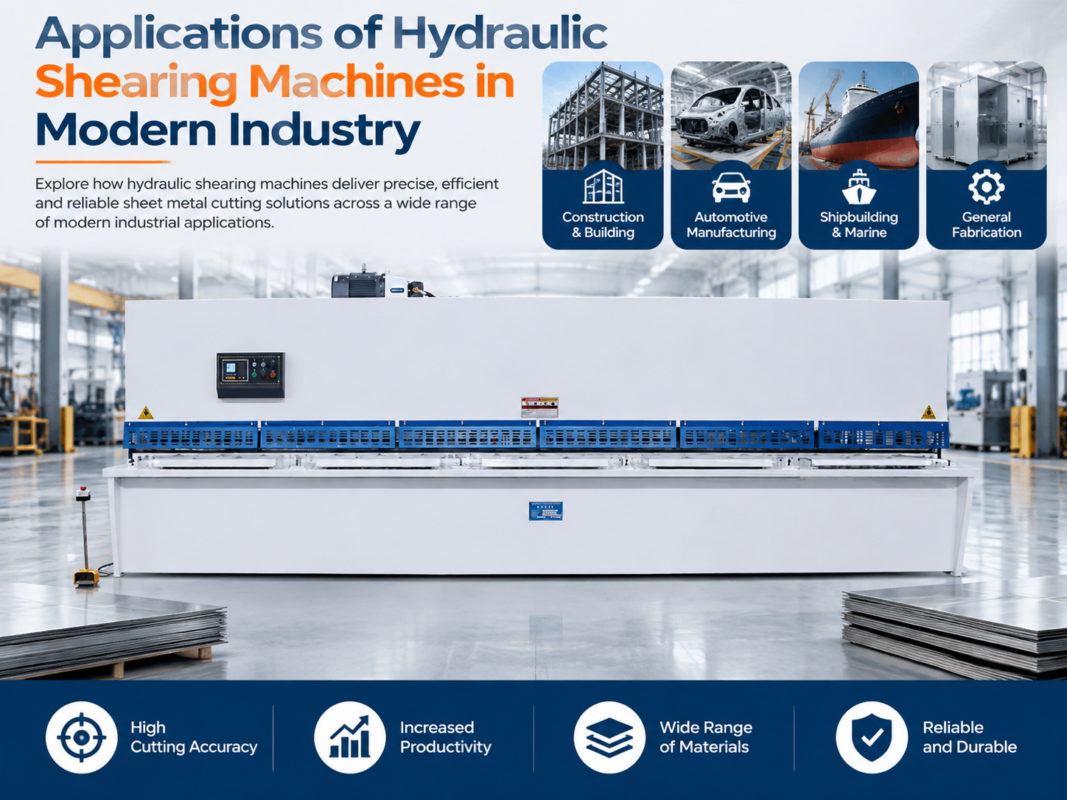
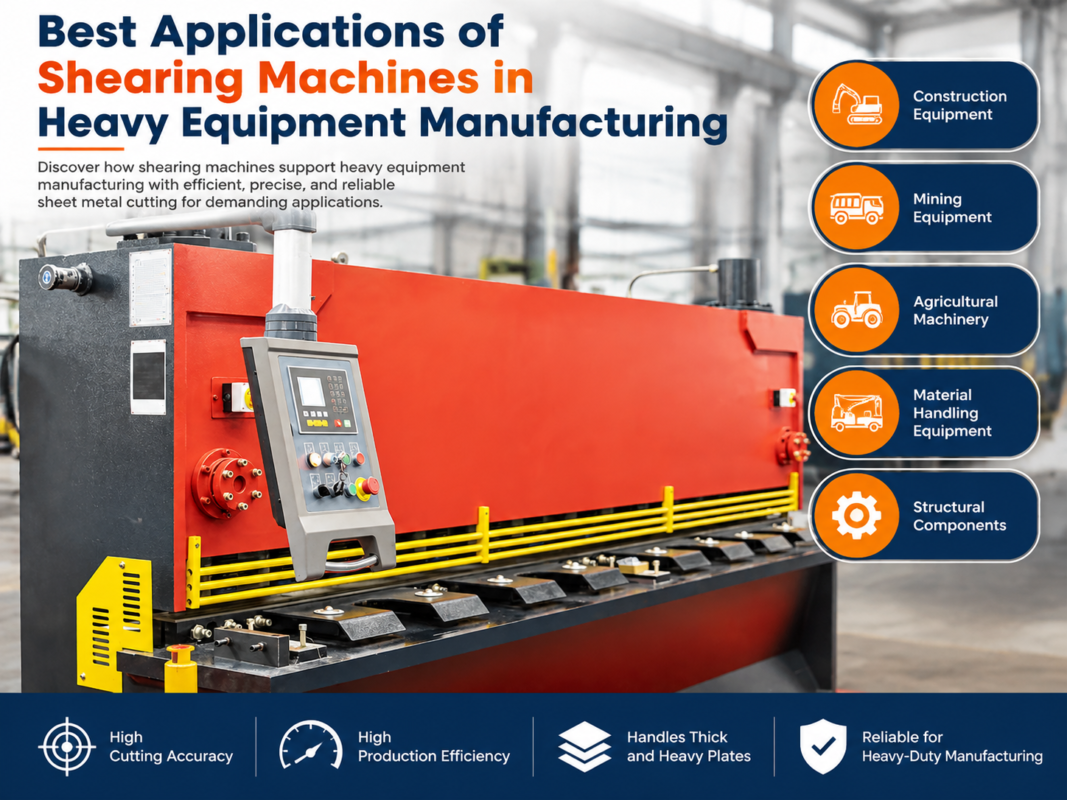
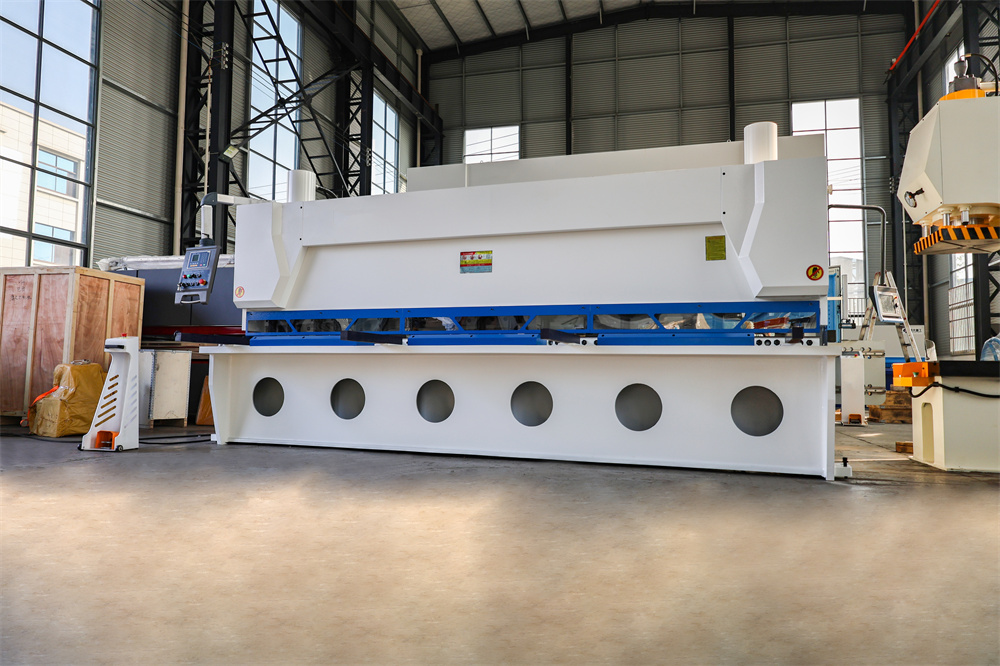
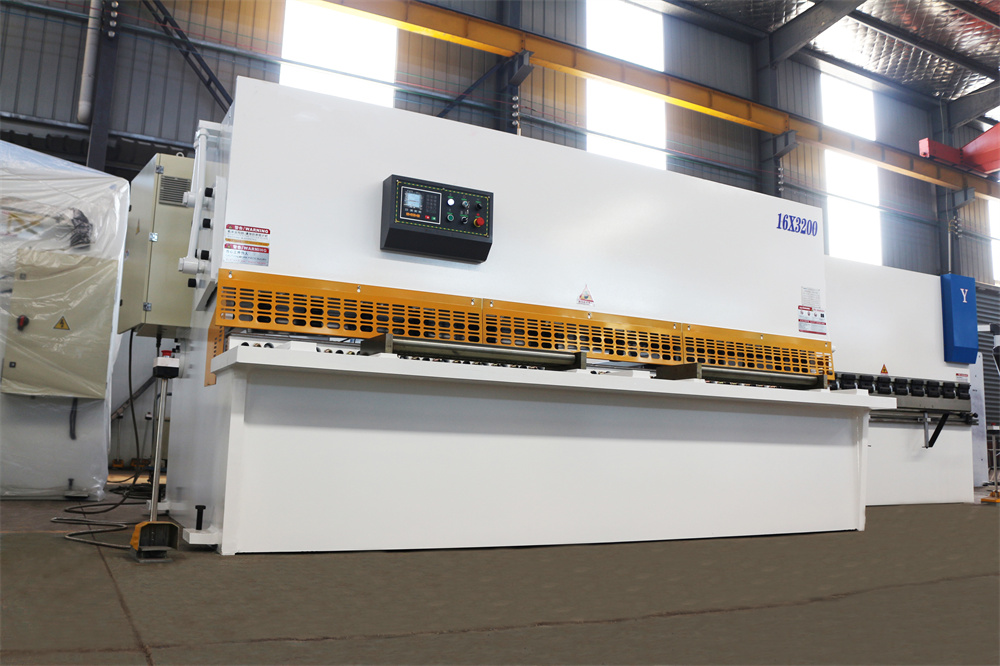
A hydraulic shearing machine is a sophisticated industrial tool that uses hydraulic cylinders to drive the upper blade. These machines are designed for heavy-duty applications, capable of cutting plates ranging from 4mm to over 30mm in thickness. HARSLE hydraulic shears, for example, often incorporate advanced NC or CNC control systems (such as the E21 or DAC360T) to automate the cutting process, adjust the blade gap, and manage the backgauge position with sub-millimeter accuracy.
Swing Beam vs. Guillotine Designs
Hydraulic shears generally fall into two categories: Swing Beam (QC12Y/K series) and Guillotine (QC11Y/K series). The swing beam shear uses a circular arc movement for the upper blade, which is simpler and highly durable for standard cutting tasks. The hydraulic guillotine shear, however, moves the upper blade in a perfectly vertical line. This vertical movement allows for adjustable rake angles, which minimizes distortion and bowing in the cut piece—a critical feature when working with very thick or very thin materials.
Pros of Hydraulic Shearing Machines
- High Power and Capacity: Capable of shearing thick steel plates that would be impossible to cut manually.
- Precision and Repeatability: Automated backgauges and digital controllers ensure that every cut is identical, reducing waste and improving quality.
- Speed and Efficiency: Hydraulic systems allow for rapid cycling, significantly increasing the number of cuts per hour compared to manual methods.
- Adjustability: Operators can easily adjust the blade gap and rake angle to suit different material thicknesses, ensuring a clean edge every time.
Cons of Hydraulic Shearing Machines
- Higher Initial Investment: The complexity and power of these machines come with a higher price tag.
- Maintenance Requirements: They require regular oil changes, seal inspections, and electrical system checks to remain in peak condition.
- Energy Usage: These machines require a consistent power supply and can consume significant electricity during heavy operation.
Specification Comparison Table
To better visualize the differences, the following table compares the typical specifications of a standard manual shear versus an industrial-grade hydraulic shear.
| Feature | Manual Shearing Machine | Hydraulic Shearing Machine |
|---|---|---|
| Max Cutting Thickness | Up to 1.5mm – 2.0mm | 4mm to 40mm+ |
| Power Source | Human (Foot/Hand) | Hydraulic Pump / Electric Motor |
| Control System | Manual Adjustment | NC or CNC (e.g., E21, DAC360T) |
| Cutting Speed | Slow (Dependent on Operator) | Fast (High Strokes Per Minute) |
| Precision | Moderate (+/- 0.5mm) | High (+/- 0.1mm or better) |
| Blade Gap Adjustment | Manual / Fixed | Automatic or Manual Quick-Adjust |
| Backgauge Range | Short (Manual) | Long (Motorized/Programmable) |
| Ideal For | HVAC, Prototyping, Thin Sheets | Heavy Industry, Mass Production |
Best-fit Applications
When to Choose a Manual Shearing Machine
Manual shears are the ideal choice for specific environments where the workload is light and the materials are thin. They are commonly found in:
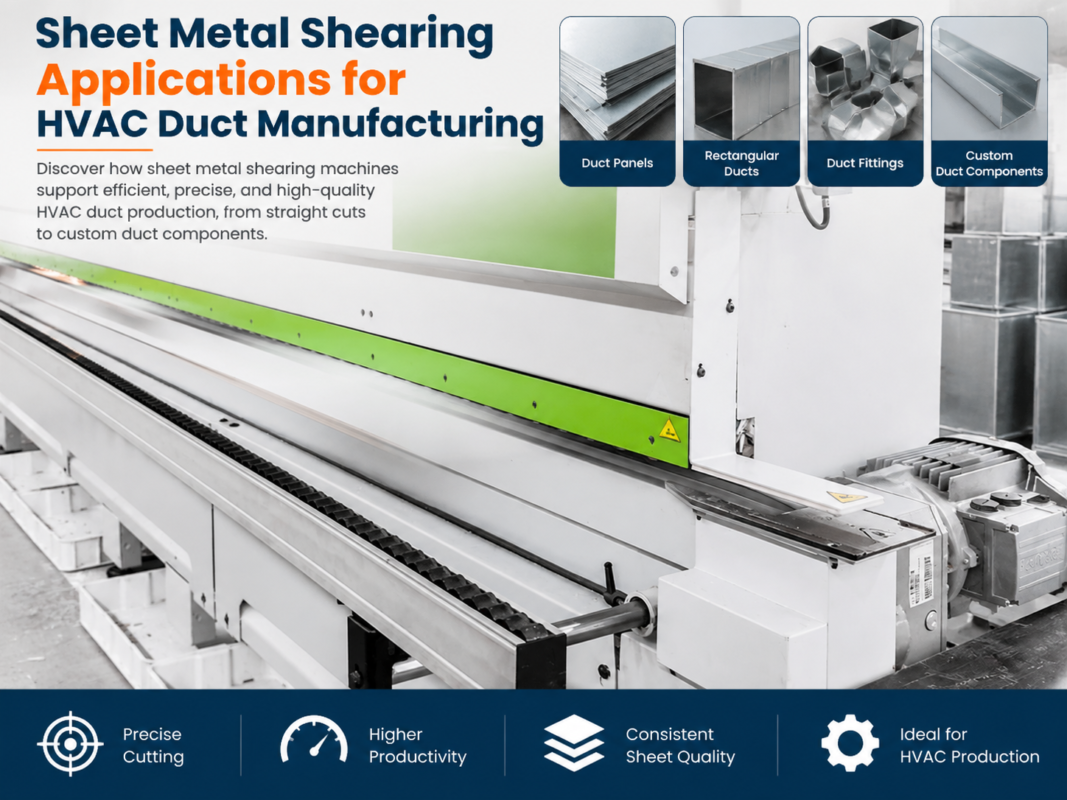
- HVAC Ductwork: Cutting thin galvanized steel for ventilation systems.
- Art and Jewelry Studios: Precise cutting of copper, brass, and silver sheets.
- Educational Workshops: Teaching the fundamentals of metalwork without the complexity of hydraulic systems.
- Maintenance Departments: Quick, on-the-spot repairs where bringing a large machine isn’t feasible.
When to Choose a Hydraulic Shearing Machine
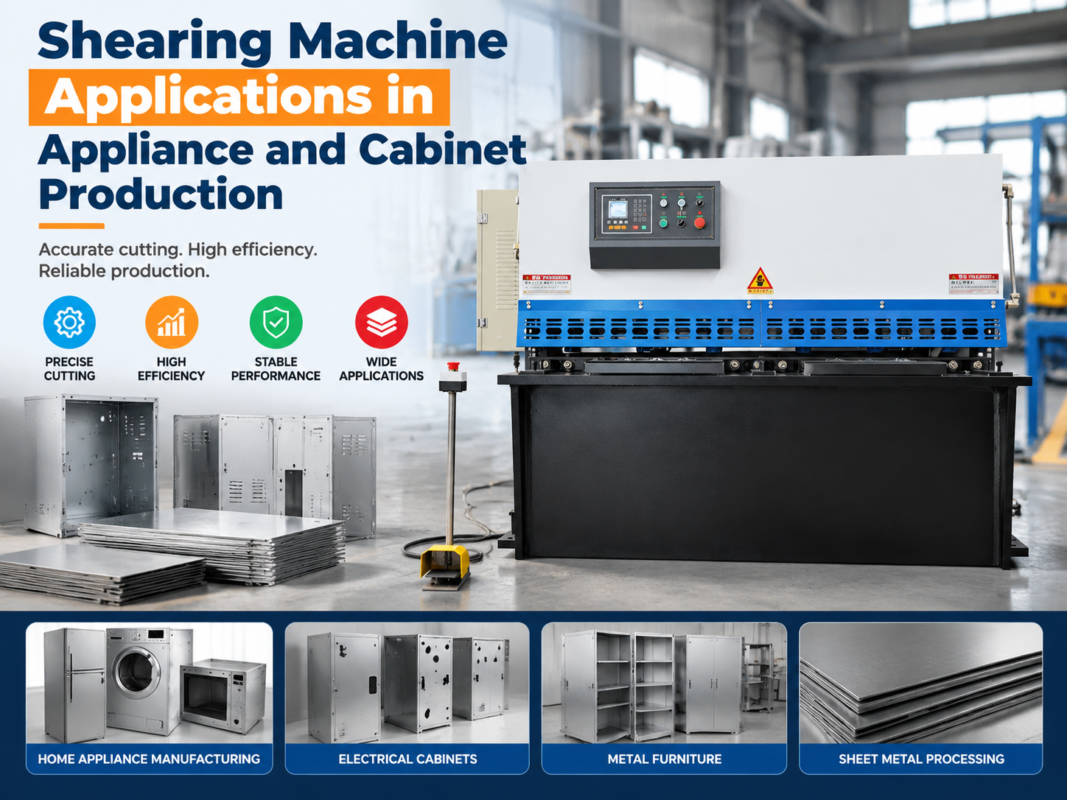
Hydraulic shears are mandatory for any facility that prioritizes throughput and handles diverse material thicknesses. Key applications include:
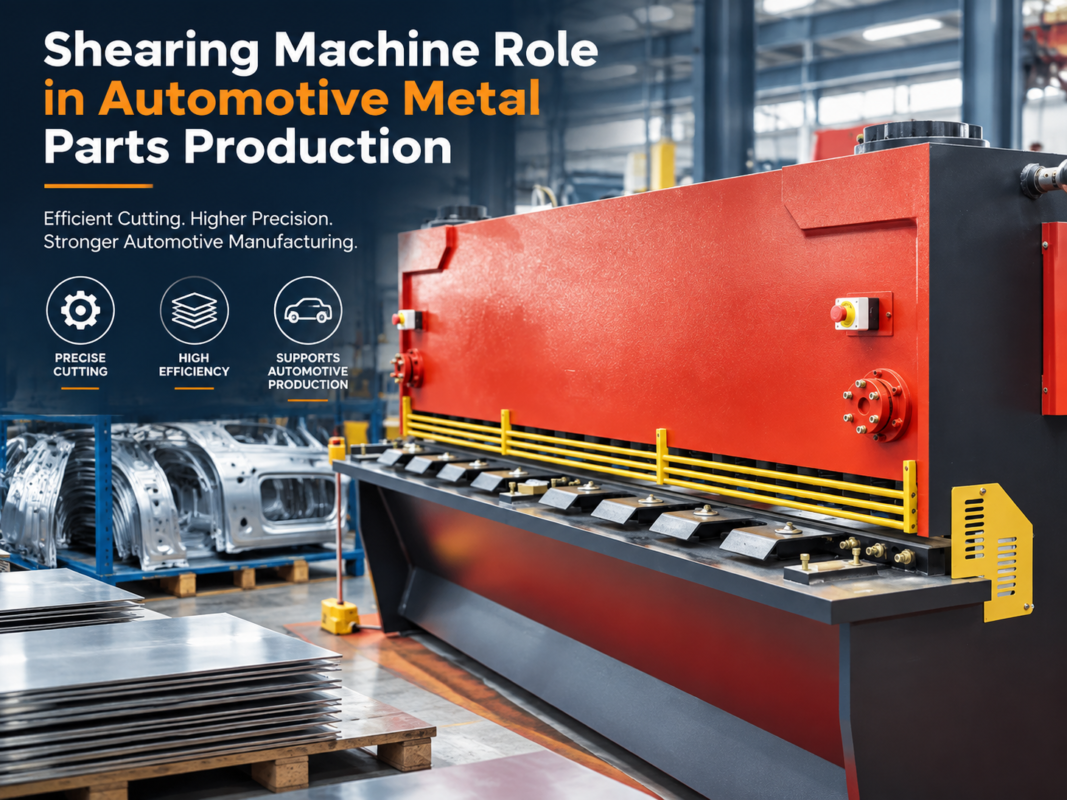
- Automotive Manufacturing: Cutting chassis components and body panels.
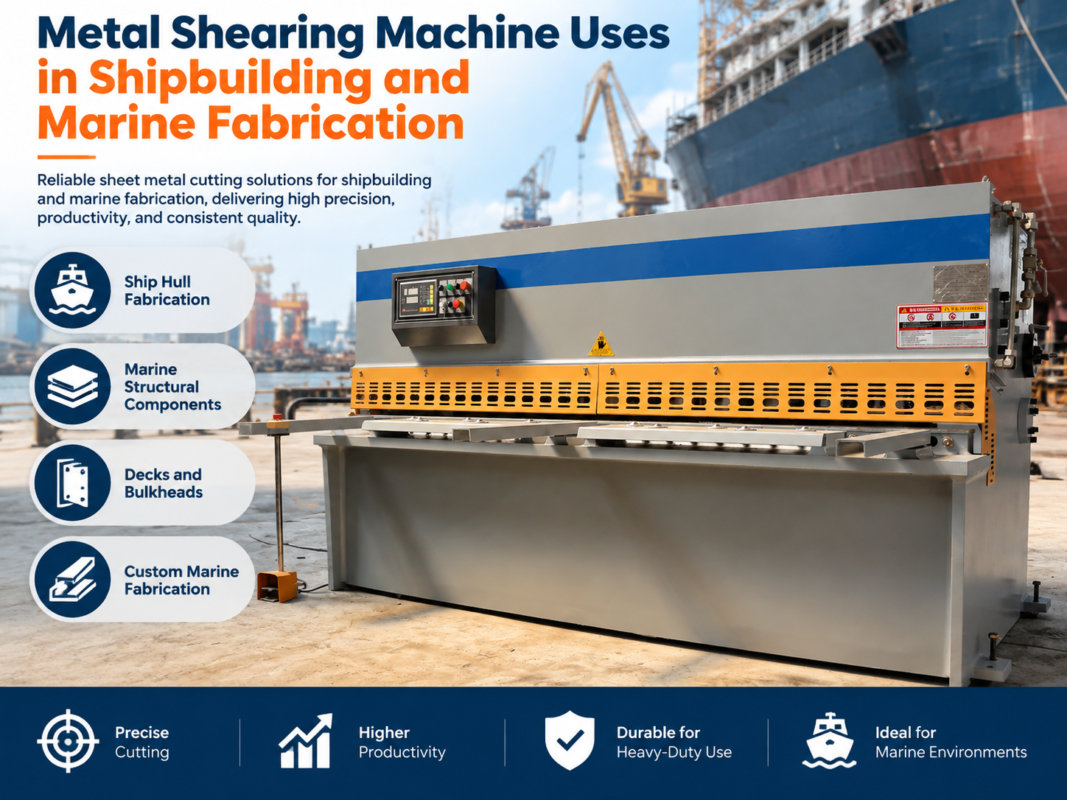
- Shipbuilding and Infrastructure: Processing massive steel plates for hulls and bridges.
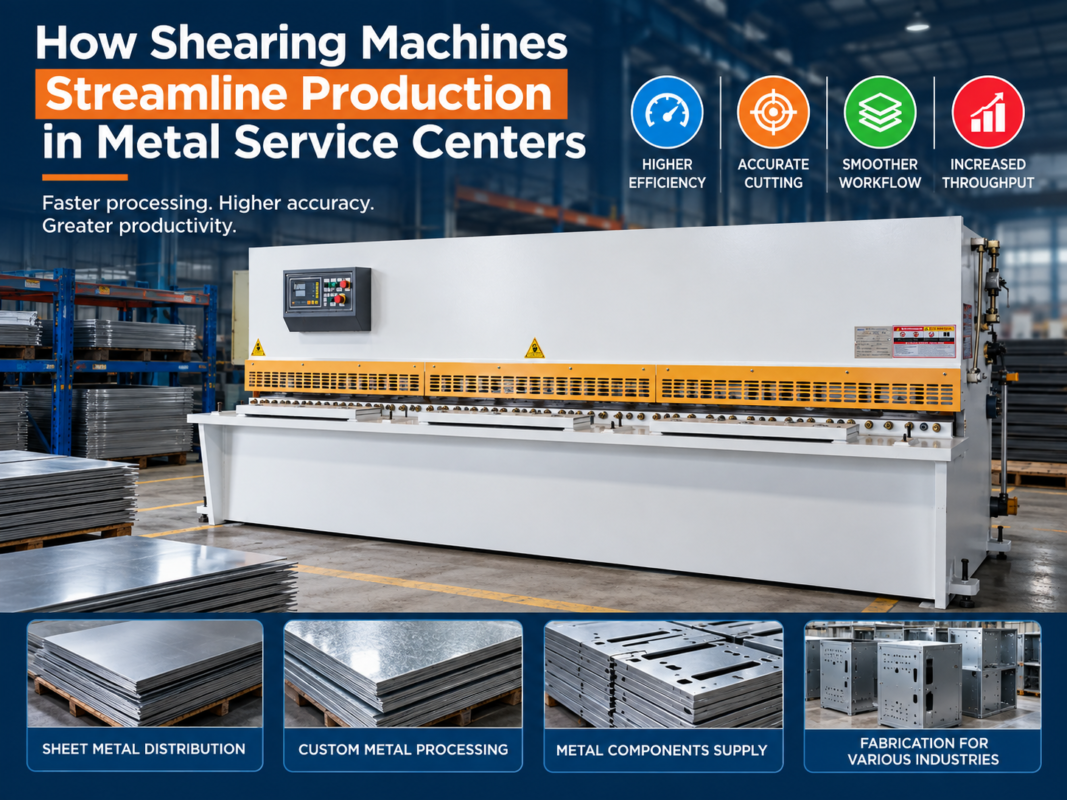
- General Fabrication Shops: Handling a variety of customer orders that range from thin aluminum to thick carbon steel.
- Aerospace: Where high-precision cuts in specialized alloys are required to meet strict tolerances.
Cost and Maintenance Comparison
Initial Investment vs. Long-term ROI
The cost of a manual shear can range from a few hundred to a few thousand dollars. For a small shop, this is often the only viable entry point. However, if that shop begins to lose hours of labor to manual cutting or suffers from high scrap rates due to human error, the “cheap” manual shear becomes expensive. A hydraulic shear, while costing tens of thousands of dollars, pays for itself through labor savings, increased material yield, and the ability to take on larger, more profitable contracts.
Maintenance Deep Dive
Maintenance for a manual shear is almost non-existent; keeping the blades sharp and the joints oiled is usually enough. For a hydraulic shear, maintenance is a scheduled necessity. This includes monitoring hydraulic fluid levels, replacing filters, checking for leaks in hoses, and ensuring the electrical components are free from dust. HARSLE machines are designed with accessible components to make this maintenance as straightforward as possible, but it remains a factor in the total cost of ownership.
Recommendation: Which One Should You Buy?
The decision ultimately rests on three factors: Material, Volume, and Budget.
If you are working exclusively with materials thinner than 1.5mm and your production volume is low (e.g., a few cuts per hour), a high-quality manual shear is a sensible and economical choice. It provides the necessary utility without the overhead of power and maintenance.
However, if your business involves cutting plates thicker than 2mm, or if you find your team spending more than 20% of their day at the shearing station, it is time to invest in a hydraulic shearing machine. The precision of a CNC-controlled hydraulic shear will elevate the quality of your work, allowing for better fitment in subsequent welding or assembly stages. For most growing fabrication businesses, the Hydraulic Swing Beam Shear offers the best balance of performance and value.
Frequently Asked Questions (FAQ)
1. Can a manual shear cut stainless steel?
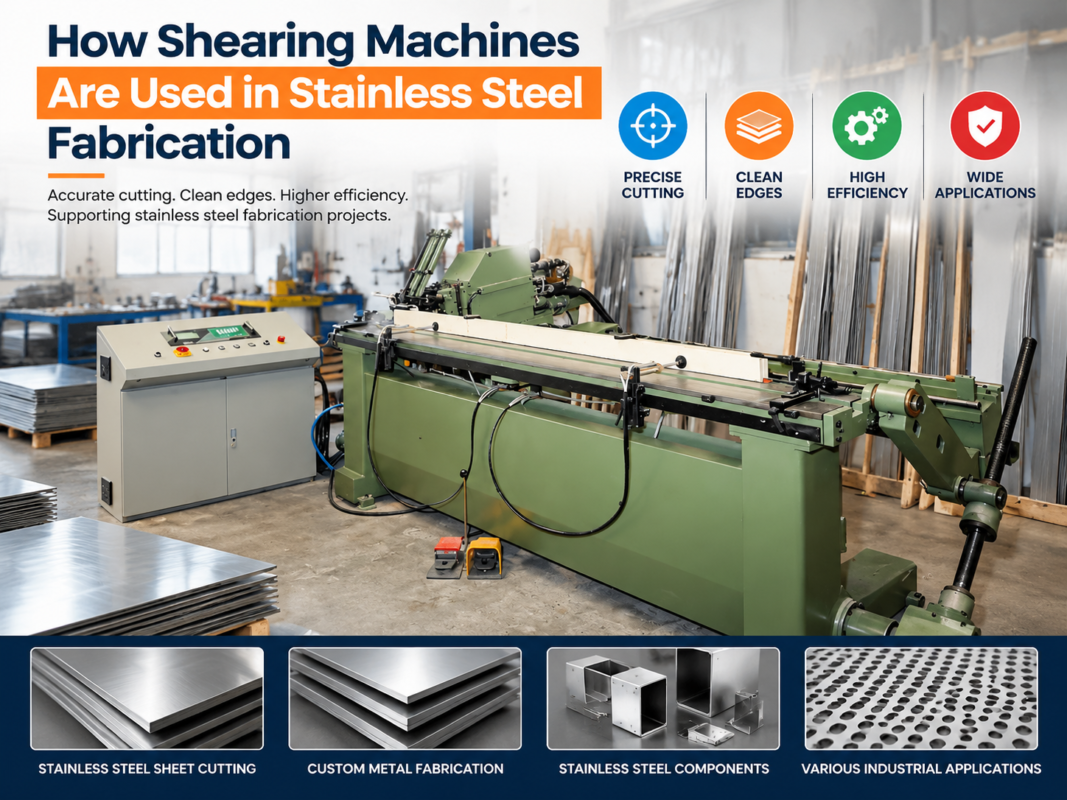
Yes, but with limitations. Stainless steel is much harder than mild steel. A manual shear rated for 1.5mm mild steel may only be able to handle 0.8mm or 1.0mm stainless steel. Attempting to cut thicker stainless manually can damage the blades and exhaust the operator.
2. How often do hydraulic shearing blades need sharpening?
This depends on the material being cut. For mild steel, blades can last for thousands of cuts. If you frequently cut abrasive or high-tensile materials, you may need to rotate or sharpen the blades every 6 to 12 months. Most hydraulic shears feature four-sided blades that can be rotated to provide a fresh cutting edge.
3. Is a hydraulic shear safer than a manual one?
Modern hydraulic shears come equipped with advanced safety features like light curtains, emergency stop buttons, and finger guards. While the force involved is much higher, these safety systems often make the hydraulic shear safer in a professional environment compared to manual shears, which may lack standardized safety guarding.
4. What is the “rake angle” in hydraulic shearing?
The rake angle is the angle of the upper blade relative to the lower blade. A higher rake angle reduces the force required to cut thick material but can increase the twist or distortion in the cut piece. Hydraulic guillotine shears allow you to adjust this angle to optimize the cut quality for different thicknesses.
5. Can I upgrade a manual shear to hydraulic?
Generally, no. The frames of manual shears are not designed to withstand the intense pressures generated by hydraulic cylinders. It is always more cost-effective and safer to purchase a purpose-built hydraulic machine rather than attempting to retrofit a manual one.