
How a Press Brake Helped Reduce Rework in a Metal Fabrication Shop: A Comprehensive Guide


Introduction
In the competitive landscape of modern metal fabrication, efficiency is the primary driver of profitability. For many shop owners, the silent profit-killer is not the cost of raw materials or labor, but the hidden expense of rework. When parts come off the line with incorrect bend angles, inconsistent flange lengths, or surface defects, the entire production schedule is disrupted. This is where the strategic implementation of advanced machinery becomes critical. Specifically, how a press brake helped reduce rework in a metal fabrication shop serves as a blueprint for operational excellence.
Rework is often viewed as a necessary evil in traditional fabrication, but it is actually a symptom of outdated technology or poor process control. By transitioning to a high-precision HARSLE press brake, shops can move from a reactive state—where they fix mistakes after they happen—to a proactive state, where precision is built into the machine’s DNA. This article explores the technical, operational, and strategic advantages of modern bending technology in minimizing waste and maximizing output.
The journey toward zero-rework fabrication begins with understanding the variables that cause bending errors. From material springback to hydraulic pressure fluctuations, every factor plays a role in the final quality of the workpiece. Modern press brakes are designed to compensate for these variables in real-time, effectively eliminating the human error and mechanical inconsistency that lead to scrapped parts and costly secondary operations.
As we delve into the technical details and selection criteria, it is important to remember that a press brake is not just a tool; it is the heart of the fabrication process. Investing in the right equipment is the most effective way to stabilize your production environment. Whether you are a small job shop or a large-scale manufacturer, the principles of precision bending remain the same: consistency, repeatability, and intelligent control.
Key Considerations for Reducing Rework
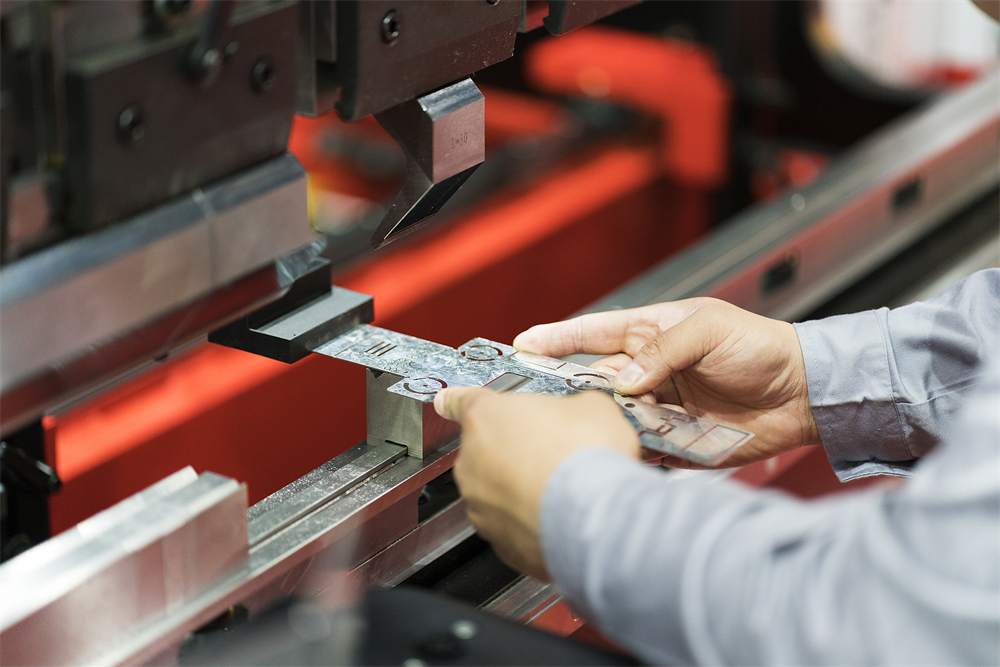
The primary reason shops struggle with rework is the lack of repeatability. In manual or older hydraulic systems, the operator often has to rely on trial and error to achieve the correct bend angle. This process is inherently inefficient and prone to variation. When a press brake helps reduce rework in a metal fabrication shop, it does so by automating the variables that previously required manual adjustment.
Material springback is perhaps the most significant challenge in metal bending. Different batches of steel, aluminum, or stainless steel exhibit varying levels of elasticity. A modern HARSLE press brake utilizes advanced CNC controllers that can calculate and compensate for springback automatically. By measuring the material’s reaction during the initial stages of the bend, the machine adjusts the ram position to ensure the final angle is exactly as specified, eliminating the need for multiple test bends.
Another critical factor is the consistency of the backgauge system. If the backgauge positioning is off by even a fraction of a millimeter, the flange length will be incorrect, rendering the part useless for downstream assembly. High-end press brakes feature multi-axis backgauges that offer extreme precision and stability. These systems ensure that every single part in a production run is identical to the first, regardless of how long the machine has been running.
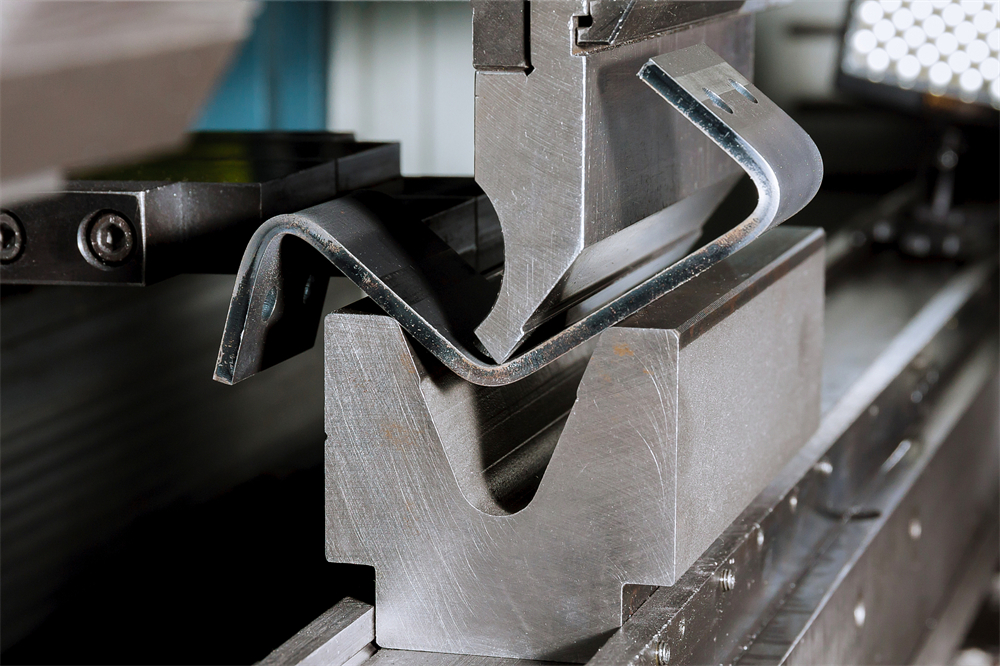
Tooling quality and maintenance also play a vital role. Worn or mismatched punches and dies are a leading cause of inconsistent bends. When a shop upgrades its press brake, it often upgrades its tooling library as well. Using high-quality, hardened tooling designed for specific material thicknesses ensures that the force is distributed evenly across the bend line, preventing cracking, marring, or uneven angles that would otherwise require rework.
Finally, the integration of offline programming software allows shops to simulate the bending process before a single piece of metal is cut. By identifying potential collisions or impossible bend sequences in a virtual environment, operators can resolve issues before they reach the shop floor. This digital-first approach is a cornerstone of modern lean manufacturing and is essential for shops looking to eliminate rework entirely.
Technical Details of Modern Press Brakes
Modern press brakes are marvels of engineering, combining hydraulic power with sophisticated electronic control. The core of a HARSLE press brake is its synchronized hydraulic system. By using high-speed proportional valves and linear encoders, the machine monitors the position of the ram at every millisecond. This synchronization ensures that the ram remains perfectly parallel to the bed, even under off-center loading conditions.
The CNC controller serves as the brain of the operation. Modern controllers are capable of storing thousands of programs, allowing for rapid changeovers between different jobs. This is crucial for shops that handle high-mix, low-volume production. When an operator can recall a saved program, the machine automatically sets the backgauge position, the required tonnage, and the bend sequence, ensuring that the setup is perfect every time.
Advanced crowning systems are another technical feature that helps reduce rework. As a press brake bends a long piece of metal, the machine frame naturally deflects, which can lead to a bend that is deeper in the center than at the ends. A hydraulic or mechanical crowning system compensates for this deflection by applying upward pressure to the bed, ensuring a uniform bend angle across the entire length of the workpiece.
Energy efficiency and noise reduction are also hallmarks of contemporary design. Servo-driven hydraulic systems, for example, only consume energy when the ram is in motion. This not only reduces operating costs but also minimizes heat buildup in the hydraulic oil, which can cause viscosity changes and lead to inconsistent bending performance. A stable operating temperature is essential for maintaining the high level of precision required to avoid rework.
Selection Advice: Choosing the Right Equipment
When selecting a press brake to minimize rework, the first step is to analyze your specific production needs. Are you bending thin-gauge sheet metal or heavy plate? Do you require complex, multi-bend parts or simple U-channels? The tonnage and bed length must be matched to your most demanding parts, but it is equally important to consider the flexibility of the machine for future growth.
Look for a machine that offers a robust CNC controller with 3D visualization capabilities. Being able to see the part in 3D before bending helps the operator understand the sequence and orientation, which significantly reduces the likelihood of loading the part incorrectly. Additionally, ensure the machine supports offline programming, as this allows your engineering team to prepare jobs while the machine is busy producing parts.
Consider the level of automation required. For high-volume shops, robotic bending cells can eliminate human error entirely. For smaller shops, features like laser angle measurement systems provide real-time feedback during the bending process. These sensors measure the actual bend angle and communicate with the controller to make micro-adjustments, ensuring that even if the material thickness varies slightly, the final part is perfect.
Don’t overlook the importance of service and support. A press brake is a long-term investment. Choosing a manufacturer like HARSLE, which provides comprehensive training, technical support, and readily available spare parts, ensures that your machine stays in peak condition. Regular maintenance, such as checking hydraulic seals and calibrating the backgauge, is essential to maintaining the precision that prevents rework.
Finally, evaluate the tooling compatibility. A press brake is only as good as the tooling it uses. Ensure that the machine is compatible with standard tooling systems (such as European or American style) to give you the flexibility to source high-quality punches and dies from various suppliers. Investing in a quick-change clamping system can also reduce setup time, allowing operators to switch between jobs quickly without sacrificing accuracy.
FAQ: Reducing Rework in Fabrication
How does a press brake reduce rework?
A press brake reduces rework by providing consistent, repeatable bending force and precise positioning. Features like automatic springback compensation, CNC-controlled backgauges, and real-time angle measurement ensure that every part meets specifications, eliminating the need for manual adjustments or scrapped material.
What is the most common cause of bending errors?
The most common causes are material thickness variations, inconsistent springback, and improper backgauge positioning. Modern press brakes address these by measuring material properties and using high-precision sensors to adjust the ram position dynamically.
Is offline programming necessary for reducing rework?
While not strictly necessary, offline programming is highly recommended. It allows for the simulation of the entire bending process, identifying potential errors or collisions before the material is ever touched, which significantly reduces the risk of mistakes on the shop floor.
How often should a press brake be calibrated?
To maintain high precision, a press brake should be calibrated at least annually, or more frequently if the machine is in constant, high-volume use. Regular maintenance checks on the backgauge and hydraulic system are also vital to prevent drift in accuracy.
Can a press brake handle different material types?
Yes, modern CNC press brakes can handle a wide variety of materials. The controller allows the operator to input the material type and thickness, and the machine automatically adjusts the bending parameters, such as tonnage and bend allowance, to suit the specific characteristics of the metal.
Conclusion
The question of how a press brake helped reduce rework in a metal fabrication shop is ultimately a story about the transition from manual craftsmanship to precision engineering. By investing in a HARSLE press brake, shops can effectively eliminate the variables that lead to waste, ensuring that every part produced is of the highest quality. The combination of advanced CNC control, synchronized hydraulics, and intelligent software creates a production environment where accuracy is the standard, not the exception.
Reducing rework is not just about saving money on scrap metal; it is about increasing throughput, improving customer satisfaction, and building a reputation for reliability. When your shop can consistently deliver parts that fit perfectly the first time, you gain a significant competitive advantage. As you evaluate your current fabrication processes, consider how an upgrade to modern bending technology could transform your operations and pave the way for long-term growth.
Remember that the technology is only one part of the equation. Proper training, consistent maintenance, and a commitment to quality control are equally important. By integrating these elements with the right machinery, you can create a fabrication workflow that is efficient, profitable, and capable of meeting the most demanding industry standards. HARSLE remains dedicated to providing the tools and expertise necessary to help your shop achieve these goals.












