How a Fabrication Plant Increased Daily Output with a Hydraulic Press Brake Case Study


Introduction
In the competitive landscape of modern metal fabrication, the difference between stagnant growth and scaling operations often comes down to the efficiency of core machinery. For many facilities, the bottleneck lies in the bending process. This article explores the transformative journey of a mid-sized metal fabrication plant that successfully optimized its workflow. By examining how a fabrication plant increased daily output with a hydraulic press brake case study, we can uncover the technical and operational shifts necessary to achieve high-volume production without sacrificing precision.
The facility in question, a regional leader in custom steel enclosures, faced mounting pressure from clients to reduce lead times. Their legacy mechanical press brakes were struggling with material variability and inconsistent bend angles, leading to high scrap rates and excessive downtime for manual adjustments. The management team realized that to remain competitive, they needed a transition to advanced hydraulic technology. This case study details the strategic implementation of HARSLE hydraulic press brakes and the subsequent impact on their bottom line.
Understanding the transition from manual or outdated mechanical systems to modern hydraulic solutions is essential for any plant manager looking to improve throughput. This guide serves as a comprehensive look at the technical requirements, selection criteria, and operational best practices that define a successful upgrade. By analyzing the data from this specific case study, we provide a roadmap for other fabrication plants to replicate these gains in productivity and quality control.
As we delve into the specifics, we will look at how the integration of CNC-controlled hydraulic systems allowed the plant to move from reactive maintenance to proactive production scheduling. The shift was not merely about purchasing a new machine; it was about adopting a new philosophy of precision manufacturing. This article will break down the technical specifications, the selection process, and the long-term benefits of investing in high-performance hydraulic press brakes.
Key Considerations for Increasing Fabrication Output
When a fabrication plant aims to increase daily output, the first step is identifying the specific constraints within the current workflow. In our case study, the plant identified that 40% of their daily downtime was attributed to tool changeovers and angle correction. By analyzing the production cycle, they realized that the hydraulic press brake was not just a bending tool, but the heart of their assembly line. The primary consideration was the transition from manual backgauge positioning to multi-axis CNC control.
Another critical factor is material handling. Increasing the speed of the press brake is useless if the material loading and unloading process remains slow. The plant implemented a lean manufacturing approach, positioning the hydraulic press brake in a cell layout that minimized operator movement. This integration of material flow and machine speed is a cornerstone of how a fabrication plant increased daily output with a hydraulic press brake case study. By reducing the ‘takt time’—the rate at which a product must be completed to meet customer demand—the plant was able to boost output by 35% within the first quarter.
Operator training and ergonomics also played a significant role. Modern hydraulic press brakes are sophisticated pieces of equipment that require skilled operators to maximize their potential. The plant invested in comprehensive training programs to ensure their team understood the nuances of hydraulic pressure control, crowning systems, and tool maintenance. This investment in human capital ensured that the machine was running at peak efficiency, rather than being limited by operator hesitation or lack of technical knowledge.
Finally, the plant had to consider the consistency of the raw materials. Variations in steel thickness and tensile strength can cause significant issues for press brakes. By implementing a strict quality control protocol for incoming materials, they ensured that the hydraulic press brake could operate with consistent settings. This reduced the need for ‘test bends’ and allowed the plant to achieve ‘first-part-right’ production, which is the gold standard for high-output fabrication facilities.
Technical Details of High-Performance Hydraulic Press Brakes
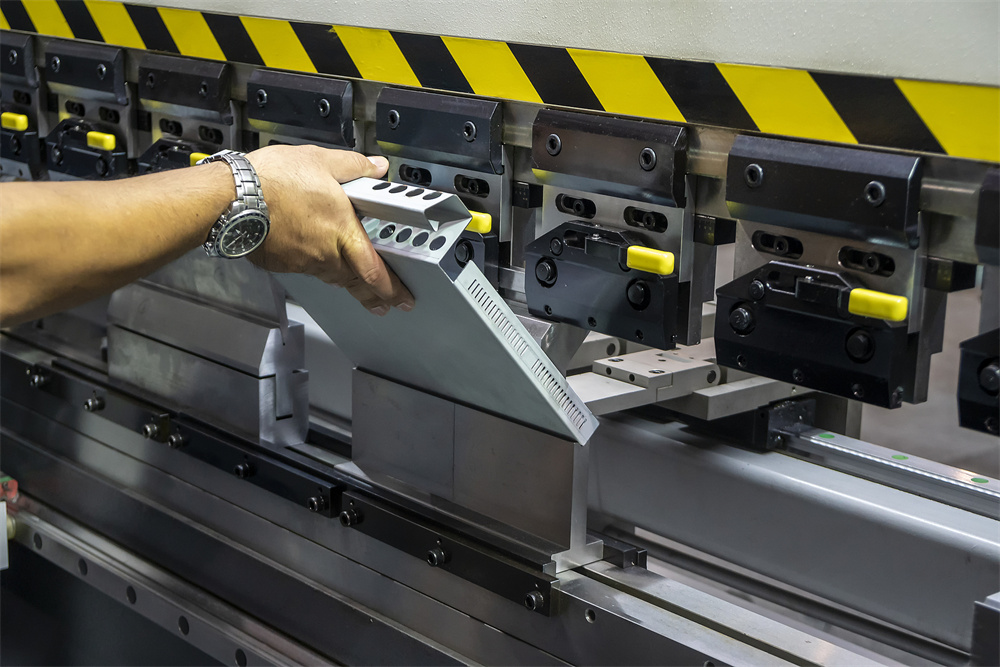
The core of the plant’s success was the adoption of HARSLE hydraulic press brakes featuring advanced CNC controllers. Unlike traditional mechanical brakes, hydraulic systems offer superior control over the ram’s position and speed. The ability to program the ram to slow down just before contact with the material prevents whip-up and ensures high-precision bends. This level of control is vital for complex parts that require multiple bends in a single sequence.
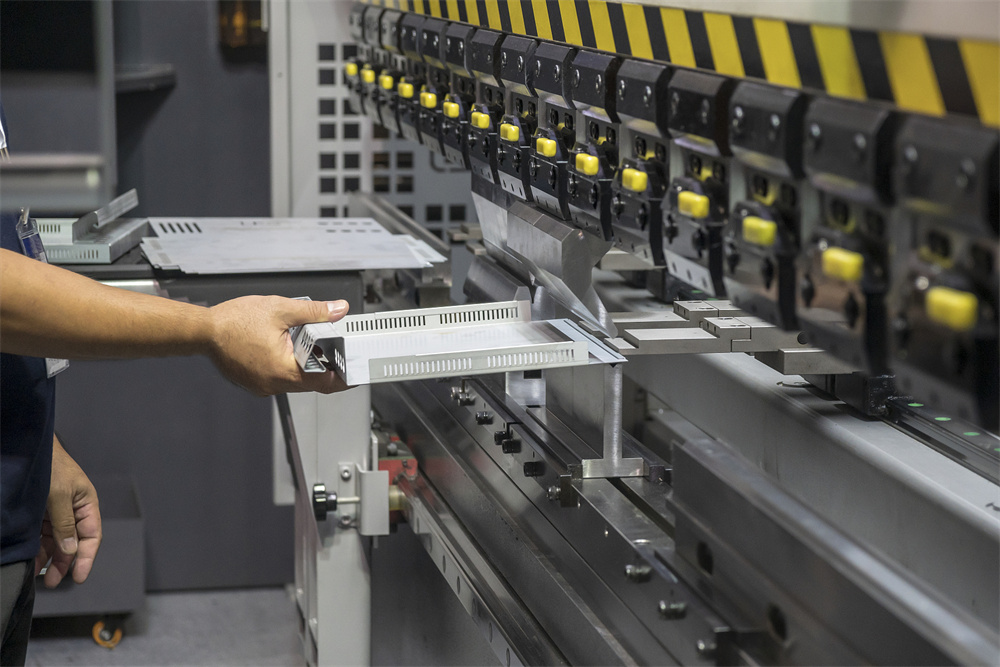
One of the most important technical features is the multi-axis backgauge. In the case study, the plant utilized a 4-axis backgauge system, which allowed for the automated positioning of the workpiece in X, R, Z1, and Z2 axes. This eliminated the need for manual stops and allowed for the production of complex, asymmetrical parts with extreme accuracy. The repeatability of these systems, often within 0.01mm, ensures that every part coming off the line is identical, which is crucial for downstream welding and assembly processes.
Hydraulic crowning systems are another technical necessity. When bending long pieces of metal, the press brake bed can deflect under pressure, leading to an inconsistent bend angle across the length of the part. The HARSLE hydraulic crowning system automatically compensates for this deflection, ensuring a uniform bend angle from one end of the workpiece to the other. This feature alone significantly reduced the scrap rate for the fabrication plant, as they no longer had to discard parts due to ‘canoe’ shaped bends.
Furthermore, the integration of energy-efficient hydraulic pumps and servo-driven systems contributed to lower operating costs. Modern hydraulic press brakes are designed to consume power only when the ram is in motion. This ‘on-demand’ power usage not only reduces the electricity bill but also extends the life of the hydraulic oil and seals by reducing heat buildup. These technical refinements are the backbone of how a fabrication plant increased daily output with a hydraulic press brake case study, proving that efficiency is a combination of speed, precision, and smart energy management.
Selection Advice: Choosing the Right Press Brake
Selecting the right hydraulic press brake is a strategic decision that should be based on the specific needs of your fabrication plant. The first step is to define your ‘bending envelope.’ This includes the maximum length of the material you intend to bend, the thickness of the material, and the tensile strength of the alloys you work with. A common mistake is purchasing a machine that is either too small for future growth or unnecessarily large, which leads to higher energy costs and slower cycle times.
Consider the controller interface. For a plant looking to increase output, a user-friendly CNC controller is non-negotiable. Look for systems that support offline programming, where the bending sequence can be simulated on a computer before the job is sent to the machine. This allows the operator to prepare the next job while the current one is running, effectively eliminating setup time. HARSLE offers advanced controllers that integrate seamlessly with CAD/CAM software, making the transition from design to production nearly instantaneous.
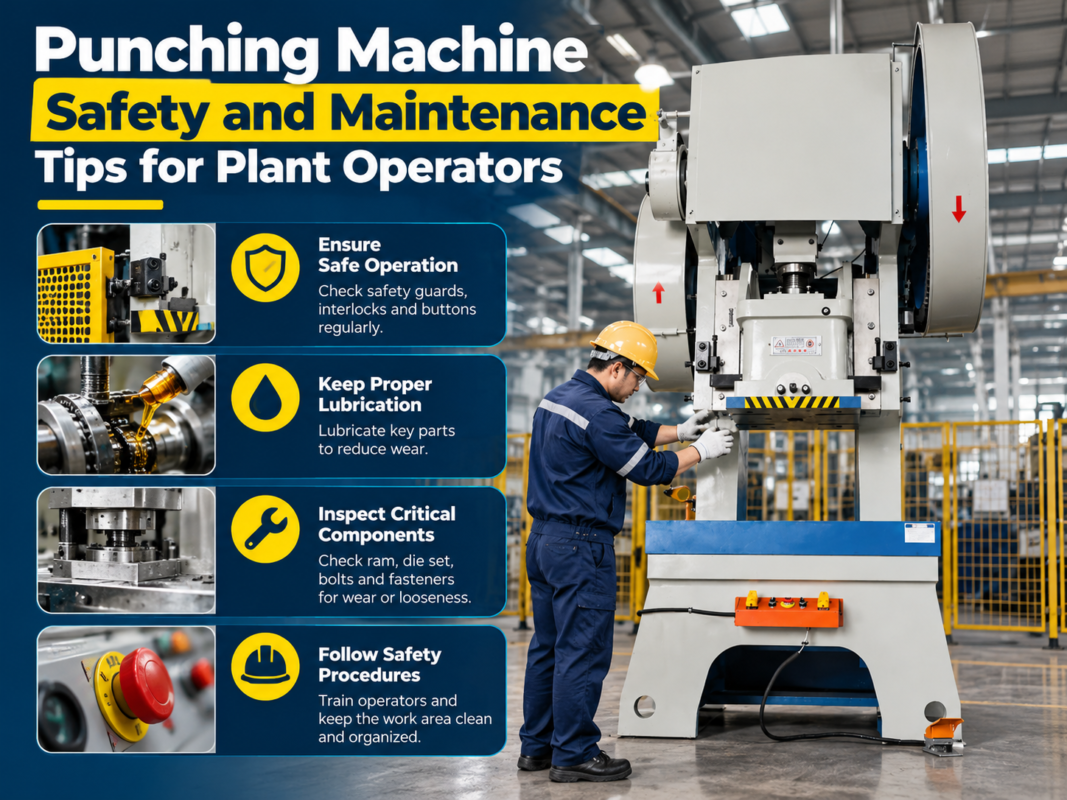
Safety features should never be compromised. Modern hydraulic press brakes come equipped with laser safety curtains and light guards that monitor the bending area. These systems allow the machine to operate at high speeds until the ram is close to the material, at which point it slows down for the actual bend. This ‘speed-to-safety’ transition is critical for maintaining high output without risking operator injury. When evaluating potential machines, ensure they meet international safety standards such as CE or OSHA requirements.
Finally, consider the manufacturer’s support network. A machine is only as good as the service behind it. Look for a partner like HARSLE that provides comprehensive installation, operator training, and readily available spare parts. In our case study, the plant chose HARSLE not just for the machine’s performance, but for the assurance that any technical issues would be resolved quickly, minimizing downtime. A reliable support partner is the best insurance policy for maintaining high daily output in a demanding fabrication environment.
Maintenance and Long-Term Reliability
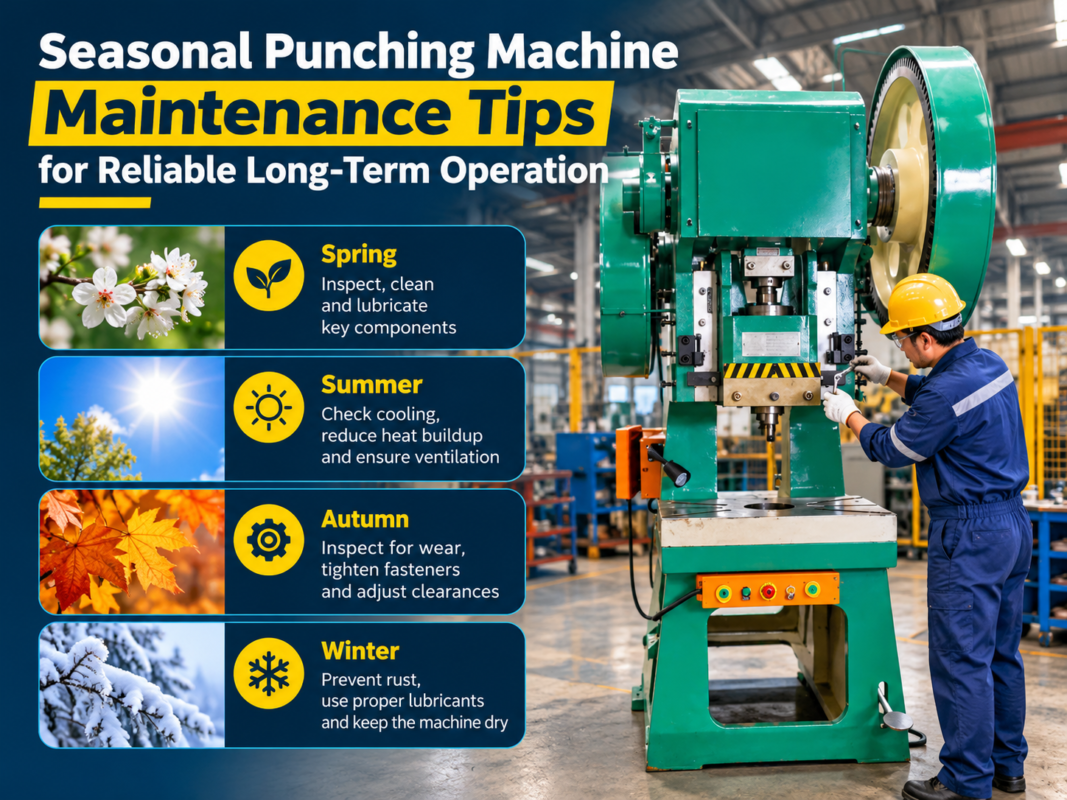
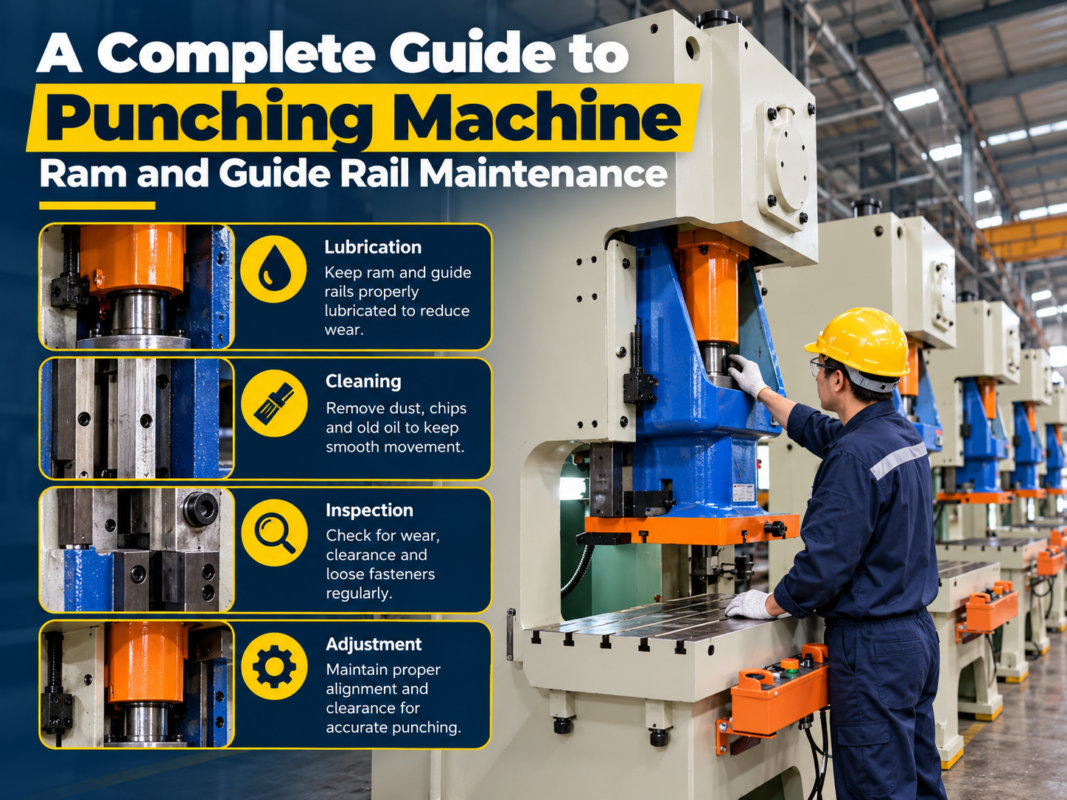
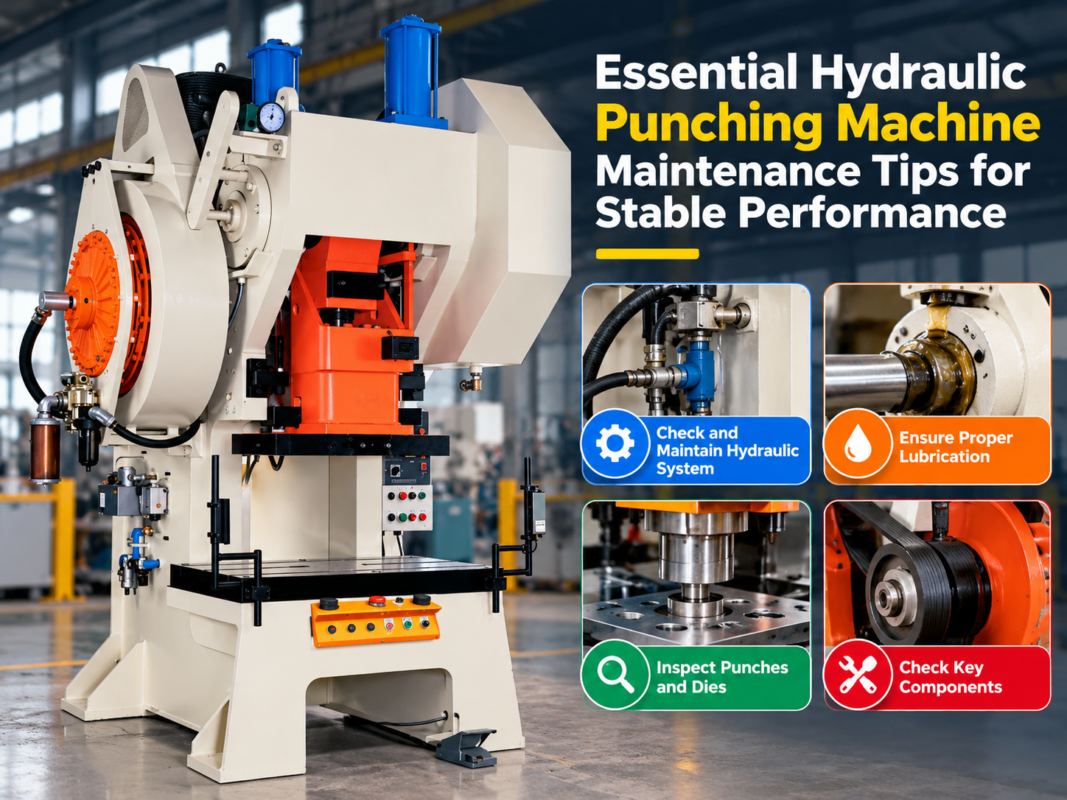
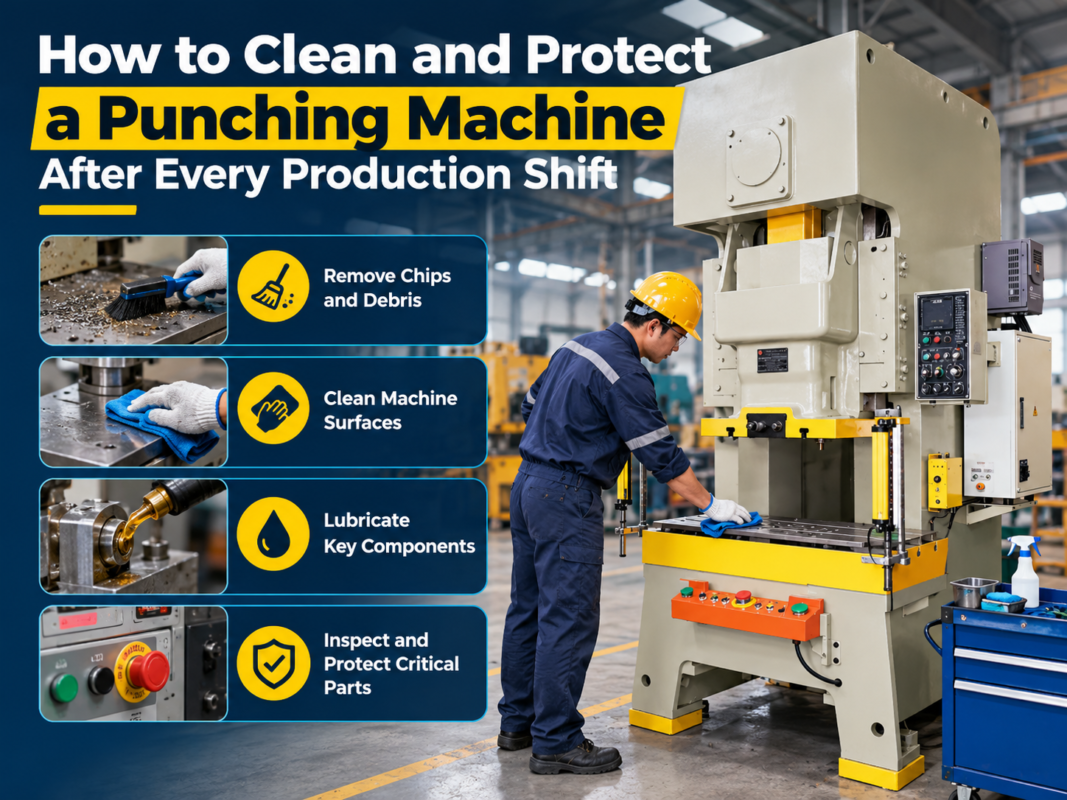
To ensure that the gains in daily output are sustainable, a rigorous maintenance schedule is essential. Hydraulic press brakes are complex machines that rely on the health of their hydraulic fluid, seals, and electronic sensors. The fabrication plant in our case study implemented a ‘Total Productive Maintenance’ (TPM) program, where operators were responsible for daily checks, such as inspecting the hydraulic oil levels, cleaning the backgauge rails, and checking for any leaks in the hoses or fittings.
Preventative maintenance should be scheduled quarterly. This includes changing the hydraulic oil and filters, as contaminated oil is the leading cause of valve failure in hydraulic systems. Additionally, the ram guides and slide surfaces should be lubricated according to the manufacturer’s specifications to prevent wear and ensure smooth movement. By keeping the machine in top condition, the plant avoided the ‘catastrophic failure’ scenarios that often plague older, poorly maintained equipment.
The CNC controller also requires periodic updates and backups. As software evolves, keeping the controller firmware up to date ensures compatibility with new CAD/CAM formats and improves the machine’s processing speed. Furthermore, backing up the machine’s parameters and job libraries is a simple but vital step to ensure that production can be restored quickly in the event of a controller malfunction. These small, consistent efforts are what allow a fabrication plant to maintain its increased output levels over the long term.
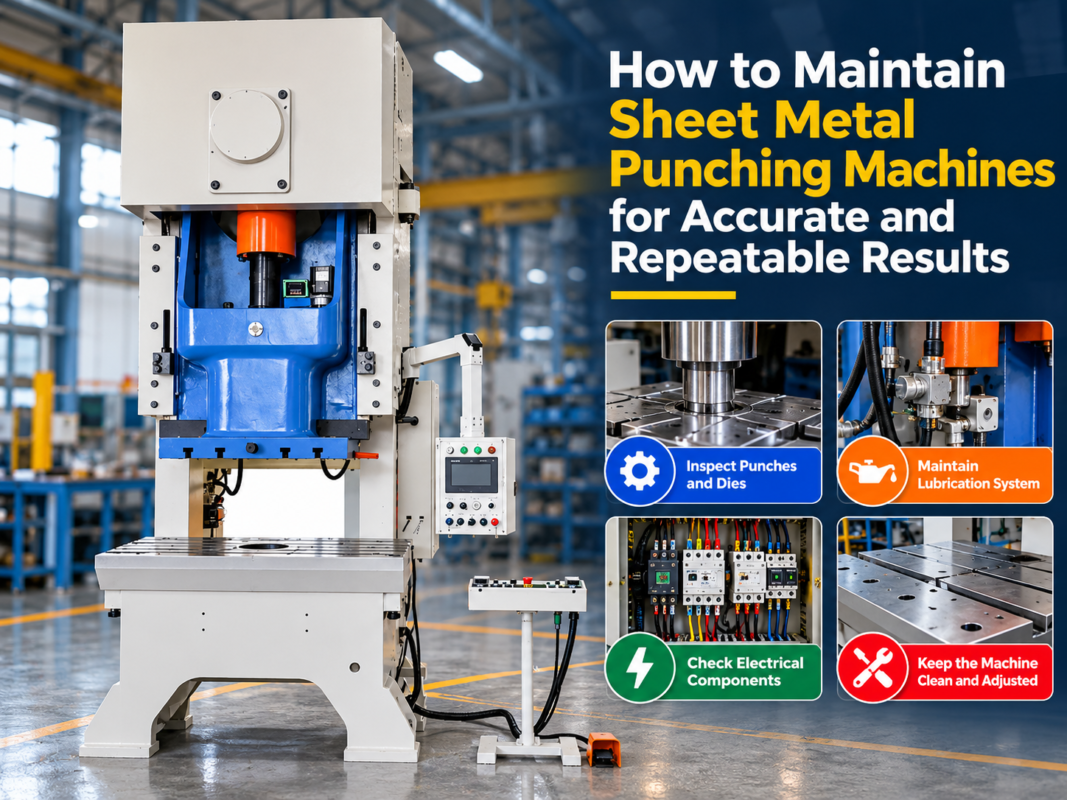
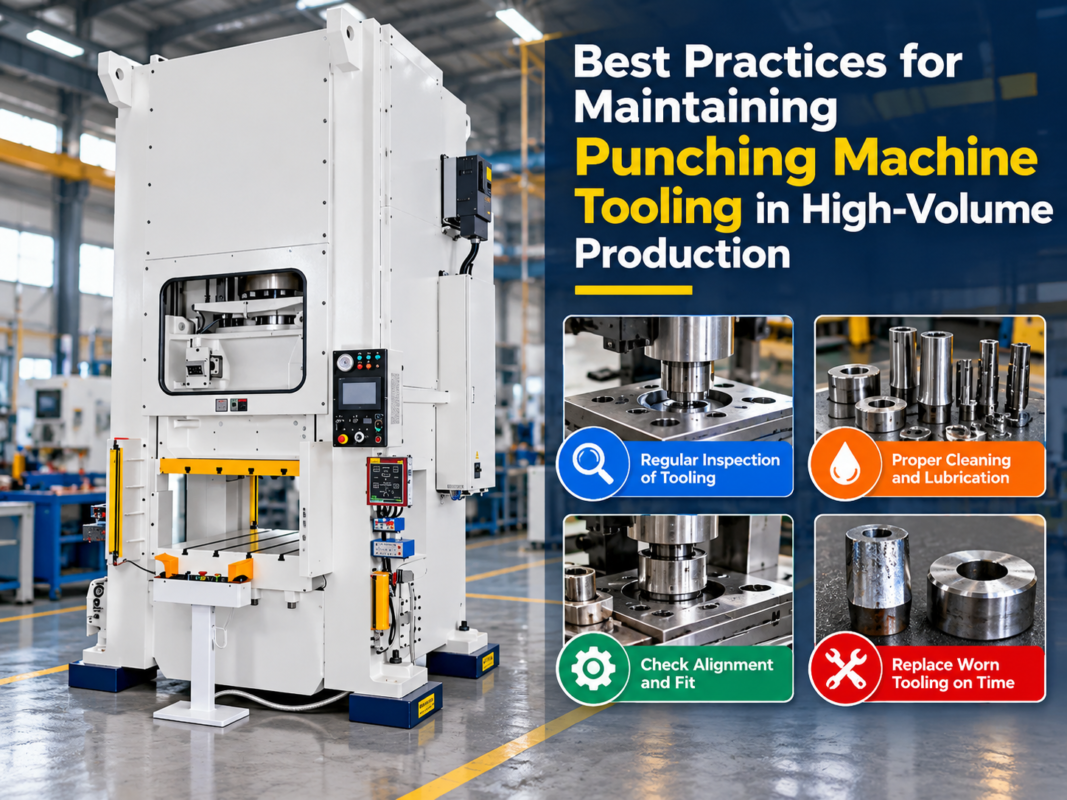
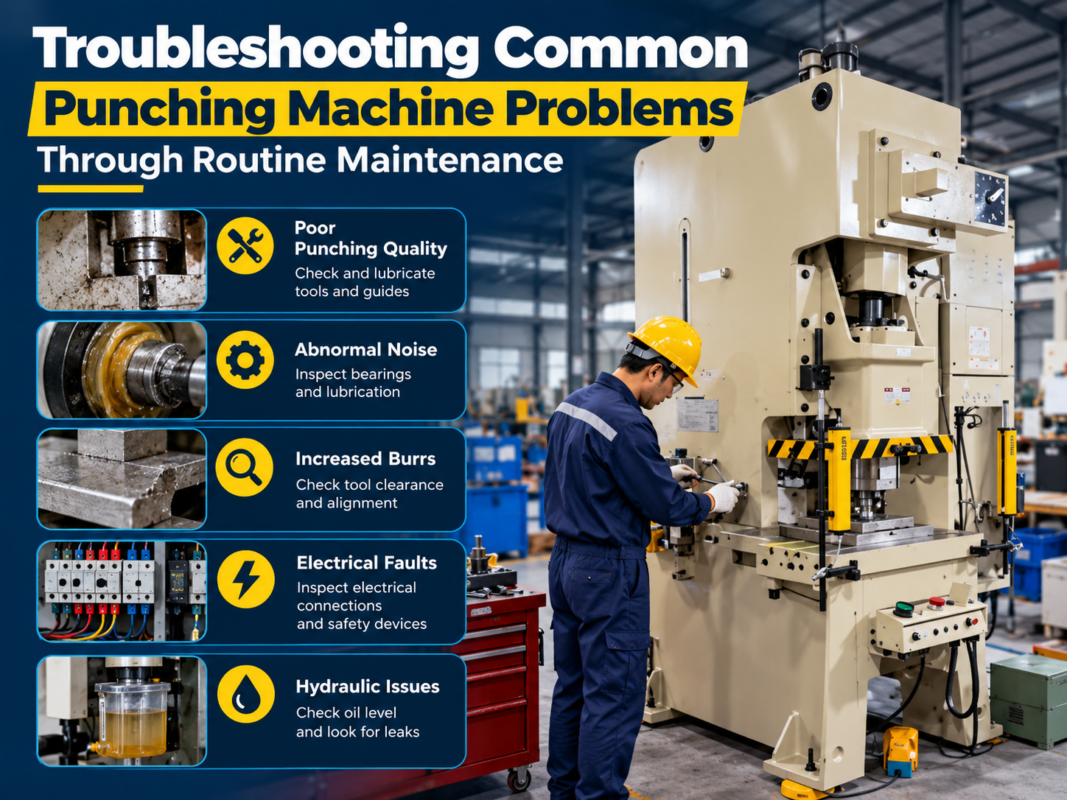
Lastly, pay attention to the tooling. Worn or damaged punches and dies are a major source of inaccuracy and can put unnecessary stress on the press brake. Regularly inspect the tooling for chips, cracks, or uneven wear. Investing in high-quality, hardened tooling from the start will pay dividends in the form of longer life and better bend quality. By treating the tooling as a precision instrument rather than a consumable, the plant was able to maintain the high standards that their customers expected, further solidifying their market position.
FAQ: Common Questions About Hydraulic Press Brakes
- What is the main advantage of a hydraulic press brake over a mechanical one? Hydraulic press brakes offer superior control, safety, and versatility. They allow for variable ram speed, pressure control, and are generally more energy-efficient and quieter than mechanical alternatives.
- How does a CNC controller help increase production? A CNC controller automates the bending sequence, backgauge positioning, and angle correction. This reduces setup time, minimizes human error, and allows for the production of complex parts that would be impossible to bend manually.
- What is the importance of a crowning system? A crowning system compensates for the deflection of the press brake bed under load. It ensures that the bend angle remains consistent across the entire length of the workpiece, which is critical for high-quality fabrication.
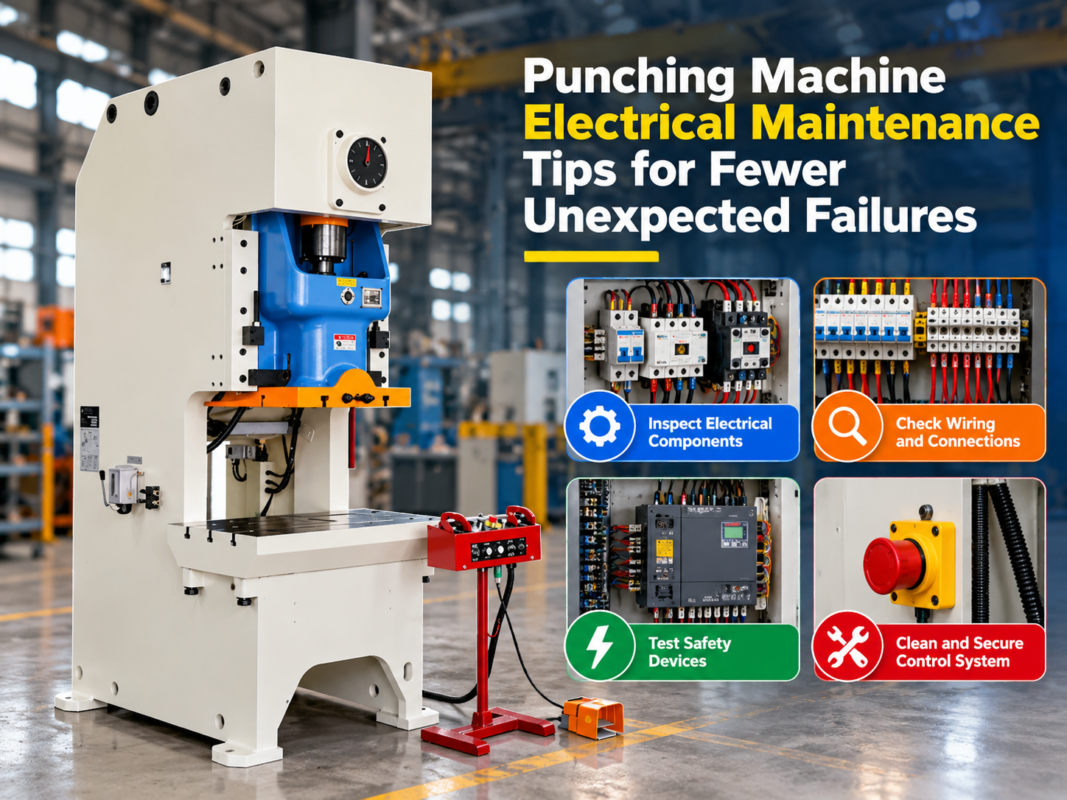
- How often should I perform maintenance on my press brake? Daily checks should include cleaning and visual inspections. Quarterly maintenance should include oil and filter changes, lubrication, and a thorough check of the hydraulic and electrical systems.
- Can I use offline programming with my HARSLE press brake? Yes, HARSLE machines are designed to integrate with modern CAD/CAM software, allowing you to program jobs offline and send them directly to the machine, significantly reducing downtime.
Conclusion
The journey of how a fabrication plant increased daily output with a hydraulic press brake case study demonstrates that success in the metal fabrication industry is a result of intentional investment and operational discipline. By upgrading to HARSLE hydraulic press brakes, the plant was able to overcome the limitations of their legacy equipment, reduce scrap, and significantly improve their throughput. The combination of advanced CNC control, hydraulic crowning, and a commitment to preventative maintenance created a robust production environment capable of meeting the most demanding customer requirements.
For any fabrication facility looking to scale, the lessons are clear: prioritize precision, invest in operator training, and choose a machinery partner that offers both high-performance equipment and reliable support. The transition to hydraulic technology is not just an upgrade; it is a strategic move toward a more efficient, profitable, and sustainable future. As the industry continues to evolve, those who embrace these technological advancements will be the ones leading the market in quality and output.
If you are ready to transform your fabrication plant, consider the HARSLE range of hydraulic press brakes. With a focus on innovation, durability, and user-centric design, HARSLE provides the tools necessary to turn your production goals into reality. Start your journey toward increased output today by evaluating your current processes and identifying the areas where hydraulic precision can make the biggest impact on your bottom line.