Press Brake Maintenance Issues That Lead to Poor Repeatability: A Comprehensive Guide


Introduction to Precision and Repeatability in Press Brakes
In the world of metal fabrication, precision is not just a goal; it is a requirement. When a fabricator invests in a high-quality machine from HARSLE, they expect every bend to be identical to the last. However, over time, even the most robust machines can experience a decline in performance. One of the most frustrating challenges for operators is poor repeatability. This occurs when the machine fails to produce consistent results across multiple workpieces, leading to increased scrap rates, wasted material, and lost production time.
Repeatability is defined as the ability of the press brake to return to the exact same position and apply the exact same force consistently. When we talk about Press Brake Maintenance Issues That Lead Poor Repeatability, we are looking at a complex interplay between hydraulic systems, mechanical components, and electronic control units. If any of these systems are neglected, the cumulative effect is a loss of accuracy that can compromise the quality of the final product.
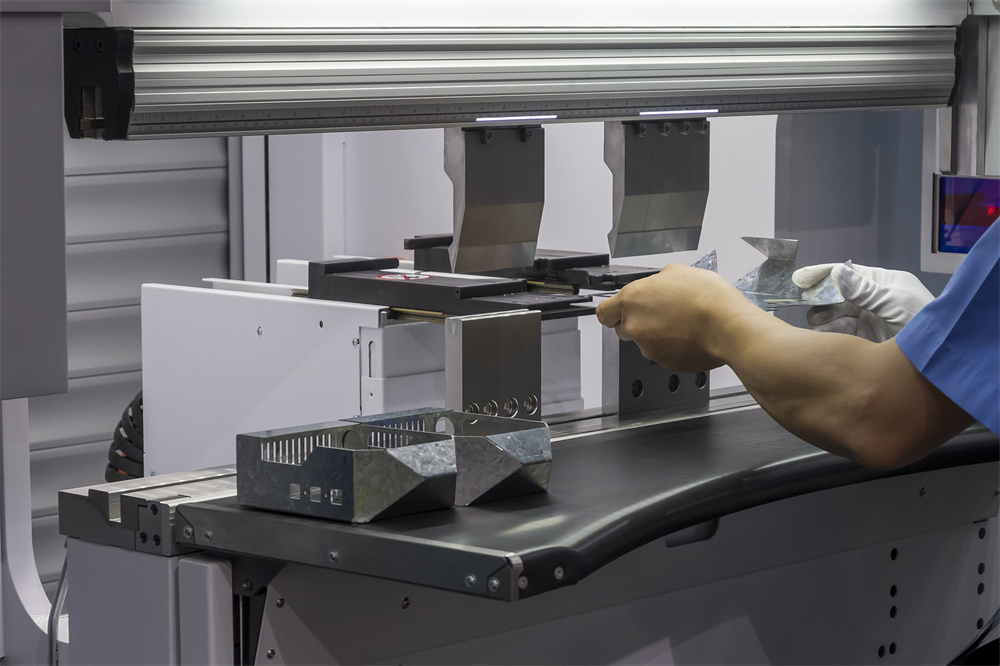
Understanding the root causes of these issues is the first step toward maintaining a high-performance shop floor. This guide will delve deep into the specific maintenance failures that cause repeatability problems, providing technical insights and actionable advice for operators and maintenance managers alike. By addressing these issues proactively, you can ensure that your HARSLE press brake continues to deliver the precision your customers demand.
Key Considerations: Why Maintenance Directly Impacts Accuracy
The relationship between maintenance and repeatability is direct and undeniable. A press brake is a high-tonnage machine that operates under extreme pressure. Every cycle involves friction, heat generation, and mechanical stress. Without a rigorous maintenance schedule, these factors inevitably lead to wear and tear that manifests as inconsistent bending angles and flange lengths.
One of the primary considerations is the stability of the hydraulic system. Hydraulic fluid is the lifeblood of the machine. If the oil is contaminated or if the temperature is not regulated, the viscosity changes. This change in viscosity affects how the oil flows through the proportional valves, leading to slight variations in ram positioning. Even a fraction of a millimeter in ram travel discrepancy can result in a significant angular error in the finished part.
Mechanical alignment is another critical factor. The ram of a press brake must move perfectly parallel to the bed. This alignment is maintained by gibs and guides. Over time, these guides can wear down or become loose. When this happens, the ram may tilt or shift slightly during the stroke. This mechanical “slop” is a leading cause of Press Brake Maintenance Issues That Lead Poor Repeatability. If the machine cannot maintain a rigid and consistent path, the output will never be uniform.
Finally, we must consider the tooling. While often viewed as separate from the machine, the punch and die are integral to the bending process. Worn tooling, or tooling that has not been properly cleaned and seated, will introduce variables that the machine’s controller cannot always compensate for. Maintenance of the tooling is just as important as maintenance of the machine’s internal components.
Technical Details: Deep Dive into Maintenance Failures
1. Hydraulic System Degradation
The hydraulic system is often the first place to look when repeatability fails. The most common issue is oil contamination. Microscopic particles of metal, dust, or moisture can enter the system, causing internal wear on the pumps and valves. When proportional valves—which control the flow of oil to the cylinders—become clogged or worn, their response time becomes inconsistent. This lag means the ram may not stop at the exact programmed point every time.
Temperature regulation is equally vital. As the machine runs, the hydraulic oil heats up. If the cooling system is not functioning correctly, the oil thins out. Thinner oil leaks past seals more easily and responds differently to valve commands. HARSLE machines are designed with efficient cooling systems, but if the filters are clogged or the heat exchanger is dirty, the system will struggle to maintain a constant temperature, leading to “drift” in the bending results throughout the day.
2. Gib and Guide Wear
The ram of the press brake is held in place by gibs, which are adjustable wear plates. These plates ensure that the ram moves only in the vertical plane. Over years of operation, the friction between the ram and the gibs causes the material to wear away. If the gap between the ram and the gibs becomes too large, the ram can “float.” This means that under load, the ram might shift forward, backward, or sideways.
This shifting is particularly problematic when performing off-center bends. If the gibs are not properly lubricated and adjusted, the ram will not descend perfectly straight, causing the bend angle to vary from one end of the part to the other. Regular inspection and tightening of the gibs are essential to eliminate this source of error.
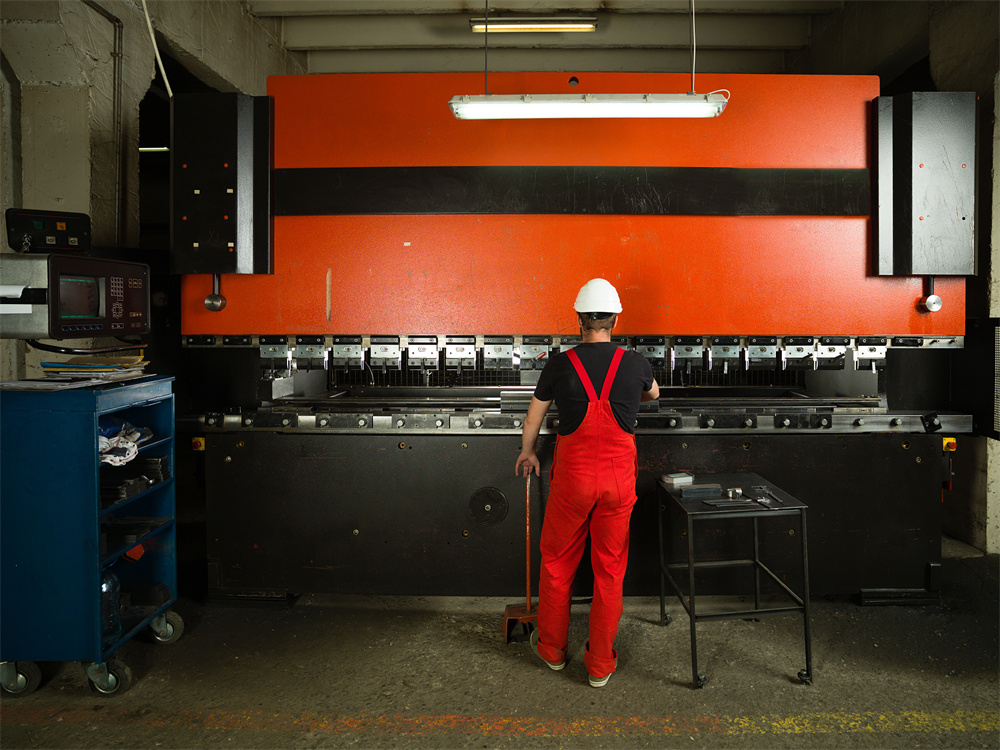
3. Backgauge Inaccuracy and Backlash
While the ram controls the angle, the backgauge controls the flange length. Repeatability issues in flange length are almost always tied to the backgauge’s mechanical health. Most modern backgauges use ball screws and linear guides. If the ball screws are not lubricated, they develop “backlash”—a small amount of play between the screw and the nut. This means that when the motor turns, the gauge bar might not move the exact distance required.
Furthermore, the belts and pulleys that drive the backgauge axes can stretch or lose teeth over time. If the drive system is slipping, the controller’s position data will not match the physical location of the gauge fingers. Regular calibration and tensioning of these components are necessary to prevent Press Brake Maintenance Issues That Lead Poor Repeatability in the X and R axes.
4. Linear Scale and Encoder Issues
The “eyes” of the press brake are its linear scales and encoders. These components tell the CNC controller exactly where the ram and backgauge are located. Because press brakes operate in dusty environments, these scales can become coated in fine metal dust or oil mist. If the optical reader on a linear scale cannot clearly see the markings, it may miss pulses or provide erratic data.
If the controller receives incorrect positioning data, it will attempt to correct the ram’s position based on that false information. This results in the ram stopping at different heights for the same programmed bend. Cleaning the scales with approved solvents and ensuring the protective covers are intact is a high-priority maintenance task for any precision shop.
5. Crowning System Malfunctions
In longer press brakes, the bed and ram naturally deflect under pressure. To compensate for this, machines use a crowning system (either hydraulic or mechanical) to “bow” the bed and ensure a consistent angle across the entire length of the workpiece. If the crowning system is not maintained—for example, if the hydraulic crowning cylinders are leaking or if the mechanical wedges are jammed with debris—the center of the bend will be different from the ends. This lack of consistency across the part is a major repeatability failure.
Selection Advice: Choosing a Machine Built for Longevity
When selecting a new press brake, it is important to look for features that simplify maintenance and enhance long-term repeatability. HARSLE focuses on engineering machines that resist the common pitfalls of wear and tear. Here are some factors to consider during the selection process:
- Component Quality: Ensure the machine uses reputable brands for hydraulics (like Bosch Rexroth) and electronics (like Schneider or Delem). High-quality components have tighter tolerances and are less prone to early failure.
- Frame Rigidity: A heavy, stress-relieved frame is less likely to deform over time. A rigid frame provides a stable foundation for the ram and backgauge, reducing the likelihood of mechanical misalignment.
- Self-Lubricating Systems: Some modern press brakes feature automatic lubrication systems that ensure gibs and ball screws are always greased. This removes the risk of human error in daily maintenance.
- Advanced Feedback Systems: Look for machines with high-resolution linear scales that are well-protected from the environment. Dual-scale systems (one on each side of the ram) allow the controller to compensate for frame deflection in real-time.
- Ease of Access: A well-designed machine allows maintenance personnel to easily access filters, valves, and scales. If a component is hard to reach, it is more likely to be neglected.
| Component | Maintenance Task | Frequency | Impact on Repeatability |
|---|---|---|---|
| Hydraulic Oil | Check level, temperature, and cleanliness | Weekly / Monthly | High – Affects ram positioning and valve response |
| Gibs & Guides | Inspect for wear and adjust clearance | Quarterly | High – Prevents ram tilt and side-play |
| Linear Scales | Clean and inspect mounting brackets | Monthly | Critical – Direct impact on ram depth accuracy |
| Backgauge Ball Screws | Lubricate and check for backlash | Monthly | High – Affects flange length consistency |
| Tooling | Clean and inspect for chips or wear | Daily | Medium – Affects bend radius and angle |
FAQ: Troubleshooting Press Brake Repeatability
Why does my bend angle change as the day goes on?
This is usually due to hydraulic oil temperature. As the oil heats up, its viscosity decreases, which can change the way the proportional valves behave. Ensure your cooling system is working and consider a warm-up cycle in the morning to bring the oil to operating temperature before starting production.
The flange length is inconsistent, but the angle is perfect. What’s wrong?
This points to a backgauge issue. Check for backlash in the X-axis ball screws or loose drive belts. Also, ensure the backgauge fingers are tight and that the material is being held firmly against them during the cycle.
Can worn tooling really cause poor repeatability?
Yes. If the V-opening of the die or the radius of the punch is worn unevenly, the material will seat differently in each cycle. Furthermore, if the tooling is dirty, small bits of scale can get trapped between the tool and the holder, changing the effective height of the tool.
How often should I calibrate my press brake?
General calibration should be checked at least every six months. However, if you notice a sudden drop in repeatability, you should perform a calibration check immediately. This involves verifying the ram’s parallelism and the backgauge’s zero position.
What is the most common “hidden” maintenance issue?
Loose mounting bolts on the linear scales. If the scale moves even slightly due to vibration, the feedback sent to the CNC controller will be inconsistent, leading to random errors in ram depth.
Conclusion: The Path to Consistent Production
Maintaining a press brake for peak repeatability requires a shift in mindset from reactive repair to proactive care. Press Brake Maintenance Issues That Lead Poor Repeatability are rarely the result of a single catastrophic failure; instead, they are the result of small, incremental changes in the machine’s physical state. By keeping the hydraulic oil clean and cool, ensuring mechanical guides are tight and lubricated, and protecting the electronic feedback systems, you can preserve the machine’s original factory precision for years.
At HARSLE, we build our machines to withstand the rigors of industrial use, but the longevity of that precision is in the hands of the operator. A well-maintained machine not only produces better parts but also operates more safely and has a much higher resale value. Invest the time in a structured maintenance program today, and you will reap the rewards in the form of lower scrap rates and a more efficient production line. Remember, in metal fabrication, the difference between a perfect part and a piece of scrap is often just a few microns—and those microns are managed through diligent maintenance.