
Press Brake Maintenance Schedule for Maximum Uptime and Performance: The Ultimate Guide


Introduction: The Critical Role of a Press Brake Maintenance Schedule for Maximum Uptime and Performance
In the high-stakes world of metal fabrication, the press brake is often the heartbeat of the production floor. Whether you are operating a high-speed CNC hydraulic press brake or a specialized electric model, the consistency of your output depends entirely on the health of your machinery. Implementing a rigorous Press Brake Maintenance Schedule for Maximum Uptime and Performance is not merely a recommendation; it is a fundamental business strategy. Without proper care, even the most advanced HARSLE machines can succumb to the pressures of heavy-duty cycles, leading to unexpected downtime, costly repairs, and compromised part accuracy.
Maximum uptime is achieved when a machine operates within its designed parameters without interruption. Performance, on the other hand, refers to the machine’s ability to maintain precision tolerances and repeatable bends over thousands of cycles. When maintenance is neglected, hydraulic seals leak, backgauges lose calibration, and electrical components overheat. This guide provides an exhaustive breakdown of the maintenance protocols required to keep your press brake in peak condition, ensuring that your investment continues to deliver high ROI for years to come.
Why Maintenance Matters: Beyond Simple Repairs
The importance of a structured maintenance plan extends far beyond avoiding a total machine breakdown. First and foremost is the issue of safety. A press brake exerts hundreds of tons of force; any mechanical failure in the ram, the hydraulic valves, or the safety light curtains can lead to catastrophic workplace accidents. Regular inspections ensure that all safety protocols and physical barriers are functioning as intended, protecting your most valuable asset: your operators.
Secondly, precision is the hallmark of quality fabrication. A press brake that is out of alignment by even a fraction of a millimeter can result in scrapped parts and wasted material. Over time, the structural components of a press brake can shift due to vibration and thermal expansion. A consistent maintenance schedule includes leveling checks and calibration of the X, R, and Z axes, ensuring that every bend meets the client’s specifications. Furthermore, well-maintained machines retain a significantly higher resale value, making them a better long-term asset for your company.
Daily Inspection: The First Line of Defense
The daily inspection is a quick but vital routine that should be performed at the start of every shift. This proactive approach allows operators to catch minor issues before they escalate into major failures. The daily check should begin with a visual sweep of the machine. Look for any signs of oil leakage around the cylinders and hydraulic hoses. Even a small drop of oil can indicate a failing seal that could lead to a loss of pressure during a critical bend.
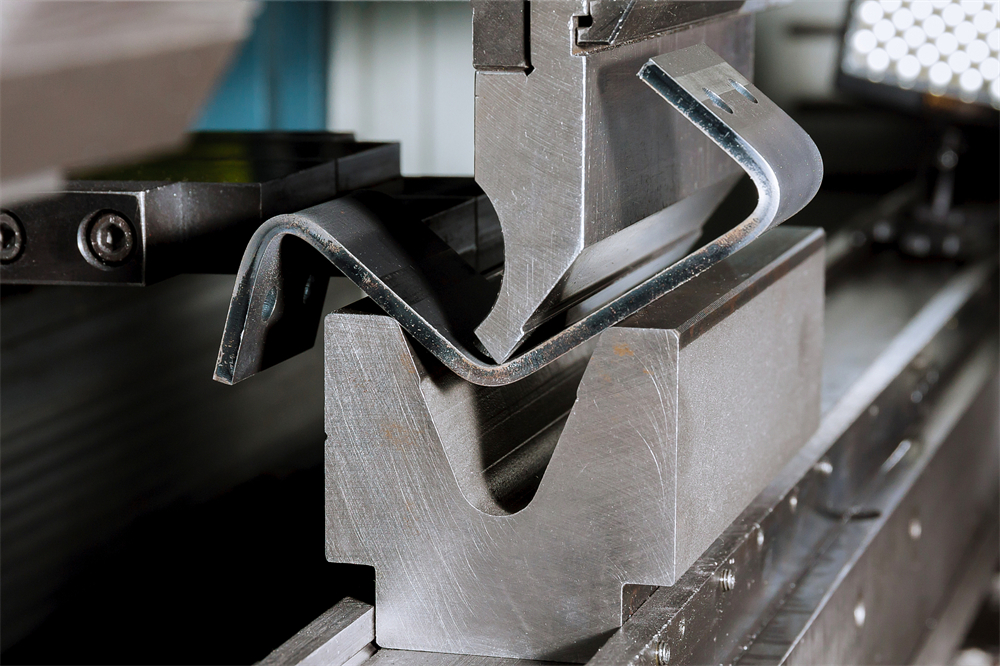
Next, verify the functionality of all safety devices. This includes the emergency stop buttons, the foot pedal, and the laser or light curtain guarding systems. If the light curtain is misaligned or dirty, it may trigger false stops, hindering productivity, or worse, fail to stop the ram in an emergency. Clean the optical lenses with a soft, lint-free cloth to ensure clear signals. Additionally, check the tooling—both the punch and the die—for any cracks, chips, or excessive wear. Using damaged tooling not only ruins the workpiece but can also damage the ram or the bed of the press brake.
Hydraulic System Maintenance: The Lifeblood of the Machine
The hydraulic system is the core of most industrial press brakes. Maintaining the integrity of the hydraulic fluid is perhaps the most critical aspect of the Press Brake Maintenance Schedule for Maximum Uptime and Performance. Hydraulic oil serves multiple purposes: it transmits power, lubricates moving parts, and carries heat away from the system. Over time, this oil can become contaminated with microscopic metal particles, dust, and moisture, which act as abrasives on the precision valves and pump internals.
Check the oil level daily via the sight glass on the reservoir. If the oil appears cloudy or milky, it likely contains water and needs to be changed immediately. The oil temperature should also be monitored; excessive heat (usually above 60°C or 140°F) can cause the oil to thin out, leading to erratic ram movement and accelerated seal wear. Ensure that the cooling system—whether it is an air-cooled heat exchanger or a water-cooled system—is clean and functioning. Filters should be replaced according to the manufacturer’s hourly recommendations, typically every 2,000 hours or once a year, whichever comes first.
Electrical and Control System Checks
Modern CNC press brakes rely heavily on sophisticated electronics to manage complex bending sequences. The electrical cabinet is the brain of the machine and must be kept clean and cool. Dust accumulation on circuit boards can lead to short circuits or overheating. Once a month, the electrical cabinet should be opened (with the power safely disconnected) and vacuumed out. Avoid using compressed air, as it can push conductive dust deeper into sensitive components.
Check all wiring connections for tightness. Vibrations from the machine’s operation can loosen terminal screws over time, leading to intermittent signals or electrical arcing. Furthermore, inspect the cooling fans on the CNC controller and the main motor. If these fans fail, the drive systems can overheat and shut down, causing immediate downtime. It is also wise to back up the machine’s parameters and programs to an external drive regularly. In the event of a controller failure, having a recent backup can save days of manual reconfiguration.
Mechanical Components and Structural Integrity
The mechanical structure of the press brake, including the frame, the ram, and the backgauge, must remain rigid and perfectly aligned. One of the most common issues in older or heavily used machines is the loosening of the foundation bolts. If the machine is not perfectly level, the frame can twist slightly, leading to inconsistent bends across the length of the bed. Use a high-precision machinist’s level to check the machine’s orientation quarterly.
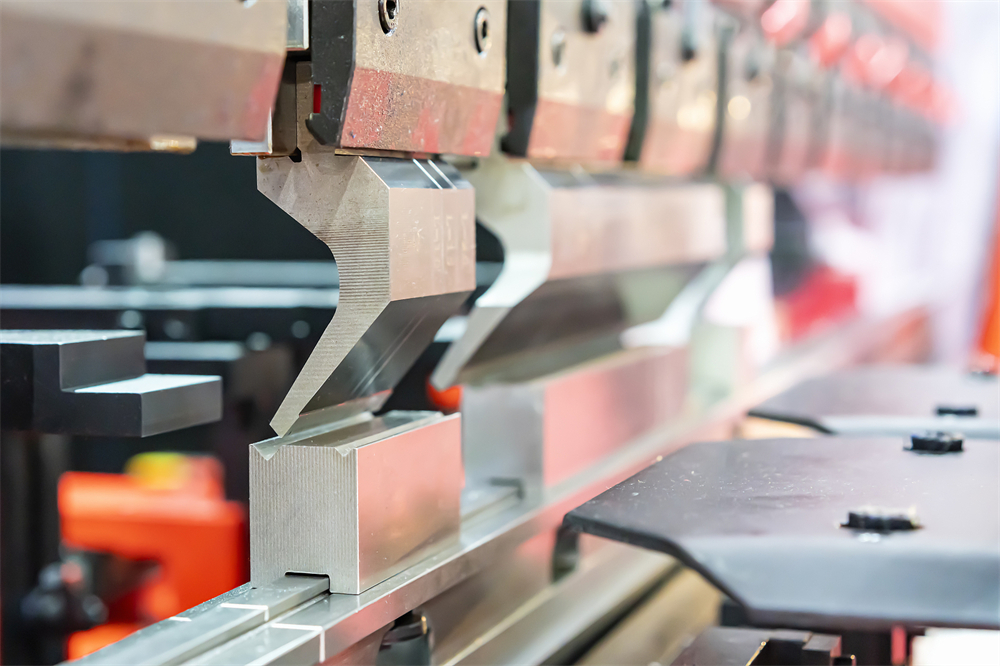
The backgauge system is a precision mechanical assembly that requires careful attention. Inspect the ball screws and linear guides for any signs of debris or lack of lubrication. If the backgauge fingers have any play or wobble, the accuracy of your flange lengths will suffer. Tighten any loose bolts and check the parallelism of the backgauge to the center of the die. Additionally, inspect the ram gibs—the guides that ensure the ram moves vertically without side-to-side play. These should be adjusted according to the manufacturer’s specifications to prevent “ram drift” or uneven pressure distribution.
The Lubrication Plan: Reducing Friction and Wear
A comprehensive lubrication plan is the simplest way to extend the life of your press brake. Friction is the enemy of precision and longevity. Most modern HARSLE press brakes feature centralized lubrication systems, but these still require manual oversight. Ensure the lubricant reservoir is filled with the correct grade of grease or oil as specified in the manual. Using the wrong lubricant can be as damaging as using none at all, as some greases can react chemically with seals or clog fine lubrication lines.
Key lubrication points include the backgauge ball screws, the linear ways, and the pivot points of the ram. If your machine is equipped with a manual lubrication system, create a logbook to track when each point was serviced. For machines operating in dusty environments, lubrication should be performed more frequently, as the grease can trap particles and form an abrasive paste. Regularly cleaning the old grease off the guides before applying new lubricant is a best practice that prevents this buildup.
Troubleshooting Signals: Listening to Your Machine
Experienced operators often “feel” when a machine is not performing correctly. However, relying on intuition is not enough. You must train your staff to recognize specific troubleshooting signals. Unusual noises, such as high-pitched squealing or heavy thumping, often indicate hydraulic cavitation or mechanical interference. Cavitation occurs when air enters the hydraulic pump, which can destroy the pump in a matter of hours if not addressed.
Vibration is another red flag. If the machine begins to vibrate excessively during a stroke, it could indicate a loose motor mount, an unbalanced pump, or a structural crack in the frame. Monitor the “drift” of the ram; if the ram does not stay in the up position when the machine is powered down, there is likely a leak in the cylinder seals or the check valves. Addressing these signals immediately as part of your Press Brake Maintenance Schedule for Maximum Uptime and Performance will prevent minor glitches from turning into catastrophic failures.
Comprehensive Maintenance Schedule Table
To simplify your maintenance efforts, use the following table as a template for your shop’s routine. Adjust the frequency based on your specific shift patterns and material types.
| Frequency | Component | Action Required |
|---|---|---|
| Daily | Safety Systems | Test E-stops, light curtains, and foot pedals. |
| Daily | Tooling | Clean and inspect punch and die for damage. |
| Daily | Hydraulics | Check oil level and look for visible leaks. |
| Weekly | Machine Bed | Clean debris from the bed and backgauge area. |
| Weekly | Lubrication | Check grease levels and manually lubricate if necessary. |
| Monthly | Electrical Cabinet | Vacuum dust and check cooling fans. |
| Monthly | Backgauge | Check for play in the fingers and tighten bolts. |
| Quarterly | Leveling | Verify the machine is level using a precision tool. |
| Quarterly | Filters | Inspect and clean/replace air and hydraulic filters. |
| Yearly | Hydraulic Oil | Perform a full oil change and reservoir cleaning. |
| Yearly | Calibration | Full system recalibration by a certified technician. |
Advanced Tips for Maximum Performance
Beyond the standard schedule, there are several advanced strategies to boost performance. One such strategy is “Tooling Management.” Keep your tools organized and stored in a clean, dry environment to prevent rust. Use specialized cleaning stones to remove galling (metal transfer) from the dies, which can cause marking on your finished parts. Another tip is to monitor the power quality of your facility. Voltage spikes or drops can damage sensitive CNC components; installing a power conditioner or surge protector can safeguard your machine’s electronics.
Finally, invest in operator training. An operator who understands how the machine works is more likely to treat it with care and notice the subtle changes that precede a breakdown. HARSLE provides extensive documentation and support to help operators master their equipment. When the person behind the controls is invested in the machine’s health, your Press Brake Maintenance Schedule for Maximum Uptime and Performance becomes much more effective.
Frequently Asked Questions (FAQ)
1. How often should I change the hydraulic oil in my press brake?
Generally, hydraulic oil should be changed every 2,000 to 3,000 hours of operation, or at least once a year. However, if you work in a particularly dusty or hot environment, you should perform oil analysis every six months to check for contamination and degradation.
2. Why is my press brake losing its bending accuracy?
Loss of accuracy is often due to three factors: unlevel machine frames, worn tooling, or miscalibrated backgauges. Start by checking if the machine is still level and then inspect the punch and die for wear. If those are fine, a recalibration of the CNC axes may be required.
3. Can I use any type of grease for the lubrication points?
No. You must use the specific lubricant recommended by the manufacturer (e.g., lithium-based grease or specific hydraulic oils). Using the wrong lubricant can lead to clogged lines or chemical damage to the seals.
4. What should I do if the hydraulic oil temperature gets too high?
First, check the oil level; low oil levels cause the remaining fluid to work harder and heat up. Next, check the cooling system (fans or heat exchangers) for blockages. If the problem persists, the pump may be wearing out and generating excess heat through internal friction.
5. How do I clean the CNC touch screen without damaging it?
Use a soft micro-fiber cloth slightly dampened with a specialized screen cleaner or a mix of water and isopropyl alcohol. Never spray liquid directly onto the screen, and avoid using harsh industrial solvents which can strip the protective coating.
6. Is it necessary to warm up the press brake in the morning?
Yes, especially in colder climates. Running the machine for 10-15 minutes at low pressure allows the hydraulic oil to reach its optimal operating temperature, ensuring consistent viscosity and smoother valve operation during production.
Conclusion
Maintaining a Press Brake Maintenance Schedule for Maximum Uptime and Performance is an investment that pays for itself through reduced downtime and superior product quality. By following the daily, weekly, and annual protocols outlined in this guide, you ensure that your HARSLE machinery remains a reliable cornerstone of your fabrication business. Remember, a well-maintained machine is a safe machine, a precise machine, and a profitable machine. Don’t wait for a breakdown to start caring for your equipment—start your preventative maintenance journey today.












