
Press Brake Uses In Rail Transportation And Metal Component Fabrication: A Comprehensive Industrial Guide


Introduction to Press Brake Uses In Rail Transportation And Metal Component Fabrication
In the modern landscape of heavy industry, the infrastructure of global transit relies heavily on precision engineering. Press brake uses in rail transportation and metal component fabrication represent a cornerstone of this sector, enabling the creation of structural components that must withstand extreme stress, vibration, and environmental wear. As rail networks expand and modernize, the demand for high-strength, lightweight, and perfectly formed metal parts has never been higher.
HARSLE, as a leader in industrial machinery, understands that the rail industry requires more than just standard bending capabilities. It demands high-tonnage precision, repeatability, and the ability to handle large-scale workpieces such as carriage frames, side panels, and complex structural supports. The integration of advanced CNC technology into press brakes has revolutionized how these components are manufactured, moving from manual, labor-intensive processes to highly automated, efficient production lines.
This guide explores the technical nuances of utilizing press brakes within the rail sector. We will examine how these machines facilitate the fabrication of everything from passenger car chassis to high-speed train body panels. By understanding the intersection of material science and mechanical force, fabricators can optimize their production workflows, reduce waste, and ensure that every component meets the stringent safety standards required by international rail authorities.
Whether you are a tier-one supplier for major rail manufacturers or a specialized metal fabrication shop, mastering the application of press brakes is essential. From selecting the right tonnage to implementing advanced crowning systems, the following sections provide a deep dive into the technology that keeps the world moving on tracks.
Key Considerations for Rail Industry Metal Fabrication
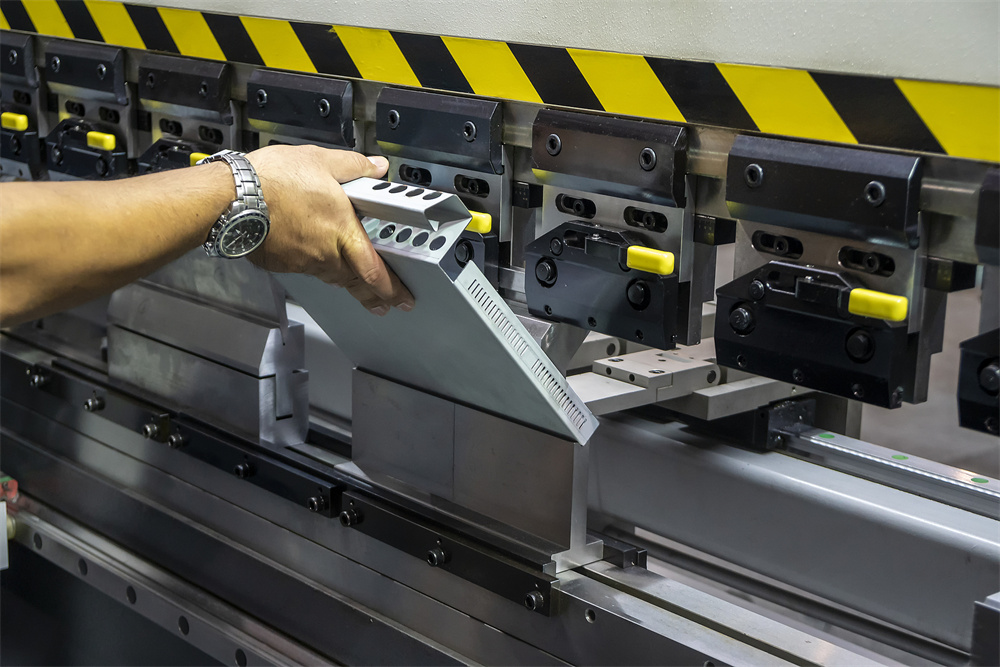
When discussing press brake uses in rail transportation and metal component fabrication, one must first consider the material properties involved. Rail components are frequently manufactured from high-strength low-alloy (HSLA) steel, stainless steel, and aluminum alloys. Each of these materials presents unique challenges regarding springback, tensile strength, and surface finish requirements. A press brake must be capable of compensating for these variables to ensure dimensional accuracy across long, complex bends.
Another critical consideration is the scale of the workpieces. Rail carriages are massive, requiring long bed lengths and high-tonnage capacities. Unlike standard sheet metal fabrication, rail manufacturing often involves bending thick plates that require multi-axis backgauges and specialized tooling. The ability to handle these large parts without compromising on precision is what separates high-end industrial press brakes from standard workshop equipment.
Safety and compliance are non-negotiable in the rail sector. Every bent component is a structural element that could impact passenger safety. Therefore, the press brake must be equipped with advanced safety systems, such as laser light curtains and real-time monitoring of bending force. These features ensure that the operator is protected while also guaranteeing that the machine operates within the specified tolerance levels for every single bend.
Finally, production efficiency and throughput are vital. Rail projects often involve large batches of identical parts. The integration of automatic tool changers and offline programming software allows fabricators to transition between different component designs with minimal downtime. This agility is crucial for meeting the tight delivery schedules often associated with large-scale infrastructure projects.
Technical Details of Modern Press Brakes
The technical architecture of a modern press brake is designed to handle the rigors of heavy-duty fabrication. At the heart of the machine is the hydraulic or electric drive system, which provides the force necessary to deform thick metal plates. For rail applications, HARSLE recommends hydraulic systems with high-speed approach and return cycles, which significantly reduce the time spent on non-productive movements.
CNC control systems are the brains of the operation. Modern controllers allow for multi-axis synchronization, where the Y1 and Y2 axes are controlled independently to ensure perfect parallelism between the ram and the bed. This is particularly important when bending long rail panels, where even a fraction of a millimeter of deviation can result in a rejected part. Advanced controllers also feature 3D visualization, allowing operators to simulate the bending process before the metal is even touched.
Crowning systems are another essential technical feature. When bending long pieces, the press brake bed and ram tend to deflect under load. A motorized or hydraulic crowning system compensates for this deflection by applying counter-pressure, ensuring that the bend angle remains consistent across the entire length of the workpiece. This is a mandatory feature for any press brake used in the production of long rail carriage side walls.
Tooling selection is equally technical. Rail fabrication often requires custom-designed punches and dies to accommodate specific radii and complex geometries. The use of hardened, precision-ground tooling is necessary to withstand the high pressures involved in bending thick-gauge materials. Furthermore, quick-change clamping systems allow for rapid tooling swaps, which is essential for shops that handle a diverse range of rail components.
Selection Advice for Rail Fabrication Equipment
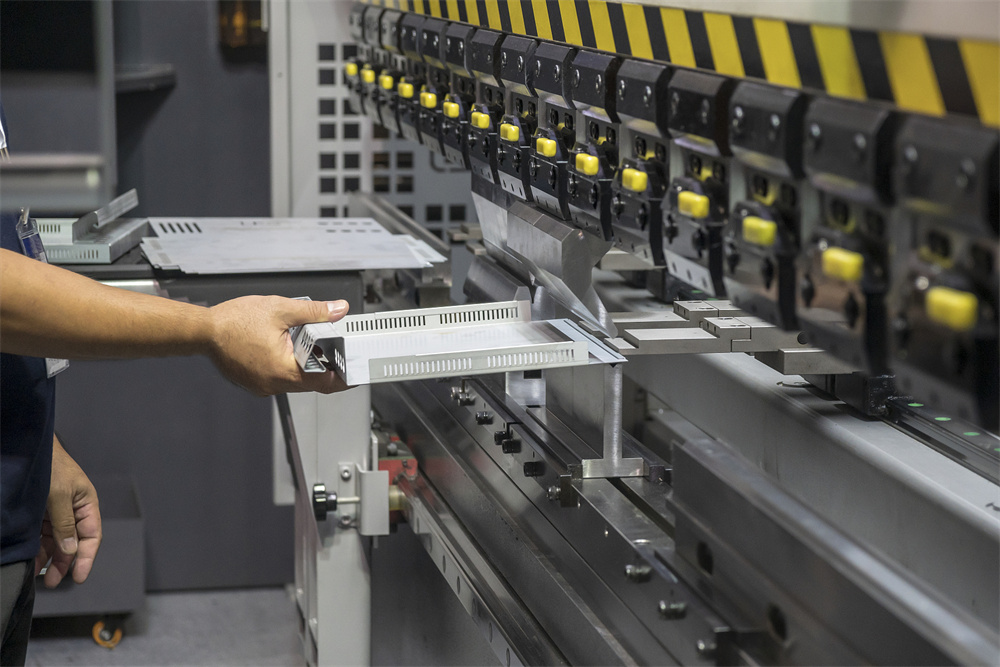
Choosing the right press brake for rail transportation and metal component fabrication requires a strategic approach. First, evaluate your maximum material thickness and length requirements. It is always advisable to select a machine with a slightly higher tonnage capacity than your current needs to allow for future growth and the ability to handle tougher materials that may be introduced in future rail designs.
Consider the level of automation required. If your facility produces high volumes of repetitive parts, investing in a robotic bending cell can drastically increase throughput and consistency. Robotic integration removes the variability of manual handling and ensures that the press brake operates at maximum capacity throughout the shift. For smaller, more complex batches, focus on machines with intuitive CNC interfaces that allow for rapid setup and programming.
Energy efficiency is an increasingly important factor. Modern servo-hydraulic press brakes offer significant energy savings compared to traditional hydraulic systems. These machines only consume power when the ram is in motion, reducing electricity costs and lowering the overall carbon footprint of your manufacturing process. This is a key selling point for companies looking to align with modern sustainability standards in the rail industry.
Lastly, consider the manufacturer’s support and service network. A press brake is a long-term investment. Ensure that the supplier provides comprehensive training, readily available spare parts, and responsive technical support. HARSLE prides itself on providing end-to-end support, ensuring that your machinery remains operational and efficient throughout its entire lifecycle, which is critical for maintaining the uptime required in rail manufacturing.
Frequently Asked Questions (FAQ)
- What tonnage is typically required for rail component fabrication?
Rail components often involve thick-gauge steel. Depending on the length and thickness, machines typically range from 200 tons to over 1000 tons for heavy structural rail parts. - How does CNC control improve rail component quality?
CNC controls allow for precise control over the Y-axis and backgauge positioning, ensuring that complex bends are repeatable and accurate within tight tolerances, which is vital for structural integrity. - Can press brakes handle stainless steel for rail interiors?
Yes, modern press brakes can handle various grades of stainless steel. It is important to use appropriate tooling and potentially protective films to prevent surface marking. - What is the importance of crowning in rail manufacturing?
Crowning compensates for the deflection of the machine bed during the bending of long parts, ensuring the bend angle is uniform from one end of the rail panel to the other. - How often should a press brake be maintained?
Regular maintenance should follow the manufacturer’s schedule, typically involving hydraulic fluid checks, filter replacements, and lubrication of moving parts every 500 to 1000 operating hours.
Conclusion
The role of press brakes in the rail industry is foundational. As we have explored, press brake uses in rail transportation and metal component fabrication are diverse, ranging from structural chassis elements to intricate interior panels. By leveraging high-tonnage, CNC-controlled machinery, fabricators can meet the rigorous demands of the rail sector with precision and efficiency.
HARSLE remains committed to advancing the capabilities of metal fabrication equipment. Our machines are designed to provide the reliability, accuracy, and power required for the most challenging rail projects. By focusing on the right technical specifications, investing in quality tooling, and prioritizing regular maintenance, manufacturers can ensure their operations remain competitive and capable of delivering the high-quality components that modern rail infrastructure demands.
As the industry continues to evolve toward higher speeds and more sustainable materials, the technology behind the press brake will continue to adapt. Staying informed and choosing the right equipment partner is the first step toward long-term success in this vital industrial sector. Explore HARSLE’s range of industrial press brakes today to find the perfect solution for your fabrication needs.












