
Punching Machine Maintenance Guide to Reduce Downtime and Extend Service Life


Technical Overview: The Importance of Proactive Maintenance
In the high-stakes world of metal fabrication, the punching machine serves as the backbone of production efficiency. Whether you are operating a mechanical, hydraulic, or CNC-controlled punching system, the machine’s ability to deliver consistent force and precision is paramount. A comprehensive Punching Machine Maintenance Guide to Reduce Downtime and Extend Service Life is not merely a suggestion; it is a critical operational strategy. When a machine fails, the ripple effect through your production schedule can lead to missed deadlines, increased labor costs, and significant financial losses.
HARSLE emphasizes that maintenance should be viewed as an investment rather than an expense. By implementing a structured maintenance program, operators can identify micro-fractures, lubrication deficiencies, and alignment issues long before they manifest as catastrophic failures. This proactive approach ensures that the punching force remains within specified tolerances, protecting both the machine’s structural integrity and the quality of the finished metal parts.
Modern punching machines are complex assemblies of hydraulic systems, electrical controllers, and mechanical drive trains. Each of these subsystems requires a unique maintenance protocol. For instance, the hydraulic system relies on fluid purity and pressure stability, while the mechanical drive requires precise lubrication and tensioning. Understanding the interplay between these systems is the first step in mastering machine longevity.
Furthermore, the environment in which the machine operates plays a significant role in its lifespan. Dust, metal shavings, and temperature fluctuations can accelerate wear on sensitive components. By integrating environmental controls and rigorous cleaning schedules into your daily routine, you create a buffer against the harsh realities of the shop floor, effectively extending the service life of your equipment.
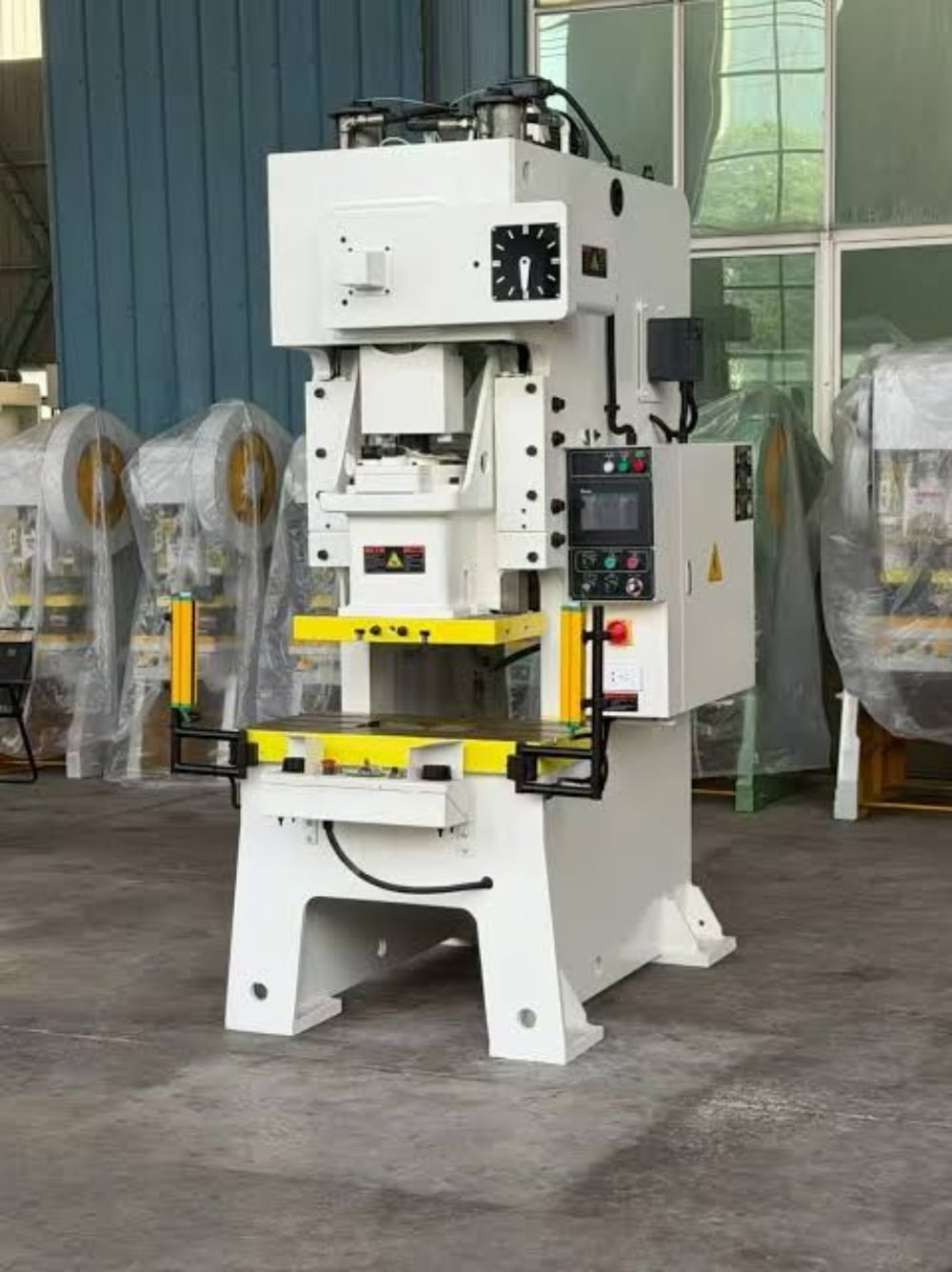
Core Parameters for Optimal Performance
To effectively manage your punching machine, you must first understand the core parameters that define its health. These parameters are the indicators of whether your machine is operating within its design envelope or being pushed to its limits. The primary parameter is the punching force, usually measured in tons. Exceeding this force capacity, even momentarily, can lead to permanent deformation of the frame and premature failure of the hydraulic seals.
Another critical parameter is the stroke frequency or cycles per minute (SPM). While high-speed punching is desirable for productivity, it generates significant heat. Monitoring the temperature of the hydraulic oil and the drive motor is essential. If the operating temperature consistently exceeds the manufacturer’s recommended range, the viscosity of the lubricant breaks down, leading to metal-on-metal contact and accelerated wear.
Tooling alignment is perhaps the most overlooked parameter. The clearance between the punch and the die must be precisely maintained according to the material thickness and type. If the clearance is too tight, the punch will experience excessive friction and heat; if it is too loose, the material will burr, and the punch will experience side-loading forces that can snap the tool or damage the ram guide.
Finally, electrical parameters such as voltage stability and current draw are vital for CNC-controlled machines. Fluctuations in power can cause the controller to miscalculate positioning, leading to tool collisions. By tracking these core parameters through a digital monitoring system or manual logs, operators can establish a baseline of ‘normal’ performance, making it easier to spot anomalies that precede a breakdown.
Calculation Method for Maintenance Intervals
Determining the frequency of maintenance tasks requires a data-driven approach. A common mistake is relying solely on calendar-based maintenance. Instead, HARSLE recommends a hybrid approach based on ‘Operating Hours’ and ‘Cycle Counts.’ To calculate your specific maintenance interval, you must first determine the total number of cycles the machine performs in an average shift.
The formula for calculating the maintenance interval (MI) is: MI = (Total Expected Component Life in Cycles) / (Average Cycles per Shift × Safety Factor). The safety factor is typically set between 1.2 and 1.5, depending on the intensity of the work. For example, if a specific hydraulic seal is rated for 1,000,000 cycles, and your machine performs 5,000 cycles per shift, your maintenance interval should be set at approximately 130 to 160 shifts.
It is also important to factor in the material hardness. Punching high-tensile steel places significantly more stress on the machine than punching mild steel or aluminum. You should apply a ‘Material Stress Multiplier’ to your calculation. If you are working with materials that are 20% harder than the machine’s baseline rating, reduce your maintenance interval by 20% to compensate for the increased wear.
Documentation is the final piece of this calculation. By keeping a detailed log of when parts were replaced and how many cycles they lasted, you can refine your maintenance intervals over time. This creates a feedback loop that allows you to optimize your maintenance schedule, ensuring that you are replacing parts just before they fail, rather than too early (wasting money) or too late (causing downtime).
Parameter Table: Maintenance Schedule Overview
| Component | Maintenance Task | Frequency | Criticality |
|---|---|---|---|
| Hydraulic Oil | Check Level & Viscosity | Weekly | High |
| Punch/Die Clearance | Check Alignment | Daily | Critical |
| Ram Guides | Lubrication | Daily | High |
| Electrical Cabinet | Dust Removal/Filter Check | Monthly | Medium |
| Hydraulic Filters | Replacement | Every 500 Hours | High |
| Drive Belts | Tension Check | Quarterly | Medium |
| Safety Sensors | Functionality Test | Daily | Critical |
Common Engineering Mistakes in Maintenance
One of the most frequent mistakes in industrial maintenance is the ‘if it isn’t broken, don’t fix it’ mentality. This reactive approach is the primary cause of unplanned downtime. When a machine is allowed to run until a component fails, the failure often triggers a chain reaction, damaging secondary parts that were otherwise healthy. For example, a worn-out guide bushing that isn’t replaced can lead to punch misalignment, which eventually destroys the entire tool set and potentially the ram itself.
Another common error is the use of improper lubricants. Many operators assume that any high-quality grease will suffice for all moving parts. However, punching machines require specific lubricants that can withstand high pressure and high-frequency movement. Using the wrong viscosity or chemical composition can lead to ‘gumming’ or, worse, insufficient lubrication under load, which significantly shortens the service life of the machine.
Ignoring the cleaning of the electrical cabinet is another critical oversight. Modern punching machines are controlled by sensitive PLCs and servo drives. These components generate heat and require airflow for cooling. If the intake filters are clogged with metal dust, the internal temperature rises, leading to premature failure of the electronic boards. This is often misdiagnosed as a software issue when it is actually a simple maintenance failure.
Finally, failing to train operators on the nuances of the machine is a major mistake. Operators are the first line of defense. If they are not trained to listen for unusual noises, feel for excessive vibrations, or notice subtle changes in the punching sound, they will continue to operate a failing machine until it stops completely. Empowering your team with the knowledge to perform basic daily inspections is the most effective way to reduce downtime.
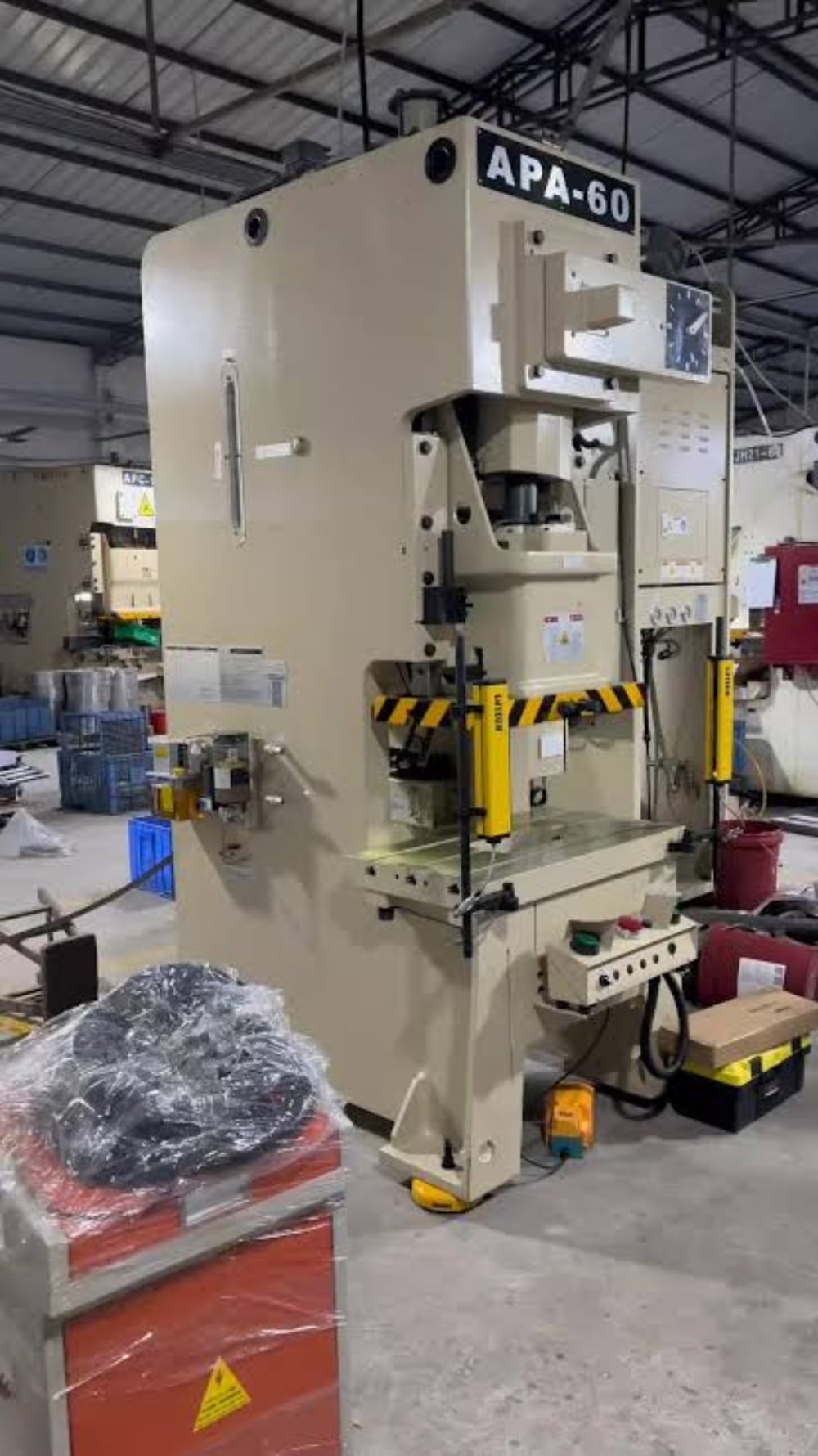
Selection Checklist for Maintenance Tools
When setting up your maintenance department, having the right tools is as important as having the right schedule. Your toolkit should be specialized for the type of punching machine you operate. Start with a high-quality set of precision measuring tools, including digital calipers and dial indicators, which are essential for checking punch-to-die clearance and ram parallelism.
You will also need a dedicated lubrication system. This includes grease guns with pressure gauges to ensure that you are not over-greasing, which can blow out seals. For hydraulic systems, an oil analysis kit is an invaluable investment. It allows you to test the oil for contamination, water content, and metal particles, giving you a ‘blood test’ of your machine’s internal health before a breakdown occurs.
Don’t forget the importance of cleaning equipment. An industrial-grade vacuum cleaner designed for metal shavings is a must. Avoid using compressed air for cleaning, as it can force metal dust into sensitive electronic components or bearing seals. Instead, use specialized brushes and vacuum attachments to remove debris safely.
Lastly, maintain a digital or physical library of the machine’s technical manuals, electrical schematics, and a spare parts inventory. The spare parts list should be categorized by ‘Critical’ (parts that stop the machine if they fail) and ‘Consumable’ (parts that wear out regularly). Having these parts on hand ensures that when a maintenance task is identified, you can perform it immediately without waiting for shipping.
FAQ: Punching Machine Maintenance
How often should I change the hydraulic oil?
Generally, hydraulic oil should be changed every 2,000 to 4,000 operating hours, or once a year, whichever comes first. However, if your oil analysis shows high levels of contamination or oxidation, you should change it sooner.
Why does my punching machine produce burrs?
Burrs are usually a sign of incorrect punch-to-die clearance or dull tooling. Check the clearance against the material thickness and inspect the punch edges for wear. If the edges are rounded, the tool needs to be sharpened or replaced.
Can I use compressed air to clean the machine?
No, HARSLE strongly advises against using compressed air. It can push metal dust into the machine’s internal components, causing electrical shorts or bearing damage. Use a vacuum or a soft brush instead.
What is the most critical part of a punching machine to maintain?
The ram guide system and the hydraulic system are the most critical. If the ram guides lose precision, the machine cannot punch accurately. If the hydraulic system fails, the machine cannot generate the necessary force.
How can I reduce downtime during maintenance?
The best way to reduce downtime is to perform maintenance during scheduled production breaks and to keep a well-stocked inventory of critical spare parts. Additionally, training your operators to perform daily inspections helps catch issues early, allowing you to schedule repairs rather than reacting to emergencies.
By following this Punching Machine Maintenance Guide to Reduce Downtime and Extend Service Life, you are taking a proactive step toward operational excellence. HARSLE is committed to supporting your fabrication journey with reliable machinery and the knowledge to keep it running at peak performance for years to come.












