Automatic Punching Machine Price Guide: Is the Higher Cost Worth It?


Introduction to Automatic Punching Machine Investment
In the competitive landscape of modern metal fabrication, the decision to upgrade or invest in new machinery is never taken lightly. Among the most critical assets in a workshop is the automatic punching machine. As technology advances, the market has seen a wide divergence in pricing, leaving many business owners asking: Automatic Punching Machine Price : Is Higher Cost Worth It? This guide aims to deconstruct the complexities of industrial pricing, helping you understand what you are actually paying for when you opt for a premium model versus an entry-level solution.
Automatic punching machines have evolved from simple mechanical presses to highly sophisticated CNC-controlled powerhouses capable of intricate nesting, multi-tooling, and high-speed operations. While a lower price tag is always tempting for the bottom line, the long-term implications of machine reliability, precision, and throughput often tell a different story. In this article, we will explore the various price tiers, the technical drivers behind those costs, and how to calculate the true return on investment (ROI) for your fabrication business.
Automatic Punching Machine Price Range Overview
The market for automatic punching machines is generally divided into three main categories based on capacity, technology, and intended duty cycle. Understanding where a machine falls within these ranges is the first step in determining its value proposition for your specific needs.
| Machine Category | Estimated Price Range (USD) | Typical Applications | Key Features |
|---|---|---|---|
| Entry-Level / Light Duty | $15,000 – $45,000 | Small workshops, prototype work, thin gauge materials. | Basic CNC, limited tool stations, lower SPM (Strokes Per Minute). |
| Mid-Range / Production Grade | $50,000 – $130,000 | General job shops, medium-scale manufacturing. | Hydraulic or Servo drive, auto-index stations, better nesting software. |
| High-End / Industrial Heavyweight | $150,000 – $400,000+ | High-volume automotive, aerospace, and electronics. | Full servo-electric systems, automated loading/unloading, 24/7 duty cycle. |
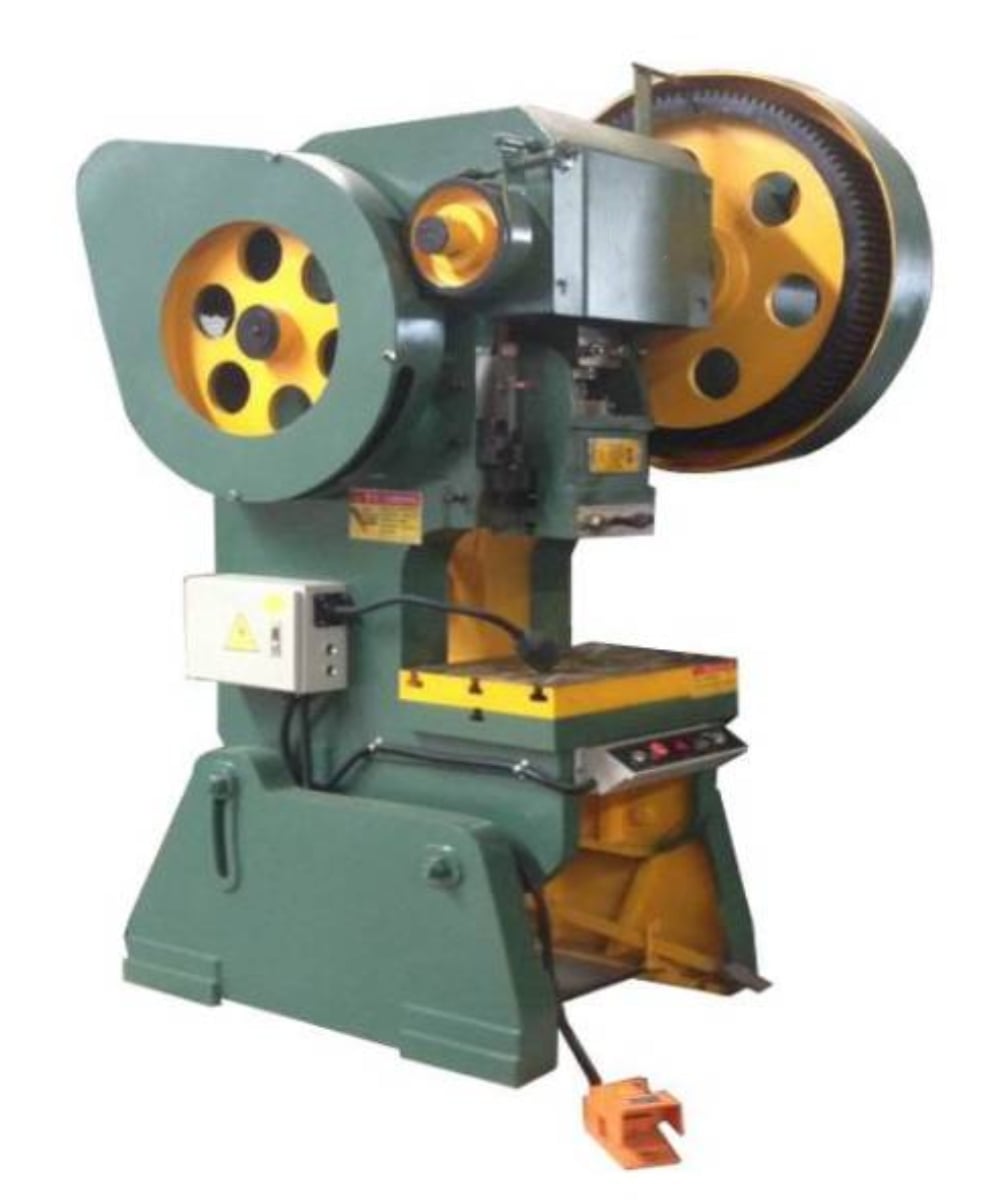
Entry-level machines are often mechanical or basic hydraulic systems. They are excellent for businesses transitioning from manual operations but may lack the speed required for high-volume contracts. Mid-range machines represent the “sweet spot” for many growing companies, offering a balance of speed and versatility. High-end machines are specialized investments designed for maximum efficiency, often integrating seamlessly into fully automated production lines.
Main Cost Drivers: What Dictates the Price?
When analyzing an Automatic Punching Machine Price : Is Higher Cost Worth It?, it is essential to look under the hood. Several technical factors contribute significantly to the final invoice. The first and most obvious is Tonnage. A 20-ton machine is naturally cheaper than a 50-ton machine because it requires less raw material for the frame and a less powerful drive system. However, tonnage dictates the thickness and type of material you can process; under-buying here can render the machine useless for future projects.
The CNC Control System is the “brain” of the machine. Premium brands often utilize high-end controllers like Fanuc or Siemens, which offer superior processing speeds, better user interfaces, and easier integration with CAD/CAM software. These systems are more expensive but offer better long-term support and parts availability. Cheaper machines may use proprietary or generic controllers that are difficult to repair or upgrade, potentially leading to longer downtimes.
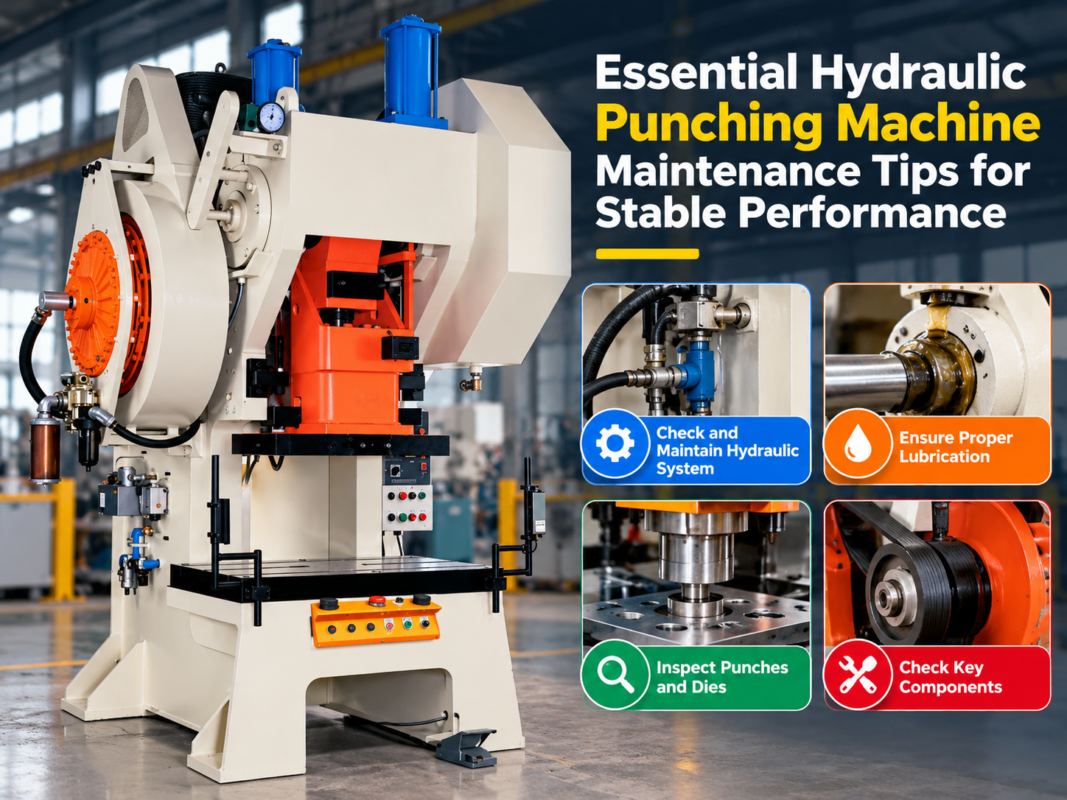
Another major driver is the Drive Mechanism. Traditional mechanical flywheels are the most affordable but offer the least control. Hydraulic systems provide more power and flexibility but require more maintenance and energy. Servo-electric drives are the most expensive upfront but offer unparalleled precision, energy efficiency, and speed. The choice of drive system directly impacts the machine’s “Strokes Per Minute” (SPM), which is a primary metric for productivity.
Configuration Impact: Customization and Capability
The configuration of the turret or tool changer significantly impacts the price. A machine with a 12-station turret will be considerably cheaper than one with a 32-station turret including multiple auto-index stations. Auto-index stations allow the tool to rotate to any angle, reducing the number of tools needed and decreasing setup times. For complex parts, the ability to rotate tools is not just a luxury; it is a necessity that justifies a higher price point.
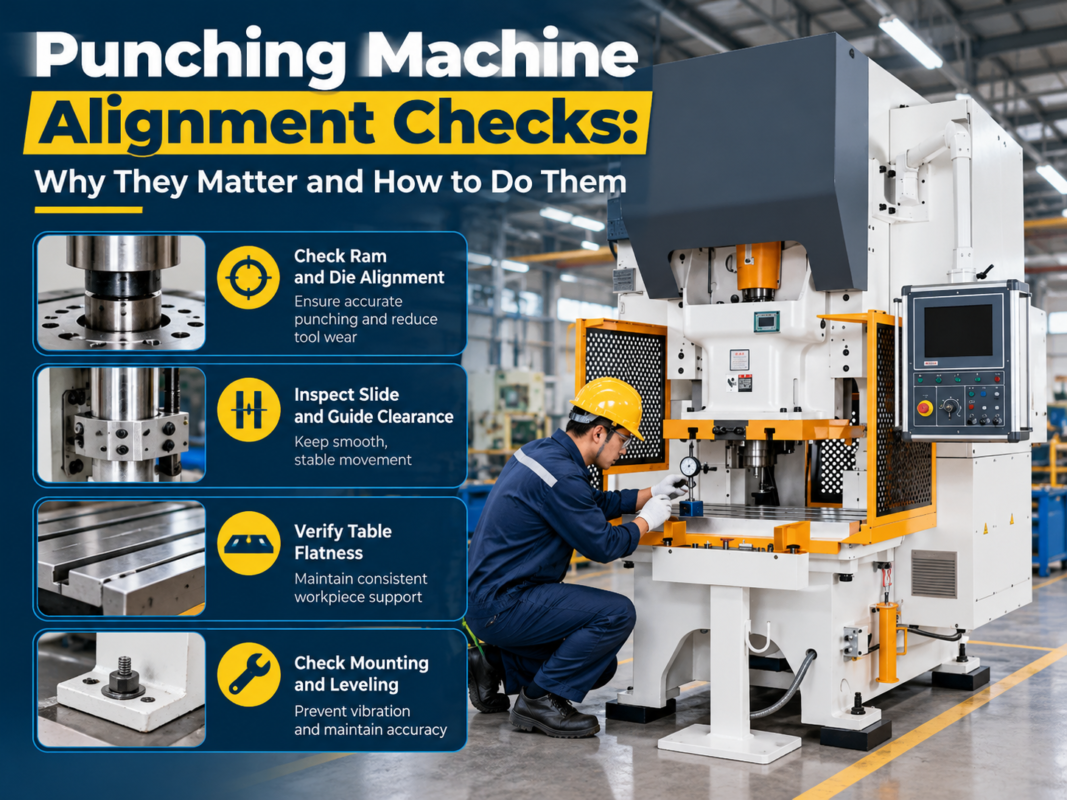
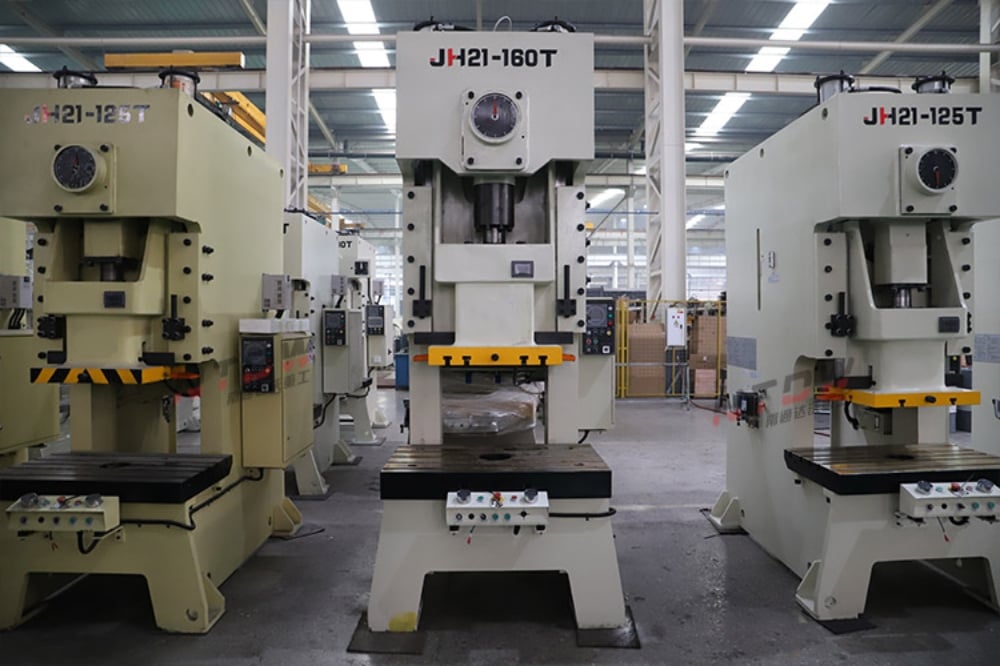
Furthermore, the inclusion of Worktable Technology affects the cost. Brushed tables are standard for protecting the surface of sensitive materials like stainless steel or aluminum, whereas ball-transfer tables are more common for heavier, thicker plates. High-end machines often feature “O-frame” or “Closed-frame” designs, which provide superior rigidity compared to “C-frame” designs. This rigidity ensures that the punch and die remain perfectly aligned even under high pressure, extending tool life and ensuring part accuracy.
Hidden Costs of Ownership
The sticker price is only the beginning. To truly answer if the higher cost is worth it, one must consider the Total Cost of Ownership (TCO). Hidden costs can quickly erode the perceived savings of a “cheap” machine. One such cost is Installation and Commissioning. High-end manufacturers often include professional setup and calibration in their price, whereas budget suppliers may leave the heavy lifting (and the risk of improper setup) to the buyer.
Tooling is another recurring expense. High-quality machines often use standard “Thick Turret” tooling, which is widely available and interchangeable. Some budget machines use proprietary tooling systems that lock you into a single supplier, often at higher prices. Additionally, the Energy Consumption of an older hydraulic design can be significantly higher than a modern servo-electric model. Over a five-year period, the electricity savings from a more expensive, efficient machine can total thousands of dollars.
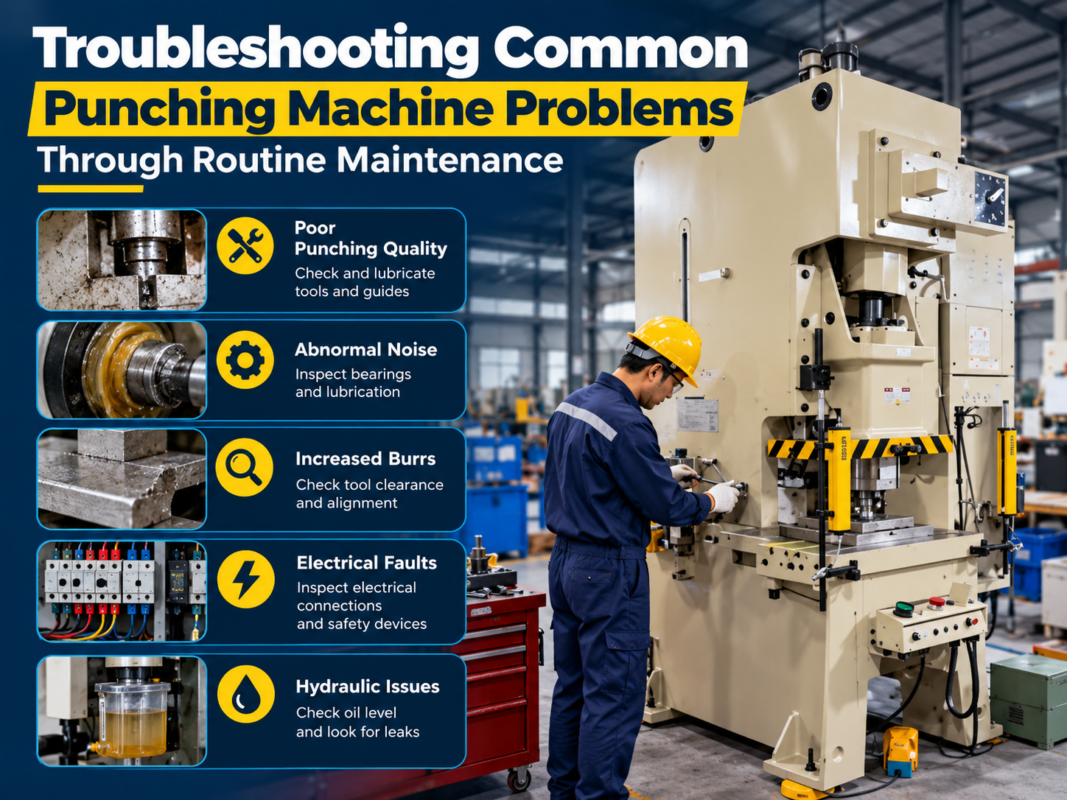
Finally, consider Maintenance and Downtime. A machine that costs $20,000 less but breaks down twice as often is not a bargain. The availability of spare parts and the proximity of service technicians are vital. Premium brands usually have a more robust support network. If your machine is down for two weeks waiting for a part from overseas, the lost production revenue will far exceed the initial savings on the purchase price.
ROI Calculation: Is the Higher Cost Worth It?
To determine if a higher-priced automatic punching machine is worth the investment, you must perform a Return on Investment (ROI) calculation. This involves comparing the projected income generated by the machine against its total costs. A more expensive machine typically offers higher SPM and faster tool changes, meaning it can produce more parts per hour. If a $100,000 machine produces 30% more parts than a $70,000 machine, the extra $30,000 investment could be recouped in less than a year through increased throughput alone.
Quality and scrap reduction also play a role. High-end machines with precision sensors and stable frames produce fewer defective parts. In industries with high material costs, such as aerospace-grade aluminum or specialized alloys, reducing scrap by even 2-3% can result in massive annual savings. Furthermore, advanced nesting software—often bundled with higher-end machines—optimizes material usage, allowing you to get more parts out of every sheet of metal.
Labor costs are the final piece of the ROI puzzle. Modern, high-cost machines often feature automated loading and unloading systems. This allows for “lights-out” manufacturing, where the machine runs unattended during night shifts. By reducing the need for constant operator supervision, a company can significantly lower its labor-per-part cost, making the higher initial capital expenditure a much smarter long-term financial move.
Buying Advice: Choosing the Right Machine for Your Budget
When navigating the Automatic Punching Machine Price : Is Higher Cost Worth It? dilemma, start by auditing your current and future production needs. If you are primarily punching simple holes in thin mild steel for low-volume orders, a high-end servo-electric machine is likely overkill. However, if you are looking to scale, handle complex geometries, or work with sensitive materials, the cheapest option will likely become a bottleneck within twelve months.
- Assess Material Thickness: Always buy a machine with at least 20% more tonnage than your thickest current application to avoid straining the frame.
- Evaluate Software: Don’t overlook the CAD/CAM interface. Good software can save hours of programming time every week.
- Check the Frame: For high-precision work, prioritize H-frame or O-frame designs over C-frames to minimize deflection.
- Inquire About Support: Ask the manufacturer about their service response time and the typical cost of a service call.
- Consider Resale Value: Well-known, premium brands hold their value much better on the used machinery market than obscure budget brands.
Ultimately, the goal is to find the “Value Peak”—the point where the machine’s capabilities perfectly align with your production requirements and growth trajectory. Investing in a machine that is slightly more capable than you currently need is often wiser than buying one that you will outgrow in a year.
Frequently Asked Questions (FAQ)
1. Why is there such a large price gap between mechanical and servo-electric punching machines?
Mechanical machines use a flywheel and clutch system, which is simpler and cheaper to manufacture but offers limited control over the punch stroke. Servo-electric machines use high-torque motors that allow for precise control of the punch position, speed, and pressure. This technology is more expensive to produce but results in higher energy efficiency, lower noise, and greater versatility.
2. Does a higher price always mean better accuracy?
Generally, yes. Higher-priced machines use more rigid frames (to prevent flexing), higher-quality linear guides, and more sophisticated feedback loops in their CNC systems. These components ensure that the punch hits the exact same spot every time, even after years of heavy use.
3. How much should I budget for tooling when buying a new machine?
A good rule of thumb is to budget an additional 10% to 15% of the machine’s purchase price for an initial set of high-quality tools. While you can start with less, having a versatile tool library is essential for maximizing the machine’s utility from day one.
4. Is it better to buy a used high-end machine or a new entry-level machine?
This depends on your technical expertise. A used high-end machine offers great capabilities but may come with hidden wear and tear and no warranty. A new entry-level machine offers peace of mind and manufacturer support but may limit your production speed. For most growing shops, a new mid-range machine is the safest investment.
5. How long does it typically take to see an ROI on an automatic punching machine?
For a machine integrated into a steady production line, most businesses see a full ROI within 18 to 36 months. This timeline can be shorter if the machine replaces multiple manual processes or allows the company to take on higher-margin, complex work that was previously impossible.
6. What is the most common maintenance cost for these machines?
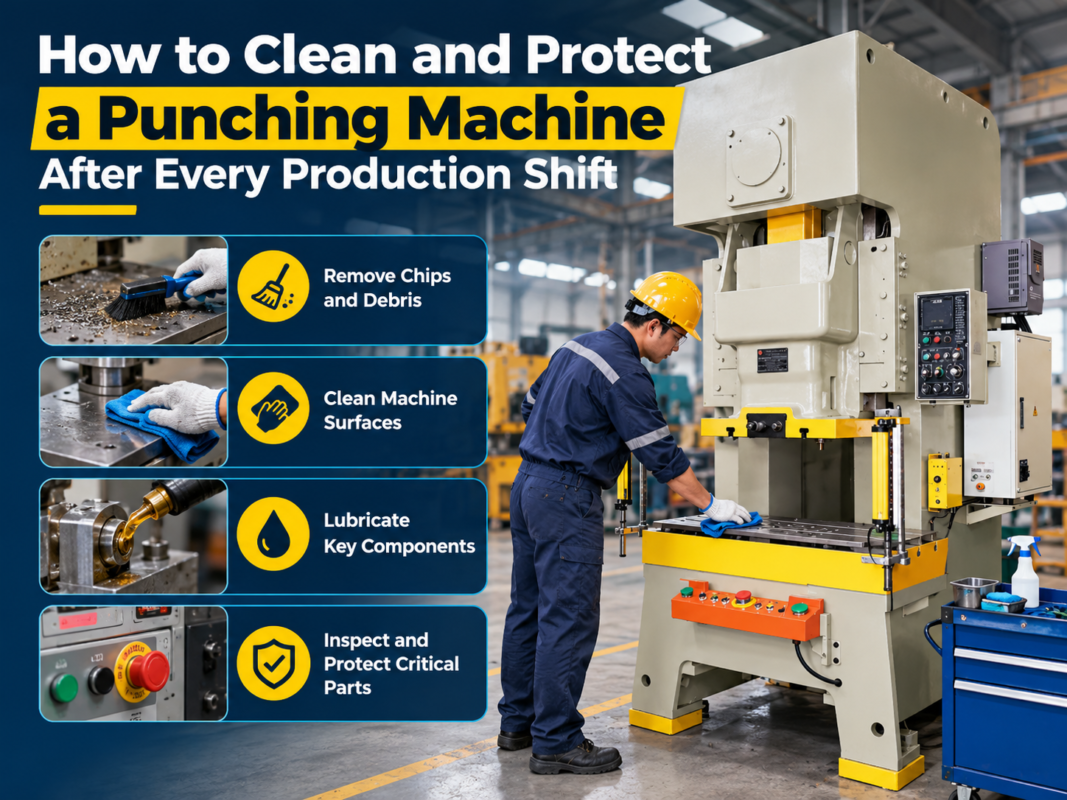
For hydraulic machines, oil changes and seal replacements are common. For all machines, the most frequent costs are tool sharpening and the replacement of consumable parts like punch guides and springs. Regular maintenance is key to protecting your investment and ensuring the machine reaches its expected lifespan of 15-20 years.